
Optimizing Energy Distribution with World Models in Utility Systems
APR 13, 20269 MIN READ
Generate Your Research Report Instantly with AI Agent
Patsnap Eureka helps you evaluate technical feasibility & market potential.
Energy Distribution World Models Background and Objectives
The evolution of energy distribution systems has undergone significant transformation over the past century, transitioning from simple radial networks to complex, interconnected smart grids. Traditional energy distribution relied heavily on centralized generation and unidirectional power flows, with limited real-time monitoring and control capabilities. However, the integration of renewable energy sources, distributed generation, and advanced digital technologies has fundamentally altered the landscape, creating unprecedented complexity in managing energy flows and maintaining grid stability.
World models represent a paradigm shift in approaching energy distribution optimization, drawing inspiration from artificial intelligence and machine learning domains. These computational frameworks create comprehensive digital representations of utility systems, enabling predictive modeling and scenario analysis that extends far beyond conventional control systems. By incorporating real-time data streams, historical patterns, and environmental variables, world models can simulate complex interactions within energy networks and predict system behavior under various operational conditions.
The technological foundation for world models in energy distribution encompasses several critical components, including advanced sensor networks, edge computing infrastructure, and sophisticated algorithms capable of processing vast amounts of heterogeneous data. Recent developments in digital twin technologies, reinforcement learning, and distributed computing have created the necessary technological ecosystem to support comprehensive world model implementations in utility systems.
Current energy distribution challenges necessitate innovative approaches that can address multiple objectives simultaneously, including reliability enhancement, cost optimization, environmental sustainability, and grid resilience. Traditional optimization methods often struggle with the dynamic nature of modern energy systems, particularly when dealing with intermittent renewable sources, fluctuating demand patterns, and increasing electrification across various sectors.
The primary objective of implementing world models in energy distribution systems centers on achieving dynamic optimization that adapts to real-time conditions while maintaining long-term strategic goals. This involves developing predictive capabilities that can anticipate system states, identify potential bottlenecks or failures, and recommend optimal control actions before issues manifest. The integration aims to create self-learning systems that continuously improve their performance through experience and data accumulation.
Furthermore, world models seek to enable proactive rather than reactive management of energy distribution networks, facilitating seamless integration of diverse energy sources while maintaining grid stability and service quality. The ultimate goal encompasses creating resilient, efficient, and sustainable energy distribution systems capable of supporting future energy transition requirements while ensuring reliable service delivery to end consumers.
World models represent a paradigm shift in approaching energy distribution optimization, drawing inspiration from artificial intelligence and machine learning domains. These computational frameworks create comprehensive digital representations of utility systems, enabling predictive modeling and scenario analysis that extends far beyond conventional control systems. By incorporating real-time data streams, historical patterns, and environmental variables, world models can simulate complex interactions within energy networks and predict system behavior under various operational conditions.
The technological foundation for world models in energy distribution encompasses several critical components, including advanced sensor networks, edge computing infrastructure, and sophisticated algorithms capable of processing vast amounts of heterogeneous data. Recent developments in digital twin technologies, reinforcement learning, and distributed computing have created the necessary technological ecosystem to support comprehensive world model implementations in utility systems.
Current energy distribution challenges necessitate innovative approaches that can address multiple objectives simultaneously, including reliability enhancement, cost optimization, environmental sustainability, and grid resilience. Traditional optimization methods often struggle with the dynamic nature of modern energy systems, particularly when dealing with intermittent renewable sources, fluctuating demand patterns, and increasing electrification across various sectors.
The primary objective of implementing world models in energy distribution systems centers on achieving dynamic optimization that adapts to real-time conditions while maintaining long-term strategic goals. This involves developing predictive capabilities that can anticipate system states, identify potential bottlenecks or failures, and recommend optimal control actions before issues manifest. The integration aims to create self-learning systems that continuously improve their performance through experience and data accumulation.
Furthermore, world models seek to enable proactive rather than reactive management of energy distribution networks, facilitating seamless integration of diverse energy sources while maintaining grid stability and service quality. The ultimate goal encompasses creating resilient, efficient, and sustainable energy distribution systems capable of supporting future energy transition requirements while ensuring reliable service delivery to end consumers.
Market Demand for Smart Grid Optimization Solutions
The global energy sector is experiencing unprecedented transformation driven by the urgent need for sustainable, efficient, and resilient power systems. Traditional utility networks face mounting pressure to accommodate renewable energy integration, manage distributed generation, and respond to increasingly dynamic consumption patterns. This convergence of challenges has created substantial market demand for advanced smart grid optimization solutions that leverage artificial intelligence and predictive modeling technologies.
Market drivers for smart grid optimization are multifaceted and compelling. Climate change commitments have accelerated renewable energy adoption worldwide, creating grid stability challenges that require sophisticated management systems. The intermittent nature of solar and wind power necessitates predictive algorithms capable of forecasting generation patterns and optimizing energy distribution accordingly. Utility companies are actively seeking solutions that can maintain grid reliability while maximizing renewable energy utilization.
The rise of distributed energy resources has fundamentally altered market dynamics. Residential solar installations, electric vehicle charging networks, and energy storage systems have transformed consumers into prosumers, creating bidirectional energy flows that traditional grid infrastructure struggles to manage efficiently. This complexity drives demand for intelligent optimization platforms capable of coordinating multiple energy sources and loads in real-time.
Economic factors further amplify market demand. Energy waste reduction represents significant cost savings for utilities and consumers alike. Smart grid optimization solutions promise to minimize transmission losses, reduce peak demand charges, and optimize asset utilization across the entire distribution network. The potential for operational cost reduction creates strong financial incentives for technology adoption.
Regulatory frameworks increasingly mandate grid modernization and efficiency improvements. Government policies promoting smart grid deployment, carbon emission reduction targets, and energy security requirements create compliance-driven demand for optimization technologies. Utilities must invest in advanced systems to meet regulatory standards and avoid penalties.
The market opportunity extends beyond traditional utilities to encompass industrial facilities, commercial buildings, and microgrid operators. Each segment requires tailored optimization approaches that can adapt to specific operational constraints and objectives. This diversity creates multiple market entry points for innovative solutions.
Emerging technologies like world models and reinforcement learning are particularly well-positioned to address these market needs. Their ability to simulate complex system behaviors, predict future states, and optimize decision-making processes aligns perfectly with the sophisticated requirements of modern energy distribution challenges.
Market drivers for smart grid optimization are multifaceted and compelling. Climate change commitments have accelerated renewable energy adoption worldwide, creating grid stability challenges that require sophisticated management systems. The intermittent nature of solar and wind power necessitates predictive algorithms capable of forecasting generation patterns and optimizing energy distribution accordingly. Utility companies are actively seeking solutions that can maintain grid reliability while maximizing renewable energy utilization.
The rise of distributed energy resources has fundamentally altered market dynamics. Residential solar installations, electric vehicle charging networks, and energy storage systems have transformed consumers into prosumers, creating bidirectional energy flows that traditional grid infrastructure struggles to manage efficiently. This complexity drives demand for intelligent optimization platforms capable of coordinating multiple energy sources and loads in real-time.
Economic factors further amplify market demand. Energy waste reduction represents significant cost savings for utilities and consumers alike. Smart grid optimization solutions promise to minimize transmission losses, reduce peak demand charges, and optimize asset utilization across the entire distribution network. The potential for operational cost reduction creates strong financial incentives for technology adoption.
Regulatory frameworks increasingly mandate grid modernization and efficiency improvements. Government policies promoting smart grid deployment, carbon emission reduction targets, and energy security requirements create compliance-driven demand for optimization technologies. Utilities must invest in advanced systems to meet regulatory standards and avoid penalties.
The market opportunity extends beyond traditional utilities to encompass industrial facilities, commercial buildings, and microgrid operators. Each segment requires tailored optimization approaches that can adapt to specific operational constraints and objectives. This diversity creates multiple market entry points for innovative solutions.
Emerging technologies like world models and reinforcement learning are particularly well-positioned to address these market needs. Their ability to simulate complex system behaviors, predict future states, and optimize decision-making processes aligns perfectly with the sophisticated requirements of modern energy distribution challenges.
Current State of World Models in Utility Energy Systems
World models in utility energy systems represent an emerging paradigm that leverages predictive modeling and machine learning to create comprehensive digital representations of energy infrastructure. These models simulate the complex dynamics of power generation, transmission, and distribution networks, enabling utilities to anticipate system behavior under various operational scenarios. Current implementations primarily focus on short-term forecasting and real-time optimization, with most systems operating on prediction horizons ranging from minutes to several hours.
The technological foundation of existing world models relies heavily on deep learning architectures, particularly recurrent neural networks and transformer models. These systems integrate multiple data streams including weather patterns, historical consumption data, grid topology information, and real-time sensor measurements from smart meters and SCADA systems. Leading implementations demonstrate capabilities in load forecasting with accuracy rates exceeding 95% for day-ahead predictions, though performance degrades significantly for longer-term projections.
Current deployment challenges center around computational complexity and data integration issues. Most utility companies struggle with legacy infrastructure compatibility, as existing supervisory control systems were not designed for the high-frequency data exchange required by sophisticated world models. The computational overhead of running complex predictive models in real-time often necessitates significant hardware investments and specialized cloud computing resources.
Geographic distribution of world model implementations shows concentrated development in regions with advanced smart grid infrastructure. European utilities lead in deployment maturity, particularly in Nordic countries where renewable energy integration demands sophisticated forecasting capabilities. North American implementations focus primarily on demand response optimization, while Asian markets emphasize grid stability applications in densely populated urban areas.
Technical limitations persist in handling extreme weather events and unprecedented system conditions. Current world models demonstrate reduced accuracy during peak demand periods and struggle with cascading failure scenarios. The integration of renewable energy sources introduces additional complexity, as wind and solar generation patterns create non-linear dependencies that challenge existing modeling approaches. Most systems require continuous retraining and parameter adjustment to maintain acceptable performance levels.
Data quality and availability remain significant constraints across the industry. Many utilities lack the comprehensive historical datasets necessary for robust model training, while real-time data streams often suffer from sensor failures and communication latencies. Privacy concerns and regulatory restrictions further limit data sharing between utilities, preventing the development of more generalized world models that could benefit from broader training datasets.
The technological foundation of existing world models relies heavily on deep learning architectures, particularly recurrent neural networks and transformer models. These systems integrate multiple data streams including weather patterns, historical consumption data, grid topology information, and real-time sensor measurements from smart meters and SCADA systems. Leading implementations demonstrate capabilities in load forecasting with accuracy rates exceeding 95% for day-ahead predictions, though performance degrades significantly for longer-term projections.
Current deployment challenges center around computational complexity and data integration issues. Most utility companies struggle with legacy infrastructure compatibility, as existing supervisory control systems were not designed for the high-frequency data exchange required by sophisticated world models. The computational overhead of running complex predictive models in real-time often necessitates significant hardware investments and specialized cloud computing resources.
Geographic distribution of world model implementations shows concentrated development in regions with advanced smart grid infrastructure. European utilities lead in deployment maturity, particularly in Nordic countries where renewable energy integration demands sophisticated forecasting capabilities. North American implementations focus primarily on demand response optimization, while Asian markets emphasize grid stability applications in densely populated urban areas.
Technical limitations persist in handling extreme weather events and unprecedented system conditions. Current world models demonstrate reduced accuracy during peak demand periods and struggle with cascading failure scenarios. The integration of renewable energy sources introduces additional complexity, as wind and solar generation patterns create non-linear dependencies that challenge existing modeling approaches. Most systems require continuous retraining and parameter adjustment to maintain acceptable performance levels.
Data quality and availability remain significant constraints across the industry. Many utilities lack the comprehensive historical datasets necessary for robust model training, while real-time data streams often suffer from sensor failures and communication latencies. Privacy concerns and regulatory restrictions further limit data sharing between utilities, preventing the development of more generalized world models that could benefit from broader training datasets.
Existing World Model Solutions for Energy Optimization
01 Energy distribution modeling and prediction systems
Systems and methods for modeling and predicting energy distribution across networks using computational models. These approaches utilize algorithms to simulate energy flow patterns, forecast demand, and optimize distribution efficiency. The models can incorporate various parameters such as consumption patterns, generation capacity, and grid infrastructure to provide accurate predictions for energy management.- Energy distribution modeling and prediction systems: Systems and methods for modeling and predicting energy distribution across networks using computational models. These approaches utilize algorithms to simulate energy flow patterns, forecast demand, and optimize distribution efficiency. The models can incorporate various parameters such as consumption patterns, generation capacity, and grid infrastructure to provide accurate predictions for energy management.
- Machine learning and artificial intelligence for energy optimization: Application of machine learning algorithms and artificial intelligence techniques to optimize energy distribution networks. These methods analyze historical data, real-time measurements, and environmental factors to improve decision-making processes. The systems can automatically adjust distribution parameters, predict failures, and enhance overall network performance through intelligent data processing.
- Smart grid and distributed energy resource management: Technologies for managing distributed energy resources within smart grid infrastructures. These solutions enable coordination between multiple energy sources, storage systems, and consumption points. The systems facilitate bidirectional energy flow, load balancing, and integration of renewable energy sources into existing distribution networks.
- Energy storage and battery management systems: Methods and systems for managing energy storage devices and battery systems within distribution networks. These technologies optimize charging and discharging cycles, monitor battery health, and coordinate storage operations with grid demands. The solutions enhance grid stability and enable better utilization of intermittent renewable energy sources.
- Real-time monitoring and control systems for energy networks: Systems for real-time monitoring, control, and management of energy distribution networks. These platforms collect data from sensors and meters throughout the network, process information in real-time, and enable remote control of distribution components. The technologies support dynamic load management, fault detection, and automated response to changing network conditions.
02 Machine learning and artificial intelligence for energy optimization
Application of machine learning algorithms and artificial intelligence techniques to optimize energy distribution networks. These methods analyze historical data, real-time inputs, and environmental factors to improve decision-making processes. The systems can automatically adjust distribution parameters, predict failures, and enhance overall network performance through intelligent data processing.Expand Specific Solutions03 Distributed energy resource management
Technologies for managing distributed energy resources within power grids, including renewable energy sources and storage systems. These solutions coordinate multiple energy sources, balance supply and demand, and ensure stable distribution across the network. The systems enable integration of various generation types while maintaining grid stability and efficiency.Expand Specific Solutions04 Smart grid infrastructure and monitoring
Advanced infrastructure systems for monitoring and controlling energy distribution in smart grids. These technologies employ sensors, communication networks, and control systems to track energy flow in real-time. The infrastructure enables dynamic response to changing conditions, fault detection, and automated load balancing across distribution networks.Expand Specific Solutions05 Energy consumption analysis and demand forecasting
Methods for analyzing energy consumption patterns and forecasting future demand across distribution networks. These techniques process historical usage data, weather patterns, and socioeconomic factors to predict energy requirements. The analysis supports planning decisions, capacity management, and efficient resource allocation in energy distribution systems.Expand Specific Solutions
Key Players in Smart Grid and World Model Industry
The energy distribution optimization field using world models in utility systems represents a rapidly evolving sector driven by digital transformation and AI integration. The industry is transitioning from traditional grid management to intelligent, predictive systems, with significant market expansion fueled by renewable energy integration demands. Technology maturity varies considerably across players, with established utilities like State Grid Corp. of China, Siemens AG, and EnBW leading infrastructure deployment, while research institutions including Shanghai Jiao Tong University, North China Electric Power University, and Zhejiang University advance theoretical frameworks. Emerging companies like Uplight and Hygge Energy focus on specialized optimization solutions. The competitive landscape shows strong collaboration between academic institutions and state-owned enterprises, particularly in China, alongside international technology providers developing comprehensive smart grid solutions for enhanced energy efficiency and reliability.
State Grid Corp. of China
Technical Solution: State Grid has developed an advanced energy distribution optimization system utilizing deep reinforcement learning-based world models to predict and optimize power flow across their massive grid network. Their approach integrates real-time sensor data from over 1.1 billion smart meters with predictive modeling to forecast energy demand patterns up to 72 hours in advance. The system employs a hierarchical world model architecture that simulates various grid scenarios, enabling proactive load balancing and fault prevention. This technology has been deployed across multiple provincial grids, demonstrating significant improvements in energy efficiency and grid stability through predictive maintenance and dynamic resource allocation.
Strengths: Massive scale implementation experience, extensive real-world data access, proven grid management expertise. Weaknesses: Legacy infrastructure constraints, slower innovation cycles compared to tech companies.
Siemens AG
Technical Solution: Siemens has developed the MindSphere-based energy optimization platform that leverages digital twin technology and world models for utility systems. Their solution combines IoT sensors, edge computing, and cloud-based AI to create comprehensive digital replicas of power distribution networks. The system uses model-predictive control algorithms enhanced with machine learning to optimize energy flow, reduce transmission losses by up to 15%, and improve grid resilience. Their world model approach incorporates weather forecasting, demand prediction, and equipment health monitoring to enable autonomous grid operations. The platform has been successfully deployed in over 200 utility projects globally, demonstrating measurable improvements in operational efficiency and cost reduction.
Strengths: Strong industrial automation expertise, global deployment experience, comprehensive IoT integration capabilities. Weaknesses: High implementation costs, complex system integration requirements.
Core Innovations in Predictive Energy Distribution Models
Urban distributed energy resource scheduling method and system based on world model
PatentPendingCN119539410A
Innovation
- The urban distributed energy resource scheduling method based on the world model is adopted, and the operation data of distributed energy resources is collected in real time, and a virtual simulation sub-model is established based on historical data. The situation perceptron is used for situation awareness and analysis, and the intelligent decision-maker automatically generates the scheduling scheme based on the deep reinforcement learning algorithm.


Rolling stochastic optimization based operation of distributed energy systems with energy storage systems and renewable energy resources
PatentInactiveUS20160043548A1
Innovation
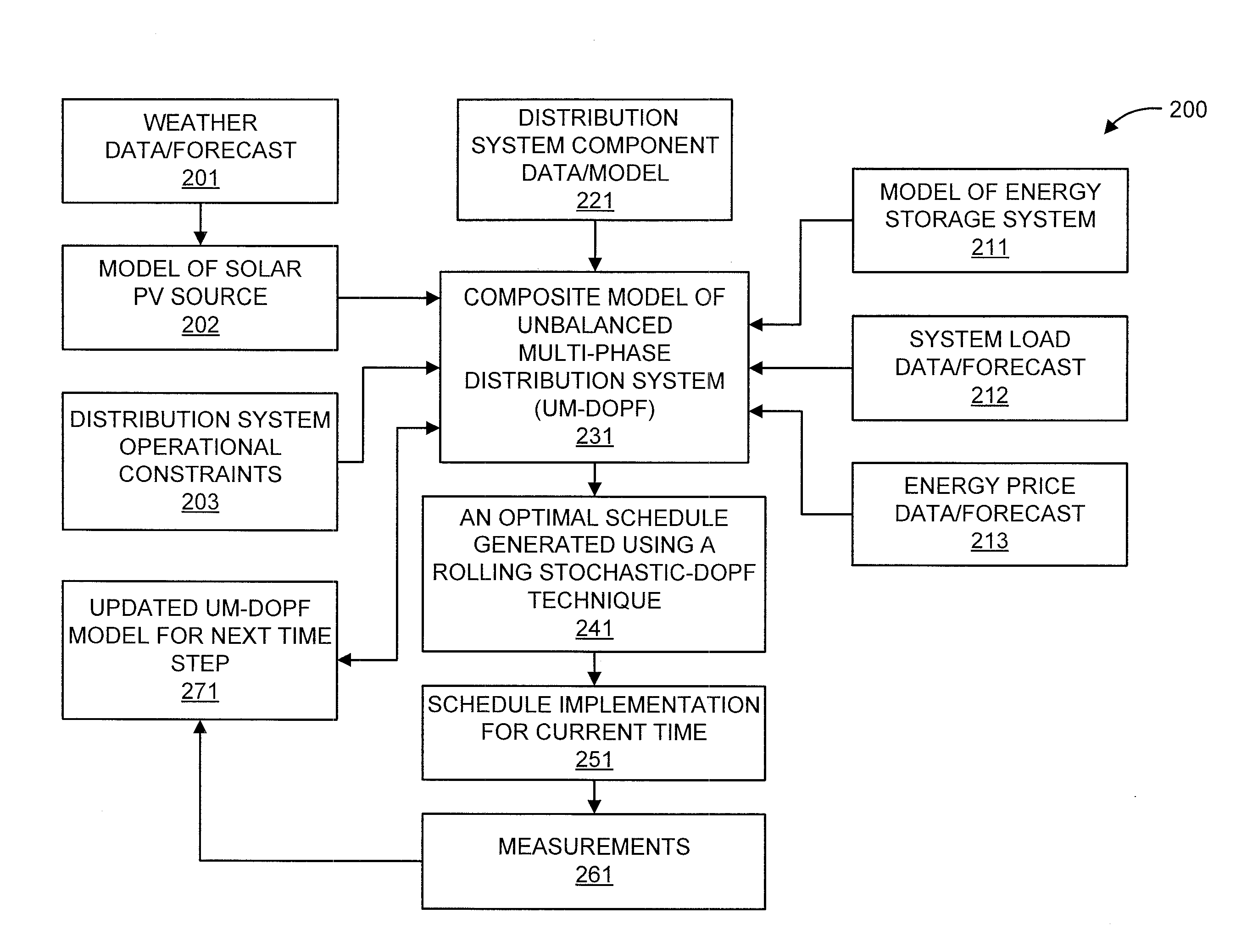
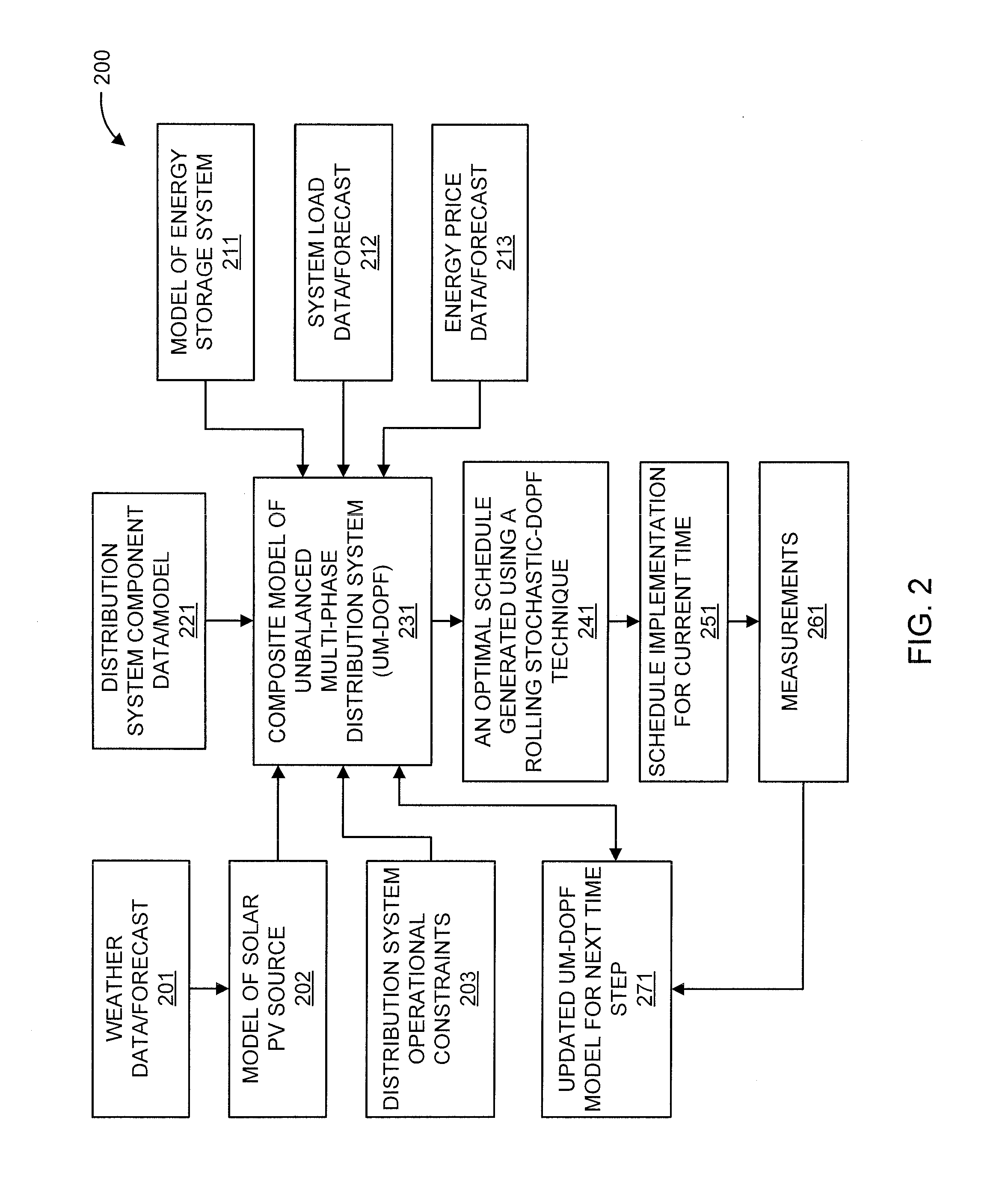
- A rolling stochastic optimization method is employed to optimize the operation of energy storage systems in distributed energy systems, using a composite model that integrates distribution optimal power flow models, allowing for optimal scheduling with processor-based optimization techniques and addressing the unbalanced nature of the systems.

Policy Framework for Smart Grid Implementation
The implementation of smart grid systems utilizing world models for energy distribution optimization requires a comprehensive policy framework that addresses regulatory, technical, and operational dimensions. Current policy landscapes across major economies demonstrate varying approaches to smart grid deployment, with the European Union's Clean Energy Package establishing mandatory smart meter rollouts and grid modernization standards, while the United States relies on state-level initiatives supported by federal incentives through programs like the Smart Grid Investment Grant.
Regulatory frameworks must establish clear guidelines for data governance and privacy protection, particularly as world models require extensive data collection from distributed energy resources, consumer usage patterns, and grid infrastructure sensors. The General Data Protection Regulation in Europe and similar privacy legislation worldwide necessitate robust data handling protocols that balance optimization capabilities with consumer privacy rights. Additionally, cybersecurity regulations must evolve to address the increased attack surface created by intelligent grid systems that rely on machine learning models for critical decision-making.
Interoperability standards represent a crucial policy consideration, as world model-based energy distribution systems must integrate seamlessly with existing infrastructure while accommodating diverse technology vendors. The International Electrotechnical Commission's smart grid standards, including IEC 61850 for communication protocols and IEC 61968 for distribution management systems, provide foundational frameworks that require updates to address artificial intelligence integration and real-time optimization requirements.
Market design policies must evolve to accommodate the dynamic pricing and demand response capabilities enabled by world model optimization. Traditional rate structures prove inadequate for systems that can predict and respond to energy patterns in real-time, necessitating new regulatory approaches for time-of-use pricing, peer-to-peer energy trading, and grid service compensation mechanisms.
Investment and financing policies play a critical role in smart grid deployment, requiring coordinated approaches between public and private sectors. Regulatory frameworks must establish clear cost recovery mechanisms for utilities investing in world model technologies while ensuring consumer benefits through improved reliability and efficiency. Performance-based ratemaking and innovation sandboxes provide policy tools for encouraging technological advancement while managing implementation risks.
Regulatory frameworks must establish clear guidelines for data governance and privacy protection, particularly as world models require extensive data collection from distributed energy resources, consumer usage patterns, and grid infrastructure sensors. The General Data Protection Regulation in Europe and similar privacy legislation worldwide necessitate robust data handling protocols that balance optimization capabilities with consumer privacy rights. Additionally, cybersecurity regulations must evolve to address the increased attack surface created by intelligent grid systems that rely on machine learning models for critical decision-making.
Interoperability standards represent a crucial policy consideration, as world model-based energy distribution systems must integrate seamlessly with existing infrastructure while accommodating diverse technology vendors. The International Electrotechnical Commission's smart grid standards, including IEC 61850 for communication protocols and IEC 61968 for distribution management systems, provide foundational frameworks that require updates to address artificial intelligence integration and real-time optimization requirements.
Market design policies must evolve to accommodate the dynamic pricing and demand response capabilities enabled by world model optimization. Traditional rate structures prove inadequate for systems that can predict and respond to energy patterns in real-time, necessitating new regulatory approaches for time-of-use pricing, peer-to-peer energy trading, and grid service compensation mechanisms.
Investment and financing policies play a critical role in smart grid deployment, requiring coordinated approaches between public and private sectors. Regulatory frameworks must establish clear cost recovery mechanisms for utilities investing in world model technologies while ensuring consumer benefits through improved reliability and efficiency. Performance-based ratemaking and innovation sandboxes provide policy tools for encouraging technological advancement while managing implementation risks.
Environmental Impact of AI-Optimized Energy Systems
The integration of AI-driven world models into utility energy distribution systems presents significant environmental implications that extend far beyond traditional operational efficiency metrics. These sophisticated modeling systems fundamentally alter how energy resources are allocated, consumed, and optimized across complex grid infrastructures, creating cascading environmental effects throughout the energy ecosystem.
AI-optimized energy systems demonstrate substantial potential for reducing overall carbon emissions through enhanced predictive capabilities and real-time optimization algorithms. World models enable utility operators to anticipate demand fluctuations with unprecedented accuracy, facilitating more efficient integration of renewable energy sources such as solar and wind power. This predictive capacity reduces reliance on carbon-intensive peaking power plants, which traditionally compensate for demand-supply imbalances through rapid fossil fuel combustion.
The environmental benefits extend to reduced transmission losses through intelligent load balancing and dynamic routing optimization. World models can predict grid congestion patterns and automatically redistribute energy flows through less congested pathways, minimizing the electrical resistance losses that typically waste 8-15% of generated electricity during transmission and distribution processes.
However, the computational infrastructure required for continuous world model operation introduces new environmental considerations. Large-scale AI systems demand substantial processing power, often requiring dedicated data centers with significant energy consumption profiles. The carbon footprint of these computational resources must be carefully balanced against the environmental gains achieved through optimized energy distribution.
Smart grid integration facilitated by world models enables more granular demand response programs, encouraging consumers to shift energy usage to periods when renewable generation is abundant. This temporal load shifting reduces the need for energy storage systems, which often involve environmentally intensive battery manufacturing processes and rare earth mineral extraction.
The technology also supports more effective integration of distributed energy resources, including rooftop solar installations and electric vehicle charging networks. By accurately modeling the behavior of these distributed systems, utilities can optimize their environmental impact while maintaining grid stability and reliability across diverse operational scenarios.
AI-optimized energy systems demonstrate substantial potential for reducing overall carbon emissions through enhanced predictive capabilities and real-time optimization algorithms. World models enable utility operators to anticipate demand fluctuations with unprecedented accuracy, facilitating more efficient integration of renewable energy sources such as solar and wind power. This predictive capacity reduces reliance on carbon-intensive peaking power plants, which traditionally compensate for demand-supply imbalances through rapid fossil fuel combustion.
The environmental benefits extend to reduced transmission losses through intelligent load balancing and dynamic routing optimization. World models can predict grid congestion patterns and automatically redistribute energy flows through less congested pathways, minimizing the electrical resistance losses that typically waste 8-15% of generated electricity during transmission and distribution processes.
However, the computational infrastructure required for continuous world model operation introduces new environmental considerations. Large-scale AI systems demand substantial processing power, often requiring dedicated data centers with significant energy consumption profiles. The carbon footprint of these computational resources must be carefully balanced against the environmental gains achieved through optimized energy distribution.
Smart grid integration facilitated by world models enables more granular demand response programs, encouraging consumers to shift energy usage to periods when renewable generation is abundant. This temporal load shifting reduces the need for energy storage systems, which often involve environmentally intensive battery manufacturing processes and rare earth mineral extraction.
The technology also supports more effective integration of distributed energy resources, including rooftop solar installations and electric vehicle charging networks. By accurately modeling the behavior of these distributed systems, utilities can optimize their environmental impact while maintaining grid stability and reliability across diverse operational scenarios.
Unlock deeper insights with Patsnap Eureka Quick Research — get a full tech report to explore trends and direct your research. Try now!
Generate Your Research Report Instantly with AI Agent
Supercharge your innovation with Patsnap Eureka AI Agent Platform!