

Optimizing Industrial Robot Maintenance Schedules
APR 2, 20269 MIN READ
Generate Your Research Report Instantly with AI Agent
PatSnap Eureka helps you evaluate technical feasibility & market potential.
Industrial Robot Maintenance Background and Objectives
Industrial robotics has undergone remarkable transformation since the introduction of the first programmable robot, Unimate, in 1961. From simple pick-and-place operations to sophisticated multi-axis systems capable of precision welding, assembly, and material handling, industrial robots have become integral to modern manufacturing ecosystems. The evolution from hydraulic and pneumatic systems to electric servo-driven mechanisms has significantly enhanced precision, repeatability, and operational efficiency across diverse industrial applications.
The maintenance paradigm for industrial robots has evolved from reactive approaches to increasingly sophisticated predictive methodologies. Traditional time-based maintenance schedules, while providing operational predictability, often result in unnecessary interventions or unexpected failures. The integration of Internet of Things sensors, machine learning algorithms, and real-time monitoring systems has created unprecedented opportunities for maintenance optimization, enabling manufacturers to transition toward condition-based and predictive maintenance strategies.
Contemporary manufacturing environments demand maximum uptime and operational efficiency, making maintenance schedule optimization a critical competitive advantage. The complexity of modern robotic systems, incorporating advanced controllers, precision actuators, and integrated vision systems, necessitates sophisticated maintenance approaches that balance cost-effectiveness with reliability. Unplanned downtime in automated production lines can cascade through entire manufacturing processes, resulting in substantial financial losses and supply chain disruptions.
The primary objective of optimizing industrial robot maintenance schedules centers on achieving optimal balance between maintenance costs, system reliability, and operational availability. This involves developing intelligent scheduling algorithms that consider multiple variables including component degradation patterns, operational loads, environmental conditions, and production requirements. The goal extends beyond simple cost reduction to encompass enhanced system longevity, improved safety margins, and increased overall equipment effectiveness.
Advanced maintenance optimization seeks to leverage predictive analytics and machine learning to anticipate component failures before they occur, enabling proactive interventions that minimize disruption to production schedules. This approach aims to transform maintenance from a cost center into a strategic advantage, supporting lean manufacturing principles while ensuring consistent product quality and delivery performance in increasingly competitive global markets.
The maintenance paradigm for industrial robots has evolved from reactive approaches to increasingly sophisticated predictive methodologies. Traditional time-based maintenance schedules, while providing operational predictability, often result in unnecessary interventions or unexpected failures. The integration of Internet of Things sensors, machine learning algorithms, and real-time monitoring systems has created unprecedented opportunities for maintenance optimization, enabling manufacturers to transition toward condition-based and predictive maintenance strategies.
Contemporary manufacturing environments demand maximum uptime and operational efficiency, making maintenance schedule optimization a critical competitive advantage. The complexity of modern robotic systems, incorporating advanced controllers, precision actuators, and integrated vision systems, necessitates sophisticated maintenance approaches that balance cost-effectiveness with reliability. Unplanned downtime in automated production lines can cascade through entire manufacturing processes, resulting in substantial financial losses and supply chain disruptions.
The primary objective of optimizing industrial robot maintenance schedules centers on achieving optimal balance between maintenance costs, system reliability, and operational availability. This involves developing intelligent scheduling algorithms that consider multiple variables including component degradation patterns, operational loads, environmental conditions, and production requirements. The goal extends beyond simple cost reduction to encompass enhanced system longevity, improved safety margins, and increased overall equipment effectiveness.
Advanced maintenance optimization seeks to leverage predictive analytics and machine learning to anticipate component failures before they occur, enabling proactive interventions that minimize disruption to production schedules. This approach aims to transform maintenance from a cost center into a strategic advantage, supporting lean manufacturing principles while ensuring consistent product quality and delivery performance in increasingly competitive global markets.
Market Demand for Predictive Robot Maintenance Solutions
The global industrial automation market is experiencing unprecedented growth, driven by the increasing adoption of robotics across manufacturing, automotive, electronics, and logistics sectors. This expansion has created a substantial demand for advanced maintenance solutions that can ensure optimal robot performance while minimizing operational disruptions. Traditional reactive maintenance approaches are proving inadequate for modern industrial environments where downtime costs can reach thousands of dollars per hour.
Manufacturing facilities worldwide are recognizing the critical importance of maintaining robot uptime to preserve production efficiency and meet stringent quality standards. The shift from scheduled maintenance to condition-based maintenance represents a fundamental transformation in how industries approach equipment management. This evolution is particularly pronounced in sectors with high-volume production requirements, where even minor maintenance delays can cascade into significant financial losses.
Predictive maintenance solutions for industrial robots address several key market pain points. Equipment failures often occur unexpectedly, leading to costly emergency repairs and extended production halts. Additionally, over-maintenance practices result in unnecessary component replacements and increased operational expenses. The complexity of modern robotic systems, with their intricate mechanical, electrical, and software components, demands sophisticated monitoring and diagnostic capabilities that traditional maintenance approaches cannot provide.
The market demand is further amplified by the growing shortage of skilled maintenance technicians and the increasing complexity of robotic systems. Organizations are seeking automated solutions that can provide actionable insights without requiring extensive technical expertise from operators. This trend is particularly evident in small and medium-sized enterprises that lack dedicated maintenance teams but still require reliable robotic operations.
Industry surveys indicate that manufacturers are actively seeking solutions that can predict component failures weeks or months in advance, optimize maintenance schedules based on actual equipment condition, and provide clear return on investment through reduced downtime and maintenance costs. The integration of Internet of Things sensors, machine learning algorithms, and cloud-based analytics platforms has created new possibilities for comprehensive predictive maintenance systems.
The demand spans across various industrial sectors, with automotive manufacturing leading adoption due to their heavy reliance on robotic assembly lines. Electronics manufacturing, food processing, and pharmaceutical industries are also showing strong interest in predictive maintenance solutions, driven by their need for consistent product quality and regulatory compliance requirements.
Manufacturing facilities worldwide are recognizing the critical importance of maintaining robot uptime to preserve production efficiency and meet stringent quality standards. The shift from scheduled maintenance to condition-based maintenance represents a fundamental transformation in how industries approach equipment management. This evolution is particularly pronounced in sectors with high-volume production requirements, where even minor maintenance delays can cascade into significant financial losses.
Predictive maintenance solutions for industrial robots address several key market pain points. Equipment failures often occur unexpectedly, leading to costly emergency repairs and extended production halts. Additionally, over-maintenance practices result in unnecessary component replacements and increased operational expenses. The complexity of modern robotic systems, with their intricate mechanical, electrical, and software components, demands sophisticated monitoring and diagnostic capabilities that traditional maintenance approaches cannot provide.
The market demand is further amplified by the growing shortage of skilled maintenance technicians and the increasing complexity of robotic systems. Organizations are seeking automated solutions that can provide actionable insights without requiring extensive technical expertise from operators. This trend is particularly evident in small and medium-sized enterprises that lack dedicated maintenance teams but still require reliable robotic operations.
Industry surveys indicate that manufacturers are actively seeking solutions that can predict component failures weeks or months in advance, optimize maintenance schedules based on actual equipment condition, and provide clear return on investment through reduced downtime and maintenance costs. The integration of Internet of Things sensors, machine learning algorithms, and cloud-based analytics platforms has created new possibilities for comprehensive predictive maintenance systems.
The demand spans across various industrial sectors, with automotive manufacturing leading adoption due to their heavy reliance on robotic assembly lines. Electronics manufacturing, food processing, and pharmaceutical industries are also showing strong interest in predictive maintenance solutions, driven by their need for consistent product quality and regulatory compliance requirements.
Current Maintenance Challenges and Technical Limitations
Industrial robot maintenance faces significant challenges rooted in traditional reactive and time-based approaches that fail to optimize operational efficiency. Current maintenance strategies predominantly rely on predetermined schedules based on manufacturer recommendations or historical failure patterns, leading to either premature component replacement or unexpected breakdowns. This approach results in substantial economic losses, with unplanned downtime costing manufacturers between $22,000 to $50,000 per hour in automotive production lines.
The complexity of modern industrial robots presents multifaceted technical limitations that hinder effective maintenance optimization. These systems integrate numerous subsystems including servo motors, reducers, controllers, sensors, and end effectors, each with distinct degradation patterns and failure modes. The interdependencies between components create cascading failure scenarios that are difficult to predict using conventional maintenance models.
Data collection and integration represent critical technical barriers in maintenance optimization. Most industrial robots generate vast amounts of operational data through embedded sensors, yet this information often remains siloed within proprietary systems. The lack of standardized data formats and communication protocols prevents comprehensive condition monitoring and predictive analytics implementation. Additionally, legacy robot systems frequently lack sufficient sensor coverage to enable advanced monitoring capabilities.
Predictive maintenance algorithms face substantial limitations due to the variability in operating conditions and application-specific wear patterns. Environmental factors such as temperature fluctuations, humidity, contamination levels, and load variations significantly impact component degradation rates. Current predictive models struggle to account for these dynamic conditions, leading to inaccurate failure predictions and suboptimal maintenance scheduling.
The shortage of skilled maintenance personnel capable of interpreting complex diagnostic data compounds these technical challenges. Traditional maintenance teams often lack the expertise required to implement and manage sophisticated condition monitoring systems, creating a significant gap between available technology and practical implementation capabilities.
Integration challenges with existing manufacturing execution systems further complicate maintenance optimization efforts. Many facilities operate with heterogeneous robot fleets from multiple manufacturers, each requiring specialized diagnostic tools and maintenance procedures. This diversity creates logistical complexities and prevents the development of unified maintenance strategies across entire production facilities.
The complexity of modern industrial robots presents multifaceted technical limitations that hinder effective maintenance optimization. These systems integrate numerous subsystems including servo motors, reducers, controllers, sensors, and end effectors, each with distinct degradation patterns and failure modes. The interdependencies between components create cascading failure scenarios that are difficult to predict using conventional maintenance models.
Data collection and integration represent critical technical barriers in maintenance optimization. Most industrial robots generate vast amounts of operational data through embedded sensors, yet this information often remains siloed within proprietary systems. The lack of standardized data formats and communication protocols prevents comprehensive condition monitoring and predictive analytics implementation. Additionally, legacy robot systems frequently lack sufficient sensor coverage to enable advanced monitoring capabilities.
Predictive maintenance algorithms face substantial limitations due to the variability in operating conditions and application-specific wear patterns. Environmental factors such as temperature fluctuations, humidity, contamination levels, and load variations significantly impact component degradation rates. Current predictive models struggle to account for these dynamic conditions, leading to inaccurate failure predictions and suboptimal maintenance scheduling.
The shortage of skilled maintenance personnel capable of interpreting complex diagnostic data compounds these technical challenges. Traditional maintenance teams often lack the expertise required to implement and manage sophisticated condition monitoring systems, creating a significant gap between available technology and practical implementation capabilities.
Integration challenges with existing manufacturing execution systems further complicate maintenance optimization efforts. Many facilities operate with heterogeneous robot fleets from multiple manufacturers, each requiring specialized diagnostic tools and maintenance procedures. This diversity creates logistical complexities and prevents the development of unified maintenance strategies across entire production facilities.
Existing Predictive Maintenance Solutions
01 Automated maintenance scheduling systems
Systems that automatically generate and manage maintenance schedules for industrial robots based on operational data, usage patterns, and predefined maintenance intervals. These systems can monitor robot performance metrics and trigger maintenance tasks when specific thresholds are reached, reducing downtime and optimizing maintenance efficiency.- Automated maintenance scheduling systems: Systems that automatically generate and manage maintenance schedules for industrial robots based on operational data, usage patterns, and predefined maintenance intervals. These systems can monitor robot performance metrics and trigger maintenance activities when certain thresholds are reached, optimizing maintenance timing and reducing unplanned downtime.
- Predictive maintenance using sensor data: Methods for implementing predictive maintenance schedules by collecting and analyzing sensor data from industrial robots. The approach involves monitoring various parameters such as vibration, temperature, and performance metrics to predict potential failures and schedule maintenance proactively before breakdowns occur.
- Maintenance interval optimization: Techniques for determining and optimizing maintenance intervals for industrial robots based on actual operating conditions, workload, and component wear patterns. These methods help establish customized maintenance schedules that balance equipment reliability with operational efficiency and cost considerations.
- Remote maintenance monitoring and scheduling: Systems enabling remote monitoring of industrial robot conditions and centralized maintenance schedule management. These solutions allow maintenance personnel to track multiple robots across different locations, receive alerts, and coordinate maintenance activities efficiently through networked platforms.
- Maintenance documentation and tracking systems: Digital systems for recording, tracking, and managing maintenance activities and schedules for industrial robots. These platforms maintain comprehensive maintenance histories, track spare parts inventory, manage maintenance personnel assignments, and ensure compliance with scheduled maintenance procedures.
02 Predictive maintenance using sensor data
Methods for implementing predictive maintenance schedules by collecting and analyzing sensor data from industrial robots. The approach involves monitoring various parameters such as temperature, vibration, and wear indicators to predict potential failures before they occur, allowing for proactive maintenance scheduling and preventing unexpected breakdowns.Expand Specific Solutions03 Condition-based maintenance planning
Techniques for developing maintenance schedules based on the actual condition of robot components rather than fixed time intervals. This approach uses real-time monitoring and diagnostic tools to assess component health and schedule maintenance activities only when necessary, improving resource utilization and extending equipment lifespan.Expand Specific Solutions04 Integrated maintenance management platforms
Comprehensive software platforms that integrate maintenance scheduling with other operational systems, providing centralized management of maintenance tasks, spare parts inventory, technician assignments, and maintenance history records. These platforms enable better coordination and documentation of all maintenance activities across multiple industrial robots.Expand Specific Solutions05 Remote monitoring and maintenance scheduling
Solutions that enable remote monitoring of industrial robot operations and facilitate off-site maintenance scheduling and diagnostics. These systems allow maintenance personnel to access robot status information remotely, schedule maintenance tasks, and even perform certain maintenance procedures without physical presence, improving response times and reducing operational costs.Expand Specific Solutions
Key Players in Industrial Robotics Maintenance
The industrial robot maintenance optimization sector represents a mature market experiencing rapid digital transformation, with significant growth potential driven by increasing automation adoption across manufacturing industries. The competitive landscape is dominated by established industrial giants including FANUC Corp., Siemens AG, ABB Ltd., and Hitachi Ltd., who leverage decades of robotics expertise and comprehensive automation portfolios. Technology maturity varies significantly across players - while traditional manufacturers like FANUC and ABB have advanced predictive maintenance capabilities integrated into their robot ecosystems, newer entrants and software specialists like IBM and SAP SE are introducing AI-driven analytics and cloud-based maintenance platforms. The convergence of IoT sensors, machine learning algorithms, and digital twin technologies is reshaping maintenance strategies, with companies like Mitsubishi Electric and Kawasaki Heavy Industries investing heavily in smart manufacturing solutions to optimize robot uptime and reduce operational costs.
FANUC Corp.
Technical Solution: FANUC implements predictive maintenance solutions using AI-driven analytics and IoT sensors integrated into their industrial robots. Their approach combines real-time monitoring of critical components like servo motors, reducers, and controllers with machine learning algorithms that analyze vibration patterns, temperature fluctuations, and operational data[1][3]. The system can predict component failures up to 30 days in advance, enabling scheduled maintenance during planned downtime. FANUC's maintenance optimization platform integrates with their CNC and robot control systems, providing comprehensive fleet management capabilities that reduce unplanned downtime by up to 50%[5][7].
Strengths: Deep integration with proprietary robot systems, extensive historical data from millions of installed robots worldwide, proven track record in manufacturing environments. Weaknesses: Limited compatibility with non-FANUC equipment, high implementation costs for smaller operations.
Siemens AG
Technical Solution: Siemens offers the MindSphere IoT platform combined with their Predictive Analytics suite for industrial robot maintenance optimization. Their solution leverages digital twin technology to create virtual replicas of robot systems, enabling simulation-based maintenance planning[2][4]. The platform uses advanced analytics to process data from multiple sensors, including accelerometers, temperature sensors, and current monitors, to predict maintenance needs with 85% accuracy[6]. Siemens' approach includes condition-based monitoring, remaining useful life estimation, and automated work order generation integrated with SAP and other enterprise systems[8][9].
Strengths: Comprehensive digital twin capabilities, strong enterprise integration, cross-industry expertise beyond robotics. Weaknesses: Complex implementation requiring significant IT infrastructure, may be over-engineered for simple maintenance scenarios.
Core Technologies in Maintenance Optimization
Dynamic maintenance plan for an industrial robot
PatentActiveUS8185346B2
Innovation
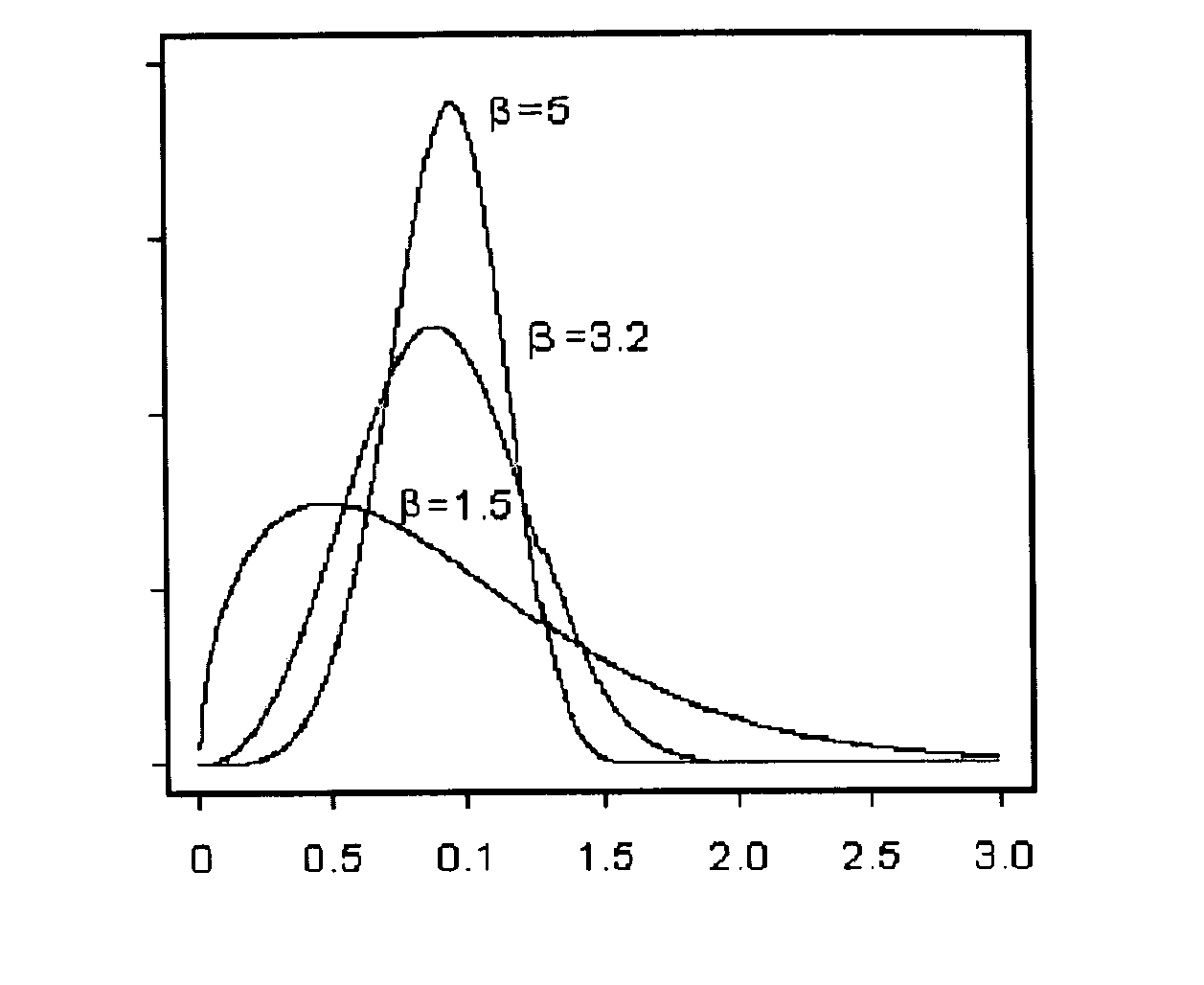
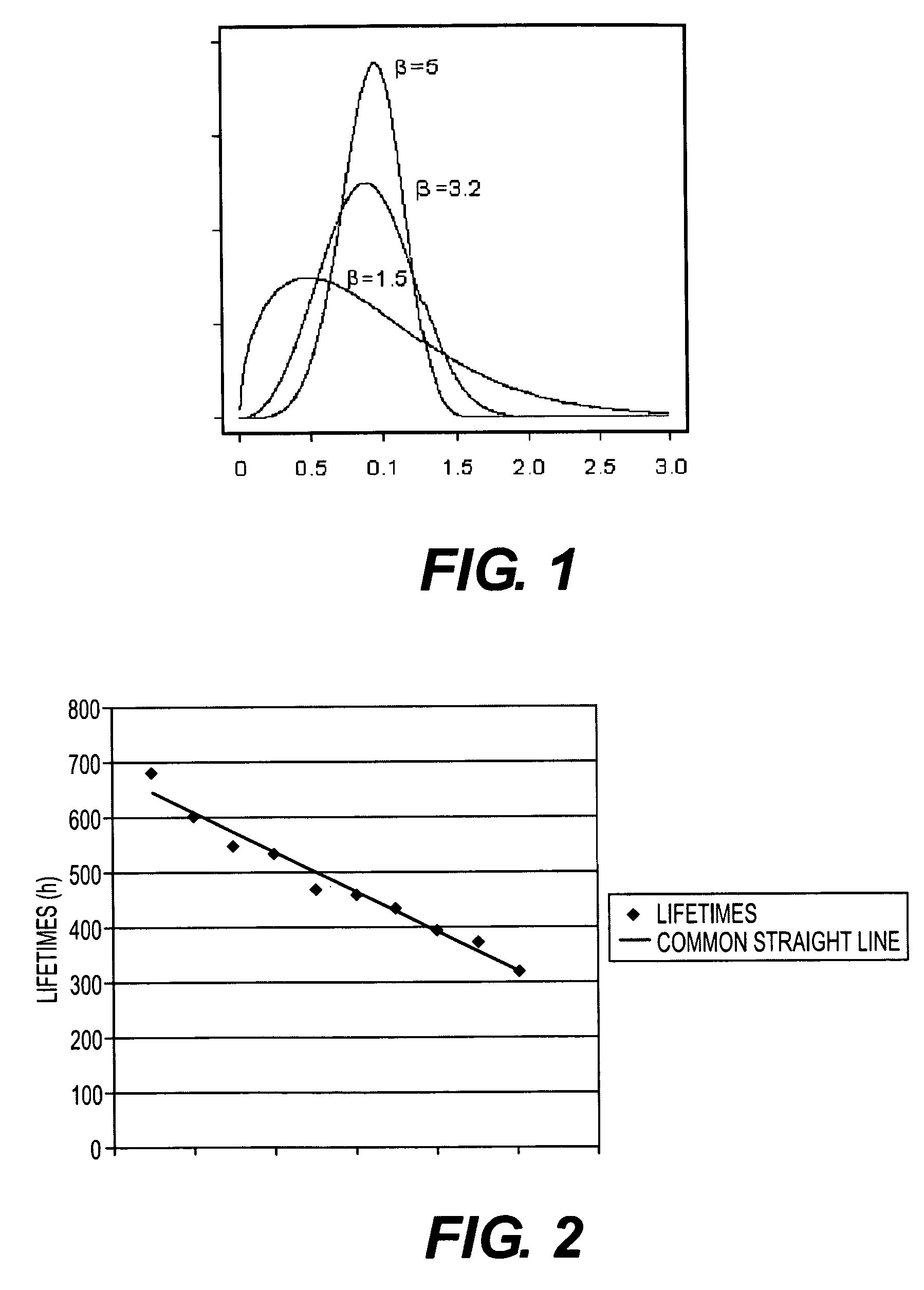
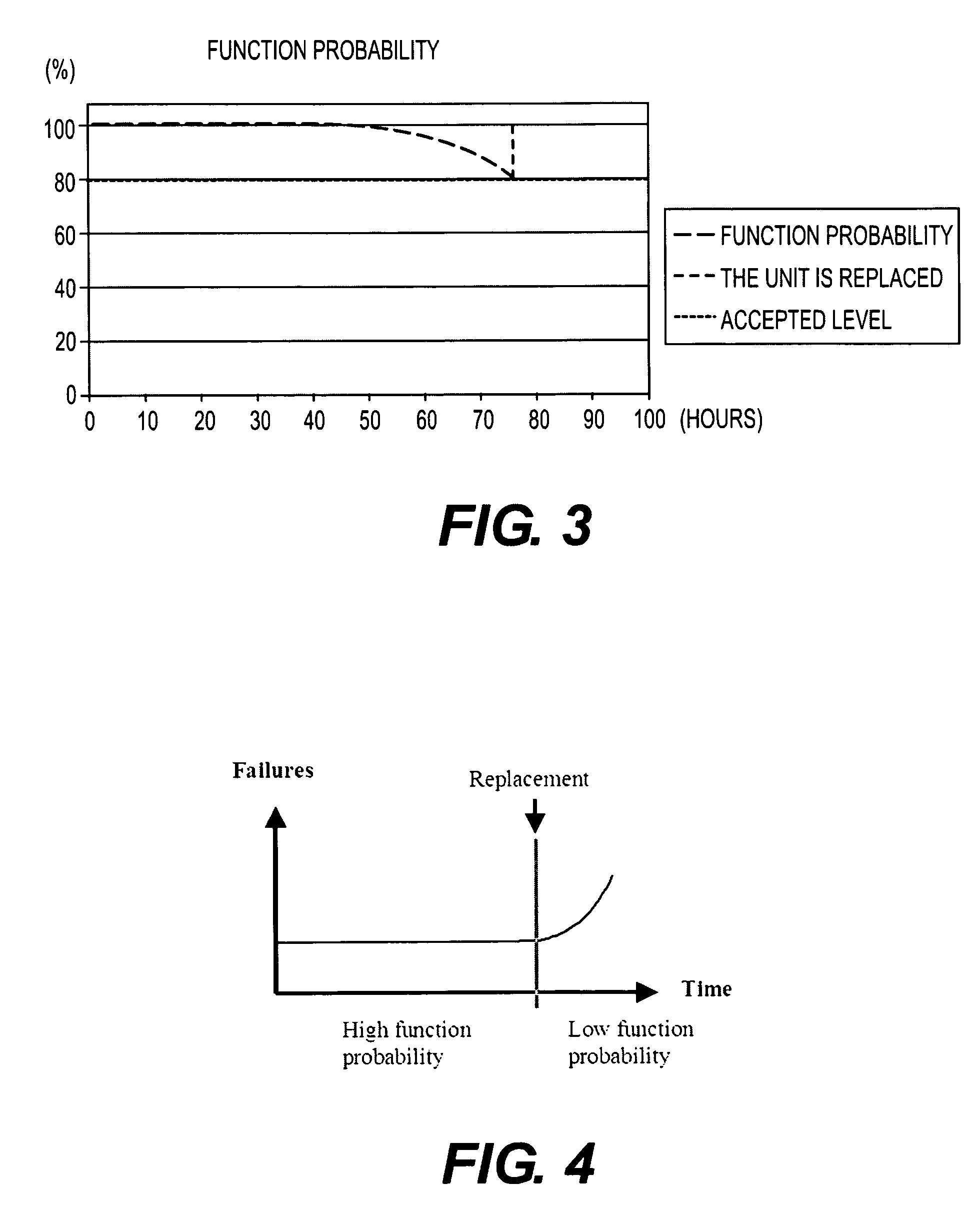
- A dynamic maintenance scheduling tool that considers usage and environmental factors to generate customized maintenance schedules for individual industrial robot parts, using influence factors and statistical data to determine optimal replacement times, with options for updating based on failure information and cost optimization.

Safety Standards and Compliance Requirements
Industrial robot maintenance scheduling operates within a complex regulatory framework that encompasses multiple layers of safety standards and compliance requirements. These regulations are designed to ensure worker safety, equipment reliability, and operational continuity while minimizing risks associated with robotic systems in manufacturing environments.
The International Organization for Standardization (ISO) provides foundational safety standards through ISO 10218 series, which specifically addresses robot safety requirements. This standard mandates regular safety assessments, protective system validations, and documented maintenance procedures. Additionally, ISO 13849 establishes performance levels for safety-related control systems, requiring maintenance schedules to incorporate safety function testing and validation protocols.
Regional regulatory bodies impose additional compliance layers that directly impact maintenance optimization strategies. The European Union's Machinery Directive 2006/42/EC requires comprehensive risk assessments and regular safety inspections, while OSHA standards in the United States mandate specific lockout/tagout procedures during maintenance activities. These regulations necessitate integration of compliance checkpoints within automated scheduling systems.
Functional safety standards, particularly IEC 61508 and its derivatives, establish systematic approaches for safety lifecycle management. These standards require maintenance schedules to incorporate proof testing intervals for safety instrumented systems, diagnostic coverage assessments, and failure rate monitoring. Compliance demands that optimization algorithms consider safety integrity levels when determining maintenance frequencies and procedures.
Industry-specific standards further complicate compliance landscapes. Automotive manufacturing follows ISO/TS 16949 quality management requirements, while pharmaceutical applications must adhere to FDA validation protocols and Good Manufacturing Practices. These sector-specific regulations often mandate more frequent maintenance intervals and enhanced documentation requirements than general industrial standards.
Emerging cybersecurity regulations, including IEC 62443 industrial cybersecurity standards, introduce new compliance dimensions for connected robotic systems. Maintenance schedules must now incorporate security patch management, vulnerability assessments, and access control validations. These requirements add complexity to optimization algorithms as they must balance operational efficiency with cybersecurity compliance timelines.
Documentation and traceability requirements across all applicable standards demand that maintenance scheduling systems maintain comprehensive audit trails, performance metrics, and compliance verification records to demonstrate regulatory adherence during inspections and certifications.
The International Organization for Standardization (ISO) provides foundational safety standards through ISO 10218 series, which specifically addresses robot safety requirements. This standard mandates regular safety assessments, protective system validations, and documented maintenance procedures. Additionally, ISO 13849 establishes performance levels for safety-related control systems, requiring maintenance schedules to incorporate safety function testing and validation protocols.
Regional regulatory bodies impose additional compliance layers that directly impact maintenance optimization strategies. The European Union's Machinery Directive 2006/42/EC requires comprehensive risk assessments and regular safety inspections, while OSHA standards in the United States mandate specific lockout/tagout procedures during maintenance activities. These regulations necessitate integration of compliance checkpoints within automated scheduling systems.
Functional safety standards, particularly IEC 61508 and its derivatives, establish systematic approaches for safety lifecycle management. These standards require maintenance schedules to incorporate proof testing intervals for safety instrumented systems, diagnostic coverage assessments, and failure rate monitoring. Compliance demands that optimization algorithms consider safety integrity levels when determining maintenance frequencies and procedures.
Industry-specific standards further complicate compliance landscapes. Automotive manufacturing follows ISO/TS 16949 quality management requirements, while pharmaceutical applications must adhere to FDA validation protocols and Good Manufacturing Practices. These sector-specific regulations often mandate more frequent maintenance intervals and enhanced documentation requirements than general industrial standards.
Emerging cybersecurity regulations, including IEC 62443 industrial cybersecurity standards, introduce new compliance dimensions for connected robotic systems. Maintenance schedules must now incorporate security patch management, vulnerability assessments, and access control validations. These requirements add complexity to optimization algorithms as they must balance operational efficiency with cybersecurity compliance timelines.
Documentation and traceability requirements across all applicable standards demand that maintenance scheduling systems maintain comprehensive audit trails, performance metrics, and compliance verification records to demonstrate regulatory adherence during inspections and certifications.
Cost-Benefit Analysis of Maintenance Optimization
The economic justification for implementing optimized maintenance schedules in industrial robotics requires comprehensive evaluation of both direct and indirect cost implications. Traditional reactive maintenance approaches typically result in unplanned downtime costs ranging from $50,000 to $300,000 per hour in automotive manufacturing environments, while predictive maintenance strategies can reduce these costs by 25-30% through strategic scheduling interventions.
Investment requirements for maintenance optimization systems encompass multiple components including sensor integration, data analytics platforms, and workforce training programs. Initial capital expenditure typically ranges from $100,000 to $500,000 per production line, depending on system complexity and existing infrastructure compatibility. However, these upfront investments are generally recovered within 18-24 months through operational efficiency gains.
Quantifiable benefits emerge across several operational dimensions. Reduced unplanned downtime represents the most significant value driver, with optimized scheduling extending mean time between failures by 40-60%. Additionally, inventory optimization through predictive parts management reduces spare parts carrying costs by 20-25%, while extending component lifecycles through condition-based interventions generates 15-20% savings in replacement part expenses.
Labor productivity improvements constitute another substantial benefit category. Optimized maintenance scheduling enables better workforce allocation, reducing overtime costs by 30-35% while improving technician utilization rates. Planned maintenance windows also facilitate more efficient repair procedures, reducing average maintenance duration by 25-30% compared to emergency interventions.
Risk mitigation benefits, while challenging to quantify precisely, provide substantial long-term value. Reduced safety incidents through proactive maintenance generate both direct cost savings and regulatory compliance benefits. Quality improvements resulting from consistent robot performance reduce defect rates by 10-15%, translating to significant cost avoidance in high-volume manufacturing environments.
Return on investment calculations typically demonstrate positive outcomes within two years, with ongoing annual savings of 8-12% of total maintenance expenditure. The cumulative effect over a five-year period often yields net present value improvements exceeding 200% of initial investment, making maintenance optimization economically compelling for most industrial applications.
Investment requirements for maintenance optimization systems encompass multiple components including sensor integration, data analytics platforms, and workforce training programs. Initial capital expenditure typically ranges from $100,000 to $500,000 per production line, depending on system complexity and existing infrastructure compatibility. However, these upfront investments are generally recovered within 18-24 months through operational efficiency gains.
Quantifiable benefits emerge across several operational dimensions. Reduced unplanned downtime represents the most significant value driver, with optimized scheduling extending mean time between failures by 40-60%. Additionally, inventory optimization through predictive parts management reduces spare parts carrying costs by 20-25%, while extending component lifecycles through condition-based interventions generates 15-20% savings in replacement part expenses.
Labor productivity improvements constitute another substantial benefit category. Optimized maintenance scheduling enables better workforce allocation, reducing overtime costs by 30-35% while improving technician utilization rates. Planned maintenance windows also facilitate more efficient repair procedures, reducing average maintenance duration by 25-30% compared to emergency interventions.
Risk mitigation benefits, while challenging to quantify precisely, provide substantial long-term value. Reduced safety incidents through proactive maintenance generate both direct cost savings and regulatory compliance benefits. Quality improvements resulting from consistent robot performance reduce defect rates by 10-15%, translating to significant cost avoidance in high-volume manufacturing environments.
Return on investment calculations typically demonstrate positive outcomes within two years, with ongoing annual savings of 8-12% of total maintenance expenditure. The cumulative effect over a five-year period often yields net present value improvements exceeding 200% of initial investment, making maintenance optimization economically compelling for most industrial applications.
Unlock deeper insights with PatSnap Eureka Quick Research — get a full tech report to explore trends and direct your research. Try now!
Generate Your Research Report Instantly with AI Agent
Supercharge your innovation with PatSnap Eureka AI Agent Platform!