Optimizing Magnetic Valve Placement for Vibration Reduction
APR 1, 20269 MIN READ
Generate Your Research Report Instantly with AI Agent
Patsnap Eureka helps you evaluate technical feasibility & market potential.
Magnetic Valve Vibration Background and Objectives
Magnetic valves have emerged as critical components in modern industrial systems, particularly in applications requiring precise fluid control and rapid response times. These electromagnetic actuators utilize magnetic fields to control valve positioning, offering advantages such as fast switching speeds, remote operation capabilities, and reduced mechanical wear compared to traditional mechanical valve systems. However, the electromagnetic nature of these devices inherently generates vibrations during operation, which can significantly impact system performance and longevity.
The vibration phenomenon in magnetic valves stems from several interconnected factors. Electromagnetic forces create sudden mechanical movements during valve actuation, generating impulse-type vibrations that propagate through connected piping systems. Additionally, the switching characteristics of electromagnetic coils produce varying magnetic field strengths, leading to oscillatory behaviors in valve components. These vibrations become particularly problematic in high-frequency switching applications or when multiple valves operate simultaneously within a system.
Historical development of magnetic valve technology has primarily focused on improving response times and control precision, with vibration mitigation often treated as a secondary consideration. Early implementations in the 1960s and 1970s concentrated on basic electromagnetic principles, while subsequent decades saw advances in coil design and magnetic materials. However, as industrial systems became more sophisticated and precision requirements increased, vibration-related issues gained prominence as a limiting factor in system performance.
The strategic placement of magnetic valves within system architectures has evolved from simple functional positioning to complex optimization problems. Traditional approaches relied on empirical methods and basic engineering principles, often resulting in suboptimal configurations that amplified rather than minimized vibrational effects. Modern industrial demands require systematic approaches to valve placement that consider dynamic interactions, resonance frequencies, and cumulative vibrational impacts across entire systems.
Current technological objectives center on developing comprehensive methodologies for optimizing magnetic valve placement to achieve substantial vibration reduction. This involves establishing mathematical models that predict vibrational behavior based on valve positioning, developing algorithms for optimal placement strategies, and creating design guidelines that integrate vibration considerations from initial system conception. The ultimate goal encompasses not only minimizing individual valve vibrations but also preventing system-wide resonance phenomena that can lead to catastrophic failures or significant performance degradation in critical industrial applications.
The vibration phenomenon in magnetic valves stems from several interconnected factors. Electromagnetic forces create sudden mechanical movements during valve actuation, generating impulse-type vibrations that propagate through connected piping systems. Additionally, the switching characteristics of electromagnetic coils produce varying magnetic field strengths, leading to oscillatory behaviors in valve components. These vibrations become particularly problematic in high-frequency switching applications or when multiple valves operate simultaneously within a system.
Historical development of magnetic valve technology has primarily focused on improving response times and control precision, with vibration mitigation often treated as a secondary consideration. Early implementations in the 1960s and 1970s concentrated on basic electromagnetic principles, while subsequent decades saw advances in coil design and magnetic materials. However, as industrial systems became more sophisticated and precision requirements increased, vibration-related issues gained prominence as a limiting factor in system performance.
The strategic placement of magnetic valves within system architectures has evolved from simple functional positioning to complex optimization problems. Traditional approaches relied on empirical methods and basic engineering principles, often resulting in suboptimal configurations that amplified rather than minimized vibrational effects. Modern industrial demands require systematic approaches to valve placement that consider dynamic interactions, resonance frequencies, and cumulative vibrational impacts across entire systems.
Current technological objectives center on developing comprehensive methodologies for optimizing magnetic valve placement to achieve substantial vibration reduction. This involves establishing mathematical models that predict vibrational behavior based on valve positioning, developing algorithms for optimal placement strategies, and creating design guidelines that integrate vibration considerations from initial system conception. The ultimate goal encompasses not only minimizing individual valve vibrations but also preventing system-wide resonance phenomena that can lead to catastrophic failures or significant performance degradation in critical industrial applications.
Market Demand for Low-Vibration Magnetic Valve Systems
The global market for low-vibration magnetic valve systems is experiencing substantial growth driven by increasing demands for precision control and operational reliability across multiple industrial sectors. Manufacturing industries, particularly those involved in semiconductor fabrication, pharmaceutical production, and precision instrumentation, require magnetic valve systems that minimize vibration-induced disruptions to maintain product quality and process consistency.
Automotive and aerospace sectors represent significant market segments where vibration reduction in magnetic valve systems directly impacts performance and safety standards. Engine management systems, fuel injection mechanisms, and hydraulic control units increasingly demand magnetic valves with optimized placement configurations to reduce operational noise and extend component lifespan. The shift toward electric and hybrid vehicles has further amplified this demand as these platforms require quieter, more efficient fluid control systems.
Industrial automation and robotics applications constitute another major market driver, where precise positioning and minimal vibration interference are critical for maintaining accuracy in manufacturing processes. Food and beverage processing industries also contribute to market demand, as vibration reduction in magnetic valve systems helps prevent contamination and ensures consistent product quality while meeting stringent hygiene standards.
The medical device sector presents emerging opportunities for low-vibration magnetic valve systems, particularly in diagnostic equipment, surgical instruments, and patient monitoring devices where operational stability directly affects measurement accuracy and patient safety. Laboratory and analytical equipment manufacturers increasingly specify low-vibration magnetic valve systems to enhance measurement precision and reduce maintenance requirements.
Regional market dynamics show strong demand concentration in developed manufacturing economies, with Asia-Pacific regions leading growth due to expanding semiconductor and electronics manufacturing capabilities. North American and European markets demonstrate steady demand driven by automotive innovation and industrial automation upgrades.
Market research indicates that end-users are willing to invest in premium magnetic valve systems that offer superior vibration reduction capabilities, recognizing the long-term benefits of reduced maintenance costs, improved process reliability, and enhanced product quality. This willingness to pay premium prices for advanced vibration reduction technologies creates favorable market conditions for innovative magnetic valve placement optimization solutions.
Automotive and aerospace sectors represent significant market segments where vibration reduction in magnetic valve systems directly impacts performance and safety standards. Engine management systems, fuel injection mechanisms, and hydraulic control units increasingly demand magnetic valves with optimized placement configurations to reduce operational noise and extend component lifespan. The shift toward electric and hybrid vehicles has further amplified this demand as these platforms require quieter, more efficient fluid control systems.
Industrial automation and robotics applications constitute another major market driver, where precise positioning and minimal vibration interference are critical for maintaining accuracy in manufacturing processes. Food and beverage processing industries also contribute to market demand, as vibration reduction in magnetic valve systems helps prevent contamination and ensures consistent product quality while meeting stringent hygiene standards.
The medical device sector presents emerging opportunities for low-vibration magnetic valve systems, particularly in diagnostic equipment, surgical instruments, and patient monitoring devices where operational stability directly affects measurement accuracy and patient safety. Laboratory and analytical equipment manufacturers increasingly specify low-vibration magnetic valve systems to enhance measurement precision and reduce maintenance requirements.
Regional market dynamics show strong demand concentration in developed manufacturing economies, with Asia-Pacific regions leading growth due to expanding semiconductor and electronics manufacturing capabilities. North American and European markets demonstrate steady demand driven by automotive innovation and industrial automation upgrades.
Market research indicates that end-users are willing to invest in premium magnetic valve systems that offer superior vibration reduction capabilities, recognizing the long-term benefits of reduced maintenance costs, improved process reliability, and enhanced product quality. This willingness to pay premium prices for advanced vibration reduction technologies creates favorable market conditions for innovative magnetic valve placement optimization solutions.
Current Vibration Issues and Placement Challenges
Magnetic valve systems in industrial applications face significant vibration-related challenges that directly impact operational efficiency and equipment longevity. The primary vibration sources stem from electromagnetic force fluctuations during valve actuation, fluid flow turbulence, and mechanical resonance between valve components and mounting structures. These vibrations typically manifest in frequency ranges of 50-500 Hz, with peak amplitudes occurring during valve opening and closing transitions.
Current placement methodologies often rely on traditional mechanical engineering principles without adequate consideration of electromagnetic field interactions and dynamic loading conditions. Many installations position magnetic valves based solely on accessibility and basic structural support, neglecting the complex interplay between magnetic forces, structural resonance, and vibration transmission paths. This approach frequently results in suboptimal performance and accelerated wear patterns.
The most prevalent placement challenge involves identifying optimal mounting locations that minimize both direct vibration generation and secondary resonance effects. Conventional mounting strategies struggle to account for the dynamic nature of magnetic forces, which vary significantly with valve position, current levels, and load conditions. Additionally, the interaction between multiple valves in close proximity creates complex vibration coupling effects that are difficult to predict using standard placement guidelines.
Structural integration presents another critical challenge, particularly in retrofitting existing systems. The mismatch between valve mounting requirements and available structural support often forces compromises that amplify vibration issues. Limited space constraints in industrial environments further complicate optimal placement, forcing engineers to balance accessibility, maintenance requirements, and vibration performance.
Temperature variations and aging effects compound placement challenges by altering material properties and clearances over time. These changes can shift resonant frequencies and modify damping characteristics, causing initially well-placed valves to develop vibration problems during extended operation. The lack of standardized placement criteria across different valve types and applications creates inconsistencies in installation practices and performance outcomes.
Current placement methodologies often rely on traditional mechanical engineering principles without adequate consideration of electromagnetic field interactions and dynamic loading conditions. Many installations position magnetic valves based solely on accessibility and basic structural support, neglecting the complex interplay between magnetic forces, structural resonance, and vibration transmission paths. This approach frequently results in suboptimal performance and accelerated wear patterns.
The most prevalent placement challenge involves identifying optimal mounting locations that minimize both direct vibration generation and secondary resonance effects. Conventional mounting strategies struggle to account for the dynamic nature of magnetic forces, which vary significantly with valve position, current levels, and load conditions. Additionally, the interaction between multiple valves in close proximity creates complex vibration coupling effects that are difficult to predict using standard placement guidelines.
Structural integration presents another critical challenge, particularly in retrofitting existing systems. The mismatch between valve mounting requirements and available structural support often forces compromises that amplify vibration issues. Limited space constraints in industrial environments further complicate optimal placement, forcing engineers to balance accessibility, maintenance requirements, and vibration performance.
Temperature variations and aging effects compound placement challenges by altering material properties and clearances over time. These changes can shift resonant frequencies and modify damping characteristics, causing initially well-placed valves to develop vibration problems during extended operation. The lack of standardized placement criteria across different valve types and applications creates inconsistencies in installation practices and performance outcomes.
Existing Magnetic Valve Placement Optimization Methods
01 Vibration damping mechanisms for magnetic valves
Magnetic valves can incorporate various vibration damping mechanisms to reduce operational noise and mechanical stress. These mechanisms may include elastic damping elements, spring-loaded components, or specialized mounting structures that absorb and dissipate vibrational energy. The damping systems help minimize the impact forces during valve actuation and reduce transmission of vibrations to surrounding components.- Vibration damping mechanisms for magnetic valves: Magnetic valves can incorporate various vibration damping mechanisms to reduce operational noise and mechanical stress. These mechanisms may include elastic damping elements, shock absorbers, or specialized mounting structures that isolate the valve from surrounding components. The damping systems help minimize vibrations generated during valve actuation and switching operations, improving overall system stability and longevity.
- Electromagnetic coil design for reduced vibration: The design of electromagnetic coils in magnetic valves can be optimized to minimize vibration during operation. This includes modifications to coil winding patterns, core materials, and magnetic field distribution. Advanced coil configurations can reduce electromagnetic forces that cause unwanted vibrations, leading to smoother valve operation and reduced acoustic emissions. The optimization may also involve adjusting the coil's electrical characteristics to achieve more controlled actuation.
- Armature and plunger design for vibration reduction: The armature and plunger components of magnetic valves can be designed with specific geometries and materials to minimize vibration. This includes optimizing the mass distribution, surface treatments, and contact interfaces between moving parts. Specialized designs may incorporate graduated surfaces, cushioning elements, or modified stroke characteristics to reduce impact forces and associated vibrations during valve opening and closing cycles.
- Valve housing and structural reinforcement: The housing and structural components of magnetic valves can be reinforced or redesigned to minimize vibration transmission and resonance effects. This may involve using specific materials with vibration-absorbing properties, adding structural ribs or supports, or implementing multi-layer housing designs. The structural modifications help contain vibrations within the valve assembly and prevent their propagation to connected systems or mounting surfaces.
- Control systems and actuation methods for vibration mitigation: Advanced control systems and actuation methods can be implemented to reduce vibration in magnetic valves. These include pulse-width modulation techniques, soft-start algorithms, and feedback control mechanisms that regulate the electromagnetic force application. The control strategies can minimize sudden movements and impact forces by providing gradual actuation profiles, thereby reducing vibration amplitude and frequency during valve operation.
02 Electromagnetic actuator design for reduced vibration
The electromagnetic actuator design plays a crucial role in controlling valve vibration. Optimized coil configurations, magnetic circuit designs, and armature geometries can minimize electromagnetic force fluctuations and reduce vibration generation. Advanced actuator designs may feature controlled magnetic flux paths, optimized air gaps, and balanced force distribution to achieve smoother valve operation with reduced vibrational characteristics.Expand Specific Solutions03 Valve seat and sealing element configurations
The design of valve seats and sealing elements significantly impacts vibration behavior during valve opening and closing cycles. Specialized seat geometries, soft-sealing materials, and progressive contact designs can reduce impact forces and associated vibrations. These configurations help achieve quieter operation and extended component life by minimizing mechanical shock during valve transitions.Expand Specific Solutions04 Control strategies for vibration reduction
Advanced control strategies can be implemented to minimize vibration in magnetic valve systems. These may include pulse-width modulation techniques, soft-start and soft-stop control algorithms, and adaptive current profiling that reduces abrupt electromagnetic force changes. Electronic control methods can optimize the actuation sequence to minimize mechanical impact and resulting vibrations throughout the valve operation cycle.Expand Specific Solutions05 Structural reinforcement and mounting systems
Proper structural design and mounting systems are essential for managing magnetic valve vibrations. Reinforced housing structures, optimized mounting brackets, and isolation systems can prevent vibration amplification and transmission. These structural solutions may include ribbed housings, multi-point mounting configurations, and vibration-isolating interfaces that decouple the valve from sensitive surrounding equipment.Expand Specific Solutions
Key Players in Magnetic Valve and Vibration Control
The magnetic valve placement optimization for vibration reduction represents a mature technology sector currently in the growth phase, driven by increasing demands for precision control and noise reduction across automotive and industrial applications. The market demonstrates substantial scale with established players like Robert Bosch GmbH, Toyota Motor Corp., and DENSO Corp. leading automotive valve technologies, while Continental Teves AG, ZF Sachs AG, and MAHLE International GmbH contribute specialized hydraulic and pneumatic solutions. Technology maturity varies significantly across segments, with companies like Mitsubishi Heavy Industries and Azbil Corp. offering advanced industrial automation solutions, while emerging players such as Sense Eletrônica focus on sensor integration and valve monitoring systems. The competitive landscape shows strong consolidation among tier-one suppliers, with ongoing innovation in electromagnetic actuator design, predictive maintenance capabilities, and integration with IoT platforms for real-time vibration monitoring and adaptive control systems.
Robert Bosch GmbH
Technical Solution: Bosch has developed advanced electromagnetic valve control systems that integrate predictive vibration algorithms with adaptive positioning technology. Their solution employs real-time feedback sensors to monitor valve operation and automatically adjust magnetic field strength and timing to minimize resonance frequencies. The system utilizes machine learning algorithms to predict optimal valve placement based on engine operating conditions, reducing vibration amplitude by up to 40% compared to conventional fixed-position systems. Their technology incorporates multi-axis accelerometers and proprietary damping materials to further enhance vibration isolation performance in automotive applications.
Strengths: Industry-leading sensor integration and proven automotive reliability. Weaknesses: Higher cost implementation and complex calibration requirements for different engine configurations.
DENSO Corp.
Technical Solution: DENSO's magnetic valve optimization approach focuses on electromagnetic field modeling and precision manufacturing techniques. They have developed a comprehensive simulation platform that analyzes magnetic flux distribution patterns to determine optimal valve positioning for minimal vibration transmission. Their solution incorporates advanced materials including rare-earth magnets and specialized alloy housings designed to reduce electromagnetic interference and mechanical resonance. The system features adaptive control algorithms that continuously monitor valve performance and adjust positioning parameters in real-time, achieving significant vibration reduction in fuel injection and exhaust gas recirculation applications.
Strengths: Excellent electromagnetic modeling capabilities and strong materials science expertise. Weaknesses: Limited to specific automotive applications and requires specialized manufacturing processes.
Core Patents in Vibration-Reducing Valve Placement
Magnet valve, and driver assistance device comprising such a magnet valve
PatentInactiveUS20130306891A1
Innovation
- Incorporating a displaceable damping element into the magnet valve that protrudes into the flow path, allowing for increased damping only during specific positions of the magnet armature's displacement, thereby reducing noise during closure without significantly affecting average speed.


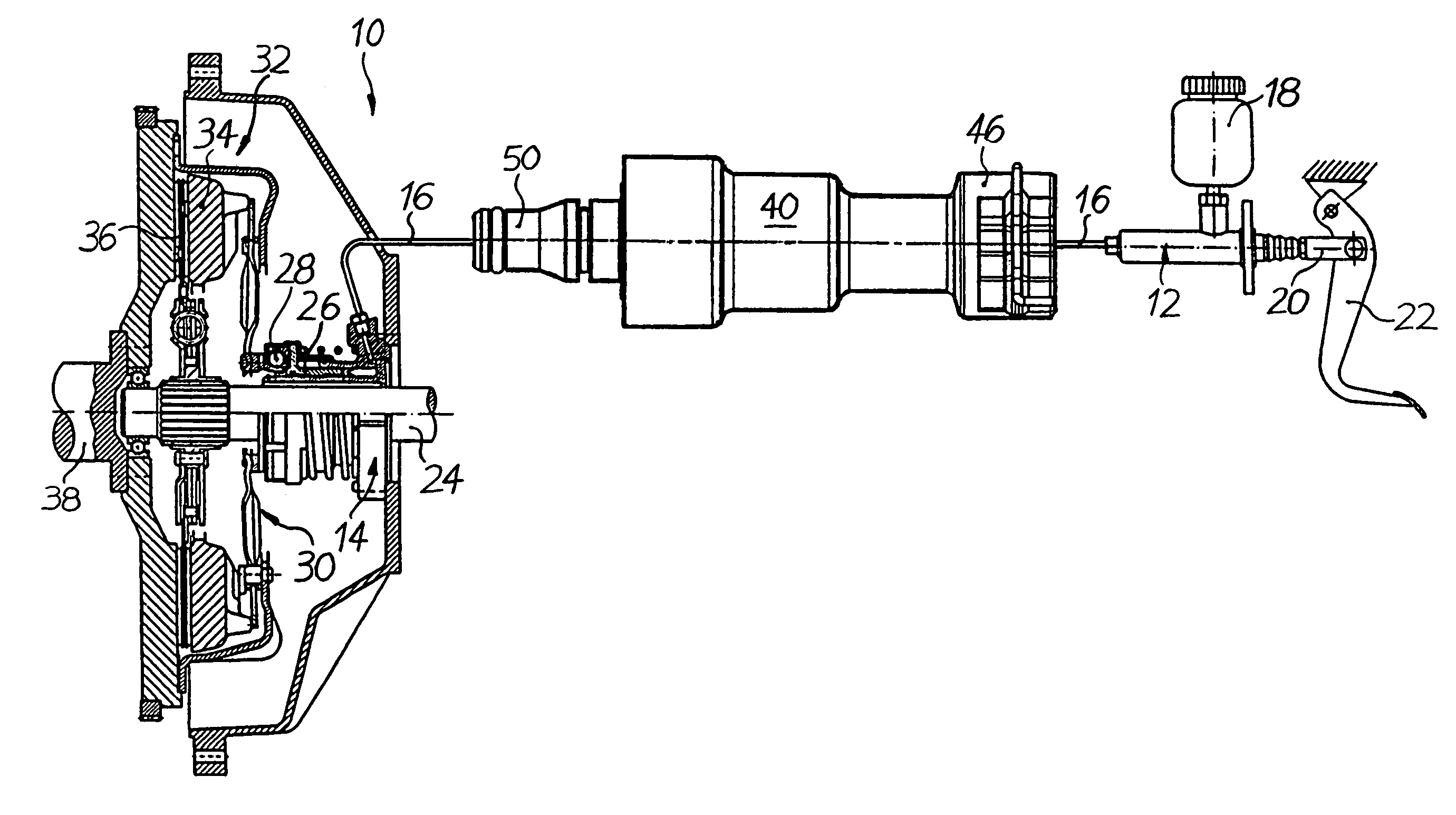
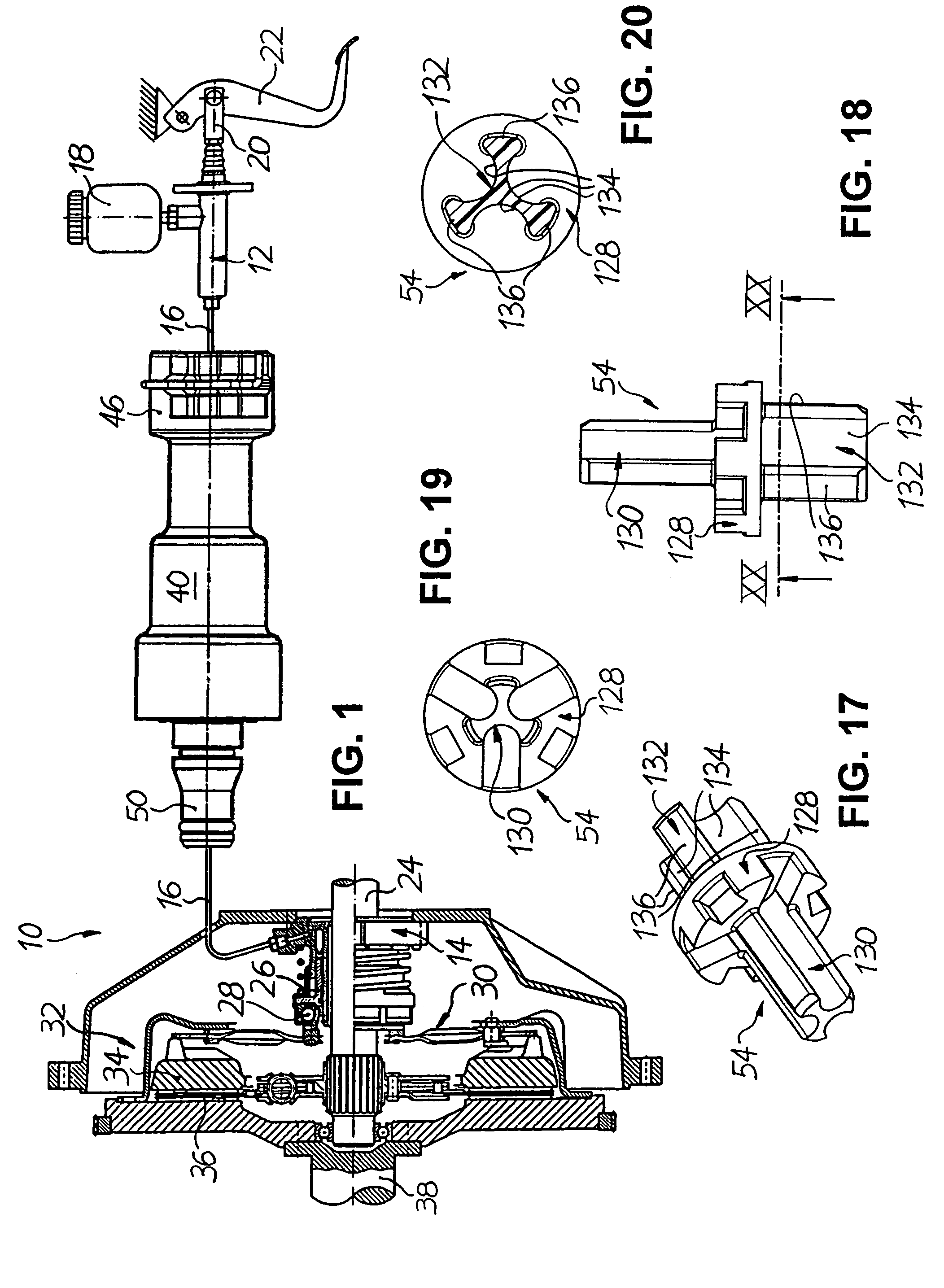
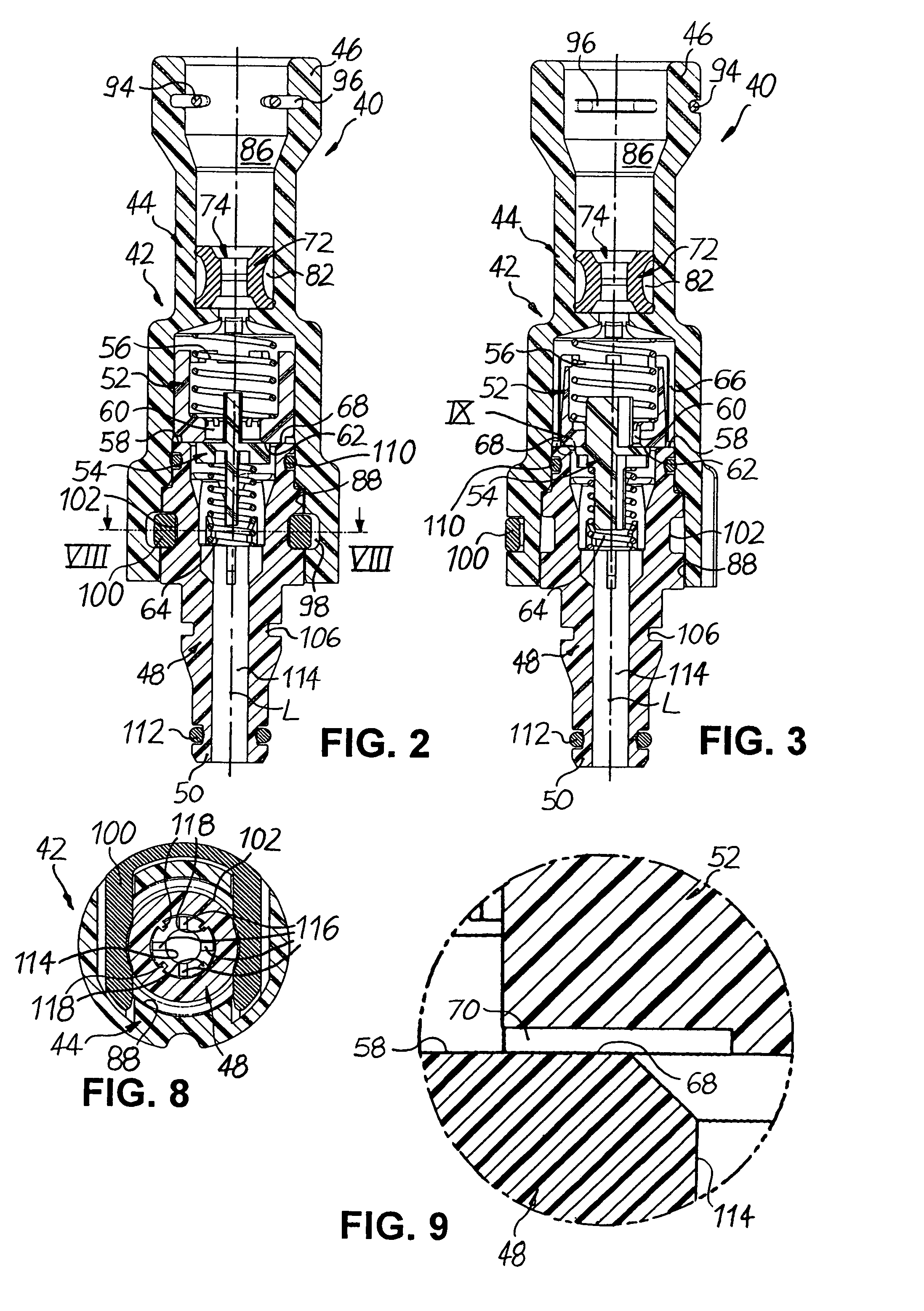
Valve arrangement for vibration decoupling, which can be connected between a master cylinder and a slave cylinder of a hydraulic force transmission system
PatentActiveUS7578378B2
Innovation
- A valve arrangement with two spring-biased valve bodies and a housing design that includes a further through-path and valve seat to minimize resistance and prevent vibration transmission by ensuring immediate opening and closing without reaction distance, eliminating the need for sealing elements to reduce friction losses and residual pressure delays.

Industrial Safety Standards for Valve Vibration Control
Industrial safety standards for valve vibration control have evolved significantly over the past decades, driven by increasing awareness of vibration-related failures and their potential consequences in critical industrial applications. The development of comprehensive safety frameworks has become essential as magnetic valve systems are increasingly deployed in high-stakes environments including petrochemical plants, nuclear facilities, and aerospace applications.
The International Organization for Standardization (ISO) has established several key standards that directly impact magnetic valve vibration control, with ISO 14839 series providing fundamental guidelines for mechanical vibration measurement and evaluation. These standards define acceptable vibration limits, measurement methodologies, and assessment criteria specifically tailored to valve applications. Additionally, the American Society of Mechanical Engineers (ASME) has developed complementary standards that address valve performance under dynamic loading conditions.
Regional safety authorities have implemented stringent compliance requirements that mandate vibration monitoring and control systems for magnetic valves in critical applications. The European Union's Machinery Directive 2006/42/EC requires comprehensive vibration assessment during the design phase, while the Occupational Safety and Health Administration (OSHA) in the United States has established workplace safety standards that indirectly influence valve vibration control requirements through noise and structural integrity regulations.
Industry-specific standards have emerged to address unique operational challenges in different sectors. The nuclear industry follows Nuclear Regulatory Commission guidelines that impose extremely strict vibration limits for safety-critical valve systems, while the oil and gas sector adheres to API standards that emphasize long-term reliability under harsh operating conditions. These sector-specific requirements often exceed general industrial standards, reflecting the elevated risk profiles associated with these applications.
Certification processes for magnetic valve vibration control systems typically involve multi-stage testing protocols that validate performance under various operating scenarios. Third-party testing laboratories conduct comprehensive vibration analysis using standardized test procedures, ensuring that valve placement optimization strategies meet or exceed established safety thresholds. These certification requirements have driven innovation in vibration prediction modeling and real-time monitoring technologies, creating a robust framework for ensuring operational safety across diverse industrial applications.
The International Organization for Standardization (ISO) has established several key standards that directly impact magnetic valve vibration control, with ISO 14839 series providing fundamental guidelines for mechanical vibration measurement and evaluation. These standards define acceptable vibration limits, measurement methodologies, and assessment criteria specifically tailored to valve applications. Additionally, the American Society of Mechanical Engineers (ASME) has developed complementary standards that address valve performance under dynamic loading conditions.
Regional safety authorities have implemented stringent compliance requirements that mandate vibration monitoring and control systems for magnetic valves in critical applications. The European Union's Machinery Directive 2006/42/EC requires comprehensive vibration assessment during the design phase, while the Occupational Safety and Health Administration (OSHA) in the United States has established workplace safety standards that indirectly influence valve vibration control requirements through noise and structural integrity regulations.
Industry-specific standards have emerged to address unique operational challenges in different sectors. The nuclear industry follows Nuclear Regulatory Commission guidelines that impose extremely strict vibration limits for safety-critical valve systems, while the oil and gas sector adheres to API standards that emphasize long-term reliability under harsh operating conditions. These sector-specific requirements often exceed general industrial standards, reflecting the elevated risk profiles associated with these applications.
Certification processes for magnetic valve vibration control systems typically involve multi-stage testing protocols that validate performance under various operating scenarios. Third-party testing laboratories conduct comprehensive vibration analysis using standardized test procedures, ensuring that valve placement optimization strategies meet or exceed established safety thresholds. These certification requirements have driven innovation in vibration prediction modeling and real-time monitoring technologies, creating a robust framework for ensuring operational safety across diverse industrial applications.
Environmental Impact of Optimized Valve Systems
The environmental implications of optimized magnetic valve placement systems extend far beyond immediate operational benefits, encompassing significant reductions in energy consumption, material waste, and overall industrial carbon footprint. These systems demonstrate measurable environmental advantages through enhanced operational efficiency and extended equipment lifecycles.
Energy consumption represents the most substantial environmental benefit of optimized valve systems. By minimizing vibration-induced inefficiencies, these systems reduce the energy required for pump operations by approximately 15-25%. This reduction translates directly to decreased electricity demand from power grids, subsequently lowering greenhouse gas emissions associated with energy production. Industrial facilities implementing optimized valve placement report annual energy savings ranging from 200-500 MWh per facility.
Material conservation emerges as another critical environmental advantage. Traditional valve systems experiencing excessive vibration require frequent replacement of seals, gaskets, and valve components due to accelerated wear patterns. Optimized placement strategies extend component lifecycles by 40-60%, significantly reducing the demand for replacement parts and associated manufacturing processes. This reduction in material turnover decreases mining activities, raw material processing, and transportation-related emissions.
Noise pollution mitigation represents an often-overlooked environmental benefit. Vibration-optimized valve systems operate at significantly reduced noise levels, typically achieving 10-15 dB reductions compared to conventional installations. This improvement contributes to better workplace environments and reduced noise impact on surrounding communities, particularly relevant for industrial facilities in urban or semi-urban settings.
The cumulative effect of these optimizations contributes to circular economy principles by maximizing resource utilization efficiency. Extended equipment lifecycles reduce waste generation, while improved energy efficiency decreases resource extraction demands. Additionally, the reduced maintenance requirements minimize the environmental impact of service operations, including transportation of maintenance personnel and replacement components.
Long-term environmental assessments indicate that facilities implementing comprehensive valve optimization strategies achieve 20-30% reductions in their overall environmental impact metrics, establishing these systems as significant contributors to industrial sustainability initiatives and corporate environmental responsibility programs.
Energy consumption represents the most substantial environmental benefit of optimized valve systems. By minimizing vibration-induced inefficiencies, these systems reduce the energy required for pump operations by approximately 15-25%. This reduction translates directly to decreased electricity demand from power grids, subsequently lowering greenhouse gas emissions associated with energy production. Industrial facilities implementing optimized valve placement report annual energy savings ranging from 200-500 MWh per facility.
Material conservation emerges as another critical environmental advantage. Traditional valve systems experiencing excessive vibration require frequent replacement of seals, gaskets, and valve components due to accelerated wear patterns. Optimized placement strategies extend component lifecycles by 40-60%, significantly reducing the demand for replacement parts and associated manufacturing processes. This reduction in material turnover decreases mining activities, raw material processing, and transportation-related emissions.
Noise pollution mitigation represents an often-overlooked environmental benefit. Vibration-optimized valve systems operate at significantly reduced noise levels, typically achieving 10-15 dB reductions compared to conventional installations. This improvement contributes to better workplace environments and reduced noise impact on surrounding communities, particularly relevant for industrial facilities in urban or semi-urban settings.
The cumulative effect of these optimizations contributes to circular economy principles by maximizing resource utilization efficiency. Extended equipment lifecycles reduce waste generation, while improved energy efficiency decreases resource extraction demands. Additionally, the reduced maintenance requirements minimize the environmental impact of service operations, including transportation of maintenance personnel and replacement components.
Long-term environmental assessments indicate that facilities implementing comprehensive valve optimization strategies achieve 20-30% reductions in their overall environmental impact metrics, establishing these systems as significant contributors to industrial sustainability initiatives and corporate environmental responsibility programs.
Unlock deeper insights with Patsnap Eureka Quick Research — get a full tech report to explore trends and direct your research. Try now!
Generate Your Research Report Instantly with AI Agent
Supercharge your innovation with Patsnap Eureka AI Agent Platform!