

Optimizing Pyroelectric Device Design for Low-Vibration Applications
MAY 13, 202610 MIN READ
Generate Your Research Report Instantly with AI Agent
PatSnap Eureka helps you evaluate technical feasibility & market potential.
Pyroelectric Technology Background and Low-Vibration Goals
Pyroelectric technology represents a specialized branch of materials science that harnesses the pyroelectric effect, where certain crystalline materials generate electrical charges in response to temperature variations. This phenomenon occurs in materials lacking a center of symmetry, such as lithium tantalate, lead zirconate titanate, and various polymer-based composites. The fundamental mechanism involves spontaneous polarization changes within the crystal lattice structure as thermal energy fluctuates, creating measurable electrical outputs proportional to the rate of temperature change.
The historical development of pyroelectric devices traces back to ancient Greek observations of tourmaline crystals, but practical applications emerged in the mid-20th century with advances in semiconductor processing and materials engineering. Early implementations focused primarily on infrared detection and thermal imaging systems, where rapid temperature sensing capabilities provided significant advantages over conventional thermocouples and resistance temperature detectors.
Contemporary pyroelectric device applications have expanded beyond traditional thermal sensing into sophisticated energy harvesting systems, motion detection arrays, and precision measurement instruments. The technology's inherent sensitivity to thermal gradients makes it particularly valuable in applications requiring rapid response times and high signal-to-noise ratios. Modern pyroelectric materials demonstrate enhanced performance characteristics through engineered crystal structures and optimized electrode configurations.
Low-vibration applications represent an emerging frontier for pyroelectric technology, driven by increasing demands for precision instrumentation in sensitive environments. These applications encompass scientific research facilities, semiconductor manufacturing clean rooms, optical measurement systems, and aerospace platforms where mechanical disturbances must be minimized. The challenge lies in maintaining pyroelectric device functionality while eliminating vibration-induced noise and mechanical coupling effects that can compromise measurement accuracy.
The primary technical objectives for optimizing pyroelectric devices in low-vibration environments include achieving enhanced thermal sensitivity while minimizing mechanical susceptibility, developing robust packaging solutions that isolate sensing elements from external vibrations, and implementing advanced signal processing algorithms to distinguish thermal signals from mechanical artifacts. Additionally, the goal encompasses extending operational temperature ranges and improving long-term stability under varying environmental conditions.
Future development targets focus on integrating smart materials and adaptive compensation mechanisms that can dynamically adjust device parameters based on real-time vibration monitoring. This includes exploring novel substrate materials with superior vibration damping properties and developing hybrid sensing architectures that combine pyroelectric elements with complementary technologies to achieve unprecedented performance in demanding low-vibration applications.
The historical development of pyroelectric devices traces back to ancient Greek observations of tourmaline crystals, but practical applications emerged in the mid-20th century with advances in semiconductor processing and materials engineering. Early implementations focused primarily on infrared detection and thermal imaging systems, where rapid temperature sensing capabilities provided significant advantages over conventional thermocouples and resistance temperature detectors.
Contemporary pyroelectric device applications have expanded beyond traditional thermal sensing into sophisticated energy harvesting systems, motion detection arrays, and precision measurement instruments. The technology's inherent sensitivity to thermal gradients makes it particularly valuable in applications requiring rapid response times and high signal-to-noise ratios. Modern pyroelectric materials demonstrate enhanced performance characteristics through engineered crystal structures and optimized electrode configurations.
Low-vibration applications represent an emerging frontier for pyroelectric technology, driven by increasing demands for precision instrumentation in sensitive environments. These applications encompass scientific research facilities, semiconductor manufacturing clean rooms, optical measurement systems, and aerospace platforms where mechanical disturbances must be minimized. The challenge lies in maintaining pyroelectric device functionality while eliminating vibration-induced noise and mechanical coupling effects that can compromise measurement accuracy.
The primary technical objectives for optimizing pyroelectric devices in low-vibration environments include achieving enhanced thermal sensitivity while minimizing mechanical susceptibility, developing robust packaging solutions that isolate sensing elements from external vibrations, and implementing advanced signal processing algorithms to distinguish thermal signals from mechanical artifacts. Additionally, the goal encompasses extending operational temperature ranges and improving long-term stability under varying environmental conditions.
Future development targets focus on integrating smart materials and adaptive compensation mechanisms that can dynamically adjust device parameters based on real-time vibration monitoring. This includes exploring novel substrate materials with superior vibration damping properties and developing hybrid sensing architectures that combine pyroelectric elements with complementary technologies to achieve unprecedented performance in demanding low-vibration applications.
Market Demand for Low-Vibration Pyroelectric Applications
The market demand for low-vibration pyroelectric applications is experiencing significant growth across multiple industrial sectors, driven by the increasing need for precise thermal sensing in vibration-sensitive environments. Traditional pyroelectric devices often suffer from mechanical noise interference, creating substantial market opportunities for optimized solutions that can maintain high sensitivity while minimizing vibration-induced artifacts.
Healthcare and medical diagnostics represent one of the most promising market segments for low-vibration pyroelectric devices. Medical imaging equipment, particularly infrared thermography systems used in surgical procedures and patient monitoring, requires exceptional thermal sensitivity without mechanical disturbances that could compromise diagnostic accuracy. The growing adoption of non-invasive medical procedures and remote patient monitoring systems is expanding this market segment considerably.
Industrial automation and quality control applications constitute another major demand driver. Manufacturing processes involving precision temperature measurements, such as semiconductor fabrication, pharmaceutical production, and food processing, increasingly require pyroelectric sensors that can operate reliably in environments with minimal mechanical interference. The trend toward Industry 4.0 and smart manufacturing is accelerating the adoption of advanced sensing technologies that can provide consistent performance in controlled environments.
Scientific instrumentation markets show strong demand for low-vibration pyroelectric solutions, particularly in laboratory-grade spectrometers, thermal analysis equipment, and research-grade infrared detectors. Academic and research institutions require highly stable thermal sensing capabilities for materials characterization, chemical analysis, and fundamental research applications where vibration isolation is critical for measurement accuracy.
The aerospace and defense sectors present specialized market opportunities for ruggedized low-vibration pyroelectric devices. Applications include satellite-based thermal imaging systems, precision guidance systems, and surveillance equipment where mechanical stability is paramount for operational effectiveness. These markets typically demand higher performance specifications and are willing to invest in premium solutions.
Consumer electronics applications are emerging as a growing market segment, particularly in smart home devices, automotive climate control systems, and portable thermal imaging cameras. As these devices become more sophisticated and cost-sensitive, there is increasing demand for pyroelectric solutions that can deliver reliable performance without requiring expensive vibration isolation mechanisms.
Market growth is further supported by regulatory requirements in various industries that mandate precise temperature monitoring and control, creating sustained demand for advanced pyroelectric sensing solutions optimized for low-vibration environments.
Healthcare and medical diagnostics represent one of the most promising market segments for low-vibration pyroelectric devices. Medical imaging equipment, particularly infrared thermography systems used in surgical procedures and patient monitoring, requires exceptional thermal sensitivity without mechanical disturbances that could compromise diagnostic accuracy. The growing adoption of non-invasive medical procedures and remote patient monitoring systems is expanding this market segment considerably.
Industrial automation and quality control applications constitute another major demand driver. Manufacturing processes involving precision temperature measurements, such as semiconductor fabrication, pharmaceutical production, and food processing, increasingly require pyroelectric sensors that can operate reliably in environments with minimal mechanical interference. The trend toward Industry 4.0 and smart manufacturing is accelerating the adoption of advanced sensing technologies that can provide consistent performance in controlled environments.
Scientific instrumentation markets show strong demand for low-vibration pyroelectric solutions, particularly in laboratory-grade spectrometers, thermal analysis equipment, and research-grade infrared detectors. Academic and research institutions require highly stable thermal sensing capabilities for materials characterization, chemical analysis, and fundamental research applications where vibration isolation is critical for measurement accuracy.
The aerospace and defense sectors present specialized market opportunities for ruggedized low-vibration pyroelectric devices. Applications include satellite-based thermal imaging systems, precision guidance systems, and surveillance equipment where mechanical stability is paramount for operational effectiveness. These markets typically demand higher performance specifications and are willing to invest in premium solutions.
Consumer electronics applications are emerging as a growing market segment, particularly in smart home devices, automotive climate control systems, and portable thermal imaging cameras. As these devices become more sophisticated and cost-sensitive, there is increasing demand for pyroelectric solutions that can deliver reliable performance without requiring expensive vibration isolation mechanisms.
Market growth is further supported by regulatory requirements in various industries that mandate precise temperature monitoring and control, creating sustained demand for advanced pyroelectric sensing solutions optimized for low-vibration environments.
Current Challenges in Pyroelectric Device Vibration Control
Pyroelectric devices face significant challenges in achieving optimal performance in low-vibration environments, primarily due to the inherent sensitivity of these materials to mechanical disturbances. The fundamental issue stems from the piezoelectric coupling effect present in most pyroelectric materials, where mechanical stress generates unwanted electrical signals that interfere with the desired thermal response. This cross-coupling phenomenon becomes particularly problematic in precision applications where even minimal vibrations can introduce noise levels that exceed the target thermal signals.
Material selection represents a critical challenge in vibration control for pyroelectric devices. Traditional pyroelectric materials such as lithium tantalate and lead zirconate titanate exhibit strong piezoelectric properties alongside their pyroelectric characteristics. While these materials offer excellent thermal sensitivity, their mechanical sensitivity creates substantial interference in low-vibration applications. The challenge lies in identifying or developing materials that maintain high pyroelectric coefficients while minimizing piezoelectric responses.
Structural design constraints pose another significant obstacle in vibration mitigation. Conventional pyroelectric device architectures often amplify mechanical vibrations through resonant frequencies that coincide with operational environments. The thin-film geometries commonly used to enhance thermal responsivity inadvertently create structures that are highly susceptible to mechanical flexing and acoustic coupling. These geometric considerations must be balanced against thermal performance requirements, creating complex design trade-offs.
Mounting and packaging technologies present additional challenges for vibration control in pyroelectric devices. Traditional mounting methods often create mechanical coupling paths that transmit environmental vibrations directly to the sensitive pyroelectric element. The thermal isolation requirements for optimal pyroelectric performance frequently conflict with mechanical isolation needs, as materials that provide good thermal isolation may offer poor vibration damping characteristics.
Signal processing and compensation techniques face limitations in distinguishing between genuine thermal signals and vibration-induced artifacts. While digital filtering approaches can address some frequency-domain separation, the overlapping spectral characteristics of thermal and mechanical responses in many applications make complete separation difficult. Real-time compensation algorithms require sophisticated processing capabilities that may not be feasible in all application contexts.
Environmental factors compound vibration control challenges, particularly in applications where temperature fluctuations affect both the pyroelectric response and the mechanical properties of mounting systems. Thermal expansion mismatches between different materials in the device assembly can create internal stress variations that modulate the vibration sensitivity over operational temperature ranges.
Manufacturing tolerances and assembly variations introduce inconsistencies in vibration response characteristics across device populations. Small variations in material properties, geometric dimensions, or mounting configurations can lead to significant differences in vibration sensitivity, making it difficult to implement universal compensation strategies or design standardized vibration control solutions.
Material selection represents a critical challenge in vibration control for pyroelectric devices. Traditional pyroelectric materials such as lithium tantalate and lead zirconate titanate exhibit strong piezoelectric properties alongside their pyroelectric characteristics. While these materials offer excellent thermal sensitivity, their mechanical sensitivity creates substantial interference in low-vibration applications. The challenge lies in identifying or developing materials that maintain high pyroelectric coefficients while minimizing piezoelectric responses.
Structural design constraints pose another significant obstacle in vibration mitigation. Conventional pyroelectric device architectures often amplify mechanical vibrations through resonant frequencies that coincide with operational environments. The thin-film geometries commonly used to enhance thermal responsivity inadvertently create structures that are highly susceptible to mechanical flexing and acoustic coupling. These geometric considerations must be balanced against thermal performance requirements, creating complex design trade-offs.
Mounting and packaging technologies present additional challenges for vibration control in pyroelectric devices. Traditional mounting methods often create mechanical coupling paths that transmit environmental vibrations directly to the sensitive pyroelectric element. The thermal isolation requirements for optimal pyroelectric performance frequently conflict with mechanical isolation needs, as materials that provide good thermal isolation may offer poor vibration damping characteristics.
Signal processing and compensation techniques face limitations in distinguishing between genuine thermal signals and vibration-induced artifacts. While digital filtering approaches can address some frequency-domain separation, the overlapping spectral characteristics of thermal and mechanical responses in many applications make complete separation difficult. Real-time compensation algorithms require sophisticated processing capabilities that may not be feasible in all application contexts.
Environmental factors compound vibration control challenges, particularly in applications where temperature fluctuations affect both the pyroelectric response and the mechanical properties of mounting systems. Thermal expansion mismatches between different materials in the device assembly can create internal stress variations that modulate the vibration sensitivity over operational temperature ranges.
Manufacturing tolerances and assembly variations introduce inconsistencies in vibration response characteristics across device populations. Small variations in material properties, geometric dimensions, or mounting configurations can lead to significant differences in vibration sensitivity, making it difficult to implement universal compensation strategies or design standardized vibration control solutions.
Existing Vibration Reduction Solutions for Pyroelectric Devices
01 Pyroelectric material composition and structure optimization
Optimization of pyroelectric devices involves selecting and engineering specific material compositions and crystal structures to enhance pyroelectric coefficients and thermal sensitivity. This includes developing novel ceramic compositions, polymer-based materials, and composite structures that exhibit superior pyroelectric properties. The optimization focuses on maximizing the temperature-dependent polarization changes while maintaining structural stability and reducing material defects.- Pyroelectric material composition and structure optimization: Optimization of pyroelectric devices involves selecting and engineering specific material compositions and crystal structures to enhance pyroelectric coefficients and thermal sensitivity. This includes developing ceramic materials, polymer composites, and thin film structures with improved pyroelectric properties. The focus is on maximizing the change in polarization with temperature while maintaining structural stability and reducing thermal noise.
- Electrode design and contact optimization: The design and optimization of electrode configurations play a crucial role in pyroelectric device performance. This involves developing optimal electrode materials, geometries, and contact methods to maximize charge collection efficiency and minimize electrical losses. Advanced electrode designs include segmented electrodes, interdigitated patterns, and specialized contact materials that enhance signal-to-noise ratio and device sensitivity.
- Thermal isolation and packaging techniques: Effective thermal management and packaging are essential for optimizing pyroelectric device performance. This includes developing thermal isolation structures, heat sink designs, and packaging methods that control thermal response time and reduce unwanted thermal interference. The optimization focuses on balancing thermal sensitivity with response speed while protecting the device from environmental factors.
- Signal processing and readout circuit optimization: Optimization of signal processing circuits and readout electronics is critical for maximizing pyroelectric device performance. This involves developing low-noise amplifiers, temperature compensation circuits, and advanced signal processing algorithms to enhance detection sensitivity and reduce false signals. The focus includes impedance matching, noise reduction techniques, and digital signal processing methods.
- Array configuration and multi-element design: Advanced pyroelectric device designs incorporate array configurations and multi-element structures to improve spatial resolution and detection capabilities. This includes developing pixel arrays, linear detector arrays, and multi-zone configurations that enable enhanced imaging and detection performance. The optimization involves element spacing, crosstalk reduction, and uniform response characteristics across the array.
02 Device geometry and electrode configuration design
The physical design and electrode arrangement of pyroelectric devices significantly impact their performance characteristics. This involves optimizing the thickness, surface area, and geometric patterns of pyroelectric elements, as well as designing efficient electrode configurations for charge collection. Advanced electrode materials and patterns are developed to minimize thermal mass while maximizing signal output and reducing noise interference.Expand Specific Solutions03 Thermal isolation and packaging optimization
Effective thermal management and packaging strategies are crucial for pyroelectric device performance. This includes designing thermal isolation structures, heat sinks, and packaging materials that control heat flow and minimize thermal crosstalk. The optimization involves balancing thermal responsivity with mechanical stability and environmental protection, often incorporating advanced materials and micro-fabrication techniques.Expand Specific Solutions04 Signal processing and readout circuit integration
Integration of sophisticated signal processing circuits and readout electronics enhances the overall performance of pyroelectric devices. This involves developing low-noise amplifiers, temperature compensation circuits, and digital signal processing algorithms that improve sensitivity and reduce false signals. The optimization includes miniaturization of electronic components and implementation of smart processing techniques for better signal-to-noise ratios.Expand Specific Solutions05 Multi-element array and imaging system design
Advanced pyroelectric devices utilize multi-element arrays and sophisticated imaging systems for enhanced detection capabilities. This involves designing pixel arrays, focal plane arrays, and imaging optics that work in conjunction with pyroelectric sensors. The optimization focuses on improving spatial resolution, reducing crosstalk between elements, and developing efficient scanning and imaging algorithms for various applications including thermal imaging and motion detection.Expand Specific Solutions
Key Players in Pyroelectric Device Manufacturing Industry
The pyroelectric device optimization market for low-vibration applications represents an emerging niche within the broader sensor and electronic components industry, currently in its early development stage with significant growth potential driven by increasing demand for precision sensing in automotive, aerospace, and industrial automation sectors. The market remains relatively small but is expanding rapidly as applications requiring vibration-resistant pyroelectric sensors proliferate across IoT devices, security systems, and medical equipment. Technology maturity varies significantly among key players, with established Japanese manufacturers like Murata Manufacturing, TDK Corp., Kyocera Corp., and Seiko Epson leading in advanced ceramic and piezoelectric technologies, while specialized companies such as Senba Sensing Technology focus specifically on pyroelectric sensor development. Research institutions including Shanghai Institute of Ceramics and Zhejiang University contribute fundamental materials science innovations, though commercial implementation of low-vibration optimized designs remains limited, creating opportunities for breakthrough solutions that effectively minimize mechanical interference while maintaining sensor sensitivity and reliability.
Murata Manufacturing Co. Ltd.
Technical Solution: Murata has developed advanced pyroelectric infrared sensors utilizing lithium tantalate (LiTaO3) and lead zirconate titanate (PZT) materials with specialized low-noise amplification circuits. Their pyroelectric devices feature ultra-low power consumption designs optimized for battery-operated applications in low-vibration environments. The company employs proprietary ceramic processing techniques to enhance pyroelectric coefficient while minimizing mechanical sensitivity to vibrations. Their sensors incorporate advanced packaging technologies with vibration-dampening structures and temperature compensation algorithms to maintain stable performance in static or minimal movement scenarios such as occupancy detection and thermal monitoring systems.
Strengths: Industry-leading ceramic material expertise, excellent noise reduction capabilities, proven reliability in consumer electronics. Weaknesses: Higher cost compared to competitors, limited customization options for specialized applications.
Seiko Epson Corp.
Technical Solution: Seiko Epson has developed pyroelectric energy harvesting devices specifically designed for low-vibration environments using proprietary ferroelectric materials and MEMS fabrication processes. Their approach focuses on maximizing thermal gradient sensitivity while minimizing mechanical interference through advanced substrate isolation techniques. The company's pyroelectric sensors feature integrated signal processing circuits that filter out vibration-induced noise and enhance thermal detection accuracy. Their devices utilize specialized electrode configurations and optimized crystal orientations to achieve high pyroelectric coefficients suitable for applications requiring precise temperature change detection in stable mechanical environments.
Strengths: Advanced MEMS integration capabilities, excellent thermal sensitivity, compact form factors. Weaknesses: Limited high-temperature operation range, relatively complex manufacturing processes.
Core Patents in Low-Vibration Pyroelectric Design
Pyroelectric device
PatentActiveUS10043964B2
Innovation
- A pyroelectric device with nanometer-sized, single-domain pyroelectric elements isolated by a dielectric matrix, where the orientation of each domain is controlled to maximize polarization, and the dielectric matrix is chosen to tune strain, such as using BST nanorods with a SiO2 dielectric matrix on a sapphire substrate to mitigate tensile strain.
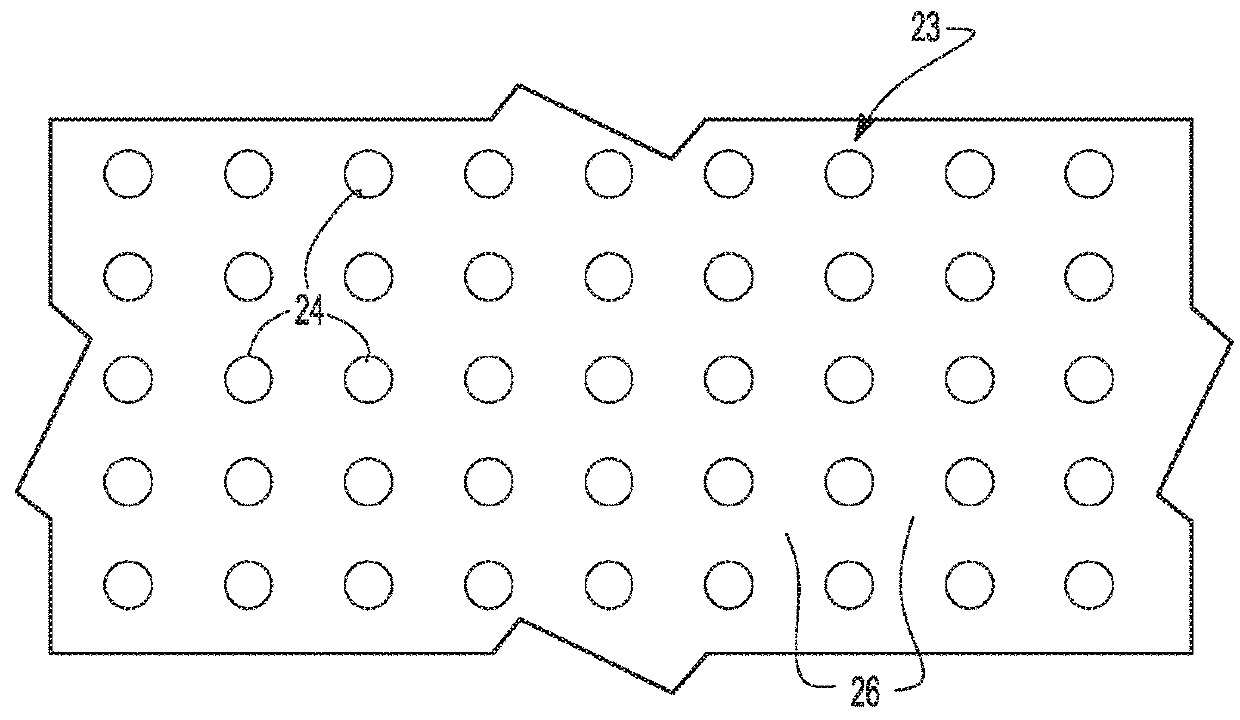
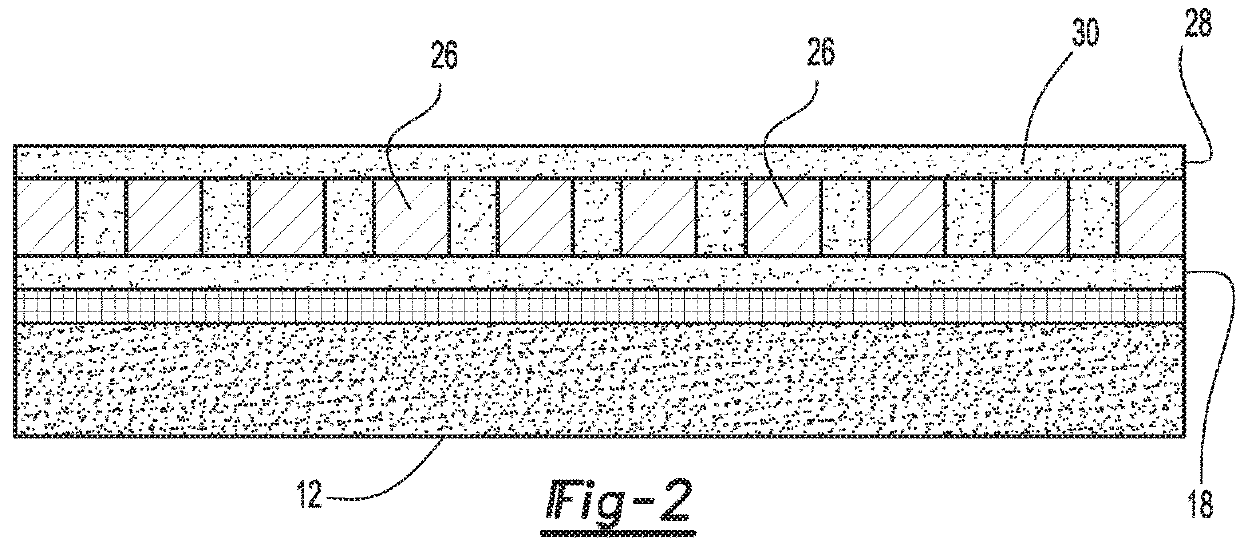
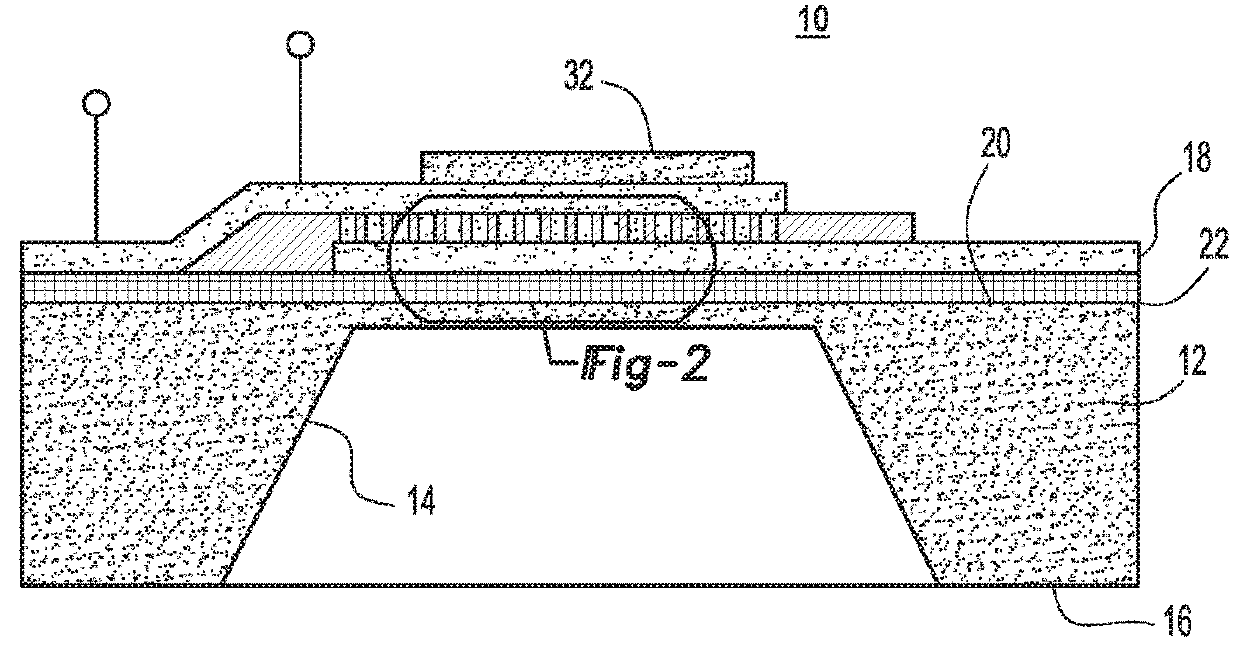

Pyroelectric device with coplanar electrodes
PatentInactiveUS3932753A
Innovation
- The use of coplanar electrodes disposed in a plane containing the c-axis of the pyroelectric material, allowing for a single surface configuration that mimics the performance of edge-type detectors without their disadvantages, enabling the creation of small-area devices with high signal-to-noise ratio and voltage responsivity, and facilitating the fabrication of large-area arrays at reduced costs.


Material Science Advances in Pyroelectric Crystals
Recent breakthroughs in pyroelectric crystal materials have opened new possibilities for developing highly sensitive devices optimized for low-vibration environments. Advanced single-crystal growth techniques, including the Czochralski method and flux growth processes, have enabled the production of ultra-pure pyroelectric crystals with significantly reduced defect densities. These improvements directly translate to enhanced signal-to-noise ratios and reduced mechanical sensitivity, making them ideal candidates for precision applications where vibration interference must be minimized.
The development of modified lead zirconate titanate (PZT) compositions has emerged as a particularly promising avenue. Researchers have successfully engineered PZT variants with tailored dopant concentrations, incorporating elements such as lanthanum, niobium, and manganese to optimize the pyroelectric coefficient while simultaneously reducing piezoelectric coupling. This selective enhancement allows devices to maintain high thermal sensitivity while exhibiting minimal response to mechanical disturbances.
Lithium tantalate (LiTaO3) crystals have undergone significant compositional refinements, with stoichiometric control reaching unprecedented precision levels. Near-stoichiometric lithium tantalate demonstrates superior temperature stability and reduced acoustic phonon interactions compared to conventional congruent compositions. These characteristics are particularly valuable for low-vibration applications where thermal drift and mechanical cross-sensitivity can compromise measurement accuracy.
Novel composite crystal structures represent another frontier in pyroelectric material advancement. Layered perovskite structures and artificially engineered superlattices have shown remarkable properties, including enhanced pyroelectric coefficients and reduced elastic constants. These engineered materials can be designed with specific crystallographic orientations that minimize piezoelectric tensor components while maximizing pyroelectric response.
Thin-film pyroelectric materials have achieved remarkable improvements in crystalline quality through advanced deposition techniques such as pulsed laser deposition and molecular beam epitaxy. These methods enable precise control over crystal orientation, grain boundaries, and interface properties, resulting in films with pyroelectric performance approaching that of bulk single crystals while offering superior mechanical isolation from substrate vibrations.
The integration of nanostructured elements within traditional pyroelectric crystals has demonstrated potential for creating materials with enhanced thermal response characteristics and reduced mechanical coupling. Controlled introduction of nanoscale inclusions and engineered grain boundaries can effectively decouple thermal and mechanical responses, providing a pathway toward truly vibration-immune pyroelectric devices.
The development of modified lead zirconate titanate (PZT) compositions has emerged as a particularly promising avenue. Researchers have successfully engineered PZT variants with tailored dopant concentrations, incorporating elements such as lanthanum, niobium, and manganese to optimize the pyroelectric coefficient while simultaneously reducing piezoelectric coupling. This selective enhancement allows devices to maintain high thermal sensitivity while exhibiting minimal response to mechanical disturbances.
Lithium tantalate (LiTaO3) crystals have undergone significant compositional refinements, with stoichiometric control reaching unprecedented precision levels. Near-stoichiometric lithium tantalate demonstrates superior temperature stability and reduced acoustic phonon interactions compared to conventional congruent compositions. These characteristics are particularly valuable for low-vibration applications where thermal drift and mechanical cross-sensitivity can compromise measurement accuracy.
Novel composite crystal structures represent another frontier in pyroelectric material advancement. Layered perovskite structures and artificially engineered superlattices have shown remarkable properties, including enhanced pyroelectric coefficients and reduced elastic constants. These engineered materials can be designed with specific crystallographic orientations that minimize piezoelectric tensor components while maximizing pyroelectric response.
Thin-film pyroelectric materials have achieved remarkable improvements in crystalline quality through advanced deposition techniques such as pulsed laser deposition and molecular beam epitaxy. These methods enable precise control over crystal orientation, grain boundaries, and interface properties, resulting in films with pyroelectric performance approaching that of bulk single crystals while offering superior mechanical isolation from substrate vibrations.
The integration of nanostructured elements within traditional pyroelectric crystals has demonstrated potential for creating materials with enhanced thermal response characteristics and reduced mechanical coupling. Controlled introduction of nanoscale inclusions and engineered grain boundaries can effectively decouple thermal and mechanical responses, providing a pathway toward truly vibration-immune pyroelectric devices.
Thermal Management Strategies for Enhanced Performance
Thermal management represents a critical design consideration for pyroelectric devices operating in low-vibration environments, where traditional cooling mechanisms may be insufficient or introduce unwanted mechanical disturbances. The inherent temperature sensitivity of pyroelectric materials necessitates sophisticated thermal control strategies to maintain optimal performance while preserving the low-vibration operational requirements.
Passive thermal management approaches form the foundation of effective pyroelectric device design in vibration-sensitive applications. Heat sink optimization through advanced fin geometries and high-conductivity materials such as copper or aluminum alloys enables efficient heat dissipation without mechanical components. Thermal interface materials with enhanced conductivity, including graphene-based compounds and phase-change materials, facilitate improved heat transfer between the pyroelectric element and heat dissipation structures.
Active thermal control systems require careful consideration to minimize vibration generation while maintaining temperature stability. Thermoelectric coolers present an attractive solution, offering precise temperature control through solid-state operation without moving parts. Advanced Peltier modules with optimized cascade configurations can achieve temperature differentials exceeding 70°C while maintaining vibration-free operation, crucial for sensitive pyroelectric applications.
Thermal isolation strategies play a pivotal role in protecting pyroelectric elements from environmental temperature fluctuations. Multi-layer insulation systems incorporating aerogel materials and vacuum gaps provide exceptional thermal resistance while maintaining structural integrity. Strategic placement of thermal barriers prevents heat conduction through mounting structures that could compromise device stability.
Integrated thermal monitoring systems enable real-time temperature feedback for dynamic thermal management. Miniaturized temperature sensors positioned at critical locations within the device assembly provide data for adaptive control algorithms. These systems can automatically adjust thermal management parameters to maintain optimal operating temperatures while responding to changing environmental conditions.
Advanced thermal modeling techniques guide the optimization of heat flow patterns within pyroelectric device assemblies. Computational fluid dynamics simulations help identify thermal hotspots and optimize heat dissipation pathways. Finite element analysis enables prediction of temperature gradients across pyroelectric elements, facilitating design modifications that enhance thermal uniformity and device performance in low-vibration applications.
Passive thermal management approaches form the foundation of effective pyroelectric device design in vibration-sensitive applications. Heat sink optimization through advanced fin geometries and high-conductivity materials such as copper or aluminum alloys enables efficient heat dissipation without mechanical components. Thermal interface materials with enhanced conductivity, including graphene-based compounds and phase-change materials, facilitate improved heat transfer between the pyroelectric element and heat dissipation structures.
Active thermal control systems require careful consideration to minimize vibration generation while maintaining temperature stability. Thermoelectric coolers present an attractive solution, offering precise temperature control through solid-state operation without moving parts. Advanced Peltier modules with optimized cascade configurations can achieve temperature differentials exceeding 70°C while maintaining vibration-free operation, crucial for sensitive pyroelectric applications.
Thermal isolation strategies play a pivotal role in protecting pyroelectric elements from environmental temperature fluctuations. Multi-layer insulation systems incorporating aerogel materials and vacuum gaps provide exceptional thermal resistance while maintaining structural integrity. Strategic placement of thermal barriers prevents heat conduction through mounting structures that could compromise device stability.
Integrated thermal monitoring systems enable real-time temperature feedback for dynamic thermal management. Miniaturized temperature sensors positioned at critical locations within the device assembly provide data for adaptive control algorithms. These systems can automatically adjust thermal management parameters to maintain optimal operating temperatures while responding to changing environmental conditions.
Advanced thermal modeling techniques guide the optimization of heat flow patterns within pyroelectric device assemblies. Computational fluid dynamics simulations help identify thermal hotspots and optimize heat dissipation pathways. Finite element analysis enables prediction of temperature gradients across pyroelectric elements, facilitating design modifications that enhance thermal uniformity and device performance in low-vibration applications.
Unlock deeper insights with PatSnap Eureka Quick Research — get a full tech report to explore trends and direct your research. Try now!
Generate Your Research Report Instantly with AI Agent
Supercharge your innovation with PatSnap Eureka AI Agent Platform!