
Optimizing Semiconductor Thermal Management for Efficiency
MAR 31, 20269 MIN READ
Generate Your Research Report Instantly with AI Agent
Patsnap Eureka helps you evaluate technical feasibility & market potential.
Semiconductor Thermal Management Background and Objectives
Semiconductor thermal management has emerged as one of the most critical challenges in modern electronics, fundamentally driven by the relentless pursuit of higher performance, increased integration density, and enhanced energy efficiency. As semiconductor devices continue to shrink following Moore's Law while simultaneously handling greater computational loads, the heat generation per unit area has increased exponentially, creating unprecedented thermal challenges that directly impact device reliability, performance, and lifespan.
The evolution of semiconductor thermal management can be traced from simple heat sinks in early computing systems to today's sophisticated multi-layered cooling solutions. Early semiconductor devices operated at relatively low power densities, making passive cooling sufficient for most applications. However, the transition to high-performance processors, graphics processing units, and power electronics has necessitated advanced thermal management strategies that integrate materials science, mechanical engineering, and thermal physics.
Current market demands are pushing thermal management solutions beyond traditional boundaries. Data centers consuming massive amounts of energy require efficient cooling to maintain operational costs and environmental sustainability. Electric vehicles demand lightweight yet effective thermal solutions for battery management and power electronics. Consumer electronics continue to demand thinner profiles while maintaining peak performance, creating a paradox that thermal engineers must resolve through innovative design approaches.
The primary objective of optimizing semiconductor thermal management centers on achieving maximum heat dissipation efficiency while minimizing energy consumption, space requirements, and material costs. This involves developing solutions that can handle heat fluxes exceeding 1000 W/cm² in some high-performance applications, while maintaining junction temperatures within acceptable operating ranges typically below 85°C for silicon-based devices.
Key technical objectives include enhancing thermal interface materials to reduce contact resistance, developing advanced heat spreader technologies that can efficiently distribute heat across larger areas, and creating innovative cooling architectures that leverage both passive and active cooling mechanisms. Additionally, the integration of smart thermal management systems that can dynamically adjust cooling performance based on real-time thermal conditions represents a crucial advancement direction.
The ultimate goal extends beyond mere heat removal to encompass holistic system optimization where thermal management contributes to overall device efficiency, reliability enhancement, and cost reduction while supporting the continued miniaturization and performance scaling of semiconductor technologies across diverse application domains.
The evolution of semiconductor thermal management can be traced from simple heat sinks in early computing systems to today's sophisticated multi-layered cooling solutions. Early semiconductor devices operated at relatively low power densities, making passive cooling sufficient for most applications. However, the transition to high-performance processors, graphics processing units, and power electronics has necessitated advanced thermal management strategies that integrate materials science, mechanical engineering, and thermal physics.
Current market demands are pushing thermal management solutions beyond traditional boundaries. Data centers consuming massive amounts of energy require efficient cooling to maintain operational costs and environmental sustainability. Electric vehicles demand lightweight yet effective thermal solutions for battery management and power electronics. Consumer electronics continue to demand thinner profiles while maintaining peak performance, creating a paradox that thermal engineers must resolve through innovative design approaches.
The primary objective of optimizing semiconductor thermal management centers on achieving maximum heat dissipation efficiency while minimizing energy consumption, space requirements, and material costs. This involves developing solutions that can handle heat fluxes exceeding 1000 W/cm² in some high-performance applications, while maintaining junction temperatures within acceptable operating ranges typically below 85°C for silicon-based devices.
Key technical objectives include enhancing thermal interface materials to reduce contact resistance, developing advanced heat spreader technologies that can efficiently distribute heat across larger areas, and creating innovative cooling architectures that leverage both passive and active cooling mechanisms. Additionally, the integration of smart thermal management systems that can dynamically adjust cooling performance based on real-time thermal conditions represents a crucial advancement direction.
The ultimate goal extends beyond mere heat removal to encompass holistic system optimization where thermal management contributes to overall device efficiency, reliability enhancement, and cost reduction while supporting the continued miniaturization and performance scaling of semiconductor technologies across diverse application domains.
Market Demand for Advanced Thermal Solutions
The semiconductor industry faces unprecedented thermal management challenges as device miniaturization continues alongside increasing power densities. Modern processors, graphics cards, and system-on-chip designs generate substantial heat loads that traditional cooling solutions struggle to address effectively. This thermal bottleneck directly impacts device performance, reliability, and lifespan, creating urgent market demand for innovative thermal management technologies.
Data centers represent the largest market segment driving demand for advanced thermal solutions. Cloud computing expansion and artificial intelligence workloads have intensified cooling requirements, with thermal management costs becoming a significant operational expense. Enterprise customers increasingly prioritize energy-efficient cooling systems that can maintain optimal semiconductor performance while reducing total cost of ownership.
The automotive electronics sector presents rapidly growing demand as electric vehicles and autonomous driving systems integrate more sophisticated semiconductor components. Power electronics, battery management systems, and advanced driver assistance systems require robust thermal management to ensure safety and reliability under extreme operating conditions. Automotive manufacturers seek lightweight, compact thermal solutions that can withstand harsh environmental conditions.
Consumer electronics markets continue expanding demand for thermal management solutions as smartphones, laptops, and gaming devices pack more processing power into increasingly thin form factors. Thermal throttling issues directly impact user experience, driving manufacturers to invest in advanced cooling technologies that maintain peak performance without compromising device aesthetics or portability.
Industrial and telecommunications infrastructure sectors require reliable thermal management for mission-critical applications. Network equipment, industrial automation systems, and renewable energy inverters operate continuously under demanding conditions, necessitating thermal solutions that ensure long-term reliability and minimal maintenance requirements.
Emerging applications in edge computing, Internet of Things devices, and wearable electronics create new market segments with unique thermal management requirements. These applications demand ultra-compact, low-power thermal solutions that can operate effectively in space-constrained environments while maintaining cost competitiveness.
The market increasingly values integrated thermal management solutions that combine multiple cooling technologies, intelligent thermal monitoring, and predictive maintenance capabilities. Customers seek comprehensive thermal management systems rather than individual components, driving demand for holistic solutions that optimize overall system efficiency and performance.
Data centers represent the largest market segment driving demand for advanced thermal solutions. Cloud computing expansion and artificial intelligence workloads have intensified cooling requirements, with thermal management costs becoming a significant operational expense. Enterprise customers increasingly prioritize energy-efficient cooling systems that can maintain optimal semiconductor performance while reducing total cost of ownership.
The automotive electronics sector presents rapidly growing demand as electric vehicles and autonomous driving systems integrate more sophisticated semiconductor components. Power electronics, battery management systems, and advanced driver assistance systems require robust thermal management to ensure safety and reliability under extreme operating conditions. Automotive manufacturers seek lightweight, compact thermal solutions that can withstand harsh environmental conditions.
Consumer electronics markets continue expanding demand for thermal management solutions as smartphones, laptops, and gaming devices pack more processing power into increasingly thin form factors. Thermal throttling issues directly impact user experience, driving manufacturers to invest in advanced cooling technologies that maintain peak performance without compromising device aesthetics or portability.
Industrial and telecommunications infrastructure sectors require reliable thermal management for mission-critical applications. Network equipment, industrial automation systems, and renewable energy inverters operate continuously under demanding conditions, necessitating thermal solutions that ensure long-term reliability and minimal maintenance requirements.
Emerging applications in edge computing, Internet of Things devices, and wearable electronics create new market segments with unique thermal management requirements. These applications demand ultra-compact, low-power thermal solutions that can operate effectively in space-constrained environments while maintaining cost competitiveness.
The market increasingly values integrated thermal management solutions that combine multiple cooling technologies, intelligent thermal monitoring, and predictive maintenance capabilities. Customers seek comprehensive thermal management systems rather than individual components, driving demand for holistic solutions that optimize overall system efficiency and performance.
Current Thermal Challenges in Semiconductor Industry
The semiconductor industry faces unprecedented thermal management challenges as device miniaturization continues to accelerate while performance demands intensify. Modern processors and system-on-chips generate heat densities exceeding 100 W/cm², creating localized hotspots that can reach temperatures above 150°C during peak operations. These extreme thermal conditions threaten device reliability, performance stability, and operational lifespan.
Power density scaling has outpaced traditional cooling solutions, creating a fundamental mismatch between heat generation and dissipation capabilities. Advanced nodes below 7nm exhibit increased leakage currents and power consumption per unit area, exacerbating thermal stress. The transition to 3D chip architectures and through-silicon vias further complicates heat extraction pathways, as vertical integration creates thermal bottlenecks within multi-layer structures.
Package-level thermal constraints represent another critical challenge area. High-performance computing applications demand increasingly compact form factors while maintaining thermal performance standards. Traditional heat sink and fan combinations prove inadequate for next-generation processors, particularly in mobile and edge computing environments where space and power consumption limitations restrict cooling system design options.
Interface thermal resistance between different materials and layers significantly impacts overall thermal performance. Die-to-package interfaces, thermal interface materials, and substrate connections create cumulative thermal barriers that impede efficient heat transfer. Manufacturing variations and material aging further degrade these interfaces over time, leading to progressive thermal performance deterioration.
Transient thermal behavior poses additional complexity as modern semiconductors experience rapid power state transitions. Dynamic voltage and frequency scaling, burst processing modes, and heterogeneous computing architectures create time-varying thermal loads that challenge steady-state cooling approaches. These transient conditions can generate thermal cycling stress and localized temperature spikes that exceed design specifications.
System-level integration challenges emerge as multiple heat-generating components compete for limited thermal budget within confined spaces. Graphics processors, memory modules, power management units, and communication chips create complex thermal interaction patterns that require sophisticated thermal management strategies beyond individual component optimization.
Power density scaling has outpaced traditional cooling solutions, creating a fundamental mismatch between heat generation and dissipation capabilities. Advanced nodes below 7nm exhibit increased leakage currents and power consumption per unit area, exacerbating thermal stress. The transition to 3D chip architectures and through-silicon vias further complicates heat extraction pathways, as vertical integration creates thermal bottlenecks within multi-layer structures.
Package-level thermal constraints represent another critical challenge area. High-performance computing applications demand increasingly compact form factors while maintaining thermal performance standards. Traditional heat sink and fan combinations prove inadequate for next-generation processors, particularly in mobile and edge computing environments where space and power consumption limitations restrict cooling system design options.
Interface thermal resistance between different materials and layers significantly impacts overall thermal performance. Die-to-package interfaces, thermal interface materials, and substrate connections create cumulative thermal barriers that impede efficient heat transfer. Manufacturing variations and material aging further degrade these interfaces over time, leading to progressive thermal performance deterioration.
Transient thermal behavior poses additional complexity as modern semiconductors experience rapid power state transitions. Dynamic voltage and frequency scaling, burst processing modes, and heterogeneous computing architectures create time-varying thermal loads that challenge steady-state cooling approaches. These transient conditions can generate thermal cycling stress and localized temperature spikes that exceed design specifications.
System-level integration challenges emerge as multiple heat-generating components compete for limited thermal budget within confined spaces. Graphics processors, memory modules, power management units, and communication chips create complex thermal interaction patterns that require sophisticated thermal management strategies beyond individual component optimization.
Existing Thermal Management Solutions and Methods
01 Advanced heat dissipation structures and materials
Semiconductor thermal management can be improved through the use of advanced heat dissipation structures and novel thermal interface materials. These solutions include specialized heat sink designs, thermal pads, and composite materials with enhanced thermal conductivity properties. The structures are engineered to maximize surface area contact and optimize heat transfer pathways from semiconductor devices to cooling systems.- Advanced heat dissipation structures and materials: Semiconductor thermal management can be improved through the use of advanced heat dissipation structures and novel thermal interface materials. These solutions include specialized heat sink designs, thermal pads, and composite materials with enhanced thermal conductivity properties. The structures are engineered to maximize surface area contact and optimize heat transfer pathways from semiconductor devices to cooling systems.
- Liquid cooling and phase change thermal management systems: Liquid cooling systems and phase change materials provide efficient thermal management for high-power semiconductor devices. These systems utilize fluid circulation, microchannel designs, or phase transition processes to absorb and dissipate heat more effectively than traditional air cooling methods. The technology enables better temperature control and uniform heat distribution across semiconductor components.
- Thermal management integration in semiconductor packaging: Integrated thermal management solutions are incorporated directly into semiconductor packaging designs to address heat generation at the source. These approaches include embedded cooling channels, thermally conductive substrates, and optimized package architectures that facilitate efficient heat extraction. The integration reduces thermal resistance and improves overall device reliability and performance.
- Thermal interface materials and bonding technologies: Specialized thermal interface materials and advanced bonding technologies enhance thermal coupling between semiconductor chips and heat spreaders or heat sinks. These materials include high-performance thermal greases, adhesives, and solder compositions designed to minimize thermal resistance at critical interfaces. The technologies ensure reliable thermal pathways while maintaining mechanical stability under thermal cycling conditions.
- Active thermal control and monitoring systems: Active thermal management systems incorporate sensors, control algorithms, and adaptive cooling mechanisms to dynamically regulate semiconductor temperatures. These systems monitor thermal conditions in real-time and adjust cooling performance based on operational demands and thermal loads. The approach enables optimized energy efficiency while preventing thermal-related failures and maintaining device performance within specified temperature ranges.
02 Liquid cooling and phase change thermal management systems
Liquid cooling systems and phase change materials provide efficient thermal management for high-power semiconductor devices. These systems utilize fluid circulation, microchannel designs, or phase transition mechanisms to absorb and dissipate heat more effectively than traditional air cooling methods. The technology is particularly suitable for applications requiring high heat flux removal in compact spaces.Expand Specific Solutions03 Thermal management integration in semiconductor packaging
Integrated thermal management solutions are incorporated directly into semiconductor packaging designs to address heat generation at the source. This approach includes embedded cooling channels, optimized die attachment methods, and thermally enhanced package substrates. The integration enables more compact device designs while maintaining thermal performance and reliability.Expand Specific Solutions04 Thermal interface materials and bonding technologies
Specialized thermal interface materials and bonding technologies are developed to minimize thermal resistance between semiconductor components and heat spreaders. These materials include high-performance thermal greases, adhesives, solders, and nanomaterial-enhanced compounds that ensure optimal thermal coupling. The technologies focus on achieving low thermal impedance while maintaining mechanical stability and long-term reliability.Expand Specific Solutions05 Active thermal control and monitoring systems
Active thermal control systems incorporate sensors, feedback mechanisms, and dynamic cooling adjustments to maintain optimal operating temperatures for semiconductor devices. These systems can include thermoelectric coolers, variable-speed fans, and intelligent thermal management algorithms that respond to real-time temperature changes. The approach enables precise temperature regulation and improved energy efficiency in semiconductor applications.Expand Specific Solutions
Key Players in Semiconductor Thermal Solutions Market
The semiconductor thermal management sector is experiencing rapid growth driven by increasing power densities and miniaturization demands across computing, automotive, and mobile applications. The industry is in a mature development stage with established market leaders like Intel, AMD, and Taiwan Semiconductor Manufacturing Co. leading innovation in advanced cooling solutions. Technology maturity varies significantly across the competitive landscape - foundry leaders TSMC and GlobalFoundries demonstrate high sophistication in process-level thermal optimization, while equipment manufacturers Applied Materials and Tokyo Electron provide critical infrastructure solutions. Component specialists including Murata Manufacturing, TDK Electronics, and ROHM contribute specialized thermal interface materials and power management solutions. The market shows strong consolidation with major players like Siemens, Bosch, and NIDEC expanding thermal management capabilities through strategic acquisitions and R&D investments, indicating robust market potential estimated in billions globally.
Taiwan Semiconductor Manufacturing Co., Ltd.
Technical Solution: TSMC implements advanced thermal management solutions through innovative packaging technologies and substrate design optimization. Their approach includes integrated heat spreaders, thermal interface materials with enhanced conductivity, and sophisticated thermal modeling for chip layout optimization. The company utilizes advanced cooling techniques in their fabrication processes, including liquid cooling systems and thermal-aware design methodologies that reduce hotspot formation during semiconductor operation. TSMC's thermal management strategy also incorporates advanced materials science, using copper interconnects and low-k dielectrics to minimize thermal resistance while maintaining electrical performance.
Strengths: Industry-leading fabrication technology and extensive R&D resources for thermal innovation. Weaknesses: High implementation costs and complexity in scaling solutions across different process nodes.
Intel Corp.
Technical Solution: Intel employs comprehensive thermal management through their Thermal Velocity Boost technology and advanced packaging solutions including embedded multi-die interconnect bridge (EMIB) and Foveros 3D packaging. Their thermal approach integrates dynamic thermal management algorithms that adjust processor performance based on real-time temperature monitoring. Intel utilizes advanced thermal interface materials, integrated heat spreaders, and sophisticated thermal modeling software to optimize heat dissipation. The company also implements thermal-aware circuit design methodologies and advanced cooling solutions including liquid cooling integration for high-performance computing applications.
Strengths: Extensive thermal design expertise and integrated hardware-software thermal management solutions. Weaknesses: Legacy architecture constraints and increasing thermal challenges with higher performance demands.
Core Innovations in Semiconductor Heat Dissipation
Cooling of substrate using interposer channels
PatentActiveUS7434308B2
Innovation
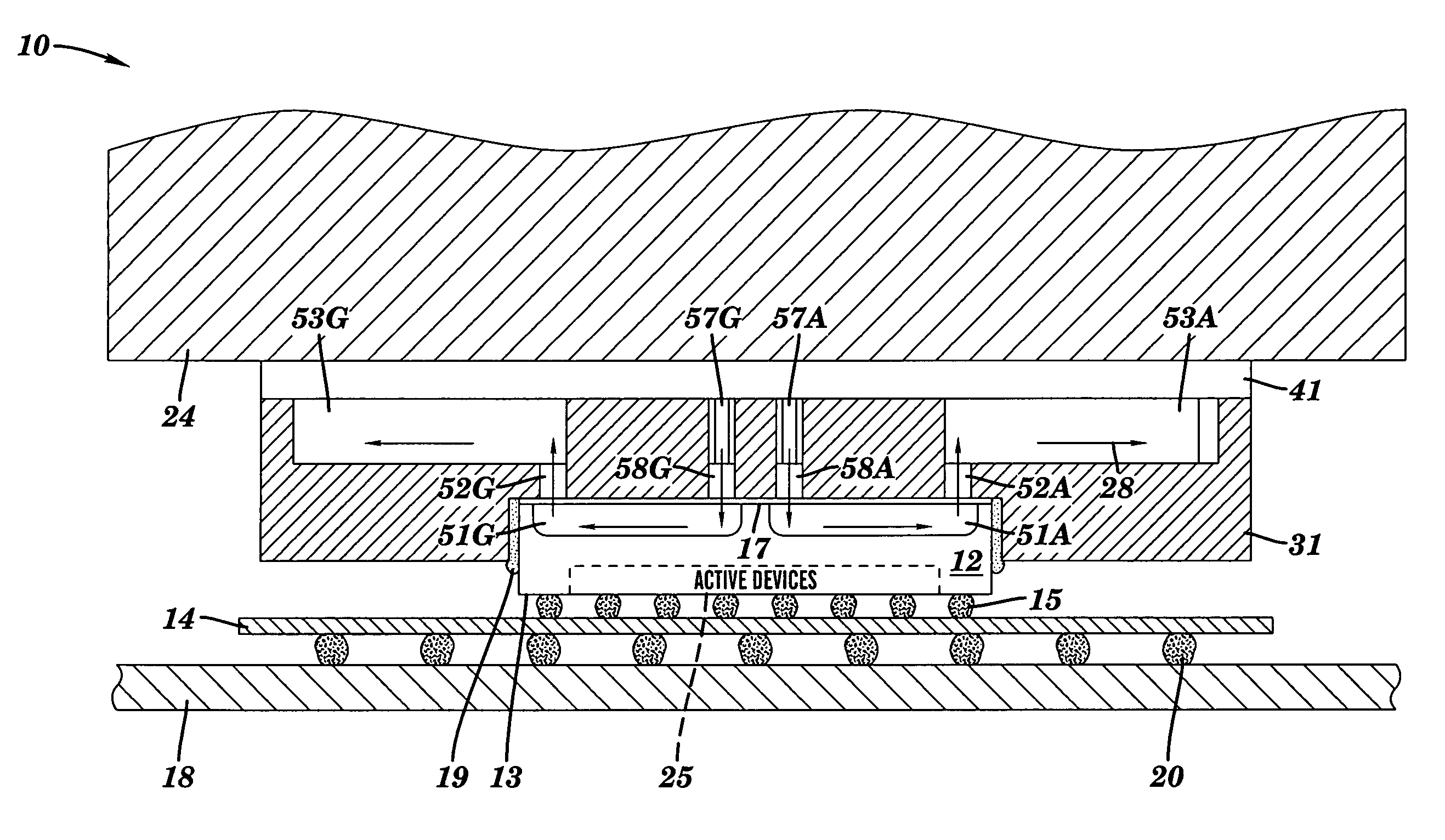
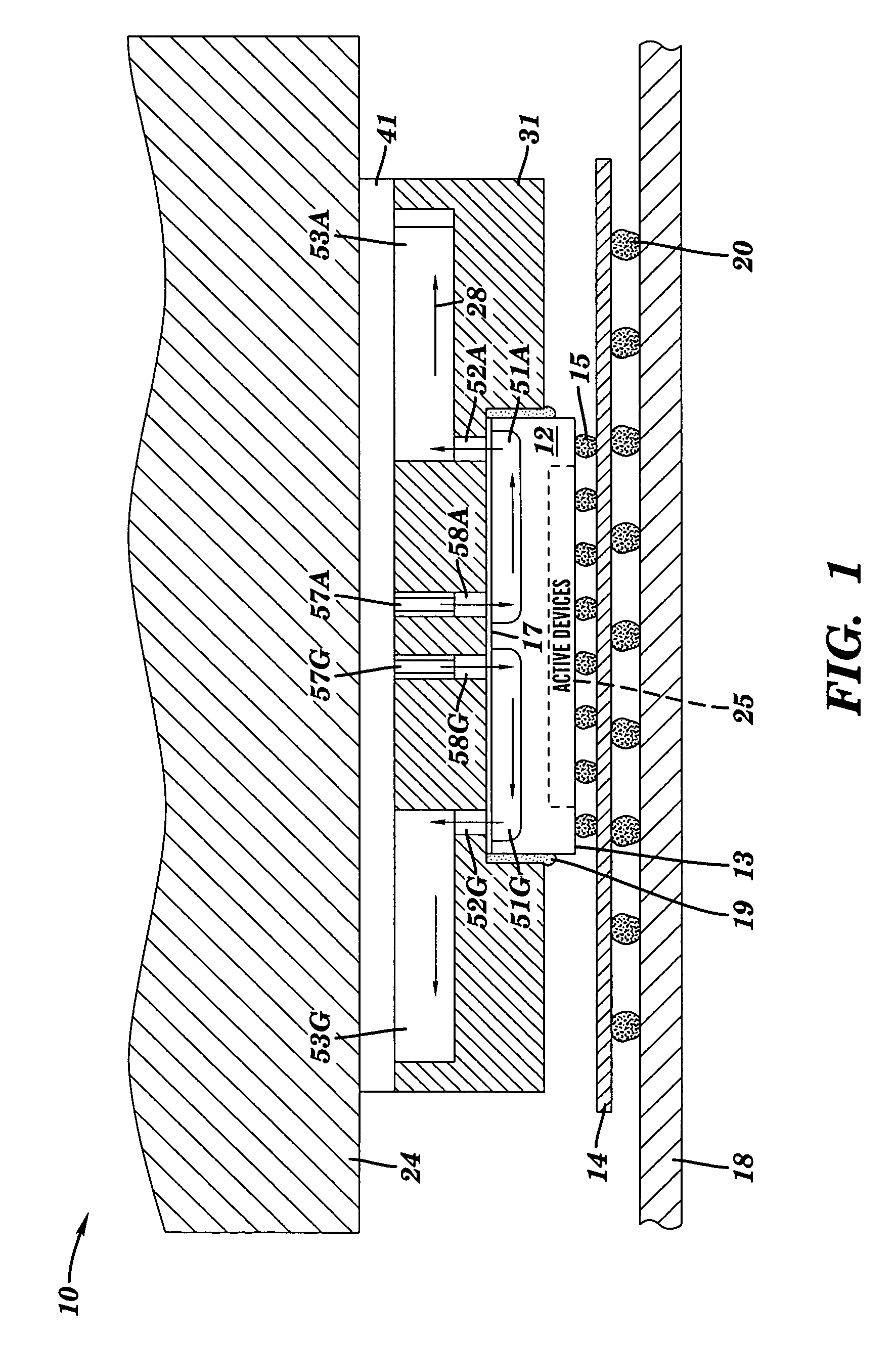
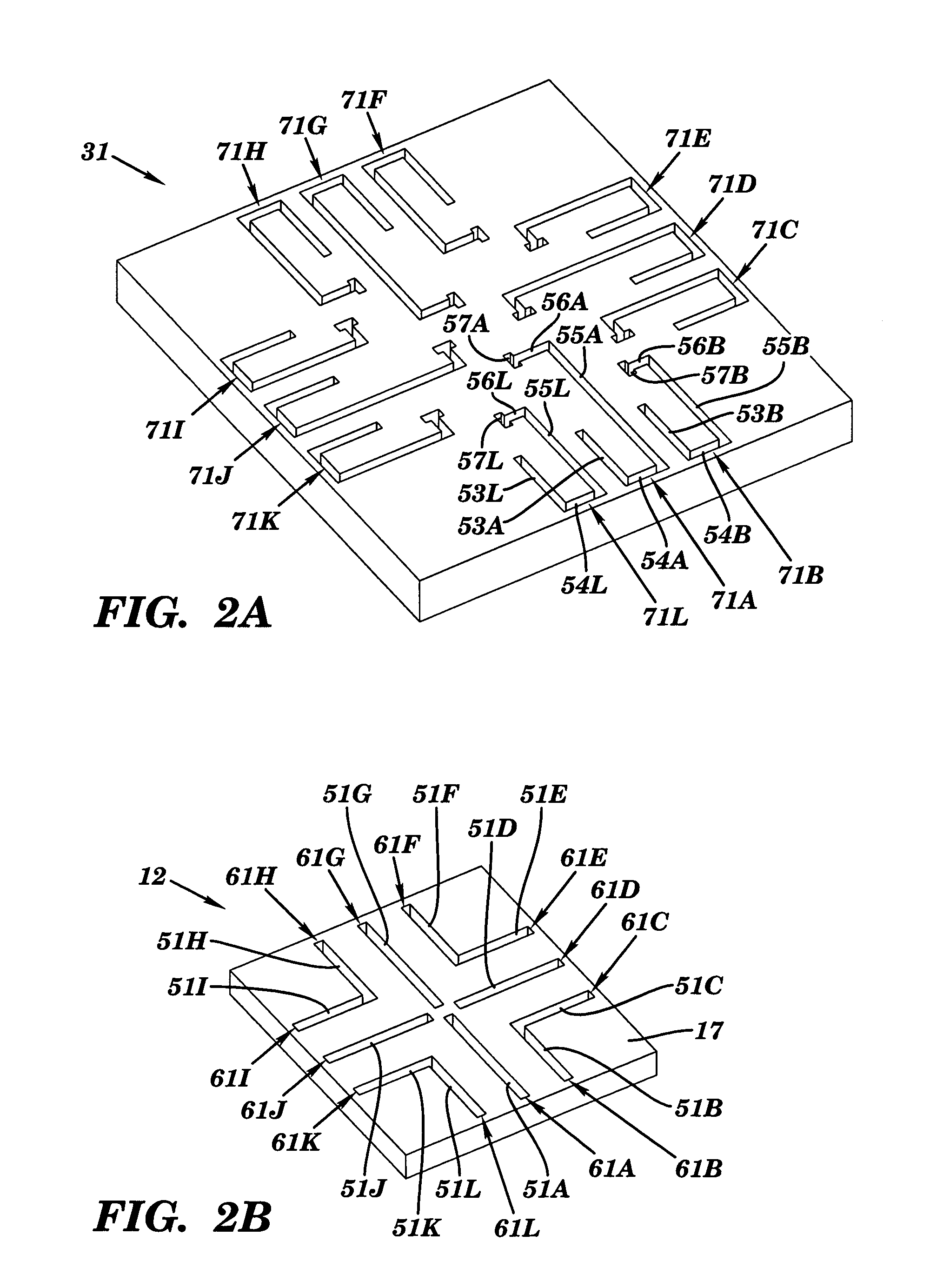
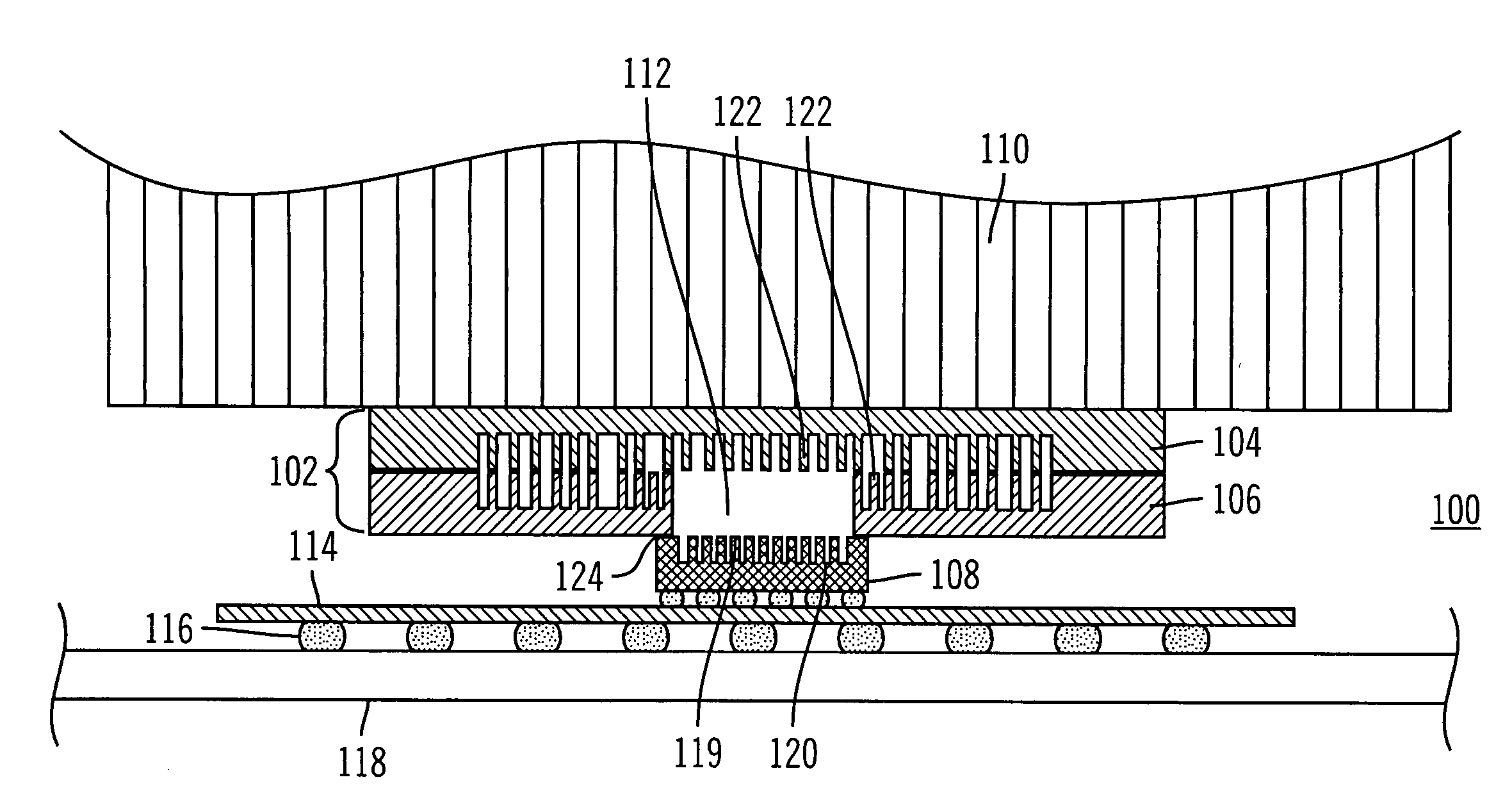
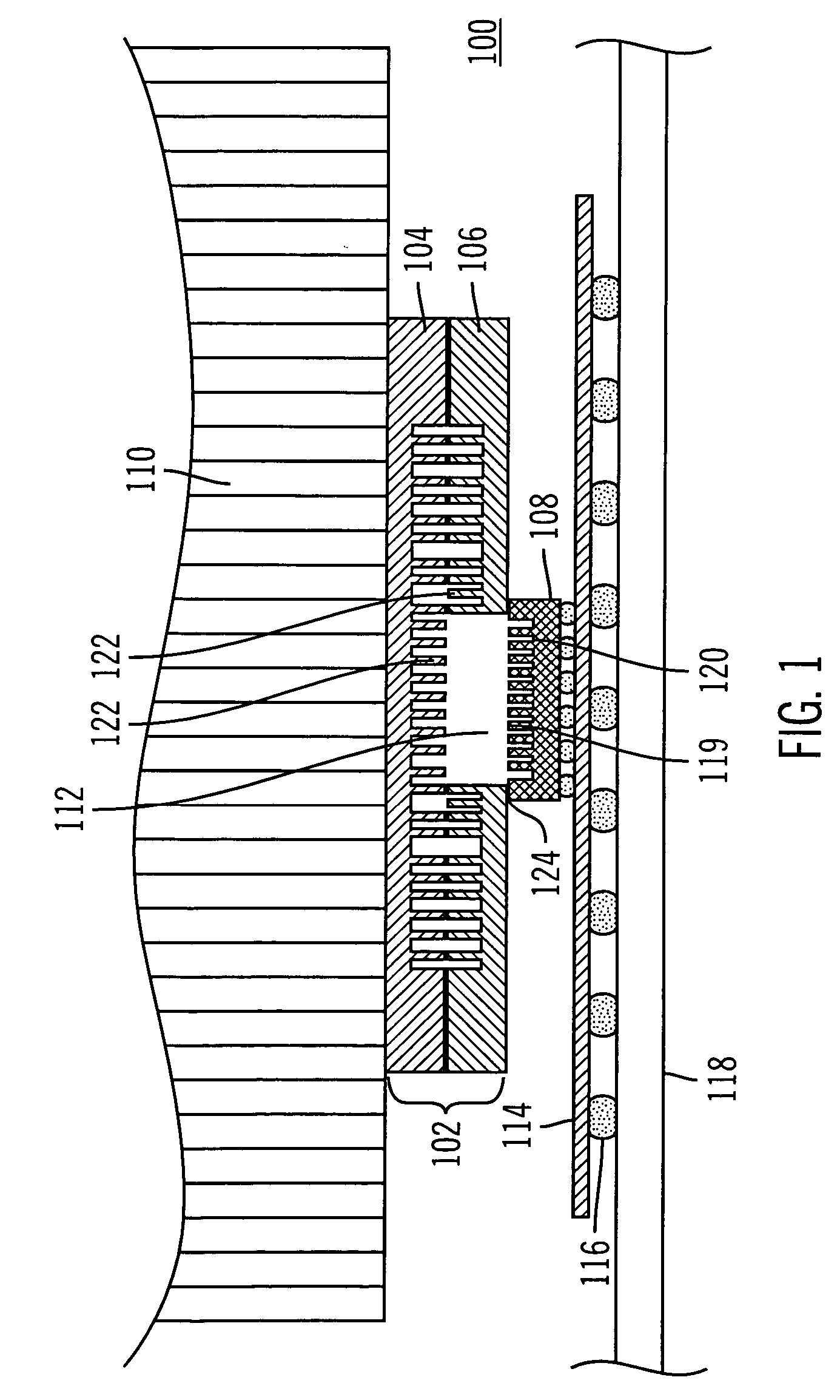
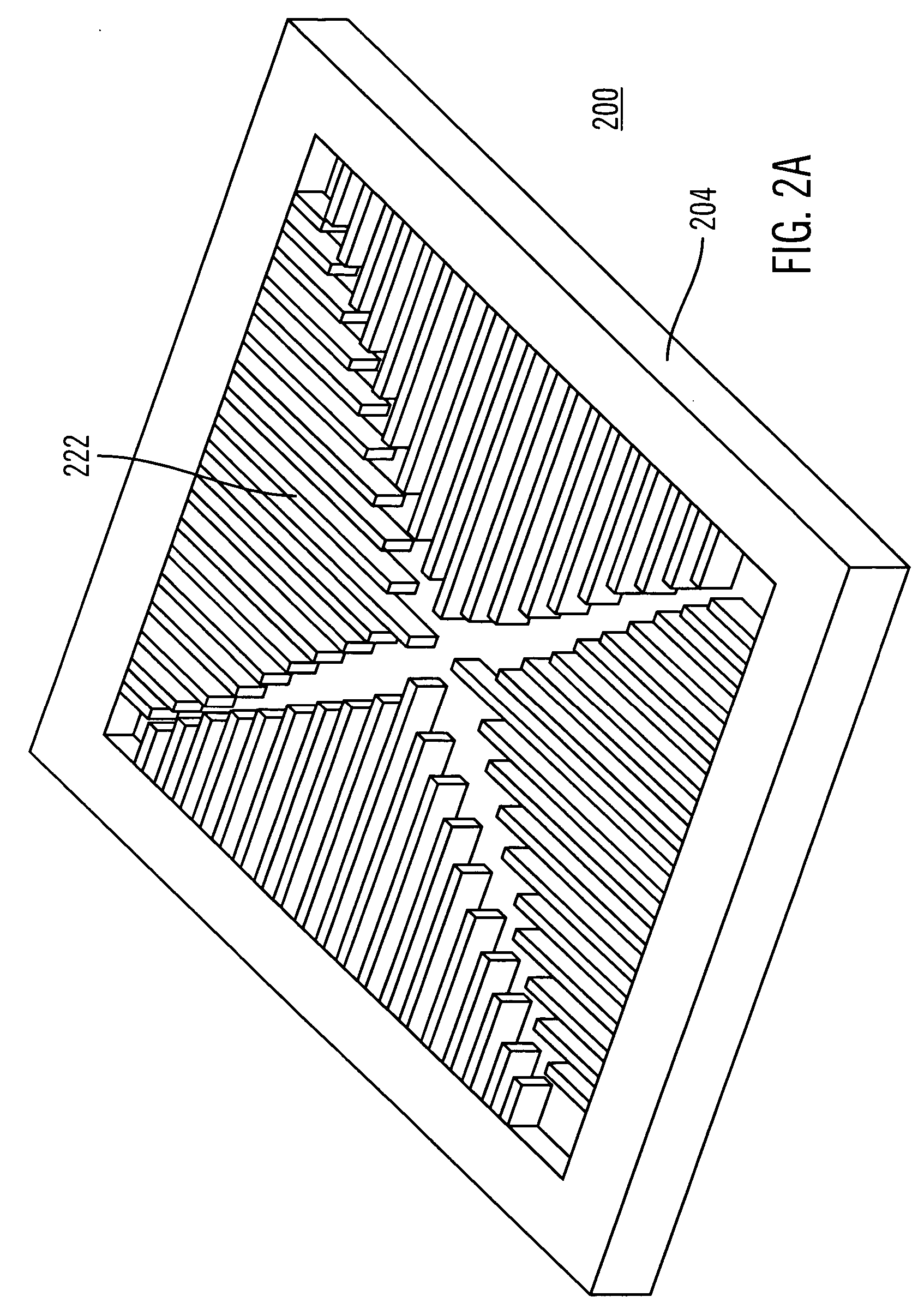
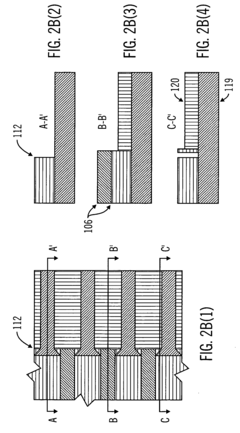
- A structure comprising a substrate with continuous channels and an interposer forming alternating loops, thermally coupled to a heat sink, where a thermally conductive foam material with serpentine channels is used to transfer heat from the chip to the sink via fluid circulation.
Thermal interposer for thermal management of semiconductor devices
PatentInactiveUS20050280162A1
Innovation
- The development of thermal interposers with vapor chambers formed by hermetically bonding plates of materials with matching thermal expansion coefficients to the semiconductor device, incorporating wick structures like grooves and graphite foam for efficient heat transfer and reduced thermal resistance.
Environmental Regulations for Semiconductor Manufacturing
The semiconductor manufacturing industry operates under increasingly stringent environmental regulations that directly impact thermal management strategies and operational efficiency. These regulations encompass air quality standards, water discharge limits, energy consumption requirements, and chemical usage restrictions that collectively shape how manufacturers approach thermal control systems.
Air emission standards represent a critical regulatory framework affecting semiconductor thermal management. The Clean Air Act and its international equivalents mandate strict limits on volatile organic compounds (VOCs), particulate matter, and greenhouse gas emissions from manufacturing facilities. Thermal management systems must incorporate advanced filtration and scrubbing technologies to meet these requirements, particularly for processes involving high-temperature operations and chemical vapor deposition.
Water discharge regulations significantly influence cooling system design and implementation. The Clean Water Act and similar international legislation establish stringent limits on thermal pollution, chemical contaminants, and pH levels in industrial wastewater. Semiconductor facilities must implement closed-loop cooling systems, advanced water treatment technologies, and thermal discharge monitoring to comply with these standards while maintaining optimal operating temperatures.
Energy efficiency mandates are reshaping thermal management approaches across the semiconductor industry. Regulations such as the Energy Policy Act and international carbon reduction commitments require manufacturers to optimize power consumption and implement energy-efficient cooling solutions. These requirements drive adoption of advanced heat recovery systems, variable-speed cooling equipment, and intelligent thermal control algorithms.
Chemical usage and disposal regulations directly impact thermal management fluid selection and system design. The Toxic Substances Control Act and REACH regulations restrict the use of certain coolants and thermal interface materials, forcing manufacturers to adopt environmentally compliant alternatives that may require modified thermal management strategies.
Emerging regulations focus on circular economy principles and waste reduction, requiring semiconductor manufacturers to implement sustainable thermal management practices. These include requirements for equipment lifecycle assessment, material recyclability, and waste heat recovery systems that contribute to overall facility energy efficiency and environmental compliance.
Air emission standards represent a critical regulatory framework affecting semiconductor thermal management. The Clean Air Act and its international equivalents mandate strict limits on volatile organic compounds (VOCs), particulate matter, and greenhouse gas emissions from manufacturing facilities. Thermal management systems must incorporate advanced filtration and scrubbing technologies to meet these requirements, particularly for processes involving high-temperature operations and chemical vapor deposition.
Water discharge regulations significantly influence cooling system design and implementation. The Clean Water Act and similar international legislation establish stringent limits on thermal pollution, chemical contaminants, and pH levels in industrial wastewater. Semiconductor facilities must implement closed-loop cooling systems, advanced water treatment technologies, and thermal discharge monitoring to comply with these standards while maintaining optimal operating temperatures.
Energy efficiency mandates are reshaping thermal management approaches across the semiconductor industry. Regulations such as the Energy Policy Act and international carbon reduction commitments require manufacturers to optimize power consumption and implement energy-efficient cooling solutions. These requirements drive adoption of advanced heat recovery systems, variable-speed cooling equipment, and intelligent thermal control algorithms.
Chemical usage and disposal regulations directly impact thermal management fluid selection and system design. The Toxic Substances Control Act and REACH regulations restrict the use of certain coolants and thermal interface materials, forcing manufacturers to adopt environmentally compliant alternatives that may require modified thermal management strategies.
Emerging regulations focus on circular economy principles and waste reduction, requiring semiconductor manufacturers to implement sustainable thermal management practices. These include requirements for equipment lifecycle assessment, material recyclability, and waste heat recovery systems that contribute to overall facility energy efficiency and environmental compliance.
Energy Efficiency Standards and Compliance Requirements
The semiconductor industry operates within an increasingly stringent regulatory landscape that mandates specific energy efficiency standards for thermal management systems. International standards such as IEC 62301 and ENERGY STAR specifications establish baseline requirements for power consumption and thermal performance in semiconductor devices. These standards directly impact thermal management design choices, requiring manufacturers to demonstrate measurable improvements in energy efficiency while maintaining operational reliability.
Regional compliance frameworks vary significantly across global markets, with the European Union's Ecodesign Directive setting aggressive efficiency targets that influence thermal solution architectures. The directive's requirements for standby power consumption and operational efficiency create specific constraints for thermal management systems, particularly in power semiconductor applications. Similarly, California's Title 20 appliance efficiency regulations and China's GB energy efficiency standards establish mandatory performance thresholds that thermal management solutions must meet.
Industry-specific standards further complicate the compliance landscape, with automotive semiconductor thermal management governed by ISO 26262 functional safety requirements and AEC-Q100 qualification standards. These specifications mandate specific thermal cycling performance and junction temperature limits that directly influence cooling system design parameters. The aerospace sector imposes additional constraints through DO-254 and MIL-STD specifications, requiring thermal management solutions to operate within defined efficiency parameters under extreme environmental conditions.
Emerging regulatory trends indicate a shift toward lifecycle energy assessment, where thermal management efficiency is evaluated across the entire product operational period rather than peak performance metrics alone. The proposed updates to IEEE 1680 standards incorporate thermal efficiency requirements that consider both active cooling energy consumption and passive thermal design effectiveness. This evolution requires manufacturers to optimize thermal solutions for sustained efficiency rather than instantaneous performance peaks.
Compliance verification processes increasingly demand real-time thermal monitoring capabilities and automated efficiency reporting systems. Modern standards require semiconductor thermal management systems to incorporate embedded sensors and control algorithms that continuously optimize energy consumption while maintaining thermal performance within specified limits. These requirements drive the integration of intelligent thermal management solutions that can adapt to varying operational conditions while ensuring regulatory compliance throughout the device lifecycle.
Regional compliance frameworks vary significantly across global markets, with the European Union's Ecodesign Directive setting aggressive efficiency targets that influence thermal solution architectures. The directive's requirements for standby power consumption and operational efficiency create specific constraints for thermal management systems, particularly in power semiconductor applications. Similarly, California's Title 20 appliance efficiency regulations and China's GB energy efficiency standards establish mandatory performance thresholds that thermal management solutions must meet.
Industry-specific standards further complicate the compliance landscape, with automotive semiconductor thermal management governed by ISO 26262 functional safety requirements and AEC-Q100 qualification standards. These specifications mandate specific thermal cycling performance and junction temperature limits that directly influence cooling system design parameters. The aerospace sector imposes additional constraints through DO-254 and MIL-STD specifications, requiring thermal management solutions to operate within defined efficiency parameters under extreme environmental conditions.
Emerging regulatory trends indicate a shift toward lifecycle energy assessment, where thermal management efficiency is evaluated across the entire product operational period rather than peak performance metrics alone. The proposed updates to IEEE 1680 standards incorporate thermal efficiency requirements that consider both active cooling energy consumption and passive thermal design effectiveness. This evolution requires manufacturers to optimize thermal solutions for sustained efficiency rather than instantaneous performance peaks.
Compliance verification processes increasingly demand real-time thermal monitoring capabilities and automated efficiency reporting systems. Modern standards require semiconductor thermal management systems to incorporate embedded sensors and control algorithms that continuously optimize energy consumption while maintaining thermal performance within specified limits. These requirements drive the integration of intelligent thermal management solutions that can adapt to varying operational conditions while ensuring regulatory compliance throughout the device lifecycle.
Unlock deeper insights with Patsnap Eureka Quick Research — get a full tech report to explore trends and direct your research. Try now!
Generate Your Research Report Instantly with AI Agent
Supercharge your innovation with Patsnap Eureka AI Agent Platform!