

Optimizing Wafer Inspection Quality for Minimizing Electrical Testing Failures
MAY 19, 20269 MIN READ
Generate Your Research Report Instantly with AI Agent
PatSnap Eureka helps you evaluate technical feasibility & market potential.
Wafer Inspection Quality Optimization Background and Objectives
The semiconductor industry has witnessed exponential growth in device complexity and miniaturization over the past decades, driving unprecedented demands for manufacturing precision and quality control. As integrated circuits continue to scale down to nanometer dimensions, the margin for defects has dramatically decreased, making wafer inspection a critical bottleneck in the manufacturing process. Traditional inspection methodologies, while effective for larger feature sizes, are increasingly challenged by the detection requirements of modern semiconductor devices.
Wafer inspection quality optimization has emerged as a fundamental challenge in semiconductor manufacturing, directly impacting yield rates and production economics. The correlation between inspection effectiveness and electrical testing outcomes has become increasingly evident, with studies indicating that up to 60% of electrical test failures can be traced back to defects that were either undetected or misclassified during wafer inspection stages. This relationship underscores the critical importance of enhancing inspection capabilities to prevent costly downstream failures.
The evolution of semiconductor technology nodes from 28nm to 3nm and beyond has introduced new categories of defects that traditional optical and electron beam inspection systems struggle to detect reliably. Pattern collapse, line edge roughness, and three-dimensional structural defects present unique challenges that require advanced detection algorithms and higher resolution imaging capabilities. These technological limitations have created a significant gap between inspection requirements and current system capabilities.
Current inspection processes typically involve multiple stages, including in-line monitoring during fabrication and final wafer-level testing before packaging. However, the disconnect between these inspection phases often results in defects escaping detection until electrical testing, where remediation costs increase exponentially. The industry faces mounting pressure to develop integrated inspection strategies that can predict electrical performance based on physical defect characteristics.
The primary objective of wafer inspection quality optimization is to establish a comprehensive framework that minimizes electrical testing failures through enhanced defect detection, classification, and prediction capabilities. This involves developing advanced imaging technologies, implementing machine learning algorithms for pattern recognition, and creating predictive models that correlate physical defects with electrical performance degradation.
Secondary objectives include reducing inspection cycle times while maintaining or improving detection sensitivity, establishing standardized defect classification systems across different technology nodes, and developing cost-effective inspection solutions that can be deployed at multiple process steps. The ultimate goal is to achieve near-zero electrical test failures through proactive defect management and predictive quality control mechanisms.
Wafer inspection quality optimization has emerged as a fundamental challenge in semiconductor manufacturing, directly impacting yield rates and production economics. The correlation between inspection effectiveness and electrical testing outcomes has become increasingly evident, with studies indicating that up to 60% of electrical test failures can be traced back to defects that were either undetected or misclassified during wafer inspection stages. This relationship underscores the critical importance of enhancing inspection capabilities to prevent costly downstream failures.
The evolution of semiconductor technology nodes from 28nm to 3nm and beyond has introduced new categories of defects that traditional optical and electron beam inspection systems struggle to detect reliably. Pattern collapse, line edge roughness, and three-dimensional structural defects present unique challenges that require advanced detection algorithms and higher resolution imaging capabilities. These technological limitations have created a significant gap between inspection requirements and current system capabilities.
Current inspection processes typically involve multiple stages, including in-line monitoring during fabrication and final wafer-level testing before packaging. However, the disconnect between these inspection phases often results in defects escaping detection until electrical testing, where remediation costs increase exponentially. The industry faces mounting pressure to develop integrated inspection strategies that can predict electrical performance based on physical defect characteristics.
The primary objective of wafer inspection quality optimization is to establish a comprehensive framework that minimizes electrical testing failures through enhanced defect detection, classification, and prediction capabilities. This involves developing advanced imaging technologies, implementing machine learning algorithms for pattern recognition, and creating predictive models that correlate physical defects with electrical performance degradation.
Secondary objectives include reducing inspection cycle times while maintaining or improving detection sensitivity, establishing standardized defect classification systems across different technology nodes, and developing cost-effective inspection solutions that can be deployed at multiple process steps. The ultimate goal is to achieve near-zero electrical test failures through proactive defect management and predictive quality control mechanisms.
Market Demand for Advanced Wafer Inspection Solutions
The semiconductor industry faces mounting pressure to enhance wafer inspection capabilities as device complexity increases and manufacturing tolerances become more stringent. Advanced wafer inspection solutions have emerged as critical components in modern semiconductor fabrication facilities, driven by the industry's relentless pursuit of higher yields and reduced manufacturing costs. The transition to smaller process nodes, particularly below 7nm, has amplified the importance of detecting defects that could lead to electrical testing failures downstream.
Market demand for sophisticated wafer inspection technologies is primarily fueled by the exponential growth in semiconductor applications across automotive, consumer electronics, and data center sectors. The proliferation of artificial intelligence, 5G communications, and Internet of Things devices has created unprecedented requirements for high-performance chips with zero-defect tolerance. Manufacturers are increasingly recognizing that investing in advanced inspection capabilities during wafer processing stages significantly reduces costly failures during final electrical testing phases.
The automotive sector represents a particularly compelling market segment, where safety-critical applications demand exceptional reliability standards. Advanced driver assistance systems and autonomous vehicle technologies require semiconductors with failure rates measured in parts per billion, making comprehensive wafer inspection essential. Similarly, the data center market's demand for high-performance computing chips has intensified requirements for defect-free wafers, as even minor imperfections can compromise processor performance and reliability.
Foundries and integrated device manufacturers are actively seeking inspection solutions that combine high-resolution imaging, artificial intelligence-powered defect classification, and real-time process feedback capabilities. The market shows strong preference for systems that can detect both surface and subsurface defects while maintaining high throughput rates compatible with modern production environments.
Regional market dynamics reveal concentrated demand in Asia-Pacific manufacturing hubs, particularly Taiwan, South Korea, and China, where major semiconductor production facilities are expanding capacity. North American and European markets demonstrate growing interest in advanced inspection technologies as governments prioritize domestic semiconductor manufacturing capabilities through strategic investment initiatives.
The market trajectory indicates sustained growth driven by continuous technology node advancement and increasing quality requirements across all semiconductor application domains.
Market demand for sophisticated wafer inspection technologies is primarily fueled by the exponential growth in semiconductor applications across automotive, consumer electronics, and data center sectors. The proliferation of artificial intelligence, 5G communications, and Internet of Things devices has created unprecedented requirements for high-performance chips with zero-defect tolerance. Manufacturers are increasingly recognizing that investing in advanced inspection capabilities during wafer processing stages significantly reduces costly failures during final electrical testing phases.
The automotive sector represents a particularly compelling market segment, where safety-critical applications demand exceptional reliability standards. Advanced driver assistance systems and autonomous vehicle technologies require semiconductors with failure rates measured in parts per billion, making comprehensive wafer inspection essential. Similarly, the data center market's demand for high-performance computing chips has intensified requirements for defect-free wafers, as even minor imperfections can compromise processor performance and reliability.
Foundries and integrated device manufacturers are actively seeking inspection solutions that combine high-resolution imaging, artificial intelligence-powered defect classification, and real-time process feedback capabilities. The market shows strong preference for systems that can detect both surface and subsurface defects while maintaining high throughput rates compatible with modern production environments.
Regional market dynamics reveal concentrated demand in Asia-Pacific manufacturing hubs, particularly Taiwan, South Korea, and China, where major semiconductor production facilities are expanding capacity. North American and European markets demonstrate growing interest in advanced inspection technologies as governments prioritize domestic semiconductor manufacturing capabilities through strategic investment initiatives.
The market trajectory indicates sustained growth driven by continuous technology node advancement and increasing quality requirements across all semiconductor application domains.
Current Wafer Inspection Challenges and Electrical Test Failures
Wafer inspection in semiconductor manufacturing faces significant challenges that directly contribute to electrical test failures downstream. Traditional optical inspection methods struggle with detecting subtle defects that may not be immediately visible but can cause catastrophic failures during electrical testing. These microscopic anomalies, including crystal lattice imperfections, contamination particles smaller than current detection limits, and process-induced stress variations, often escape detection during standard visual inspection protocols.
The correlation between inspection quality and electrical test yield remains a critical industry concern. Current inspection technologies exhibit limited sensitivity to defects that manifest as electrical failures rather than physical anomalies. Pattern recognition algorithms frequently generate false positives while missing critical defects that impact device functionality. This detection gap results in defective wafers proceeding to expensive electrical testing phases, where failures are discovered at significantly higher costs.
Metrology limitations present another substantial challenge in wafer inspection processes. Existing measurement techniques often lack the precision required to detect nanoscale variations that influence electrical performance. Surface roughness measurements, thickness uniformity assessments, and contamination detection methods frequently operate at resolution limits insufficient for advanced semiconductor nodes. These measurement inadequacies directly translate to undetected defects that cause electrical test failures.
Process variation monitoring represents a persistent challenge in maintaining inspection quality. Manufacturing processes introduce subtle variations in material properties, layer thickness, and surface characteristics that current inspection systems struggle to quantify accurately. These variations accumulate throughout the fabrication process, ultimately manifesting as electrical performance degradation that becomes apparent only during final testing phases.
Integration challenges between inspection equipment and manufacturing workflows further complicate quality assurance efforts. Real-time data correlation between inspection results and subsequent electrical test outcomes remains limited, preventing effective feedback loops for process optimization. This disconnect hampers the development of predictive models that could identify potential electrical failures based on inspection data.
Advanced defect classification continues to challenge current inspection methodologies. Distinguishing between cosmetic defects that do not impact functionality and critical defects that cause electrical failures requires sophisticated analysis capabilities that exceed current system limitations. This classification uncertainty leads to conservative approaches that increase false rejection rates while potentially allowing critical defects to pass undetected.
The correlation between inspection quality and electrical test yield remains a critical industry concern. Current inspection technologies exhibit limited sensitivity to defects that manifest as electrical failures rather than physical anomalies. Pattern recognition algorithms frequently generate false positives while missing critical defects that impact device functionality. This detection gap results in defective wafers proceeding to expensive electrical testing phases, where failures are discovered at significantly higher costs.
Metrology limitations present another substantial challenge in wafer inspection processes. Existing measurement techniques often lack the precision required to detect nanoscale variations that influence electrical performance. Surface roughness measurements, thickness uniformity assessments, and contamination detection methods frequently operate at resolution limits insufficient for advanced semiconductor nodes. These measurement inadequacies directly translate to undetected defects that cause electrical test failures.
Process variation monitoring represents a persistent challenge in maintaining inspection quality. Manufacturing processes introduce subtle variations in material properties, layer thickness, and surface characteristics that current inspection systems struggle to quantify accurately. These variations accumulate throughout the fabrication process, ultimately manifesting as electrical performance degradation that becomes apparent only during final testing phases.
Integration challenges between inspection equipment and manufacturing workflows further complicate quality assurance efforts. Real-time data correlation between inspection results and subsequent electrical test outcomes remains limited, preventing effective feedback loops for process optimization. This disconnect hampers the development of predictive models that could identify potential electrical failures based on inspection data.
Advanced defect classification continues to challenge current inspection methodologies. Distinguishing between cosmetic defects that do not impact functionality and critical defects that cause electrical failures requires sophisticated analysis capabilities that exceed current system limitations. This classification uncertainty leads to conservative approaches that increase false rejection rates while potentially allowing critical defects to pass undetected.
Current Solutions for Wafer Defect Detection and Analysis
01 Optical inspection systems and methods
Advanced optical inspection systems utilize sophisticated imaging technologies and light sources to detect defects on wafer surfaces. These systems employ various wavelengths and illumination techniques to identify particles, scratches, and other surface anomalies with high precision and sensitivity.- Optical inspection systems and methods for wafer defect detection: Advanced optical inspection systems utilize various light sources, imaging sensors, and detection algorithms to identify surface defects, particles, and anomalies on semiconductor wafers. These systems employ high-resolution cameras, laser scanning, and sophisticated image processing techniques to detect microscopic defects that could affect device performance. The inspection process involves capturing detailed images of the wafer surface and analyzing them for deviations from expected patterns or specifications.
- Automated wafer inspection equipment and apparatus: Automated inspection equipment provides high-throughput wafer examination capabilities with minimal human intervention. These systems integrate robotic handling, precise positioning mechanisms, and automated analysis software to process multiple wafers efficiently. The equipment typically includes conveyor systems, wafer alignment mechanisms, and automated classification systems that can sort wafers based on quality criteria and defect levels.
- Image processing and pattern recognition for wafer quality assessment: Sophisticated image processing algorithms and pattern recognition techniques are employed to analyze captured wafer images and identify defects with high accuracy. These methods include machine learning algorithms, statistical analysis, and computer vision techniques that can distinguish between acceptable variations and actual defects. The systems can be trained to recognize specific defect patterns and continuously improve their detection capabilities through adaptive learning mechanisms.
- Measurement and metrology systems for dimensional inspection: Precision measurement systems provide dimensional analysis and metrology capabilities for wafer inspection, ensuring that critical dimensions and geometries meet specified tolerances. These systems utilize advanced measurement techniques including interferometry, scanning probe microscopy, and coordinate measurement to verify feature sizes, layer thicknesses, and structural integrity. The metrology data is used to maintain process control and ensure manufacturing quality standards.
- Quality control algorithms and defect classification systems: Advanced quality control algorithms provide comprehensive defect classification and quality assessment capabilities for semiconductor wafers. These systems implement statistical process control methods, defect severity ranking, and quality metrics calculation to determine overall wafer acceptability. The algorithms can categorize different types of defects, assess their impact on device functionality, and provide feedback for process optimization and yield improvement.
02 Automated defect detection and classification algorithms
Machine learning and artificial intelligence algorithms are implemented to automatically identify, classify, and categorize different types of wafer defects. These systems can distinguish between critical and non-critical defects, improving inspection accuracy and reducing false positives.Expand Specific Solutions03 Real-time inspection monitoring and control systems
Real-time monitoring systems provide continuous quality assessment during wafer processing, enabling immediate feedback and process adjustments. These systems integrate with manufacturing equipment to ensure consistent quality control throughout the production cycle.Expand Specific Solutions04 Multi-layer and pattern inspection techniques
Specialized inspection methods focus on examining multiple layers of semiconductor devices and complex patterns on wafers. These techniques can detect alignment issues, pattern distortions, and inter-layer defects that could affect device performance.Expand Specific Solutions05 High-resolution imaging and measurement systems
Advanced imaging systems provide nanometer-level resolution for precise measurement and inspection of critical dimensions on wafers. These systems utilize electron beam technology and advanced optics to achieve the accuracy required for modern semiconductor manufacturing.Expand Specific Solutions
Key Players in Semiconductor Inspection Equipment Industry
The wafer inspection quality optimization market represents a mature yet rapidly evolving sector within the semiconductor industry, driven by increasing complexity of advanced node manufacturing and stringent quality requirements. The market demonstrates substantial growth potential as semiconductor demand expands across automotive, AI, and IoT applications. Technology maturity varies significantly among key players, with established leaders like Samsung Electronics, TSMC, and GLOBALFOUNDRIES leveraging decades of manufacturing expertise and advanced inspection capabilities. Memory specialists including SK Hynix, Yangtze Memory Technologies, and ChangXin Memory Technologies focus on DRAM and NAND-specific inspection challenges. Equipment providers such as Hitachi High-Tech America and KLA-Tencor deliver cutting-edge metrology solutions, while emerging players like Dongfang Jingyuan Electron and tau-Metrix introduce AI-driven inspection innovations. The competitive landscape reflects a mix of integrated device manufacturers, foundries, and specialized inspection technology companies, indicating a fragmented but technologically sophisticated market with significant barriers to entry.
Samsung Electronics Co., Ltd.
Technical Solution: Samsung utilizes multi-layered inspection approaches combining optical inspection systems with deep learning algorithms for defect classification and prediction. Their inspection strategy employs high-resolution imaging systems capable of detecting sub-10nm defects, integrated with real-time data analytics platforms. The company implements adaptive sampling techniques that adjust inspection density based on process stability and historical yield data. Samsung's approach includes correlation analysis between inspection metrics and electrical test results, using machine learning models to predict potential failures. Their inspection systems feature automated defect review capabilities and statistical process control algorithms that enable proactive quality management, significantly reducing electrical test escape rates through comprehensive wafer-level screening.
Strengths: Advanced semiconductor manufacturing capabilities and integrated quality control systems. Weaknesses: High complexity in system integration and substantial investment requirements for advanced inspection equipment.
Hitachi High-Tech America, Inc.
Technical Solution: Hitachi High-Tech develops advanced electron beam inspection systems specifically designed for high-resolution defect detection in semiconductor wafers. Their technology utilizes multi-beam scanning electron microscopy with AI-enhanced image processing to identify critical defects that correlate with electrical failures. The system employs voltage contrast imaging techniques to detect electrical anomalies and pattern defects at the nanometer scale. Their inspection platform integrates machine learning algorithms trained on defect libraries to automatically classify and prioritize defects based on their potential impact on electrical performance. The technology features high-throughput inspection capabilities with sub-nanometer resolution, enabling comprehensive quality control while maintaining production efficiency through automated defect analysis and reporting systems.
Strengths: Superior electron beam technology and high-resolution defect detection capabilities. Weaknesses: Limited to specific inspection applications and requires specialized operational expertise.
Core Innovations in Inspection-to-Test Correlation Methods
LSI inspection method and defect inspection data analysis apparatus
PatentInactiveUS7279923B2
Innovation
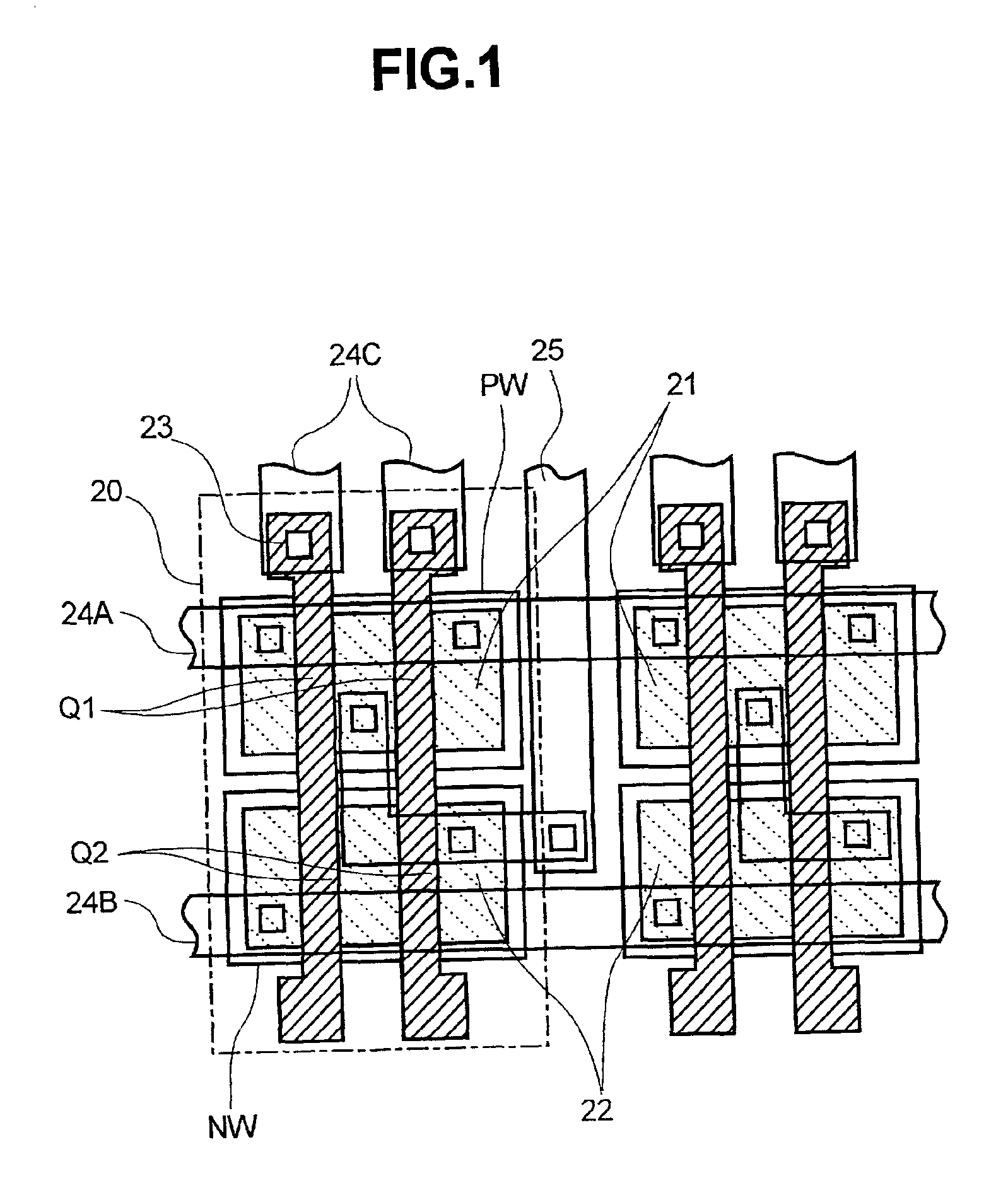
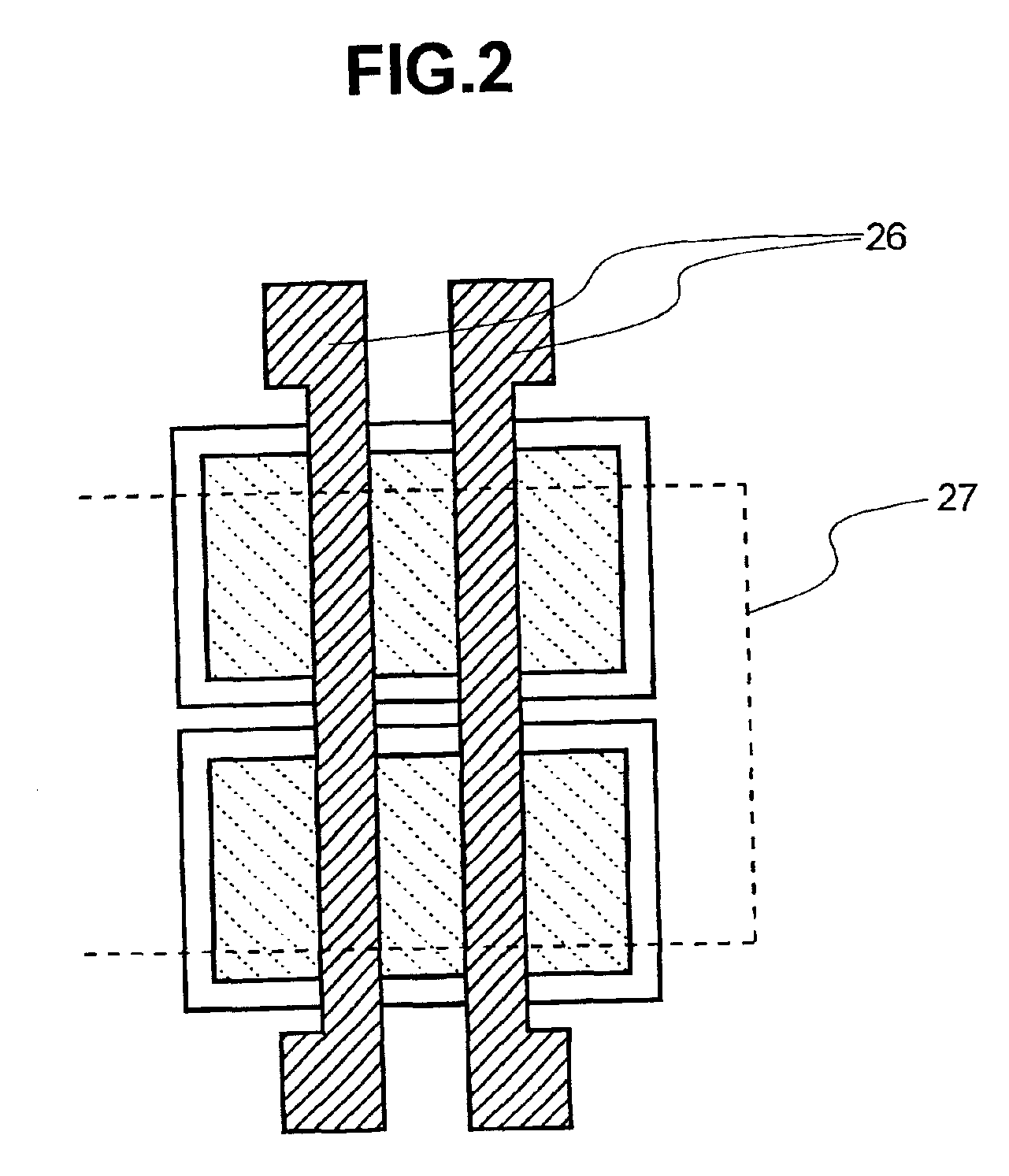
- An LSI inspection method and defect inspection data analysis apparatus that identify defective chips based on inspection data and pre-set non-conforming article judgment criteria, selectively transmitting position information to skip unnecessary tests and enhance reliability, thereby shortening test time and improving chip reliability.


Method and apparatus for inspecting a semiconductor device
PatentInactiveUS6952492B2
Innovation
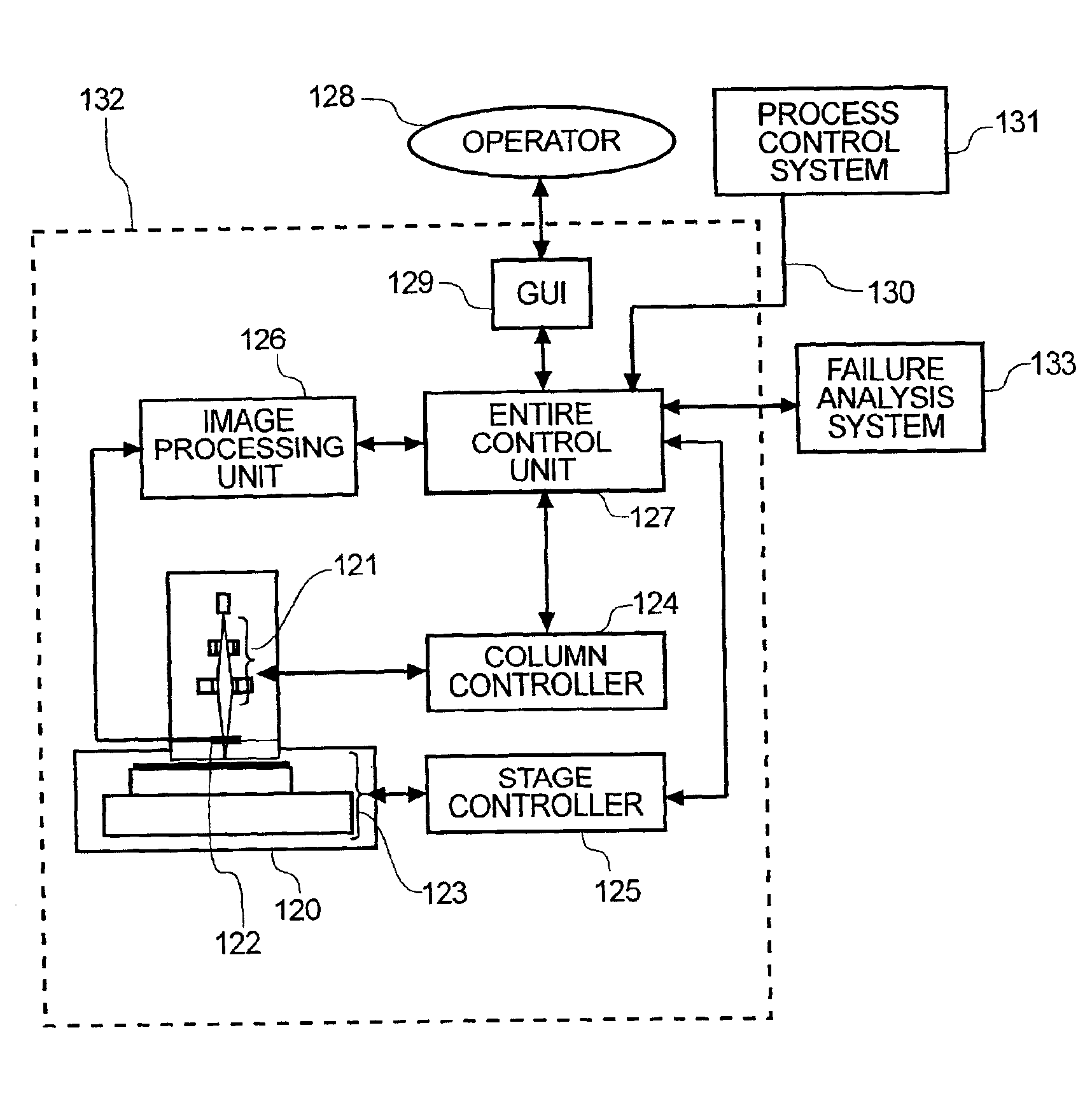
- The method involves obtaining charged particle beam images, calculating signal amount values, and estimating failure occurrence conditions statistically, allowing for quicker inspection and prediction of defects by comparing image features and brightness patterns, enabling in-line usage and early detection of equipment-related failures.

Semiconductor Manufacturing Quality Standards and Compliance
The semiconductor manufacturing industry operates under stringent quality standards and compliance frameworks that directly impact wafer inspection processes and electrical testing outcomes. International standards such as ISO 9001, ISO/TS 16949, and semiconductor-specific guidelines like SEMI standards provide the foundational requirements for quality management systems in wafer fabrication facilities.
Regulatory compliance in semiconductor manufacturing encompasses multiple layers, including environmental regulations like RoHS and REACH, safety standards such as OSHA requirements, and industry-specific quality protocols. These standards mandate comprehensive documentation, traceability, and statistical process control throughout the manufacturing lifecycle, particularly during critical inspection phases where defect detection capabilities directly correlate with final product reliability.
Quality management systems in semiconductor facilities must adhere to Six Sigma methodologies and lean manufacturing principles, with defect rates typically required to remain below parts-per-million levels. The integration of advanced process control systems and real-time monitoring capabilities ensures continuous compliance with these demanding standards while maintaining production efficiency.
Certification requirements for wafer inspection equipment include calibration protocols, measurement uncertainty assessments, and periodic validation procedures. These standards ensure that inspection systems maintain accuracy and repeatability necessary for detecting critical defects that could lead to electrical testing failures. Equipment qualification processes must demonstrate capability to meet specification limits across various process conditions and product types.
Compliance frameworks also address data integrity and cybersecurity requirements, particularly as Industry 4.0 technologies integrate inspection systems with broader manufacturing execution systems. Standards such as IEC 62443 provide guidelines for securing industrial automation systems, ensuring that quality data remains protected while enabling real-time process optimization and predictive maintenance capabilities that enhance overall inspection effectiveness.
Regulatory compliance in semiconductor manufacturing encompasses multiple layers, including environmental regulations like RoHS and REACH, safety standards such as OSHA requirements, and industry-specific quality protocols. These standards mandate comprehensive documentation, traceability, and statistical process control throughout the manufacturing lifecycle, particularly during critical inspection phases where defect detection capabilities directly correlate with final product reliability.
Quality management systems in semiconductor facilities must adhere to Six Sigma methodologies and lean manufacturing principles, with defect rates typically required to remain below parts-per-million levels. The integration of advanced process control systems and real-time monitoring capabilities ensures continuous compliance with these demanding standards while maintaining production efficiency.
Certification requirements for wafer inspection equipment include calibration protocols, measurement uncertainty assessments, and periodic validation procedures. These standards ensure that inspection systems maintain accuracy and repeatability necessary for detecting critical defects that could lead to electrical testing failures. Equipment qualification processes must demonstrate capability to meet specification limits across various process conditions and product types.
Compliance frameworks also address data integrity and cybersecurity requirements, particularly as Industry 4.0 technologies integrate inspection systems with broader manufacturing execution systems. Standards such as IEC 62443 provide guidelines for securing industrial automation systems, ensuring that quality data remains protected while enabling real-time process optimization and predictive maintenance capabilities that enhance overall inspection effectiveness.
Cost-Benefit Analysis of Advanced Inspection Technologies
The economic evaluation of advanced wafer inspection technologies requires a comprehensive assessment of both direct and indirect costs against measurable quality improvements. Initial capital expenditure for state-of-the-art inspection systems ranges from $2-15 million per tool, depending on resolution capabilities and throughput requirements. High-resolution electron beam inspection systems command premium pricing but deliver superior defect detection sensitivity, particularly for sub-10nm process nodes where traditional optical methods face physical limitations.
Operational costs encompass maintenance contracts typically representing 10-15% of tool purchase price annually, consumables including electron sources and optical components, and skilled operator training programs. Advanced AI-enabled inspection platforms require additional computational infrastructure and software licensing fees, adding 20-30% to total cost of ownership over a five-year period.
The primary benefit driver stems from reduced electrical test failures, which directly translates to improved yield and decreased manufacturing costs. Each percentage point of yield improvement at advanced nodes can generate $50-100 million in annual revenue for high-volume manufacturers. Early defect detection prevents costly downstream processing of defective wafers, with potential savings of $5,000-15,000 per wafer depending on process complexity.
Quality improvements manifest through enhanced pattern fidelity detection, reduced escape rates for critical defects, and improved process control feedback loops. Advanced inspection technologies enable real-time process adjustments, minimizing systematic defect propagation and reducing overall manufacturing variability. Statistical analysis indicates that implementing comprehensive inspection strategies can reduce electrical test failures by 40-60% while improving overall device reliability metrics.
Return on investment calculations demonstrate payback periods of 12-18 months for leading-edge facilities processing high-value products. The cost-benefit ratio becomes increasingly favorable as device complexity increases and profit margins justify premium inspection investments for maintaining competitive manufacturing capabilities.
Operational costs encompass maintenance contracts typically representing 10-15% of tool purchase price annually, consumables including electron sources and optical components, and skilled operator training programs. Advanced AI-enabled inspection platforms require additional computational infrastructure and software licensing fees, adding 20-30% to total cost of ownership over a five-year period.
The primary benefit driver stems from reduced electrical test failures, which directly translates to improved yield and decreased manufacturing costs. Each percentage point of yield improvement at advanced nodes can generate $50-100 million in annual revenue for high-volume manufacturers. Early defect detection prevents costly downstream processing of defective wafers, with potential savings of $5,000-15,000 per wafer depending on process complexity.
Quality improvements manifest through enhanced pattern fidelity detection, reduced escape rates for critical defects, and improved process control feedback loops. Advanced inspection technologies enable real-time process adjustments, minimizing systematic defect propagation and reducing overall manufacturing variability. Statistical analysis indicates that implementing comprehensive inspection strategies can reduce electrical test failures by 40-60% while improving overall device reliability metrics.
Return on investment calculations demonstrate payback periods of 12-18 months for leading-edge facilities processing high-value products. The cost-benefit ratio becomes increasingly favorable as device complexity increases and profit margins justify premium inspection investments for maintaining competitive manufacturing capabilities.
Unlock deeper insights with PatSnap Eureka Quick Research — get a full tech report to explore trends and direct your research. Try now!
Generate Your Research Report Instantly with AI Agent
Supercharge your innovation with PatSnap Eureka AI Agent Platform!