PCA Pump Power Source Comparison: Best Practices
MAR 7, 20269 MIN READ
Generate Your Research Report Instantly with AI Agent
Patsnap Eureka helps you evaluate technical feasibility & market potential.
PCA Pump Power Technology Background and Objectives
Patient-Controlled Analgesia (PCA) pumps represent a critical advancement in pain management technology, enabling patients to self-administer predetermined doses of analgesic medications within clinically safe parameters. These sophisticated medical devices have evolved significantly since their introduction in the 1970s, transforming from basic mechanical systems to advanced electronic platforms with comprehensive safety features and data logging capabilities.
The fundamental principle underlying PCA technology centers on providing patients with controlled access to pain relief while maintaining strict dosage limitations to prevent overdose. Modern PCA pumps incorporate multiple safety mechanisms including lockout intervals, maximum dose limits, and tamper-resistant designs. The power source selection for these devices has become increasingly critical as healthcare facilities demand higher reliability, longer operational periods, and enhanced portability.
Historical development of PCA pump power systems has progressed through several distinct phases. Early systems relied primarily on AC power with basic battery backup, limiting mobility and creating dependency on electrical infrastructure. The transition to more sophisticated power management systems began in the 1990s, incorporating rechargeable battery technologies and improved power efficiency algorithms.
Contemporary PCA pumps face mounting pressure to deliver extended operational periods while maintaining compact form factors. Healthcare providers require devices capable of operating continuously for 24-48 hours without power interruption, supporting patient mobility throughout treatment facilities. This demand has driven significant innovation in power source technologies, including advanced lithium-ion battery systems, intelligent power management circuits, and hybrid power architectures.
The primary technical objectives for modern PCA pump power systems encompass several critical performance parameters. Battery life optimization remains paramount, with target operational periods extending beyond current industry standards. Power efficiency improvements focus on reducing overall energy consumption through advanced circuit design and intelligent sleep modes during inactive periods.
Safety considerations drive additional technical requirements, including redundant power systems, low-battery warning mechanisms, and fail-safe protocols ensuring patient safety during power transitions. Regulatory compliance with medical device standards necessitates rigorous testing protocols and documentation of power system reliability under various operational conditions.
Environmental sustainability has emerged as an increasingly important objective, promoting the development of rechargeable power solutions and reducing disposable battery waste. Cost-effectiveness considerations balance initial system investment against long-term operational expenses, including battery replacement costs and maintenance requirements.
Future technical objectives include integration of wireless charging capabilities, smart power monitoring systems, and predictive maintenance algorithms. These advanced features aim to enhance operational efficiency while reducing healthcare provider workload and improving overall patient care quality.
The fundamental principle underlying PCA technology centers on providing patients with controlled access to pain relief while maintaining strict dosage limitations to prevent overdose. Modern PCA pumps incorporate multiple safety mechanisms including lockout intervals, maximum dose limits, and tamper-resistant designs. The power source selection for these devices has become increasingly critical as healthcare facilities demand higher reliability, longer operational periods, and enhanced portability.
Historical development of PCA pump power systems has progressed through several distinct phases. Early systems relied primarily on AC power with basic battery backup, limiting mobility and creating dependency on electrical infrastructure. The transition to more sophisticated power management systems began in the 1990s, incorporating rechargeable battery technologies and improved power efficiency algorithms.
Contemporary PCA pumps face mounting pressure to deliver extended operational periods while maintaining compact form factors. Healthcare providers require devices capable of operating continuously for 24-48 hours without power interruption, supporting patient mobility throughout treatment facilities. This demand has driven significant innovation in power source technologies, including advanced lithium-ion battery systems, intelligent power management circuits, and hybrid power architectures.
The primary technical objectives for modern PCA pump power systems encompass several critical performance parameters. Battery life optimization remains paramount, with target operational periods extending beyond current industry standards. Power efficiency improvements focus on reducing overall energy consumption through advanced circuit design and intelligent sleep modes during inactive periods.
Safety considerations drive additional technical requirements, including redundant power systems, low-battery warning mechanisms, and fail-safe protocols ensuring patient safety during power transitions. Regulatory compliance with medical device standards necessitates rigorous testing protocols and documentation of power system reliability under various operational conditions.
Environmental sustainability has emerged as an increasingly important objective, promoting the development of rechargeable power solutions and reducing disposable battery waste. Cost-effectiveness considerations balance initial system investment against long-term operational expenses, including battery replacement costs and maintenance requirements.
Future technical objectives include integration of wireless charging capabilities, smart power monitoring systems, and predictive maintenance algorithms. These advanced features aim to enhance operational efficiency while reducing healthcare provider workload and improving overall patient care quality.
Market Demand for Advanced PCA Pump Power Solutions
The global healthcare industry is experiencing unprecedented demand for advanced Patient-Controlled Analgesia (PCA) pump power solutions, driven by multiple converging factors that are reshaping pain management protocols worldwide. Aging populations in developed nations are creating substantial pressure on healthcare systems to provide more sophisticated and reliable pain management devices, with PCA pumps representing a critical component of modern post-surgical and chronic pain care strategies.
Hospital administrators and healthcare procurement departments are increasingly prioritizing power reliability and efficiency in their PCA pump selection criteria. The growing emphasis on patient safety and regulatory compliance has elevated power source performance from a secondary consideration to a primary decision factor. Healthcare facilities are demanding power solutions that can guarantee uninterrupted operation during critical care periods, particularly in intensive care units and post-operative recovery environments.
The shift toward home healthcare and outpatient treatment models is generating significant demand for portable PCA pump systems with extended battery life and enhanced power management capabilities. Patients and healthcare providers require devices that can operate reliably for extended periods without compromising therapeutic effectiveness or safety protocols. This trend is particularly pronounced in chronic pain management applications where patients need consistent medication delivery over multiple days or weeks.
Technological advancement expectations are driving healthcare institutions to seek PCA pump power solutions that integrate seamlessly with electronic health record systems and remote monitoring platforms. The demand for smart power management features, including predictive battery life indicators, automatic power optimization, and wireless charging capabilities, is becoming increasingly prevalent across all market segments.
Cost containment pressures within healthcare systems are creating demand for power solutions that offer superior total cost of ownership through reduced maintenance requirements, longer operational lifespans, and improved energy efficiency. Healthcare organizations are evaluating power source options not only on initial acquisition costs but also on long-term operational expenses and replacement frequency.
Regulatory compliance requirements are intensifying demand for power solutions that meet stringent medical device standards while providing comprehensive documentation and traceability features. Healthcare providers need power systems that support their quality assurance protocols and regulatory reporting obligations without adding administrative burden.
Hospital administrators and healthcare procurement departments are increasingly prioritizing power reliability and efficiency in their PCA pump selection criteria. The growing emphasis on patient safety and regulatory compliance has elevated power source performance from a secondary consideration to a primary decision factor. Healthcare facilities are demanding power solutions that can guarantee uninterrupted operation during critical care periods, particularly in intensive care units and post-operative recovery environments.
The shift toward home healthcare and outpatient treatment models is generating significant demand for portable PCA pump systems with extended battery life and enhanced power management capabilities. Patients and healthcare providers require devices that can operate reliably for extended periods without compromising therapeutic effectiveness or safety protocols. This trend is particularly pronounced in chronic pain management applications where patients need consistent medication delivery over multiple days or weeks.
Technological advancement expectations are driving healthcare institutions to seek PCA pump power solutions that integrate seamlessly with electronic health record systems and remote monitoring platforms. The demand for smart power management features, including predictive battery life indicators, automatic power optimization, and wireless charging capabilities, is becoming increasingly prevalent across all market segments.
Cost containment pressures within healthcare systems are creating demand for power solutions that offer superior total cost of ownership through reduced maintenance requirements, longer operational lifespans, and improved energy efficiency. Healthcare organizations are evaluating power source options not only on initial acquisition costs but also on long-term operational expenses and replacement frequency.
Regulatory compliance requirements are intensifying demand for power solutions that meet stringent medical device standards while providing comprehensive documentation and traceability features. Healthcare providers need power systems that support their quality assurance protocols and regulatory reporting obligations without adding administrative burden.
Current Power Source Limitations in PCA Systems
Patient-Controlled Analgesia (PCA) systems face significant power source limitations that directly impact their clinical effectiveness and operational reliability. Traditional battery technologies employed in current PCA pumps demonstrate insufficient energy density, resulting in frequent battery replacements and potential therapy interruptions during critical patient care periods.
The predominant use of alkaline and nickel-metal hydride batteries in existing PCA systems presents substantial capacity constraints. These power sources typically provide only 8-12 hours of continuous operation under standard infusion rates, necessitating multiple battery changes during extended therapy sessions. This limitation becomes particularly problematic in ambulatory care settings where patients require uninterrupted pain management over several days.
Temperature sensitivity represents another critical limitation affecting PCA pump power sources. Current battery technologies experience significant performance degradation in clinical environments with varying temperatures, leading to unpredictable power delivery and shortened operational lifespans. This thermal instability can result in premature low-battery warnings and unexpected system shutdowns.
Power consumption inefficiencies in existing PCA systems stem from outdated motor technologies and suboptimal power management circuits. Legacy pump designs often utilize power-hungry stepper motors and inefficient voltage regulation systems, accelerating battery depletion and reducing overall system reliability. These inefficiencies compound the inherent limitations of current battery technologies.
Charging infrastructure limitations further constrain PCA system deployment flexibility. Many current systems rely on proprietary charging solutions that lack standardization across different manufacturers, creating logistical challenges in multi-vendor healthcare environments. The absence of rapid charging capabilities also extends system downtime during battery replacement cycles.
Safety concerns arise from power source limitations, particularly regarding backup power systems and low-battery alert mechanisms. Current PCA pumps often provide insufficient advance warning of impending power failure, potentially compromising patient safety during critical therapy periods. Additionally, the lack of redundant power systems in many existing designs creates single points of failure that can interrupt essential pain management protocols.
These power source limitations collectively impact the overall cost-effectiveness of PCA therapy delivery, requiring increased maintenance resources and potentially limiting the adoption of advanced PCA technologies in resource-constrained healthcare settings.
The predominant use of alkaline and nickel-metal hydride batteries in existing PCA systems presents substantial capacity constraints. These power sources typically provide only 8-12 hours of continuous operation under standard infusion rates, necessitating multiple battery changes during extended therapy sessions. This limitation becomes particularly problematic in ambulatory care settings where patients require uninterrupted pain management over several days.
Temperature sensitivity represents another critical limitation affecting PCA pump power sources. Current battery technologies experience significant performance degradation in clinical environments with varying temperatures, leading to unpredictable power delivery and shortened operational lifespans. This thermal instability can result in premature low-battery warnings and unexpected system shutdowns.
Power consumption inefficiencies in existing PCA systems stem from outdated motor technologies and suboptimal power management circuits. Legacy pump designs often utilize power-hungry stepper motors and inefficient voltage regulation systems, accelerating battery depletion and reducing overall system reliability. These inefficiencies compound the inherent limitations of current battery technologies.
Charging infrastructure limitations further constrain PCA system deployment flexibility. Many current systems rely on proprietary charging solutions that lack standardization across different manufacturers, creating logistical challenges in multi-vendor healthcare environments. The absence of rapid charging capabilities also extends system downtime during battery replacement cycles.
Safety concerns arise from power source limitations, particularly regarding backup power systems and low-battery alert mechanisms. Current PCA pumps often provide insufficient advance warning of impending power failure, potentially compromising patient safety during critical therapy periods. Additionally, the lack of redundant power systems in many existing designs creates single points of failure that can interrupt essential pain management protocols.
These power source limitations collectively impact the overall cost-effectiveness of PCA therapy delivery, requiring increased maintenance resources and potentially limiting the adoption of advanced PCA technologies in resource-constrained healthcare settings.
Existing Power Source Solutions for PCA Pumps
01 Battery-powered PCA pump systems
PCA pumps can be powered by rechargeable or disposable battery systems to provide portable and reliable power sources for patient-controlled analgesia delivery. These battery systems are designed to ensure continuous operation and include features such as low battery indicators, automatic power management, and backup power capabilities. The battery configurations may include lithium-ion, alkaline, or other battery chemistries optimized for medical device applications.- Battery-powered PCA pump systems: PCA pumps can be powered by rechargeable or disposable battery systems to provide portable and reliable power sources for patient-controlled analgesia delivery. These battery-powered systems enable mobility and independence for patients while ensuring continuous medication delivery. The battery systems may include power management circuits to optimize energy consumption and extend operational time between charges or replacements.
- AC mains power supply with backup systems: PCA pumps can utilize alternating current mains power as the primary power source with integrated backup power systems to ensure uninterrupted operation during power outages. These systems typically include power conversion circuits to transform AC power to appropriate DC voltage levels for pump operation. Backup systems may automatically switch to alternative power sources when mains power is interrupted, ensuring patient safety and continuous therapy delivery.
- Dual power source configurations: PCA pump systems can be designed with dual power source capabilities, allowing seamless switching between multiple power inputs such as battery and external power supplies. This configuration enhances reliability and provides redundancy to prevent therapy interruption. The systems include intelligent power management that automatically selects the optimal power source based on availability and charge status, while monitoring power levels and providing alerts when power sources need attention.
- Low-power consumption design and energy efficiency: PCA pumps incorporate energy-efficient designs and low-power consumption technologies to extend battery life and reduce power requirements. These designs include optimized motor control systems, efficient power conversion circuits, and intelligent sleep modes that reduce power consumption during idle periods. Advanced power management algorithms monitor and regulate power distribution to various pump components, ensuring optimal energy utilization while maintaining accurate medication delivery.
- Wireless charging and power transfer systems: Modern PCA pumps can incorporate wireless charging capabilities and contactless power transfer technologies to eliminate the need for physical power connections. These systems enable convenient charging without exposing electrical contacts to contamination or wear. Wireless power transfer systems may include inductive charging pads or resonant coupling mechanisms that allow charging through protective cases or housings, improving hygiene and ease of use in clinical environments.
02 AC mains power supply with backup systems
PCA pumps can utilize alternating current mains power as the primary power source with integrated backup systems to ensure uninterrupted operation. These systems typically include power adapters, voltage regulators, and automatic switching mechanisms that transition to backup power during mains power failure. The design incorporates safety features to protect against power surges and fluctuations while maintaining stable pump operation.Expand Specific Solutions03 Dual power source configurations
PCA pump systems can be designed with dual power source capabilities, allowing seamless switching between multiple power inputs such as battery and mains power. This configuration enhances reliability and ensures continuous medication delivery even during power source transitions. The systems include intelligent power management circuits that monitor power status and automatically select the optimal power source based on availability and charge levels.Expand Specific Solutions04 Low-power consumption design and energy optimization
Advanced PCA pumps incorporate energy-efficient components and power optimization algorithms to extend battery life and reduce overall power consumption. These designs utilize low-power microcontrollers, efficient motor drivers, and sleep mode functionality to minimize energy usage during idle periods. Power management strategies include dynamic voltage scaling and selective component activation to maximize operational time per charge cycle.Expand Specific Solutions05 Power monitoring and safety systems
PCA pumps integrate comprehensive power monitoring systems that track power source status, remaining capacity, and power quality to ensure safe operation. These systems include real-time power measurement circuits, fault detection mechanisms, and alarm systems that alert users to power-related issues. Safety features prevent pump operation under inadequate power conditions and provide warnings before complete power depletion to allow for timely intervention.Expand Specific Solutions
Key Players in PCA Pump Power Source Industry
The PCA pump power source market represents a mature segment within the broader medical device industry, characterized by established technological standards and steady growth driven by increasing patient-controlled analgesia adoption. The market demonstrates moderate consolidation with key players spanning semiconductor manufacturers, medical device companies, and power management specialists. Technology maturity varies significantly across the competitive landscape, with companies like Baxter International and Koninklijke Philips NV leading in integrated medical solutions, while semiconductor firms such as Semtech Corp., Atmel Corp., and Wuxi Chipown Micro-electronics Ltd. provide advanced power management ICs. Infrastructure players including Schneider Electric IT Corp. and Delta Electronics contribute robust power conversion technologies. The presence of research institutions like Massachusetts Institute of Technology and multiple Chinese state-owned enterprises such as State Grid Corp. indicates ongoing innovation in power efficiency and smart grid integration, suggesting the market is transitioning toward more intelligent, connected power management solutions.
Schneider Electric IT Corp.
Technical Solution: Schneider Electric provides comprehensive power infrastructure solutions for medical equipment including PCA pumps, focusing on uninterruptible power supply (UPS) systems and power quality management. Their technology features advanced power conditioning that protects sensitive medical electronics from voltage fluctuations and power disturbances. The system includes intelligent load management capabilities that prioritize critical functions during power outages and provides seamless integration with hospital power management systems. Their solutions offer real-time power monitoring, predictive analytics for power system maintenance, and compliance with medical facility power standards including IEC 60601 requirements.
Strengths: Comprehensive power infrastructure expertise and strong integration with hospital systems. Weaknesses: Focus primarily on facility-level power rather than device-specific optimization.
Baxter International, Inc.
Technical Solution: Baxter has developed advanced power management systems for PCA pumps featuring dual power source capabilities with seamless switching between AC mains and battery backup. Their technology incorporates intelligent power monitoring algorithms that optimize battery life through adaptive charging cycles and power consumption management. The system includes redundant power pathways to ensure continuous operation during power transitions, with real-time power status monitoring and predictive maintenance alerts. Their pumps utilize high-efficiency switching power supplies that reduce heat generation and extend component lifespan while maintaining precise flow control accuracy.
Strengths: Market leader with extensive clinical validation and regulatory approvals. Weaknesses: Higher cost compared to competitors and proprietary battery systems.
Core Power Management Innovations in PCA Systems
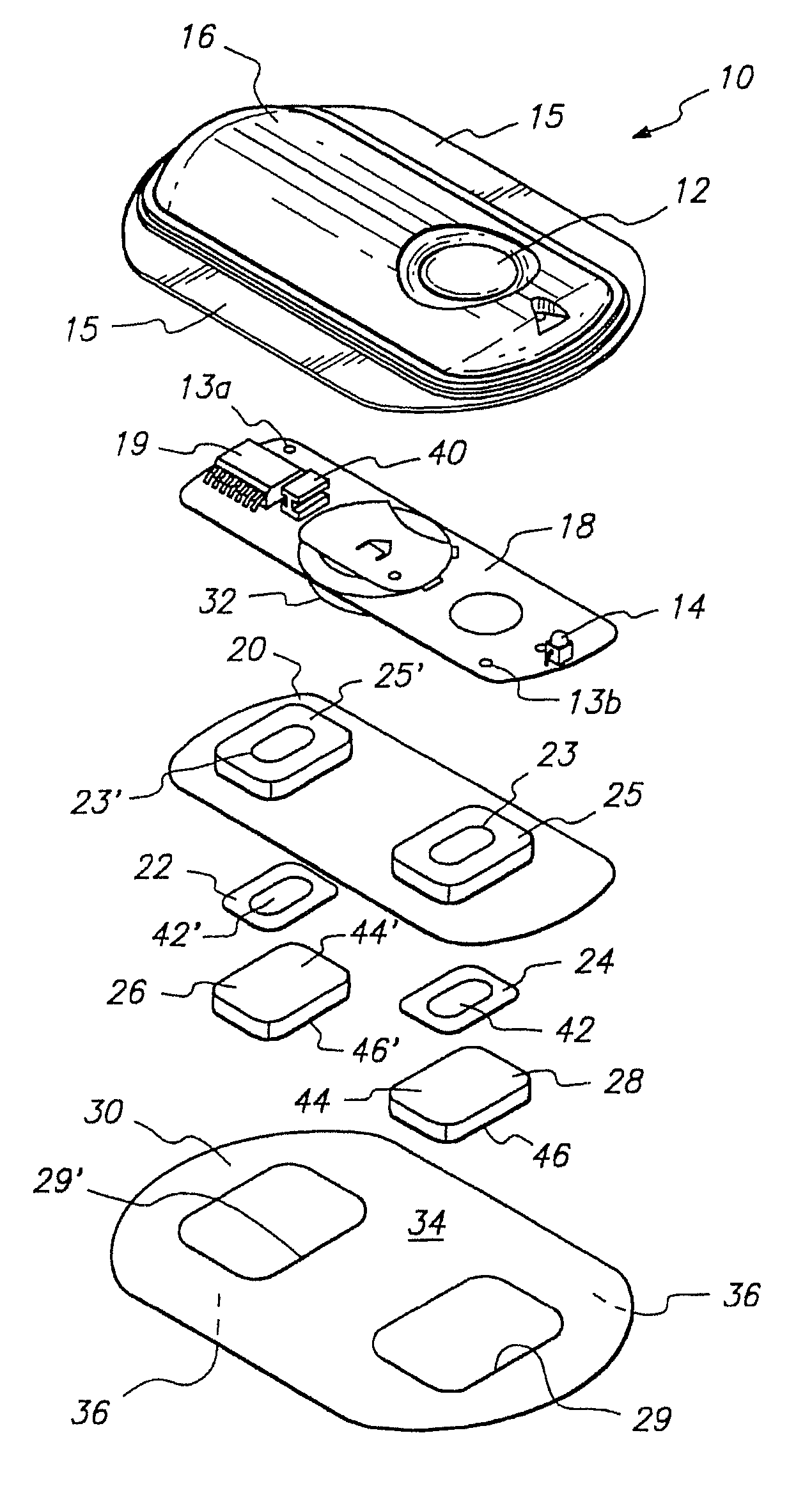
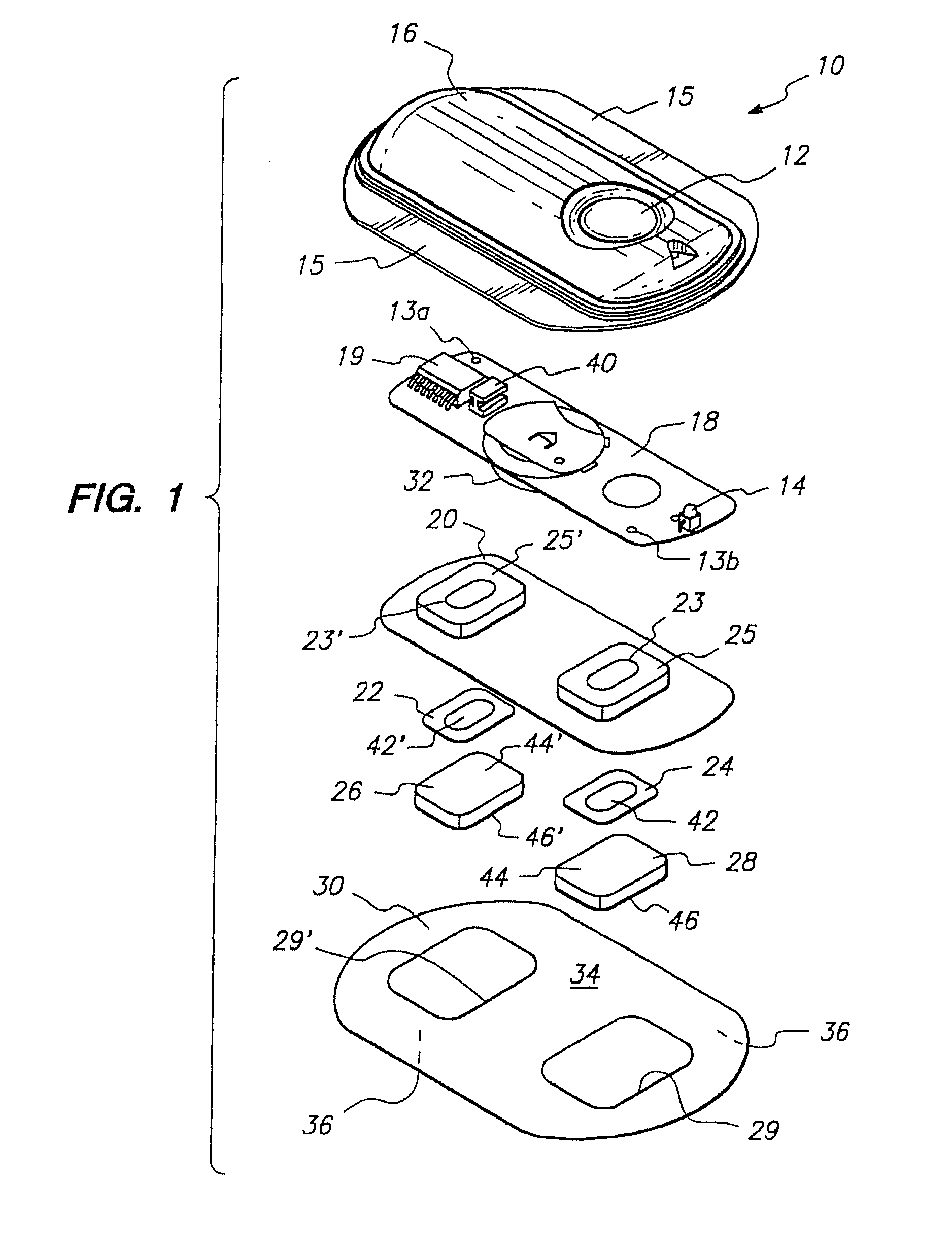
Device for transdermal electrotransport delivery of fentanyl and sufentanil
PatentInactiveUS20060275352A1
Innovation
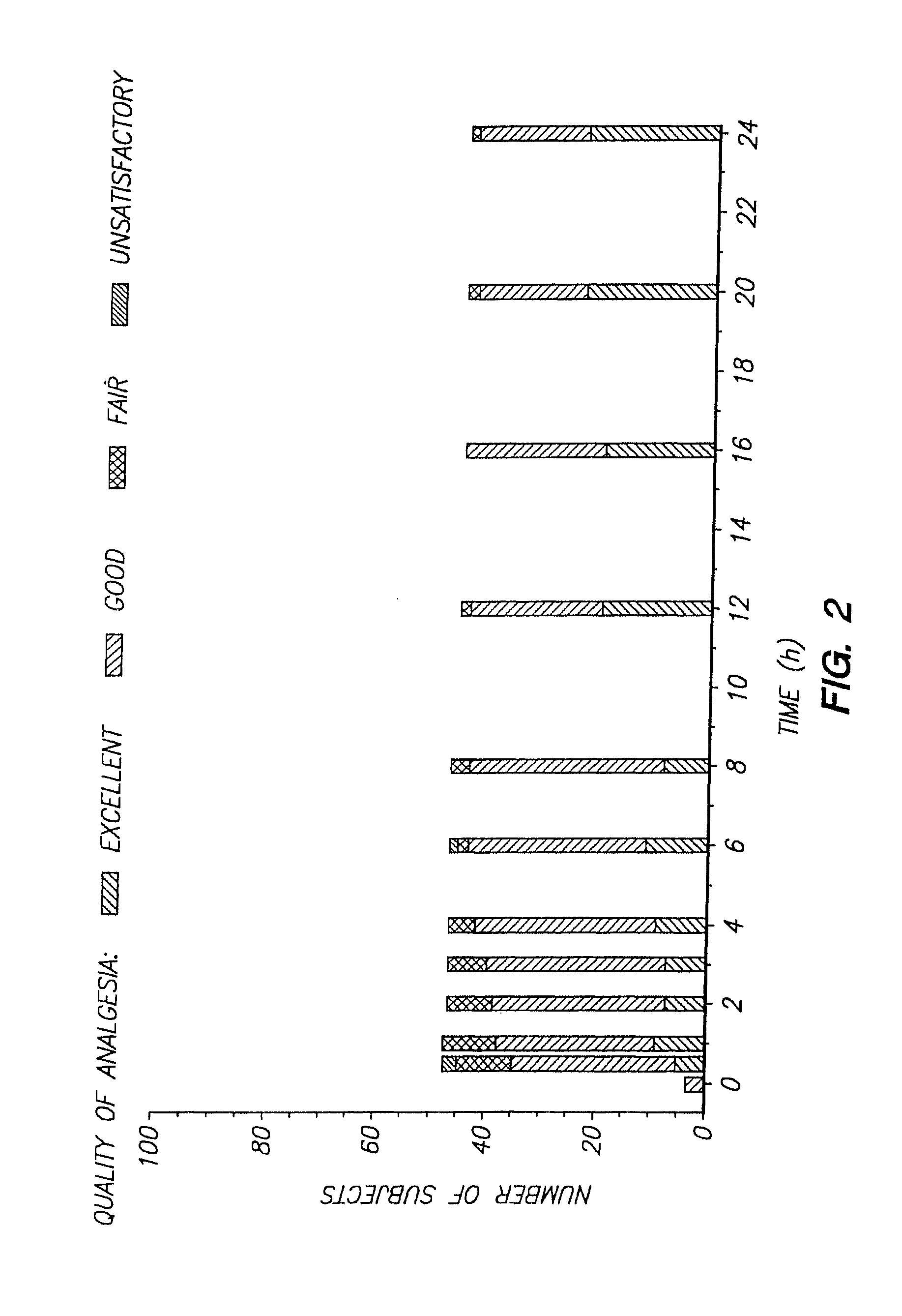
- A self-contained, patient-controlled transdermal electrotransport device using a hydrogel formulation with a fentanyl or sufentanil salt in an aqueous solution, delivered through a hydrophilic polymer matrix with a silver anodic donor reservoir and silver chloride cathodic counter electrode, allowing for multiple doses over 24 hours, enabling efficient and controlled analgesic delivery through intact skin.

Systems and methods for controlling partial delivery pumping in infusion systems
PatentPendingIN202241048929A
Innovation
- A computer-implemented method and system that instructs the pump to dispense partial doses, generate alarms for depleted supplies, and prompt for fluid exchanges, ensuring continuous medication delivery and minimizing waste by recording and managing partial dose volumes and lockout periods.


Medical Device Power Safety Standards and Regulations
Patient-Controlled Analgesia (PCA) pumps are classified as Class II medical devices under FDA regulations, requiring strict adherence to comprehensive power safety standards. The primary regulatory framework encompasses FDA 21 CFR Part 820 Quality System Regulation, IEC 60601-1 general requirements for medical electrical equipment safety, and IEC 60601-2-24 specific requirements for infusion pumps. These standards mandate rigorous power system design, testing, and validation protocols to ensure patient safety during critical pain management procedures.
IEC 60601-1 establishes fundamental safety requirements for PCA pump power systems, including electrical safety, mechanical safety, and protection against electrical hazards. The standard requires dual means of patient protection (MOPP) for power isolation, ensuring that even in case of single fault conditions, patients remain protected from electrical shock. Power supply circuits must incorporate galvanic isolation, leakage current limitations below 10 microamperes for patient-applied parts, and comprehensive ground fault protection mechanisms.
Battery backup systems in PCA pumps must comply with IEC 62304 software lifecycle requirements and IEC 14971 risk management standards. Regulatory bodies mandate minimum battery life specifications, typically requiring 4-8 hours of continuous operation during power outages. Battery management systems must include real-time monitoring, predictive failure detection, and automatic alerts for low battery conditions. Lithium-ion batteries require additional safety certifications under UN38.3 transportation regulations and IEC 62133 safety standards.
Power source validation requires extensive testing protocols including electromagnetic compatibility (EMC) testing per IEC 60601-1-2, environmental stress testing, and accelerated aging studies. Manufacturers must demonstrate power system reliability through Mean Time Between Failures (MTBF) calculations exceeding 40,000 hours. Clinical validation studies must verify power system performance across diverse hospital environments, including operating rooms with high electromagnetic interference and patient transport scenarios.
Regulatory submission requirements include comprehensive technical documentation demonstrating compliance with applicable standards, risk analysis reports, clinical evaluation data, and post-market surveillance plans. The FDA's Quality System Regulation mandates design controls, including power system design validation, verification testing, and change control procedures. International markets require additional certifications such as CE marking for European Union distribution and Health Canada medical device licenses.
Recent regulatory updates emphasize cybersecurity requirements for connected PCA pumps, mandating secure power management protocols and protection against unauthorized access to power control systems. The FDA's guidance on medical device cybersecurity requires manufacturers to implement robust security measures throughout the device lifecycle, including power system components that interface with hospital networks or wireless communication systems.
IEC 60601-1 establishes fundamental safety requirements for PCA pump power systems, including electrical safety, mechanical safety, and protection against electrical hazards. The standard requires dual means of patient protection (MOPP) for power isolation, ensuring that even in case of single fault conditions, patients remain protected from electrical shock. Power supply circuits must incorporate galvanic isolation, leakage current limitations below 10 microamperes for patient-applied parts, and comprehensive ground fault protection mechanisms.
Battery backup systems in PCA pumps must comply with IEC 62304 software lifecycle requirements and IEC 14971 risk management standards. Regulatory bodies mandate minimum battery life specifications, typically requiring 4-8 hours of continuous operation during power outages. Battery management systems must include real-time monitoring, predictive failure detection, and automatic alerts for low battery conditions. Lithium-ion batteries require additional safety certifications under UN38.3 transportation regulations and IEC 62133 safety standards.
Power source validation requires extensive testing protocols including electromagnetic compatibility (EMC) testing per IEC 60601-1-2, environmental stress testing, and accelerated aging studies. Manufacturers must demonstrate power system reliability through Mean Time Between Failures (MTBF) calculations exceeding 40,000 hours. Clinical validation studies must verify power system performance across diverse hospital environments, including operating rooms with high electromagnetic interference and patient transport scenarios.
Regulatory submission requirements include comprehensive technical documentation demonstrating compliance with applicable standards, risk analysis reports, clinical evaluation data, and post-market surveillance plans. The FDA's Quality System Regulation mandates design controls, including power system design validation, verification testing, and change control procedures. International markets require additional certifications such as CE marking for European Union distribution and Health Canada medical device licenses.
Recent regulatory updates emphasize cybersecurity requirements for connected PCA pumps, mandating secure power management protocols and protection against unauthorized access to power control systems. The FDA's guidance on medical device cybersecurity requires manufacturers to implement robust security measures throughout the device lifecycle, including power system components that interface with hospital networks or wireless communication systems.
Battery Life Optimization Strategies for PCA Pumps
Battery life optimization represents a critical factor in PCA pump performance, directly impacting patient safety, treatment continuity, and overall healthcare costs. The strategic management of power consumption extends beyond simple battery selection, encompassing sophisticated algorithms, hardware design considerations, and operational protocols that collectively determine the effective lifespan of portable pain management devices.
Advanced power management algorithms form the cornerstone of modern battery optimization strategies. These systems employ dynamic voltage scaling techniques that automatically adjust processor speeds based on current operational demands, reducing power consumption during periods of low activity while maintaining full performance during critical drug delivery phases. Intelligent sleep modes activate during predetermined intervals, shutting down non-essential components while preserving core safety monitoring functions.
Thermal management strategies significantly influence battery longevity and performance consistency. Effective heat dissipation systems prevent battery degradation caused by elevated operating temperatures, while temperature-compensated charging algorithms adjust power delivery based on ambient conditions. These thermal considerations become particularly crucial in clinical environments where PCA pumps may operate continuously for extended periods under varying environmental conditions.
Battery chemistry selection and configuration optimization involve careful evaluation of energy density, discharge characteristics, and cycle life requirements. Lithium-ion technologies with enhanced safety profiles offer superior energy-to-weight ratios, while advanced battery management systems monitor individual cell performance to prevent premature failure and optimize charging cycles. Multi-cell configurations with intelligent load balancing ensure consistent power delivery throughout the operational lifespan.
Predictive maintenance algorithms leverage historical usage patterns and real-time performance data to forecast battery replacement schedules, minimizing unexpected power failures during critical treatment periods. These systems analyze discharge curves, charging efficiency metrics, and environmental factors to provide accurate remaining battery life estimates, enabling proactive maintenance scheduling and reducing operational disruptions in clinical settings.
Advanced power management algorithms form the cornerstone of modern battery optimization strategies. These systems employ dynamic voltage scaling techniques that automatically adjust processor speeds based on current operational demands, reducing power consumption during periods of low activity while maintaining full performance during critical drug delivery phases. Intelligent sleep modes activate during predetermined intervals, shutting down non-essential components while preserving core safety monitoring functions.
Thermal management strategies significantly influence battery longevity and performance consistency. Effective heat dissipation systems prevent battery degradation caused by elevated operating temperatures, while temperature-compensated charging algorithms adjust power delivery based on ambient conditions. These thermal considerations become particularly crucial in clinical environments where PCA pumps may operate continuously for extended periods under varying environmental conditions.
Battery chemistry selection and configuration optimization involve careful evaluation of energy density, discharge characteristics, and cycle life requirements. Lithium-ion technologies with enhanced safety profiles offer superior energy-to-weight ratios, while advanced battery management systems monitor individual cell performance to prevent premature failure and optimize charging cycles. Multi-cell configurations with intelligent load balancing ensure consistent power delivery throughout the operational lifespan.
Predictive maintenance algorithms leverage historical usage patterns and real-time performance data to forecast battery replacement schedules, minimizing unexpected power failures during critical treatment periods. These systems analyze discharge curves, charging efficiency metrics, and environmental factors to provide accurate remaining battery life estimates, enabling proactive maintenance scheduling and reducing operational disruptions in clinical settings.
Unlock deeper insights with Patsnap Eureka Quick Research — get a full tech report to explore trends and direct your research. Try now!
Generate Your Research Report Instantly with AI Agent
Supercharge your innovation with Patsnap Eureka AI Agent Platform!