Plasma Electrolytic Oxidation vs Galvanic Coating: Application Metrics
APR 8, 20269 MIN READ
Generate Your Research Report Instantly with AI Agent
Patsnap Eureka helps you evaluate technical feasibility & market potential.
PEO vs Galvanic Coating Background and Objectives
Surface treatment technologies have undergone significant evolution over the past century, with galvanic coating emerging as one of the earliest industrial electrochemical processes in the late 19th century. Traditional galvanic coating methods, including electroplating and electroless plating, have dominated the surface finishing industry for decades, providing reliable solutions for corrosion protection, wear resistance, and aesthetic enhancement across automotive, aerospace, and electronics sectors.
The development of Plasma Electrolytic Oxidation represents a paradigm shift in surface treatment technology, emerging from research initiatives in the 1970s and gaining commercial viability in the 1990s. PEO technology evolved from conventional anodizing processes, incorporating high-voltage plasma discharge phenomena to create ceramic-like oxide layers on light metals, particularly aluminum, magnesium, and titanium alloys.
Current market demands increasingly favor environmentally sustainable manufacturing processes, driving the need for alternatives to traditional coating methods that often involve hazardous chemicals and generate toxic waste streams. Industries are seeking surface treatment solutions that can deliver superior performance characteristics while meeting stringent environmental regulations and sustainability targets.
The aerospace and automotive sectors are experiencing unprecedented pressure to reduce component weight while maintaining or enhancing performance standards. This trend has accelerated the adoption of lightweight materials such as aluminum and magnesium alloys, which require specialized surface treatment approaches to achieve adequate durability and functionality in demanding operational environments.
The primary objective of comparing PEO and galvanic coating technologies centers on establishing comprehensive application metrics that enable informed decision-making for specific industrial use cases. This evaluation framework must encompass technical performance parameters, economic considerations, environmental impact assessments, and long-term sustainability factors.
Performance optimization objectives include achieving superior corrosion resistance, enhanced wear characteristics, improved adhesion properties, and extended service life under various operational conditions. The comparison aims to identify optimal application scenarios for each technology, considering substrate materials, operating environments, and specific functional requirements.
Environmental compliance objectives focus on minimizing ecological impact through reduced chemical usage, elimination of hazardous waste generation, and improved energy efficiency. The evaluation seeks to quantify the environmental benefits of PEO technology compared to traditional galvanic processes, supporting corporate sustainability initiatives and regulatory compliance strategies.
The development of Plasma Electrolytic Oxidation represents a paradigm shift in surface treatment technology, emerging from research initiatives in the 1970s and gaining commercial viability in the 1990s. PEO technology evolved from conventional anodizing processes, incorporating high-voltage plasma discharge phenomena to create ceramic-like oxide layers on light metals, particularly aluminum, magnesium, and titanium alloys.
Current market demands increasingly favor environmentally sustainable manufacturing processes, driving the need for alternatives to traditional coating methods that often involve hazardous chemicals and generate toxic waste streams. Industries are seeking surface treatment solutions that can deliver superior performance characteristics while meeting stringent environmental regulations and sustainability targets.
The aerospace and automotive sectors are experiencing unprecedented pressure to reduce component weight while maintaining or enhancing performance standards. This trend has accelerated the adoption of lightweight materials such as aluminum and magnesium alloys, which require specialized surface treatment approaches to achieve adequate durability and functionality in demanding operational environments.
The primary objective of comparing PEO and galvanic coating technologies centers on establishing comprehensive application metrics that enable informed decision-making for specific industrial use cases. This evaluation framework must encompass technical performance parameters, economic considerations, environmental impact assessments, and long-term sustainability factors.
Performance optimization objectives include achieving superior corrosion resistance, enhanced wear characteristics, improved adhesion properties, and extended service life under various operational conditions. The comparison aims to identify optimal application scenarios for each technology, considering substrate materials, operating environments, and specific functional requirements.
Environmental compliance objectives focus on minimizing ecological impact through reduced chemical usage, elimination of hazardous waste generation, and improved energy efficiency. The evaluation seeks to quantify the environmental benefits of PEO technology compared to traditional galvanic processes, supporting corporate sustainability initiatives and regulatory compliance strategies.
Market Demand for Advanced Surface Treatment Technologies
The global surface treatment technologies market is experiencing unprecedented growth driven by increasing demands for enhanced material performance across multiple industrial sectors. Manufacturing industries are seeking advanced coating solutions that deliver superior corrosion resistance, wear protection, and extended component lifecycles while meeting stringent environmental regulations and cost-effectiveness requirements.
Aerospace and automotive sectors represent the largest demand drivers for advanced surface treatment technologies. These industries require lightweight components with exceptional durability and performance characteristics under extreme operating conditions. Traditional galvanic coating processes face limitations in meeting evolving specifications for high-performance alloys, particularly titanium and aluminum substrates used in critical applications.
The electronics and semiconductor industries are generating substantial demand for precision surface treatments that provide electrical insulation, thermal management, and biocompatibility properties. Medical device manufacturers increasingly require surface modifications that enhance osseointegration, antimicrobial properties, and long-term biocompatibility for implantable devices and surgical instruments.
Energy sector applications, including renewable energy infrastructure and oil and gas equipment, are driving demand for surface treatments capable of withstanding harsh environmental conditions. Wind turbine components, solar panel frameworks, and offshore drilling equipment require advanced protective coatings that maintain performance over extended operational periods while minimizing maintenance requirements.
Emerging market segments include additive manufacturing post-processing, where surface treatment technologies are essential for achieving desired surface properties on 3D-printed components. The growing adoption of electric vehicles is creating new demands for battery component protection and thermal management solutions that traditional coating methods cannot adequately address.
Environmental regulations are reshaping market preferences toward eco-friendly surface treatment processes that eliminate hazardous chemicals and reduce waste generation. Industries are increasingly prioritizing technologies that offer sustainable processing methods while maintaining or improving performance characteristics compared to conventional approaches.
The market trend toward miniaturization and precision manufacturing is driving demand for surface treatment technologies capable of processing complex geometries and maintaining tight dimensional tolerances. This requirement is particularly pronounced in microelectronics, precision instrumentation, and medical device applications where coating uniformity and thickness control are critical performance factors.
Aerospace and automotive sectors represent the largest demand drivers for advanced surface treatment technologies. These industries require lightweight components with exceptional durability and performance characteristics under extreme operating conditions. Traditional galvanic coating processes face limitations in meeting evolving specifications for high-performance alloys, particularly titanium and aluminum substrates used in critical applications.
The electronics and semiconductor industries are generating substantial demand for precision surface treatments that provide electrical insulation, thermal management, and biocompatibility properties. Medical device manufacturers increasingly require surface modifications that enhance osseointegration, antimicrobial properties, and long-term biocompatibility for implantable devices and surgical instruments.
Energy sector applications, including renewable energy infrastructure and oil and gas equipment, are driving demand for surface treatments capable of withstanding harsh environmental conditions. Wind turbine components, solar panel frameworks, and offshore drilling equipment require advanced protective coatings that maintain performance over extended operational periods while minimizing maintenance requirements.
Emerging market segments include additive manufacturing post-processing, where surface treatment technologies are essential for achieving desired surface properties on 3D-printed components. The growing adoption of electric vehicles is creating new demands for battery component protection and thermal management solutions that traditional coating methods cannot adequately address.
Environmental regulations are reshaping market preferences toward eco-friendly surface treatment processes that eliminate hazardous chemicals and reduce waste generation. Industries are increasingly prioritizing technologies that offer sustainable processing methods while maintaining or improving performance characteristics compared to conventional approaches.
The market trend toward miniaturization and precision manufacturing is driving demand for surface treatment technologies capable of processing complex geometries and maintaining tight dimensional tolerances. This requirement is particularly pronounced in microelectronics, precision instrumentation, and medical device applications where coating uniformity and thickness control are critical performance factors.
Current State and Challenges of PEO and Galvanic Processes
Plasma Electrolytic Oxidation has emerged as a mature surface treatment technology with widespread industrial adoption across aerospace, automotive, and biomedical sectors. The process demonstrates exceptional capability in producing thick, adherent oxide coatings on lightweight metals, particularly aluminum, magnesium, and titanium alloys. Current PEO systems operate at voltages ranging from 200-800V, generating plasma discharges that create dense, ceramic-like surface layers with thicknesses typically between 10-200 micrometers.
Galvanic coating processes maintain their dominant position in surface finishing industries, leveraging decades of optimization and standardization. Modern electroplating facilities achieve precise control over coating thickness, composition, and properties through advanced current density management and electrolyte chemistry. The technology excels in producing uniform metallic layers with thicknesses from nanometers to several hundred micrometers, offering superior conductivity and aesthetic properties.
The primary challenge facing PEO technology lies in energy consumption optimization and process parameter standardization. Current systems require significant electrical power input, with energy densities often exceeding 10 kWh per square meter of treated surface. Process reproducibility remains inconsistent across different equipment manufacturers, limiting widespread adoption in high-volume production environments. Additionally, coating porosity control presents ongoing difficulties, particularly for applications requiring enhanced corrosion resistance.
Galvanic coating processes confront increasingly stringent environmental regulations regarding hazardous chemical usage and waste disposal. Traditional chromium-based systems face phase-out pressures, driving urgent development of alternative chemistries. Process efficiency limitations become apparent in complex geometries where current distribution irregularities result in non-uniform coating thickness. Furthermore, substrate preparation requirements and multi-step processing sequences increase overall production complexity and costs.
Geographically, PEO technology development concentrates in European research institutions and specialized equipment manufacturers, with significant contributions from German and Russian facilities. Asian markets, particularly China and Japan, demonstrate rapid adoption rates driven by automotive lightweighting initiatives. Galvanic coating infrastructure remains globally distributed, with established facilities across North America, Europe, and Asia, reflecting the technology's mature industrial integration and standardized equipment availability.
Galvanic coating processes maintain their dominant position in surface finishing industries, leveraging decades of optimization and standardization. Modern electroplating facilities achieve precise control over coating thickness, composition, and properties through advanced current density management and electrolyte chemistry. The technology excels in producing uniform metallic layers with thicknesses from nanometers to several hundred micrometers, offering superior conductivity and aesthetic properties.
The primary challenge facing PEO technology lies in energy consumption optimization and process parameter standardization. Current systems require significant electrical power input, with energy densities often exceeding 10 kWh per square meter of treated surface. Process reproducibility remains inconsistent across different equipment manufacturers, limiting widespread adoption in high-volume production environments. Additionally, coating porosity control presents ongoing difficulties, particularly for applications requiring enhanced corrosion resistance.
Galvanic coating processes confront increasingly stringent environmental regulations regarding hazardous chemical usage and waste disposal. Traditional chromium-based systems face phase-out pressures, driving urgent development of alternative chemistries. Process efficiency limitations become apparent in complex geometries where current distribution irregularities result in non-uniform coating thickness. Furthermore, substrate preparation requirements and multi-step processing sequences increase overall production complexity and costs.
Geographically, PEO technology development concentrates in European research institutions and specialized equipment manufacturers, with significant contributions from German and Russian facilities. Asian markets, particularly China and Japan, demonstrate rapid adoption rates driven by automotive lightweighting initiatives. Galvanic coating infrastructure remains globally distributed, with established facilities across North America, Europe, and Asia, reflecting the technology's mature industrial integration and standardized equipment availability.
Existing PEO and Galvanic Coating Solutions
01 Plasma electrolytic oxidation process parameters and control methods
This category focuses on the control and optimization of plasma electrolytic oxidation (PEO) process parameters including voltage, current density, frequency, and duty cycle. The methods involve monitoring and adjusting electrical parameters during the oxidation process to achieve desired coating properties. Advanced control systems are employed to maintain stable plasma discharge conditions and ensure uniform coating formation across the substrate surface.- Plasma electrolytic oxidation process parameters and control methods: This category focuses on the control and optimization of plasma electrolytic oxidation (PEO) process parameters including voltage, current density, frequency, and duty cycle. The methods involve monitoring and adjusting electrical parameters during the oxidation process to achieve desired coating properties. Advanced control systems are employed to maintain stable plasma discharge conditions and ensure uniform coating formation across the substrate surface.
- Electrolyte composition and additive formulations for PEO coatings: This classification covers the development of electrolyte solutions and additive systems used in plasma electrolytic oxidation processes. The formulations include various alkaline solutions, silicate-based electrolytes, and phosphate compounds combined with specific additives to enhance coating properties. The composition affects the microstructure, thickness, hardness, and corrosion resistance of the resulting oxide layers.
- Hybrid coating systems combining PEO with galvanic or other surface treatments: This category addresses multi-layer coating systems that integrate plasma electrolytic oxidation with galvanic plating or other surface modification techniques. The hybrid approach combines the advantages of different coating methods to achieve superior performance characteristics. These systems typically involve sequential processing steps where PEO provides a base oxide layer followed by additional metallic or organic coatings to enhance specific properties.
- Coating performance evaluation and quality metrics: This classification encompasses methods and systems for measuring and evaluating the performance characteristics of plasma electrolytic oxidation and galvanic coatings. Key metrics include coating thickness, adhesion strength, surface roughness, hardness, wear resistance, and corrosion protection. Various testing methodologies and analytical techniques are employed to assess coating quality and predict service life under different environmental conditions.
- Substrate materials and pre-treatment methods for coating applications: This category focuses on the selection and preparation of substrate materials for plasma electrolytic oxidation and galvanic coating processes. It includes pre-treatment procedures such as cleaning, degreasing, and surface activation to ensure optimal coating adhesion. The methods address various substrate types including aluminum alloys, magnesium alloys, titanium, and other light metals, with specific preparation protocols tailored to each material system.
02 Electrolyte composition and additives for enhanced coating properties
This classification covers the formulation of electrolyte solutions used in plasma electrolytic oxidation and galvanic coating processes. Various additives, including silicates, phosphates, and organic compounds, are incorporated to modify coating characteristics such as hardness, wear resistance, and corrosion protection. The electrolyte composition directly influences the microstructure and phase composition of the resulting oxide layers.Expand Specific Solutions03 Coating thickness measurement and quality assessment techniques
This category encompasses methods for measuring and evaluating coating thickness, uniformity, and quality in plasma electrolytic oxidation and galvanic coating applications. Techniques include non-destructive testing methods, optical measurements, and electrochemical analysis. Quality metrics such as adhesion strength, surface roughness, and defect detection are systematically assessed to ensure coating performance meets specified standards.Expand Specific Solutions04 Substrate pretreatment and surface preparation methods
This classification addresses surface preparation techniques applied to substrates prior to plasma electrolytic oxidation or galvanic coating. Methods include mechanical cleaning, chemical etching, degreasing, and activation treatments to enhance coating adhesion and uniformity. Proper surface preparation is critical for achieving optimal bonding between the substrate and the applied coating layer.Expand Specific Solutions05 Hybrid coating systems combining plasma oxidation with galvanic deposition
This category covers composite coating technologies that integrate plasma electrolytic oxidation with galvanic coating processes to achieve enhanced protective properties. The hybrid approach combines the advantages of both techniques, creating multi-layer systems with improved corrosion resistance, wear protection, and functional characteristics. Process sequencing and interface optimization are key considerations in these combined coating applications.Expand Specific Solutions
Key Players in Surface Treatment and Coating Industry
The plasma electrolytic oxidation (PEO) versus galvanic coating technology landscape represents an emerging market transitioning from research-driven development to commercial maturity. The industry is experiencing moderate growth with increasing adoption across aerospace, automotive, and electronics sectors, driven by demand for environmentally-friendly surface treatment alternatives. Technology maturity varies significantly among key players: Keronite International leads PEO commercialization with advanced plasma electrolytic oxidation solutions, while semiconductor equipment manufacturers like Applied Materials and Lam Research focus on precision coating applications. Research institutions including Fraunhofer-Gesellschaft, Swiss Federal Institute of Technology, and Hunan University drive fundamental innovation, bridging laboratory developments with industrial applications. Industrial giants such as Volkswagen, BASF, and Brembo represent end-user adoption, integrating these technologies into manufacturing processes. The competitive landscape shows a clear division between specialized PEO technology providers, traditional galvanic coating companies, and hybrid solution developers, indicating market consolidation potential as technologies mature.
Keronite International Ltd.
Technical Solution: Keronite specializes in Plasma Electrolytic Oxidation (PEO) technology, offering proprietary coating solutions that create ceramic-like oxide layers on light metals including aluminum, magnesium, and titanium alloys. Their PEO process operates at voltages up to 600V, producing coatings with thickness ranging from 10-200 micrometers and hardness values exceeding 1500 HV. The technology enables superior corrosion resistance, wear protection, and thermal barrier properties compared to conventional anodizing. Keronite's process is environmentally friendly, using water-based electrolytes without hazardous chemicals, and can be applied to complex geometries with uniform coating distribution.
Advantages: Industry-leading PEO expertise, environmentally sustainable process, excellent coating uniformity on complex parts. Disadvantages: Higher energy consumption than galvanic processes, limited to specific substrate materials, higher initial equipment investment costs.
Applied Materials, Inc.
Technical Solution: Applied Materials develops advanced PVD and electroplating systems for semiconductor and industrial applications, including galvanic coating technologies. Their Endura platform provides precise control over coating thickness uniformity within ±2% across 300mm wafers, while their electroplating systems achieve deposition rates up to 10 micrometers per minute for copper and other metals. The company's process control systems integrate real-time monitoring and feedback mechanisms to ensure consistent coating quality. Their galvanic coating solutions are optimized for high-volume manufacturing with automated handling systems and reduced chemical waste through recycling technologies.
Advantages: Proven high-volume manufacturing capability, excellent process control and uniformity, comprehensive automation solutions. Disadvantages: High capital equipment costs, primarily focused on semiconductor applications rather than general industrial coating needs.
Core Patents in Plasma Electrolytic Oxidation Technology
Plasma texturing and coating method for frictional and thermal management
PatentInactiveUS20200071845A1
Innovation
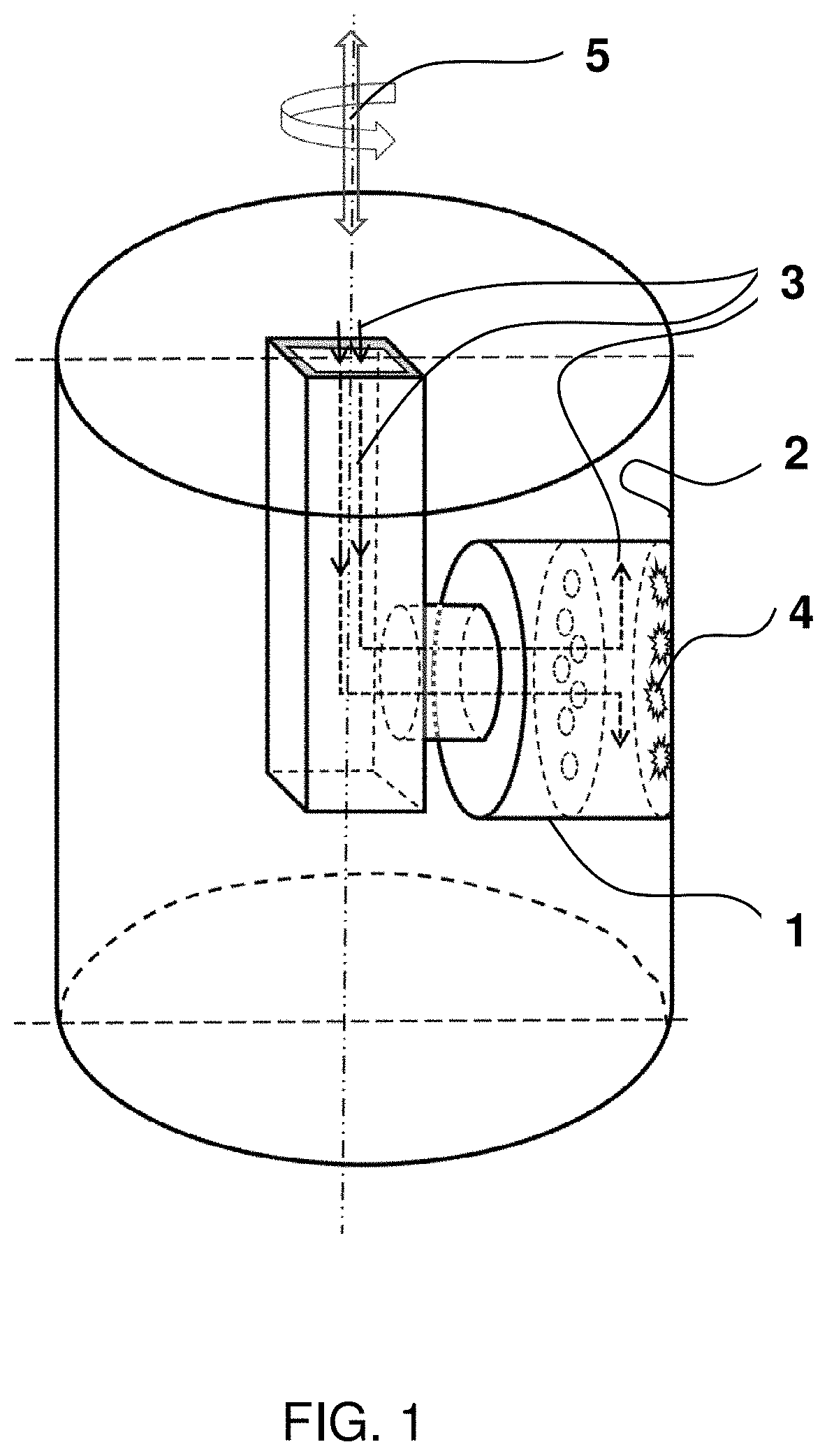
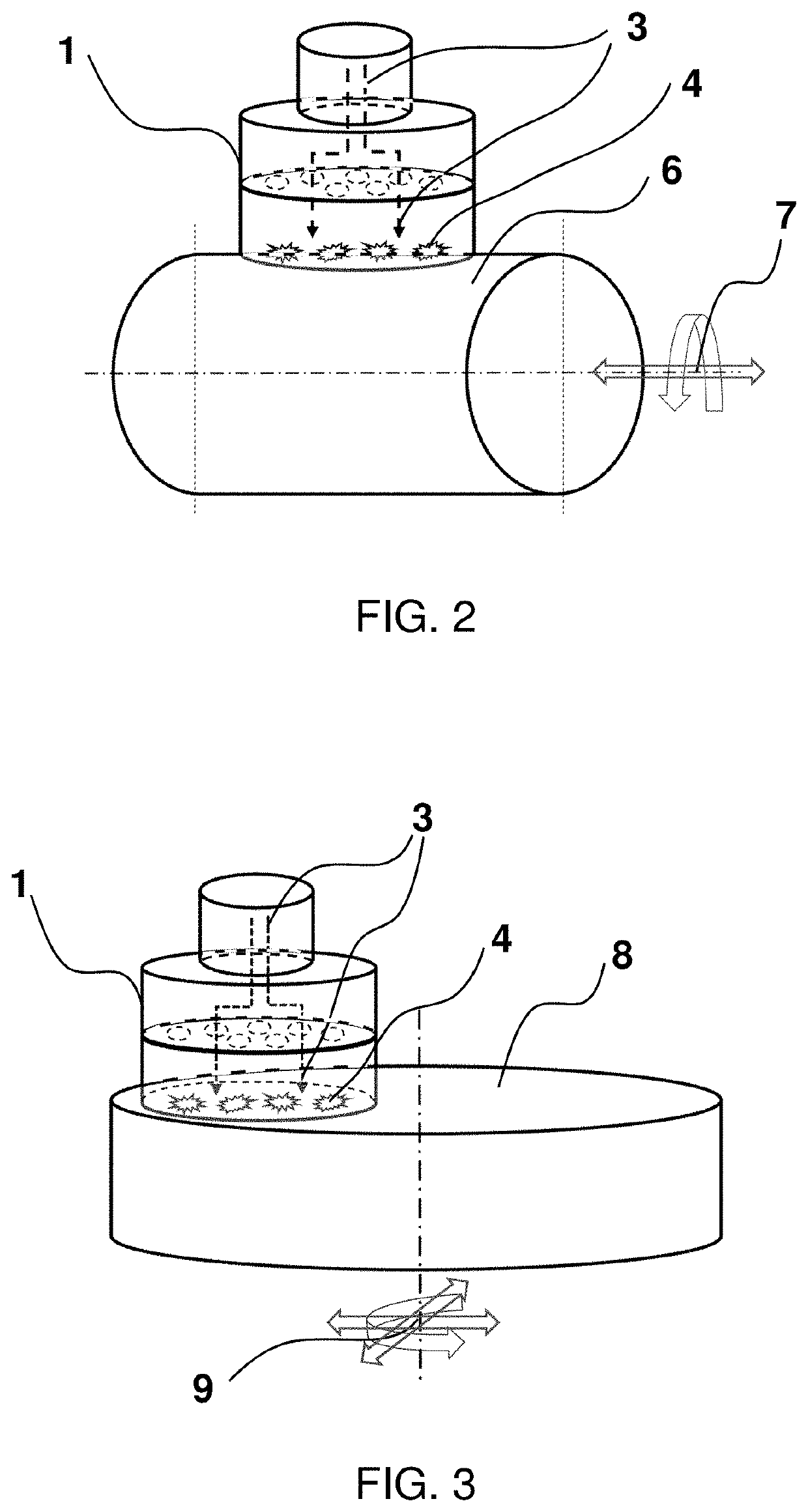
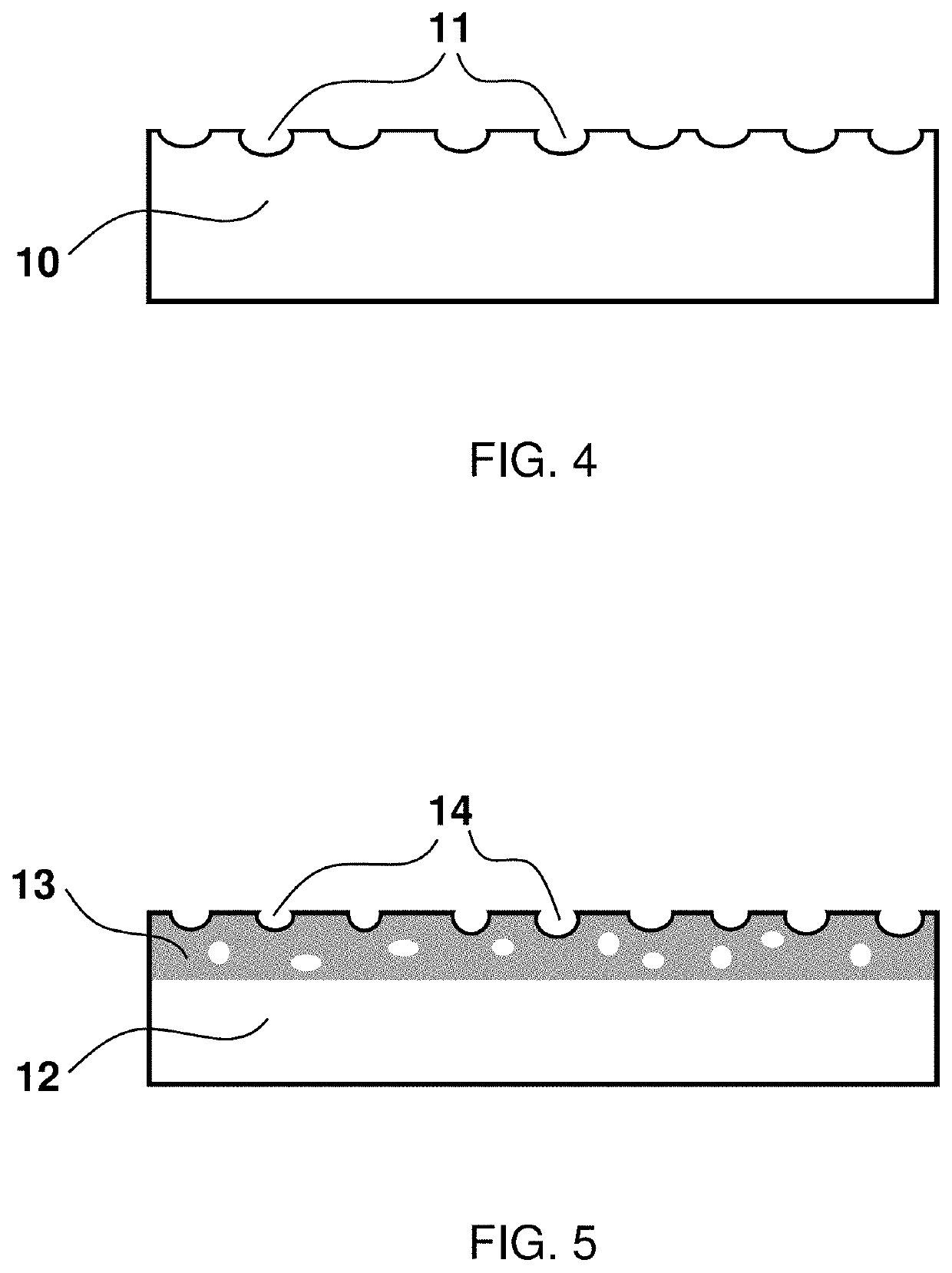
- A modified electrolytic plasma discharging method that creates a crater-like texture and ceramic coating on component surfaces using an aqueous electrolyte with controlled voltage and current, resulting in nanocrystalline structures and improved surface hardness, wear resistance, and friction reduction.

Use of chelating agents in plasma electrolytic oxidation processes
PatentPendingGB2613562A
Innovation
- Incorporating chelating agents like EDTA, NTA, and DTPA into the electrolyte to bind with ions of secondary metals, preventing their concentration at the surface of the ceramic coating, thereby reducing their presence to less than 1 atomic percent in the topmost 5um layer.


Environmental Regulations for Surface Coating Processes
The regulatory landscape for surface coating processes has undergone significant transformation in recent decades, driven by growing environmental awareness and scientific understanding of industrial impacts. Both plasma electrolytic oxidation (PEO) and galvanic coating technologies operate within increasingly stringent regulatory frameworks that govern emissions, waste management, and worker safety protocols.
Traditional galvanic coating processes face substantial regulatory scrutiny due to their reliance on heavy metals such as chromium, nickel, and zinc, along with various acidic and alkaline solutions. The European Union's REACH regulation has imposed strict controls on hexavalent chromium compounds, while the RoHS directive limits hazardous substances in electrical equipment. In the United States, EPA regulations under the Clean Water Act mandate specific discharge limits for metal finishing operations, requiring comprehensive wastewater treatment systems.
Plasma electrolytic oxidation presents a more favorable regulatory profile, as the process typically utilizes alkaline electrolytes with reduced heavy metal content. The absence of hexavalent chromium and other carcinogenic compounds in PEO processes significantly simplifies compliance with occupational health standards such as OSHA regulations. However, PEO operations must still address energy consumption concerns and proper disposal of spent electrolytes containing phosphates or silicates.
Emerging regulations focus on lifecycle environmental impact assessment, pushing manufacturers toward more sustainable coating technologies. The EU's Industrial Emissions Directive requires best available techniques for surface treatment operations, favoring processes with lower environmental footprints. Carbon footprint regulations and energy efficiency standards increasingly influence technology selection decisions.
Waste management regulations present distinct challenges for each technology. Galvanic processes generate hazardous sludges requiring specialized disposal, while PEO waste streams are generally less toxic but may contain elevated levels of dissolved metals. Water discharge permits typically impose stricter limits on galvanic operations, necessitating advanced treatment technologies that increase operational costs and complexity.
Future regulatory trends indicate continued tightening of environmental standards, with particular emphasis on circular economy principles and resource recovery. These evolving requirements will likely accelerate the adoption of cleaner technologies like PEO while imposing additional compliance burdens on traditional galvanic coating operations.
Traditional galvanic coating processes face substantial regulatory scrutiny due to their reliance on heavy metals such as chromium, nickel, and zinc, along with various acidic and alkaline solutions. The European Union's REACH regulation has imposed strict controls on hexavalent chromium compounds, while the RoHS directive limits hazardous substances in electrical equipment. In the United States, EPA regulations under the Clean Water Act mandate specific discharge limits for metal finishing operations, requiring comprehensive wastewater treatment systems.
Plasma electrolytic oxidation presents a more favorable regulatory profile, as the process typically utilizes alkaline electrolytes with reduced heavy metal content. The absence of hexavalent chromium and other carcinogenic compounds in PEO processes significantly simplifies compliance with occupational health standards such as OSHA regulations. However, PEO operations must still address energy consumption concerns and proper disposal of spent electrolytes containing phosphates or silicates.
Emerging regulations focus on lifecycle environmental impact assessment, pushing manufacturers toward more sustainable coating technologies. The EU's Industrial Emissions Directive requires best available techniques for surface treatment operations, favoring processes with lower environmental footprints. Carbon footprint regulations and energy efficiency standards increasingly influence technology selection decisions.
Waste management regulations present distinct challenges for each technology. Galvanic processes generate hazardous sludges requiring specialized disposal, while PEO waste streams are generally less toxic but may contain elevated levels of dissolved metals. Water discharge permits typically impose stricter limits on galvanic operations, necessitating advanced treatment technologies that increase operational costs and complexity.
Future regulatory trends indicate continued tightening of environmental standards, with particular emphasis on circular economy principles and resource recovery. These evolving requirements will likely accelerate the adoption of cleaner technologies like PEO while imposing additional compliance burdens on traditional galvanic coating operations.
Cost-Performance Analysis of PEO vs Galvanic Methods
The economic evaluation of Plasma Electrolytic Oxidation (PEO) versus galvanic coating methods reveals significant differences in both initial investment requirements and long-term operational economics. PEO systems typically demand higher capital expenditure, with equipment costs ranging from $200,000 to $500,000 for industrial-scale installations, compared to galvanic coating lines that can be established for $50,000 to $150,000. However, this initial cost differential must be evaluated against the comprehensive lifecycle economics of each technology.
Operational cost structures demonstrate contrasting patterns between the two methods. PEO processes consume approximately 15-25 kWh per square meter of treated surface, resulting in energy costs of $1.5-3.0 per square meter depending on local electricity rates. Galvanic coating operations show lower energy consumption at 3-8 kWh per square meter, translating to $0.3-0.8 per square meter in energy costs. Nevertheless, galvanic processes require continuous chemical replenishment, with solution maintenance costs averaging $2-4 per square meter annually.
Performance metrics reveal where PEO justifies its higher operational costs through superior coating characteristics. PEO-treated surfaces achieve hardness values of 1500-2500 HV compared to 200-800 HV for galvanic coatings. Corrosion resistance testing shows PEO coatings withstanding 2000+ hours in salt spray tests, while galvanic alternatives typically fail between 500-1200 hours. These performance advantages translate to extended component lifecycles, reducing replacement frequencies by 40-60% in demanding applications.
The cost-performance ratio analysis indicates that PEO becomes economically advantageous when component replacement costs exceed $50 per unit or when operational downtime costs surpass $1000 per hour. Industries such as aerospace, medical devices, and high-performance automotive applications consistently demonstrate positive return on investment within 18-24 months when switching from galvanic to PEO treatments.
Environmental compliance costs increasingly favor PEO adoption, as galvanic processes face rising disposal fees for hazardous waste streams, averaging $3-8 per kilogram of waste, while PEO generates minimal hazardous byproducts, reducing environmental management costs by 70-85% compared to traditional galvanic operations.
Operational cost structures demonstrate contrasting patterns between the two methods. PEO processes consume approximately 15-25 kWh per square meter of treated surface, resulting in energy costs of $1.5-3.0 per square meter depending on local electricity rates. Galvanic coating operations show lower energy consumption at 3-8 kWh per square meter, translating to $0.3-0.8 per square meter in energy costs. Nevertheless, galvanic processes require continuous chemical replenishment, with solution maintenance costs averaging $2-4 per square meter annually.
Performance metrics reveal where PEO justifies its higher operational costs through superior coating characteristics. PEO-treated surfaces achieve hardness values of 1500-2500 HV compared to 200-800 HV for galvanic coatings. Corrosion resistance testing shows PEO coatings withstanding 2000+ hours in salt spray tests, while galvanic alternatives typically fail between 500-1200 hours. These performance advantages translate to extended component lifecycles, reducing replacement frequencies by 40-60% in demanding applications.
The cost-performance ratio analysis indicates that PEO becomes economically advantageous when component replacement costs exceed $50 per unit or when operational downtime costs surpass $1000 per hour. Industries such as aerospace, medical devices, and high-performance automotive applications consistently demonstrate positive return on investment within 18-24 months when switching from galvanic to PEO treatments.
Environmental compliance costs increasingly favor PEO adoption, as galvanic processes face rising disposal fees for hazardous waste streams, averaging $3-8 per kilogram of waste, while PEO generates minimal hazardous byproducts, reducing environmental management costs by 70-85% compared to traditional galvanic operations.
Unlock deeper insights with Patsnap Eureka Quick Research — get a full tech report to explore trends and direct your research. Try now!
Generate Your Research Report Instantly with AI Agent
Supercharge your innovation with Patsnap Eureka AI Agent Platform!