

Polycaprolactone vs PLA: Biodegradability Comparison
MAR 12, 20269 MIN READ
Generate Your Research Report Instantly with AI Agent
PatSnap Eureka helps you evaluate technical feasibility & market potential.
PCL vs PLA Biodegradable Polymer Background and Objectives
Biodegradable polymers have emerged as critical materials in addressing the global plastic pollution crisis and advancing sustainable manufacturing practices. The development of these materials represents a paradigm shift from traditional petroleum-based plastics toward environmentally responsible alternatives that can decompose naturally without leaving harmful residues in ecosystems.
Polycaprolactone (PCL) and Polylactic Acid (PLA) stand as two of the most prominent biodegradable polymers in contemporary materials science, each offering distinct advantages and applications. PCL, a synthetic aliphatic polyester, was first synthesized in the 1930s and has gained significant attention for its exceptional flexibility, biocompatibility, and controlled degradation properties. PLA, derived from renewable resources such as corn starch and sugarcane, has become the most commercially successful biodegradable polymer due to its favorable mechanical properties and relatively straightforward processing characteristics.
The historical development of these polymers reflects the evolution of sustainable materials science. PLA's commercial breakthrough occurred in the 1990s when Cargill and Dow Chemical developed cost-effective production methods, making it viable for widespread applications. PCL's development followed a different trajectory, initially finding applications in specialized medical devices before expanding into broader industrial uses due to its unique degradation profile and processing versatility.
Understanding the comparative biodegradability of PCL and PLA has become increasingly crucial as industries seek to optimize material selection for specific applications while minimizing environmental impact. The degradation behavior of these polymers varies significantly based on environmental conditions, molecular weight, crystallinity, and the presence of catalytic factors, making direct comparison complex yet essential for informed decision-making.
The primary objective of this comparative analysis is to establish a comprehensive understanding of the biodegradation mechanisms, rates, and environmental factors affecting both PCL and PLA. This investigation aims to provide quantitative data on degradation timelines under various conditions, including composting environments, marine settings, and soil burial scenarios. Additionally, the analysis seeks to identify the optimal applications for each polymer based on their respective biodegradation profiles.
Furthermore, this research endeavors to evaluate the environmental implications of choosing one polymer over the other, considering factors such as degradation byproducts, energy requirements for decomposition, and overall ecological impact. The ultimate goal is to establish evidence-based guidelines for material selection that balance performance requirements with environmental sustainability objectives.
Polycaprolactone (PCL) and Polylactic Acid (PLA) stand as two of the most prominent biodegradable polymers in contemporary materials science, each offering distinct advantages and applications. PCL, a synthetic aliphatic polyester, was first synthesized in the 1930s and has gained significant attention for its exceptional flexibility, biocompatibility, and controlled degradation properties. PLA, derived from renewable resources such as corn starch and sugarcane, has become the most commercially successful biodegradable polymer due to its favorable mechanical properties and relatively straightforward processing characteristics.
The historical development of these polymers reflects the evolution of sustainable materials science. PLA's commercial breakthrough occurred in the 1990s when Cargill and Dow Chemical developed cost-effective production methods, making it viable for widespread applications. PCL's development followed a different trajectory, initially finding applications in specialized medical devices before expanding into broader industrial uses due to its unique degradation profile and processing versatility.
Understanding the comparative biodegradability of PCL and PLA has become increasingly crucial as industries seek to optimize material selection for specific applications while minimizing environmental impact. The degradation behavior of these polymers varies significantly based on environmental conditions, molecular weight, crystallinity, and the presence of catalytic factors, making direct comparison complex yet essential for informed decision-making.
The primary objective of this comparative analysis is to establish a comprehensive understanding of the biodegradation mechanisms, rates, and environmental factors affecting both PCL and PLA. This investigation aims to provide quantitative data on degradation timelines under various conditions, including composting environments, marine settings, and soil burial scenarios. Additionally, the analysis seeks to identify the optimal applications for each polymer based on their respective biodegradation profiles.
Furthermore, this research endeavors to evaluate the environmental implications of choosing one polymer over the other, considering factors such as degradation byproducts, energy requirements for decomposition, and overall ecological impact. The ultimate goal is to establish evidence-based guidelines for material selection that balance performance requirements with environmental sustainability objectives.
Market Demand for Biodegradable Polymer Applications
The global biodegradable polymer market is experiencing unprecedented growth driven by mounting environmental concerns and stringent regulatory frameworks targeting plastic waste reduction. Consumer awareness regarding microplastic pollution and marine ecosystem damage has catalyzed demand for sustainable alternatives across multiple industries. This shift represents a fundamental transformation in material selection criteria, where biodegradability has become a critical performance parameter alongside traditional mechanical properties.
Packaging applications dominate the biodegradable polymer landscape, with food packaging representing the largest segment. The food service industry increasingly adopts biodegradable containers, films, and wrapping materials to meet corporate sustainability goals and consumer expectations. Both PCL and PLA find extensive applications in this sector, though their different degradation profiles create distinct market niches. PLA's faster composting characteristics make it preferred for single-use items, while PCL's controlled degradation suits longer-term packaging applications.
Agricultural applications present substantial growth opportunities for biodegradable polymers. Mulch films, plant pots, and controlled-release fertilizer coatings benefit from materials that eliminate post-harvest cleanup while providing soil conditioning benefits. The agricultural sector's adoption rate varies significantly by region, with European and North American markets leading implementation due to labor cost considerations and environmental regulations.
Medical and pharmaceutical applications represent high-value market segments where biodegradability enables innovative therapeutic approaches. Drug delivery systems, surgical implants, and tissue engineering scaffolds leverage controlled degradation properties to eliminate secondary removal procedures. PCL's slower degradation profile particularly suits long-term medical applications, while PLA serves shorter-duration therapeutic needs.
Textile and nonwoven applications are emerging as significant growth drivers. Biodegradable fibers for disposable hygiene products, agricultural textiles, and temporary construction materials address waste management challenges in these sectors. The performance requirements vary considerably, creating opportunities for both rapid-degrading and slow-degrading polymer solutions.
Regional market dynamics reveal distinct adoption patterns influenced by regulatory environments, waste management infrastructure, and economic development levels. European markets demonstrate the highest penetration rates due to comprehensive circular economy policies, while Asian markets show rapid growth driven by manufacturing capabilities and increasing environmental awareness. North American markets balance performance requirements with sustainability mandates, creating demand for application-specific biodegradable solutions.
Packaging applications dominate the biodegradable polymer landscape, with food packaging representing the largest segment. The food service industry increasingly adopts biodegradable containers, films, and wrapping materials to meet corporate sustainability goals and consumer expectations. Both PCL and PLA find extensive applications in this sector, though their different degradation profiles create distinct market niches. PLA's faster composting characteristics make it preferred for single-use items, while PCL's controlled degradation suits longer-term packaging applications.
Agricultural applications present substantial growth opportunities for biodegradable polymers. Mulch films, plant pots, and controlled-release fertilizer coatings benefit from materials that eliminate post-harvest cleanup while providing soil conditioning benefits. The agricultural sector's adoption rate varies significantly by region, with European and North American markets leading implementation due to labor cost considerations and environmental regulations.
Medical and pharmaceutical applications represent high-value market segments where biodegradability enables innovative therapeutic approaches. Drug delivery systems, surgical implants, and tissue engineering scaffolds leverage controlled degradation properties to eliminate secondary removal procedures. PCL's slower degradation profile particularly suits long-term medical applications, while PLA serves shorter-duration therapeutic needs.
Textile and nonwoven applications are emerging as significant growth drivers. Biodegradable fibers for disposable hygiene products, agricultural textiles, and temporary construction materials address waste management challenges in these sectors. The performance requirements vary considerably, creating opportunities for both rapid-degrading and slow-degrading polymer solutions.
Regional market dynamics reveal distinct adoption patterns influenced by regulatory environments, waste management infrastructure, and economic development levels. European markets demonstrate the highest penetration rates due to comprehensive circular economy policies, while Asian markets show rapid growth driven by manufacturing capabilities and increasing environmental awareness. North American markets balance performance requirements with sustainability mandates, creating demand for application-specific biodegradable solutions.
Current Biodegradability Status and Challenges of PCL vs PLA
Polycaprolactone (PCL) and polylactic acid (PLA) represent two prominent biodegradable polymers with distinct degradation characteristics and environmental performance profiles. Both materials have gained significant attention in sustainable packaging, biomedical applications, and additive manufacturing sectors, yet their biodegradability mechanisms and rates differ substantially under various environmental conditions.
PCL demonstrates exceptionally slow biodegradation rates compared to PLA, with complete decomposition requiring 2-4 years in industrial composting facilities and significantly longer periods in natural soil environments. The polymer's crystalline structure and hydrophobic nature contribute to its resistance to microbial attack, resulting in gradual enzymatic breakdown primarily through surface erosion mechanisms. This extended degradation timeline presents both advantages and challenges depending on application requirements.
PLA exhibits faster biodegradation under controlled composting conditions, typically achieving complete breakdown within 90-180 days at temperatures above 58°C with adequate moisture and oxygen levels. However, PLA's biodegradation performance varies dramatically across different environments, showing minimal degradation in marine conditions and requiring specific temperature thresholds for effective microbial activity.
The primary challenge facing both polymers lies in their inconsistent biodegradation performance across diverse environmental conditions. PCL's slow degradation rate, while beneficial for durable applications, raises concerns about accumulation in natural ecosystems. Conversely, PLA's temperature-dependent degradation limits its effectiveness in ambient environmental conditions, potentially leading to persistence in cooler climates or seasonal variations.
Infrastructure limitations present another significant challenge, as both polymers require industrial composting facilities for optimal biodegradation. The lack of widespread composting infrastructure in many regions results in these materials ending up in conventional waste streams where biodegradation rates are severely compromised.
Standardization issues further complicate the biodegradability assessment landscape. Current testing protocols often fail to reflect real-world environmental conditions, creating discrepancies between laboratory results and actual field performance. This gap between controlled testing environments and natural degradation conditions hampers accurate prediction of environmental impact and end-of-life behavior for both PCL and PLA materials.
PCL demonstrates exceptionally slow biodegradation rates compared to PLA, with complete decomposition requiring 2-4 years in industrial composting facilities and significantly longer periods in natural soil environments. The polymer's crystalline structure and hydrophobic nature contribute to its resistance to microbial attack, resulting in gradual enzymatic breakdown primarily through surface erosion mechanisms. This extended degradation timeline presents both advantages and challenges depending on application requirements.
PLA exhibits faster biodegradation under controlled composting conditions, typically achieving complete breakdown within 90-180 days at temperatures above 58°C with adequate moisture and oxygen levels. However, PLA's biodegradation performance varies dramatically across different environments, showing minimal degradation in marine conditions and requiring specific temperature thresholds for effective microbial activity.
The primary challenge facing both polymers lies in their inconsistent biodegradation performance across diverse environmental conditions. PCL's slow degradation rate, while beneficial for durable applications, raises concerns about accumulation in natural ecosystems. Conversely, PLA's temperature-dependent degradation limits its effectiveness in ambient environmental conditions, potentially leading to persistence in cooler climates or seasonal variations.
Infrastructure limitations present another significant challenge, as both polymers require industrial composting facilities for optimal biodegradation. The lack of widespread composting infrastructure in many regions results in these materials ending up in conventional waste streams where biodegradation rates are severely compromised.
Standardization issues further complicate the biodegradability assessment landscape. Current testing protocols often fail to reflect real-world environmental conditions, creating discrepancies between laboratory results and actual field performance. This gap between controlled testing environments and natural degradation conditions hampers accurate prediction of environmental impact and end-of-life behavior for both PCL and PLA materials.
Current Biodegradability Testing and Assessment Methods
01 Blends of polycaprolactone and PLA for enhanced biodegradability
Combining polycaprolactone (PCL) with polylactic acid (PLA) in various ratios creates biodegradable polymer blends with improved degradation properties. These blends can be tailored to achieve desired biodegradation rates by adjusting the composition ratios. The synergistic effect of combining these two biodegradable polyesters results in materials with enhanced environmental degradability while maintaining mechanical properties suitable for various applications.- Blending polycaprolactone with PLA to enhance biodegradability: Biodegradable polymer blends can be created by combining polycaprolactone (PCL) with polylactic acid (PLA) to improve the overall biodegradation rate and mechanical properties. The combination allows for controlled degradation rates by adjusting the ratio of the two polymers. This approach enhances the biodegradability while maintaining desirable physical characteristics for various applications including packaging and biomedical devices.
- Copolymerization of caprolactone and lactide monomers: Copolymers synthesized from caprolactone and lactide monomers exhibit improved biodegradability compared to their homopolymer counterparts. The copolymerization process creates materials with tailored degradation profiles and enhanced compatibility with biological environments. These copolymers can be designed with specific block structures or random distributions to achieve desired biodegradation kinetics and mechanical properties.
- Addition of biodegradation accelerators and additives: The biodegradability of polycaprolactone and PLA materials can be enhanced through the incorporation of specific additives and accelerators. These additives may include enzymes, microorganisms, or chemical compounds that promote hydrolytic or enzymatic degradation. The use of such additives allows for controlled and accelerated biodegradation under specific environmental conditions while maintaining the material's functional properties during use.
- Composite materials with natural fibers for enhanced biodegradation: Biodegradable composites incorporating natural fibers or fillers with polycaprolactone and PLA matrices demonstrate improved biodegradability. The natural components provide sites for microbial attack and increase the surface area available for degradation. These composite materials offer enhanced environmental degradation while potentially improving mechanical strength and reducing material costs.
- Surface modification and structural design for biodegradability control: Surface treatments and structural modifications of polycaprolactone and PLA materials can be employed to control biodegradation rates. Techniques include surface functionalization, porous structure design, and multilayer configurations that influence water absorption and enzymatic access. These modifications enable precise control over degradation timing and patterns for specific applications such as controlled drug delivery and temporary medical implants.
02 Copolymers of polycaprolactone and PLA
Copolymerization of caprolactone and lactide monomers produces materials with controllable biodegradation characteristics. These copolymers exhibit improved biodegradability compared to homopolymers, as the random or block arrangement of the two monomer units affects the crystallinity and hydrolytic degradation rate. The copolymer structure allows for fine-tuning of biodegradation kinetics to meet specific application requirements.Expand Specific Solutions03 Additives and compatibilizers to improve PCL-PLA biodegradability
Incorporation of various additives, compatibilizers, or biodegradation accelerators into PCL-PLA systems enhances their biodegradability. These additives can include plasticizers, chain extenders, or specific enzymes that promote faster degradation. The use of compatibilizers improves the miscibility between PCL and PLA phases, resulting in more uniform degradation behavior and better control over the biodegradation process.Expand Specific Solutions04 Nanocomposites with PCL and PLA for controlled biodegradation
Development of nanocomposites incorporating polycaprolactone and PLA with nanomaterials such as nanocellulose, nanoclays, or other biodegradable nanofillers. These nanocomposites exhibit modified biodegradation rates due to the interaction between the polymer matrix and nanofillers. The nanofillers can either accelerate or retard biodegradation depending on their nature and distribution, providing additional control over the degradation timeline.Expand Specific Solutions05 Surface modification and processing techniques for PCL-PLA biodegradability
Various surface modification methods and processing techniques are employed to enhance the biodegradability of PCL-PLA materials. These include plasma treatment, chemical modification, electrospinning, and specific molding processes that alter the surface characteristics and morphology. Such modifications can increase the surface area exposed to degradation agents, improve hydrophilicity, and create porous structures that facilitate faster biodegradation in environmental or biological conditions.Expand Specific Solutions
Key Players in PCL and PLA Manufacturing Industry
The biodegradable polymer market comparing polycaprolactone (PCL) and polylactic acid (PLA) is experiencing rapid growth, driven by increasing environmental regulations and sustainability demands across packaging, medical, and consumer goods sectors. The industry is in an expansion phase with significant market opportunities, as evidenced by diverse player participation from chemical giants like LG Chem Ltd. and 3M Innovative Properties Co. to specialized firms such as Futerro SA and Arctic Biomaterials Oy. Technology maturity varies considerably, with PLA showing higher commercial readiness through companies like International Paper Co. and Qingdao Zhoushi Plastic Packaging Co., while PCL applications remain more specialized in medical devices via players like Medtronic Vascular Inc. and Surmodics Inc. Research institutions including Tianjin University, University of Florida, and KAIST are advancing both materials' biodegradability profiles, though PLA currently demonstrates superior market penetration due to better processing characteristics and cost-effectiveness compared to PCL's slower degradation rates.
LG Chem Ltd.
Technical Solution: LG Chem has developed advanced biodegradable polymer technologies focusing on both PCL and PLA materials. Their research demonstrates that PCL exhibits slower biodegradation rates (12-24 months in composting conditions) compared to PLA (3-6 months under industrial composting at 58°C). The company has established comprehensive testing protocols using ASTM D6400 and EN 13432 standards to evaluate biodegradability performance. Their PCL-based products show superior flexibility and processability while maintaining controlled degradation rates suitable for long-term applications like medical implants and agricultural films.
Strengths: Comprehensive testing standards, established manufacturing capabilities, diverse application portfolio. Weaknesses: Higher production costs for PCL, limited scalability for specialized applications.
3M Innovative Properties Co.
Technical Solution: 3M has developed innovative biodegradable polymer solutions comparing PCL and PLA degradation mechanisms. Their research shows PCL degrades through hydrolytic chain scission over 18-36 months, while PLA undergoes faster hydrolysis completing degradation in 4-8 months under controlled conditions. The company utilizes advanced characterization techniques including GPC and DSC analysis to monitor molecular weight reduction and thermal property changes during biodegradation. Their comparative studies demonstrate PCL's superior mechanical properties retention during initial degradation phases, making it suitable for applications requiring extended service life before complete biodegradation.
Strengths: Advanced analytical capabilities, extensive R&D resources, proven track record in polymer science. Weaknesses: Focus primarily on specialty applications, limited mass production experience in biodegradable polymers.
Core Research in PCL vs PLA Degradation Mechanisms
Microorganism capable of degrading polylactic acid resin and method of degrading polylactic acid resin using said microorganism
PatentInactiveUS6066492A
Innovation
- Identification and utilization of microorganisms like bacteria from the genus Staphylococcus and actinomycetes from the genus Streptomyces, which are capable of degrading polylactic acid resin through aerobic cultivation in a medium containing mineral salts, allowing for effective biodegradation.


Depolymerization of polylactic acid
PatentInactiveUS8895778B2
Innovation
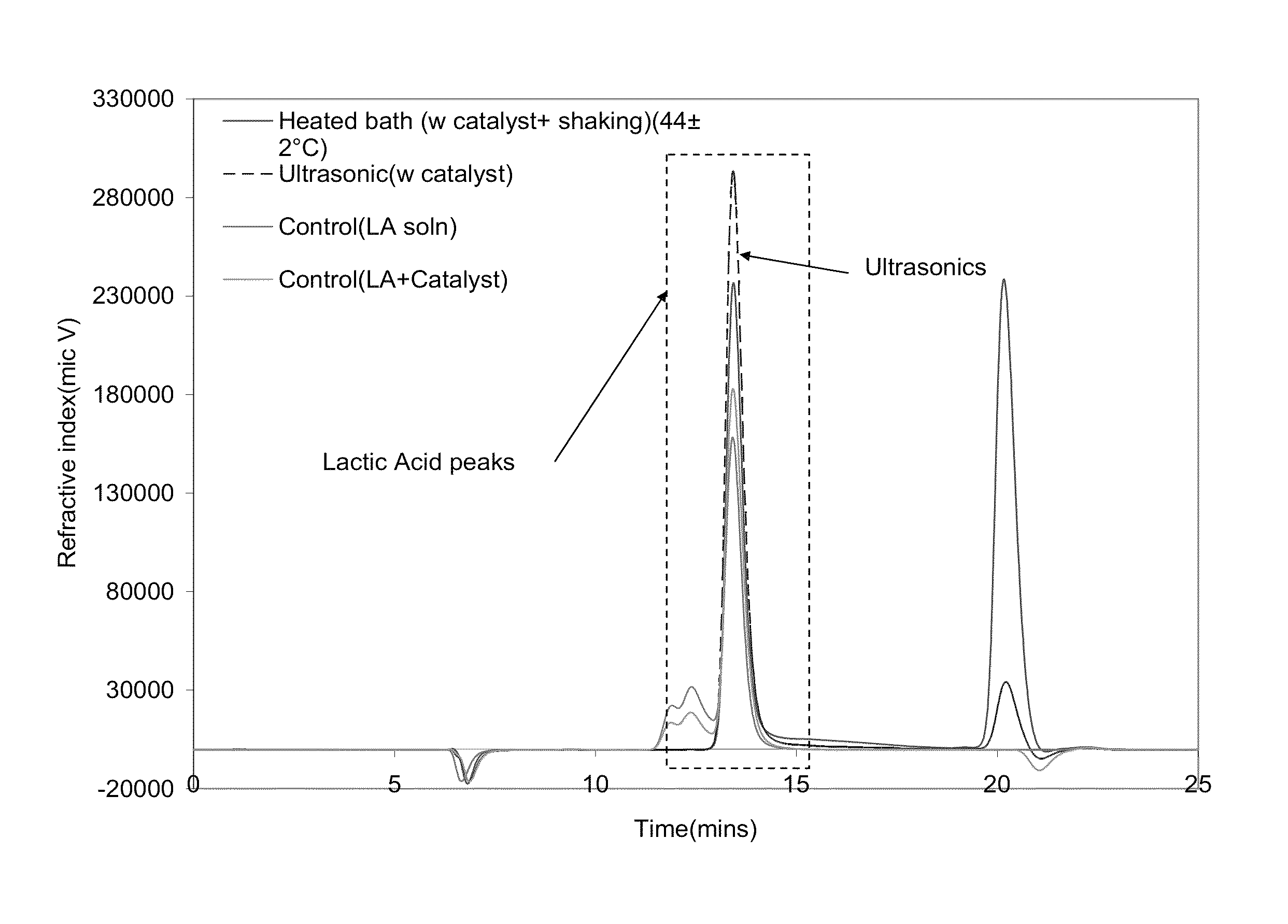
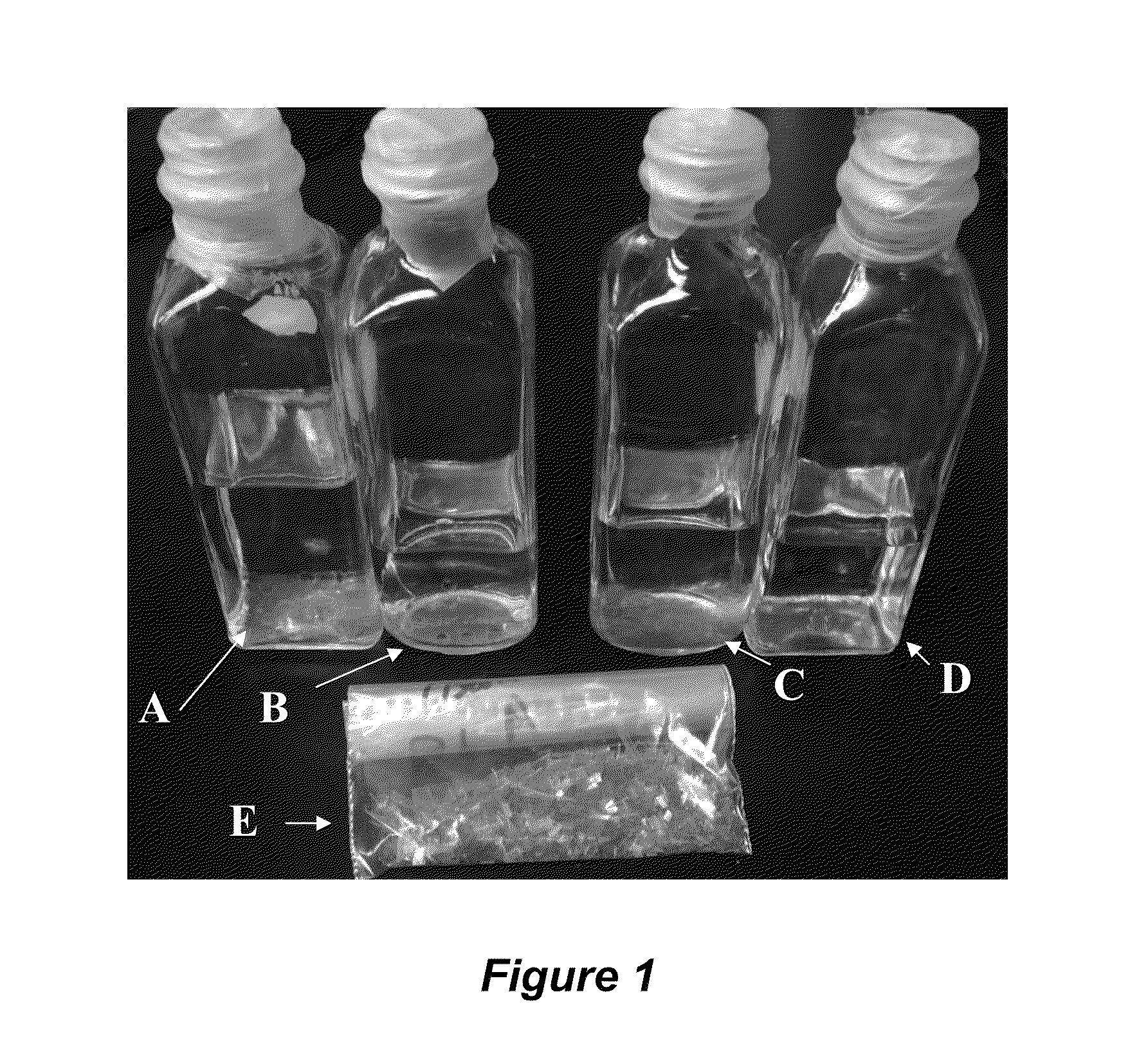
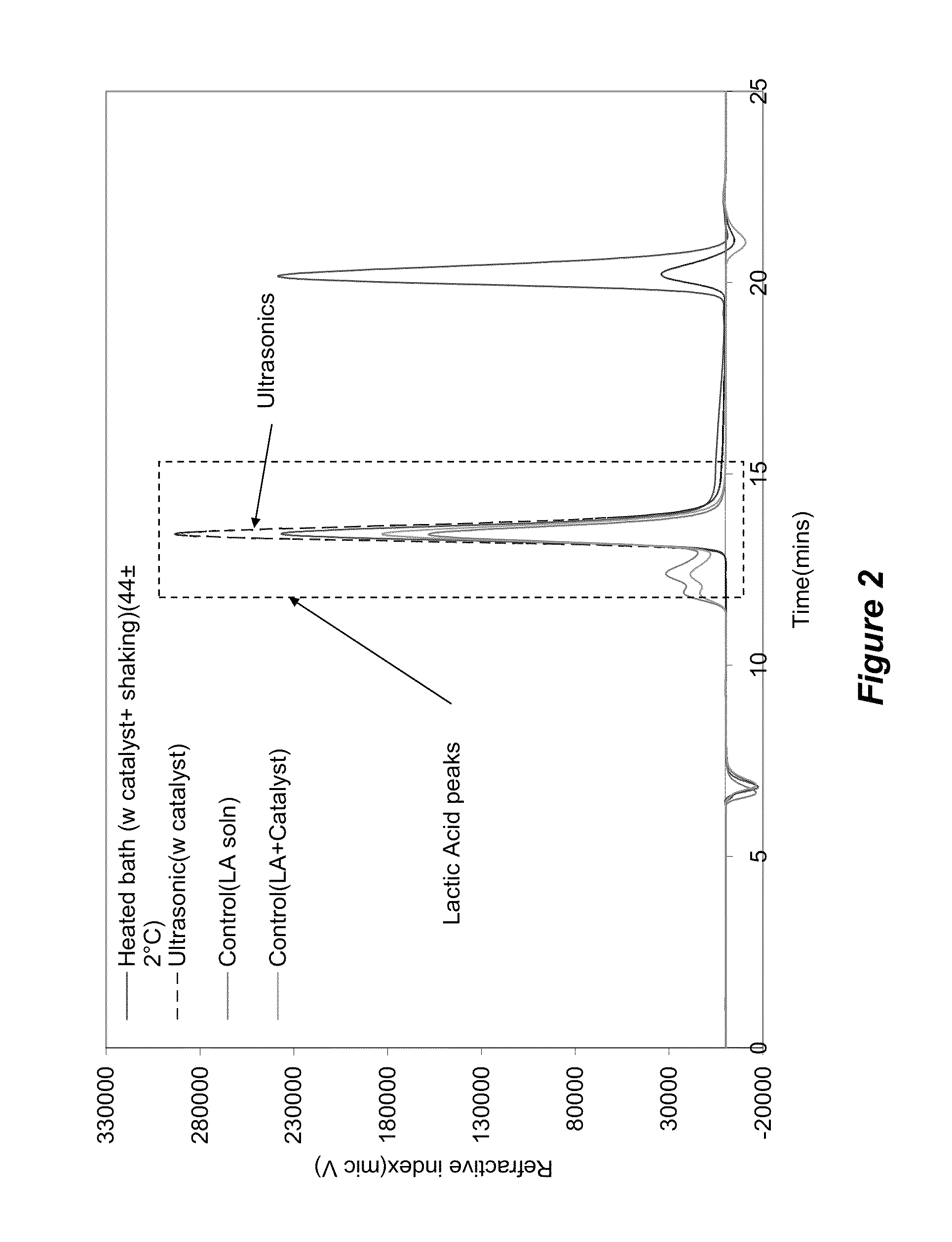
- The method involves using an alcoholic solution with alkali metal hydroxides or carbonates, such as lithium, sodium, or potassium hydroxide/carbonate, in combination with ultrasonics to depolymerize PLA at moderate temperatures, significantly reducing the cycle time for recovering lactic acid monomers from PLA-based products like bottles and food packaging.

Environmental Regulations for Biodegradable Materials
The regulatory landscape for biodegradable materials has evolved significantly in response to growing environmental concerns and the need for sustainable alternatives to conventional plastics. Both polycaprolactone (PCL) and polylactic acid (PLA) fall under various international and national regulatory frameworks that govern their production, use, and disposal.
The European Union has established comprehensive regulations through the Single-Use Plastics Directive and the Packaging and Packaging Waste Directive, which specifically address biodegradable materials. These regulations require biodegradable plastics to meet EN 13432 standards for industrial composting, demonstrating complete biodegradation within 180 days under controlled conditions. Both PCL and PLA must comply with these standards to be marketed as biodegradable alternatives in European markets.
In the United States, the Federal Trade Commission's Green Guides provide regulatory oversight for biodegradability claims, requiring substantiation of environmental marketing claims. The ASTM D6400 and D6868 standards serve as benchmarks for compostable plastics, while the FDA regulates both PCL and PLA for food contact applications under different approval pathways. PCL requires more extensive safety evaluations due to its slower degradation profile, whereas PLA benefits from Generally Recognized as Safe (GRAS) status for certain applications.
Asian markets have implemented varying regulatory approaches, with Japan's Green Purchasing Law promoting biodegradable materials, while China's National Standards GB/T 20197 establishes specific requirements for biodegradable plastics. These regulations often favor faster-degrading materials like PLA over slower-degrading options like PCL, influencing market adoption patterns.
Emerging regulations increasingly focus on marine biodegradability standards, such as ASTM D6691 and ISO 17556, which present challenges for both materials but particularly for PCL due to its extended degradation timeline in marine environments. These evolving standards are reshaping the competitive landscape between PCL and PLA in various applications.
The European Union has established comprehensive regulations through the Single-Use Plastics Directive and the Packaging and Packaging Waste Directive, which specifically address biodegradable materials. These regulations require biodegradable plastics to meet EN 13432 standards for industrial composting, demonstrating complete biodegradation within 180 days under controlled conditions. Both PCL and PLA must comply with these standards to be marketed as biodegradable alternatives in European markets.
In the United States, the Federal Trade Commission's Green Guides provide regulatory oversight for biodegradability claims, requiring substantiation of environmental marketing claims. The ASTM D6400 and D6868 standards serve as benchmarks for compostable plastics, while the FDA regulates both PCL and PLA for food contact applications under different approval pathways. PCL requires more extensive safety evaluations due to its slower degradation profile, whereas PLA benefits from Generally Recognized as Safe (GRAS) status for certain applications.
Asian markets have implemented varying regulatory approaches, with Japan's Green Purchasing Law promoting biodegradable materials, while China's National Standards GB/T 20197 establishes specific requirements for biodegradable plastics. These regulations often favor faster-degrading materials like PLA over slower-degrading options like PCL, influencing market adoption patterns.
Emerging regulations increasingly focus on marine biodegradability standards, such as ASTM D6691 and ISO 17556, which present challenges for both materials but particularly for PCL due to its extended degradation timeline in marine environments. These evolving standards are reshaping the competitive landscape between PCL and PLA in various applications.
Sustainability Impact Assessment of PCL vs PLA
The sustainability impact assessment of Polycaprolactone (PCL) versus Polylactic Acid (PLA) reveals significant environmental implications that extend beyond their biodegradability characteristics. Both polymers demonstrate distinct environmental footprints throughout their lifecycle, from raw material extraction to end-of-life disposal, necessitating comprehensive evaluation of their overall sustainability performance.
Carbon footprint analysis indicates that PLA generally exhibits lower greenhouse gas emissions during production compared to PCL. PLA's renewable feedstock base, primarily derived from corn starch or sugarcane, contributes to reduced carbon intensity. The fermentation-based production process for lactic acid monomers typically generates 0.5-1.5 kg CO2 equivalent per kilogram of polymer. In contrast, PCL production relies on petroleum-derived caprolactone monomers, resulting in higher carbon emissions ranging from 2.5-4.0 kg CO2 equivalent per kilogram.
Resource utilization patterns differ substantially between these materials. PLA production consumes renewable agricultural resources, potentially competing with food production systems and requiring significant water and land resources. Approximately 2.5-3.0 kg of corn is needed to produce 1 kg of PLA, raising concerns about agricultural sustainability and food security implications. PCL production depends on finite fossil fuel resources but requires lower overall energy input during polymerization processes.
Energy consumption profiles reveal contrasting patterns throughout manufacturing stages. PLA production involves energy-intensive fermentation and purification processes, typically consuming 50-60 MJ per kilogram of final product. PCL manufacturing demonstrates higher energy efficiency in polymerization but carries the environmental burden of petroleum extraction and refining processes, totaling approximately 70-80 MJ per kilogram.
End-of-life environmental impact assessment shows complementary advantages. PLA's faster biodegradation in industrial composting facilities reduces long-term environmental accumulation but may limit applications requiring extended durability. PCL's slower degradation rate provides extended service life in certain applications while maintaining eventual biodegradability, potentially reducing replacement frequency and associated manufacturing impacts.
Water usage and ecosystem impact evaluation indicates that PLA production requires substantial freshwater resources for agricultural feedstock cultivation and processing, approximately 1,500-2,000 liters per kilogram. PCL production demonstrates lower direct water consumption but contributes to broader environmental concerns associated with petroleum extraction and chemical processing operations.
Carbon footprint analysis indicates that PLA generally exhibits lower greenhouse gas emissions during production compared to PCL. PLA's renewable feedstock base, primarily derived from corn starch or sugarcane, contributes to reduced carbon intensity. The fermentation-based production process for lactic acid monomers typically generates 0.5-1.5 kg CO2 equivalent per kilogram of polymer. In contrast, PCL production relies on petroleum-derived caprolactone monomers, resulting in higher carbon emissions ranging from 2.5-4.0 kg CO2 equivalent per kilogram.
Resource utilization patterns differ substantially between these materials. PLA production consumes renewable agricultural resources, potentially competing with food production systems and requiring significant water and land resources. Approximately 2.5-3.0 kg of corn is needed to produce 1 kg of PLA, raising concerns about agricultural sustainability and food security implications. PCL production depends on finite fossil fuel resources but requires lower overall energy input during polymerization processes.
Energy consumption profiles reveal contrasting patterns throughout manufacturing stages. PLA production involves energy-intensive fermentation and purification processes, typically consuming 50-60 MJ per kilogram of final product. PCL manufacturing demonstrates higher energy efficiency in polymerization but carries the environmental burden of petroleum extraction and refining processes, totaling approximately 70-80 MJ per kilogram.
End-of-life environmental impact assessment shows complementary advantages. PLA's faster biodegradation in industrial composting facilities reduces long-term environmental accumulation but may limit applications requiring extended durability. PCL's slower degradation rate provides extended service life in certain applications while maintaining eventual biodegradability, potentially reducing replacement frequency and associated manufacturing impacts.
Water usage and ecosystem impact evaluation indicates that PLA production requires substantial freshwater resources for agricultural feedstock cultivation and processing, approximately 1,500-2,000 liters per kilogram. PCL production demonstrates lower direct water consumption but contributes to broader environmental concerns associated with petroleum extraction and chemical processing operations.
Unlock deeper insights with PatSnap Eureka Quick Research — get a full tech report to explore trends and direct your research. Try now!
Generate Your Research Report Instantly with AI Agent
Supercharge your innovation with PatSnap Eureka AI Agent Platform!