
Polydimethylsiloxane vs Polyester: UV Resistance
MAR 10, 20269 MIN READ
Generate Your Research Report Instantly with AI Agent
Patsnap Eureka helps you evaluate technical feasibility & market potential.
PDMS vs Polyester UV Resistance Background and Objectives
The comparison between polydimethylsiloxane (PDMS) and polyester materials regarding UV resistance has emerged as a critical research area driven by the increasing demand for durable polymeric materials in outdoor applications. Both materials serve essential roles across diverse industries, yet their performance under ultraviolet radiation exposure varies significantly, necessitating comprehensive evaluation to guide material selection decisions.
PDMS, a silicon-based elastomer, has gained prominence in applications ranging from medical devices to automotive components due to its exceptional flexibility, thermal stability, and chemical inertness. Its unique molecular structure, characterized by alternating silicon-oxygen bonds in the backbone, provides inherent advantages in weathering resistance. The material's transparency, biocompatibility, and processing versatility have made it increasingly attractive for applications requiring long-term outdoor exposure.
Polyester materials, encompassing both thermoplastic polyethylene terephthalate (PET) and thermoset unsaturated polyester resins, represent one of the most widely used polymer families globally. These carbon-based polymers offer excellent mechanical properties, chemical resistance, and cost-effectiveness, making them indispensable in textiles, packaging, automotive, and construction industries. However, their aromatic structures present potential vulnerabilities to UV-induced degradation.
The primary objective of this comparative analysis centers on establishing a comprehensive understanding of how PDMS and polyester materials respond to UV radiation exposure over extended periods. This investigation aims to quantify degradation mechanisms, identify critical failure modes, and establish performance benchmarks for both material systems under standardized UV testing conditions.
Secondary objectives include evaluating the effectiveness of various UV stabilization strategies for each material type, assessing the correlation between accelerated laboratory testing and real-world weathering performance, and developing predictive models for service life estimation. The research seeks to provide actionable insights for material engineers and product designers who must balance performance requirements with cost considerations in UV-exposed applications.
Understanding the fundamental differences in UV resistance between these material classes will enable more informed material selection decisions, potentially leading to improved product durability and reduced maintenance costs across multiple industries where UV exposure represents a primary degradation mechanism.
PDMS, a silicon-based elastomer, has gained prominence in applications ranging from medical devices to automotive components due to its exceptional flexibility, thermal stability, and chemical inertness. Its unique molecular structure, characterized by alternating silicon-oxygen bonds in the backbone, provides inherent advantages in weathering resistance. The material's transparency, biocompatibility, and processing versatility have made it increasingly attractive for applications requiring long-term outdoor exposure.
Polyester materials, encompassing both thermoplastic polyethylene terephthalate (PET) and thermoset unsaturated polyester resins, represent one of the most widely used polymer families globally. These carbon-based polymers offer excellent mechanical properties, chemical resistance, and cost-effectiveness, making them indispensable in textiles, packaging, automotive, and construction industries. However, their aromatic structures present potential vulnerabilities to UV-induced degradation.
The primary objective of this comparative analysis centers on establishing a comprehensive understanding of how PDMS and polyester materials respond to UV radiation exposure over extended periods. This investigation aims to quantify degradation mechanisms, identify critical failure modes, and establish performance benchmarks for both material systems under standardized UV testing conditions.
Secondary objectives include evaluating the effectiveness of various UV stabilization strategies for each material type, assessing the correlation between accelerated laboratory testing and real-world weathering performance, and developing predictive models for service life estimation. The research seeks to provide actionable insights for material engineers and product designers who must balance performance requirements with cost considerations in UV-exposed applications.
Understanding the fundamental differences in UV resistance between these material classes will enable more informed material selection decisions, potentially leading to improved product durability and reduced maintenance costs across multiple industries where UV exposure represents a primary degradation mechanism.
Market Demand for UV-Resistant Polymer Materials
The global demand for UV-resistant polymer materials has experienced substantial growth across multiple industrial sectors, driven by increasing awareness of ultraviolet radiation's detrimental effects on material performance and longevity. This market expansion reflects the critical need for materials that can withstand prolonged exposure to solar radiation while maintaining their mechanical, optical, and chemical properties.
Automotive applications represent one of the largest demand segments for UV-resistant polymers. Vehicle manufacturers increasingly require materials for exterior components, interior trim, and protective coatings that can resist UV-induced degradation, color fading, and mechanical property deterioration. The shift toward electric vehicles has further intensified this demand, as manufacturers seek lightweight, durable materials for battery housings and electronic component protection.
The construction and building materials sector demonstrates robust demand for UV-stable polymers, particularly for roofing membranes, sealants, window frames, and exterior cladding systems. Climate change concerns and extreme weather patterns have heightened the importance of material durability, driving specifications for enhanced UV resistance in building codes and industry standards.
Electronics and telecommunications industries show growing requirements for UV-resistant encapsulation materials, cable jacketing, and outdoor equipment housings. The proliferation of outdoor electronic infrastructure, including 5G networks and renewable energy systems, has created substantial market opportunities for high-performance UV-stable polymers.
Medical device manufacturing presents a specialized but significant demand segment, where UV resistance is crucial for outdoor medical equipment, pharmaceutical packaging, and sterilization-resistant components. Regulatory requirements for material stability and biocompatibility drive stringent performance specifications in this sector.
Aerospace and marine applications continue to demand premium UV-resistant materials capable of withstanding extreme environmental conditions. These sectors prioritize long-term performance reliability and are willing to invest in advanced polymer solutions that offer superior UV protection.
The packaging industry increasingly seeks UV-resistant materials for food preservation, pharmaceutical protection, and consumer goods that require extended shelf life under various lighting conditions. Sustainability trends are driving demand for recyclable UV-resistant polymers that can replace traditional materials.
Regional market dynamics show particularly strong growth in Asia-Pacific regions, where rapid industrialization and infrastructure development create substantial demand for durable polymer materials. North American and European markets emphasize high-performance applications with stringent regulatory compliance requirements.
Automotive applications represent one of the largest demand segments for UV-resistant polymers. Vehicle manufacturers increasingly require materials for exterior components, interior trim, and protective coatings that can resist UV-induced degradation, color fading, and mechanical property deterioration. The shift toward electric vehicles has further intensified this demand, as manufacturers seek lightweight, durable materials for battery housings and electronic component protection.
The construction and building materials sector demonstrates robust demand for UV-stable polymers, particularly for roofing membranes, sealants, window frames, and exterior cladding systems. Climate change concerns and extreme weather patterns have heightened the importance of material durability, driving specifications for enhanced UV resistance in building codes and industry standards.
Electronics and telecommunications industries show growing requirements for UV-resistant encapsulation materials, cable jacketing, and outdoor equipment housings. The proliferation of outdoor electronic infrastructure, including 5G networks and renewable energy systems, has created substantial market opportunities for high-performance UV-stable polymers.
Medical device manufacturing presents a specialized but significant demand segment, where UV resistance is crucial for outdoor medical equipment, pharmaceutical packaging, and sterilization-resistant components. Regulatory requirements for material stability and biocompatibility drive stringent performance specifications in this sector.
Aerospace and marine applications continue to demand premium UV-resistant materials capable of withstanding extreme environmental conditions. These sectors prioritize long-term performance reliability and are willing to invest in advanced polymer solutions that offer superior UV protection.
The packaging industry increasingly seeks UV-resistant materials for food preservation, pharmaceutical protection, and consumer goods that require extended shelf life under various lighting conditions. Sustainability trends are driving demand for recyclable UV-resistant polymers that can replace traditional materials.
Regional market dynamics show particularly strong growth in Asia-Pacific regions, where rapid industrialization and infrastructure development create substantial demand for durable polymer materials. North American and European markets emphasize high-performance applications with stringent regulatory compliance requirements.
Current UV Degradation Challenges in PDMS and Polyester
PDMS faces significant UV degradation challenges primarily due to its siloxane backbone structure. When exposed to UV radiation, particularly wavelengths below 300 nm, PDMS undergoes chain scission and crosslinking reactions that alter its molecular structure. The silicon-oxygen bonds are susceptible to photolytic cleavage, leading to the formation of reactive silyl radicals. These radicals can subsequently react with oxygen to form silanol groups, causing surface hardening and loss of elastomeric properties.
The degradation mechanism in PDMS is further complicated by the presence of trace impurities and catalytic residues from the polymerization process. Platinum catalysts, commonly used in PDMS synthesis, can accelerate UV-induced degradation by facilitating radical formation. Additionally, the polymer's high oxygen permeability allows atmospheric oxygen to penetrate the material, promoting oxidative degradation processes that compound UV damage.
Polyester materials encounter distinct UV degradation pathways centered around their ester linkages and aromatic components. UV radiation causes photolysis of the ester bonds, resulting in chain scission and molecular weight reduction. The presence of aromatic rings in many polyester formulations, particularly in PET, creates chromophoric sites that absorb UV energy efficiently, making these materials particularly vulnerable to photodegradation.
The degradation process in polyester is characterized by the formation of carboxylic acid and alcohol end groups through ester bond cleavage. These degradation products can catalyze further hydrolytic breakdown, creating a self-accelerating degradation cycle. The crystalline regions in polyester typically show better UV resistance compared to amorphous areas due to restricted molecular mobility and reduced oxygen diffusion.
Both materials exhibit surface-dominated degradation patterns where UV damage is most severe in the outer layers. However, the depth of penetration and degradation kinetics differ significantly between PDMS and polyester due to their distinct optical properties and molecular structures. PDMS generally shows better overall UV stability in outdoor applications, while polyester requires more aggressive stabilization strategies to achieve comparable performance levels.
The degradation mechanism in PDMS is further complicated by the presence of trace impurities and catalytic residues from the polymerization process. Platinum catalysts, commonly used in PDMS synthesis, can accelerate UV-induced degradation by facilitating radical formation. Additionally, the polymer's high oxygen permeability allows atmospheric oxygen to penetrate the material, promoting oxidative degradation processes that compound UV damage.
Polyester materials encounter distinct UV degradation pathways centered around their ester linkages and aromatic components. UV radiation causes photolysis of the ester bonds, resulting in chain scission and molecular weight reduction. The presence of aromatic rings in many polyester formulations, particularly in PET, creates chromophoric sites that absorb UV energy efficiently, making these materials particularly vulnerable to photodegradation.
The degradation process in polyester is characterized by the formation of carboxylic acid and alcohol end groups through ester bond cleavage. These degradation products can catalyze further hydrolytic breakdown, creating a self-accelerating degradation cycle. The crystalline regions in polyester typically show better UV resistance compared to amorphous areas due to restricted molecular mobility and reduced oxygen diffusion.
Both materials exhibit surface-dominated degradation patterns where UV damage is most severe in the outer layers. However, the depth of penetration and degradation kinetics differ significantly between PDMS and polyester due to their distinct optical properties and molecular structures. PDMS generally shows better overall UV stability in outdoor applications, while polyester requires more aggressive stabilization strategies to achieve comparable performance levels.
Existing UV Protection Solutions for Polymers
01 UV-resistant silicone-polyester composite coatings
Composite coatings combining polydimethylsiloxane and polyester resins provide enhanced UV resistance through synergistic effects. The silicone component offers weatherability and surface protection while the polyester provides structural integrity. These coatings can be applied to various substrates to improve outdoor durability and prevent UV degradation. The formulations may include crosslinking agents to enhance adhesion and stability.- Silicone-modified polyester compositions for enhanced UV resistance: Polyester materials can be modified with polydimethylsiloxane or silicone compounds to improve their UV resistance properties. The incorporation of silicone segments into polyester structures creates hybrid materials that exhibit enhanced weatherability and reduced degradation under UV exposure. These modifications can be achieved through various methods including copolymerization, blending, or surface treatment techniques.
- UV stabilizer additives for polydimethylsiloxane and polyester systems: The addition of UV stabilizers and absorbers to polydimethylsiloxane and polyester formulations significantly improves their resistance to ultraviolet radiation. These additives work by absorbing harmful UV rays or acting as radical scavengers to prevent polymer chain degradation. Common stabilizer systems can be incorporated during processing or applied as protective coatings to extend the service life of the materials.
- Coating compositions combining silicone and polyester for UV protection: Protective coating formulations that combine polydimethylsiloxane and polyester components provide superior UV resistance for various substrates. These coatings leverage the hydrophobic and weathering properties of silicones along with the mechanical strength of polyesters. The resulting films demonstrate excellent durability, gloss retention, and resistance to UV-induced yellowing and chalking.
- Nanocomposite approaches for improving UV resistance: The incorporation of nanoparticles and nanofillers into polydimethylsiloxane and polyester matrices enhances UV resistance through multiple mechanisms. These nanocomposites provide physical barriers to UV penetration and can include materials that reflect or scatter UV radiation. The nanoscale dispersion of these additives maintains the transparency and mechanical properties of the base polymers while significantly improving their photostability.
- Crosslinking and curing systems for enhanced UV durability: Advanced crosslinking technologies and curing methods improve the UV resistance of polydimethylsiloxane and polyester materials by creating more stable polymer networks. These systems may involve thermal curing, radiation curing, or moisture curing mechanisms that result in densely crosslinked structures with improved resistance to UV-induced degradation. The crosslinked networks exhibit better retention of physical properties after prolonged UV exposure.
02 UV stabilizers and absorbers in silicone-polyester systems
Incorporation of UV stabilizers and absorbers into polydimethylsiloxane-polyester blends significantly improves resistance to ultraviolet radiation. These additives work by absorbing harmful UV rays or scavenging free radicals generated by UV exposure. Common stabilizers include hindered amine light stabilizers and benzotriazole derivatives. The combination enhances long-term performance and prevents yellowing, cracking, and mechanical property degradation.Expand Specific Solutions03 Modified polyester fibers with silicone for UV protection
Polyester fibers treated or blended with polydimethylsiloxane exhibit improved UV resistance for textile applications. The silicone modification creates a protective barrier on fiber surfaces that reflects or absorbs UV radiation. This treatment also enhances fabric softness, water repellency, and durability. The technology is applicable to outdoor textiles, protective clothing, and industrial fabrics requiring extended UV exposure resistance.Expand Specific Solutions04 Silicone-modified polyester resins for outdoor applications
Polyester resins chemically modified with silicone segments demonstrate superior weathering and UV resistance properties. The modification can be achieved through copolymerization or grafting reactions that incorporate siloxane units into the polyester backbone. These materials maintain gloss retention, color stability, and mechanical properties under prolonged UV exposure. Applications include automotive coatings, architectural finishes, and outdoor furniture.Expand Specific Solutions05 Nanocomposite approaches for enhanced UV resistance
Nanoparticle-reinforced polydimethylsiloxane-polyester composites provide advanced UV protection through physical and chemical mechanisms. Nanofillers such as titanium dioxide, zinc oxide, or silica particles scatter and absorb UV radiation while improving mechanical properties. The nanoscale dispersion creates a more effective barrier against UV penetration. These systems offer multifunctional performance including antimicrobial properties and improved thermal stability.Expand Specific Solutions
Key Players in UV-Resistant Polymer Industry
The UV resistance comparison between polydimethylsiloxane (PDMS) and polyester represents a mature technology area within the broader polymer materials industry, which has reached a consolidated development stage with established market leaders. The global UV-resistant materials market demonstrates steady growth driven by automotive, construction, and electronics applications. Technology maturity varies significantly among key players: silicone specialists like Momentive Performance Materials, Shin-Etsu Chemical, and Evonik Goldschmidt possess advanced PDMS formulation capabilities, while polyester-focused companies such as Eastman Chemical, Toray Industries, and Toyobo have developed sophisticated UV-stabilized polyester technologies. Chemical giants including 3M, Dow Global Technologies, and Covestro Deutschland leverage extensive R&D resources for next-generation UV-resistant formulations. The competitive landscape shows clear segmentation between silicone and polyester specialists, with cross-material innovation emerging from diversified chemical companies seeking to optimize UV protection performance across both polymer platforms.
Momentive Performance Materials, Inc.
Technical Solution: Momentive specializes in advanced silicone technologies including PDMS formulations with enhanced UV resistance. Their silicone materials incorporate UV stabilizers and crosslinking agents that maintain optical clarity and mechanical properties under prolonged UV exposure. The company's PDMS products demonstrate superior weatherability compared to conventional polyester materials, with minimal yellowing and degradation after 2000+ hours of accelerated UV testing. Their formulations utilize platinum-catalyzed curing systems that create stable Si-O bonds resistant to UV-induced chain scission.
Strengths: Excellent long-term UV stability, maintained flexibility at temperature extremes, superior optical clarity retention. Weaknesses: Higher material costs compared to polyester, requires specialized processing equipment.
Shin-Etsu Chemical Co., Ltd.
Technical Solution: Shin-Etsu develops high-performance PDMS materials with exceptional UV resistance through molecular engineering approaches. Their silicone polymers incorporate phenyl groups and UV absorbers that provide enhanced photostability compared to standard polyester materials. The company's products maintain over 95% light transmission after 1000 hours of UV-B exposure, while comparable polyester materials show significant degradation. Their PDMS formulations utilize controlled crosslink density and antioxidant packages to prevent UV-induced oxidation and chain scission reactions.
Strengths: Outstanding UV transmission retention, excellent thermal stability, low surface energy properties. Weaknesses: Limited adhesion to substrates without primers, higher processing temperatures required.
Core Innovations in UV Stabilization Technologies
UV absorbing complex polyester polymers, compositions containing UV absorbing complex polyester polymers, and related methods
PatentInactiveUS20110104078A1
Innovation
- Development of UV-absorbing complex polyol polyester polymers through esterification and epoxide reactions, incorporating UV-absorbing moieties, which are incorporated into personal care compositions to enhance photostability, SPF, and UV-A protection, while improving aesthetics by reducing greasiness and odor.
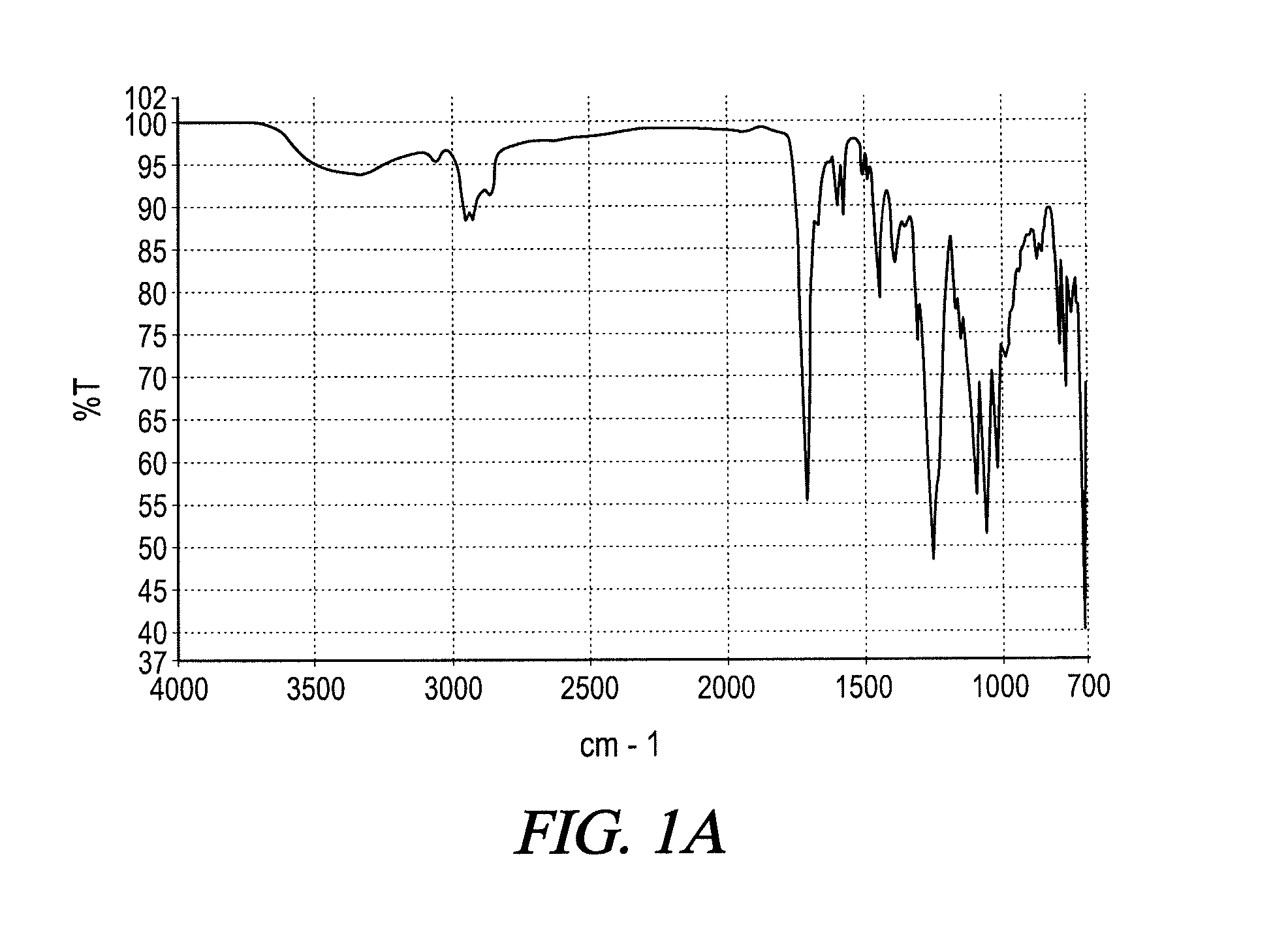
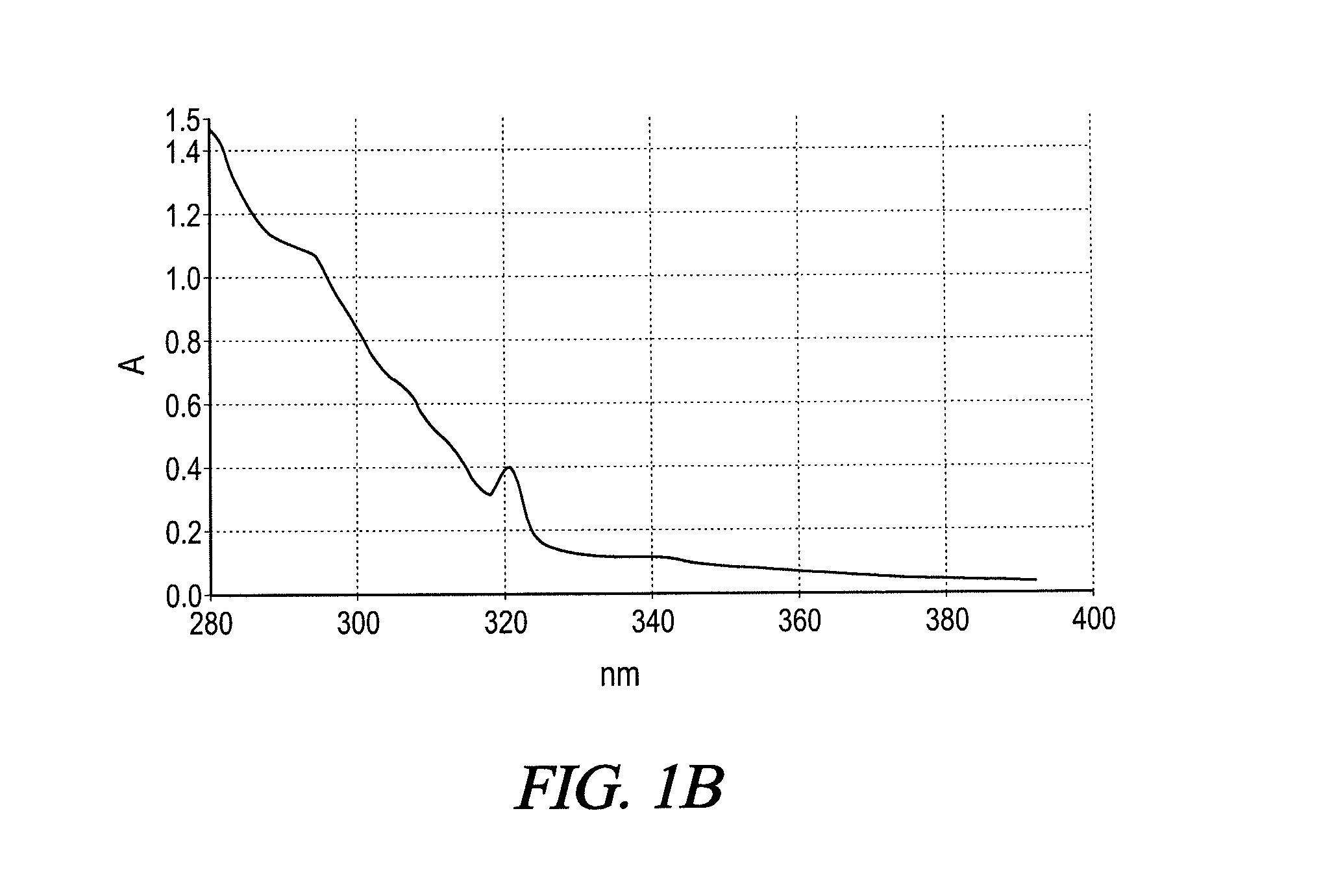
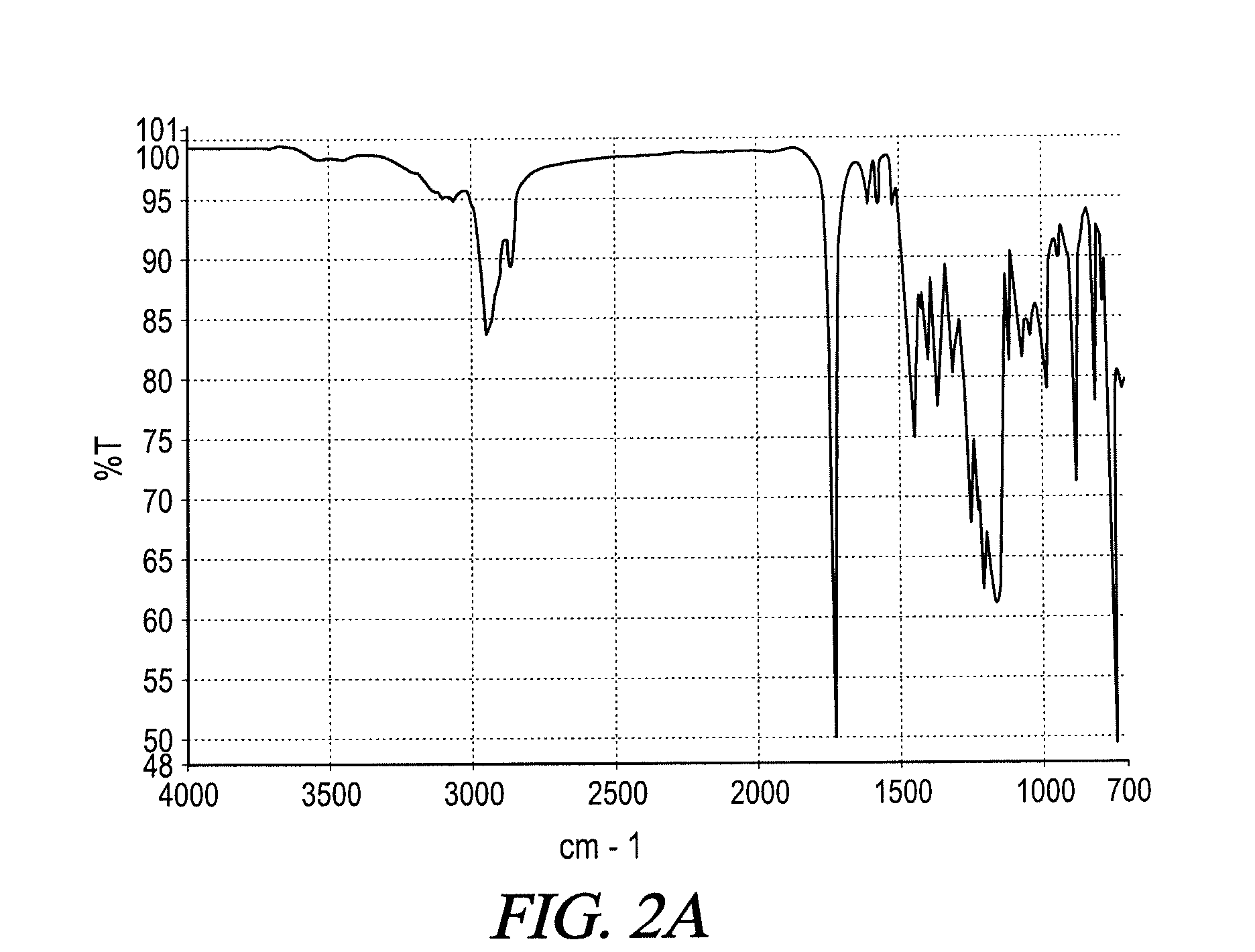

Ultraviolet-resistant polyester resin composition, polyester film, and back sheet for solar cell
PatentInactiveJP2016117862A
Innovation
- A polyester resin composition is developed by combining a UV absorber with a reactive functional group and a crosslinkable compound, which reacts with polyester molecules to prevent bleeding and maintain durability.


Environmental Impact Assessment of UV-Resistant Polymers
The environmental impact assessment of UV-resistant polymers, particularly polydimethylsiloxane (PDMS) and polyester materials, reveals significant differences in their ecological footprints throughout their lifecycle stages. This evaluation encompasses manufacturing processes, usage phases, and end-of-life disposal considerations that directly influence environmental sustainability.
PDMS demonstrates superior environmental performance during the usage phase due to its exceptional durability and longevity. The silicone-based polymer's inherent UV resistance reduces the need for frequent replacements, thereby minimizing material consumption over extended periods. Its chemical stability prevents degradation products from leaching into surrounding environments, making it particularly suitable for outdoor applications where environmental exposure is inevitable.
Polyester materials, while offering adequate UV protection through various additives and treatments, present more complex environmental challenges. The incorporation of UV stabilizers, such as benzotriazoles and hindered amine light stabilizers, raises concerns about potential migration and bioaccumulation in ecosystems. These additives may gradually release into the environment during weathering processes, potentially affecting soil and water quality.
Manufacturing energy requirements differ substantially between these polymer types. PDMS production involves high-temperature processes and specialized silicone chemistry, resulting in elevated energy consumption per unit mass. However, this initial environmental cost is often offset by the material's extended service life. Polyester production, while generally less energy-intensive per unit, may require additional processing steps for UV-resistant formulations.
End-of-life disposal scenarios reveal contrasting environmental implications. PDMS exhibits excellent thermal stability, making it suitable for energy recovery through controlled incineration without generating toxic byproducts. Its inert nature also allows for safe landfill disposal, though recycling options remain limited due to crosslinked molecular structures.
Polyester materials offer superior recyclability through mechanical and chemical recycling processes, supporting circular economy principles. However, UV-degraded polyester may contain fragmented polymer chains and residual additives that complicate recycling efficiency and product quality. The presence of UV stabilizers can interfere with recycling processes and may require specialized treatment protocols.
Carbon footprint analysis indicates that PDMS typically exhibits higher initial emissions due to energy-intensive manufacturing processes. Nevertheless, its extended lifespan often results in lower lifetime carbon emissions compared to polyester alternatives requiring more frequent replacement cycles. This factor becomes particularly significant in applications demanding long-term UV resistance performance.
PDMS demonstrates superior environmental performance during the usage phase due to its exceptional durability and longevity. The silicone-based polymer's inherent UV resistance reduces the need for frequent replacements, thereby minimizing material consumption over extended periods. Its chemical stability prevents degradation products from leaching into surrounding environments, making it particularly suitable for outdoor applications where environmental exposure is inevitable.
Polyester materials, while offering adequate UV protection through various additives and treatments, present more complex environmental challenges. The incorporation of UV stabilizers, such as benzotriazoles and hindered amine light stabilizers, raises concerns about potential migration and bioaccumulation in ecosystems. These additives may gradually release into the environment during weathering processes, potentially affecting soil and water quality.
Manufacturing energy requirements differ substantially between these polymer types. PDMS production involves high-temperature processes and specialized silicone chemistry, resulting in elevated energy consumption per unit mass. However, this initial environmental cost is often offset by the material's extended service life. Polyester production, while generally less energy-intensive per unit, may require additional processing steps for UV-resistant formulations.
End-of-life disposal scenarios reveal contrasting environmental implications. PDMS exhibits excellent thermal stability, making it suitable for energy recovery through controlled incineration without generating toxic byproducts. Its inert nature also allows for safe landfill disposal, though recycling options remain limited due to crosslinked molecular structures.
Polyester materials offer superior recyclability through mechanical and chemical recycling processes, supporting circular economy principles. However, UV-degraded polyester may contain fragmented polymer chains and residual additives that complicate recycling efficiency and product quality. The presence of UV stabilizers can interfere with recycling processes and may require specialized treatment protocols.
Carbon footprint analysis indicates that PDMS typically exhibits higher initial emissions due to energy-intensive manufacturing processes. Nevertheless, its extended lifespan often results in lower lifetime carbon emissions compared to polyester alternatives requiring more frequent replacement cycles. This factor becomes particularly significant in applications demanding long-term UV resistance performance.
Testing Standards and Certification for UV Resistance
The evaluation of UV resistance in polydimethylsiloxane (PDMS) and polyester materials requires adherence to established testing standards and certification protocols. These standardized methodologies ensure consistent, reproducible results that enable accurate material comparison and performance validation across different applications and environments.
ASTM D4329 represents one of the primary testing standards for UV resistance evaluation, utilizing fluorescent UV lamps to simulate solar radiation exposure. This standard provides specific protocols for sample preparation, exposure conditions, and performance assessment criteria. The test method allows for accelerated aging under controlled temperature and humidity conditions, making it particularly suitable for comparing PDMS and polyester materials under standardized UV exposure scenarios.
ISO 4892 series standards offer comprehensive guidelines for plastics exposure to laboratory light sources, including xenon-arc and fluorescent UV lamps. These international standards provide detailed specifications for irradiance levels, temperature control, and moisture conditioning during UV exposure testing. The standards accommodate various material types and application requirements, ensuring global consistency in UV resistance evaluation methodologies.
ASTM G154 focuses specifically on xenon-arc light exposure testing, which closely mimics natural sunlight spectrum characteristics. This standard is particularly relevant for outdoor applications where both PDMS and polyester materials may encounter full-spectrum solar radiation. The protocol includes provisions for different filter combinations to simulate various environmental conditions and geographic locations.
Certification processes typically involve third-party testing laboratories accredited under ISO/IEC 17025 standards. These facilities must demonstrate technical competence and maintain calibrated equipment for accurate UV resistance measurements. Certification documentation includes detailed test reports specifying exposure conditions, duration, and quantitative performance metrics such as color change, mechanical property retention, and surface degradation measurements.
Quality assurance protocols require regular calibration of UV light sources, temperature monitoring systems, and measurement instruments. Traceability to national standards ensures measurement accuracy and international recognition of test results. Documentation requirements include comprehensive records of testing conditions, sample identification, and statistical analysis of results to support material selection decisions and regulatory compliance requirements.
ASTM D4329 represents one of the primary testing standards for UV resistance evaluation, utilizing fluorescent UV lamps to simulate solar radiation exposure. This standard provides specific protocols for sample preparation, exposure conditions, and performance assessment criteria. The test method allows for accelerated aging under controlled temperature and humidity conditions, making it particularly suitable for comparing PDMS and polyester materials under standardized UV exposure scenarios.
ISO 4892 series standards offer comprehensive guidelines for plastics exposure to laboratory light sources, including xenon-arc and fluorescent UV lamps. These international standards provide detailed specifications for irradiance levels, temperature control, and moisture conditioning during UV exposure testing. The standards accommodate various material types and application requirements, ensuring global consistency in UV resistance evaluation methodologies.
ASTM G154 focuses specifically on xenon-arc light exposure testing, which closely mimics natural sunlight spectrum characteristics. This standard is particularly relevant for outdoor applications where both PDMS and polyester materials may encounter full-spectrum solar radiation. The protocol includes provisions for different filter combinations to simulate various environmental conditions and geographic locations.
Certification processes typically involve third-party testing laboratories accredited under ISO/IEC 17025 standards. These facilities must demonstrate technical competence and maintain calibrated equipment for accurate UV resistance measurements. Certification documentation includes detailed test reports specifying exposure conditions, duration, and quantitative performance metrics such as color change, mechanical property retention, and surface degradation measurements.
Quality assurance protocols require regular calibration of UV light sources, temperature monitoring systems, and measurement instruments. Traceability to national standards ensures measurement accuracy and international recognition of test results. Documentation requirements include comprehensive records of testing conditions, sample identification, and statistical analysis of results to support material selection decisions and regulatory compliance requirements.
Unlock deeper insights with Patsnap Eureka Quick Research — get a full tech report to explore trends and direct your research. Try now!
Generate Your Research Report Instantly with AI Agent
Supercharge your innovation with Patsnap Eureka AI Agent Platform!