Polyurethane Dispersion Vs Solvent-Based: Cost Efficiency
MAR 9, 20269 MIN READ
Generate Your Research Report Instantly with AI Agent
Patsnap Eureka helps you evaluate technical feasibility & market potential.
PU Dispersion vs Solvent-Based Background and Objectives
Polyurethane (PU) coatings have undergone significant evolution since their commercial introduction in the 1950s, transitioning from predominantly solvent-based formulations to increasingly sophisticated waterborne dispersion systems. This technological shift represents one of the most substantial transformations in the coatings industry, driven by environmental regulations, economic pressures, and advancing polymer chemistry capabilities.
The historical development of PU technology began with solvent-based systems that offered exceptional performance characteristics including superior durability, chemical resistance, and mechanical properties. These formulations dominated industrial applications for decades, establishing polyurethane as a premium coating solution across automotive, aerospace, and protective coating sectors.
The emergence of waterborne PU dispersions in the 1980s marked a pivotal technological breakthrough, addressing growing environmental concerns while maintaining competitive performance standards. This innovation required fundamental advances in polymer synthesis, particle stabilization, and film formation mechanisms, representing a paradigm shift from organic solvent carriers to aqueous-based delivery systems.
Current market dynamics reflect an accelerating transition toward sustainable coating technologies, with waterborne PU dispersions experiencing compound annual growth rates exceeding traditional solvent-based alternatives. Regulatory frameworks including VOC emission standards and workplace safety requirements continue to reshape technology adoption patterns across global markets.
The primary objective of this comparative analysis centers on establishing comprehensive cost-efficiency benchmarks between PU dispersion and solvent-based coating systems. This evaluation encompasses direct material costs, processing expenses, regulatory compliance investments, and long-term operational considerations that influence total cost of ownership.
Secondary objectives include identifying performance trade-offs that impact economic viability, evaluating scalability factors affecting cost structures, and determining application-specific scenarios where each technology demonstrates optimal cost-effectiveness. The analysis aims to provide quantitative frameworks for technology selection decisions based on comprehensive economic modeling.
Strategic technology assessment goals focus on predicting future cost trajectories as both technologies mature, considering factors such as raw material availability, manufacturing scale economies, and regulatory compliance costs. Understanding these evolutionary pathways enables informed investment decisions and technology roadmap development for sustainable competitive positioning in evolving market landscapes.
The historical development of PU technology began with solvent-based systems that offered exceptional performance characteristics including superior durability, chemical resistance, and mechanical properties. These formulations dominated industrial applications for decades, establishing polyurethane as a premium coating solution across automotive, aerospace, and protective coating sectors.
The emergence of waterborne PU dispersions in the 1980s marked a pivotal technological breakthrough, addressing growing environmental concerns while maintaining competitive performance standards. This innovation required fundamental advances in polymer synthesis, particle stabilization, and film formation mechanisms, representing a paradigm shift from organic solvent carriers to aqueous-based delivery systems.
Current market dynamics reflect an accelerating transition toward sustainable coating technologies, with waterborne PU dispersions experiencing compound annual growth rates exceeding traditional solvent-based alternatives. Regulatory frameworks including VOC emission standards and workplace safety requirements continue to reshape technology adoption patterns across global markets.
The primary objective of this comparative analysis centers on establishing comprehensive cost-efficiency benchmarks between PU dispersion and solvent-based coating systems. This evaluation encompasses direct material costs, processing expenses, regulatory compliance investments, and long-term operational considerations that influence total cost of ownership.
Secondary objectives include identifying performance trade-offs that impact economic viability, evaluating scalability factors affecting cost structures, and determining application-specific scenarios where each technology demonstrates optimal cost-effectiveness. The analysis aims to provide quantitative frameworks for technology selection decisions based on comprehensive economic modeling.
Strategic technology assessment goals focus on predicting future cost trajectories as both technologies mature, considering factors such as raw material availability, manufacturing scale economies, and regulatory compliance costs. Understanding these evolutionary pathways enables informed investment decisions and technology roadmap development for sustainable competitive positioning in evolving market landscapes.
Market Demand for Cost-Effective PU Solutions
The global polyurethane market is experiencing unprecedented demand for cost-effective solutions as manufacturers across multiple industries seek to optimize their production costs while maintaining product quality. This demand surge is primarily driven by increasing raw material costs, stringent environmental regulations, and intensifying competitive pressures that require companies to reassess their coating and adhesive technologies.
Automotive manufacturers represent one of the largest consumer segments demanding cost-efficient polyurethane solutions. The industry's shift toward electric vehicles and lightweight materials has created substantial pressure to reduce manufacturing costs while meeting performance standards. Traditional solvent-based systems, despite their proven performance characteristics, face mounting cost pressures from volatile organic compound compliance requirements and waste disposal expenses.
The construction and building materials sector demonstrates particularly strong appetite for economical polyurethane alternatives. Rising construction costs and tighter project budgets have prompted contractors and material suppliers to evaluate water-based dispersion systems as potential replacements for conventional solvent-based formulations. The sector's focus on sustainable building practices further amplifies demand for environmentally compliant yet cost-effective solutions.
Furniture and textile industries are increasingly prioritizing total cost of ownership rather than initial material costs alone. These sectors recognize that operational expenses, including ventilation requirements, safety equipment, and regulatory compliance costs, significantly impact overall profitability. Consequently, manufacturers are actively seeking polyurethane solutions that minimize these ancillary expenses while delivering acceptable performance characteristics.
Emerging markets in Asia-Pacific and Latin America exhibit particularly robust demand for cost-effective polyurethane technologies. Local manufacturers in these regions often operate with tighter margins and limited capital for expensive solvent recovery systems or extensive safety infrastructure. This economic reality creates substantial market opportunities for polyurethane dispersion technologies that offer simplified processing requirements and reduced operational complexity.
The packaging industry's evolution toward sustainable materials has generated significant demand for cost-efficient polyurethane solutions that meet both performance and environmental criteria. Food packaging applications, in particular, require solutions that balance cost considerations with stringent safety and barrier property requirements, driving innovation in water-based polyurethane formulations.
Market research indicates growing preference for polyurethane systems that demonstrate clear return on investment through reduced energy consumption, simplified waste management, and lower insurance costs. This trend reflects a fundamental shift from purely performance-based purchasing decisions toward comprehensive cost-benefit analysis that encompasses entire product lifecycles.
Automotive manufacturers represent one of the largest consumer segments demanding cost-efficient polyurethane solutions. The industry's shift toward electric vehicles and lightweight materials has created substantial pressure to reduce manufacturing costs while meeting performance standards. Traditional solvent-based systems, despite their proven performance characteristics, face mounting cost pressures from volatile organic compound compliance requirements and waste disposal expenses.
The construction and building materials sector demonstrates particularly strong appetite for economical polyurethane alternatives. Rising construction costs and tighter project budgets have prompted contractors and material suppliers to evaluate water-based dispersion systems as potential replacements for conventional solvent-based formulations. The sector's focus on sustainable building practices further amplifies demand for environmentally compliant yet cost-effective solutions.
Furniture and textile industries are increasingly prioritizing total cost of ownership rather than initial material costs alone. These sectors recognize that operational expenses, including ventilation requirements, safety equipment, and regulatory compliance costs, significantly impact overall profitability. Consequently, manufacturers are actively seeking polyurethane solutions that minimize these ancillary expenses while delivering acceptable performance characteristics.
Emerging markets in Asia-Pacific and Latin America exhibit particularly robust demand for cost-effective polyurethane technologies. Local manufacturers in these regions often operate with tighter margins and limited capital for expensive solvent recovery systems or extensive safety infrastructure. This economic reality creates substantial market opportunities for polyurethane dispersion technologies that offer simplified processing requirements and reduced operational complexity.
The packaging industry's evolution toward sustainable materials has generated significant demand for cost-efficient polyurethane solutions that meet both performance and environmental criteria. Food packaging applications, in particular, require solutions that balance cost considerations with stringent safety and barrier property requirements, driving innovation in water-based polyurethane formulations.
Market research indicates growing preference for polyurethane systems that demonstrate clear return on investment through reduced energy consumption, simplified waste management, and lower insurance costs. This trend reflects a fundamental shift from purely performance-based purchasing decisions toward comprehensive cost-benefit analysis that encompasses entire product lifecycles.
Current Cost Challenges in PU Dispersion Technologies
Polyurethane dispersion technologies face significant cost challenges that impact their competitive positioning against traditional solvent-based systems. The primary cost burden stems from the complex multi-step synthesis process required to achieve stable aqueous dispersions. Unlike solvent-based systems that rely on straightforward polymerization in organic solvents, PU dispersions demand sophisticated chain extension chemistry, neutralization steps, and careful dispersion formation protocols that increase both processing time and energy consumption.
Raw material costs present another substantial challenge for PU dispersion manufacturers. The technology requires specialized hydrophilic chain extenders, neutralizing agents, and surfactants that command premium prices compared to conventional polyol and isocyanate components used in solvent-based formulations. These specialty chemicals often represent 15-25% higher material costs per solid content equivalent, directly impacting the overall production economics.
Manufacturing infrastructure requirements create additional financial barriers for PU dispersion adoption. The production process necessitates specialized equipment capable of handling high-viscosity intermediates, precise temperature control during dispersion formation, and advanced mixing technologies to ensure particle size uniformity. These capital investments typically exceed those required for solvent-based production lines by 30-40%, creating significant entry barriers for manufacturers transitioning from traditional technologies.
Quality control and stability maintenance represent ongoing operational cost challenges. PU dispersions require sophisticated analytical monitoring throughout production to ensure particle size distribution, viscosity stability, and shelf-life performance. The need for specialized storage conditions, including temperature-controlled environments and contamination prevention measures, adds to operational expenses that are less critical in solvent-based systems.
Scale-up economics further complicate cost efficiency in PU dispersion technologies. While solvent-based systems benefit from straightforward scaling principles, aqueous dispersions face challenges in maintaining consistent particle morphology and stability characteristics at industrial volumes. This often necessitates batch-size limitations and more frequent quality assessments, reducing overall manufacturing throughput and increasing per-unit production costs compared to continuous solvent-based processes.
Raw material costs present another substantial challenge for PU dispersion manufacturers. The technology requires specialized hydrophilic chain extenders, neutralizing agents, and surfactants that command premium prices compared to conventional polyol and isocyanate components used in solvent-based formulations. These specialty chemicals often represent 15-25% higher material costs per solid content equivalent, directly impacting the overall production economics.
Manufacturing infrastructure requirements create additional financial barriers for PU dispersion adoption. The production process necessitates specialized equipment capable of handling high-viscosity intermediates, precise temperature control during dispersion formation, and advanced mixing technologies to ensure particle size uniformity. These capital investments typically exceed those required for solvent-based production lines by 30-40%, creating significant entry barriers for manufacturers transitioning from traditional technologies.
Quality control and stability maintenance represent ongoing operational cost challenges. PU dispersions require sophisticated analytical monitoring throughout production to ensure particle size distribution, viscosity stability, and shelf-life performance. The need for specialized storage conditions, including temperature-controlled environments and contamination prevention measures, adds to operational expenses that are less critical in solvent-based systems.
Scale-up economics further complicate cost efficiency in PU dispersion technologies. While solvent-based systems benefit from straightforward scaling principles, aqueous dispersions face challenges in maintaining consistent particle morphology and stability characteristics at industrial volumes. This often necessitates batch-size limitations and more frequent quality assessments, reducing overall manufacturing throughput and increasing per-unit production costs compared to continuous solvent-based processes.
Current Cost Optimization Solutions for PU Systems
01 Use of recycled or bio-based polyols to reduce raw material costs
Incorporating recycled polyols or bio-based polyols derived from renewable resources can significantly reduce the cost of polyurethane production. These alternative polyols can replace traditional petroleum-based polyols while maintaining or improving material properties. The use of waste materials or plant-based feedstocks provides a cost-effective and sustainable approach to polyurethane formulation.- Use of recycled or bio-based polyols to reduce raw material costs: Incorporating recycled polyols or bio-based polyols derived from renewable resources can significantly reduce the cost of polyurethane production. These alternative polyols can replace traditional petroleum-based polyols while maintaining or improving material properties. The use of waste materials or plant-based feedstocks provides a cost-effective and sustainable approach to polyurethane formulation.
- Optimization of isocyanate-to-polyol ratios for material efficiency: Adjusting the stoichiometric ratios between isocyanate and polyol components can optimize material usage and reduce waste. Precise control of these ratios ensures complete reaction and minimizes excess unreacted materials, leading to improved cost efficiency. This approach also enhances the mechanical properties and durability of the final polyurethane product.
- Implementation of catalyst systems for faster curing and reduced energy consumption: Advanced catalyst systems can accelerate the polyurethane curing process, reducing production time and energy costs. These catalysts enable lower processing temperatures and shorter cycle times, improving manufacturing efficiency. The selection of appropriate catalysts also allows for better control over foam density and cell structure in polyurethane foam applications.
- Addition of fillers and extenders to reduce polymer content: Incorporating inorganic fillers, mineral extenders, or other low-cost additives can reduce the amount of expensive polyurethane polymer required while maintaining desired properties. These materials can improve dimensional stability, flame resistance, and mechanical strength. The strategic use of fillers provides a cost-effective method to achieve specific performance characteristics without compromising quality.
- Development of water-blown or low-VOC formulations to eliminate costly blowing agents: Replacing traditional chemical blowing agents with water or low-cost alternatives reduces material costs and environmental impact. Water-blown systems utilize the reaction between water and isocyanate to generate carbon dioxide as the blowing agent. This approach eliminates the need for expensive fluorocarbon or hydrocarbon blowing agents while meeting environmental regulations and reducing overall production costs.
02 Optimization of isocyanate-to-polyol ratios and catalyst systems
Adjusting the stoichiometric ratios of isocyanates and polyols, along with optimizing catalyst selection and concentration, can improve reaction efficiency and reduce material waste. This approach minimizes excess raw materials and shortens production cycles, leading to lower manufacturing costs. Proper formulation balance also enhances product quality and consistency.Expand Specific Solutions03 Implementation of one-shot or prepolymer manufacturing processes
Streamlining the manufacturing process through one-shot mixing methods or prepolymer techniques can reduce processing steps, energy consumption, and labor costs. These methods allow for faster production cycles and better control over material properties. Process optimization also reduces equipment requirements and maintenance costs.Expand Specific Solutions04 Addition of fillers and extenders to reduce polymer content
Incorporating cost-effective fillers, extenders, or reinforcing agents can reduce the amount of expensive polyurethane polymer required while maintaining desired mechanical properties. These additives can include mineral fillers, fibers, or other low-cost materials that enhance specific properties. This approach provides a balance between performance and cost reduction.Expand Specific Solutions05 Development of water-based or solvent-free polyurethane systems
Formulating water-based or solvent-free polyurethane systems eliminates the need for expensive and hazardous organic solvents, reducing both material and disposal costs. These systems also improve workplace safety and environmental compliance. The elimination of solvent recovery and treatment processes further contributes to overall cost efficiency.Expand Specific Solutions
Key Players in PU Dispersion and Solvent-Based Markets
The polyurethane dispersion versus solvent-based cost efficiency landscape represents a mature market undergoing significant transformation driven by environmental regulations and sustainability demands. The industry is experiencing steady growth with increasing market penetration of water-based alternatives, valued at several billion dollars globally. Technology maturity varies significantly among key players, with established chemical giants like BASF Corp., Dow Global Technologies LLC, and Covestro Deutschland AG leading in both formulations through extensive R&D capabilities and manufacturing scale. DuPont de Nemours Inc. and 3M Innovative Properties Co. demonstrate advanced technical expertise in specialty applications, while Wanhua Chemical Group Co. Ltd. and its subsidiaries represent emerging Asian market leadership with cost-competitive solutions. Companies like The Lubrizol Corp. and Henkel AG focus on specialized performance applications, whereas newer entrants such as Hubei Huitian New Materials Co. Ltd. are developing region-specific cost-effective alternatives, indicating a competitive landscape balancing performance, environmental compliance, and economic viability.
Dow Global Technologies LLC
Technical Solution: Dow has developed advanced polyurethane dispersion technologies that significantly reduce volatile organic compound (VOC) emissions compared to solvent-based systems. Their DISPERCOLL series offers water-based polyurethane dispersions with enhanced performance characteristics, achieving cost efficiency through reduced raw material costs and elimination of expensive organic solvents. The company's proprietary emulsification technology enables lower processing temperatures and energy consumption, resulting in 20-30% reduction in manufacturing costs. Their dispersions demonstrate excellent film formation properties while maintaining durability comparable to solvent-based alternatives, making them suitable for automotive, textile, and coating applications where environmental compliance and cost optimization are critical factors.
Strengths: Market-leading VOC reduction technology, proven cost savings in manufacturing, strong patent portfolio. Weaknesses: Higher initial investment in equipment modification, limited high-temperature performance compared to some solvent-based systems.
Covestro Deutschland AG
Technical Solution: Covestro has pioneered innovative polyurethane dispersion formulations under their Bayhydrol and Dispercoll brands, focusing on cost-effective alternatives to solvent-based systems. Their technology utilizes advanced chain extension chemistry and optimized particle size distribution to achieve superior mechanical properties while reducing overall system costs by 15-25%. The company's dispersions eliminate the need for expensive organic solvents and reduce energy consumption during application and curing processes. Their proprietary surfactant-free technology minimizes raw material costs while enhancing water resistance and adhesion properties. Covestro's dispersions are particularly effective in automotive interior applications, synthetic leather production, and industrial coatings where cost efficiency and environmental compliance are paramount considerations.
Strengths: Surfactant-free technology reduces costs, excellent mechanical properties, strong automotive market presence. Weaknesses: Limited solvent resistance in extreme conditions, requires specialized application equipment in some cases.
Core Cost Efficiency Innovations in PU Technologies
Solvent Free Aqueous Polyurethane Dispersions and Methods of Making and Using the Same
PatentActiveUS20110306724A1
Innovation
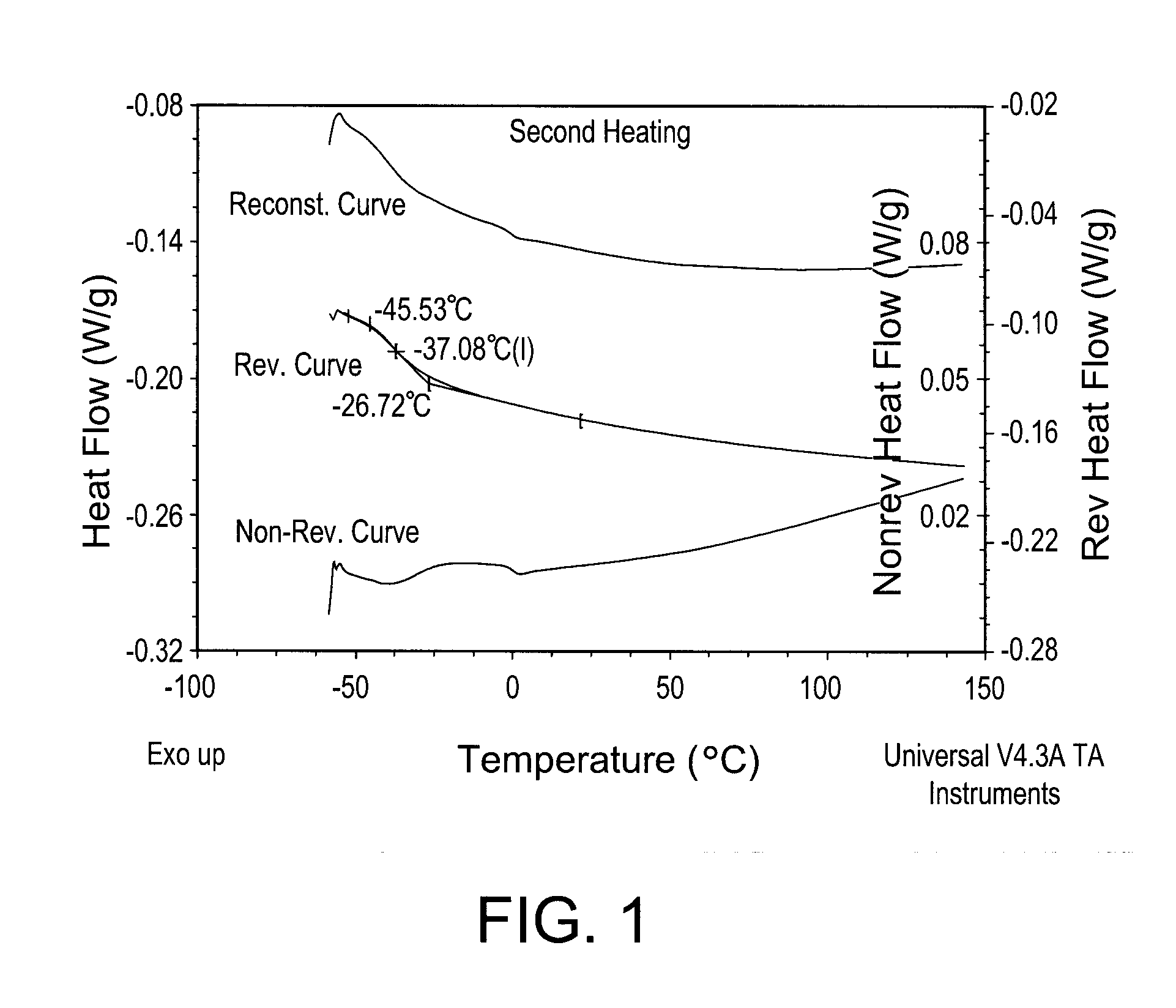
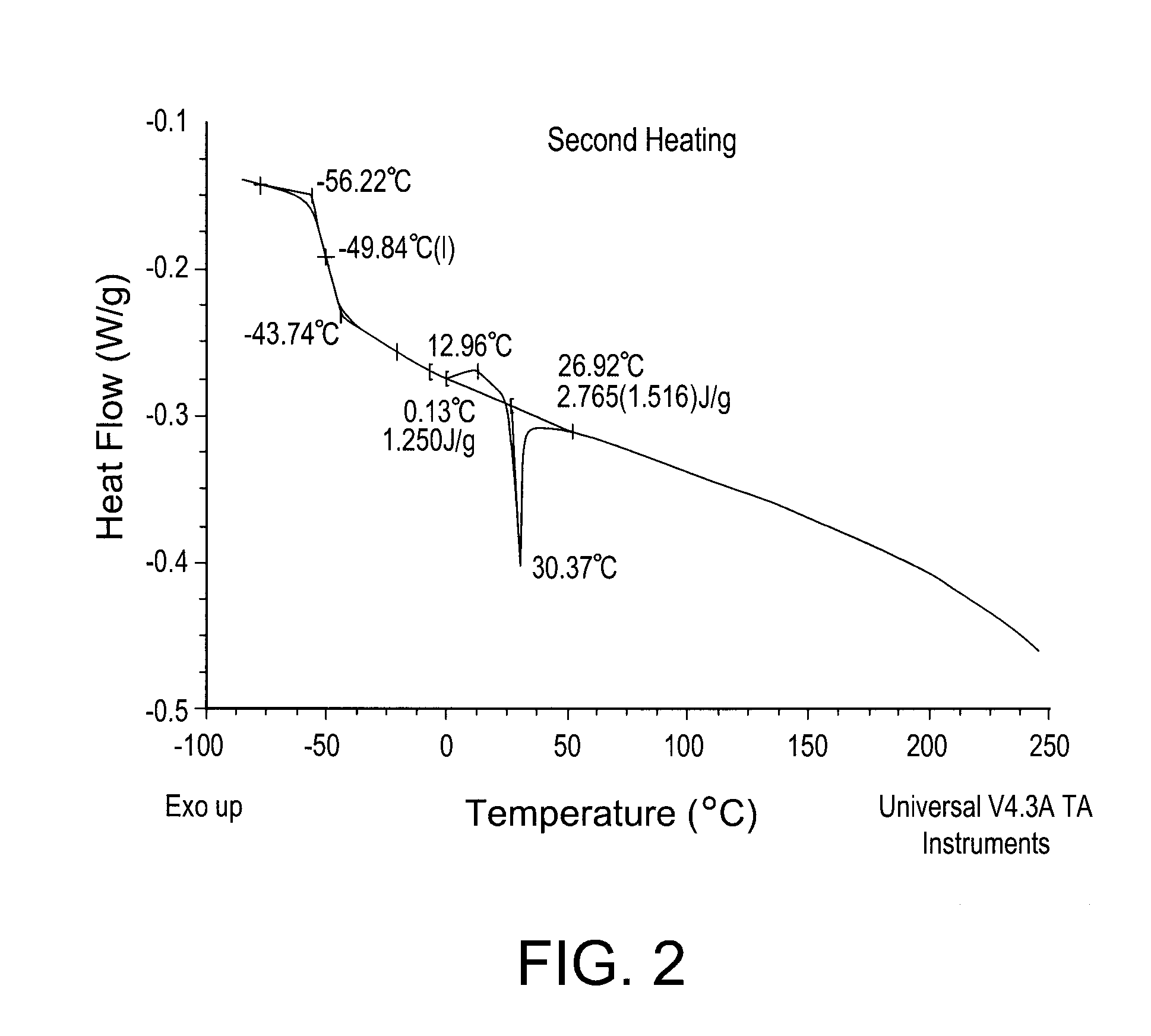
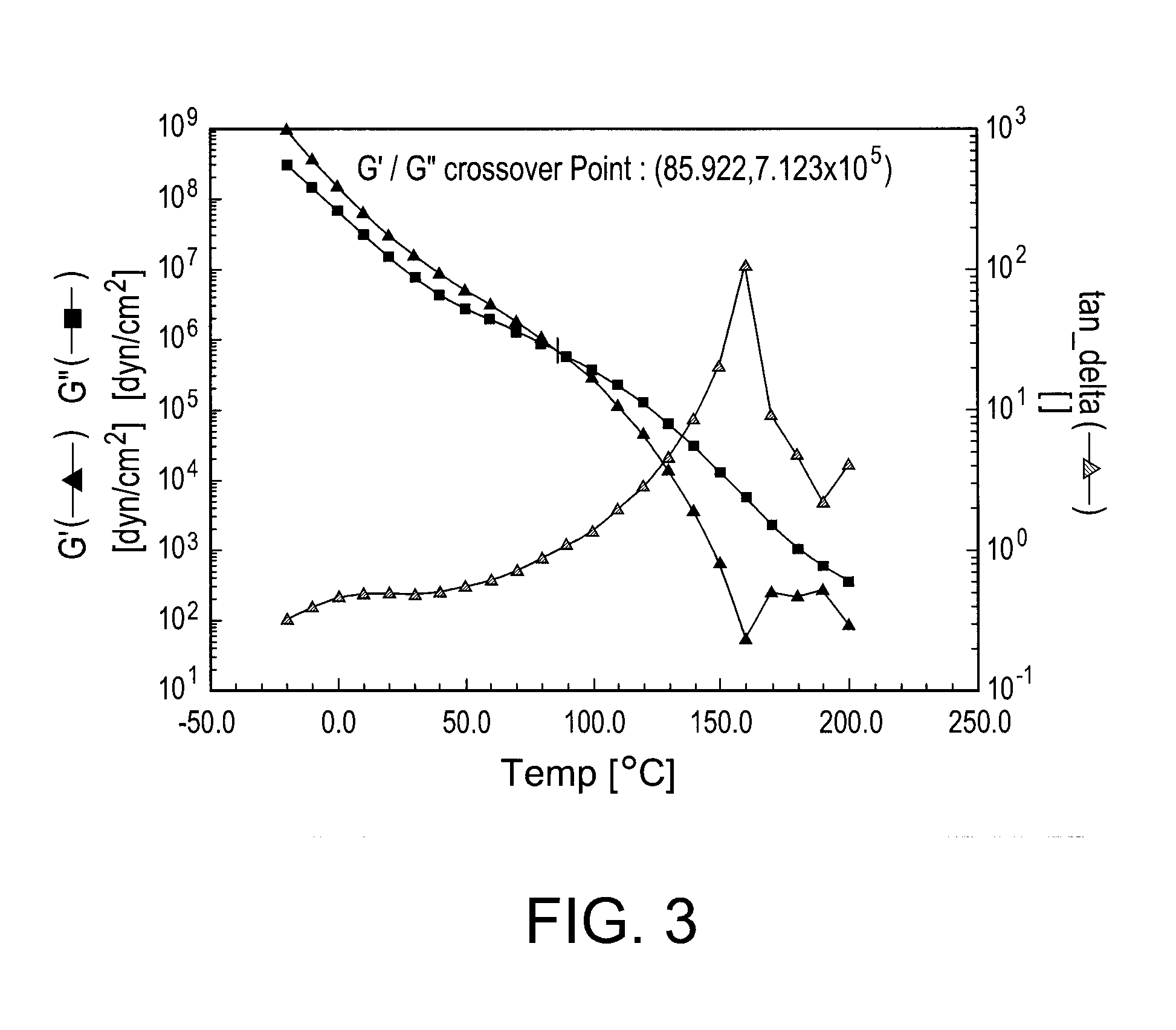
- A process for forming a substantially solvent-free aqueous polyurethane dispersion by reacting polyisocyanate, polyol, isocyanate-reactive compounds with ionic groups, and chain terminating agents, followed by neutralization and dispersion in water, to create a stable, ionically conducting polyurethane polymer suitable for coatings and adhesives.

Solvent-free polyrethane-polymer-hybrid-dispersion and use thereof
PatentInactiveUS6787596B1
Innovation
- A solvent-free polyurethane-polymer hybrid dispersion is developed through a multistage process involving the preparation of a polyurethane base dispersion and subsequent hybridization with monomers and initiators, achieving high solids content and excellent mechanical properties without the need for volatile organic compounds (VOCs).
Environmental Regulations Impact on PU Cost Structure
Environmental regulations have fundamentally reshaped the cost structure of polyurethane manufacturing, creating a significant economic divide between waterborne dispersions and traditional solvent-based systems. The implementation of stringent volatile organic compound (VOC) emission standards, particularly in developed markets, has imposed substantial compliance costs on solvent-based PU production facilities. These regulations typically mandate expensive air treatment systems, including thermal oxidizers and solvent recovery units, which can represent 15-25% of total capital investment for new manufacturing plants.
The regulatory landscape varies significantly across global markets, creating complex cost implications for multinational PU manufacturers. European REACH regulations and the Industrial Emissions Directive have established some of the world's most stringent requirements, while emerging markets often maintain more lenient standards. This regulatory disparity influences production location decisions and creates competitive advantages for waterborne PU technologies in highly regulated jurisdictions.
Carbon pricing mechanisms and emissions trading systems have introduced additional cost pressures on solvent-based PU production. The European Union's Emissions Trading System, for instance, directly impacts manufacturing costs through carbon allowance requirements. These mechanisms typically add $2-5 per kilogram to solvent-based PU production costs, while waterborne dispersions face minimal carbon pricing impact due to their lower process energy requirements and reduced emissions profile.
Waste disposal regulations have created another significant cost differential between the two technologies. Solvent-based systems generate hazardous waste streams requiring specialized treatment and disposal, with costs ranging from $200-800 per ton depending on solvent type and regional regulations. Waterborne PU production generates primarily aqueous waste streams that can often be treated through conventional wastewater treatment systems at substantially lower costs.
The regulatory trend toward extended producer responsibility and circular economy principles is reshaping long-term cost structures. New regulations requiring manufacturers to account for end-of-life product management costs favor waterborne PU systems due to their reduced environmental impact and easier recyclability. These emerging requirements are expected to add 3-8% to total product lifecycle costs for solvent-based systems over the next decade.
Compliance monitoring and reporting requirements impose ongoing operational costs that disproportionately affect solvent-based PU manufacturers. Regular emissions testing, environmental audits, and regulatory reporting can add $50,000-200,000 annually to facility operating costs, depending on production scale and regulatory complexity.
The regulatory landscape varies significantly across global markets, creating complex cost implications for multinational PU manufacturers. European REACH regulations and the Industrial Emissions Directive have established some of the world's most stringent requirements, while emerging markets often maintain more lenient standards. This regulatory disparity influences production location decisions and creates competitive advantages for waterborne PU technologies in highly regulated jurisdictions.
Carbon pricing mechanisms and emissions trading systems have introduced additional cost pressures on solvent-based PU production. The European Union's Emissions Trading System, for instance, directly impacts manufacturing costs through carbon allowance requirements. These mechanisms typically add $2-5 per kilogram to solvent-based PU production costs, while waterborne dispersions face minimal carbon pricing impact due to their lower process energy requirements and reduced emissions profile.
Waste disposal regulations have created another significant cost differential between the two technologies. Solvent-based systems generate hazardous waste streams requiring specialized treatment and disposal, with costs ranging from $200-800 per ton depending on solvent type and regional regulations. Waterborne PU production generates primarily aqueous waste streams that can often be treated through conventional wastewater treatment systems at substantially lower costs.
The regulatory trend toward extended producer responsibility and circular economy principles is reshaping long-term cost structures. New regulations requiring manufacturers to account for end-of-life product management costs favor waterborne PU systems due to their reduced environmental impact and easier recyclability. These emerging requirements are expected to add 3-8% to total product lifecycle costs for solvent-based systems over the next decade.
Compliance monitoring and reporting requirements impose ongoing operational costs that disproportionately affect solvent-based PU manufacturers. Regular emissions testing, environmental audits, and regulatory reporting can add $50,000-200,000 annually to facility operating costs, depending on production scale and regulatory complexity.
Economic Analysis Framework for PU Technology Selection
The economic analysis framework for polyurethane technology selection requires a comprehensive evaluation methodology that encompasses both direct and indirect cost factors. This framework establishes standardized criteria for comparing water-based polyurethane dispersions against traditional solvent-based systems across multiple economic dimensions.
Initial capital expenditure analysis forms the foundation of this framework, examining equipment costs, facility modifications, and infrastructure requirements. Water-based systems typically demand specialized mixing equipment and temperature-controlled storage facilities, while solvent-based systems require explosion-proof equipment and enhanced ventilation systems. The framework incorporates depreciation schedules and financing costs to provide accurate capital cost comparisons.
Operational cost evaluation represents the core component of this economic framework. Raw material costs constitute the primary variable, with polyurethane dispersions generally commanding premium pricing due to complex manufacturing processes. However, solvent-based systems incur additional costs through organic solvent procurement and handling requirements. The framework standardizes cost calculations per unit of final product to enable direct comparison.
Labor cost analysis within this framework addresses productivity differences between technologies. Solvent-based systems often require specialized handling procedures and extended drying times, impacting throughput rates. Conversely, water-based systems may demand more precise application techniques but offer faster processing cycles. The framework quantifies these productivity variations through time-motion studies and efficiency metrics.
Environmental compliance costs represent an increasingly significant economic factor. The framework incorporates regulatory compliance expenses, including air emission monitoring, waste disposal fees, and potential carbon taxation. Solvent-based systems face escalating regulatory pressures, while water-based alternatives benefit from environmental incentives and reduced compliance burdens.
Risk assessment integration provides the framework with forward-looking economic perspective. Volatile organic compound regulations, raw material price fluctuations, and supply chain disruptions are quantified through probability-weighted cost scenarios. This approach enables decision-makers to evaluate long-term economic sustainability beyond immediate cost considerations.
The framework concludes with total cost of ownership calculations, incorporating all identified cost elements across projected product lifecycles. Sensitivity analysis capabilities allow for scenario modeling under varying market conditions, regulatory environments, and production volumes, ensuring robust economic decision-making for polyurethane technology selection.
Initial capital expenditure analysis forms the foundation of this framework, examining equipment costs, facility modifications, and infrastructure requirements. Water-based systems typically demand specialized mixing equipment and temperature-controlled storage facilities, while solvent-based systems require explosion-proof equipment and enhanced ventilation systems. The framework incorporates depreciation schedules and financing costs to provide accurate capital cost comparisons.
Operational cost evaluation represents the core component of this economic framework. Raw material costs constitute the primary variable, with polyurethane dispersions generally commanding premium pricing due to complex manufacturing processes. However, solvent-based systems incur additional costs through organic solvent procurement and handling requirements. The framework standardizes cost calculations per unit of final product to enable direct comparison.
Labor cost analysis within this framework addresses productivity differences between technologies. Solvent-based systems often require specialized handling procedures and extended drying times, impacting throughput rates. Conversely, water-based systems may demand more precise application techniques but offer faster processing cycles. The framework quantifies these productivity variations through time-motion studies and efficiency metrics.
Environmental compliance costs represent an increasingly significant economic factor. The framework incorporates regulatory compliance expenses, including air emission monitoring, waste disposal fees, and potential carbon taxation. Solvent-based systems face escalating regulatory pressures, while water-based alternatives benefit from environmental incentives and reduced compliance burdens.
Risk assessment integration provides the framework with forward-looking economic perspective. Volatile organic compound regulations, raw material price fluctuations, and supply chain disruptions are quantified through probability-weighted cost scenarios. This approach enables decision-makers to evaluate long-term economic sustainability beyond immediate cost considerations.
The framework concludes with total cost of ownership calculations, incorporating all identified cost elements across projected product lifecycles. Sensitivity analysis capabilities allow for scenario modeling under varying market conditions, regulatory environments, and production volumes, ensuring robust economic decision-making for polyurethane technology selection.
Unlock deeper insights with Patsnap Eureka Quick Research — get a full tech report to explore trends and direct your research. Try now!
Generate Your Research Report Instantly with AI Agent
Supercharge your innovation with Patsnap Eureka AI Agent Platform!