

Post-Quantum Cryptography vs ECC: Impact on Authentication Speed
JUN 2, 20269 MIN READ
Generate Your Research Report Instantly with AI Agent
Patsnap Eureka helps you evaluate technical feasibility & market potential.
Post-Quantum Cryptography Authentication Background and Goals
The emergence of quantum computing represents a paradigm shift that fundamentally threatens the cryptographic foundations of modern digital authentication systems. Traditional public-key cryptography, particularly Elliptic Curve Cryptography (ECC), relies on mathematical problems that are computationally intractable for classical computers but become solvable with sufficiently powerful quantum computers using algorithms like Shor's algorithm. This quantum threat has catalyzed the development of post-quantum cryptography as a critical defense mechanism for future-proofing digital security infrastructure.
Post-quantum cryptography encompasses a diverse family of cryptographic algorithms designed to resist attacks from both classical and quantum computers. Unlike ECC, which derives its security from the discrete logarithm problem over elliptic curves, post-quantum algorithms are built upon mathematical foundations believed to be quantum-resistant, including lattice-based problems, hash-based signatures, code-based cryptography, and multivariate polynomial equations.
The evolution of authentication systems has progressed through several distinct phases, beginning with symmetric key systems in the 1970s, advancing to RSA public-key cryptography in the late 1970s, and subsequently embracing ECC in the 1980s for its superior efficiency. The current transition to post-quantum cryptography represents the fourth major evolutionary leap, driven by the accelerating development of quantum computing capabilities and the recognition that quantum supremacy in cryptographically relevant applications may emerge within the next two decades.
The primary technical objective of post-quantum cryptography implementation is to maintain or enhance security levels while minimizing performance degradation in authentication processes. This involves achieving computational efficiency comparable to existing ECC systems, ensuring interoperability with current network protocols and hardware architectures, and maintaining acceptable memory footprints for resource-constrained environments.
Strategic goals encompass establishing quantum-resistant authentication frameworks that can seamlessly integrate with existing infrastructure while providing long-term security assurance. Organizations must balance the urgency of quantum threat mitigation against the practical constraints of deployment timelines, computational overhead, and system compatibility requirements.
The standardization efforts led by NIST have identified several promising post-quantum algorithms, including CRYSTALS-Kyber for key encapsulation, CRYSTALS-Dilithium for digital signatures, and FALCON for signature schemes requiring smaller signatures. These algorithms represent the culmination of extensive cryptanalysis and performance optimization efforts aimed at creating practical quantum-resistant alternatives to current cryptographic standards.
Post-quantum cryptography encompasses a diverse family of cryptographic algorithms designed to resist attacks from both classical and quantum computers. Unlike ECC, which derives its security from the discrete logarithm problem over elliptic curves, post-quantum algorithms are built upon mathematical foundations believed to be quantum-resistant, including lattice-based problems, hash-based signatures, code-based cryptography, and multivariate polynomial equations.
The evolution of authentication systems has progressed through several distinct phases, beginning with symmetric key systems in the 1970s, advancing to RSA public-key cryptography in the late 1970s, and subsequently embracing ECC in the 1980s for its superior efficiency. The current transition to post-quantum cryptography represents the fourth major evolutionary leap, driven by the accelerating development of quantum computing capabilities and the recognition that quantum supremacy in cryptographically relevant applications may emerge within the next two decades.
The primary technical objective of post-quantum cryptography implementation is to maintain or enhance security levels while minimizing performance degradation in authentication processes. This involves achieving computational efficiency comparable to existing ECC systems, ensuring interoperability with current network protocols and hardware architectures, and maintaining acceptable memory footprints for resource-constrained environments.
Strategic goals encompass establishing quantum-resistant authentication frameworks that can seamlessly integrate with existing infrastructure while providing long-term security assurance. Organizations must balance the urgency of quantum threat mitigation against the practical constraints of deployment timelines, computational overhead, and system compatibility requirements.
The standardization efforts led by NIST have identified several promising post-quantum algorithms, including CRYSTALS-Kyber for key encapsulation, CRYSTALS-Dilithium for digital signatures, and FALCON for signature schemes requiring smaller signatures. These algorithms represent the culmination of extensive cryptanalysis and performance optimization efforts aimed at creating practical quantum-resistant alternatives to current cryptographic standards.
Market Demand for Quantum-Resistant Authentication Systems
The global cybersecurity landscape is experiencing unprecedented transformation as quantum computing advances threaten the foundation of current cryptographic systems. Organizations across industries are recognizing that traditional encryption methods, including Elliptic Curve Cryptography (ECC), will become vulnerable to quantum attacks, creating an urgent demand for quantum-resistant authentication solutions.
Financial services institutions represent the most immediate and substantial market segment driving demand for post-quantum cryptography. Banks, payment processors, and cryptocurrency exchanges handle trillions of dollars in daily transactions that rely on cryptographic authentication. These organizations face regulatory pressure and fiduciary responsibility to protect customer data and financial assets against future quantum threats. The extended lifecycle of financial infrastructure systems means institutions must begin transitioning now to avoid costly emergency migrations later.
Government and defense sectors constitute another critical demand driver, with national security implications accelerating adoption timelines. Intelligence agencies, military communications, and critical infrastructure operators require authentication systems that can withstand sophisticated quantum-enabled attacks. The classified nature of many government systems creates additional urgency, as compromised authentication could expose sensitive national security information.
Healthcare organizations are emerging as significant market participants due to stringent data protection requirements and the long-term value of medical records. Electronic health records, medical device communications, and telemedicine platforms require robust authentication that will remain secure throughout patient lifetimes. The increasing digitization of healthcare services amplifies the need for quantum-resistant solutions.
Cloud service providers and technology companies face mounting pressure from enterprise customers demanding quantum-safe infrastructure. As businesses migrate critical operations to cloud platforms, they require assurance that authentication mechanisms will remain secure against future quantum threats. This creates cascading demand throughout the technology ecosystem.
The Internet of Things and industrial automation sectors present substantial growth opportunities, despite current cost sensitivity. Smart city infrastructure, autonomous vehicles, and industrial control systems require authentication mechanisms with decades-long operational lifespans. Early adoption in these sectors focuses on high-value applications where security breaches could cause physical harm or significant economic disruption.
Market demand is further intensified by emerging regulatory frameworks mandating quantum-resistant cryptography adoption timelines. Standards organizations and government agencies are establishing compliance requirements that will drive systematic market adoption across multiple industries simultaneously.
Financial services institutions represent the most immediate and substantial market segment driving demand for post-quantum cryptography. Banks, payment processors, and cryptocurrency exchanges handle trillions of dollars in daily transactions that rely on cryptographic authentication. These organizations face regulatory pressure and fiduciary responsibility to protect customer data and financial assets against future quantum threats. The extended lifecycle of financial infrastructure systems means institutions must begin transitioning now to avoid costly emergency migrations later.
Government and defense sectors constitute another critical demand driver, with national security implications accelerating adoption timelines. Intelligence agencies, military communications, and critical infrastructure operators require authentication systems that can withstand sophisticated quantum-enabled attacks. The classified nature of many government systems creates additional urgency, as compromised authentication could expose sensitive national security information.
Healthcare organizations are emerging as significant market participants due to stringent data protection requirements and the long-term value of medical records. Electronic health records, medical device communications, and telemedicine platforms require robust authentication that will remain secure throughout patient lifetimes. The increasing digitization of healthcare services amplifies the need for quantum-resistant solutions.
Cloud service providers and technology companies face mounting pressure from enterprise customers demanding quantum-safe infrastructure. As businesses migrate critical operations to cloud platforms, they require assurance that authentication mechanisms will remain secure against future quantum threats. This creates cascading demand throughout the technology ecosystem.
The Internet of Things and industrial automation sectors present substantial growth opportunities, despite current cost sensitivity. Smart city infrastructure, autonomous vehicles, and industrial control systems require authentication mechanisms with decades-long operational lifespans. Early adoption in these sectors focuses on high-value applications where security breaches could cause physical harm or significant economic disruption.
Market demand is further intensified by emerging regulatory frameworks mandating quantum-resistant cryptography adoption timelines. Standards organizations and government agencies are establishing compliance requirements that will drive systematic market adoption across multiple industries simultaneously.
Current State and Speed Challenges of PQC vs ECC
The current cryptographic landscape is experiencing a fundamental shift as organizations prepare for the quantum computing era. Elliptic Curve Cryptography (ECC) remains the dominant standard for digital authentication, offering robust security with relatively compact key sizes and efficient processing speeds. However, the looming threat of quantum computers capable of breaking ECC through Shor's algorithm has accelerated the development and deployment of Post-Quantum Cryptography (PQC) solutions.
ECC currently delivers exceptional performance in authentication scenarios, with signature generation typically completing within microseconds and verification processes achieving sub-millisecond latencies. The NIST P-256 curve, widely adopted across enterprise systems, maintains signature sizes of approximately 64 bytes while providing 128-bit security levels. This efficiency has made ECC the preferred choice for resource-constrained environments, mobile applications, and high-throughput authentication systems.
In contrast, NIST-standardized PQC algorithms present significant performance trade-offs. CRYSTALS-Dilithium, the primary digital signature standard, generates signatures ranging from 2,420 to 4,595 bytes depending on the security parameter set. While signature generation remains competitive with ECC, verification processes can be 2-10 times slower, particularly impacting high-volume authentication scenarios. FALCON offers better performance characteristics but requires more complex implementation considerations.
The speed challenges extend beyond raw computational overhead to encompass network transmission delays and storage requirements. PQC signature sizes create bandwidth bottlenecks in constrained network environments, while increased memory footprints strain embedded systems and IoT devices. Certificate chain validation, critical for PKI infrastructure, experiences multiplicative performance degradation due to larger certificate sizes and slower verification algorithms.
Current hybrid approaches attempt to mitigate these challenges by combining ECC and PQC signatures, providing quantum resistance while maintaining backward compatibility. However, this strategy doubles the computational and storage overhead, creating additional performance penalties. Organizations face the complex challenge of balancing immediate operational efficiency against future quantum threats, with many adopting gradual migration strategies that prioritize critical systems while maintaining ECC for performance-sensitive applications.
The performance gap between ECC and PQC represents the most significant barrier to widespread quantum-safe adoption, requiring careful architectural considerations and potential infrastructure upgrades to maintain acceptable authentication speeds in post-quantum environments.
ECC currently delivers exceptional performance in authentication scenarios, with signature generation typically completing within microseconds and verification processes achieving sub-millisecond latencies. The NIST P-256 curve, widely adopted across enterprise systems, maintains signature sizes of approximately 64 bytes while providing 128-bit security levels. This efficiency has made ECC the preferred choice for resource-constrained environments, mobile applications, and high-throughput authentication systems.
In contrast, NIST-standardized PQC algorithms present significant performance trade-offs. CRYSTALS-Dilithium, the primary digital signature standard, generates signatures ranging from 2,420 to 4,595 bytes depending on the security parameter set. While signature generation remains competitive with ECC, verification processes can be 2-10 times slower, particularly impacting high-volume authentication scenarios. FALCON offers better performance characteristics but requires more complex implementation considerations.
The speed challenges extend beyond raw computational overhead to encompass network transmission delays and storage requirements. PQC signature sizes create bandwidth bottlenecks in constrained network environments, while increased memory footprints strain embedded systems and IoT devices. Certificate chain validation, critical for PKI infrastructure, experiences multiplicative performance degradation due to larger certificate sizes and slower verification algorithms.
Current hybrid approaches attempt to mitigate these challenges by combining ECC and PQC signatures, providing quantum resistance while maintaining backward compatibility. However, this strategy doubles the computational and storage overhead, creating additional performance penalties. Organizations face the complex challenge of balancing immediate operational efficiency against future quantum threats, with many adopting gradual migration strategies that prioritize critical systems while maintaining ECC for performance-sensitive applications.
The performance gap between ECC and PQC represents the most significant barrier to widespread quantum-safe adoption, requiring careful architectural considerations and potential infrastructure upgrades to maintain acceptable authentication speeds in post-quantum environments.
Existing Authentication Speed Optimization Solutions
01 Post-quantum cryptographic algorithm implementation and optimization
Methods and systems for implementing post-quantum cryptographic algorithms with enhanced performance characteristics. These approaches focus on optimizing computational efficiency while maintaining security against quantum computing threats. The implementations include lattice-based, hash-based, and code-based cryptographic schemes designed to replace traditional cryptographic methods.- Post-quantum cryptographic algorithm implementation and optimization: Methods and systems for implementing post-quantum cryptographic algorithms with enhanced performance characteristics. These approaches focus on optimizing computational efficiency while maintaining security against quantum computing threats. The implementations include lattice-based, hash-based, and code-based cryptographic schemes designed to replace traditional cryptographic methods.
- ECC authentication speed enhancement techniques: Techniques for improving the performance and speed of elliptic curve cryptography authentication processes. These methods involve optimized curve operations, efficient scalar multiplication algorithms, and hardware acceleration approaches to reduce authentication latency while maintaining cryptographic strength.
- Hybrid cryptographic systems combining post-quantum and traditional methods: Systems that integrate both post-quantum cryptographic algorithms and traditional methods like ECC to provide transitional security solutions. These hybrid approaches balance performance requirements with quantum-resistant security, allowing for gradual migration from classical to post-quantum cryptography.
- Performance benchmarking and comparison frameworks: Frameworks and methodologies for evaluating and comparing the computational performance of different cryptographic authentication schemes. These systems provide standardized testing environments to measure authentication speed, resource utilization, and scalability between various cryptographic approaches.
- Hardware acceleration and optimization for cryptographic operations: Hardware-based solutions and optimizations designed to accelerate cryptographic computations for both post-quantum and elliptic curve cryptography. These implementations utilize specialized processors, dedicated cryptographic units, and parallel processing architectures to improve authentication throughput and reduce latency.
02 ECC authentication speed enhancement techniques
Techniques for improving the computational speed and efficiency of elliptic curve cryptography authentication processes. These methods involve optimized curve selection, efficient scalar multiplication algorithms, and hardware acceleration approaches to reduce authentication latency while maintaining cryptographic strength.Expand Specific Solutions03 Hybrid cryptographic systems combining post-quantum and classical methods
Systems that integrate both post-quantum cryptographic algorithms and traditional methods to provide transitional security solutions. These hybrid approaches balance performance requirements with quantum-resistant security, allowing for gradual migration from classical to post-quantum cryptography.Expand Specific Solutions04 Performance benchmarking and comparison frameworks
Methodologies and systems for evaluating and comparing the performance characteristics of different cryptographic authentication schemes. These frameworks assess computational overhead, memory usage, and processing time to determine optimal cryptographic solutions for specific applications and use cases.Expand Specific Solutions05 Hardware acceleration and implementation optimization
Hardware-based solutions and optimization techniques for accelerating cryptographic operations in both post-quantum and elliptic curve cryptography systems. These implementations focus on specialized processors, dedicated cryptographic units, and parallel processing architectures to improve authentication speed and efficiency.Expand Specific Solutions
Key Players in Post-Quantum Cryptography Industry
The post-quantum cryptography versus ECC authentication speed landscape represents an emerging competitive arena driven by the imminent quantum computing threat. The industry is in early transition phase, with organizations like Origin Quantum Computing Technology and IBM advancing quantum capabilities that will eventually compromise ECC security. Market adoption remains nascent as enterprises weigh performance trade-offs against future security needs. Technology maturity varies significantly across players: established semiconductor companies like Samsung Electronics, Huawei Technologies, and Texas Instruments are integrating PQC algorithms into hardware, while specialized firms like InfoSec Global and Cryptography Research focus on cryptographic implementations. Traditional infrastructure providers including Siemens AG, Thales DIS France, and Hitachi are developing hybrid solutions. The competitive landscape shows convergence between quantum research entities, semiconductor manufacturers, and cybersecurity specialists, indicating a multi-faceted approach to addressing authentication speed challenges in the post-quantum era.
Thales DIS France SA
Technical Solution: Thales has developed quantum-resistant authentication solutions specifically for critical infrastructure and defense applications, implementing a multi-layered approach combining isogeny-based and lattice-based post-quantum cryptography. Their system utilizes SIKE (Supersingular Isogeny Key Encapsulation) for key exchange and dilithium signatures for authentication, with fallback mechanisms to traditional ECC for backward compatibility. Performance analysis shows authentication latency of 8-15 milliseconds for full post-quantum operations versus 1-3 milliseconds for ECC-based systems. Thales' implementation includes specialized hardware security modules (HSMs) optimized for post-quantum operations, featuring dedicated arithmetic units for polynomial operations and advanced side-channel attack protection. The solution supports hybrid modes allowing gradual migration from ECC to PQC.
Strengths: Extensive experience in high-security applications and robust hardware security module technology. Weaknesses: Higher implementation complexity and significant performance degradation compared to traditional cryptographic methods.
Huawei Technologies Co., Ltd.
Technical Solution: Huawei has developed comprehensive post-quantum cryptography solutions integrated into their 5G and cloud infrastructure platforms. Their approach focuses on hybrid cryptographic systems that combine traditional ECC with lattice-based post-quantum algorithms like CRYSTALS-Kyber for key encapsulation and CRYSTALS-Dilithium for digital signatures. The company has implemented quantum-safe authentication protocols in their enterprise networking equipment, achieving authentication speeds within 2-5 milliseconds for PQC compared to sub-millisecond ECC performance. Their solution includes hardware acceleration modules specifically designed for post-quantum operations, reducing the computational overhead by approximately 60% compared to software-only implementations.
Strengths: Strong hardware integration capabilities and extensive 5G infrastructure deployment experience. Weaknesses: Higher computational complexity and increased key sizes compared to traditional ECC solutions.
Core Innovations in Fast Post-Quantum Authentication
Encryption computing method, encryption device, and computer program
PatentInactiveEP1796061A1
Innovation
- The implementation of halving operations in hyperelliptic curve cryptography, similar to those in elliptic curve cryptography, to reduce the complexity of scalar multiplication, using specific curve parameters and table-lookup methods to optimize computations.


Authentication method employing elliptic curve cryptography
PatentInactiveUS8117447B2
Innovation
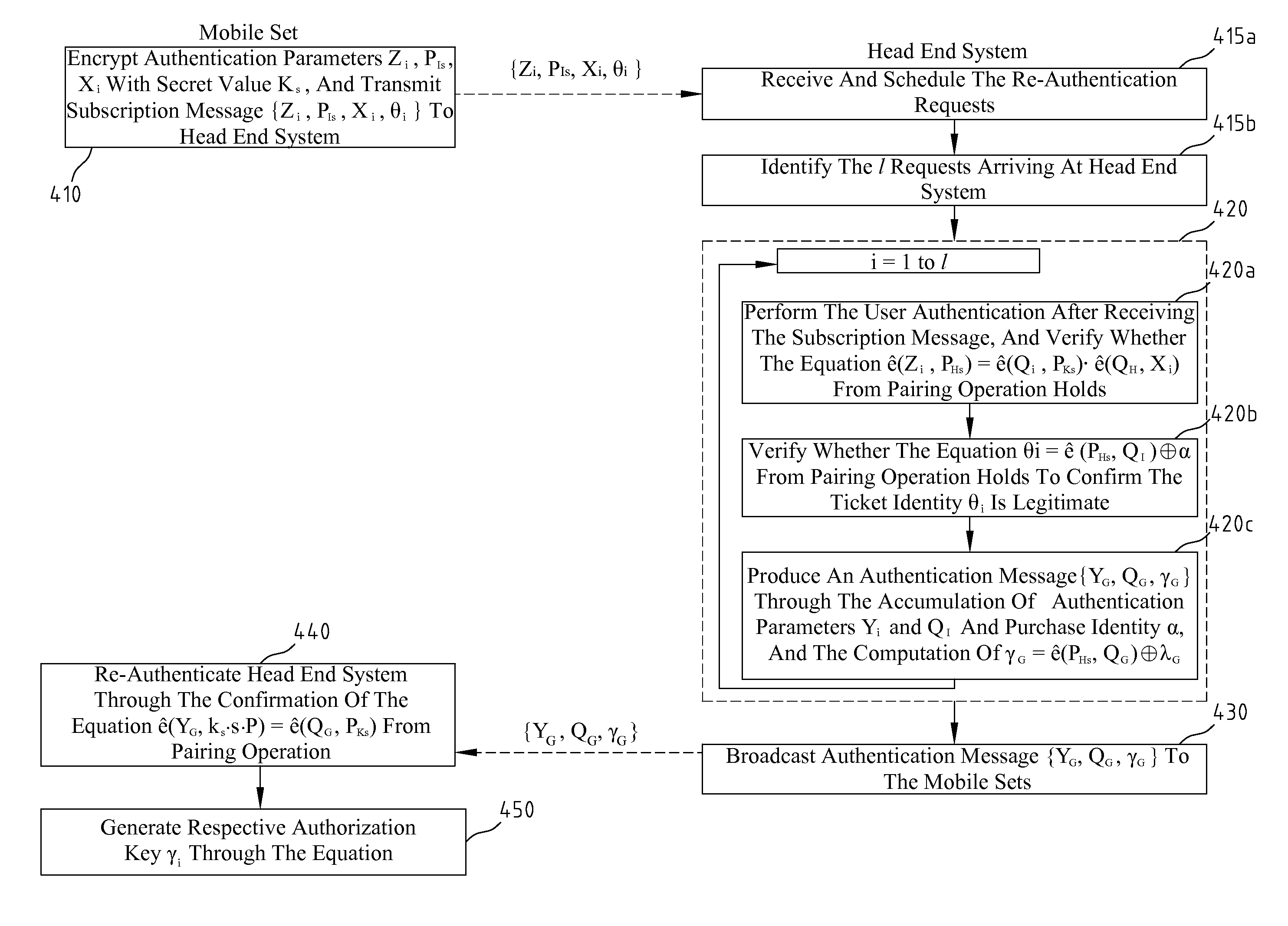
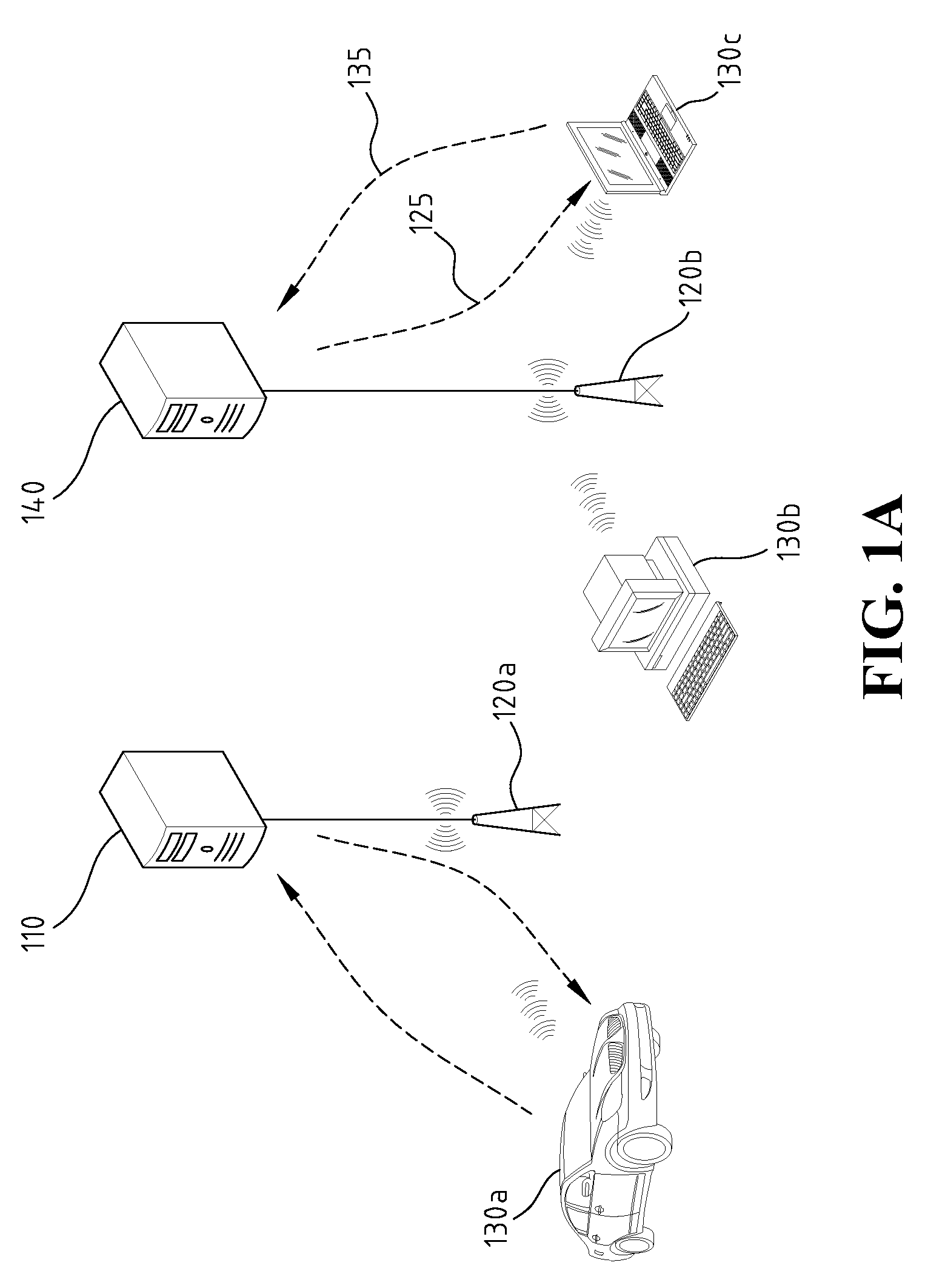
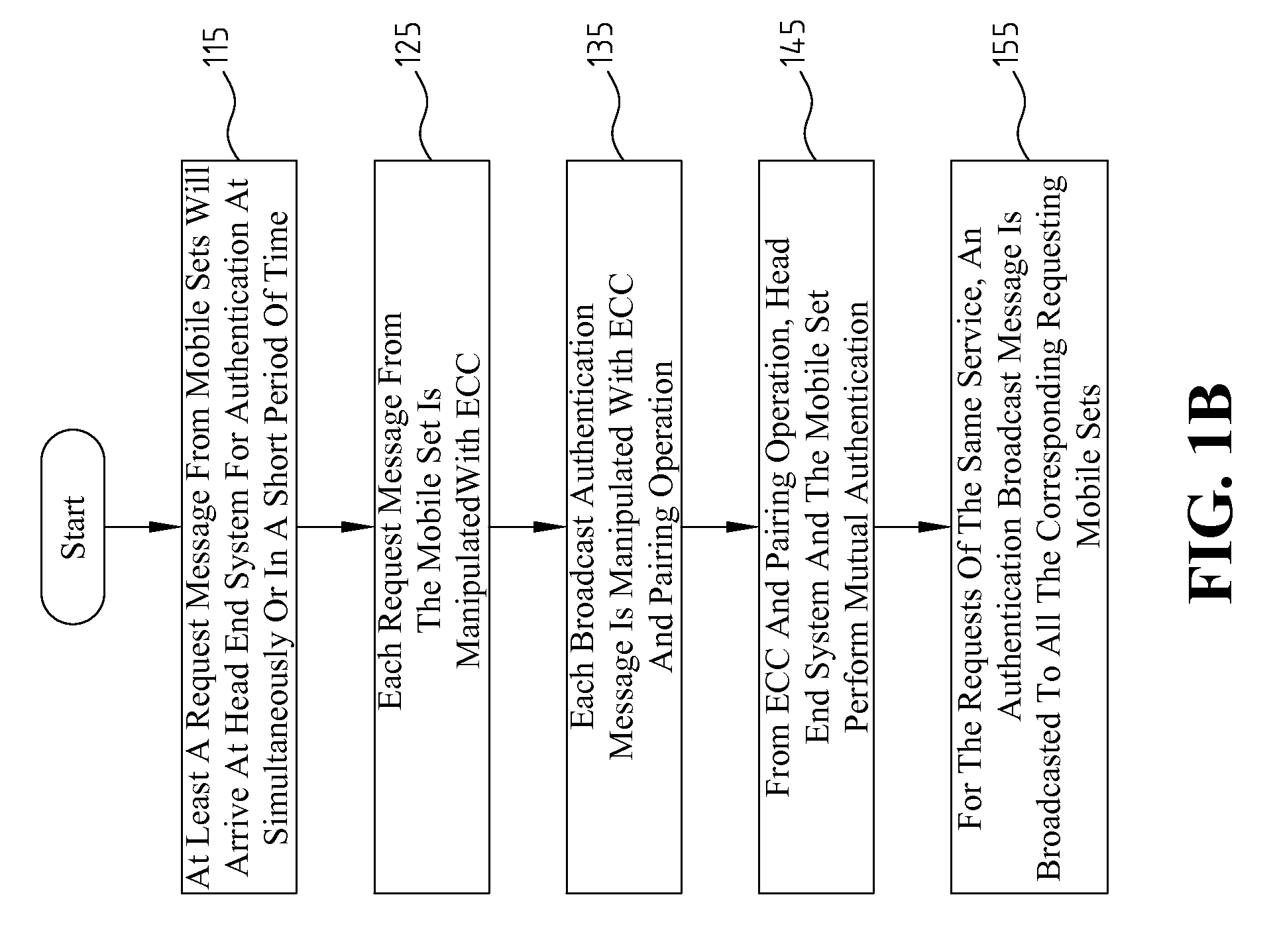
- An authentication method employing Elliptic Curve Cryptography (ECC) and bilinear pairing operations is introduced, enabling one-to-many authentication message broadcast, ensuring secure mutual authentication between head end systems and mobile sets, while efficiently managing simultaneous service requests through ECC-based point addition and pairing operations.

Standardization and Compliance for PQC Implementation
The transition from Elliptic Curve Cryptography (ECC) to Post-Quantum Cryptography (PQC) presents significant standardization challenges that directly impact authentication speed implementation across various industries. Current standardization efforts are primarily led by the National Institute of Standards and Technology (NIST), which has established a comprehensive framework for PQC algorithm evaluation and adoption. The NIST Post-Quantum Cryptography Standardization process has identified key algorithms including CRYSTALS-Kyber for key encapsulation and CRYSTALS-Dilithium for digital signatures, creating foundational standards for industry compliance.
Regulatory compliance requirements vary significantly across sectors, with financial services, healthcare, and government agencies facing the most stringent mandates. The Federal Information Processing Standards (FIPS) 140-2 and Common Criteria evaluations must be updated to accommodate PQC algorithms, requiring extensive testing and validation processes that can impact authentication speed optimization strategies. European Union regulations under the General Data Protection Regulation (GDPR) and emerging quantum-safe cryptography directives add additional compliance layers.
Industry-specific standards organizations are developing sector-tailored guidelines for PQC implementation. The Internet Engineering Task Force (IETF) is updating Transport Layer Security (TLS) protocols to support hybrid classical-quantum cryptographic approaches, enabling gradual migration while maintaining authentication performance benchmarks. Payment Card Industry (PCI) standards are being revised to address quantum-resistant payment authentication systems.
Certification processes for PQC-enabled authentication systems require comprehensive performance testing, including latency measurements, throughput analysis, and resource utilization assessments. Third-party validation laboratories must develop new testing methodologies to evaluate quantum-safe authentication implementations against established speed and security criteria.
International harmonization efforts through ISO/IEC standards development ensure global interoperability of PQC authentication systems. Cross-border compliance frameworks are being established to facilitate seamless authentication across different regulatory jurisdictions while maintaining consistent performance standards. These standardization initiatives directly influence the practical deployment timeline and performance optimization strategies for quantum-resistant authentication technologies.
Regulatory compliance requirements vary significantly across sectors, with financial services, healthcare, and government agencies facing the most stringent mandates. The Federal Information Processing Standards (FIPS) 140-2 and Common Criteria evaluations must be updated to accommodate PQC algorithms, requiring extensive testing and validation processes that can impact authentication speed optimization strategies. European Union regulations under the General Data Protection Regulation (GDPR) and emerging quantum-safe cryptography directives add additional compliance layers.
Industry-specific standards organizations are developing sector-tailored guidelines for PQC implementation. The Internet Engineering Task Force (IETF) is updating Transport Layer Security (TLS) protocols to support hybrid classical-quantum cryptographic approaches, enabling gradual migration while maintaining authentication performance benchmarks. Payment Card Industry (PCI) standards are being revised to address quantum-resistant payment authentication systems.
Certification processes for PQC-enabled authentication systems require comprehensive performance testing, including latency measurements, throughput analysis, and resource utilization assessments. Third-party validation laboratories must develop new testing methodologies to evaluate quantum-safe authentication implementations against established speed and security criteria.
International harmonization efforts through ISO/IEC standards development ensure global interoperability of PQC authentication systems. Cross-border compliance frameworks are being established to facilitate seamless authentication across different regulatory jurisdictions while maintaining consistent performance standards. These standardization initiatives directly influence the practical deployment timeline and performance optimization strategies for quantum-resistant authentication technologies.
Migration Strategy from ECC to Post-Quantum Systems
The migration from ECC to post-quantum cryptographic systems represents one of the most significant security infrastructure transitions in modern computing history. Organizations must develop comprehensive strategies that balance security imperatives with operational continuity, particularly given the substantial performance differences between classical and quantum-resistant algorithms.
A phased migration approach emerges as the most practical strategy for large-scale deployments. The initial phase involves conducting thorough cryptographic inventories to identify all ECC implementations across systems, applications, and embedded devices. This assessment must catalog performance requirements, security levels, and integration dependencies to prioritize migration sequences effectively.
Hybrid cryptographic implementations serve as critical transitional mechanisms during the migration period. These systems simultaneously deploy both ECC and post-quantum algorithms, providing quantum resistance while maintaining compatibility with existing infrastructure. However, hybrid approaches introduce additional computational overhead and complexity, requiring careful optimization to minimize performance degradation during authentication processes.
Algorithm selection strategies must align with specific use cases and performance constraints. For high-frequency authentication scenarios, lattice-based schemes like CRYSTALS-Dilithium offer relatively favorable performance characteristics compared to other post-quantum alternatives. Organizations should establish performance benchmarks and acceptable latency thresholds before selecting specific algorithms for different system components.
Infrastructure modernization becomes essential for supporting post-quantum cryptography's increased computational and storage requirements. Legacy systems may require hardware upgrades or architectural modifications to accommodate larger key sizes and signature lengths. Network protocols must be updated to handle expanded message sizes without compromising communication efficiency.
Testing and validation frameworks should incorporate extensive performance monitoring throughout the migration process. Organizations must establish rollback procedures and maintain parallel systems during critical transition phases. Gradual deployment strategies, beginning with non-critical systems and progressively extending to mission-critical applications, help minimize operational risks while gathering real-world performance data.
Training and knowledge transfer programs ensure technical teams understand the operational implications of post-quantum systems. Migration timelines should account for the learning curve associated with new cryptographic implementations and their impact on system administration and troubleshooting procedures.
A phased migration approach emerges as the most practical strategy for large-scale deployments. The initial phase involves conducting thorough cryptographic inventories to identify all ECC implementations across systems, applications, and embedded devices. This assessment must catalog performance requirements, security levels, and integration dependencies to prioritize migration sequences effectively.
Hybrid cryptographic implementations serve as critical transitional mechanisms during the migration period. These systems simultaneously deploy both ECC and post-quantum algorithms, providing quantum resistance while maintaining compatibility with existing infrastructure. However, hybrid approaches introduce additional computational overhead and complexity, requiring careful optimization to minimize performance degradation during authentication processes.
Algorithm selection strategies must align with specific use cases and performance constraints. For high-frequency authentication scenarios, lattice-based schemes like CRYSTALS-Dilithium offer relatively favorable performance characteristics compared to other post-quantum alternatives. Organizations should establish performance benchmarks and acceptable latency thresholds before selecting specific algorithms for different system components.
Infrastructure modernization becomes essential for supporting post-quantum cryptography's increased computational and storage requirements. Legacy systems may require hardware upgrades or architectural modifications to accommodate larger key sizes and signature lengths. Network protocols must be updated to handle expanded message sizes without compromising communication efficiency.
Testing and validation frameworks should incorporate extensive performance monitoring throughout the migration process. Organizations must establish rollback procedures and maintain parallel systems during critical transition phases. Gradual deployment strategies, beginning with non-critical systems and progressively extending to mission-critical applications, help minimize operational risks while gathering real-world performance data.
Training and knowledge transfer programs ensure technical teams understand the operational implications of post-quantum systems. Migration timelines should account for the learning curve associated with new cryptographic implementations and their impact on system administration and troubleshooting procedures.
Unlock deeper insights with Patsnap Eureka Quick Research — get a full tech report to explore trends and direct your research. Try now!
Generate Your Research Report Instantly with AI Agent
Supercharge your innovation with Patsnap Eureka AI Agent Platform!