

Precision Fermentation for High-Value Lipids: Use Case Overview
MAY 18, 20269 MIN READ
Generate Your Research Report Instantly with AI Agent
PatSnap Eureka helps you evaluate technical feasibility & market potential.
Precision Fermentation Lipid Production Background and Objectives
Precision fermentation represents a revolutionary biotechnology approach that harnesses engineered microorganisms to produce specific compounds with unprecedented accuracy and efficiency. This technology has emerged as a transformative force in the production of high-value lipids, offering a sustainable alternative to traditional extraction and synthesis methods. The field has evolved from basic fermentation processes used for centuries in food production to sophisticated bioengineering platforms capable of producing complex molecular structures.
The historical development of precision fermentation can be traced back to early biotechnology breakthroughs in the 1970s and 1980s, when scientists first began manipulating microbial genetics for industrial applications. The technology gained significant momentum in the 2000s with advances in synthetic biology, CRISPR gene editing, and metabolic engineering. These developments enabled researchers to design microorganisms with enhanced capabilities for producing specific lipid compounds that were previously difficult or impossible to obtain through conventional means.
Current technological evolution trends indicate a shift toward more sophisticated host organisms, including engineered yeasts, bacteria, and algae, each optimized for different types of lipid production. The integration of artificial intelligence and machine learning has accelerated strain development and process optimization, reducing development timelines from years to months. Advanced bioreactor designs and real-time monitoring systems have further enhanced production efficiency and product quality control.
The primary technical objectives driving precision fermentation for high-value lipids center on achieving commercial-scale production of rare and expensive lipid compounds. These include omega-3 fatty acids, specialized triglycerides, phospholipids, and novel lipid structures with pharmaceutical or nutritional applications. Key performance targets include maximizing yield per unit of feedstock, reducing production costs below traditional methods, and ensuring consistent product quality and purity.
Strategic objectives encompass establishing sustainable supply chains independent of natural resource constraints, reducing environmental impact compared to conventional lipid extraction, and enabling the production of lipids that are difficult to source naturally. The technology aims to democratize access to high-value lipids by making them more affordable and readily available for various industrial applications, from pharmaceuticals to specialty foods and cosmetics.
The historical development of precision fermentation can be traced back to early biotechnology breakthroughs in the 1970s and 1980s, when scientists first began manipulating microbial genetics for industrial applications. The technology gained significant momentum in the 2000s with advances in synthetic biology, CRISPR gene editing, and metabolic engineering. These developments enabled researchers to design microorganisms with enhanced capabilities for producing specific lipid compounds that were previously difficult or impossible to obtain through conventional means.
Current technological evolution trends indicate a shift toward more sophisticated host organisms, including engineered yeasts, bacteria, and algae, each optimized for different types of lipid production. The integration of artificial intelligence and machine learning has accelerated strain development and process optimization, reducing development timelines from years to months. Advanced bioreactor designs and real-time monitoring systems have further enhanced production efficiency and product quality control.
The primary technical objectives driving precision fermentation for high-value lipids center on achieving commercial-scale production of rare and expensive lipid compounds. These include omega-3 fatty acids, specialized triglycerides, phospholipids, and novel lipid structures with pharmaceutical or nutritional applications. Key performance targets include maximizing yield per unit of feedstock, reducing production costs below traditional methods, and ensuring consistent product quality and purity.
Strategic objectives encompass establishing sustainable supply chains independent of natural resource constraints, reducing environmental impact compared to conventional lipid extraction, and enabling the production of lipids that are difficult to source naturally. The technology aims to democratize access to high-value lipids by making them more affordable and readily available for various industrial applications, from pharmaceuticals to specialty foods and cosmetics.
Market Demand Analysis for High-Value Lipids via Fermentation
The global market for high-value lipids produced through precision fermentation is experiencing unprecedented growth driven by multiple converging factors. Consumer demand for sustainable alternatives to traditional animal-derived and plant-extracted lipids has intensified significantly, particularly in developed markets where environmental consciousness and health awareness are paramount. This shift is fundamentally reshaping supply chain strategies across food, cosmetics, and pharmaceutical industries.
The food and beverage sector represents the largest market segment, with particular emphasis on specialty oils rich in omega-3 fatty acids, conjugated linoleic acid, and other bioactive compounds. Traditional sources like fish oil face sustainability concerns and supply volatility, creating substantial market opportunities for fermentation-derived alternatives. Plant-based food manufacturers increasingly seek functionally equivalent lipids that can replicate the sensory properties of animal fats while meeting clean-label requirements.
Cosmetic and personal care applications constitute another rapidly expanding segment, where high-value lipids serve as premium ingredients in anti-aging formulations, skin barrier repair products, and luxury skincare lines. The industry's shift toward biotechnology-derived ingredients reflects consumer preferences for sustainable beauty products and regulatory pressures regarding environmental impact.
Pharmaceutical and nutraceutical markets demand highly purified lipid compounds with specific therapeutic properties. Precision fermentation offers superior control over molecular composition compared to extraction methods, enabling production of pharmaceutical-grade lipids with consistent quality profiles. This capability addresses critical supply chain vulnerabilities in drug manufacturing where lipid excipients and active ingredients require stringent purity standards.
Geographic demand patterns reveal strong growth in North American and European markets, driven by regulatory frameworks favoring sustainable biotechnology and consumer willingness to pay premium prices for environmentally responsible products. Asian markets, particularly in developed economies, show increasing adoption rates as awareness of fermentation-derived ingredients grows.
Market dynamics indicate that demand currently outpaces production capacity for many specialized lipid compounds, creating favorable conditions for new market entrants. The convergence of sustainability mandates, supply chain diversification strategies, and technological maturation positions precision fermentation as a transformative solution for meeting evolving market requirements across multiple high-value applications.
The food and beverage sector represents the largest market segment, with particular emphasis on specialty oils rich in omega-3 fatty acids, conjugated linoleic acid, and other bioactive compounds. Traditional sources like fish oil face sustainability concerns and supply volatility, creating substantial market opportunities for fermentation-derived alternatives. Plant-based food manufacturers increasingly seek functionally equivalent lipids that can replicate the sensory properties of animal fats while meeting clean-label requirements.
Cosmetic and personal care applications constitute another rapidly expanding segment, where high-value lipids serve as premium ingredients in anti-aging formulations, skin barrier repair products, and luxury skincare lines. The industry's shift toward biotechnology-derived ingredients reflects consumer preferences for sustainable beauty products and regulatory pressures regarding environmental impact.
Pharmaceutical and nutraceutical markets demand highly purified lipid compounds with specific therapeutic properties. Precision fermentation offers superior control over molecular composition compared to extraction methods, enabling production of pharmaceutical-grade lipids with consistent quality profiles. This capability addresses critical supply chain vulnerabilities in drug manufacturing where lipid excipients and active ingredients require stringent purity standards.
Geographic demand patterns reveal strong growth in North American and European markets, driven by regulatory frameworks favoring sustainable biotechnology and consumer willingness to pay premium prices for environmentally responsible products. Asian markets, particularly in developed economies, show increasing adoption rates as awareness of fermentation-derived ingredients grows.
Market dynamics indicate that demand currently outpaces production capacity for many specialized lipid compounds, creating favorable conditions for new market entrants. The convergence of sustainability mandates, supply chain diversification strategies, and technological maturation positions precision fermentation as a transformative solution for meeting evolving market requirements across multiple high-value applications.
Current Status and Challenges in Precision Fermentation Technology
Precision fermentation technology for high-value lipid production has reached a critical juncture where significant technical achievements coexist with substantial challenges that limit widespread commercial adoption. The current landscape reveals a complex interplay between technological capabilities and practical limitations that define the industry's trajectory.
The technology has demonstrated remarkable progress in strain engineering and metabolic pathway optimization. Advanced genetic engineering tools, including CRISPR-Cas systems and synthetic biology approaches, have enabled the development of microbial hosts capable of producing complex lipids such as omega-3 fatty acids, rare polyunsaturated fatty acids, and specialty triglycerides. Leading organisms include engineered yeasts, bacteria, and microalgae, each offering distinct advantages for specific lipid targets.
However, several critical challenges continue to impede the technology's full potential. Yield optimization remains a primary concern, as many precision fermentation systems struggle to achieve economically viable production levels. The metabolic burden imposed by heterologous lipid biosynthesis pathways often results in reduced cell viability and suboptimal productivity. Additionally, the complexity of lipid molecules frequently leads to incomplete or incorrect assembly, affecting product quality and consistency.
Downstream processing presents another significant hurdle. High-value lipids are often produced in low concentrations within complex cellular matrices, making extraction and purification technically challenging and economically demanding. Traditional separation methods may damage sensitive lipid structures, while advanced purification technologies significantly increase production costs.
Scale-up challenges represent a critical bottleneck in the commercialization process. Laboratory-scale successes often fail to translate effectively to industrial fermentation systems due to mass transfer limitations, oxygen supply constraints, and temperature control difficulties. The sensitivity of lipid-producing microorganisms to environmental fluctuations further complicates large-scale operations.
Regulatory frameworks for precision fermentation-derived lipids remain fragmented across different markets, creating uncertainty for commercial development. The novel nature of these products requires extensive safety assessments and regulatory approvals, extending time-to-market and increasing development costs.
Geographic distribution of precision fermentation capabilities shows concentration in developed markets, particularly North America and Europe, where advanced biotechnology infrastructure and regulatory frameworks support innovation. However, emerging markets are rapidly developing capabilities, driven by growing demand for sustainable lipid alternatives and government support for biotechnology development.
Current technological limitations also include insufficient understanding of complex metabolic networks governing lipid biosynthesis, limiting the ability to predict and optimize production outcomes. Integration challenges between different bioprocess components further constrain overall system efficiency and reliability.
The technology has demonstrated remarkable progress in strain engineering and metabolic pathway optimization. Advanced genetic engineering tools, including CRISPR-Cas systems and synthetic biology approaches, have enabled the development of microbial hosts capable of producing complex lipids such as omega-3 fatty acids, rare polyunsaturated fatty acids, and specialty triglycerides. Leading organisms include engineered yeasts, bacteria, and microalgae, each offering distinct advantages for specific lipid targets.
However, several critical challenges continue to impede the technology's full potential. Yield optimization remains a primary concern, as many precision fermentation systems struggle to achieve economically viable production levels. The metabolic burden imposed by heterologous lipid biosynthesis pathways often results in reduced cell viability and suboptimal productivity. Additionally, the complexity of lipid molecules frequently leads to incomplete or incorrect assembly, affecting product quality and consistency.
Downstream processing presents another significant hurdle. High-value lipids are often produced in low concentrations within complex cellular matrices, making extraction and purification technically challenging and economically demanding. Traditional separation methods may damage sensitive lipid structures, while advanced purification technologies significantly increase production costs.
Scale-up challenges represent a critical bottleneck in the commercialization process. Laboratory-scale successes often fail to translate effectively to industrial fermentation systems due to mass transfer limitations, oxygen supply constraints, and temperature control difficulties. The sensitivity of lipid-producing microorganisms to environmental fluctuations further complicates large-scale operations.
Regulatory frameworks for precision fermentation-derived lipids remain fragmented across different markets, creating uncertainty for commercial development. The novel nature of these products requires extensive safety assessments and regulatory approvals, extending time-to-market and increasing development costs.
Geographic distribution of precision fermentation capabilities shows concentration in developed markets, particularly North America and Europe, where advanced biotechnology infrastructure and regulatory frameworks support innovation. However, emerging markets are rapidly developing capabilities, driven by growing demand for sustainable lipid alternatives and government support for biotechnology development.
Current technological limitations also include insufficient understanding of complex metabolic networks governing lipid biosynthesis, limiting the ability to predict and optimize production outcomes. Integration challenges between different bioprocess components further constrain overall system efficiency and reliability.
Current Fermentation Solutions for High-Value Lipid Production
01 Microbial fermentation systems for lipid production
Advanced fermentation technologies utilizing engineered microorganisms to produce high-value lipids through controlled bioprocesses. These systems optimize fermentation conditions, nutrient supply, and microbial strain performance to maximize lipid yield and quality. The approach involves precision control of temperature, pH, oxygen levels, and feeding strategies to enhance lipid biosynthesis pathways in various microorganisms including bacteria, yeast, and fungi.- Microbial fermentation systems for lipid production: Advanced fermentation technologies utilizing engineered microorganisms to produce high-value lipids through controlled bioprocesses. These systems optimize fermentation conditions, nutrient supply, and microbial strain performance to maximize lipid yield and quality. The approach involves sophisticated bioreactor design and process control to achieve commercial-scale production of specialty lipids.
- Genetic engineering of lipid biosynthetic pathways: Modification of metabolic pathways in microorganisms to enhance the production of specific high-value lipids. This involves engineering key enzymes and regulatory mechanisms to redirect cellular metabolism toward desired lipid compounds. The technology focuses on optimizing gene expression and metabolic flux to achieve efficient conversion of substrates into target lipid products.
- Extraction and purification of fermentation-derived lipids: Downstream processing technologies for recovering and purifying high-value lipids from fermentation broths. These methods include advanced separation techniques, solvent extraction systems, and purification protocols to obtain lipids with high purity and quality. The processes are designed to maintain lipid integrity while achieving efficient recovery rates.
- Optimization of fermentation media and conditions: Development of specialized culture media formulations and fermentation parameters to maximize lipid production efficiency. This includes optimization of carbon and nitrogen sources, pH control, temperature regulation, and oxygen supply to create optimal conditions for lipid-producing microorganisms. The approach focuses on cost-effective media design while maintaining high productivity.
- Scale-up and industrial production processes: Technologies for scaling precision fermentation from laboratory to industrial production levels for high-value lipids. This encompasses bioreactor design, process automation, quality control systems, and production economics optimization. The focus is on maintaining product quality and yield consistency while achieving commercial viability in large-scale operations.
02 Genetic engineering and metabolic pathway optimization
Modification of microbial metabolic pathways through genetic engineering techniques to enhance the production of specific high-value lipids. This involves overexpression of key enzymes, deletion of competing pathways, and introduction of novel biosynthetic routes. The optimization focuses on redirecting carbon flux toward desired lipid products while maintaining cellular viability and productivity.Expand Specific Solutions03 Downstream processing and purification methods
Specialized extraction, separation, and purification techniques designed for recovering high-value lipids from fermentation broths. These methods include advanced separation technologies, solvent extraction systems, and chromatographic purification processes that maintain lipid integrity while achieving high purity levels. The processes are optimized for different lipid types and their specific physicochemical properties.Expand Specific Solutions04 Substrate utilization and feeding strategies
Development of efficient substrate conversion systems and feeding protocols for precision fermentation of high-value lipids. This includes utilization of various carbon sources, waste materials, and renewable feedstocks through optimized feeding strategies. The approach focuses on maximizing substrate conversion efficiency while minimizing production costs and environmental impact.Expand Specific Solutions05 Process monitoring and control systems
Implementation of advanced monitoring and control technologies for real-time optimization of lipid fermentation processes. These systems utilize sensors, analytical methods, and automated control algorithms to maintain optimal fermentation conditions. The technology enables precise control of critical process parameters and early detection of process deviations to ensure consistent product quality and yield.Expand Specific Solutions
Key Players in Precision Fermentation and Lipid Industry
The precision fermentation market for high-value lipids represents an emerging biotechnology sector transitioning from early development to commercial viability, with significant growth potential driven by increasing demand for sustainable alternatives to animal-derived fats. The market encompasses established players like DSM IP Assets BV, Novozymes A/S, and Chr. Hansen A/S leveraging decades of fermentation expertise, alongside specialized innovators such as The EVERY Co. and Nourish Ingredients developing targeted lipid solutions. Technology maturity varies considerably across applications, with companies like Lonza AG and International N&H Denmark ApS demonstrating advanced bioprocessing capabilities, while newer entrants focus on novel precision fermentation approaches. The competitive landscape includes major food corporations like Suntory Holdings and Fuji Oil integrating these technologies into existing product lines, supported by research institutions such as Michigan State University and Dalian Institute of Chemical Physics advancing fundamental science, creating a dynamic ecosystem poised for substantial market expansion.
Novozymes A/S
Technical Solution: Novozymes has developed advanced precision fermentation platforms utilizing engineered microorganisms for high-value lipid production. Their technology focuses on optimizing metabolic pathways in yeast and bacteria to produce specialty fatty acids, omega-3 oils, and structured lipids for food, pharmaceutical, and cosmetic applications. The company employs sophisticated bioprocess optimization techniques including fed-batch fermentation strategies, real-time monitoring systems, and downstream purification processes specifically designed for lipid recovery. Their fermentation systems achieve high productivity rates while maintaining product quality and consistency, with particular expertise in producing polyunsaturated fatty acids and rare lipid compounds that are difficult to obtain through traditional methods.
Strengths: Market-leading enzyme technology expertise, established industrial fermentation infrastructure, strong R&D capabilities in metabolic engineering. Weaknesses: High capital investment requirements, complex regulatory approval processes for novel lipid products.
Lonza AG
Technical Solution: Lonza operates state-of-the-art precision fermentation facilities for producing high-value lipids using genetically modified microorganisms. Their approach combines advanced bioreactor design with proprietary strain development to manufacture specialty lipids including phospholipids, sphingolipids, and custom fatty acid profiles for pharmaceutical and nutraceutical markets. The company's fermentation technology incorporates automated process control systems, optimized media formulations, and scalable production platforms ranging from laboratory to commercial scale. Their lipid production processes emphasize purity and consistency, utilizing specialized extraction and purification techniques to meet stringent quality standards required for therapeutic and high-end consumer applications.
Strengths: Extensive experience in pharmaceutical manufacturing, robust quality control systems, global production network. Weaknesses: Limited focus on cost-competitive commodity lipids, dependency on complex regulatory frameworks.
Core Technologies in Precision Fermentation for Lipids
Enhanced production of lipids containing polyenoic fatty acids by very high density cultures of eukaryotic microbes in fermentors
PatentInactiveEP1707055A3
Innovation
- A process involving a biomass density increasing stage and a lipid production stage with reduced dissolved oxygen levels, using a carbon source and a limiting nutrient source, particularly suitable for microorganisms like algae and yeast, to achieve high biomass density and increased polyunsaturated lipid production without the need for high oxygen levels.


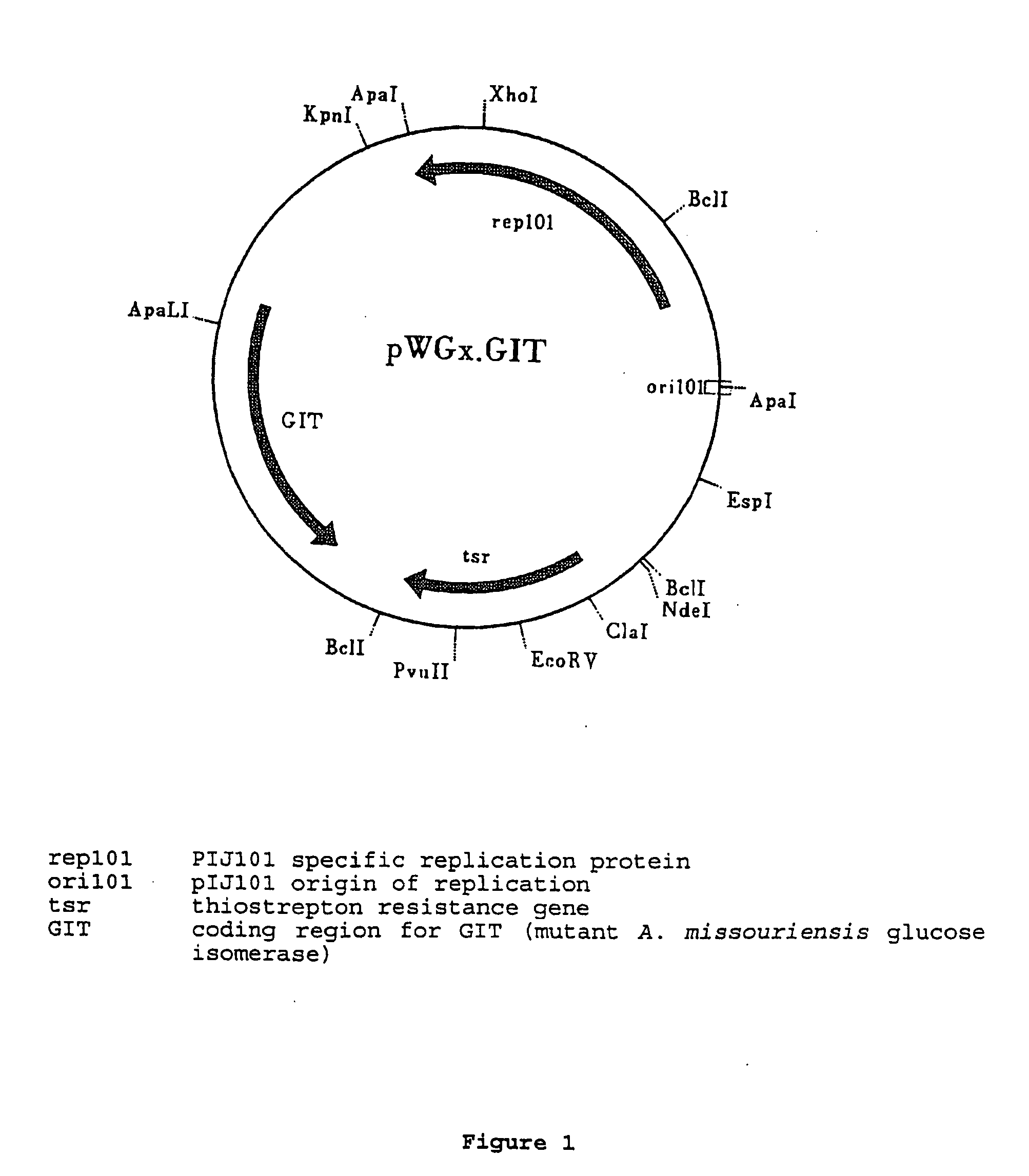
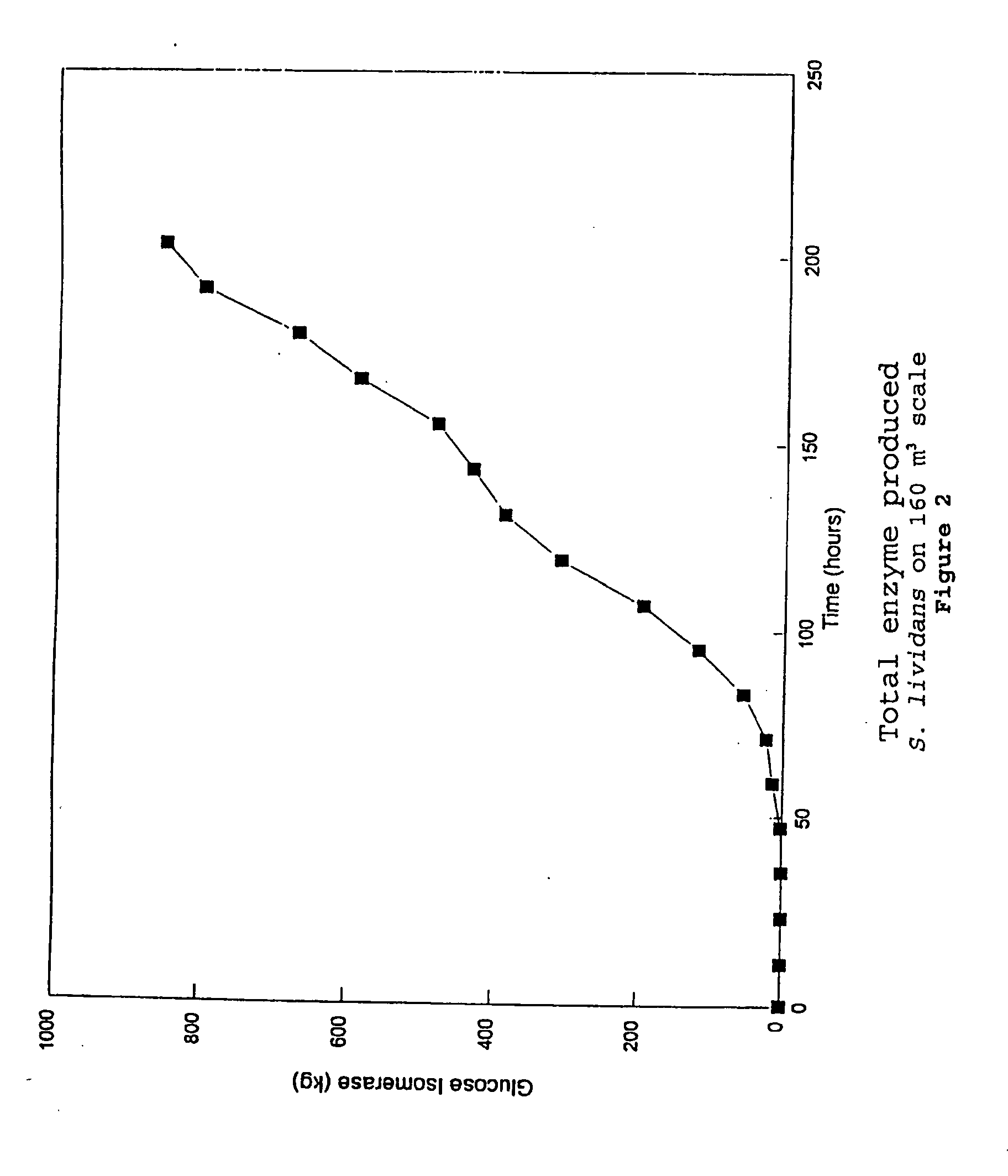
Fermentative production of lipids on an industrial scale using chemically defined media
PatentInactiveUS20140342396A1
Innovation
- The use of chemically defined media for industrial-scale fermentation, combined with mutagenic treatments or DNA transformation to improve microbial strains' growth and production performance, allowing for the production of valuable compounds like metabolites, proteins, or enzymes.
Regulatory Framework for Fermentation-Derived Food Ingredients
The regulatory landscape for fermentation-derived food ingredients represents a complex and evolving framework that significantly impacts the commercialization of precision fermentation technologies for high-value lipids. Current regulatory approaches vary substantially across different jurisdictions, with the United States, European Union, and other major markets each maintaining distinct approval pathways and safety assessment requirements.
In the United States, the FDA primarily regulates fermentation-derived lipids under the Generally Recognized as Safe (GRAS) framework or as food additives requiring pre-market approval. The GRAS pathway offers a more streamlined route for ingredients with established safety profiles, while novel lipids may require extensive toxicological studies and formal food additive petitions. The FDA has demonstrated increasing familiarity with precision fermentation technologies, establishing clearer guidance for manufacturers regarding data requirements and submission processes.
The European Union operates under a more precautionary regulatory approach, requiring novel food applications for most fermentation-derived lipids that lack a history of consumption prior to 1997. The European Food Safety Authority (EFSA) conducts comprehensive safety assessments that typically demand extensive molecular characterization, toxicological data, and allergenicity studies. This process can extend approval timelines significantly compared to other jurisdictions, potentially impacting market entry strategies for precision fermentation companies.
Regulatory harmonization efforts are gradually emerging through international organizations such as Codex Alimentarius, which provides guidance frameworks that individual countries may adopt or adapt. However, significant disparities remain in approval timelines, data requirements, and post-market surveillance obligations across different markets.
Key regulatory considerations for fermentation-derived lipids include demonstrating substantial equivalence to conventional counterparts, establishing appropriate identity and purity specifications, and addressing potential concerns related to genetically modified microorganisms used in production processes. Manufacturers must also navigate labeling requirements, which vary considerably between jurisdictions and may impact consumer acceptance and market positioning strategies.
The regulatory environment continues to evolve as authorities gain experience with precision fermentation technologies, potentially leading to more standardized and efficient approval pathways that could accelerate market adoption of innovative lipid ingredients.
In the United States, the FDA primarily regulates fermentation-derived lipids under the Generally Recognized as Safe (GRAS) framework or as food additives requiring pre-market approval. The GRAS pathway offers a more streamlined route for ingredients with established safety profiles, while novel lipids may require extensive toxicological studies and formal food additive petitions. The FDA has demonstrated increasing familiarity with precision fermentation technologies, establishing clearer guidance for manufacturers regarding data requirements and submission processes.
The European Union operates under a more precautionary regulatory approach, requiring novel food applications for most fermentation-derived lipids that lack a history of consumption prior to 1997. The European Food Safety Authority (EFSA) conducts comprehensive safety assessments that typically demand extensive molecular characterization, toxicological data, and allergenicity studies. This process can extend approval timelines significantly compared to other jurisdictions, potentially impacting market entry strategies for precision fermentation companies.
Regulatory harmonization efforts are gradually emerging through international organizations such as Codex Alimentarius, which provides guidance frameworks that individual countries may adopt or adapt. However, significant disparities remain in approval timelines, data requirements, and post-market surveillance obligations across different markets.
Key regulatory considerations for fermentation-derived lipids include demonstrating substantial equivalence to conventional counterparts, establishing appropriate identity and purity specifications, and addressing potential concerns related to genetically modified microorganisms used in production processes. Manufacturers must also navigate labeling requirements, which vary considerably between jurisdictions and may impact consumer acceptance and market positioning strategies.
The regulatory environment continues to evolve as authorities gain experience with precision fermentation technologies, potentially leading to more standardized and efficient approval pathways that could accelerate market adoption of innovative lipid ingredients.
Sustainability Impact of Precision Fermentation vs Traditional Methods
Precision fermentation represents a paradigm shift in lipid production, offering substantial sustainability advantages over traditional extraction and cultivation methods. The environmental footprint of conventional high-value lipid production, particularly from marine sources like fish oil or specialized plant cultivation, involves significant resource consumption, habitat disruption, and carbon emissions throughout the supply chain.
Traditional omega-3 fatty acid production relies heavily on wild-caught fish, contributing to overfishing concerns and marine ecosystem degradation. The fishing industry's carbon footprint includes fuel consumption for vessels, processing facilities, and cold-chain transportation. Additionally, fish oil extraction yields are relatively low, requiring large volumes of raw materials to produce concentrated lipid products.
Plant-based alternatives, while more sustainable than marine sources, still present environmental challenges. Algae cultivation for high-value lipids typically requires extensive land use, significant water consumption, and energy-intensive harvesting and processing methods. Outdoor cultivation systems are subject to contamination risks and seasonal variations, while closed photobioreactor systems demand substantial energy inputs for lighting and temperature control.
Precision fermentation dramatically reduces these environmental impacts through controlled bioprocessing systems. Engineered microorganisms can produce target lipids in compact bioreactors, eliminating the need for vast cultivation areas or marine resource extraction. The process operates independently of weather conditions and seasonal constraints, enabling consistent year-round production with predictable yields.
Energy efficiency represents another critical sustainability advantage. Modern fermentation facilities can integrate renewable energy sources and implement heat recovery systems to minimize energy consumption. The controlled environment allows for optimization of metabolic pathways, achieving higher conversion rates from feedstock to target products compared to traditional methods.
Water usage in precision fermentation is significantly lower than conventional lipid production. Closed-loop systems enable water recycling and minimize waste generation. The absence of pesticides, fertilizers, or marine ecosystem disruption further enhances the environmental profile of fermentation-based lipid production.
Carbon footprint analysis consistently favors precision fermentation over traditional methods. Reduced transportation requirements, elimination of fishing vessel operations, and optimized production efficiency contribute to lower greenhouse gas emissions. Life cycle assessments indicate potential carbon footprint reductions of 60-80% compared to conventional high-value lipid production methods, positioning precision fermentation as a key technology for sustainable biotechnology advancement.
Traditional omega-3 fatty acid production relies heavily on wild-caught fish, contributing to overfishing concerns and marine ecosystem degradation. The fishing industry's carbon footprint includes fuel consumption for vessels, processing facilities, and cold-chain transportation. Additionally, fish oil extraction yields are relatively low, requiring large volumes of raw materials to produce concentrated lipid products.
Plant-based alternatives, while more sustainable than marine sources, still present environmental challenges. Algae cultivation for high-value lipids typically requires extensive land use, significant water consumption, and energy-intensive harvesting and processing methods. Outdoor cultivation systems are subject to contamination risks and seasonal variations, while closed photobioreactor systems demand substantial energy inputs for lighting and temperature control.
Precision fermentation dramatically reduces these environmental impacts through controlled bioprocessing systems. Engineered microorganisms can produce target lipids in compact bioreactors, eliminating the need for vast cultivation areas or marine resource extraction. The process operates independently of weather conditions and seasonal constraints, enabling consistent year-round production with predictable yields.
Energy efficiency represents another critical sustainability advantage. Modern fermentation facilities can integrate renewable energy sources and implement heat recovery systems to minimize energy consumption. The controlled environment allows for optimization of metabolic pathways, achieving higher conversion rates from feedstock to target products compared to traditional methods.
Water usage in precision fermentation is significantly lower than conventional lipid production. Closed-loop systems enable water recycling and minimize waste generation. The absence of pesticides, fertilizers, or marine ecosystem disruption further enhances the environmental profile of fermentation-based lipid production.
Carbon footprint analysis consistently favors precision fermentation over traditional methods. Reduced transportation requirements, elimination of fishing vessel operations, and optimized production efficiency contribute to lower greenhouse gas emissions. Life cycle assessments indicate potential carbon footprint reductions of 60-80% compared to conventional high-value lipid production methods, positioning precision fermentation as a key technology for sustainable biotechnology advancement.
Unlock deeper insights with PatSnap Eureka Quick Research — get a full tech report to explore trends and direct your research. Try now!
Generate Your Research Report Instantly with AI Agent
Supercharge your innovation with PatSnap Eureka AI Agent Platform!