
Propeller Shaft Motion Study vs Impact on System Dynamics
MAR 12, 20269 MIN READ
Generate Your Research Report Instantly with AI Agent
Patsnap Eureka helps you evaluate technical feasibility & market potential.
Propeller Shaft Dynamics Background and Research Objectives
Propeller shaft systems represent critical mechanical components in marine propulsion, automotive drivetrains, and aerospace applications, where rotational power transmission occurs under complex dynamic conditions. These systems have evolved from simple mechanical linkages to sophisticated engineered assemblies capable of handling high torque loads, variable operating speeds, and multi-directional forces. The fundamental challenge lies in understanding how shaft motion characteristics directly influence overall system performance, reliability, and operational efficiency.
The historical development of propeller shaft technology spans over a century, beginning with basic solid steel shafts in early marine applications to modern composite and hollow shaft designs incorporating advanced materials and precision manufacturing techniques. Early research focused primarily on static strength calculations, but the recognition of dynamic effects emerged as operational speeds increased and system complexity grew. The transition from empirical design approaches to analytical and computational methods marked a significant milestone in shaft system engineering.
Contemporary propeller shaft systems operate within increasingly demanding performance envelopes, requiring precise control of vibrational characteristics, torsional rigidity, and dynamic response. The integration of these systems with modern control technologies, variable-speed drives, and automated positioning systems has elevated the importance of understanding shaft motion dynamics beyond traditional mechanical considerations. This evolution has necessitated comprehensive research into the coupling effects between shaft behavior and broader system dynamics.
The primary research objective centers on establishing quantitative relationships between propeller shaft motion parameters and their cascading effects on system-level dynamic performance. This includes investigating how shaft deflection, torsional oscillation, and lateral vibration modes influence bearing loads, coupling performance, and overall drivetrain efficiency. Understanding these interactions is essential for optimizing system design and predicting long-term operational behavior.
Secondary objectives encompass developing predictive models that can accurately simulate shaft motion under various operating conditions, including transient events, variable load scenarios, and environmental disturbances. The research aims to bridge the gap between component-level shaft analysis and system-level performance prediction, enabling more robust design methodologies and improved operational strategies for complex propulsion systems across multiple industrial applications.
The historical development of propeller shaft technology spans over a century, beginning with basic solid steel shafts in early marine applications to modern composite and hollow shaft designs incorporating advanced materials and precision manufacturing techniques. Early research focused primarily on static strength calculations, but the recognition of dynamic effects emerged as operational speeds increased and system complexity grew. The transition from empirical design approaches to analytical and computational methods marked a significant milestone in shaft system engineering.
Contemporary propeller shaft systems operate within increasingly demanding performance envelopes, requiring precise control of vibrational characteristics, torsional rigidity, and dynamic response. The integration of these systems with modern control technologies, variable-speed drives, and automated positioning systems has elevated the importance of understanding shaft motion dynamics beyond traditional mechanical considerations. This evolution has necessitated comprehensive research into the coupling effects between shaft behavior and broader system dynamics.
The primary research objective centers on establishing quantitative relationships between propeller shaft motion parameters and their cascading effects on system-level dynamic performance. This includes investigating how shaft deflection, torsional oscillation, and lateral vibration modes influence bearing loads, coupling performance, and overall drivetrain efficiency. Understanding these interactions is essential for optimizing system design and predicting long-term operational behavior.
Secondary objectives encompass developing predictive models that can accurately simulate shaft motion under various operating conditions, including transient events, variable load scenarios, and environmental disturbances. The research aims to bridge the gap between component-level shaft analysis and system-level performance prediction, enabling more robust design methodologies and improved operational strategies for complex propulsion systems across multiple industrial applications.
Market Demand for Advanced Propulsion System Analysis
The global propulsion system market is experiencing unprecedented growth driven by increasing demands for enhanced performance, efficiency, and reliability across multiple industries. Marine propulsion systems, particularly those incorporating advanced shaft dynamics analysis capabilities, represent a critical segment within this expanding market landscape. The maritime industry's push toward more sophisticated vessel designs and operational requirements has created substantial demand for propulsion systems that can accurately predict and optimize shaft motion behavior.
Aerospace and defense sectors constitute another major demand driver for advanced propulsion system analysis technologies. Modern aircraft and spacecraft require propulsion systems with exceptional precision in dynamic behavior prediction, where propeller shaft motion studies directly impact overall system performance and safety margins. The growing emphasis on fuel efficiency and reduced emissions has intensified the need for comprehensive system dynamics analysis tools that can optimize propulsion performance across various operating conditions.
Industrial applications, including power generation and heavy machinery, are increasingly adopting advanced propulsion system analysis methodologies. Manufacturing facilities and energy production plants require propulsion systems capable of maintaining optimal performance while minimizing vibration-induced wear and operational disruptions. The integration of real-time shaft motion monitoring and predictive analytics has become essential for maintaining competitive operational efficiency.
The automotive industry's transition toward electric and hybrid propulsion systems has created new market opportunities for advanced system dynamics analysis. Electric vehicle manufacturers require sophisticated understanding of propeller shaft motion impacts on overall drivetrain performance, battery efficiency, and vehicle dynamics. This sector's rapid expansion has generated significant demand for specialized analysis tools and methodologies.
Emerging markets in renewable energy, particularly wind power generation, represent substantial growth opportunities for propulsion system analysis technologies. Wind turbine manufacturers require comprehensive understanding of shaft dynamics under varying environmental conditions to optimize energy capture efficiency and extend operational lifespans. The global expansion of renewable energy infrastructure continues to drive demand for advanced propulsion system analysis capabilities.
The increasing complexity of modern propulsion systems, combined with stricter regulatory requirements for performance and environmental compliance, has elevated the importance of comprehensive system dynamics analysis. Market demand continues to grow as industries recognize the critical role of propeller shaft motion studies in achieving optimal system performance and operational reliability.
Aerospace and defense sectors constitute another major demand driver for advanced propulsion system analysis technologies. Modern aircraft and spacecraft require propulsion systems with exceptional precision in dynamic behavior prediction, where propeller shaft motion studies directly impact overall system performance and safety margins. The growing emphasis on fuel efficiency and reduced emissions has intensified the need for comprehensive system dynamics analysis tools that can optimize propulsion performance across various operating conditions.
Industrial applications, including power generation and heavy machinery, are increasingly adopting advanced propulsion system analysis methodologies. Manufacturing facilities and energy production plants require propulsion systems capable of maintaining optimal performance while minimizing vibration-induced wear and operational disruptions. The integration of real-time shaft motion monitoring and predictive analytics has become essential for maintaining competitive operational efficiency.
The automotive industry's transition toward electric and hybrid propulsion systems has created new market opportunities for advanced system dynamics analysis. Electric vehicle manufacturers require sophisticated understanding of propeller shaft motion impacts on overall drivetrain performance, battery efficiency, and vehicle dynamics. This sector's rapid expansion has generated significant demand for specialized analysis tools and methodologies.
Emerging markets in renewable energy, particularly wind power generation, represent substantial growth opportunities for propulsion system analysis technologies. Wind turbine manufacturers require comprehensive understanding of shaft dynamics under varying environmental conditions to optimize energy capture efficiency and extend operational lifespans. The global expansion of renewable energy infrastructure continues to drive demand for advanced propulsion system analysis capabilities.
The increasing complexity of modern propulsion systems, combined with stricter regulatory requirements for performance and environmental compliance, has elevated the importance of comprehensive system dynamics analysis. Market demand continues to grow as industries recognize the critical role of propeller shaft motion studies in achieving optimal system performance and operational reliability.
Current Challenges in Shaft Motion and System Dynamics Study
The study of propeller shaft motion and its impact on system dynamics faces numerous complex challenges that significantly affect the accuracy and reliability of analytical and experimental approaches. These challenges stem from the inherent complexity of rotating machinery systems and the multitude of interacting factors that influence shaft behavior.
One of the primary challenges lies in accurately modeling the nonlinear dynamics of shaft systems. Traditional linear analysis methods often fail to capture the complex interactions between shaft flexibility, bearing characteristics, and external loading conditions. The presence of geometric nonlinearities, material nonlinearities, and contact nonlinearities at bearing interfaces creates significant computational difficulties in predicting actual system behavior.
Measurement and instrumentation present substantial technical hurdles in shaft motion studies. Obtaining precise real-time measurements of shaft displacement, velocity, and acceleration while the system operates under various loading conditions requires sophisticated sensing technologies. The harsh operating environments, including high temperatures, vibrations, and electromagnetic interference, further complicate accurate data acquisition and signal processing.
The coupling effects between shaft motion and overall system dynamics introduce additional complexity layers. Propeller shaft systems operate within larger mechanical assemblies where interactions with hull structures, engine mounts, and transmission components create multi-degree-of-freedom dynamic systems. Isolating and quantifying the specific contributions of shaft motion to overall system performance remains a significant analytical challenge.
Computational modeling faces limitations in handling the multi-scale nature of shaft dynamics problems. The need to simultaneously consider microscale phenomena such as bearing lubrication effects and macroscale structural dynamics creates computational bottlenecks. Existing finite element methods and computational fluid dynamics approaches often require significant simplifications that may compromise result accuracy.
Experimental validation presents unique challenges due to the difficulty in creating controlled test environments that accurately replicate operational conditions. Scale effects, boundary condition variations, and the influence of measurement equipment on system behavior can introduce uncertainties in experimental results.
The integration of advanced materials and smart technologies into propeller shaft systems introduces new variables that traditional analysis methods struggle to accommodate. Composite materials, active damping systems, and condition monitoring technologies require updated modeling approaches and validation methodologies to ensure accurate system dynamics predictions.
One of the primary challenges lies in accurately modeling the nonlinear dynamics of shaft systems. Traditional linear analysis methods often fail to capture the complex interactions between shaft flexibility, bearing characteristics, and external loading conditions. The presence of geometric nonlinearities, material nonlinearities, and contact nonlinearities at bearing interfaces creates significant computational difficulties in predicting actual system behavior.
Measurement and instrumentation present substantial technical hurdles in shaft motion studies. Obtaining precise real-time measurements of shaft displacement, velocity, and acceleration while the system operates under various loading conditions requires sophisticated sensing technologies. The harsh operating environments, including high temperatures, vibrations, and electromagnetic interference, further complicate accurate data acquisition and signal processing.
The coupling effects between shaft motion and overall system dynamics introduce additional complexity layers. Propeller shaft systems operate within larger mechanical assemblies where interactions with hull structures, engine mounts, and transmission components create multi-degree-of-freedom dynamic systems. Isolating and quantifying the specific contributions of shaft motion to overall system performance remains a significant analytical challenge.
Computational modeling faces limitations in handling the multi-scale nature of shaft dynamics problems. The need to simultaneously consider microscale phenomena such as bearing lubrication effects and macroscale structural dynamics creates computational bottlenecks. Existing finite element methods and computational fluid dynamics approaches often require significant simplifications that may compromise result accuracy.
Experimental validation presents unique challenges due to the difficulty in creating controlled test environments that accurately replicate operational conditions. Scale effects, boundary condition variations, and the influence of measurement equipment on system behavior can introduce uncertainties in experimental results.
The integration of advanced materials and smart technologies into propeller shaft systems introduces new variables that traditional analysis methods struggle to accommodate. Composite materials, active damping systems, and condition monitoring technologies require updated modeling approaches and validation methodologies to ensure accurate system dynamics predictions.
Existing Methods for Shaft Motion Impact Assessment
01 Vibration damping and isolation systems for propeller shafts
Technologies focused on reducing vibrations transmitted through propeller shaft systems using dampers, isolators, and flexible couplings. These systems employ various mechanisms including elastomeric materials, hydraulic dampers, and tuned mass dampers to minimize torsional and lateral vibrations. The solutions aim to improve passenger comfort, reduce noise levels, and extend component lifespan by controlling dynamic forces generated during shaft rotation.- Vibration damping and isolation in propeller shaft systems: Technologies focused on reducing vibrations and isolating dynamic forces in propeller shaft assemblies through the use of damping materials, flexible couplings, and vibration absorbers. These solutions aim to minimize noise, vibration, and harshness (NVH) transmitted through the drivetrain by incorporating elastomeric elements, tuned mass dampers, or specialized bearing configurations that absorb and dissipate vibrational energy across various operating frequencies.
- Dynamic balancing and alignment of propeller shafts: Methods and apparatus for achieving proper balance and alignment of rotating propeller shaft components to prevent excessive dynamic loads and premature wear. These approaches include precision balancing techniques, alignment measurement systems, and adjustable mounting arrangements that compensate for manufacturing tolerances and operational deflections. Proper balancing reduces centrifugal forces and bending moments that can lead to fatigue failure.
- Flexible joint and universal joint designs for propeller shafts: Innovations in joint mechanisms that accommodate angular misalignment and axial displacement while transmitting torque in propeller shaft systems. These designs include constant velocity joints, cardan joints, and flexible disc couplings that allow for relative motion between shaft sections while maintaining smooth power transmission. Advanced joint configurations reduce stress concentrations and improve durability under dynamic loading conditions.
- Computational modeling and simulation of propeller shaft dynamics: Analytical and numerical methods for predicting the dynamic behavior of propeller shaft systems under various operating conditions. These techniques employ finite element analysis, multi-body dynamics simulation, and modal analysis to evaluate critical speeds, resonance frequencies, and stress distributions. Such modeling approaches enable optimization of shaft geometry, material selection, and support configurations to avoid harmful vibration modes and ensure reliable operation throughout the speed range.
- Bearing support systems and intermediate shaft supports: Structural arrangements for supporting long propeller shafts at intermediate points to control lateral deflection and modify natural frequencies. These systems include center bearing assemblies with resilient mounts, hanger bearings, and adjustable support brackets that provide radial constraint while allowing for thermal expansion and torsional rotation. Proper support placement raises critical speeds above the operating range and reduces shaft whirl and bending stresses.
02 Balancing and alignment techniques for propeller shaft assemblies
Methods and apparatus for achieving proper balance and alignment of propeller shaft systems to minimize dynamic imbalances and reduce wear. These techniques include precision balancing procedures, alignment measurement systems, and adjustable mounting configurations. The approaches address both static and dynamic balance issues that can cause vibrations, bearing failures, and premature component degradation in rotating shaft systems.Expand Specific Solutions03 Bearing and support systems for propeller shafts
Advanced bearing designs and support structures that accommodate dynamic loads and movements in propeller shaft systems. These systems incorporate specialized bearing configurations, lubrication systems, and mounting arrangements to handle radial and axial forces during operation. The technologies focus on reducing friction, managing thermal expansion, and providing stable support while allowing necessary shaft movements.Expand Specific Solutions04 Computational modeling and analysis methods for shaft dynamics
Analytical and simulation techniques for predicting and analyzing the dynamic behavior of propeller shaft systems. These methods employ finite element analysis, modal analysis, and computational fluid dynamics to evaluate stress distributions, natural frequencies, and critical speeds. The approaches enable optimization of shaft design parameters and prediction of system performance under various operating conditions.Expand Specific Solutions05 Coupling and joint designs for propeller shaft systems
Innovative coupling and universal joint configurations that transmit torque while accommodating angular misalignment and axial displacement. These designs include constant velocity joints, flexible disc couplings, and articulated joint assemblies that maintain smooth power transmission under dynamic conditions. The solutions address issues of torque fluctuation, angular velocity variations, and mechanical stress concentration in shaft connections.Expand Specific Solutions
Key Players in Marine Propulsion and Dynamics Analysis
The propeller shaft motion study and its impact on system dynamics represents a mature technical field experiencing steady growth across aerospace, automotive, and marine sectors. The market demonstrates significant scale with established players spanning from aerospace giants like Airbus SE, Pratt & Whitney Canada Corp., and Safran Aircraft Engines SAS to automotive leaders including Toyota Motor Corp., Great Wall Motor Co., and American Axle & Manufacturing Inc. Technology maturity varies by application, with aerospace applications showing advanced development through companies like Hamilton Sundstrand Corp. and Rolls-Royce Deutschland, while automotive driveline systems from GKN Automotive and ABB Ltd. represent well-established solutions. Research institutions like Xi'an Jiaotong University, Northwestern Polytechnical University, and Chongqing University continue advancing theoretical understanding, indicating ongoing innovation in computational modeling and dynamic analysis methodologies for optimizing propeller shaft performance across diverse mechanical systems.
Pratt & Whitney Canada Corp.
Technical Solution: Pratt & Whitney Canada has developed sophisticated propeller shaft motion analysis systems specifically for turboprop aircraft applications, where shaft dynamics critically affect engine performance and aircraft safety. Their technology employs advanced modal analysis techniques to identify critical frequencies and potential resonance conditions that could lead to catastrophic system failures. The company utilizes high-fidelity computational models that account for gyroscopic effects, bearing dynamics, and aerodynamic loading on the propeller system. Their approach includes real-time health monitoring systems that continuously assess shaft motion parameters and provide predictive maintenance capabilities to prevent system degradation before it impacts flight operations.
Strengths: Extensive aerospace experience with deep understanding of high-speed rotating machinery and safety-critical applications. Advanced simulation capabilities. Weaknesses: Specialized focus on aerospace may limit applicability to other industrial sectors.
GKN Driveline North America, Inc.
Technical Solution: GKN Driveline has developed advanced propeller shaft systems with integrated torsional vibration dampers and constant velocity joints to minimize dynamic coupling effects between the propeller shaft and vehicle drivetrain. Their technology focuses on multi-body dynamics simulation using finite element analysis to predict shaft motion under various operating conditions. The company employs sophisticated balancing techniques and uses lightweight carbon fiber composite materials in shaft construction to reduce rotational inertia and minimize system perturbations. Their approach includes real-time monitoring systems that track shaft angular velocity variations and compensate for dynamic imbalances through active control mechanisms.
Strengths: Industry-leading expertise in driveline systems with proven track record in automotive applications. Advanced materials and manufacturing capabilities. Weaknesses: Limited to ground vehicle applications, may lack aerospace-specific experience.
Core Technologies in Propeller Shaft Dynamics Modeling
Control of Driveline Geometry
PatentInactiveUS20080021620A1
Innovation
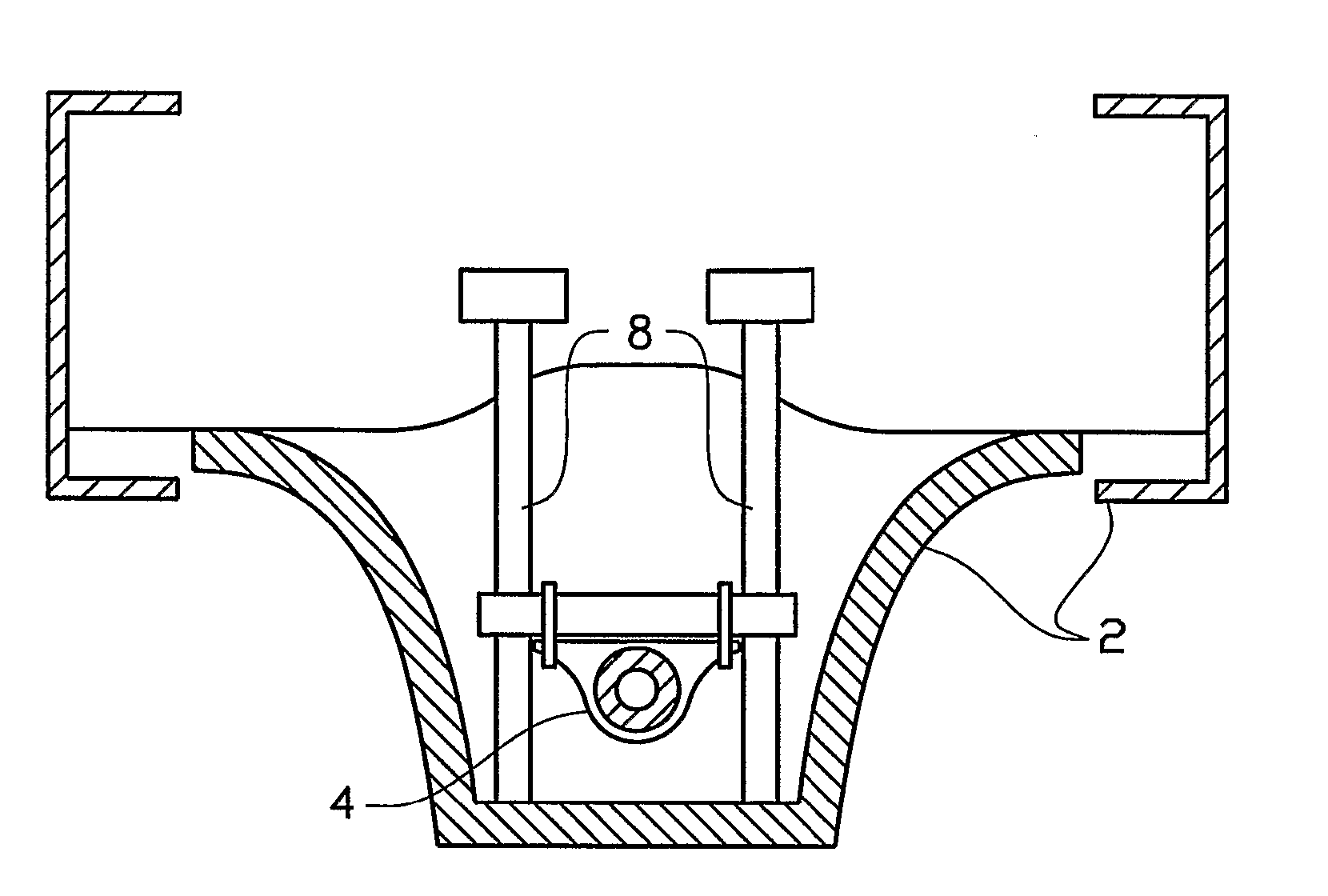
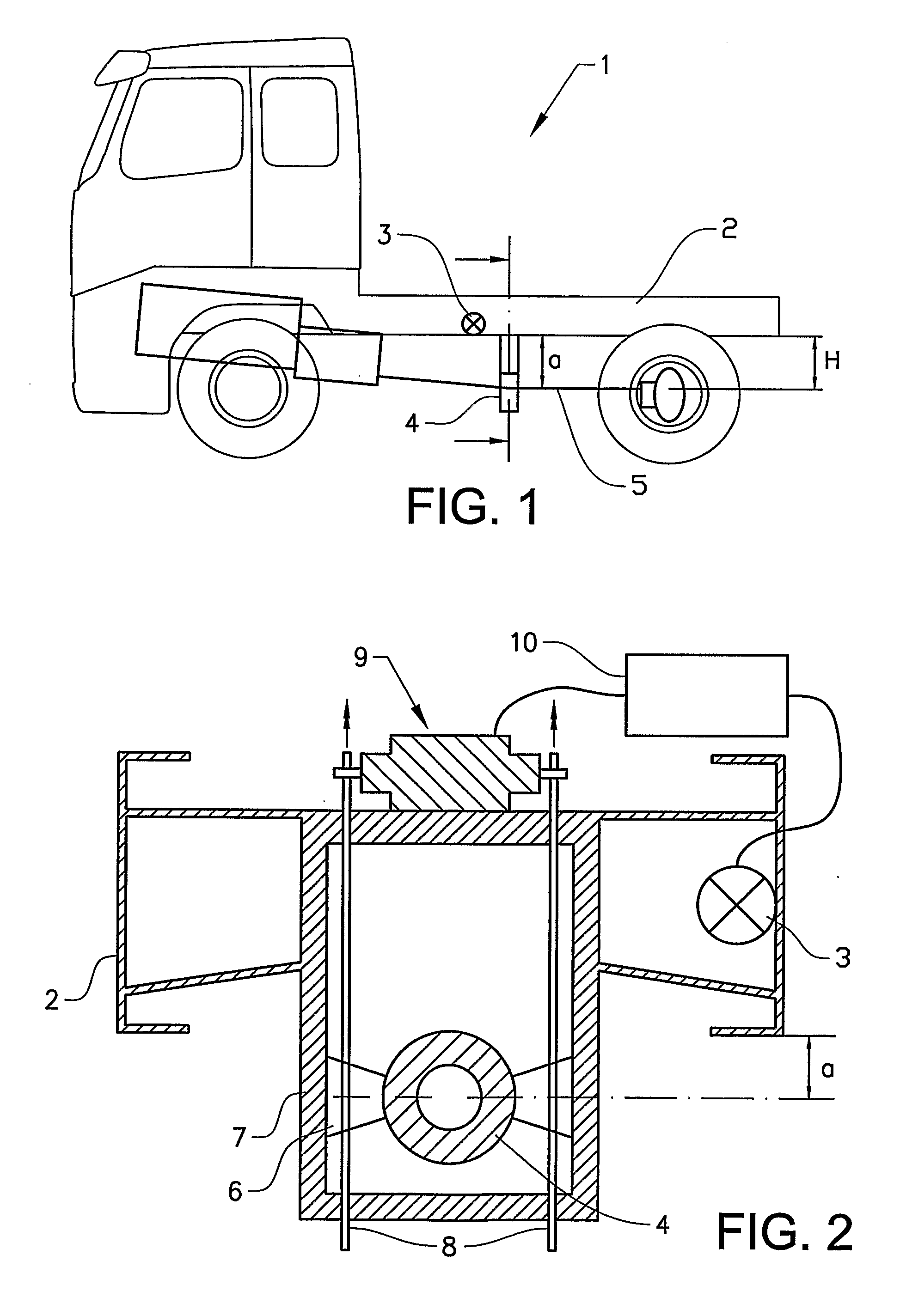
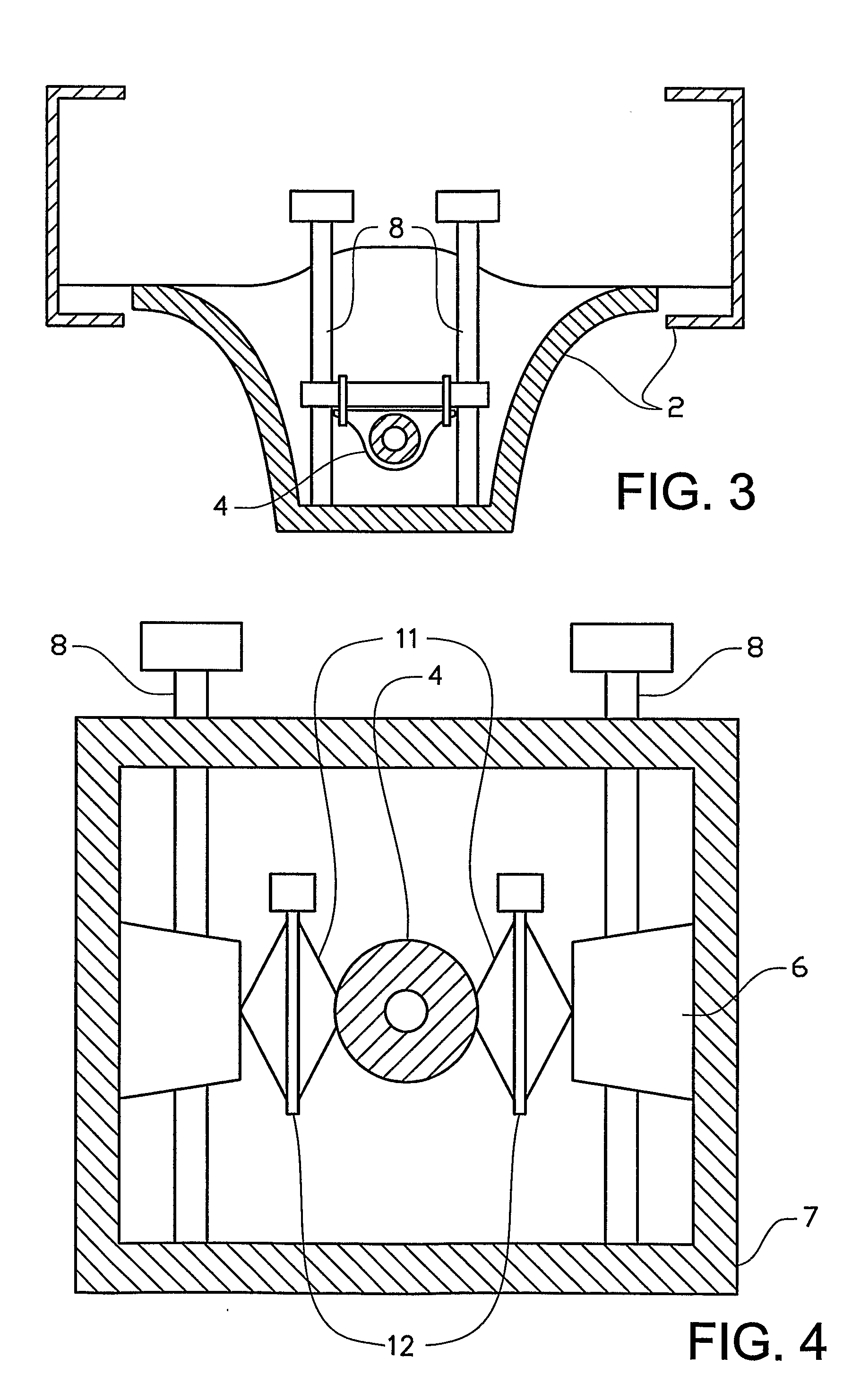
- A system that automatically adjusts the position of the centre bearing unit suspending the propeller shaft based on measurements of geometrical parameters and chassis acceleration, using accelerometers and electronic control units to optimize driveline geometry, with optional operator control and adjustments driven by electric motors through threaded bolts or jaw-tongs mechanisms.
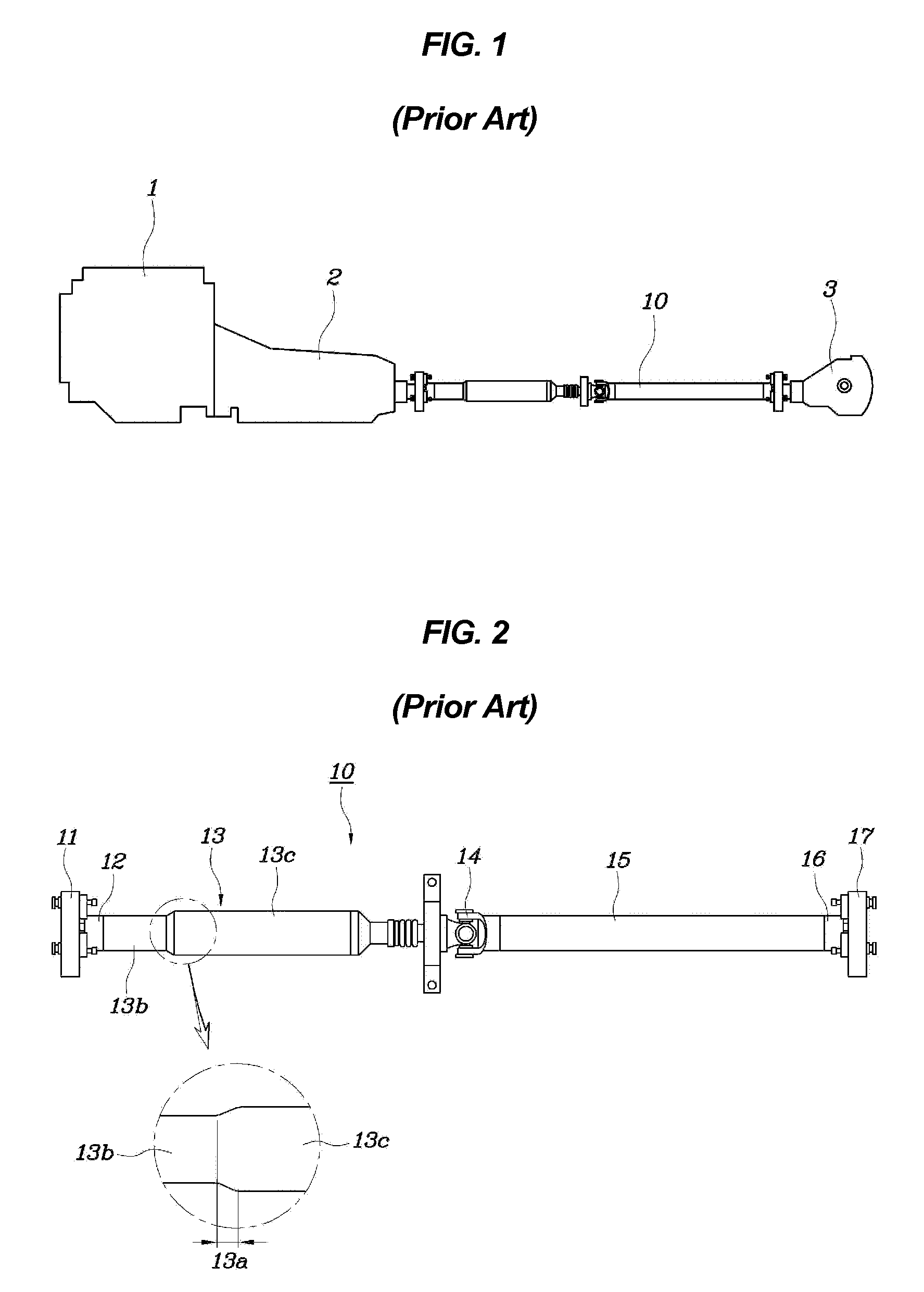
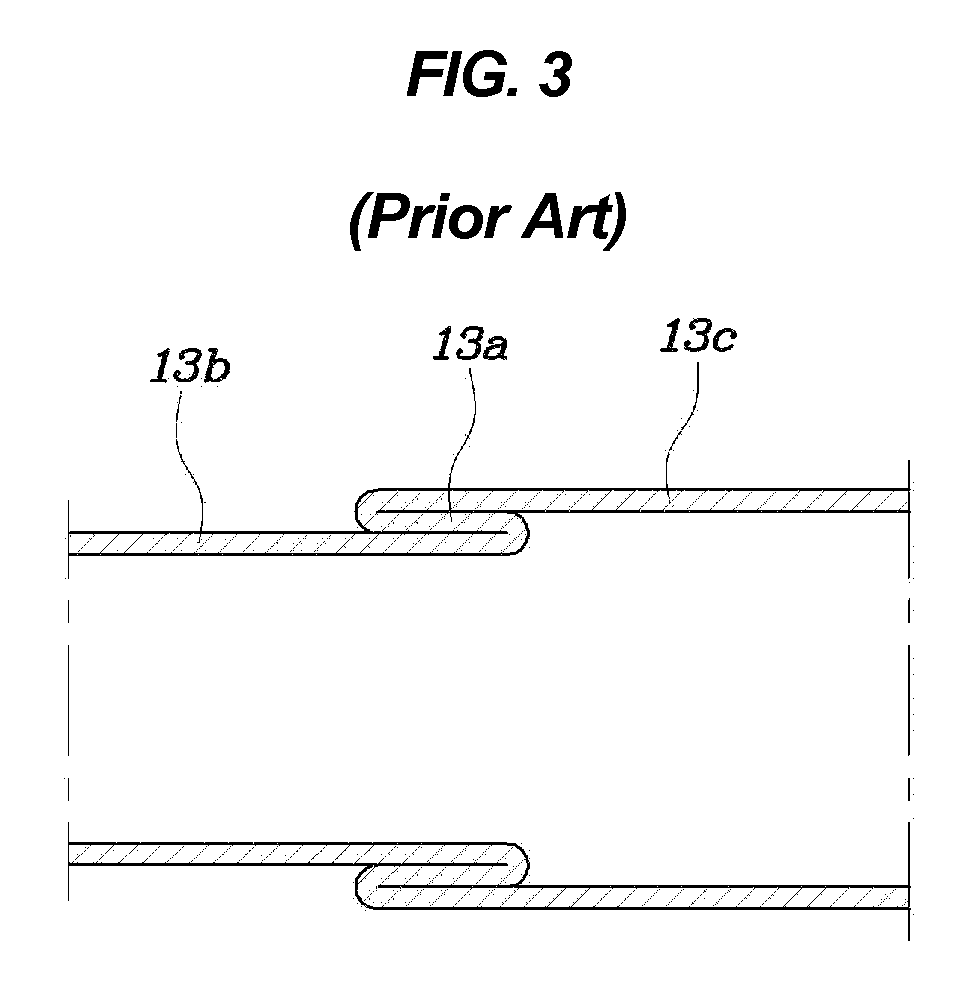
Propeller shaft
PatentActiveUS9316264B2
Innovation
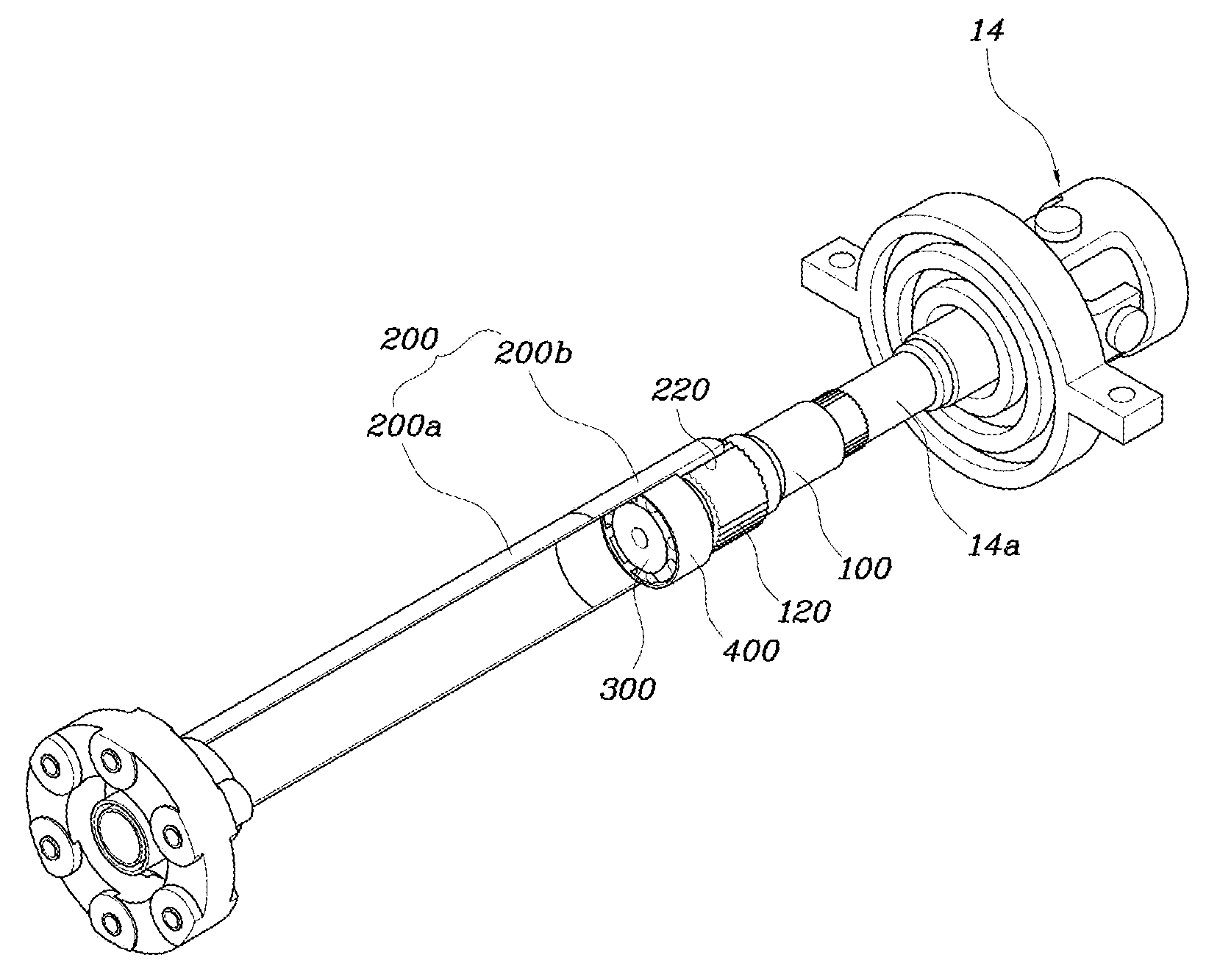
- A propeller shaft design featuring a spline coupling with locking protrusions and grooves, a dynamic damper with a mass portion and rubber portions, and a rubber stopper that allows axial sliding during crashes, enabling sufficient axial length change and vibration absorption.

Maritime Safety Regulations for Propulsion Systems
Maritime safety regulations for propulsion systems have evolved significantly in response to increasing awareness of propeller shaft motion dynamics and their critical impact on vessel safety. The International Maritime Organization (IMO) has established comprehensive frameworks through SOLAS Chapter II-1 and the International Load Lines Convention, which specifically address propulsion system integrity requirements. These regulations mandate rigorous testing protocols for shaft alignment, vibration limits, and dynamic response characteristics under various operational conditions.
The Maritime and Coastguard Agency (MCA) and classification societies such as Lloyd's Register, DNV GL, and ABS have developed detailed technical standards governing propeller shaft installations. These standards require extensive motion analysis studies during design phases, including finite element analysis of shaft behavior under dynamic loading conditions. Compliance verification involves comprehensive sea trials measuring shaft deflection, bearing loads, and system resonance frequencies across the operational envelope.
Recent regulatory amendments have strengthened requirements for continuous monitoring systems that track shaft motion parameters in real-time. The IMO's MSC.1/Circ.1629 circular specifically addresses propulsion system reliability, mandating installation of vibration monitoring equipment and automated alarm systems for detecting abnormal shaft behavior. These systems must demonstrate capability to identify potential failures before they compromise vessel safety or environmental protection.
Classification societies now require detailed documentation of propeller shaft motion studies as part of type approval processes. The studies must demonstrate compliance with allowable stress limits, fatigue life calculations, and dynamic amplification factors under extreme sea conditions. Particular emphasis is placed on ice-class vessels and high-speed craft, where propeller shaft loading conditions can exceed conventional design parameters.
Environmental protection regulations under MARPOL Annex I have introduced additional requirements for propulsion system containment and emergency shutdown capabilities. These regulations mandate that shaft seal systems maintain integrity even under abnormal motion conditions, preventing oil pollution incidents. The regulatory framework continues evolving to address emerging technologies such as podded propulsion systems and hybrid electric drives, requiring updated motion analysis methodologies and safety assessment procedures.
The Maritime and Coastguard Agency (MCA) and classification societies such as Lloyd's Register, DNV GL, and ABS have developed detailed technical standards governing propeller shaft installations. These standards require extensive motion analysis studies during design phases, including finite element analysis of shaft behavior under dynamic loading conditions. Compliance verification involves comprehensive sea trials measuring shaft deflection, bearing loads, and system resonance frequencies across the operational envelope.
Recent regulatory amendments have strengthened requirements for continuous monitoring systems that track shaft motion parameters in real-time. The IMO's MSC.1/Circ.1629 circular specifically addresses propulsion system reliability, mandating installation of vibration monitoring equipment and automated alarm systems for detecting abnormal shaft behavior. These systems must demonstrate capability to identify potential failures before they compromise vessel safety or environmental protection.
Classification societies now require detailed documentation of propeller shaft motion studies as part of type approval processes. The studies must demonstrate compliance with allowable stress limits, fatigue life calculations, and dynamic amplification factors under extreme sea conditions. Particular emphasis is placed on ice-class vessels and high-speed craft, where propeller shaft loading conditions can exceed conventional design parameters.
Environmental protection regulations under MARPOL Annex I have introduced additional requirements for propulsion system containment and emergency shutdown capabilities. These regulations mandate that shaft seal systems maintain integrity even under abnormal motion conditions, preventing oil pollution incidents. The regulatory framework continues evolving to address emerging technologies such as podded propulsion systems and hybrid electric drives, requiring updated motion analysis methodologies and safety assessment procedures.
Environmental Impact of Propeller System Optimization
The environmental implications of propeller system optimization extend far beyond traditional performance metrics, encompassing a comprehensive spectrum of ecological considerations that directly correlate with propeller shaft motion dynamics and overall system efficiency. Modern propeller systems face increasing regulatory pressure to minimize their environmental footprint while maintaining operational effectiveness across diverse marine and aerospace applications.
Fuel consumption reduction represents the most immediate environmental benefit of optimized propeller systems. Advanced shaft motion control technologies can achieve fuel efficiency improvements of 8-15% through precise vibration dampening and enhanced power transmission efficiency. These improvements translate directly to reduced carbon dioxide emissions, with large commercial vessels potentially decreasing their annual CO2 output by thousands of tons through systematic propeller optimization programs.
Noise pollution mitigation constitutes another critical environmental consideration in propeller system design. Uncontrolled shaft vibrations and cavitation phenomena generate significant acoustic disturbances that disrupt marine ecosystems and violate increasingly stringent noise regulations in sensitive areas. Optimized propeller systems incorporating advanced shaft stabilization technologies can reduce underwater noise levels by 20-30 decibels, substantially minimizing impact on marine wildlife communication and navigation patterns.
The reduction of cavitation-induced erosion through improved shaft motion control significantly extends component lifespan, thereby reducing material waste and manufacturing-related environmental impacts. Enhanced system durability decreases the frequency of component replacement cycles, reducing both resource consumption and disposal requirements for marine-grade materials.
Emerging bio-fouling resistant coatings and materials integrated with optimized propeller systems further enhance environmental performance by eliminating the need for toxic anti-fouling compounds. These advanced surface treatments, combined with improved hydrodynamic efficiency from optimized shaft dynamics, create synergistic environmental benefits that address both operational performance and ecological preservation requirements.
The cumulative environmental impact of widespread propeller system optimization could contribute significantly to maritime industry decarbonization goals, with potential fleet-wide emission reductions of 5-12% achievable through comprehensive implementation of advanced shaft motion control and system optimization technologies across commercial and military vessel operations.
Fuel consumption reduction represents the most immediate environmental benefit of optimized propeller systems. Advanced shaft motion control technologies can achieve fuel efficiency improvements of 8-15% through precise vibration dampening and enhanced power transmission efficiency. These improvements translate directly to reduced carbon dioxide emissions, with large commercial vessels potentially decreasing their annual CO2 output by thousands of tons through systematic propeller optimization programs.
Noise pollution mitigation constitutes another critical environmental consideration in propeller system design. Uncontrolled shaft vibrations and cavitation phenomena generate significant acoustic disturbances that disrupt marine ecosystems and violate increasingly stringent noise regulations in sensitive areas. Optimized propeller systems incorporating advanced shaft stabilization technologies can reduce underwater noise levels by 20-30 decibels, substantially minimizing impact on marine wildlife communication and navigation patterns.
The reduction of cavitation-induced erosion through improved shaft motion control significantly extends component lifespan, thereby reducing material waste and manufacturing-related environmental impacts. Enhanced system durability decreases the frequency of component replacement cycles, reducing both resource consumption and disposal requirements for marine-grade materials.
Emerging bio-fouling resistant coatings and materials integrated with optimized propeller systems further enhance environmental performance by eliminating the need for toxic anti-fouling compounds. These advanced surface treatments, combined with improved hydrodynamic efficiency from optimized shaft dynamics, create synergistic environmental benefits that address both operational performance and ecological preservation requirements.
The cumulative environmental impact of widespread propeller system optimization could contribute significantly to maritime industry decarbonization goals, with potential fleet-wide emission reductions of 5-12% achievable through comprehensive implementation of advanced shaft motion control and system optimization technologies across commercial and military vessel operations.
Unlock deeper insights with Patsnap Eureka Quick Research — get a full tech report to explore trends and direct your research. Try now!
Generate Your Research Report Instantly with AI Agent
Supercharge your innovation with Patsnap Eureka AI Agent Platform!