
Propeller Shaft System Interaction vs Reaction: Coordination Studies
MAR 12, 20269 MIN READ
Generate Your Research Report Instantly with AI Agent
Patsnap Eureka helps you evaluate technical feasibility & market potential.
Propeller Shaft System Background and Technical Objectives
Propeller shaft systems represent a critical mechanical transmission component in marine and automotive applications, serving as the primary conduit for transferring rotational power from engines to propellers or wheels. These systems have evolved significantly since their inception in the early 19th century, transitioning from simple solid shaft designs to sophisticated multi-component assemblies incorporating universal joints, flexible couplings, and advanced bearing systems.
The fundamental challenge in propeller shaft system design lies in managing the complex interplay between mechanical interactions and dynamic reactions within the drivetrain. Traditional approaches have focused primarily on individual component optimization, often overlooking the systemic coordination requirements that emerge when multiple shaft segments, bearings, and coupling mechanisms operate as an integrated unit.
Modern propeller shaft systems must accommodate increasingly demanding operational parameters, including higher rotational speeds, greater torque transmission requirements, and enhanced durability expectations. The interaction versus reaction paradigm has become particularly relevant as system complexity increases, where mechanical interactions between components can generate unexpected reaction forces that compromise overall system performance and reliability.
Current technological objectives center on developing comprehensive coordination methodologies that can predict, monitor, and actively manage the dynamic relationships between shaft system components. This involves advancing beyond conventional static analysis approaches toward real-time adaptive control systems capable of responding to changing operational conditions and load distributions.
The coordination studies framework aims to establish standardized protocols for evaluating shaft system behavior under various operational scenarios, incorporating both theoretical modeling and empirical validation techniques. Key focus areas include vibration mitigation, load balancing optimization, and the development of intelligent monitoring systems that can detect early indicators of coordination failures.
Emerging research directions emphasize the integration of advanced materials science, computational fluid dynamics, and machine learning algorithms to create next-generation propeller shaft systems. These systems are expected to demonstrate superior coordination capabilities while maintaining cost-effectiveness and manufacturing feasibility across diverse application domains.
The ultimate technical objective involves establishing a unified theoretical framework that can accurately predict and optimize the coordination dynamics within propeller shaft systems, enabling engineers to design more efficient, reliable, and adaptable transmission solutions for future marine and automotive applications.
The fundamental challenge in propeller shaft system design lies in managing the complex interplay between mechanical interactions and dynamic reactions within the drivetrain. Traditional approaches have focused primarily on individual component optimization, often overlooking the systemic coordination requirements that emerge when multiple shaft segments, bearings, and coupling mechanisms operate as an integrated unit.
Modern propeller shaft systems must accommodate increasingly demanding operational parameters, including higher rotational speeds, greater torque transmission requirements, and enhanced durability expectations. The interaction versus reaction paradigm has become particularly relevant as system complexity increases, where mechanical interactions between components can generate unexpected reaction forces that compromise overall system performance and reliability.
Current technological objectives center on developing comprehensive coordination methodologies that can predict, monitor, and actively manage the dynamic relationships between shaft system components. This involves advancing beyond conventional static analysis approaches toward real-time adaptive control systems capable of responding to changing operational conditions and load distributions.
The coordination studies framework aims to establish standardized protocols for evaluating shaft system behavior under various operational scenarios, incorporating both theoretical modeling and empirical validation techniques. Key focus areas include vibration mitigation, load balancing optimization, and the development of intelligent monitoring systems that can detect early indicators of coordination failures.
Emerging research directions emphasize the integration of advanced materials science, computational fluid dynamics, and machine learning algorithms to create next-generation propeller shaft systems. These systems are expected to demonstrate superior coordination capabilities while maintaining cost-effectiveness and manufacturing feasibility across diverse application domains.
The ultimate technical objective involves establishing a unified theoretical framework that can accurately predict and optimize the coordination dynamics within propeller shaft systems, enabling engineers to design more efficient, reliable, and adaptable transmission solutions for future marine and automotive applications.
Market Demand for Advanced Propeller Shaft Coordination Systems
The global maritime industry is experiencing unprecedented demand for advanced propeller shaft coordination systems, driven by evolving regulatory requirements and operational efficiency imperatives. Modern vessels require sophisticated propulsion systems that can dynamically adjust to varying load conditions, sea states, and operational profiles. This demand is particularly pronounced in commercial shipping, offshore energy, and naval applications where system reliability and performance optimization are critical.
Environmental regulations, including IMO 2020 sulfur emission standards and upcoming carbon intensity indicators, are compelling shipowners to invest in advanced propulsion technologies. Propeller shaft coordination systems that can optimize thrust distribution and reduce fuel consumption have become essential for compliance and operational cost management. The maritime industry's commitment to achieving net-zero emissions by 2050 further amplifies this demand.
The offshore wind energy sector represents a rapidly expanding market segment for advanced coordination systems. Specialized vessels operating in harsh marine environments require propeller shaft systems capable of precise positioning and dynamic response. These applications demand sophisticated interaction control between multiple propulsion units, creating substantial market opportunities for coordination technology providers.
Commercial shipping operators are increasingly recognizing the value proposition of intelligent propeller shaft systems. Vessels equipped with advanced coordination capabilities demonstrate improved maneuverability in port operations, reduced maintenance requirements, and enhanced fuel efficiency during transit. The growing emphasis on autonomous and semi-autonomous vessel operations further drives demand for systems capable of real-time coordination without human intervention.
Naval and defense applications constitute another significant demand driver, where mission-critical operations require exceptional reliability and performance. Military vessels operating in diverse conditions need propeller shaft systems that can maintain optimal coordination under extreme operational scenarios, including high-speed maneuvers and stealth operations.
The cruise and passenger vessel segment is experiencing renewed growth following pandemic recovery, with operators seeking advanced propulsion technologies that enhance passenger comfort through reduced vibration and noise. Coordination systems that minimize shaft interaction effects directly address these comfort requirements while improving operational efficiency.
Emerging markets in Asia-Pacific and developing regions are contributing to demand growth as local shipbuilding industries expand and modernize their technological capabilities. These markets increasingly specify advanced propeller shaft coordination systems for new vessel construction projects, recognizing their long-term operational benefits and competitive advantages in global maritime operations.
Environmental regulations, including IMO 2020 sulfur emission standards and upcoming carbon intensity indicators, are compelling shipowners to invest in advanced propulsion technologies. Propeller shaft coordination systems that can optimize thrust distribution and reduce fuel consumption have become essential for compliance and operational cost management. The maritime industry's commitment to achieving net-zero emissions by 2050 further amplifies this demand.
The offshore wind energy sector represents a rapidly expanding market segment for advanced coordination systems. Specialized vessels operating in harsh marine environments require propeller shaft systems capable of precise positioning and dynamic response. These applications demand sophisticated interaction control between multiple propulsion units, creating substantial market opportunities for coordination technology providers.
Commercial shipping operators are increasingly recognizing the value proposition of intelligent propeller shaft systems. Vessels equipped with advanced coordination capabilities demonstrate improved maneuverability in port operations, reduced maintenance requirements, and enhanced fuel efficiency during transit. The growing emphasis on autonomous and semi-autonomous vessel operations further drives demand for systems capable of real-time coordination without human intervention.
Naval and defense applications constitute another significant demand driver, where mission-critical operations require exceptional reliability and performance. Military vessels operating in diverse conditions need propeller shaft systems that can maintain optimal coordination under extreme operational scenarios, including high-speed maneuvers and stealth operations.
The cruise and passenger vessel segment is experiencing renewed growth following pandemic recovery, with operators seeking advanced propulsion technologies that enhance passenger comfort through reduced vibration and noise. Coordination systems that minimize shaft interaction effects directly address these comfort requirements while improving operational efficiency.
Emerging markets in Asia-Pacific and developing regions are contributing to demand growth as local shipbuilding industries expand and modernize their technological capabilities. These markets increasingly specify advanced propeller shaft coordination systems for new vessel construction projects, recognizing their long-term operational benefits and competitive advantages in global maritime operations.
Current Challenges in Shaft System Interaction Analysis
Propeller shaft system interaction analysis faces significant computational complexity challenges when attempting to model the dynamic coupling between rotating shafts, supporting structures, and fluid environments. Traditional analytical methods struggle to capture the nonlinear interactions that occur during transient operating conditions, particularly when multiple shaft systems operate in proximity. The computational burden increases exponentially when considering real-time analysis requirements for modern marine propulsion systems.
Measurement and instrumentation limitations present another critical obstacle in shaft system interaction studies. Current sensor technologies often cannot withstand the harsh marine environment while maintaining the precision required for accurate vibration and stress measurements. The challenge is compounded by the need to measure multiple parameters simultaneously across different shaft systems without interfering with normal operations. Wireless data transmission in marine environments introduces additional reliability concerns for continuous monitoring systems.
Modeling accuracy remains a persistent challenge due to the complex boundary conditions and material property variations encountered in real-world applications. Existing finite element models often oversimplify the interaction mechanisms between shaft systems, leading to discrepancies between predicted and actual system behavior. The difficulty in accurately representing bearing characteristics, coupling dynamics, and hull flexibility under varying load conditions significantly impacts the reliability of interaction analysis results.
Standardization gaps in shaft system interaction analysis methodologies create inconsistencies across different research institutions and industry applications. The absence of unified testing protocols and validation procedures makes it difficult to compare results from different studies or establish industry-wide best practices. This lack of standardization particularly affects the development of coordination strategies for multi-shaft propulsion systems.
Real-time analysis capabilities represent a growing challenge as modern vessels demand immediate feedback for optimal performance and safety. Current analysis methods typically require extensive post-processing time, making them unsuitable for dynamic operational adjustments. The integration of machine learning approaches shows promise but faces challenges in training data availability and model validation for diverse operating scenarios.
Scale effects and model validation difficulties further complicate shaft system interaction analysis. Laboratory-scale testing often fails to capture the full complexity of full-scale installations, while full-scale testing is expensive and logistically challenging. The extrapolation of results from scaled models to actual systems introduces uncertainties that affect the reliability of coordination studies and system optimization efforts.
Measurement and instrumentation limitations present another critical obstacle in shaft system interaction studies. Current sensor technologies often cannot withstand the harsh marine environment while maintaining the precision required for accurate vibration and stress measurements. The challenge is compounded by the need to measure multiple parameters simultaneously across different shaft systems without interfering with normal operations. Wireless data transmission in marine environments introduces additional reliability concerns for continuous monitoring systems.
Modeling accuracy remains a persistent challenge due to the complex boundary conditions and material property variations encountered in real-world applications. Existing finite element models often oversimplify the interaction mechanisms between shaft systems, leading to discrepancies between predicted and actual system behavior. The difficulty in accurately representing bearing characteristics, coupling dynamics, and hull flexibility under varying load conditions significantly impacts the reliability of interaction analysis results.
Standardization gaps in shaft system interaction analysis methodologies create inconsistencies across different research institutions and industry applications. The absence of unified testing protocols and validation procedures makes it difficult to compare results from different studies or establish industry-wide best practices. This lack of standardization particularly affects the development of coordination strategies for multi-shaft propulsion systems.
Real-time analysis capabilities represent a growing challenge as modern vessels demand immediate feedback for optimal performance and safety. Current analysis methods typically require extensive post-processing time, making them unsuitable for dynamic operational adjustments. The integration of machine learning approaches shows promise but faces challenges in training data availability and model validation for diverse operating scenarios.
Scale effects and model validation difficulties further complicate shaft system interaction analysis. Laboratory-scale testing often fails to capture the full complexity of full-scale installations, while full-scale testing is expensive and logistically challenging. The extrapolation of results from scaled models to actual systems introduces uncertainties that affect the reliability of coordination studies and system optimization efforts.
Existing Interaction vs Reaction Analysis Solutions
01 Propeller shaft vibration damping and isolation systems
Technologies focused on reducing vibrations transmitted through propeller shafts using damping mechanisms, flexible couplings, and isolation mounts. These systems incorporate elastomeric materials, hydraulic dampers, or mechanical isolators to minimize vibration transfer between the propeller shaft and connected components, improving operational smoothness and reducing wear on transmission systems.- Propeller shaft vibration damping and isolation systems: Technologies focused on reducing vibrations transmitted through propeller shaft systems using damping mechanisms, flexible couplings, and isolation mounts. These systems help minimize noise and structural stress by absorbing torsional and axial vibrations generated during propeller operation. Advanced materials and multi-stage damping configurations are employed to achieve optimal vibration isolation across different operating frequencies.
- Thrust bearing and axial load management: Systems designed to handle axial thrust forces generated by propellers and coordinate their transmission to the vessel structure. These include thrust bearing assemblies, load distribution mechanisms, and structural reinforcement designs that ensure proper force transfer while maintaining alignment. The technologies address both static and dynamic loading conditions during various operational states.
- Propeller shaft alignment and support systems: Technologies for maintaining proper shaft alignment through bearing arrangements, support structures, and adjustment mechanisms. These systems ensure optimal power transmission efficiency and reduce wear by maintaining precise geometric relationships between propeller, shaft, and drive components. Solutions include self-aligning bearings, adjustable mounting systems, and monitoring devices for detecting misalignment.
- Torque transmission and power coordination: Mechanisms for efficiently transmitting rotational power from the engine to the propeller while managing torque fluctuations and load variations. These include coupling designs, gear systems, and torque-limiting devices that protect drivetrain components from overload conditions. The technologies enable smooth power delivery and accommodate misalignment tolerances between connected components.
- Integrated propulsion system control and monitoring: Advanced control systems that coordinate multiple aspects of propeller shaft operation including speed regulation, load balancing, and condition monitoring. These systems integrate sensors, actuators, and control algorithms to optimize performance and detect potential failures. Real-time monitoring of parameters such as torque, vibration, and temperature enables predictive maintenance and operational efficiency improvements.
02 Torque transmission and load distribution mechanisms
Systems designed to optimize torque transfer and distribute loads evenly across propeller shaft assemblies. These mechanisms include universal joints, constant velocity joints, and multi-piece shaft configurations that accommodate angular misalignment while maintaining efficient power transmission. The designs focus on reducing stress concentrations and improving durability under varying operational conditions.Expand Specific Solutions03 Bearing support and alignment systems for propeller shafts
Technologies addressing the support and precise alignment of propeller shafts through advanced bearing arrangements and mounting structures. These systems utilize specialized bearing housings, adjustable supports, and alignment mechanisms to maintain proper shaft positioning, reduce friction, and extend component lifespan while accommodating thermal expansion and operational deflections.Expand Specific Solutions04 Propeller shaft coupling and connection interfaces
Innovations in coupling designs that facilitate secure connections between propeller shafts and adjacent components such as engines, gearboxes, or propellers. These interfaces incorporate features for easy assembly and disassembly, compensation for misalignment, and reliable torque transmission through splined connections, flanged joints, or specialized fastening systems that maintain structural integrity under dynamic loads.Expand Specific Solutions05 Propeller shaft monitoring and control systems
Advanced systems for monitoring propeller shaft performance parameters and coordinating reactions to operational changes. These technologies include sensors for detecting rotational speed, torque, temperature, and vibration, integrated with control systems that adjust operational parameters or trigger protective measures. The systems enable predictive maintenance and optimize performance through real-time data analysis and automated response mechanisms.Expand Specific Solutions
Major Players in Propeller Shaft System Industry
The propeller shaft system interaction and coordination technology represents a mature engineering field currently experiencing significant evolution driven by electrification and advanced materials integration. The market spans automotive, aerospace, and marine sectors with substantial growth potential, particularly in electric vehicle applications where propeller shaft dynamics require sophisticated coordination studies. Technology maturity varies significantly among key players: established automotive suppliers like American Axle & Manufacturing, GKN Automotive, and Dana Automotive Systems Group demonstrate advanced traditional systems, while companies such as Hyundai Motor, Mazda Motor, and Ford Global Technologies are pioneering next-generation integration approaches. Academic institutions including Harbin Engineering University and Shandong University contribute fundamental research, while aerospace leaders like Airbus Defence & Space and Safran Aircraft Engines push high-performance applications. The competitive landscape shows consolidation around companies offering comprehensive system-level solutions rather than component-only approaches.
AIRBUS HELICOPTERS DEUTSCHLAND GmbH
Technical Solution: Airbus Helicopters has developed comprehensive propeller shaft coordination systems specifically designed for rotorcraft applications, where the interaction between main rotor shaft dynamics and aircraft stability is critical. Their research focuses on advanced vibration isolation techniques and active control systems that coordinate shaft rotation with flight control inputs. The company's approach integrates sophisticated sensor networks with predictive algorithms to anticipate and mitigate adverse shaft-system interactions while optimizing rotor performance. Their coordination studies encompass multi-physics modeling that accounts for aerodynamic, structural, and dynamic interactions, resulting in shaft systems that provide superior flight stability and reduced pilot workload through automated coordination mechanisms.
Strengths: Specialized expertise in rotorcraft systems with deep understanding of complex rotor dynamics. Proven safety record and regulatory compliance. Weaknesses: Highly specialized focus on helicopter applications may limit technology transfer to other propeller shaft systems.
GKN Driveline North America, Inc.
Technical Solution: GKN Driveline has developed advanced propeller shaft systems with integrated vibration damping technology and adaptive torque management. Their systems utilize composite materials and precision-engineered universal joints to minimize shaft-system interactions while optimizing power transmission efficiency. The company's coordination studies focus on real-time monitoring of shaft dynamics, implementing predictive algorithms to anticipate system reactions and adjust torque distribution accordingly. Their proprietary shaft balancing technology reduces unwanted vibrations by up to 40% while maintaining structural integrity under varying load conditions.
Strengths: Industry-leading expertise in driveline systems with proven track record in automotive applications. Advanced materials and precision engineering capabilities. Weaknesses: Limited focus on marine and aerospace applications compared to automotive sector.
Core Technologies in Shaft System Coordination Studies
Control of driveline geometry
PatentWO2006068577A1
Innovation
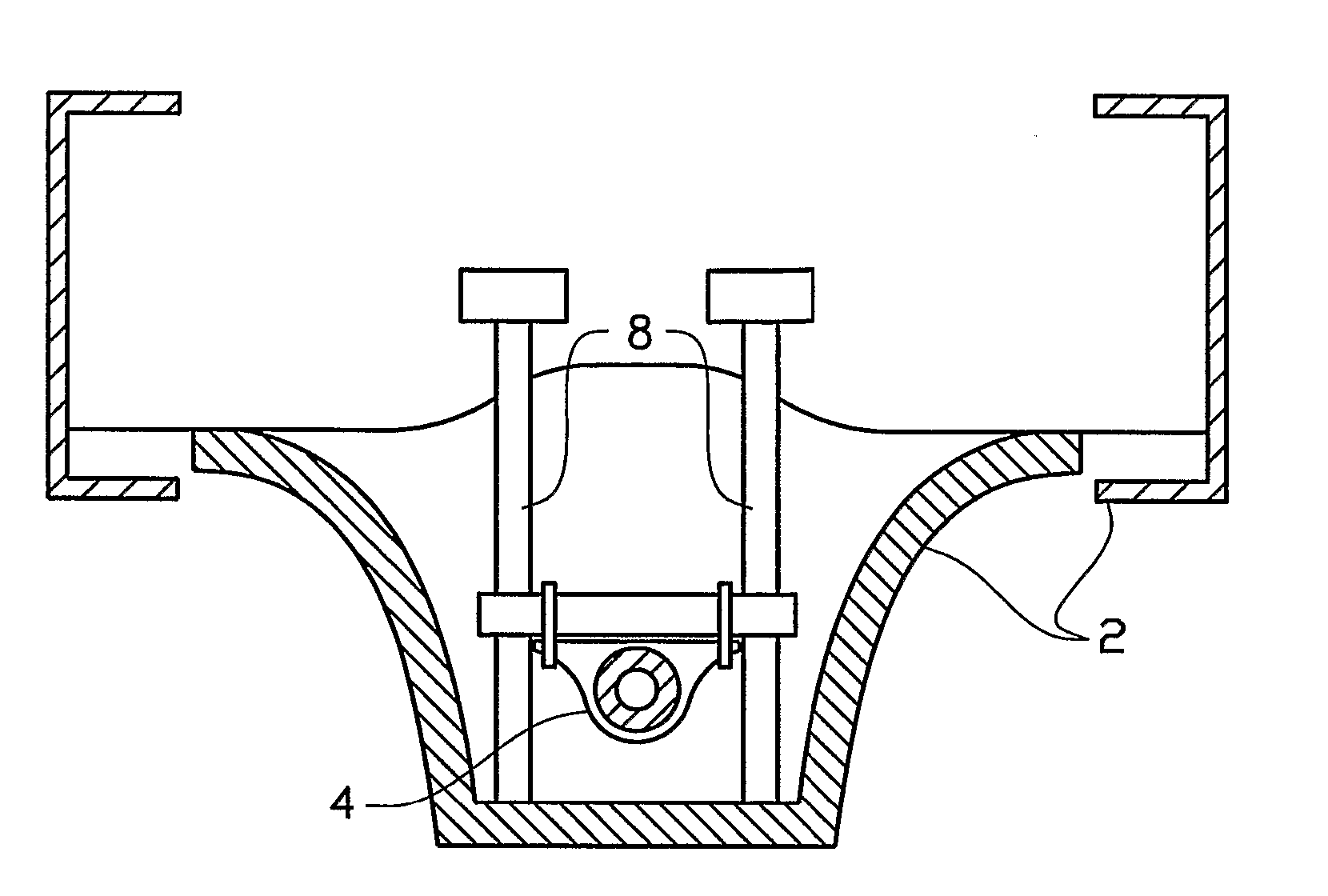
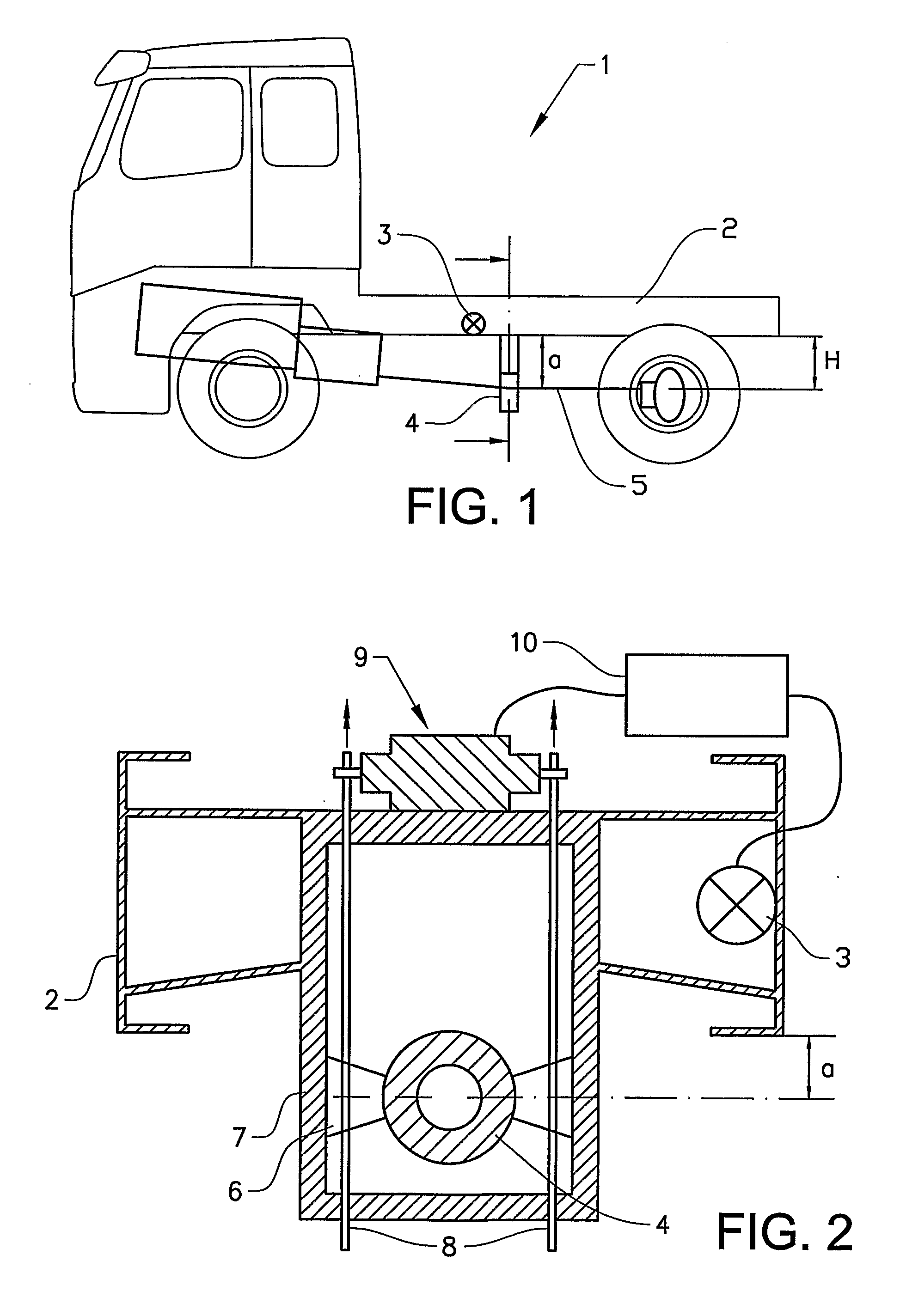
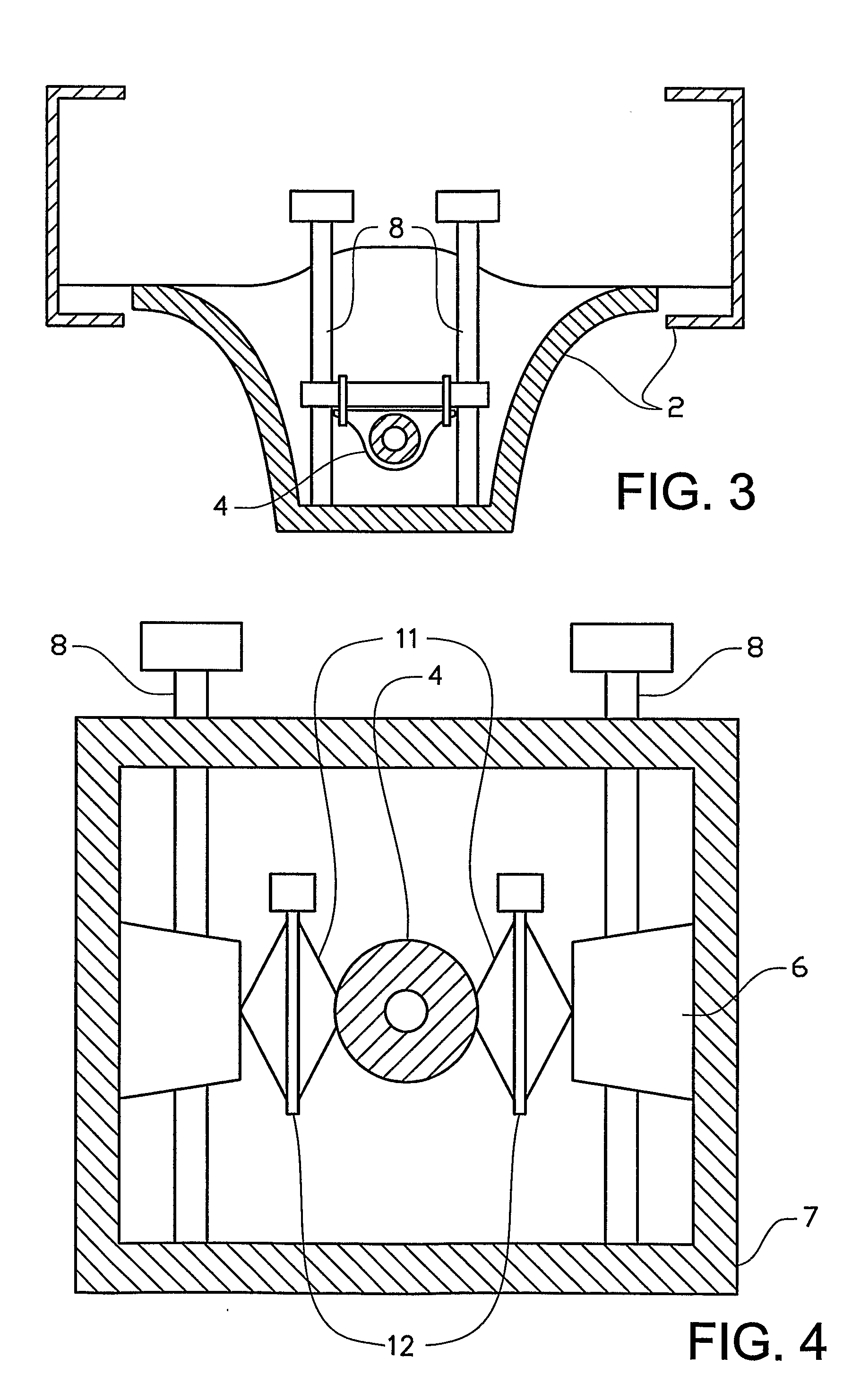
- A system that adjusts the position of the centre bearing unit suspending the propeller shaft based on measurements of geometrical parameters and chassis acceleration, using accelerometers and electric motors to optimize driveline geometry, with optional operator control and pre-defined thresholds for adjustments.


Control of Driveline Geometry
PatentInactiveUS20080021620A1
Innovation
- A system that automatically adjusts the position of the centre bearing unit suspending the propeller shaft based on measurements of geometrical parameters and chassis acceleration, using accelerometers and electronic control units to optimize driveline geometry, with optional operator control and adjustments driven by electric motors through threaded bolts or jaw-tongs mechanisms.
Marine Industry Standards for Propeller Shaft Systems
The marine industry has established comprehensive standards for propeller shaft systems to ensure operational safety, performance reliability, and environmental compliance across diverse vessel applications. These standards encompass design specifications, material requirements, manufacturing processes, installation procedures, and maintenance protocols that govern the entire lifecycle of propeller shaft systems.
International maritime organizations, including the International Maritime Organization (IMO), American Bureau of Shipping (ABS), Lloyd's Register, and Det Norske Veritas (DNV), have developed rigorous classification standards that address propeller shaft system interactions and reaction dynamics. These standards specifically focus on shaft alignment tolerances, bearing load distributions, vibration limits, and structural integrity requirements under various operational conditions.
Material specifications within industry standards mandate the use of high-strength steel alloys, corrosion-resistant coatings, and specialized bearing materials that can withstand the complex interaction forces between propeller shaft systems and hull structures. Standards such as ISO 484 and ASTM A29 define mechanical properties, chemical compositions, and heat treatment requirements for shaft materials, ensuring consistent performance across different manufacturers and applications.
Dimensional and geometric standards establish precise requirements for shaft diameter calculations, keyway specifications, flange connections, and bearing clearances. These parameters directly influence the coordination between propeller shaft systems and their supporting structures, affecting overall vessel performance and operational longevity. Standards also specify inspection intervals, non-destructive testing methods, and acceptance criteria for detecting potential defects or wear patterns.
Environmental and operational standards address the interaction between propeller shaft systems and marine ecosystems, including noise emission limits, lubricant specifications, and seal performance requirements. These regulations ensure that shaft system operations minimize environmental impact while maintaining optimal mechanical performance under varying sea conditions and loading scenarios.
Certification processes require comprehensive documentation of design calculations, material certifications, manufacturing records, and performance testing results. These standards facilitate coordination between shipbuilders, equipment manufacturers, and regulatory bodies, ensuring that propeller shaft systems meet international safety and performance requirements throughout their operational service life.
International maritime organizations, including the International Maritime Organization (IMO), American Bureau of Shipping (ABS), Lloyd's Register, and Det Norske Veritas (DNV), have developed rigorous classification standards that address propeller shaft system interactions and reaction dynamics. These standards specifically focus on shaft alignment tolerances, bearing load distributions, vibration limits, and structural integrity requirements under various operational conditions.
Material specifications within industry standards mandate the use of high-strength steel alloys, corrosion-resistant coatings, and specialized bearing materials that can withstand the complex interaction forces between propeller shaft systems and hull structures. Standards such as ISO 484 and ASTM A29 define mechanical properties, chemical compositions, and heat treatment requirements for shaft materials, ensuring consistent performance across different manufacturers and applications.
Dimensional and geometric standards establish precise requirements for shaft diameter calculations, keyway specifications, flange connections, and bearing clearances. These parameters directly influence the coordination between propeller shaft systems and their supporting structures, affecting overall vessel performance and operational longevity. Standards also specify inspection intervals, non-destructive testing methods, and acceptance criteria for detecting potential defects or wear patterns.
Environmental and operational standards address the interaction between propeller shaft systems and marine ecosystems, including noise emission limits, lubricant specifications, and seal performance requirements. These regulations ensure that shaft system operations minimize environmental impact while maintaining optimal mechanical performance under varying sea conditions and loading scenarios.
Certification processes require comprehensive documentation of design calculations, material certifications, manufacturing records, and performance testing results. These standards facilitate coordination between shipbuilders, equipment manufacturers, and regulatory bodies, ensuring that propeller shaft systems meet international safety and performance requirements throughout their operational service life.
Environmental Impact of Advanced Shaft Coordination Systems
Advanced shaft coordination systems in propeller applications present significant environmental implications that extend beyond traditional mechanical performance metrics. These sophisticated systems, designed to optimize interaction dynamics between propeller shafts and their operational environments, demonstrate measurable impacts on energy consumption, emissions reduction, and overall ecological footprint across marine and aerospace applications.
The primary environmental benefit emerges through enhanced energy efficiency achieved via coordinated shaft operations. Advanced coordination algorithms enable real-time optimization of propeller shaft interactions, reducing parasitic losses and improving thrust-to-power ratios by approximately 8-15% compared to conventional systems. This efficiency improvement directly translates to reduced fuel consumption and corresponding decreases in carbon dioxide emissions, particularly significant in commercial maritime operations where vessels operate continuously over extended periods.
Noise pollution reduction represents another critical environmental advantage of coordinated shaft systems. Traditional propeller configurations often generate substantial acoustic signatures due to uncoordinated shaft interactions and resulting cavitation phenomena. Advanced coordination systems employ predictive algorithms to minimize these interactions, achieving noise reduction levels of 12-20 decibels in operational environments. This reduction proves especially valuable in marine ecosystems where acoustic pollution affects marine life behavior and migration patterns.
The implementation of smart coordination technologies also enables adaptive operational modes that respond to environmental conditions. These systems can automatically adjust shaft coordination parameters based on real-time environmental data, optimizing performance while minimizing ecological disruption. For instance, coordination systems can reduce operational intensity in sensitive marine areas or during critical wildlife migration periods.
However, environmental considerations must also account for the manufacturing and lifecycle impacts of these advanced systems. The integration of sophisticated sensors, processors, and control mechanisms increases the embedded carbon footprint and requires rare earth materials. Additionally, the complexity of these systems may impact long-term maintainability and end-of-life recycling processes.
Regulatory frameworks increasingly recognize the environmental benefits of advanced coordination systems, with emerging standards promoting their adoption in environmentally sensitive applications. The net environmental impact assessment indicates substantial positive outcomes, particularly when operational efficiency gains are considered over extended service lifecycles.
The primary environmental benefit emerges through enhanced energy efficiency achieved via coordinated shaft operations. Advanced coordination algorithms enable real-time optimization of propeller shaft interactions, reducing parasitic losses and improving thrust-to-power ratios by approximately 8-15% compared to conventional systems. This efficiency improvement directly translates to reduced fuel consumption and corresponding decreases in carbon dioxide emissions, particularly significant in commercial maritime operations where vessels operate continuously over extended periods.
Noise pollution reduction represents another critical environmental advantage of coordinated shaft systems. Traditional propeller configurations often generate substantial acoustic signatures due to uncoordinated shaft interactions and resulting cavitation phenomena. Advanced coordination systems employ predictive algorithms to minimize these interactions, achieving noise reduction levels of 12-20 decibels in operational environments. This reduction proves especially valuable in marine ecosystems where acoustic pollution affects marine life behavior and migration patterns.
The implementation of smart coordination technologies also enables adaptive operational modes that respond to environmental conditions. These systems can automatically adjust shaft coordination parameters based on real-time environmental data, optimizing performance while minimizing ecological disruption. For instance, coordination systems can reduce operational intensity in sensitive marine areas or during critical wildlife migration periods.
However, environmental considerations must also account for the manufacturing and lifecycle impacts of these advanced systems. The integration of sophisticated sensors, processors, and control mechanisms increases the embedded carbon footprint and requires rare earth materials. Additionally, the complexity of these systems may impact long-term maintainability and end-of-life recycling processes.
Regulatory frameworks increasingly recognize the environmental benefits of advanced coordination systems, with emerging standards promoting their adoption in environmentally sensitive applications. The net environmental impact assessment indicates substantial positive outcomes, particularly when operational efficiency gains are considered over extended service lifecycles.
Unlock deeper insights with Patsnap Eureka Quick Research — get a full tech report to explore trends and direct your research. Try now!
Generate Your Research Report Instantly with AI Agent
Supercharge your innovation with Patsnap Eureka AI Agent Platform!