

Proton Exchange Membrane vs Solid Membrane: Energy Rating
MAR 10, 20269 MIN READ
Generate Your Research Report Instantly with AI Agent
PatSnap Eureka helps you evaluate technical feasibility & market potential.
PEM vs Solid Membrane Energy Tech Background and Goals
The evolution of membrane technology in electrochemical energy systems has been fundamentally shaped by the pursuit of higher energy efficiency and performance optimization. Proton Exchange Membranes (PEM) emerged in the 1960s as a breakthrough solution for fuel cells and electrolyzers, utilizing perfluorinated sulfonic acid polymers to achieve selective proton conductivity. This technology revolutionized clean energy applications by enabling efficient electrochemical reactions at relatively low operating temperatures.
Solid membranes represent a broader category encompassing various solid-state ionic conductors, including ceramic electrolytes, polymer composites, and hybrid materials. These membranes have gained prominence in advanced battery systems, solid oxide fuel cells, and next-generation energy storage devices. The development trajectory has been driven by the need to overcome limitations associated with liquid electrolytes, such as safety concerns, temperature constraints, and energy density limitations.
The comparative energy rating between PEM and solid membrane technologies has become increasingly critical as global energy demands intensify and sustainability requirements tighten. Energy rating encompasses multiple performance metrics including ionic conductivity, energy conversion efficiency, power density, and operational stability under varying conditions. These parameters directly influence the commercial viability and scalability of electrochemical energy systems.
Current technological objectives focus on achieving superior energy ratings through enhanced membrane properties. For PEM systems, goals include reducing membrane resistance, improving durability under harsh operating conditions, and maintaining high proton conductivity across broader temperature ranges. The target is to achieve energy conversion efficiencies exceeding 60% while extending operational lifespans beyond 40,000 hours.
Solid membrane development aims to overcome traditional challenges such as low ionic conductivity at moderate temperatures and interfacial resistance issues. Research objectives include developing materials with conductivities approaching 10^-2 S/cm at room temperature while maintaining mechanical integrity and chemical stability. The ultimate goal is creating all-solid-state energy systems with energy densities surpassing 500 Wh/kg.
The convergence of these technologies represents a pivotal moment in energy system evolution, where the choice between PEM and solid membrane approaches will significantly impact future energy infrastructure development and global decarbonization efforts.
Solid membranes represent a broader category encompassing various solid-state ionic conductors, including ceramic electrolytes, polymer composites, and hybrid materials. These membranes have gained prominence in advanced battery systems, solid oxide fuel cells, and next-generation energy storage devices. The development trajectory has been driven by the need to overcome limitations associated with liquid electrolytes, such as safety concerns, temperature constraints, and energy density limitations.
The comparative energy rating between PEM and solid membrane technologies has become increasingly critical as global energy demands intensify and sustainability requirements tighten. Energy rating encompasses multiple performance metrics including ionic conductivity, energy conversion efficiency, power density, and operational stability under varying conditions. These parameters directly influence the commercial viability and scalability of electrochemical energy systems.
Current technological objectives focus on achieving superior energy ratings through enhanced membrane properties. For PEM systems, goals include reducing membrane resistance, improving durability under harsh operating conditions, and maintaining high proton conductivity across broader temperature ranges. The target is to achieve energy conversion efficiencies exceeding 60% while extending operational lifespans beyond 40,000 hours.
Solid membrane development aims to overcome traditional challenges such as low ionic conductivity at moderate temperatures and interfacial resistance issues. Research objectives include developing materials with conductivities approaching 10^-2 S/cm at room temperature while maintaining mechanical integrity and chemical stability. The ultimate goal is creating all-solid-state energy systems with energy densities surpassing 500 Wh/kg.
The convergence of these technologies represents a pivotal moment in energy system evolution, where the choice between PEM and solid membrane approaches will significantly impact future energy infrastructure development and global decarbonization efforts.
Market Demand for Advanced Membrane Energy Systems
The global energy storage market is experiencing unprecedented growth driven by the urgent need for renewable energy integration and grid stabilization solutions. Advanced membrane energy systems, particularly those utilizing proton exchange membranes and solid membranes, are positioned at the forefront of this transformation. The increasing deployment of intermittent renewable energy sources such as solar and wind power has created substantial demand for efficient energy storage and conversion technologies that can provide reliable grid services and power quality management.
Industrial applications represent a significant demand driver for advanced membrane systems, with sectors including automotive, aerospace, telecommunications, and manufacturing seeking high-performance energy solutions. The automotive industry's transition toward electrification has particularly accelerated demand for membrane-based fuel cells and battery systems that offer superior energy density and operational efficiency. Data centers and telecommunications infrastructure require uninterrupted power supplies with rapid response capabilities, creating substantial market opportunities for membrane energy technologies.
Residential and commercial energy storage markets are expanding rapidly as consumers and businesses seek energy independence and cost optimization. Advanced membrane systems offer compelling advantages including longer operational lifespans, enhanced safety profiles, and improved thermal management compared to conventional energy storage technologies. The growing emphasis on distributed energy resources and microgrids has further amplified demand for scalable membrane-based solutions that can operate effectively across diverse environmental conditions.
Government policies and regulatory frameworks worldwide are accelerating market adoption through incentives, mandates, and performance standards that favor advanced energy storage technologies. Carbon reduction commitments and renewable energy targets established by numerous countries have created favorable market conditions for membrane energy systems. Additionally, declining costs of renewable energy generation have increased the economic viability of integrated energy storage solutions.
The market demand is also being shaped by technological convergence trends, where membrane systems are increasingly integrated with smart grid technologies, artificial intelligence, and advanced materials. This integration enables enhanced system optimization, predictive maintenance capabilities, and improved overall energy efficiency. Industrial customers are particularly interested in membrane systems that can provide multiple services including peak shaving, frequency regulation, and backup power within unified platforms.
Emerging applications in electric aviation, marine propulsion, and portable power systems are creating new market segments for advanced membrane technologies. These applications demand high energy-to-weight ratios and reliable performance under challenging operational conditions, characteristics that align well with the capabilities of modern membrane energy systems.
Industrial applications represent a significant demand driver for advanced membrane systems, with sectors including automotive, aerospace, telecommunications, and manufacturing seeking high-performance energy solutions. The automotive industry's transition toward electrification has particularly accelerated demand for membrane-based fuel cells and battery systems that offer superior energy density and operational efficiency. Data centers and telecommunications infrastructure require uninterrupted power supplies with rapid response capabilities, creating substantial market opportunities for membrane energy technologies.
Residential and commercial energy storage markets are expanding rapidly as consumers and businesses seek energy independence and cost optimization. Advanced membrane systems offer compelling advantages including longer operational lifespans, enhanced safety profiles, and improved thermal management compared to conventional energy storage technologies. The growing emphasis on distributed energy resources and microgrids has further amplified demand for scalable membrane-based solutions that can operate effectively across diverse environmental conditions.
Government policies and regulatory frameworks worldwide are accelerating market adoption through incentives, mandates, and performance standards that favor advanced energy storage technologies. Carbon reduction commitments and renewable energy targets established by numerous countries have created favorable market conditions for membrane energy systems. Additionally, declining costs of renewable energy generation have increased the economic viability of integrated energy storage solutions.
The market demand is also being shaped by technological convergence trends, where membrane systems are increasingly integrated with smart grid technologies, artificial intelligence, and advanced materials. This integration enables enhanced system optimization, predictive maintenance capabilities, and improved overall energy efficiency. Industrial customers are particularly interested in membrane systems that can provide multiple services including peak shaving, frequency regulation, and backup power within unified platforms.
Emerging applications in electric aviation, marine propulsion, and portable power systems are creating new market segments for advanced membrane technologies. These applications demand high energy-to-weight ratios and reliable performance under challenging operational conditions, characteristics that align well with the capabilities of modern membrane energy systems.
Current State and Challenges of Membrane Energy Rating
The current landscape of membrane energy rating presents a complex technical environment where proton exchange membranes (PEMs) and solid membranes compete across multiple performance dimensions. PEMs, predominantly based on perfluorosulfonic acid polymers like Nafion, demonstrate superior proton conductivity ranging from 0.08 to 0.12 S/cm under optimal hydration conditions. However, their energy efficiency deteriorates significantly at elevated temperatures above 80°C due to dehydration effects, limiting their operational window and overall energy rating potential.
Solid membranes, encompassing ceramic electrolytes and polymer-ceramic composites, exhibit fundamentally different energy characteristics. Yttria-stabilized zirconia (YSZ) and gadolinium-doped ceria (GDC) based solid electrolytes maintain stable ionic conductivity across broader temperature ranges, typically operating effectively between 600-800°C. Their energy ratings benefit from reduced activation losses at high temperatures, yet suffer from substantial ohmic resistance at lower operating conditions.
A critical challenge in membrane energy rating lies in the standardization of measurement protocols. Current testing methodologies often fail to capture real-world performance variations, particularly regarding humidity fluctuations for PEMs and thermal cycling effects for solid membranes. The absence of unified rating standards creates significant barriers for accurate performance comparison and technology selection.
Durability considerations further complicate energy rating assessments. PEMs experience chemical degradation through radical attack and mechanical stress from hydration-dehydration cycles, leading to progressive conductivity loss over operational lifetimes. Solid membranes face different degradation mechanisms, including grain boundary evolution and thermal expansion mismatches, which affect long-term energy performance stability.
Manufacturing scalability represents another substantial challenge impacting energy rating viability. While PEM production has achieved industrial scale with established supply chains, advanced solid membrane fabrication remains largely confined to laboratory and pilot-scale operations. This disparity influences not only cost-effectiveness but also quality consistency, directly affecting achievable energy ratings in commercial applications.
The integration of membrane energy rating with system-level performance metrics remains inadequately addressed. Current rating systems typically focus on intrinsic material properties while neglecting interfacial resistances, catalyst layer interactions, and thermal management requirements that significantly influence overall energy conversion efficiency in practical implementations.
Solid membranes, encompassing ceramic electrolytes and polymer-ceramic composites, exhibit fundamentally different energy characteristics. Yttria-stabilized zirconia (YSZ) and gadolinium-doped ceria (GDC) based solid electrolytes maintain stable ionic conductivity across broader temperature ranges, typically operating effectively between 600-800°C. Their energy ratings benefit from reduced activation losses at high temperatures, yet suffer from substantial ohmic resistance at lower operating conditions.
A critical challenge in membrane energy rating lies in the standardization of measurement protocols. Current testing methodologies often fail to capture real-world performance variations, particularly regarding humidity fluctuations for PEMs and thermal cycling effects for solid membranes. The absence of unified rating standards creates significant barriers for accurate performance comparison and technology selection.
Durability considerations further complicate energy rating assessments. PEMs experience chemical degradation through radical attack and mechanical stress from hydration-dehydration cycles, leading to progressive conductivity loss over operational lifetimes. Solid membranes face different degradation mechanisms, including grain boundary evolution and thermal expansion mismatches, which affect long-term energy performance stability.
Manufacturing scalability represents another substantial challenge impacting energy rating viability. While PEM production has achieved industrial scale with established supply chains, advanced solid membrane fabrication remains largely confined to laboratory and pilot-scale operations. This disparity influences not only cost-effectiveness but also quality consistency, directly affecting achievable energy ratings in commercial applications.
The integration of membrane energy rating with system-level performance metrics remains inadequately addressed. Current rating systems typically focus on intrinsic material properties while neglecting interfacial resistances, catalyst layer interactions, and thermal management requirements that significantly influence overall energy conversion efficiency in practical implementations.
Existing Energy Rating Solutions for Membrane Systems
01 Proton exchange membrane composition and structure optimization
Proton exchange membranes can be optimized through specific polymer compositions, including fluorinated polymers, sulfonated polymers, and composite materials. The membrane structure can be enhanced by controlling molecular weight, cross-linking density, and incorporating reinforcing materials to improve proton conductivity and mechanical strength. Various fabrication methods such as casting, extrusion, and layer-by-layer assembly are employed to achieve desired membrane properties for energy applications.- Proton exchange membrane composition and structure optimization: Proton exchange membranes can be optimized through specific polymer compositions, reinforcement structures, and material modifications to enhance proton conductivity and mechanical strength. The membrane structure may include fluoropolymers, hydrocarbon-based polymers, or composite materials with controlled thickness and porosity. Advanced manufacturing techniques enable the production of membranes with improved durability and performance characteristics for energy conversion applications.
- Membrane electrode assembly design and integration: The integration of proton exchange membranes with electrode structures forms membrane electrode assemblies that are critical for energy conversion efficiency. Design considerations include catalyst layer composition, gas diffusion layer properties, and interfacial contact optimization. The assembly configuration affects overall system performance, including power density, voltage stability, and operational lifetime in fuel cell and electrolyzer applications.
- Solid polymer electrolyte membrane durability enhancement: Durability improvements for solid polymer electrolyte membranes involve chemical stabilization, mechanical reinforcement, and resistance to degradation under operating conditions. Techniques include incorporation of stabilizing additives, cross-linking modifications, and protective barrier layers. Enhanced durability extends membrane lifetime and maintains consistent energy rating performance over extended operational periods in various environmental conditions.
- Membrane performance testing and energy rating evaluation: Standardized testing protocols and evaluation methods are employed to assess proton exchange membrane performance and establish energy ratings. Testing parameters include proton conductivity measurements, water uptake characteristics, thermal stability, and electrochemical performance under various operating conditions. Energy rating systems provide comparative metrics for membrane efficiency, power output capability, and overall system performance in practical applications.
- Advanced membrane materials and manufacturing processes: Novel membrane materials and innovative manufacturing processes enable the production of next-generation proton exchange membranes with superior properties. Advanced materials include nanocomposites, hybrid organic-inorganic structures, and functionalized polymers with tailored properties. Manufacturing innovations encompass solution casting, extrusion techniques, and layer-by-layer assembly methods that improve membrane uniformity, reduce production costs, and enhance scalability for commercial applications.
02 Membrane electrode assembly design and integration
The integration of proton exchange membranes with electrode materials is critical for energy conversion efficiency. This involves optimizing the interface between the membrane and catalyst layers, controlling electrode thickness, and ensuring proper contact resistance. The assembly design includes considerations for gas diffusion layers, current collectors, and sealing methods to maximize electrochemical performance and durability in fuel cell and electrolyzer applications.Expand Specific Solutions03 Solid polymer electrolyte membrane durability enhancement
Durability improvements for solid polymer electrolyte membranes focus on resistance to chemical degradation, mechanical stress, and thermal cycling. Strategies include incorporating stabilizing additives, developing radical scavengers, optimizing membrane thickness, and creating barrier layers. These enhancements extend membrane lifetime under operating conditions involving humidity variations, temperature fluctuations, and electrochemical stress.Expand Specific Solutions04 Proton conductivity measurement and performance evaluation
Methods for evaluating proton exchange membrane performance include measuring ionic conductivity under various temperature and humidity conditions, assessing water uptake and swelling behavior, and determining electrochemical impedance. Performance metrics encompass proton transport efficiency, selectivity, and stability over extended operation periods. Standardized testing protocols ensure consistent evaluation of membrane materials for energy rating purposes.Expand Specific Solutions05 Membrane modification for enhanced energy conversion efficiency
Surface and bulk modifications of proton exchange membranes improve energy conversion efficiency through functionalization techniques, nanoparticle incorporation, and hybrid material development. These modifications enhance proton transport pathways, reduce methanol crossover in direct methanol fuel cells, and improve water management. Advanced modification strategies include plasma treatment, chemical grafting, and the introduction of inorganic fillers to optimize membrane performance characteristics.Expand Specific Solutions
Key Players in Membrane Energy Technology Industry
The proton exchange membrane versus solid membrane energy rating technology represents a rapidly evolving sector within the broader fuel cell and electrolyzer market, currently valued at several billion dollars and projected for significant growth driven by hydrogen economy expansion. The industry is transitioning from early commercialization to mainstream adoption, with established players like Toyota Motor, General Motors, Mercedes-Benz Group, and Ford Motor integrating these technologies into automotive applications. Technology maturity varies significantly across the competitive landscape, with advanced materials companies such as Asahi Kasei, LG Chem, and Panasonic Holdings demonstrating high technical readiness in membrane manufacturing, while specialized firms like Celadyne Technologies and Shandong Dongyue Future Hydrogen Energy Materials focus on next-generation membrane innovations. Research institutions including MIT, Case Western Reserve University, and Industrial Technology Research Institute continue advancing fundamental membrane science, indicating ongoing technological evolution and competitive differentiation opportunities in energy efficiency ratings.
W. L. Gore & Associates GK
Technical Solution: W. L. Gore specializes in advanced membrane technologies including both proton exchange membranes and solid-state electrolytes. Their GORE-SELECT membranes feature reinforced PTFE structures with exceptional chemical resistance and mechanical durability. The company's PEM technology achieves proton conductivity of 0.1 S/cm at 80°C with minimal water management requirements. Gore's solid membrane solutions incorporate ceramic-polymer composites for enhanced thermal stability up to 200°C. Their membrane manufacturing process ensures consistent thickness control and defect-free production, critical for fuel cell reliability and performance optimization.
Strengths: Superior durability, excellent chemical resistance, proven manufacturing quality. Weaknesses: Higher material costs, limited high-temperature performance for PEM variants.
General Motors LLC
Technical Solution: General Motors has developed advanced proton exchange membrane fuel cell technology with focus on automotive applications. Their PEM systems achieve power densities of 3.1 kW/L and specific power of 2.0 kW/kg, optimized for vehicle integration. The company's membrane technology incorporates perfluorosulfonic acid polymers with enhanced proton conductivity and durability. GM's approach emphasizes cost reduction through manufacturing scale and material optimization, targeting commercial viability for mass-market vehicles. Their fuel cell stacks demonstrate over 5,000-hour durability under automotive operating conditions with minimal performance degradation.
Strengths: High power density, proven automotive integration, mass production capabilities. Weaknesses: High cost, complex thermal management requirements, limited operating temperature range.
Core Innovations in Membrane Energy Efficiency Rating
Composite having ion exchange function and preparation method and use thereof
PatentActiveUS20150086885A1
Innovation
- A composite material is formed by grafting nitrile groups onto a porous fluoropolymer membrane to create a triazine ring crosslinked structure with ion exchange resins, enhancing mechanical properties and gas impermeability while maintaining high ion exchange capacity and electrical conductivity.


Solid state, thin film proton exchange membrane for fuel cells
PatentInactiveUS20070042252A1
Innovation
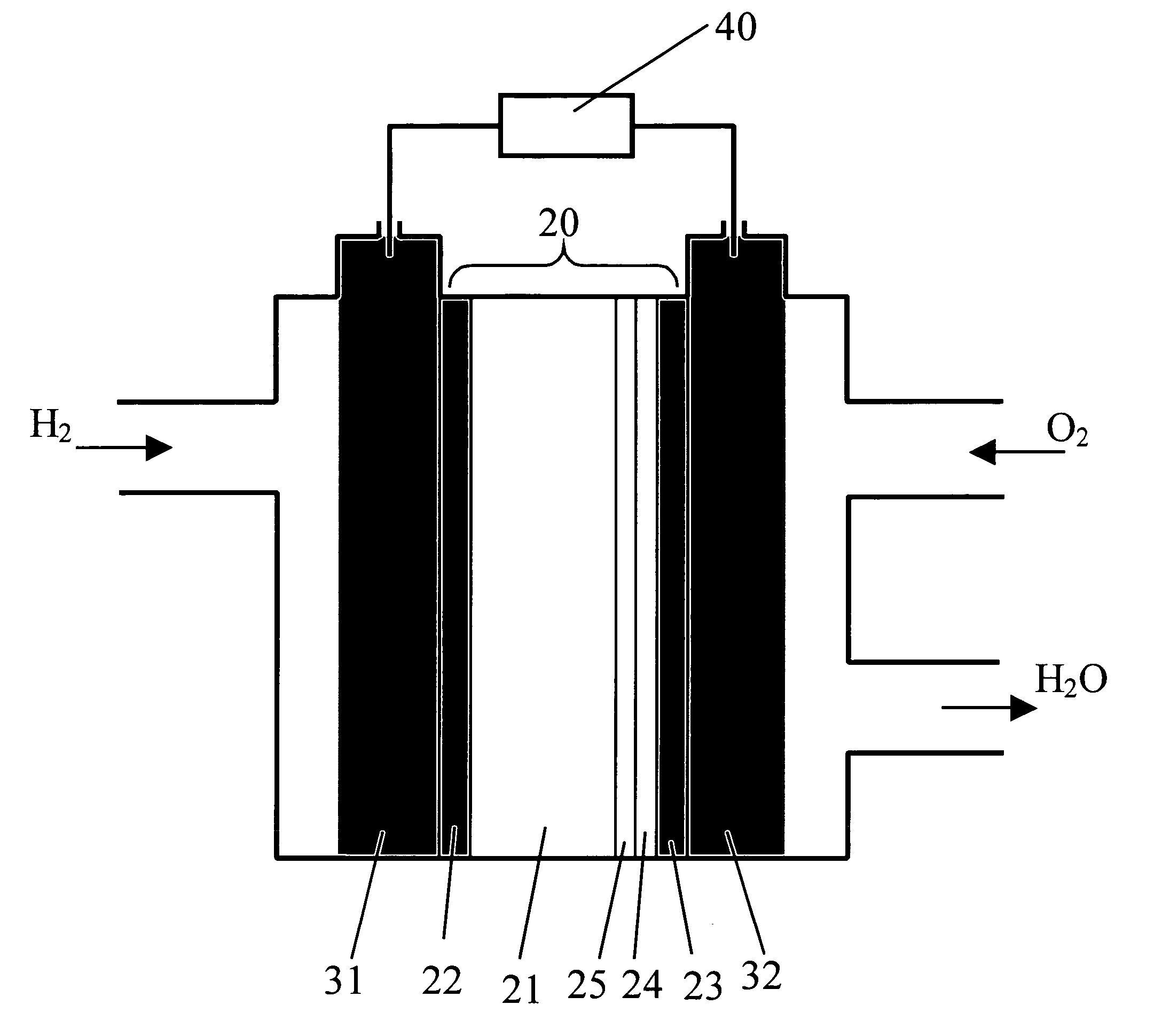
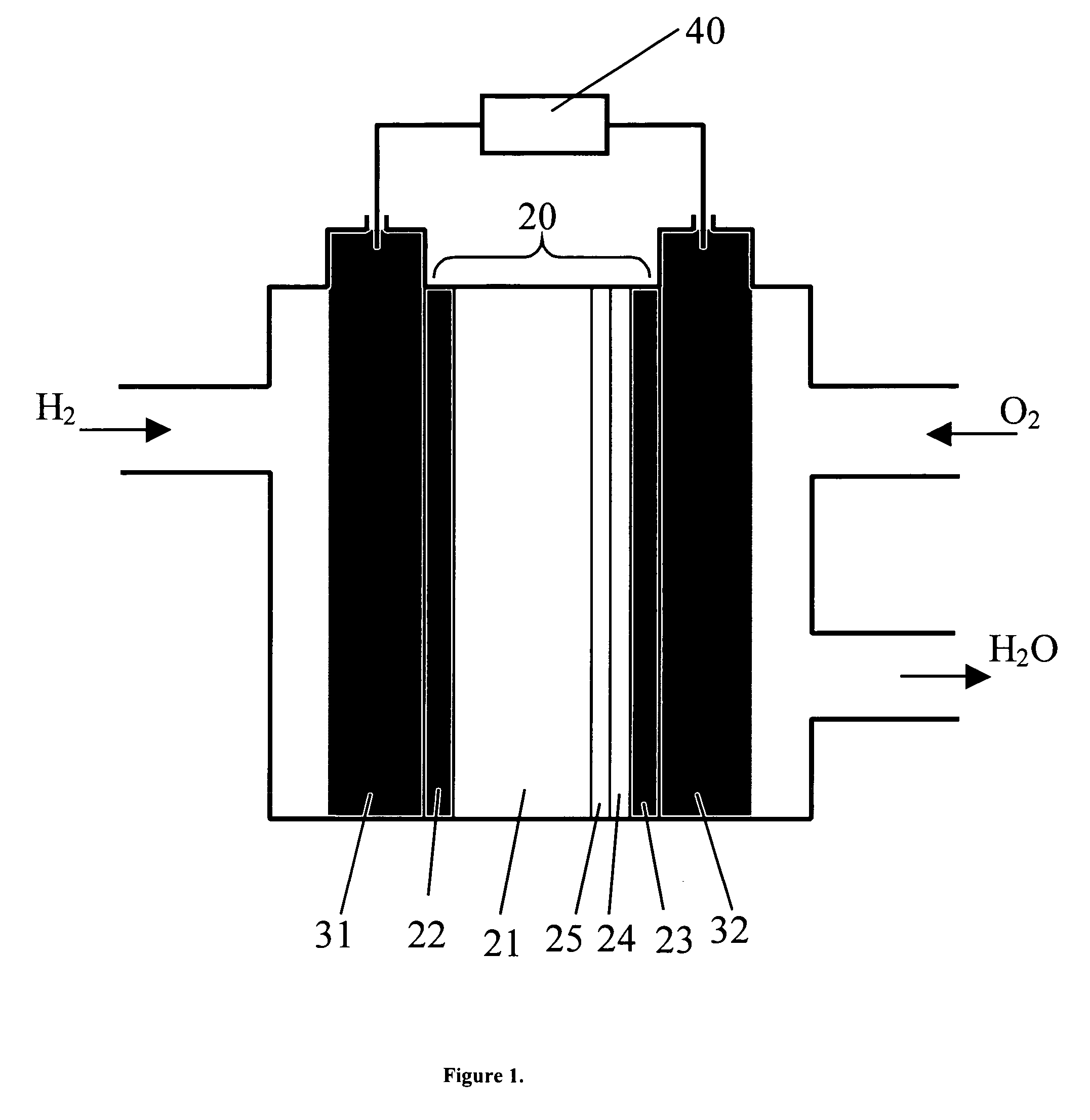
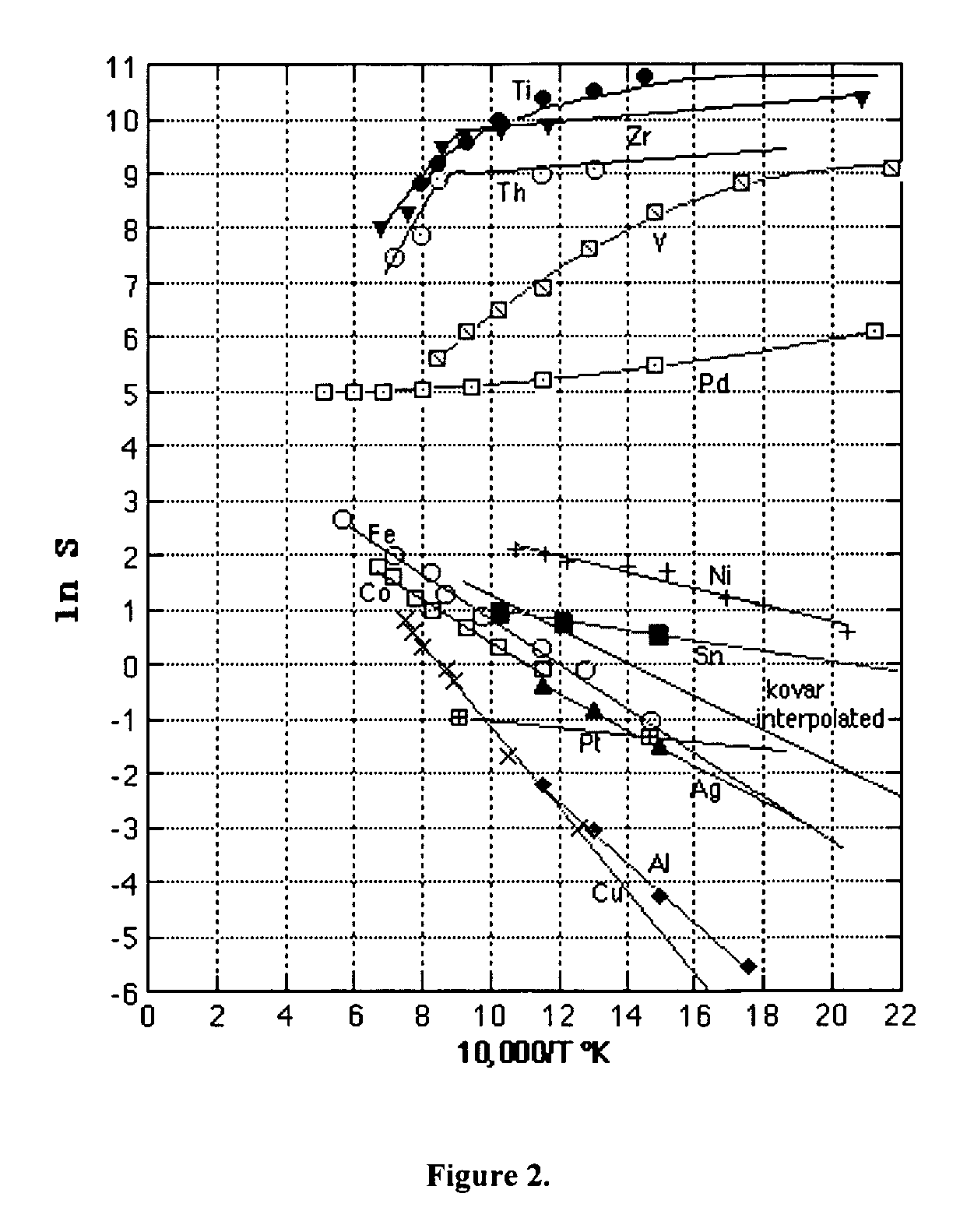
- A thin film solid state fuel cell with a multilayer structure comprising a metal oxide polymer protonic conductor and metal coatings on a high hydrogen permeability metal substrate, operating in the 300-400°C temperature range, significantly reducing protonic conductor resistance and enhancing power density and efficiency.

Environmental Standards for Membrane Energy Systems
Environmental standards for membrane energy systems have become increasingly stringent as governments and regulatory bodies worldwide recognize the critical importance of sustainable energy technologies. The regulatory landscape encompasses multiple dimensions including material toxicity, manufacturing emissions, operational environmental impact, and end-of-life disposal requirements. Both proton exchange membrane and solid membrane technologies must comply with comprehensive environmental frameworks that evaluate their entire lifecycle footprint.
Current environmental standards primarily focus on several key areas that directly impact membrane energy system deployment. Material composition regulations restrict the use of hazardous substances, particularly heavy metals and volatile organic compounds that may be present in membrane manufacturing processes. The European Union's RoHS directive and REACH regulation serve as benchmark standards, limiting lead, mercury, cadmium, and other toxic materials while requiring comprehensive chemical safety assessments for new membrane materials.
Manufacturing process standards address emissions control, waste management, and energy consumption during membrane production. ISO 14001 environmental management systems provide frameworks for manufacturers to minimize their environmental footprint through systematic monitoring and continuous improvement. These standards particularly impact solid membrane technologies, which often require high-temperature processing and specialized manufacturing environments that can generate significant carbon emissions.
Operational environmental standards evaluate the real-world performance of membrane systems in terms of efficiency, durability, and environmental compatibility. Energy efficiency ratings must meet or exceed established benchmarks, with many jurisdictions requiring minimum performance thresholds for grid-connected systems. Water usage standards are particularly relevant for proton exchange membrane systems, which require humidification and may generate wastewater during operation.
Emerging environmental standards are increasingly incorporating circular economy principles, mandating recyclability assessments and establishing take-back programs for end-of-life membrane systems. These evolving requirements favor membrane technologies that demonstrate clear pathways for material recovery and reuse, potentially influencing the comparative environmental ratings between proton exchange and solid membrane approaches in future regulatory frameworks.
Current environmental standards primarily focus on several key areas that directly impact membrane energy system deployment. Material composition regulations restrict the use of hazardous substances, particularly heavy metals and volatile organic compounds that may be present in membrane manufacturing processes. The European Union's RoHS directive and REACH regulation serve as benchmark standards, limiting lead, mercury, cadmium, and other toxic materials while requiring comprehensive chemical safety assessments for new membrane materials.
Manufacturing process standards address emissions control, waste management, and energy consumption during membrane production. ISO 14001 environmental management systems provide frameworks for manufacturers to minimize their environmental footprint through systematic monitoring and continuous improvement. These standards particularly impact solid membrane technologies, which often require high-temperature processing and specialized manufacturing environments that can generate significant carbon emissions.
Operational environmental standards evaluate the real-world performance of membrane systems in terms of efficiency, durability, and environmental compatibility. Energy efficiency ratings must meet or exceed established benchmarks, with many jurisdictions requiring minimum performance thresholds for grid-connected systems. Water usage standards are particularly relevant for proton exchange membrane systems, which require humidification and may generate wastewater during operation.
Emerging environmental standards are increasingly incorporating circular economy principles, mandating recyclability assessments and establishing take-back programs for end-of-life membrane systems. These evolving requirements favor membrane technologies that demonstrate clear pathways for material recovery and reuse, potentially influencing the comparative environmental ratings between proton exchange and solid membrane approaches in future regulatory frameworks.
Cost-Performance Analysis of Membrane Technologies
The cost-performance analysis of proton exchange membranes (PEM) versus solid oxide membranes reveals significant differences in economic viability and operational efficiency across various energy applications. PEM technology demonstrates superior performance in low-temperature operations, typically functioning optimally between 60-80°C, which reduces auxiliary heating costs and enables faster startup times. However, the initial capital expenditure for PEM systems remains substantially higher due to the requirement for platinum-based catalysts and specialized membrane materials.
Solid oxide membrane technologies present a contrasting economic profile, with higher operational temperatures ranging from 600-1000°C necessitating robust thermal management systems and extended startup periods. Despite these operational challenges, solid oxide systems exhibit lower material costs per unit area and demonstrate exceptional durability, often exceeding 40,000 operational hours compared to PEM systems' typical 20,000-hour lifespan.
Performance metrics indicate that PEM membranes achieve higher current densities, reaching up to 2 A/cm² under optimal conditions, while solid oxide membranes typically operate at 0.3-0.7 A/cm². This performance differential directly impacts the power-to-cost ratio, with PEM systems delivering approximately 15-20% higher power density per dollar invested in smaller-scale applications.
Lifecycle cost analysis reveals that solid oxide membranes demonstrate superior long-term economic advantages in large-scale stationary applications due to reduced replacement frequency and lower operational maintenance requirements. The total cost of ownership over a 10-year period favors solid oxide technology by approximately 25-30% in utility-scale deployments exceeding 10 MW capacity.
Manufacturing scalability presents another critical cost consideration, where PEM production benefits from established automotive industry supply chains, potentially reducing costs by 40-50% as production volumes increase. Conversely, solid oxide membrane manufacturing requires specialized ceramic processing capabilities, limiting near-term cost reduction opportunities but offering greater material abundance and reduced dependency on precious metals.
Solid oxide membrane technologies present a contrasting economic profile, with higher operational temperatures ranging from 600-1000°C necessitating robust thermal management systems and extended startup periods. Despite these operational challenges, solid oxide systems exhibit lower material costs per unit area and demonstrate exceptional durability, often exceeding 40,000 operational hours compared to PEM systems' typical 20,000-hour lifespan.
Performance metrics indicate that PEM membranes achieve higher current densities, reaching up to 2 A/cm² under optimal conditions, while solid oxide membranes typically operate at 0.3-0.7 A/cm². This performance differential directly impacts the power-to-cost ratio, with PEM systems delivering approximately 15-20% higher power density per dollar invested in smaller-scale applications.
Lifecycle cost analysis reveals that solid oxide membranes demonstrate superior long-term economic advantages in large-scale stationary applications due to reduced replacement frequency and lower operational maintenance requirements. The total cost of ownership over a 10-year period favors solid oxide technology by approximately 25-30% in utility-scale deployments exceeding 10 MW capacity.
Manufacturing scalability presents another critical cost consideration, where PEM production benefits from established automotive industry supply chains, potentially reducing costs by 40-50% as production volumes increase. Conversely, solid oxide membrane manufacturing requires specialized ceramic processing capabilities, limiting near-term cost reduction opportunities but offering greater material abundance and reduced dependency on precious metals.
Unlock deeper insights with PatSnap Eureka Quick Research — get a full tech report to explore trends and direct your research. Try now!
Generate Your Research Report Instantly with AI Agent
Supercharge your innovation with PatSnap Eureka AI Agent Platform!