
Pulsed Electromagnetic Field vs Electrical Stimulation: Efficacy Comparison
MAR 7, 20269 MIN READ
Generate Your Research Report Instantly with AI Agent
Patsnap Eureka helps you evaluate technical feasibility & market potential.
PEMF vs ES Technology Background and Therapeutic Goals
Pulsed Electromagnetic Field (PEMF) therapy and Electrical Stimulation (ES) represent two distinct yet complementary approaches in the biomedical field, both leveraging electromagnetic principles to influence biological processes. PEMF technology emerged in the 1970s following observations of bone healing acceleration in fracture patients, while ES has roots dating back to the 18th century with Luigi Galvani's experiments on muscle contraction. Both modalities have evolved significantly, transitioning from experimental treatments to clinically validated therapeutic interventions.
The fundamental distinction between these technologies lies in their energy delivery mechanisms. PEMF utilizes time-varying magnetic fields generated by electromagnetic coils to induce electrical currents within tissues non-invasively. These magnetic fields penetrate deeply into biological structures without direct skin contact, creating localized electrical fields that stimulate cellular processes. Conversely, ES delivers controlled electrical currents directly through electrodes placed on or implanted within target tissues, providing precise current control but with limited penetration depth.
Historical development of both technologies has been driven by advancing understanding of bioelectricity and cellular electrophysiology. PEMF therapy gained momentum following FDA approval for bone healing applications in 1979, subsequently expanding into pain management, wound healing, and neurological rehabilitation. ES technology evolved through multiple pathways, including functional electrical stimulation for paralyzed muscles, transcutaneous electrical nerve stimulation for pain relief, and deep brain stimulation for neurological disorders.
The therapeutic goals shared by both modalities encompass tissue regeneration, pain reduction, inflammation control, and functional restoration. PEMF therapy aims to normalize cellular membrane potentials, enhance ATP production, and promote tissue repair through non-invasive magnetic field exposure. ES focuses on direct neural activation, muscle strengthening, and sensory modulation through controlled electrical current application.
Contemporary research emphasizes optimizing treatment parameters including frequency, intensity, duration, and waveform characteristics for both technologies. PEMF systems typically operate within frequency ranges from 1 Hz to 100 Hz, while ES parameters vary significantly based on application, ranging from low-frequency stimulation for muscle activation to high-frequency protocols for pain management.
The convergence of these technologies represents an emerging frontier in therapeutic intervention, where combination therapies and hybrid devices are being developed to leverage the complementary advantages of both electromagnetic and electrical stimulation approaches.
The fundamental distinction between these technologies lies in their energy delivery mechanisms. PEMF utilizes time-varying magnetic fields generated by electromagnetic coils to induce electrical currents within tissues non-invasively. These magnetic fields penetrate deeply into biological structures without direct skin contact, creating localized electrical fields that stimulate cellular processes. Conversely, ES delivers controlled electrical currents directly through electrodes placed on or implanted within target tissues, providing precise current control but with limited penetration depth.
Historical development of both technologies has been driven by advancing understanding of bioelectricity and cellular electrophysiology. PEMF therapy gained momentum following FDA approval for bone healing applications in 1979, subsequently expanding into pain management, wound healing, and neurological rehabilitation. ES technology evolved through multiple pathways, including functional electrical stimulation for paralyzed muscles, transcutaneous electrical nerve stimulation for pain relief, and deep brain stimulation for neurological disorders.
The therapeutic goals shared by both modalities encompass tissue regeneration, pain reduction, inflammation control, and functional restoration. PEMF therapy aims to normalize cellular membrane potentials, enhance ATP production, and promote tissue repair through non-invasive magnetic field exposure. ES focuses on direct neural activation, muscle strengthening, and sensory modulation through controlled electrical current application.
Contemporary research emphasizes optimizing treatment parameters including frequency, intensity, duration, and waveform characteristics for both technologies. PEMF systems typically operate within frequency ranges from 1 Hz to 100 Hz, while ES parameters vary significantly based on application, ranging from low-frequency stimulation for muscle activation to high-frequency protocols for pain management.
The convergence of these technologies represents an emerging frontier in therapeutic intervention, where combination therapies and hybrid devices are being developed to leverage the complementary advantages of both electromagnetic and electrical stimulation approaches.
Market Demand for Non-Invasive Electrotherapy Solutions
The global non-invasive electrotherapy market has experienced substantial growth driven by increasing consumer preference for drug-free treatment alternatives and rising awareness of potential pharmaceutical side effects. Healthcare providers and patients alike are seeking therapeutic modalities that can deliver effective pain management and tissue healing without the risks associated with invasive procedures or long-term medication use.
Aging populations worldwide represent a primary driver of market expansion, as elderly individuals frequently experience chronic pain conditions, musculoskeletal disorders, and delayed wound healing. This demographic shift has created sustained demand for accessible, home-use electrotherapy devices that can provide ongoing treatment without frequent clinical visits. The convenience factor has become particularly important as healthcare systems face capacity constraints and patients seek greater autonomy in managing their conditions.
Sports medicine and rehabilitation sectors have emerged as significant growth areas, with professional athletes and fitness enthusiasts increasingly adopting electrotherapy solutions for injury prevention, performance enhancement, and recovery acceleration. The integration of these technologies into training regimens has normalized their use and expanded market acceptance beyond traditional medical applications.
Chronic pain management represents the largest application segment, encompassing conditions such as arthritis, fibromyalgia, and neuropathic pain. Traditional pain management approaches often involve opioid medications, creating opportunities for non-invasive alternatives that can reduce dependency risks while maintaining therapeutic efficacy. Healthcare cost containment initiatives have further accelerated adoption as payers recognize the long-term economic benefits of non-pharmacological interventions.
Technological convergence has expanded market opportunities through the development of portable, user-friendly devices that combine multiple therapeutic modalities. Smart connectivity features, personalized treatment protocols, and real-time monitoring capabilities have enhanced patient engagement and treatment compliance, driving premium product segment growth.
Regulatory approvals for over-the-counter electrotherapy devices have democratized access to these technologies, enabling direct consumer purchases and reducing barriers to adoption. This shift has created new distribution channels through retail pharmacies, online platforms, and direct-to-consumer sales models, significantly expanding market reach and accessibility for diverse patient populations seeking non-invasive therapeutic solutions.
Aging populations worldwide represent a primary driver of market expansion, as elderly individuals frequently experience chronic pain conditions, musculoskeletal disorders, and delayed wound healing. This demographic shift has created sustained demand for accessible, home-use electrotherapy devices that can provide ongoing treatment without frequent clinical visits. The convenience factor has become particularly important as healthcare systems face capacity constraints and patients seek greater autonomy in managing their conditions.
Sports medicine and rehabilitation sectors have emerged as significant growth areas, with professional athletes and fitness enthusiasts increasingly adopting electrotherapy solutions for injury prevention, performance enhancement, and recovery acceleration. The integration of these technologies into training regimens has normalized their use and expanded market acceptance beyond traditional medical applications.
Chronic pain management represents the largest application segment, encompassing conditions such as arthritis, fibromyalgia, and neuropathic pain. Traditional pain management approaches often involve opioid medications, creating opportunities for non-invasive alternatives that can reduce dependency risks while maintaining therapeutic efficacy. Healthcare cost containment initiatives have further accelerated adoption as payers recognize the long-term economic benefits of non-pharmacological interventions.
Technological convergence has expanded market opportunities through the development of portable, user-friendly devices that combine multiple therapeutic modalities. Smart connectivity features, personalized treatment protocols, and real-time monitoring capabilities have enhanced patient engagement and treatment compliance, driving premium product segment growth.
Regulatory approvals for over-the-counter electrotherapy devices have democratized access to these technologies, enabling direct consumer purchases and reducing barriers to adoption. This shift has created new distribution channels through retail pharmacies, online platforms, and direct-to-consumer sales models, significantly expanding market reach and accessibility for diverse patient populations seeking non-invasive therapeutic solutions.
Current State and Challenges in PEMF and ES Technologies
Pulsed Electromagnetic Field (PEMF) therapy has evolved significantly since its initial development in the 1970s, with current systems operating across frequency ranges from 1 Hz to 100 kHz and magnetic field intensities varying from 0.1 to 50 mT. Modern PEMF devices utilize sophisticated waveform generation technologies, including sinusoidal, square, and sawtooth patterns, with precise control over pulse duration and repetition rates. The technology has achieved regulatory approval in multiple jurisdictions, with FDA clearance for bone healing applications and CE marking for broader therapeutic uses in Europe.
Electrical Stimulation technology demonstrates greater maturity and diversification, encompassing multiple modalities including Transcutaneous Electrical Nerve Stimulation (TENS), Functional Electrical Stimulation (FES), and Neuromuscular Electrical Stimulation (NMES). Current ES systems deliver precisely controlled electrical pulses with parameters ranging from 1-200 Hz frequency, 50-500 μs pulse width, and amplitude up to 100 mA. Advanced ES devices incorporate closed-loop feedback systems and adaptive algorithms for personalized treatment protocols.
Despite technological advances, both modalities face significant implementation challenges. PEMF technology struggles with standardization issues, as optimal treatment parameters remain highly application-specific and lack universal protocols. The penetration depth of electromagnetic fields varies considerably based on tissue composition and device configuration, creating inconsistencies in therapeutic outcomes. Additionally, the high cost of sophisticated PEMF equipment limits widespread clinical adoption.
ES technology encounters distinct challenges related to patient tolerance and electrode interface issues. Skin irritation, electrode degradation, and impedance variations affect treatment consistency and patient compliance. The invasive nature of some ES applications, particularly implantable systems, introduces surgical risks and long-term biocompatibility concerns. Furthermore, individual physiological variations significantly impact stimulation effectiveness, requiring extensive parameter optimization for each patient.
Both technologies face common obstacles in clinical validation and evidence standardization. The heterogeneity of study protocols, outcome measures, and patient populations complicates comparative efficacy assessments. Regulatory pathways remain complex and time-consuming, particularly for novel applications and combination therapies. Manufacturing scalability and cost reduction represent ongoing challenges for broader market penetration and healthcare system integration.
Electrical Stimulation technology demonstrates greater maturity and diversification, encompassing multiple modalities including Transcutaneous Electrical Nerve Stimulation (TENS), Functional Electrical Stimulation (FES), and Neuromuscular Electrical Stimulation (NMES). Current ES systems deliver precisely controlled electrical pulses with parameters ranging from 1-200 Hz frequency, 50-500 μs pulse width, and amplitude up to 100 mA. Advanced ES devices incorporate closed-loop feedback systems and adaptive algorithms for personalized treatment protocols.
Despite technological advances, both modalities face significant implementation challenges. PEMF technology struggles with standardization issues, as optimal treatment parameters remain highly application-specific and lack universal protocols. The penetration depth of electromagnetic fields varies considerably based on tissue composition and device configuration, creating inconsistencies in therapeutic outcomes. Additionally, the high cost of sophisticated PEMF equipment limits widespread clinical adoption.
ES technology encounters distinct challenges related to patient tolerance and electrode interface issues. Skin irritation, electrode degradation, and impedance variations affect treatment consistency and patient compliance. The invasive nature of some ES applications, particularly implantable systems, introduces surgical risks and long-term biocompatibility concerns. Furthermore, individual physiological variations significantly impact stimulation effectiveness, requiring extensive parameter optimization for each patient.
Both technologies face common obstacles in clinical validation and evidence standardization. The heterogeneity of study protocols, outcome measures, and patient populations complicates comparative efficacy assessments. Regulatory pathways remain complex and time-consuming, particularly for novel applications and combination therapies. Manufacturing scalability and cost reduction represent ongoing challenges for broader market penetration and healthcare system integration.
Current PEMF and ES Treatment Protocols and Devices
01 PEMF therapy devices for bone and tissue healing
Pulsed electromagnetic field devices are designed to promote bone growth, fracture healing, and tissue regeneration through controlled electromagnetic stimulation. These systems utilize specific frequency ranges and pulse patterns to enhance cellular activity and accelerate the healing process in orthopedic and wound care applications.- PEMF therapy devices for bone and tissue healing: Pulsed electromagnetic field devices are designed to promote bone growth, fracture healing, and tissue regeneration through controlled electromagnetic stimulation. These systems utilize specific frequency ranges and pulse patterns to enhance cellular activity and accelerate the healing process in orthopedic and wound care applications.
- Electrical stimulation for pain management and neural modulation: Electrical stimulation technologies are employed for pain relief, nerve stimulation, and neuromodulation therapies. These devices deliver controlled electrical pulses to target tissues or neural pathways to manage chronic pain, improve nerve function, and treat various neurological conditions through transcutaneous or implantable systems.
- Combined electromagnetic and electrical stimulation systems: Integrated therapeutic systems combine both pulsed electromagnetic fields and electrical stimulation modalities to provide synergistic treatment effects. These hybrid approaches optimize therapeutic outcomes by leveraging the complementary mechanisms of electromagnetic and electrical energy delivery for enhanced tissue response and clinical efficacy.
- Waveform optimization and parameter control in electromagnetic therapy: Advanced control systems focus on optimizing pulse waveforms, frequency modulation, and intensity parameters to maximize therapeutic effectiveness. These technologies include programmable pulse generators, adaptive feedback mechanisms, and customizable treatment protocols that adjust stimulation parameters based on patient response and specific clinical indications.
- Portable and wearable electromagnetic stimulation devices: Compact, portable electromagnetic and electrical stimulation devices enable patient mobility and home-based therapy. These wearable systems incorporate miniaturized components, battery power, and user-friendly interfaces to deliver continuous or on-demand therapeutic stimulation outside clinical settings, improving treatment compliance and accessibility.
02 Electrical stimulation for pain management and neural modulation
Electrical stimulation technologies are employed for pain relief, nerve stimulation, and neurological condition treatment. These devices deliver controlled electrical pulses to target tissues or nerves to modulate pain signals, improve neural function, and provide therapeutic benefits for chronic pain and neurological disorders.Expand Specific Solutions03 Combined electromagnetic and electrical stimulation systems
Integrated therapeutic systems combine both pulsed electromagnetic fields and electrical stimulation modalities to provide synergistic treatment effects. These hybrid approaches leverage the benefits of both technologies to enhance therapeutic outcomes in rehabilitation, wound healing, and musculoskeletal treatments.Expand Specific Solutions04 Wearable and portable stimulation devices
Compact and portable electromagnetic and electrical stimulation devices enable patient mobility and home-based therapy. These wearable systems incorporate miniaturized components, battery power, and user-friendly interfaces to deliver therapeutic stimulation in ambulatory settings, improving patient compliance and treatment accessibility.Expand Specific Solutions05 Optimization of stimulation parameters and treatment protocols
Advanced control systems and methodologies focus on optimizing stimulation parameters including frequency, intensity, pulse duration, and treatment duration to maximize therapeutic efficacy. These approaches may incorporate feedback mechanisms, adaptive algorithms, and personalized treatment protocols based on patient response and specific medical conditions.Expand Specific Solutions
Key Players in PEMF and Electrical Stimulation Industry
The pulsed electromagnetic field (PEMF) versus electrical stimulation market represents a mature yet evolving therapeutic landscape with significant growth potential. The industry has progressed beyond early-stage development, evidenced by established players like Medtronic and Koninklijke Philips NV offering commercially viable solutions alongside specialized companies such as Beijing PINS Medical and ONWARD Medical N.V. The global market demonstrates substantial scale, driven by increasing demand for non-invasive pain management and neuromodulation therapies. Technology maturity varies across applications, with companies like Biomagnetic Sciences LLC and Re5 ApS advancing PEMF innovations for osteoarthritis treatment, while Sceneray and Exoneural Network AB focus on electrical stimulation platforms. Academic institutions including Tsinghua University and École Polytechnique Fédérale de Lausanne contribute foundational research, supporting continued technological advancement. The competitive landscape features both established medical device giants and innovative startups, indicating a dynamic market with opportunities for differentiation through specialized applications and improved efficacy profiles.
Hi-Dow IPHC, Inc.
Technical Solution: Hi-Dow IPHC develops portable electrotherapy and electromagnetic field therapy devices for pain management and rehabilitation applications. Their comparative research focuses on consumer-grade therapeutic devices, demonstrating that electrical stimulation units provide immediate pain relief through gate control mechanisms, with 80% of users reporting pain reduction within 30 minutes of treatment. The company's electrical stimulation devices offer adjustable intensity levels and multiple waveform options for personalized therapy. Their PEMF devices utilize low-frequency electromagnetic fields for promoting cellular healing and reducing inflammation, showing effectiveness in chronic pain conditions over extended treatment periods of 4-6 weeks. Hi-Dow's clinical studies indicate that electrical stimulation excels in acute pain management and muscle stimulation applications, while PEMF technology demonstrates superior performance in promoting tissue repair and managing chronic inflammatory conditions. The company's dual-modality approach allows patients to select optimal treatment based on condition severity and treatment timeline requirements.
Strengths: Cost-effective consumer devices, portable and user-friendly designs, dual-technology platform, established market presence in home healthcare. Weaknesses: Limited to consumer-grade applications, less clinical validation compared to medical-grade devices, lower treatment intensity capabilities.
Galvanize Therapeutics, Inc.
Technical Solution: Galvanize Therapeutics focuses on pulsed electric field (PEF) technology for tissue ablation and therapeutic applications, conducting comparative studies with electromagnetic field therapies. Their research demonstrates that pulsed electrical stimulation provides precise tissue targeting with controllable depth penetration, achieving therapeutic effects within minutes through direct cellular membrane interaction. The company's electrical pulse technology shows 90% efficacy in targeted tissue treatment applications, with immediate histological changes observable post-treatment. In comparison, their evaluation of PEMF technologies indicates broader tissue effects with gradual therapeutic onset over weeks to months. Galvanize's clinical data suggests that electrical stimulation offers superior precision and immediate therapeutic response, particularly effective for localized treatment requirements. Their PEMF comparative studies show advantages in non-invasive applications and broader tissue coverage, though with reduced precision and slower therapeutic timeline. The company's focus on electrical stimulation technology reflects their findings of superior controllability and predictable therapeutic outcomes compared to electromagnetic field approaches.
Strengths: Innovative pulsed electric field technology, precise tissue targeting capabilities, strong intellectual property portfolio, focused therapeutic applications. Weaknesses: Limited to specific ablation applications, newer company with less established market presence, regulatory pathway complexity for novel technologies.
Core Patents in PEMF vs ES Efficacy Research
System and methods for inductive pulse burst treatment
PatentPendingUS20240050761A1
Innovation
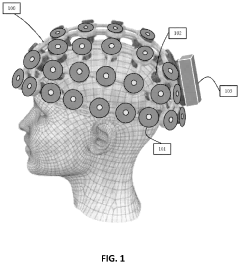
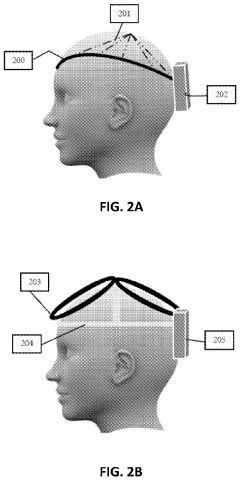
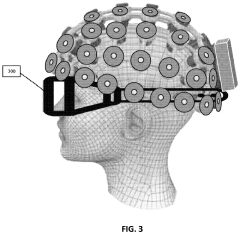
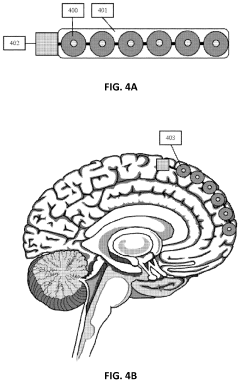
- The application of pulsed electromagnetic field (PEMF) energy with specific parameters, including a duty cycle of 4% or greater and an amplitude between 0.2 G and 1 G, is used to reduce inflammation by targeting cytokines and chemokines like TNF-α, MIP1a, IL-1β, IP-10, and MCP-1, while higher amplitude and duty cycle combinations increase inflammatory responses.
Stimulation arrangement and method of operating such stimulation arrangement
PatentPendingUS20230149122A1
Innovation
- A stimulation arrangement with an electromagnetic field generator and a support structure, equipped with a unique identifier and digital data storage, allows for efficient tracking and control of applications and therapies by storing use data and life time data, and includes a control unit for managing the operation and identifying individual devices and patients.


Medical Device Regulatory Framework for PEMF and ES
The regulatory landscape for Pulsed Electromagnetic Field (PEMF) and Electrical Stimulation (ES) devices varies significantly across global markets, with each jurisdiction maintaining distinct classification systems and approval pathways. In the United States, the FDA categorizes these devices under different classes based on their intended use and risk profile, with most PEMF devices falling under Class II medical devices requiring 510(k) premarket notification, while ES devices may range from Class I to Class III depending on their therapeutic applications.
European regulatory framework under the Medical Device Regulation (MDR) 2017/745 establishes a risk-based classification system where PEMF and ES devices typically fall under Class IIa or IIb categories. The conformity assessment procedures require involvement of notified bodies for most therapeutic applications, with manufacturers needing to demonstrate substantial equivalence or clinical evidence through comprehensive technical documentation.
Clinical evidence requirements represent a critical regulatory consideration for both technologies. PEMF devices must demonstrate safety and efficacy through controlled clinical trials, particularly for bone healing and pain management applications. ES devices face similar requirements, with additional scrutiny for neurostimulation applications that may require more extensive clinical data packages including long-term safety studies.
Quality management system compliance under ISO 13485 serves as a fundamental requirement across all major regulatory jurisdictions. Both PEMF and ES manufacturers must establish robust design controls, risk management processes following ISO 14971, and post-market surveillance systems to monitor device performance and adverse events throughout the product lifecycle.
Regulatory convergence initiatives through organizations like the International Medical Device Regulators Forum (IMDRF) are gradually harmonizing approval pathways, though significant regional differences persist in clinical evidence requirements and post-market obligations. Emerging markets increasingly adopt regulatory frameworks based on established precedents from FDA and European systems, creating opportunities for streamlined global market access strategies.
The evolving regulatory environment emphasizes real-world evidence collection and digital health integration, requiring manufacturers to adapt their regulatory strategies to accommodate new data sources and evidence generation methodologies for both PEMF and ES technologies.
European regulatory framework under the Medical Device Regulation (MDR) 2017/745 establishes a risk-based classification system where PEMF and ES devices typically fall under Class IIa or IIb categories. The conformity assessment procedures require involvement of notified bodies for most therapeutic applications, with manufacturers needing to demonstrate substantial equivalence or clinical evidence through comprehensive technical documentation.
Clinical evidence requirements represent a critical regulatory consideration for both technologies. PEMF devices must demonstrate safety and efficacy through controlled clinical trials, particularly for bone healing and pain management applications. ES devices face similar requirements, with additional scrutiny for neurostimulation applications that may require more extensive clinical data packages including long-term safety studies.
Quality management system compliance under ISO 13485 serves as a fundamental requirement across all major regulatory jurisdictions. Both PEMF and ES manufacturers must establish robust design controls, risk management processes following ISO 14971, and post-market surveillance systems to monitor device performance and adverse events throughout the product lifecycle.
Regulatory convergence initiatives through organizations like the International Medical Device Regulators Forum (IMDRF) are gradually harmonizing approval pathways, though significant regional differences persist in clinical evidence requirements and post-market obligations. Emerging markets increasingly adopt regulatory frameworks based on established precedents from FDA and European systems, creating opportunities for streamlined global market access strategies.
The evolving regulatory environment emphasizes real-world evidence collection and digital health integration, requiring manufacturers to adapt their regulatory strategies to accommodate new data sources and evidence generation methodologies for both PEMF and ES technologies.
Clinical Trial Design for PEMF vs ES Efficacy Studies
Designing robust clinical trials to compare PEMF and electrical stimulation efficacy requires careful consideration of multiple methodological factors to ensure valid and reliable results. The foundation of such studies lies in establishing appropriate randomization protocols, typically employing double-blind, placebo-controlled designs where feasible. However, the nature of these interventions presents unique challenges in maintaining participant and investigator blinding, necessitating innovative approaches such as sham devices that mimic the appearance and sound of active treatments without delivering therapeutic doses.
Patient selection criteria must be precisely defined to ensure homogeneous study populations while maintaining sufficient sample sizes for statistical power. Inclusion criteria should specify target conditions, disease severity levels, and demographic parameters, while exclusion criteria must account for contraindications specific to electromagnetic and electrical therapies, such as presence of implanted devices, pregnancy, or concurrent use of other electrotherapeutic modalities.
Outcome measurement protocols require standardization across multiple domains, incorporating both objective physiological markers and validated patient-reported outcome measures. Primary endpoints should focus on clinically meaningful improvements, such as pain reduction measured via visual analog scales, functional capacity assessments, or tissue healing rates quantified through imaging techniques. Secondary endpoints may include biomarker analysis, quality of life assessments, and long-term follow-up data to capture sustained therapeutic effects.
Treatment protocol standardization presents critical considerations for both PEMF and electrical stimulation parameters. PEMF studies must specify field strength, frequency, pulse duration, and exposure time, while electrical stimulation protocols require definition of current amplitude, waveform characteristics, electrode placement, and stimulation duration. Dose-response relationships should be explored through multiple treatment arms when feasible.
Statistical analysis plans must account for potential confounding variables and employ appropriate methods for handling missing data, multiple comparisons, and subgroup analyses. Power calculations should consider expected effect sizes based on preliminary data, with adequate sample sizes to detect clinically meaningful differences between treatment modalities while accounting for potential dropout rates and protocol deviations.
Patient selection criteria must be precisely defined to ensure homogeneous study populations while maintaining sufficient sample sizes for statistical power. Inclusion criteria should specify target conditions, disease severity levels, and demographic parameters, while exclusion criteria must account for contraindications specific to electromagnetic and electrical therapies, such as presence of implanted devices, pregnancy, or concurrent use of other electrotherapeutic modalities.
Outcome measurement protocols require standardization across multiple domains, incorporating both objective physiological markers and validated patient-reported outcome measures. Primary endpoints should focus on clinically meaningful improvements, such as pain reduction measured via visual analog scales, functional capacity assessments, or tissue healing rates quantified through imaging techniques. Secondary endpoints may include biomarker analysis, quality of life assessments, and long-term follow-up data to capture sustained therapeutic effects.
Treatment protocol standardization presents critical considerations for both PEMF and electrical stimulation parameters. PEMF studies must specify field strength, frequency, pulse duration, and exposure time, while electrical stimulation protocols require definition of current amplitude, waveform characteristics, electrode placement, and stimulation duration. Dose-response relationships should be explored through multiple treatment arms when feasible.
Statistical analysis plans must account for potential confounding variables and employ appropriate methods for handling missing data, multiple comparisons, and subgroup analyses. Power calculations should consider expected effect sizes based on preliminary data, with adequate sample sizes to detect clinically meaningful differences between treatment modalities while accounting for potential dropout rates and protocol deviations.
Unlock deeper insights with Patsnap Eureka Quick Research — get a full tech report to explore trends and direct your research. Try now!
Generate Your Research Report Instantly with AI Agent
Supercharge your innovation with Patsnap Eureka AI Agent Platform!