

Quantify Non-Coding Transcripts in Spatial Context Using Transformational Sensors
JUN 3, 20269 MIN READ
Generate Your Research Report Instantly with AI Agent
Patsnap Eureka helps you evaluate technical feasibility & market potential.
Non-Coding RNA Spatial Quantification Background and Objectives
Non-coding RNAs represent a diverse class of functional RNA molecules that do not encode proteins but play crucial regulatory roles in cellular processes. These molecules, including microRNAs, long non-coding RNAs, circular RNAs, and small interfering RNAs, have emerged as key regulators of gene expression, chromatin modification, and cellular signaling pathways. Their dysregulation has been implicated in numerous diseases, including cancer, neurological disorders, and metabolic diseases, making them attractive targets for therapeutic intervention and diagnostic applications.
Traditional methods for studying non-coding RNAs have primarily relied on bulk RNA sequencing and quantitative PCR approaches, which provide averaged expression data across entire tissue samples or cell populations. However, these conventional techniques fail to capture the spatial heterogeneity and localized expression patterns that are fundamental to understanding non-coding RNA function in complex biological systems. The spatial organization of non-coding RNA expression is particularly critical in tissues with distinct cellular architectures, such as the brain, tumor microenvironments, and developing organs.
The advent of spatial transcriptomics has revolutionized our ability to map gene expression patterns within their native tissue context. Current spatial RNA analysis platforms, including spatial RNA sequencing and in situ hybridization techniques, have demonstrated the importance of spatial information in understanding cellular communication and tissue organization. However, existing spatial transcriptomics methods face significant limitations when applied to non-coding RNA detection, including reduced sensitivity for low-abundance transcripts, limited multiplexing capabilities, and challenges in distinguishing closely related non-coding RNA species.
Transformational sensors represent an emerging technological approach that combines the specificity of molecular recognition with advanced signal amplification and detection mechanisms. These sensors leverage innovative design principles, including conformational changes, enzymatic cascades, and nanomaterial-based signal enhancement, to achieve unprecedented sensitivity and selectivity for target molecules. The integration of transformational sensors with spatial analysis platforms offers the potential to overcome current limitations in non-coding RNA detection and quantification.
The primary objective of developing quantitative spatial analysis methods for non-coding transcripts using transformational sensors is to enable precise, multiplexed detection of these regulatory molecules within their native tissue architecture. This technological advancement aims to provide researchers with tools to map non-coding RNA expression patterns at single-cell resolution while maintaining spatial context, ultimately facilitating deeper understanding of their biological functions and therapeutic potential.
Traditional methods for studying non-coding RNAs have primarily relied on bulk RNA sequencing and quantitative PCR approaches, which provide averaged expression data across entire tissue samples or cell populations. However, these conventional techniques fail to capture the spatial heterogeneity and localized expression patterns that are fundamental to understanding non-coding RNA function in complex biological systems. The spatial organization of non-coding RNA expression is particularly critical in tissues with distinct cellular architectures, such as the brain, tumor microenvironments, and developing organs.
The advent of spatial transcriptomics has revolutionized our ability to map gene expression patterns within their native tissue context. Current spatial RNA analysis platforms, including spatial RNA sequencing and in situ hybridization techniques, have demonstrated the importance of spatial information in understanding cellular communication and tissue organization. However, existing spatial transcriptomics methods face significant limitations when applied to non-coding RNA detection, including reduced sensitivity for low-abundance transcripts, limited multiplexing capabilities, and challenges in distinguishing closely related non-coding RNA species.
Transformational sensors represent an emerging technological approach that combines the specificity of molecular recognition with advanced signal amplification and detection mechanisms. These sensors leverage innovative design principles, including conformational changes, enzymatic cascades, and nanomaterial-based signal enhancement, to achieve unprecedented sensitivity and selectivity for target molecules. The integration of transformational sensors with spatial analysis platforms offers the potential to overcome current limitations in non-coding RNA detection and quantification.
The primary objective of developing quantitative spatial analysis methods for non-coding transcripts using transformational sensors is to enable precise, multiplexed detection of these regulatory molecules within their native tissue architecture. This technological advancement aims to provide researchers with tools to map non-coding RNA expression patterns at single-cell resolution while maintaining spatial context, ultimately facilitating deeper understanding of their biological functions and therapeutic potential.
Market Demand for Spatial Transcriptomics Solutions
The spatial transcriptomics market has experienced unprecedented growth driven by the increasing recognition that understanding gene expression within tissue architecture is crucial for advancing precision medicine and therapeutic development. Traditional bulk RNA sequencing methods, while valuable, fail to capture the spatial heterogeneity of tissues, creating a significant gap in our understanding of cellular interactions and disease mechanisms. This limitation has generated substantial demand for technologies capable of quantifying non-coding transcripts within their native spatial context.
Research institutions and pharmaceutical companies are actively seeking solutions that can map the spatial distribution of long non-coding RNAs, microRNAs, and other regulatory transcripts, as these molecules play critical roles in tissue development, disease progression, and therapeutic response. The ability to visualize and quantify these transcripts at subcellular resolution represents a transformative capability for understanding complex biological processes.
The oncology research sector demonstrates particularly strong demand for spatial transcriptomics solutions, as tumor heterogeneity and the tumor microenvironment significantly influence treatment outcomes. Cancer researchers require tools that can identify how non-coding transcripts regulate cellular communication between tumor cells, immune cells, and stromal components within specific tissue regions. This spatial information is essential for developing targeted therapies and understanding resistance mechanisms.
Neuroscience applications represent another high-demand area, where researchers need to understand how non-coding transcripts contribute to neural circuit formation and neurological disorders. The brain's complex architecture requires precise spatial mapping of regulatory elements to comprehend disease mechanisms and identify therapeutic targets.
Clinical diagnostics markets are increasingly recognizing the potential of spatial transcriptomics for improving disease classification and prognosis. Pathologists and clinicians seek technologies that can provide spatial context to molecular signatures, enabling more accurate diagnosis and personalized treatment selection. The integration of transformational sensors with existing clinical workflows presents significant commercial opportunities.
The pharmaceutical industry's growing investment in spatial biology reflects the recognition that drug development requires understanding of tissue-level drug responses and off-target effects. Companies are seeking platforms that can evaluate how therapeutic interventions affect non-coding transcript expression patterns across different tissue compartments, providing crucial insights for drug safety and efficacy assessment.
Research institutions and pharmaceutical companies are actively seeking solutions that can map the spatial distribution of long non-coding RNAs, microRNAs, and other regulatory transcripts, as these molecules play critical roles in tissue development, disease progression, and therapeutic response. The ability to visualize and quantify these transcripts at subcellular resolution represents a transformative capability for understanding complex biological processes.
The oncology research sector demonstrates particularly strong demand for spatial transcriptomics solutions, as tumor heterogeneity and the tumor microenvironment significantly influence treatment outcomes. Cancer researchers require tools that can identify how non-coding transcripts regulate cellular communication between tumor cells, immune cells, and stromal components within specific tissue regions. This spatial information is essential for developing targeted therapies and understanding resistance mechanisms.
Neuroscience applications represent another high-demand area, where researchers need to understand how non-coding transcripts contribute to neural circuit formation and neurological disorders. The brain's complex architecture requires precise spatial mapping of regulatory elements to comprehend disease mechanisms and identify therapeutic targets.
Clinical diagnostics markets are increasingly recognizing the potential of spatial transcriptomics for improving disease classification and prognosis. Pathologists and clinicians seek technologies that can provide spatial context to molecular signatures, enabling more accurate diagnosis and personalized treatment selection. The integration of transformational sensors with existing clinical workflows presents significant commercial opportunities.
The pharmaceutical industry's growing investment in spatial biology reflects the recognition that drug development requires understanding of tissue-level drug responses and off-target effects. Companies are seeking platforms that can evaluate how therapeutic interventions affect non-coding transcript expression patterns across different tissue compartments, providing crucial insights for drug safety and efficacy assessment.
Current Challenges in Non-Coding RNA Spatial Detection
The spatial detection of non-coding RNAs presents significant technical challenges that have hindered comprehensive understanding of their functional roles in cellular microenvironments. Traditional RNA detection methods, including fluorescence in situ hybridization and single-cell RNA sequencing, lack the spatial resolution necessary to accurately map non-coding transcript distributions within tissue architecture. These conventional approaches often require tissue dissociation or fixation procedures that compromise the native spatial organization of RNA molecules.
Detection sensitivity remains a critical bottleneck in non-coding RNA spatial analysis. Many non-coding transcripts, particularly microRNAs and long non-coding RNAs, are expressed at relatively low abundance compared to protein-coding mRNAs. Current detection technologies struggle to achieve sufficient signal-to-noise ratios for reliable quantification of these low-abundance targets while maintaining spatial fidelity. This limitation is further compounded by the inherent instability of RNA molecules and their susceptibility to degradation during sample processing.
Multiplexing capabilities represent another substantial challenge in spatial non-coding RNA detection. Researchers require simultaneous visualization of multiple non-coding transcript species to understand their coordinated expression patterns and regulatory networks. However, existing spatial transcriptomics platforms are constrained by spectral overlap in fluorescent labeling systems and limited probe design flexibility, restricting the number of targets that can be analyzed concurrently within a single experimental framework.
Quantitative accuracy poses additional complications for spatial non-coding RNA analysis. Current methodologies often provide semi-quantitative or relative abundance measurements rather than absolute transcript counts. This limitation stems from variations in hybridization efficiency, probe accessibility, and signal amplification across different cellular compartments and tissue regions. The lack of standardized quantification protocols further complicates cross-study comparisons and reproducibility.
Spatial resolution constraints continue to impede precise localization of non-coding transcripts at subcellular levels. While some technologies achieve single-cell resolution, they often cannot distinguish between cytoplasmic, nuclear, or organellar RNA populations. This limitation is particularly problematic for understanding the spatial dynamics of regulatory non-coding RNAs that function in specific cellular compartments or at distinct subcellular locations where they interact with target molecules.
Detection sensitivity remains a critical bottleneck in non-coding RNA spatial analysis. Many non-coding transcripts, particularly microRNAs and long non-coding RNAs, are expressed at relatively low abundance compared to protein-coding mRNAs. Current detection technologies struggle to achieve sufficient signal-to-noise ratios for reliable quantification of these low-abundance targets while maintaining spatial fidelity. This limitation is further compounded by the inherent instability of RNA molecules and their susceptibility to degradation during sample processing.
Multiplexing capabilities represent another substantial challenge in spatial non-coding RNA detection. Researchers require simultaneous visualization of multiple non-coding transcript species to understand their coordinated expression patterns and regulatory networks. However, existing spatial transcriptomics platforms are constrained by spectral overlap in fluorescent labeling systems and limited probe design flexibility, restricting the number of targets that can be analyzed concurrently within a single experimental framework.
Quantitative accuracy poses additional complications for spatial non-coding RNA analysis. Current methodologies often provide semi-quantitative or relative abundance measurements rather than absolute transcript counts. This limitation stems from variations in hybridization efficiency, probe accessibility, and signal amplification across different cellular compartments and tissue regions. The lack of standardized quantification protocols further complicates cross-study comparisons and reproducibility.
Spatial resolution constraints continue to impede precise localization of non-coding transcripts at subcellular levels. While some technologies achieve single-cell resolution, they often cannot distinguish between cytoplasmic, nuclear, or organellar RNA populations. This limitation is particularly problematic for understanding the spatial dynamics of regulatory non-coding RNAs that function in specific cellular compartments or at distinct subcellular locations where they interact with target molecules.
Existing Spatial RNA Quantification Methodologies
01 Advanced sensor calibration and compensation methods
Implementation of sophisticated calibration techniques and compensation algorithms to improve measurement accuracy in transformational sensors. These methods involve real-time adjustment of sensor parameters, temperature compensation, and drift correction to maintain high precision across varying operational conditions. The approaches include multi-point calibration, adaptive filtering, and machine learning-based correction algorithms.- Signal processing and calibration methods for sensor accuracy: Advanced signal processing techniques and calibration algorithms are employed to enhance the quantification accuracy of transformational sensors. These methods involve digital filtering, noise reduction, and systematic error correction to improve measurement precision. Calibration procedures include multi-point calibration, temperature compensation, and drift correction mechanisms that ensure consistent performance over time and varying environmental conditions.
- Multi-sensor fusion and data integration techniques: Integration of multiple sensor inputs through fusion algorithms improves overall quantification accuracy by combining complementary measurement data. These techniques utilize statistical methods, machine learning approaches, and weighted averaging to process data from different sensor types. The fusion process reduces individual sensor limitations and provides more reliable and accurate quantification results through redundancy and cross-validation.
- Real-time error detection and compensation systems: Automated error detection and compensation mechanisms continuously monitor sensor performance and adjust measurements in real-time to maintain accuracy. These systems identify systematic errors, environmental influences, and sensor degradation through pattern recognition and statistical analysis. Compensation algorithms automatically correct for identified errors and provide feedback for system optimization and maintenance scheduling.
- Environmental adaptation and temperature compensation: Sophisticated environmental adaptation techniques account for temperature variations, humidity changes, and other external factors that affect sensor accuracy. These methods include temperature coefficient correction, environmental modeling, and adaptive algorithms that adjust sensor responses based on operating conditions. The compensation systems ensure stable quantification performance across wide operating ranges and varying environmental conditions.
- Machine learning and artificial intelligence for accuracy enhancement: Implementation of machine learning algorithms and artificial intelligence techniques to improve sensor quantification accuracy through pattern recognition and predictive modeling. These approaches utilize neural networks, deep learning, and adaptive algorithms to learn from historical data and optimize measurement processes. The systems continuously improve accuracy through self-learning mechanisms and can adapt to new measurement scenarios and conditions.
02 Signal processing and noise reduction techniques
Advanced signal processing methodologies designed to enhance the accuracy of transformational sensors by reducing noise interference and improving signal-to-noise ratio. These techniques encompass digital filtering, statistical analysis, and adaptive signal processing algorithms that can distinguish between actual measurements and environmental interference or system noise.Expand Specific Solutions03 Multi-sensor fusion and data integration
Integration of multiple sensor inputs and data fusion techniques to improve overall quantification accuracy through redundancy and cross-validation. This approach combines readings from different sensor types or multiple instances of the same sensor type to create more reliable and accurate measurements through statistical analysis and weighted averaging methods.Expand Specific Solutions04 Real-time error detection and correction systems
Implementation of automated error detection mechanisms and real-time correction systems that continuously monitor sensor performance and identify deviations from expected accuracy levels. These systems employ predictive algorithms, anomaly detection, and automatic recalibration procedures to maintain optimal sensor performance and measurement reliability.Expand Specific Solutions05 Adaptive measurement algorithms and dynamic range optimization
Development of intelligent measurement algorithms that can adapt to changing conditions and optimize dynamic range for improved accuracy across different measurement scenarios. These systems automatically adjust measurement parameters, sampling rates, and processing methods based on real-time analysis of measurement conditions and requirements.Expand Specific Solutions
Key Players in Spatial Transcriptomics and Sensor Industry
The field of quantifying non-coding transcripts in spatial context using transformational sensors represents an emerging biotechnology sector at the intersection of genomics and advanced sensing technologies. The market is in its early growth phase, driven by increasing demand for spatial transcriptomics solutions in research and clinical applications. The competitive landscape features a diverse mix of established technology giants like Microsoft, Huawei, Qualcomm, and Samsung Electronics alongside specialized life sciences companies such as 10X Genomics, which leads in spatial genomics platforms. Academic institutions including Shandong University and Xidian University contribute foundational research, while healthcare technology providers like Philips and GE Precision Healthcare bring clinical expertise. Technology maturity varies significantly across players, with 10X Genomics demonstrating the most advanced commercial spatial transcriptomics solutions, while tech giants leverage their sensor and AI capabilities for transformational sensing applications in this rapidly evolving field.
Microsoft Technology Licensing LLC
Technical Solution: Microsoft has developed AI-powered computational frameworks for analyzing spatial transcriptomics data, including transformer-based models for processing high-dimensional spatial gene expression datasets. Their Azure cloud platform provides scalable computing infrastructure for spatial biology analysis, while their machine learning tools enable pattern recognition in complex spatial transcriptomics data. The company has also contributed to open-source bioinformatics tools and developed algorithms for integrating multi-modal spatial data including imaging and sequencing information. Their approach focuses on leveraging deep learning and cloud computing to handle the computational challenges of spatial transcriptomics analysis.
Strengths: Strong computational infrastructure and AI capabilities for large-scale data analysis. Weaknesses: Limited direct hardware solutions for spatial biology and dependence on third-party experimental platforms.
Huawei Technologies Co., Ltd.
Technical Solution: Huawei has developed sensor technologies and edge computing solutions that can be applied to spatial transcriptomics analysis. Their approach includes developing high-performance computing chips and AI accelerators that can process complex biological data in real-time. The company has also worked on optical sensing technologies and image processing algorithms that could be adapted for spatial biology applications. Their 5G and IoT technologies enable remote monitoring and data transmission for distributed biological sensing systems. Additionally, they have developed machine learning frameworks optimized for their hardware platforms that can be used for analyzing spatial gene expression patterns.
Strengths: Advanced semiconductor technology and edge computing capabilities for real-time data processing. Weaknesses: Limited specific expertise in biological applications and regulatory restrictions in some markets.
Core Innovations in Transformational Sensing for ncRNA
Non-coding transcripts for determination of cellular states
PatentInactiveUS20130317083A1
Innovation
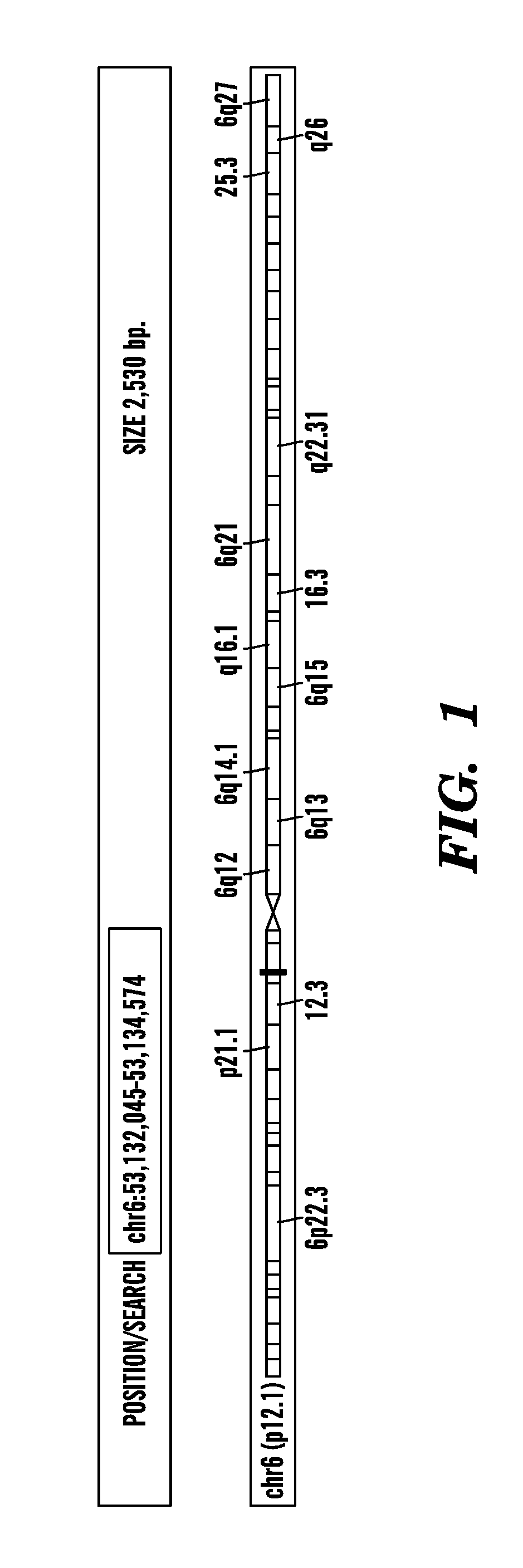
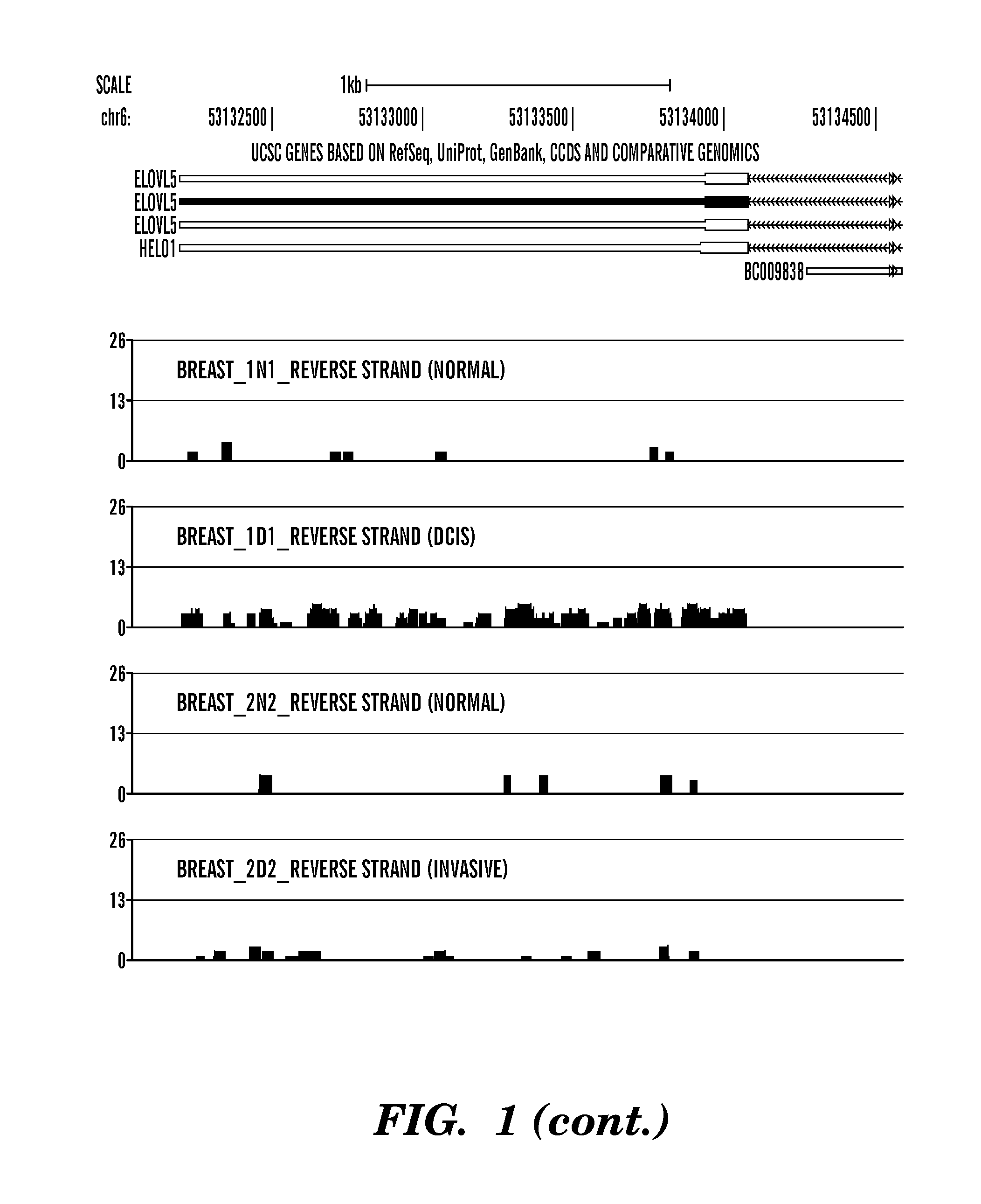
- The detection of short RNA sequences originating from exons of protein-coding genes or non-coding transcripts in biological samples, which can indicate the state of cells or tissues, allowing for more definitive and reliable diagnosis and prognosis of cancer stages.

Spatial proximity context entropy coding
PatentActiveUS9179151B2
Innovation
- Spatial proximity context entropy coding identifies context coefficients spatially proximate to the current transform coefficient, independent of scan order, to predict the probability distribution for efficient encoding, adjusting entropy coding probabilities based on these correlations.


Regulatory Framework for Molecular Diagnostic Technologies
The regulatory landscape for molecular diagnostic technologies incorporating spatial transcriptomics and transformational sensors presents a complex framework that continues to evolve alongside technological advancement. Current regulatory pathways primarily fall under the jurisdiction of agencies such as the FDA in the United States, EMA in Europe, and corresponding bodies in other regions, each establishing distinct requirements for analytical validation, clinical validation, and quality management systems.
For technologies quantifying non-coding transcripts in spatial contexts, regulatory classification typically depends on intended use and clinical claims. Diagnostic devices making specific disease-related assertions generally require more stringent premarket approval processes, while research-use-only applications face fewer regulatory barriers. The FDA's 510(k) pathway often applies to devices demonstrating substantial equivalence to existing predicate devices, though novel transformational sensor technologies may require de novo classification or premarket approval applications.
International harmonization efforts through organizations like the International Medical Device Regulators Forum have established common principles for analytical performance evaluation. These guidelines emphasize requirements for precision, accuracy, analytical sensitivity, analytical specificity, and measurement range validation. For spatial transcriptomics applications, particular attention focuses on spatial resolution validation, cross-contamination assessment, and reproducibility across different tissue types and preparation methods.
Quality management system requirements under ISO 13485 mandate comprehensive documentation of design controls, risk management processes, and post-market surveillance activities. Software components integral to transformational sensors must comply with IEC 62304 standards, addressing software lifecycle processes and risk classification based on potential patient harm.
Emerging regulatory considerations include data integrity requirements for high-throughput spatial analysis, cybersecurity frameworks for connected diagnostic devices, and artificial intelligence validation protocols when machine learning algorithms support transcript quantification. Recent guidance documents emphasize the importance of real-world evidence generation and adaptive regulatory pathways that accommodate rapid technological evolution while maintaining patient safety standards.
The regulatory framework continues adapting to address unique challenges posed by spatial molecular diagnostics, including standardization of spatial coordinate systems, validation of multiplexed assay performance, and establishment of reference materials for non-coding transcript quantification across diverse tissue architectures.
For technologies quantifying non-coding transcripts in spatial contexts, regulatory classification typically depends on intended use and clinical claims. Diagnostic devices making specific disease-related assertions generally require more stringent premarket approval processes, while research-use-only applications face fewer regulatory barriers. The FDA's 510(k) pathway often applies to devices demonstrating substantial equivalence to existing predicate devices, though novel transformational sensor technologies may require de novo classification or premarket approval applications.
International harmonization efforts through organizations like the International Medical Device Regulators Forum have established common principles for analytical performance evaluation. These guidelines emphasize requirements for precision, accuracy, analytical sensitivity, analytical specificity, and measurement range validation. For spatial transcriptomics applications, particular attention focuses on spatial resolution validation, cross-contamination assessment, and reproducibility across different tissue types and preparation methods.
Quality management system requirements under ISO 13485 mandate comprehensive documentation of design controls, risk management processes, and post-market surveillance activities. Software components integral to transformational sensors must comply with IEC 62304 standards, addressing software lifecycle processes and risk classification based on potential patient harm.
Emerging regulatory considerations include data integrity requirements for high-throughput spatial analysis, cybersecurity frameworks for connected diagnostic devices, and artificial intelligence validation protocols when machine learning algorithms support transcript quantification. Recent guidance documents emphasize the importance of real-world evidence generation and adaptive regulatory pathways that accommodate rapid technological evolution while maintaining patient safety standards.
The regulatory framework continues adapting to address unique challenges posed by spatial molecular diagnostics, including standardization of spatial coordinate systems, validation of multiplexed assay performance, and establishment of reference materials for non-coding transcript quantification across diverse tissue architectures.
Data Privacy and Standardization in Spatial Genomics
The quantification of non-coding transcripts in spatial contexts using transformational sensors presents significant challenges regarding data privacy and standardization within the spatial genomics field. Current spatial transcriptomic technologies generate highly sensitive genomic information that requires robust privacy protection frameworks while maintaining research utility and reproducibility.
Data privacy concerns arise from the inherently identifiable nature of spatial genomic data, which combines genetic information with precise tissue location coordinates. Traditional de-identification methods prove insufficient as spatial patterns can potentially re-identify individuals through unique tissue architecture signatures. The integration of transformational sensors compounds these concerns by generating high-resolution datasets that capture subtle cellular interactions and microenvironmental contexts.
Standardization challenges emerge from the diverse array of transformational sensor technologies employed for non-coding transcript detection. Different platforms utilize varying probe designs, signal amplification methods, and spatial resolution capabilities, resulting in inconsistent data formats and quality metrics. The absence of unified protocols for data collection, processing, and annotation creates barriers to cross-platform comparisons and meta-analyses.
Current privacy protection strategies include differential privacy algorithms, federated learning approaches, and secure multi-party computation methods. However, these techniques often compromise data utility, particularly for spatial context preservation essential in non-coding transcript analysis. The balance between privacy protection and analytical precision remains a critical technical challenge requiring innovative solutions.
Standardization efforts focus on developing common data exchange formats, quality control metrics, and analytical pipelines. Organizations are establishing minimum information standards for spatial transcriptomic experiments, including metadata requirements for transformational sensor specifications, tissue preparation protocols, and computational analysis parameters. These initiatives aim to ensure reproducibility while accommodating technological diversity.
The regulatory landscape continues evolving, with emerging guidelines addressing spatial genomic data governance, international data sharing agreements, and institutional review board considerations. Compliance requirements vary significantly across jurisdictions, creating additional complexity for multi-institutional collaborative research projects utilizing transformational sensor technologies for non-coding transcript quantification.
Data privacy concerns arise from the inherently identifiable nature of spatial genomic data, which combines genetic information with precise tissue location coordinates. Traditional de-identification methods prove insufficient as spatial patterns can potentially re-identify individuals through unique tissue architecture signatures. The integration of transformational sensors compounds these concerns by generating high-resolution datasets that capture subtle cellular interactions and microenvironmental contexts.
Standardization challenges emerge from the diverse array of transformational sensor technologies employed for non-coding transcript detection. Different platforms utilize varying probe designs, signal amplification methods, and spatial resolution capabilities, resulting in inconsistent data formats and quality metrics. The absence of unified protocols for data collection, processing, and annotation creates barriers to cross-platform comparisons and meta-analyses.
Current privacy protection strategies include differential privacy algorithms, federated learning approaches, and secure multi-party computation methods. However, these techniques often compromise data utility, particularly for spatial context preservation essential in non-coding transcript analysis. The balance between privacy protection and analytical precision remains a critical technical challenge requiring innovative solutions.
Standardization efforts focus on developing common data exchange formats, quality control metrics, and analytical pipelines. Organizations are establishing minimum information standards for spatial transcriptomic experiments, including metadata requirements for transformational sensor specifications, tissue preparation protocols, and computational analysis parameters. These initiatives aim to ensure reproducibility while accommodating technological diversity.
The regulatory landscape continues evolving, with emerging guidelines addressing spatial genomic data governance, international data sharing agreements, and institutional review board considerations. Compliance requirements vary significantly across jurisdictions, creating additional complexity for multi-institutional collaborative research projects utilizing transformational sensor technologies for non-coding transcript quantification.
Unlock deeper insights with Patsnap Eureka Quick Research — get a full tech report to explore trends and direct your research. Try now!
Generate Your Research Report Instantly with AI Agent
Supercharge your innovation with Patsnap Eureka AI Agent Platform!