

Quantifying Lithium Battery Heat Dissipation in Heavy Use
FEB 12, 20268 MIN READ
Generate Your Research Report Instantly with AI Agent
PatSnap Eureka helps you evaluate technical feasibility & market potential.
Lithium Battery Thermal Management Background and Objectives
Lithium-ion batteries have become the dominant energy storage solution across diverse applications, from consumer electronics to electric vehicles and grid-scale energy systems. This widespread adoption stems from their superior energy density, extended cycle life, and declining manufacturing costs over the past two decades. However, as application scenarios evolve toward more demanding operational conditions, particularly in heavy-use environments such as fast-charging electric vehicles, high-power industrial equipment, and intensive cycling applications, thermal management has emerged as a critical bottleneck limiting performance, safety, and longevity.
During heavy-use conditions, lithium batteries generate substantial heat through multiple mechanisms including electrochemical reactions, internal resistance, and polarization effects. Excessive heat accumulation can trigger thermal runaway, accelerate capacity degradation, reduce power output efficiency, and in extreme cases, lead to catastrophic safety incidents. The challenge intensifies as battery pack designs become more compact and energy-dense, reducing available space for heat dissipation while simultaneously increasing thermal load density.
Quantifying heat dissipation in these demanding scenarios presents significant technical complexity. Heat generation rates vary dynamically with discharge rates, ambient temperatures, state of charge, and battery aging conditions. Traditional thermal management approaches often rely on empirical models or simplified assumptions that fail to capture the nuanced thermal behavior under real-world heavy-use patterns. This gap between theoretical models and actual operational conditions creates substantial uncertainty in thermal system design and performance prediction.
The primary objective of this technical investigation is to establish robust methodologies for accurately quantifying lithium battery heat dissipation specifically under heavy-use conditions. This encompasses developing comprehensive measurement frameworks, identifying key thermal parameters and their interdependencies, and creating predictive models that account for dynamic operational variables. Secondary objectives include evaluating existing thermal management solutions against quantified heat dissipation requirements, identifying performance gaps in current approaches, and establishing benchmarks for next-generation thermal management systems that can support increasingly demanding application scenarios while maintaining safety margins and extending battery operational lifespan.
During heavy-use conditions, lithium batteries generate substantial heat through multiple mechanisms including electrochemical reactions, internal resistance, and polarization effects. Excessive heat accumulation can trigger thermal runaway, accelerate capacity degradation, reduce power output efficiency, and in extreme cases, lead to catastrophic safety incidents. The challenge intensifies as battery pack designs become more compact and energy-dense, reducing available space for heat dissipation while simultaneously increasing thermal load density.
Quantifying heat dissipation in these demanding scenarios presents significant technical complexity. Heat generation rates vary dynamically with discharge rates, ambient temperatures, state of charge, and battery aging conditions. Traditional thermal management approaches often rely on empirical models or simplified assumptions that fail to capture the nuanced thermal behavior under real-world heavy-use patterns. This gap between theoretical models and actual operational conditions creates substantial uncertainty in thermal system design and performance prediction.
The primary objective of this technical investigation is to establish robust methodologies for accurately quantifying lithium battery heat dissipation specifically under heavy-use conditions. This encompasses developing comprehensive measurement frameworks, identifying key thermal parameters and their interdependencies, and creating predictive models that account for dynamic operational variables. Secondary objectives include evaluating existing thermal management solutions against quantified heat dissipation requirements, identifying performance gaps in current approaches, and establishing benchmarks for next-generation thermal management systems that can support increasingly demanding application scenarios while maintaining safety margins and extending battery operational lifespan.
Market Demand for Heavy-Use Battery Applications
The market demand for heavy-use battery applications has experienced substantial growth driven by the rapid expansion of electric vehicles, energy storage systems, and high-performance portable electronics. Electric vehicles represent the most significant segment, with global adoption accelerating as governments implement stricter emission regulations and consumers increasingly prioritize sustainable transportation. The transition from internal combustion engines to battery-powered systems has created unprecedented demand for lithium-ion batteries capable of sustaining high discharge rates during extended operation periods.
Energy storage systems for renewable energy integration constitute another critical market segment. As solar and wind power installations proliferate worldwide, grid-scale battery systems must handle frequent charge-discharge cycles under varying load conditions. These applications require robust thermal management solutions to maintain operational efficiency and prevent degradation during peak demand periods. Industrial and commercial facilities increasingly deploy battery systems for load balancing and backup power, further expanding the heavy-use application landscape.
The consumer electronics sector continues to evolve toward more power-intensive devices, including gaming laptops, professional workstations, and augmented reality equipment. These products demand batteries that can deliver sustained high power output while maintaining safe operating temperatures. Professional users in fields such as filmmaking, engineering, and medical services require reliable battery performance under continuous heavy loads, creating a distinct market niche with stringent thermal management requirements.
Emerging applications in electric aviation, maritime transport, and heavy machinery electrification are generating new demand patterns. These sectors require battery systems that can operate reliably under extreme conditions while delivering consistent high power output. The convergence of these diverse market segments has intensified the need for accurate heat dissipation quantification methods, as thermal management directly impacts battery lifespan, safety, and performance reliability. Market participants increasingly recognize that effective thermal characterization represents a competitive differentiator and a critical factor in meeting regulatory standards and customer expectations across all heavy-use battery applications.
Energy storage systems for renewable energy integration constitute another critical market segment. As solar and wind power installations proliferate worldwide, grid-scale battery systems must handle frequent charge-discharge cycles under varying load conditions. These applications require robust thermal management solutions to maintain operational efficiency and prevent degradation during peak demand periods. Industrial and commercial facilities increasingly deploy battery systems for load balancing and backup power, further expanding the heavy-use application landscape.
The consumer electronics sector continues to evolve toward more power-intensive devices, including gaming laptops, professional workstations, and augmented reality equipment. These products demand batteries that can deliver sustained high power output while maintaining safe operating temperatures. Professional users in fields such as filmmaking, engineering, and medical services require reliable battery performance under continuous heavy loads, creating a distinct market niche with stringent thermal management requirements.
Emerging applications in electric aviation, maritime transport, and heavy machinery electrification are generating new demand patterns. These sectors require battery systems that can operate reliably under extreme conditions while delivering consistent high power output. The convergence of these diverse market segments has intensified the need for accurate heat dissipation quantification methods, as thermal management directly impacts battery lifespan, safety, and performance reliability. Market participants increasingly recognize that effective thermal characterization represents a competitive differentiator and a critical factor in meeting regulatory standards and customer expectations across all heavy-use battery applications.
Current Thermal Challenges in High-Load Battery Systems
Lithium-ion batteries operating under heavy-load conditions face significant thermal management challenges that directly impact performance, safety, and longevity. High discharge rates in applications such as electric vehicles during rapid acceleration, power tools under continuous operation, and energy storage systems during peak demand periods generate substantial heat that exceeds the thermal dissipation capacity of conventional cooling systems. The primary challenge lies in the non-uniform heat generation within battery cells, where localized hotspots can emerge at electrode interfaces and current collectors, creating temperature gradients that accelerate degradation mechanisms.
The fundamental difficulty stems from the inherent thermal properties of battery materials and the complex electrochemical reactions occurring during high-current discharge. Internal resistance increases with discharge rate, leading to exponential growth in Joule heating effects. Simultaneously, the exothermic nature of lithium intercalation reactions at elevated rates compounds the thermal burden. Current battery pack designs often struggle to extract heat efficiently from the cell core, where temperatures can exceed safe operating thresholds while surface temperatures remain deceptively moderate.
Thermal runaway risk escalates dramatically under heavy-use scenarios, as elevated temperatures trigger self-reinforcing degradation cycles. Separator integrity deteriorates, electrolyte decomposition accelerates, and solid electrolyte interphase layers become unstable above critical temperature points. These phenomena create safety concerns that constrain the operational envelope of high-power battery systems. The challenge intensifies in densely packed battery modules where cell-to-cell thermal coupling propagates heat accumulation across the entire pack.
Measurement and quantification difficulties further complicate thermal management strategies. Traditional temperature sensing methods provide limited spatial resolution, failing to capture internal temperature distributions or transient thermal spikes during pulse discharge events. The lack of real-time, accurate thermal data prevents adaptive cooling strategies and precise state-of-health assessments. Additionally, thermal modeling accuracy remains constrained by uncertainties in material properties, contact resistances, and dynamic operating conditions, creating gaps between predicted and actual thermal behavior in field applications.
The fundamental difficulty stems from the inherent thermal properties of battery materials and the complex electrochemical reactions occurring during high-current discharge. Internal resistance increases with discharge rate, leading to exponential growth in Joule heating effects. Simultaneously, the exothermic nature of lithium intercalation reactions at elevated rates compounds the thermal burden. Current battery pack designs often struggle to extract heat efficiently from the cell core, where temperatures can exceed safe operating thresholds while surface temperatures remain deceptively moderate.
Thermal runaway risk escalates dramatically under heavy-use scenarios, as elevated temperatures trigger self-reinforcing degradation cycles. Separator integrity deteriorates, electrolyte decomposition accelerates, and solid electrolyte interphase layers become unstable above critical temperature points. These phenomena create safety concerns that constrain the operational envelope of high-power battery systems. The challenge intensifies in densely packed battery modules where cell-to-cell thermal coupling propagates heat accumulation across the entire pack.
Measurement and quantification difficulties further complicate thermal management strategies. Traditional temperature sensing methods provide limited spatial resolution, failing to capture internal temperature distributions or transient thermal spikes during pulse discharge events. The lack of real-time, accurate thermal data prevents adaptive cooling strategies and precise state-of-health assessments. Additionally, thermal modeling accuracy remains constrained by uncertainties in material properties, contact resistances, and dynamic operating conditions, creating gaps between predicted and actual thermal behavior in field applications.
Existing Heat Quantification and Dissipation Methods
01 Liquid cooling systems for lithium battery thermal management
Liquid cooling systems utilize coolant fluids circulating through channels or plates in direct or indirect contact with battery cells to absorb and dissipate heat. These systems typically include cooling plates, pumps, heat exchangers, and circulation pipelines that enable efficient heat transfer. The liquid medium provides superior thermal conductivity compared to air cooling, making it suitable for high-power battery applications requiring rapid heat dissipation.- Liquid cooling systems for lithium battery thermal management: Liquid cooling systems utilize coolant fluids circulating through channels or plates in direct or indirect contact with battery cells to absorb and dissipate heat. These systems typically include cooling plates, pumps, heat exchangers, and flow control mechanisms to maintain optimal battery temperature during operation and charging. The liquid medium provides efficient heat transfer capabilities and uniform temperature distribution across the battery pack.
- Phase change material integration for heat dissipation: Phase change materials are incorporated into battery thermal management systems to absorb excess heat through latent heat storage during phase transitions. These materials are strategically positioned around or between battery cells to passively regulate temperature by melting when heat is generated and solidifying when cooling occurs. This approach provides effective thermal buffering without requiring active cooling components or external power consumption.
- Air cooling structures and ventilation designs: Air cooling approaches employ natural or forced convection through specially designed ventilation channels, fins, and airflow pathways to remove heat from battery assemblies. These systems may include fans, air ducts, heat dissipation fins, and optimized spacing between cells to enhance air circulation. The designs focus on maximizing surface area exposure and airflow efficiency while maintaining compact battery pack configurations.
- Heat pipe and vapor chamber technologies: Heat pipes and vapor chambers utilize phase change heat transfer principles with working fluids that evaporate at hot spots and condense at cooler regions to rapidly transport thermal energy away from battery cells. These passive thermal management devices provide high thermal conductivity pathways and can be integrated into battery pack structures to achieve efficient heat spreading and dissipation with minimal space requirements.
- Thermal interface materials and conductive structures: Thermal interface materials with high thermal conductivity are applied between battery cells and cooling components to minimize thermal resistance and enhance heat transfer efficiency. These materials include thermal pads, gels, adhesives, and composite structures that fill air gaps and create continuous thermal pathways. Additionally, thermally conductive housing materials and structural components are designed to facilitate heat dissipation from the battery pack to the external environment.
02 Phase change material integration for heat dissipation
Phase change materials are incorporated into battery pack designs to absorb excess heat through latent heat storage during phase transitions. These materials maintain relatively constant temperatures during melting or solidification processes, providing passive thermal regulation. The integration methods include embedding phase change materials between cells, within housing structures, or in dedicated thermal management layers to enhance overall heat dissipation performance.Expand Specific Solutions03 Heat pipe and vapor chamber technologies
Heat pipes and vapor chambers utilize phase change heat transfer principles with working fluids that evaporate at hot spots and condense at cooler regions, enabling rapid heat spreading. These passive thermal management devices feature high effective thermal conductivity and require no external power. They can be integrated into battery modules to transfer heat from cells to external cooling surfaces or heat sinks efficiently.Expand Specific Solutions04 Structural design optimization for enhanced airflow
Battery pack structural designs incorporate optimized spacing, ventilation channels, and airflow pathways to improve natural or forced air convection cooling. These designs may include strategically positioned air inlets and outlets, internal baffles, and cell arrangement patterns that maximize air contact with heat-generating surfaces. Some designs integrate fans or blowers to enhance air circulation and heat removal efficiency.Expand Specific Solutions05 Thermal interface materials and conductive pathways
Thermal interface materials with high thermal conductivity are applied between battery cells and cooling structures to minimize thermal resistance and improve heat transfer efficiency. These materials include thermal pads, gels, adhesives, and potting compounds that fill air gaps and create continuous heat conduction pathways. The selection and application of appropriate thermal interface materials significantly impacts the overall thermal management performance of battery systems.Expand Specific Solutions
Key Players in Battery Thermal Management Solutions
The lithium battery heat dissipation quantification field is experiencing rapid growth driven by the electrification of transportation and energy storage demands. The competitive landscape spans from mature automotive manufacturers like Mercedes-Benz Group AG, Nissan Motor Co., and BYD Co. to specialized battery producers including LG Energy Solution Ltd., Ningde Amperex Technology Ltd., and Calb Technology Co. Technology maturity varies significantly across players, with established firms like Toshiba Corp., Murata Manufacturing Co., and Delta Electronics Inc. demonstrating advanced thermal management capabilities, while emerging companies such as Gogoro Inc. and A123 Systems LLC focus on innovative cooling solutions for specific applications. The market encompasses diverse sectors from electric vehicles to industrial energy storage, with Chinese manufacturers like Ningde Amperex Technology and international leaders like LG Chem driving technological advancement in battery thermal management systems.
LG Energy Solution Ltd.
Technical Solution: LG Energy Solution implements advanced thermal management systems for high-power battery applications, utilizing liquid cooling technology with integrated cooling plates between battery cells to maintain optimal operating temperatures during heavy discharge cycles. Their thermal solution incorporates phase change materials and multi-layer heat dissipation structures that can handle heat flux densities exceeding 15 W/cm² during fast charging and high-load operations. The system employs real-time temperature monitoring with distributed sensors throughout the battery pack, enabling dynamic thermal regulation that adjusts coolant flow rates based on instantaneous heat generation patterns. This approach has been successfully deployed in electric vehicle applications where continuous high-power output generates substantial thermal loads requiring precise quantification and management.
Strengths: Proven liquid cooling technology with high heat dissipation capacity; extensive field deployment data from automotive applications. Weaknesses: Complex system architecture increases cost and weight; requires additional maintenance for cooling fluid management.
Mercedes-Benz Group AG
Technical Solution: Mercedes-Benz has developed sophisticated thermal management systems for their EQ series electric vehicles, focusing on quantifying heat dissipation during high-performance driving scenarios. Their approach utilizes a combination of direct liquid cooling and refrigerant-based thermal conditioning, capable of removing heat loads exceeding 10 kW during sustained high-speed operation. The system employs a network of temperature sensors (typically 20-30 per battery pack) that provide granular thermal mapping with sampling rates of 10 Hz, enabling precise quantification of localized hot spots and thermal gradients. Mercedes-Benz's thermal modeling incorporates finite element analysis validated against track testing data, quantifying heat generation coefficients for different driving modes. Their battery packs feature thermal interface materials with conductivity ratings of 5-8 W/m·K, ensuring efficient heat transfer from cells to cooling infrastructure during heavy acceleration and regenerative braking events.
Strengths: Premium automotive engineering ensures high-performance thermal solutions; extensive real-world validation data from performance vehicles. Weaknesses: High-cost solutions optimized for luxury segment; may not be economically scalable for mass-market applications.
Core Innovations in Battery Thermal Measurement Technologies
High power Lithium Ion Battery at elevated temperature with composite heat dissipated material
PatentActiveKR1020200066421A
Innovation
- A composite heat dissipation structure is interposed between battery cells, comprising a thermally conductive primary layer, a secondary heat dissipation layer made of aluminum alloy, and an electrical insulation layer, designed to minimize thickness, weight, and maximize thermal conductivity and durability, ensuring rapid heat dissipation and electrical insulation.


Heat dissipating housing and lithium battery pack using the same, and semiconducting tape for heat dissipation
PatentInactiveUS20120171546A1
Innovation
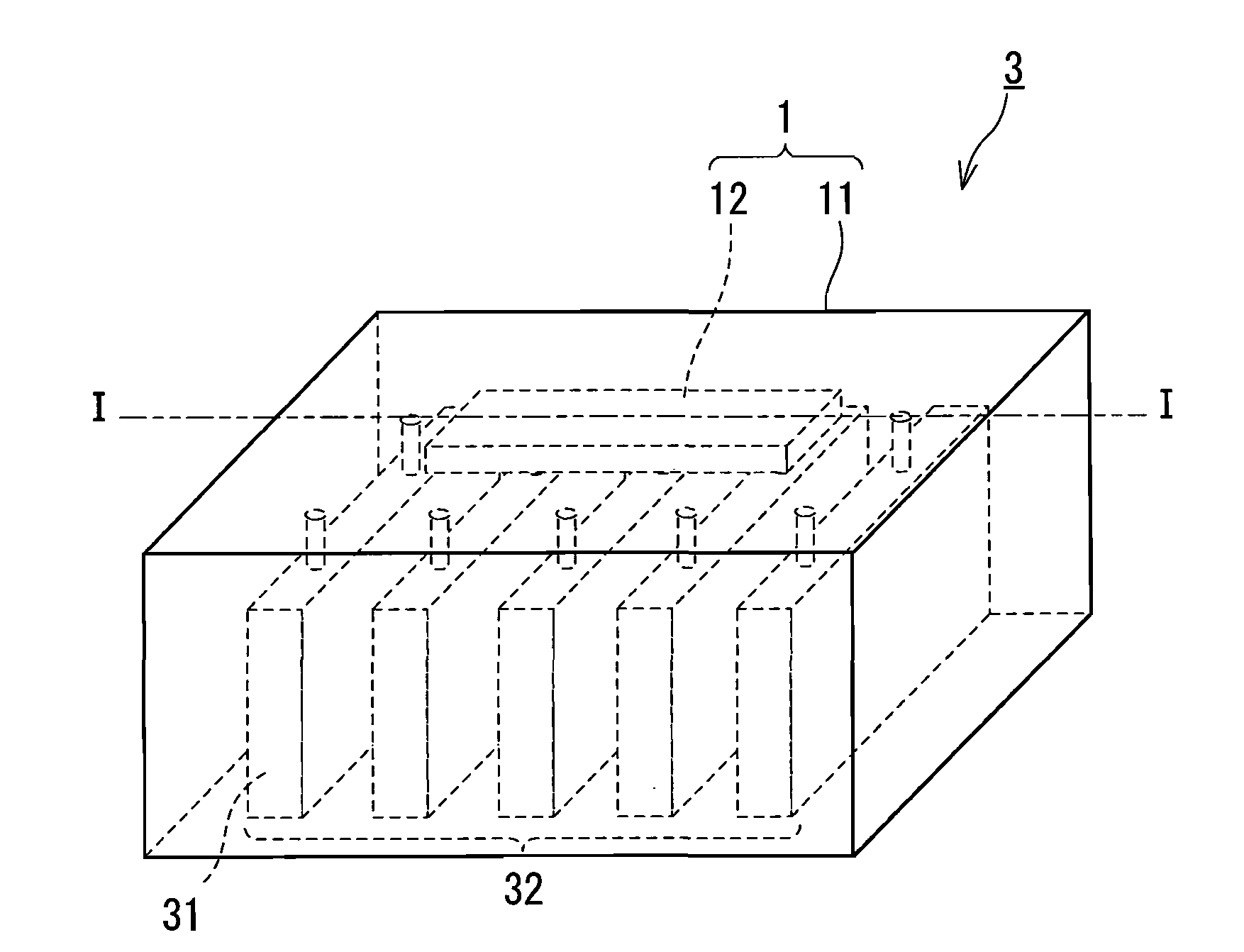
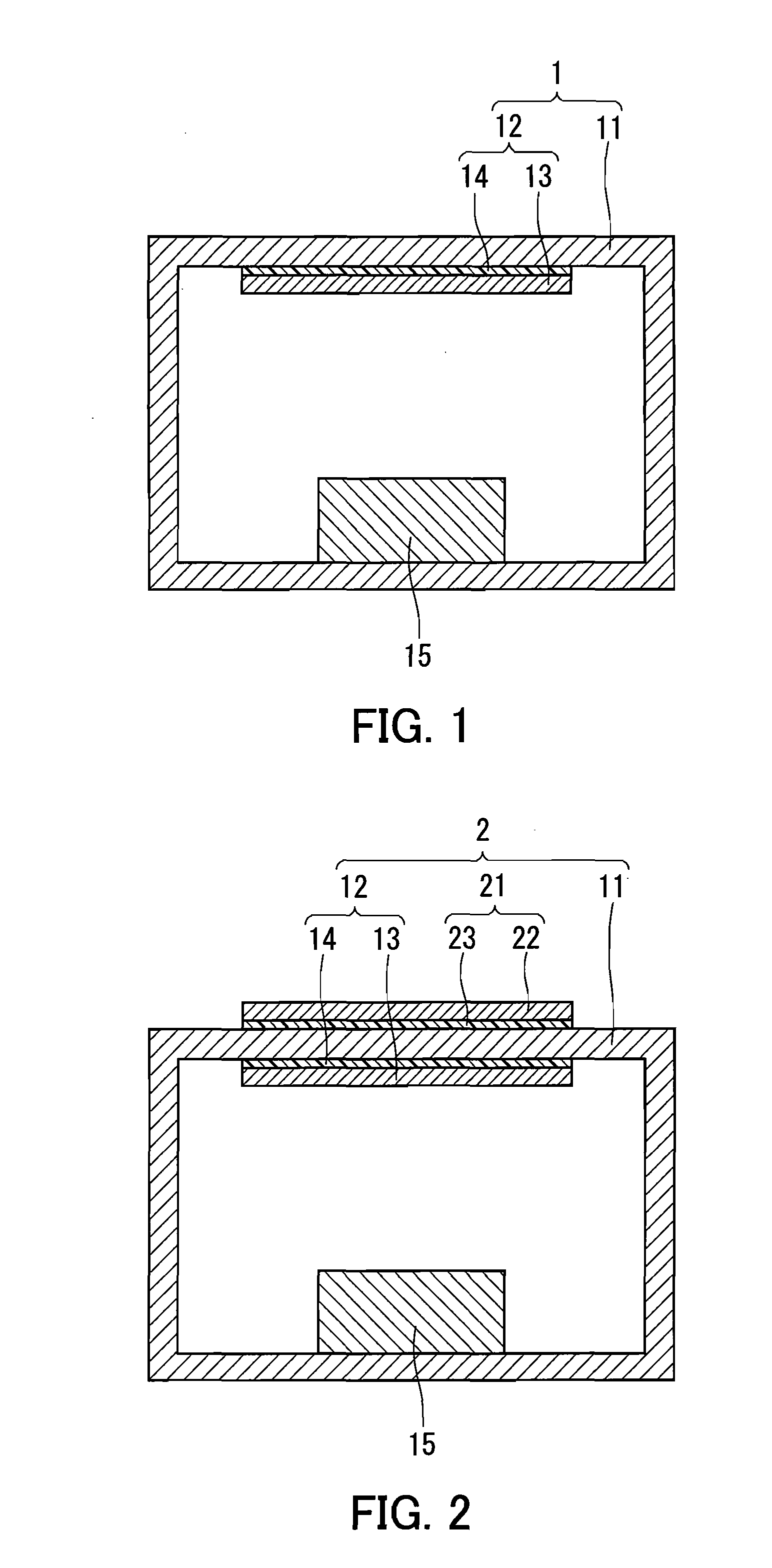
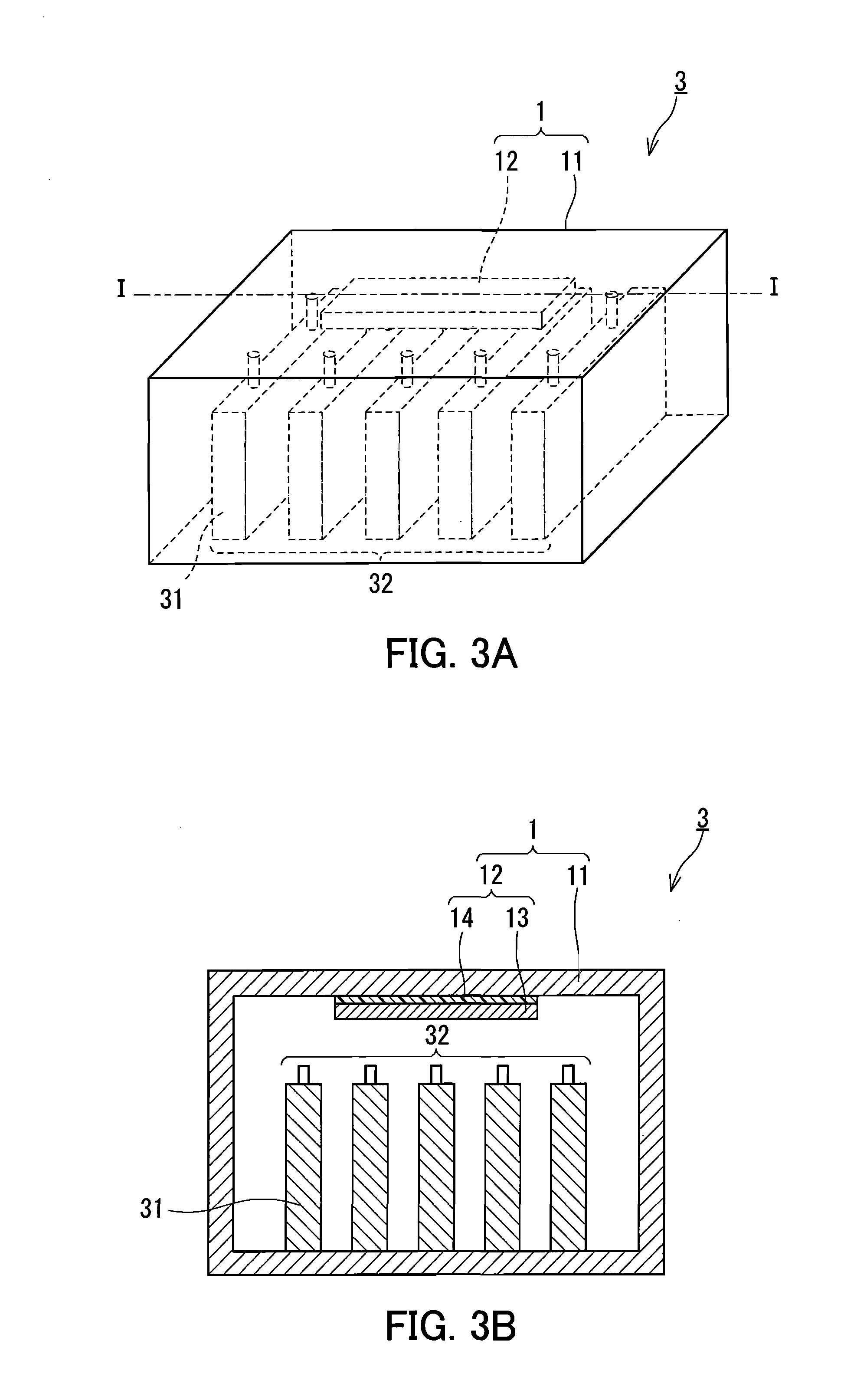
- A heat dissipating housing with a metal body and a semiconducting tape attached to its inner wall, featuring a fluoropolymer substrate with carbon black and an adhesive layer, providing high emissivity and conductivity for efficient heat absorption and dissipation.

Safety Standards for Battery Thermal Performance
Safety standards for lithium battery thermal performance have evolved significantly to address the critical challenges associated with heat generation during heavy-use scenarios. International regulatory bodies, including the International Electrotechnical Commission (IEC), Underwriters Laboratories (UL), and the Society of Automotive Engineers (SAE), have established comprehensive frameworks to ensure thermal safety across various applications. These standards primarily focus on defining acceptable temperature thresholds, thermal runaway prevention mechanisms, and mandatory testing protocols that manufacturers must adhere to before market entry.
The IEC 62619 and IEC 62660 series specifically address thermal management requirements for industrial and automotive lithium-ion batteries, stipulating maximum surface temperature limits typically ranging from 60°C to 80°C during normal operation. UL 2580 and UL 1973 standards mandate rigorous thermal abuse testing, including overcharge, short circuit, and thermal shock scenarios to validate battery system resilience. These regulations require manufacturers to demonstrate that batteries can withstand extreme thermal conditions without catastrophic failure or fire propagation.
For heavy-use applications such as electric vehicles and energy storage systems, standards like SAE J2464 and ISO 12405 establish specific thermal performance metrics. These include heat dissipation rate measurements, thermal gradient limitations across cell arrays, and cooling system efficiency requirements. Compliance testing typically involves continuous high-rate discharge cycles while monitoring temperature distribution using standardized sensor placement protocols.
Recent regulatory developments emphasize real-time thermal monitoring capabilities and predictive safety mechanisms. The UN 38.3 transportation standard now incorporates thermal imaging requirements during certification testing. Additionally, emerging standards from organizations like the China Automotive Technology and Research Center (CATARC) mandate integration of battery management systems with thermal fault detection algorithms capable of identifying anomalous heat patterns before critical failures occur.
Certification processes require extensive documentation of thermal modeling validation, including computational fluid dynamics simulations correlated with empirical testing data. Manufacturers must demonstrate compliance through third-party laboratory verification, ensuring that quantified heat dissipation performance meets or exceeds prescribed safety margins under defined heavy-use conditions.
The IEC 62619 and IEC 62660 series specifically address thermal management requirements for industrial and automotive lithium-ion batteries, stipulating maximum surface temperature limits typically ranging from 60°C to 80°C during normal operation. UL 2580 and UL 1973 standards mandate rigorous thermal abuse testing, including overcharge, short circuit, and thermal shock scenarios to validate battery system resilience. These regulations require manufacturers to demonstrate that batteries can withstand extreme thermal conditions without catastrophic failure or fire propagation.
For heavy-use applications such as electric vehicles and energy storage systems, standards like SAE J2464 and ISO 12405 establish specific thermal performance metrics. These include heat dissipation rate measurements, thermal gradient limitations across cell arrays, and cooling system efficiency requirements. Compliance testing typically involves continuous high-rate discharge cycles while monitoring temperature distribution using standardized sensor placement protocols.
Recent regulatory developments emphasize real-time thermal monitoring capabilities and predictive safety mechanisms. The UN 38.3 transportation standard now incorporates thermal imaging requirements during certification testing. Additionally, emerging standards from organizations like the China Automotive Technology and Research Center (CATARC) mandate integration of battery management systems with thermal fault detection algorithms capable of identifying anomalous heat patterns before critical failures occur.
Certification processes require extensive documentation of thermal modeling validation, including computational fluid dynamics simulations correlated with empirical testing data. Manufacturers must demonstrate compliance through third-party laboratory verification, ensuring that quantified heat dissipation performance meets or exceeds prescribed safety margins under defined heavy-use conditions.
Environmental Impact of Battery Cooling Solutions
The environmental implications of battery cooling solutions for lithium-ion batteries under heavy-use conditions represent a critical consideration in the broader context of sustainable energy systems. While effective thermal management is essential for battery performance and safety, the cooling technologies employed introduce their own environmental footprint that must be carefully evaluated. Air-cooled systems, though mechanically simple, often require significant energy input for fan operation and may contribute to noise pollution in densely populated areas. Their relatively lower cooling efficiency in extreme conditions can also lead to accelerated battery degradation, indirectly increasing electronic waste generation and resource consumption through more frequent replacement cycles.
Liquid cooling systems, despite their superior thermal management capabilities, present distinct environmental challenges. The production and disposal of coolants, particularly synthetic fluids, involve chemical processes that generate greenhouse gas emissions and potential water contamination risks. Glycol-based coolants require careful handling and recycling infrastructure to prevent environmental release. Additionally, the manufacturing of complex heat exchangers and pumping systems demands substantial material resources and energy-intensive production processes, contributing to the overall carbon footprint of the cooling solution.
Refrigerant-based cooling systems raise particular environmental concerns due to their reliance on substances with high global warming potential. Although modern systems increasingly adopt low-GWP refrigerants, the risk of leakage during operation or end-of-life disposal remains a significant issue. The energy consumption of compressor-driven refrigeration cycles also adds to operational carbon emissions, particularly when powered by non-renewable energy sources.
Phase-change materials and immersion cooling technologies offer promising environmental advantages through passive or semi-passive operation modes that reduce energy consumption. However, the lifecycle environmental impact of PCM production, including raw material extraction and chemical synthesis, requires comprehensive assessment. The scalability of these solutions and their recyclability at end-of-life stages remain areas requiring further investigation to ensure genuine environmental benefits across the complete product lifecycle.
Liquid cooling systems, despite their superior thermal management capabilities, present distinct environmental challenges. The production and disposal of coolants, particularly synthetic fluids, involve chemical processes that generate greenhouse gas emissions and potential water contamination risks. Glycol-based coolants require careful handling and recycling infrastructure to prevent environmental release. Additionally, the manufacturing of complex heat exchangers and pumping systems demands substantial material resources and energy-intensive production processes, contributing to the overall carbon footprint of the cooling solution.
Refrigerant-based cooling systems raise particular environmental concerns due to their reliance on substances with high global warming potential. Although modern systems increasingly adopt low-GWP refrigerants, the risk of leakage during operation or end-of-life disposal remains a significant issue. The energy consumption of compressor-driven refrigeration cycles also adds to operational carbon emissions, particularly when powered by non-renewable energy sources.
Phase-change materials and immersion cooling technologies offer promising environmental advantages through passive or semi-passive operation modes that reduce energy consumption. However, the lifecycle environmental impact of PCM production, including raw material extraction and chemical synthesis, requires comprehensive assessment. The scalability of these solutions and their recyclability at end-of-life stages remain areas requiring further investigation to ensure genuine environmental benefits across the complete product lifecycle.
Unlock deeper insights with PatSnap Eureka Quick Research — get a full tech report to explore trends and direct your research. Try now!
Generate Your Research Report Instantly with AI Agent
Supercharge your innovation with PatSnap Eureka AI Agent Platform!