Quantum Multicast Integration in Intelligent Transport Systems
MAR 17, 20268 MIN READ
Generate Your Research Report Instantly with AI Agent
PatSnap Eureka helps you evaluate technical feasibility & market potential.
Quantum Multicast ITS Background and Objectives
The evolution of Intelligent Transport Systems has reached a critical juncture where traditional communication protocols face unprecedented challenges in handling massive data volumes, ensuring security, and maintaining real-time responsiveness. As urban populations surge and autonomous vehicles proliferate, the demand for ultra-secure, instantaneous communication networks has intensified beyond conventional capabilities.
Quantum communication technologies have emerged as a transformative solution, offering theoretical guarantees of unconditional security through quantum key distribution and quantum entanglement principles. However, the integration of quantum multicast capabilities into existing ITS infrastructure represents an uncharted frontier that could revolutionize how transportation networks operate.
The historical development of ITS began with basic traffic management systems in the 1960s, progressing through connected vehicle technologies in the 2000s, and now approaching the quantum communication era. This evolution reflects an increasing sophistication in addressing complex urban mobility challenges, from simple traffic light coordination to comprehensive smart city ecosystems.
Current ITS architectures rely heavily on classical multicast protocols for vehicle-to-everything communication, traffic management, and emergency response coordination. These systems, while functional, exhibit vulnerabilities to cyber attacks, latency issues in high-density scenarios, and scalability limitations that quantum multicast integration could potentially address.
The primary objective of quantum multicast integration in ITS is to establish a fundamentally secure communication framework that can simultaneously serve multiple transportation nodes with quantum-encrypted data streams. This approach aims to eliminate eavesdropping possibilities while ensuring instantaneous information distribution across vast transportation networks.
Secondary objectives include developing quantum-classical hybrid protocols that can seamlessly interface with existing ITS infrastructure, creating scalable quantum multicast architectures capable of supporting millions of connected vehicles, and establishing standardized quantum communication protocols specifically tailored for transportation applications.
The ultimate vision encompasses a fully integrated quantum-enabled transportation ecosystem where autonomous vehicles, traffic management systems, emergency services, and infrastructure components communicate through quantum-secured channels, enabling unprecedented levels of coordination, safety, and efficiency in urban mobility systems.
Quantum communication technologies have emerged as a transformative solution, offering theoretical guarantees of unconditional security through quantum key distribution and quantum entanglement principles. However, the integration of quantum multicast capabilities into existing ITS infrastructure represents an uncharted frontier that could revolutionize how transportation networks operate.
The historical development of ITS began with basic traffic management systems in the 1960s, progressing through connected vehicle technologies in the 2000s, and now approaching the quantum communication era. This evolution reflects an increasing sophistication in addressing complex urban mobility challenges, from simple traffic light coordination to comprehensive smart city ecosystems.
Current ITS architectures rely heavily on classical multicast protocols for vehicle-to-everything communication, traffic management, and emergency response coordination. These systems, while functional, exhibit vulnerabilities to cyber attacks, latency issues in high-density scenarios, and scalability limitations that quantum multicast integration could potentially address.
The primary objective of quantum multicast integration in ITS is to establish a fundamentally secure communication framework that can simultaneously serve multiple transportation nodes with quantum-encrypted data streams. This approach aims to eliminate eavesdropping possibilities while ensuring instantaneous information distribution across vast transportation networks.
Secondary objectives include developing quantum-classical hybrid protocols that can seamlessly interface with existing ITS infrastructure, creating scalable quantum multicast architectures capable of supporting millions of connected vehicles, and establishing standardized quantum communication protocols specifically tailored for transportation applications.
The ultimate vision encompasses a fully integrated quantum-enabled transportation ecosystem where autonomous vehicles, traffic management systems, emergency services, and infrastructure components communicate through quantum-secured channels, enabling unprecedented levels of coordination, safety, and efficiency in urban mobility systems.
Market Demand for Quantum-Enhanced Transport Systems
The global intelligent transport systems market is experiencing unprecedented growth driven by urbanization, traffic congestion, and the urgent need for sustainable mobility solutions. Traditional transport networks face critical limitations in security, scalability, and real-time data processing capabilities, creating substantial demand for quantum-enhanced alternatives that can address these fundamental challenges.
Smart cities worldwide are investing heavily in next-generation transport infrastructure that requires ultra-secure communication channels for vehicle-to-everything connectivity. The proliferation of autonomous vehicles, connected traffic management systems, and integrated mobility platforms has created an acute need for communication technologies that can guarantee data integrity and prevent cyber attacks on critical transport infrastructure.
Current transport systems struggle with bandwidth limitations and latency issues when managing massive data flows from millions of connected devices. Quantum multicast integration offers the potential to revolutionize data distribution efficiency while providing unprecedented security through quantum cryptographic protocols, addressing the growing demand for real-time traffic optimization and predictive maintenance systems.
The market demand is particularly strong in developed economies where aging transport infrastructure requires modernization to support emerging technologies like autonomous driving, smart traffic lights, and dynamic route optimization. Government initiatives promoting smart city development and carbon emission reduction are driving substantial investments in quantum-enhanced transport solutions.
Enterprise fleet operators and logistics companies represent another significant demand segment, seeking quantum-secured communication networks to protect sensitive cargo information and optimize delivery routes. The rise of electric vehicle charging networks and shared mobility services further amplifies the need for secure, scalable communication infrastructure that quantum multicast technology can provide.
Regional demand patterns show concentrated interest in North America, Europe, and Asia-Pacific regions, where regulatory frameworks increasingly mandate cybersecurity standards for connected transport systems. The convergence of Internet of Things deployment, 5G network rollouts, and quantum technology maturation creates a unique market opportunity for integrated quantum transport solutions.
Smart cities worldwide are investing heavily in next-generation transport infrastructure that requires ultra-secure communication channels for vehicle-to-everything connectivity. The proliferation of autonomous vehicles, connected traffic management systems, and integrated mobility platforms has created an acute need for communication technologies that can guarantee data integrity and prevent cyber attacks on critical transport infrastructure.
Current transport systems struggle with bandwidth limitations and latency issues when managing massive data flows from millions of connected devices. Quantum multicast integration offers the potential to revolutionize data distribution efficiency while providing unprecedented security through quantum cryptographic protocols, addressing the growing demand for real-time traffic optimization and predictive maintenance systems.
The market demand is particularly strong in developed economies where aging transport infrastructure requires modernization to support emerging technologies like autonomous driving, smart traffic lights, and dynamic route optimization. Government initiatives promoting smart city development and carbon emission reduction are driving substantial investments in quantum-enhanced transport solutions.
Enterprise fleet operators and logistics companies represent another significant demand segment, seeking quantum-secured communication networks to protect sensitive cargo information and optimize delivery routes. The rise of electric vehicle charging networks and shared mobility services further amplifies the need for secure, scalable communication infrastructure that quantum multicast technology can provide.
Regional demand patterns show concentrated interest in North America, Europe, and Asia-Pacific regions, where regulatory frameworks increasingly mandate cybersecurity standards for connected transport systems. The convergence of Internet of Things deployment, 5G network rollouts, and quantum technology maturation creates a unique market opportunity for integrated quantum transport solutions.
Current State of Quantum Communication in ITS
Quantum communication technologies in Intelligent Transport Systems currently exist in early experimental phases, with limited real-world deployments. Most implementations focus on point-to-point quantum key distribution (QKD) for securing critical infrastructure communications between traffic control centers and major transportation hubs. Several pilot projects in Europe and Asia have demonstrated quantum-secured communication links for railway systems and urban traffic management networks.
The integration of quantum multicast capabilities remains largely theoretical, with only laboratory-scale demonstrations achieving simultaneous quantum information distribution to multiple ITS nodes. Current quantum communication infrastructure in transportation primarily relies on fiber-optic networks connecting fixed installations, limiting mobility applications. The quantum internet backbone supporting ITS applications is fragmented, consisting of isolated quantum networks rather than integrated systems.
Existing quantum communication protocols in ITS environments face significant scalability challenges when extending beyond bilateral connections. The current state shows successful implementation of quantum-secured vehicle-to-infrastructure (V2I) communications in controlled test environments, but vehicle-to-vehicle (V2V) quantum communications remain in conceptual stages. Metropolitan areas in China, Germany, and the United States have established quantum communication corridors that partially serve transportation infrastructure.
Technical limitations include quantum signal degradation over distances exceeding 100 kilometers without quantum repeaters, which are not yet commercially viable for ITS deployment. Current quantum communication systems in transportation require specialized hardware installations at fixed points, making dynamic network topology management extremely challenging. The integration with classical communication systems remains complex, often requiring hybrid architectures that compromise quantum security advantages.
Standardization efforts for quantum communication in ITS are in preliminary stages, with various organizations developing incompatible protocols and hardware specifications. The current technological maturity level indicates that while quantum communication foundations exist, the specific requirements for multicast functionality in dynamic transportation environments present substantial engineering challenges that have not been adequately addressed by existing solutions.
The integration of quantum multicast capabilities remains largely theoretical, with only laboratory-scale demonstrations achieving simultaneous quantum information distribution to multiple ITS nodes. Current quantum communication infrastructure in transportation primarily relies on fiber-optic networks connecting fixed installations, limiting mobility applications. The quantum internet backbone supporting ITS applications is fragmented, consisting of isolated quantum networks rather than integrated systems.
Existing quantum communication protocols in ITS environments face significant scalability challenges when extending beyond bilateral connections. The current state shows successful implementation of quantum-secured vehicle-to-infrastructure (V2I) communications in controlled test environments, but vehicle-to-vehicle (V2V) quantum communications remain in conceptual stages. Metropolitan areas in China, Germany, and the United States have established quantum communication corridors that partially serve transportation infrastructure.
Technical limitations include quantum signal degradation over distances exceeding 100 kilometers without quantum repeaters, which are not yet commercially viable for ITS deployment. Current quantum communication systems in transportation require specialized hardware installations at fixed points, making dynamic network topology management extremely challenging. The integration with classical communication systems remains complex, often requiring hybrid architectures that compromise quantum security advantages.
Standardization efforts for quantum communication in ITS are in preliminary stages, with various organizations developing incompatible protocols and hardware specifications. The current technological maturity level indicates that while quantum communication foundations exist, the specific requirements for multicast functionality in dynamic transportation environments present substantial engineering challenges that have not been adequately addressed by existing solutions.
Existing Quantum Multicast Solutions for Transport
01 Quantum key distribution for multicast communication
Methods and systems for implementing quantum key distribution in multicast networks to enable secure communication among multiple parties. This approach utilizes quantum mechanical properties to establish shared secret keys that can be distributed to multiple recipients simultaneously, ensuring secure group communication through quantum entanglement and photon-based key exchange protocols.- Quantum key distribution for multicast communication: Methods and systems for implementing quantum key distribution in multicast scenarios, where a single sender distributes quantum keys to multiple receivers simultaneously. This approach utilizes quantum entanglement and quantum states to establish secure communication channels among multiple parties, ensuring that cryptographic keys can be shared securely across a multicast network topology.
- Quantum network routing and switching for multicast: Techniques for routing and switching quantum information in network architectures that support multicast transmission. These methods involve quantum routers, quantum switches, and network nodes that can replicate or distribute quantum states to multiple destinations while maintaining quantum coherence and entanglement properties across the network infrastructure.
- Entanglement distribution for quantum multicast networks: Systems for distributing entangled quantum states among multiple nodes in a multicast configuration. This involves generating entangled photon pairs or multi-particle entangled states and distributing them to multiple receivers, enabling quantum communication protocols that leverage entanglement as a resource for secure multicast transmission and quantum information processing.
- Quantum repeater and relay systems for extended multicast range: Infrastructure components including quantum repeaters and relay stations that extend the range and reliability of quantum multicast communications. These systems employ quantum memory, entanglement swapping, and error correction techniques to overcome distance limitations and photon loss in quantum channels, enabling long-distance multicast quantum communication networks.
- Quantum multicast protocols and security mechanisms: Communication protocols specifically designed for quantum multicast scenarios, including authentication, verification, and security mechanisms. These protocols address challenges such as eavesdropping detection, quantum state verification among multiple parties, and ensuring the integrity of multicast quantum communications through quantum cryptographic techniques and consensus mechanisms.
02 Quantum network routing and switching for multicast
Techniques for routing and switching quantum information in multicast scenarios within quantum networks. These methods address the challenges of directing quantum states to multiple destinations while maintaining quantum coherence and entanglement properties. The approaches include quantum repeaters, quantum routers, and network topology optimization for efficient multicast transmission.Expand Specific Solutions03 Entanglement-based quantum multicast protocols
Protocols that leverage quantum entanglement to achieve multicast communication where quantum states are shared among multiple parties. These methods utilize entangled photon pairs or multi-particle entangled states to enable simultaneous transmission of quantum information to multiple receivers, with applications in quantum teleportation and distributed quantum computing.Expand Specific Solutions04 Quantum multicast authentication and verification
Security mechanisms for authenticating and verifying participants in quantum multicast communications. These techniques ensure that only authorized parties can access the multicast quantum channel and verify the integrity of transmitted quantum states. Methods include quantum digital signatures, quantum authentication codes, and identity verification protocols specific to multicast scenarios.Expand Specific Solutions05 Hybrid classical-quantum multicast systems
Integrated systems combining classical and quantum communication channels for multicast applications. These hybrid approaches utilize classical channels for control signaling and coordination while employing quantum channels for secure data transmission. The systems address practical implementation challenges including synchronization, error correction, and resource allocation in multicast quantum networks.Expand Specific Solutions
Key Players in Quantum ITS Integration
The quantum multicast integration in intelligent transport systems represents an emerging technological frontier currently in its nascent development stage. The market remains relatively small but shows significant growth potential as quantum communication technologies mature. Key industry players demonstrate varying levels of technological readiness: telecommunications giants like Ericsson, NTT, and Cisco possess strong network infrastructure capabilities, while specialized quantum companies such as Guangdong Guoteng Quantum Technology and Guoteng Quantum Computing Technology focus on quantum-specific solutions. Traditional automotive manufacturers including Siemens, Stellantis, and China FAW are exploring integration possibilities. Research institutions like Xidian University and ETRI contribute foundational research. The technology maturity varies significantly across participants, with established telecom providers having deployment-ready infrastructure but limited quantum capabilities, while quantum specialists possess advanced quantum technologies requiring integration with transport systems, creating a fragmented but rapidly evolving competitive landscape.
Guangdong Guoteng Quantum Technology Co. Ltd.
Technical Solution: Develops quantum communication protocols specifically designed for multicast scenarios in intelligent transport systems. Their solution implements quantum key distribution (QKD) networks that can simultaneously serve multiple vehicle nodes while maintaining quantum security properties. The technology utilizes entanglement-based protocols to establish secure multicast channels between traffic management centers and connected vehicles, enabling real-time distribution of traffic optimization data, emergency alerts, and autonomous driving coordination signals. Their quantum multicast framework supports dynamic network topology changes as vehicles move through different coverage areas, automatically re-establishing quantum channels and maintaining continuous secure communication links throughout the transport network.
Advantages: Specialized quantum technology expertise, strong focus on practical quantum communication applications. Disadvantages: Limited global market presence, relatively new company with unproven large-scale deployment capabilities.
Cisco Technology, Inc.
Technical Solution: Integrates quantum-safe multicast routing protocols into existing intelligent transport infrastructure through their quantum-ready networking solutions. Their approach combines classical Software-Defined Networking (SDN) with post-quantum cryptographic algorithms to enable secure multicast communication for connected vehicles and smart traffic systems. The solution provides quantum-resistant encryption for multicast data streams including real-time traffic updates, vehicle-to-infrastructure communications, and coordinated autonomous vehicle control signals. Their platform supports hybrid quantum-classical networks, allowing gradual migration from current systems to quantum-enhanced transport networks while maintaining backward compatibility with existing intelligent transport protocols and standards.
Advantages: Extensive networking infrastructure experience, strong enterprise customer base, proven scalability in large deployments. Disadvantages: Limited native quantum technology development, primarily focused on quantum-safe rather than quantum-native solutions.
Core Quantum Multicast ITS Patents Analysis
Method and apparatus for reliable multicast distribution
PatentActiveUS7385978B1
Innovation
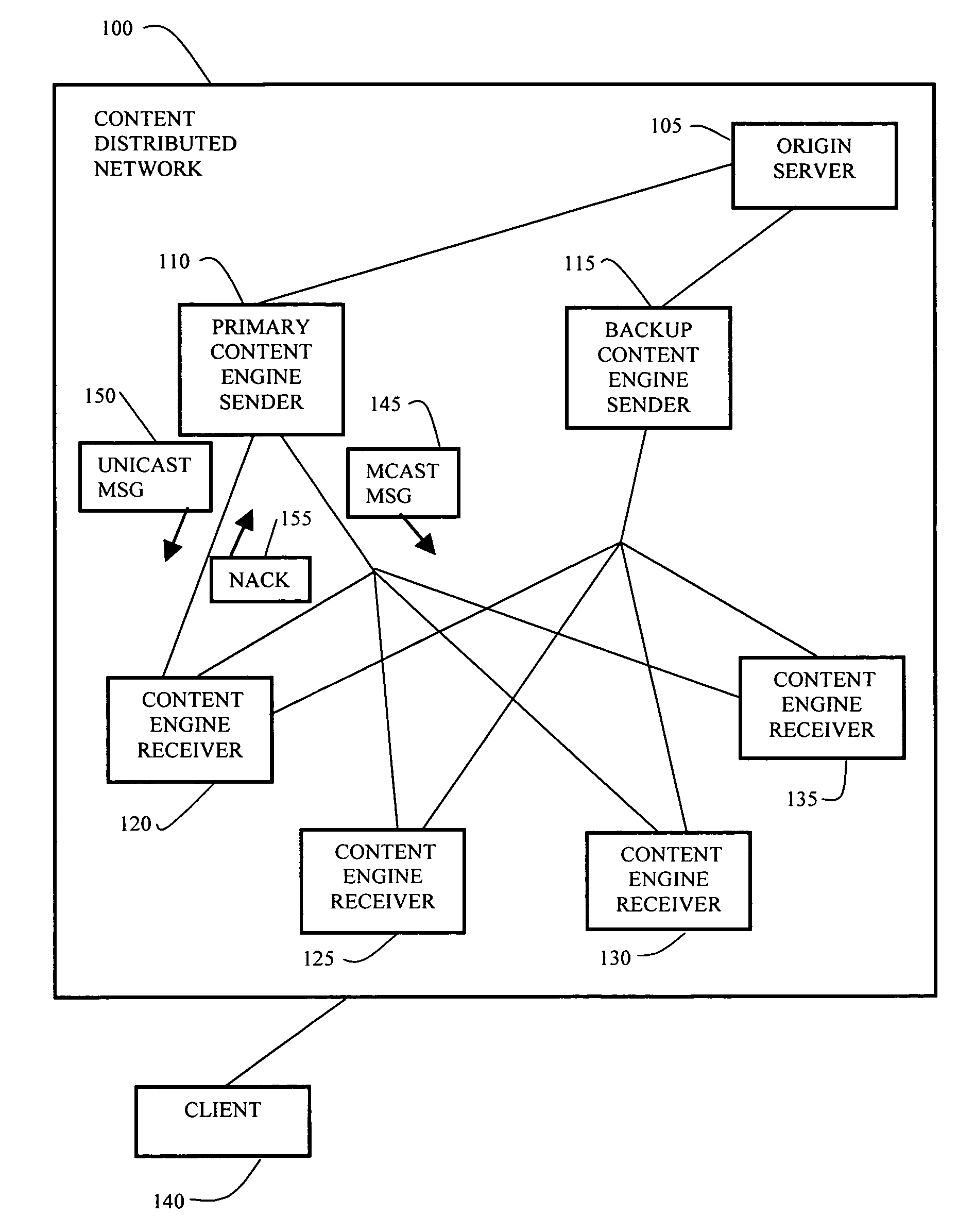
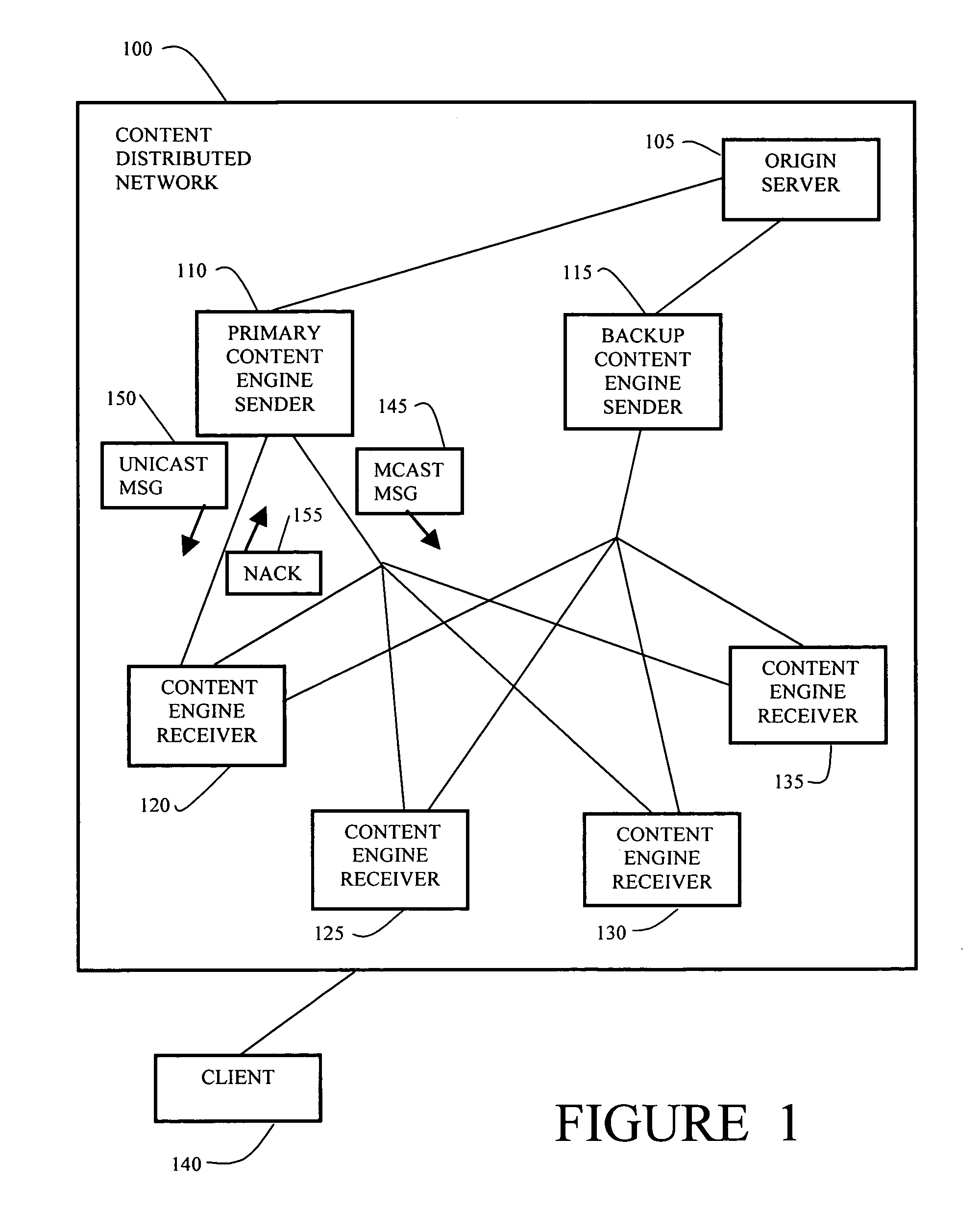
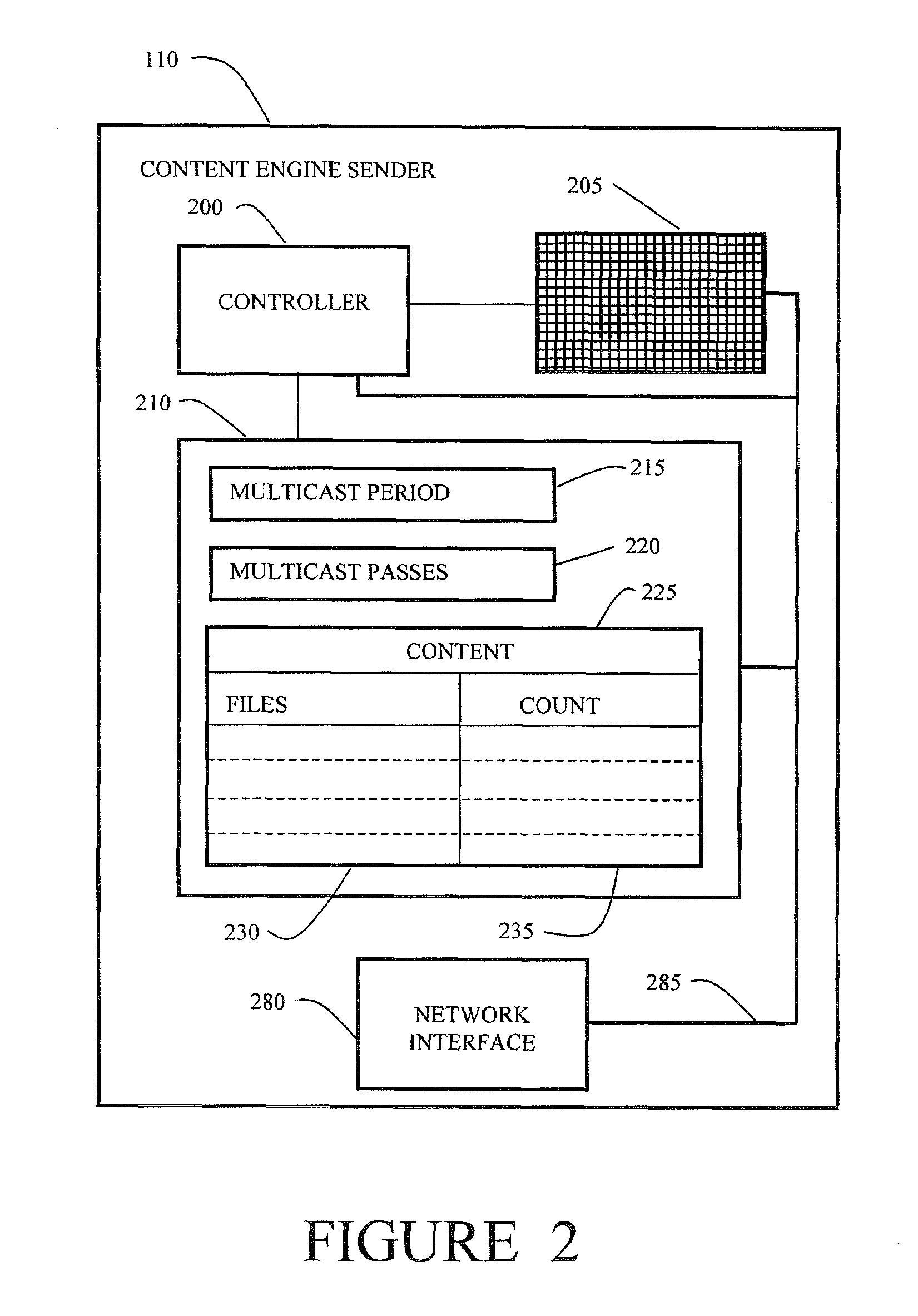
- Implementing intelligent multicasting with a primary content engine sender that waits for negative acknowledgments and resends multicast messages a predetermined number of times before switching to unicast, and activating a backup sender without synchronization, allowing efficient fail-over and reducing unnecessary traffic.

Device and method for controlling channel congestion in an intelligent transportation system
PatentActiveJP2022548959A
Innovation
- A device and method for ITS stations that dynamically determine quality of service indicators for each application and message type, allocating resources based on priority factors and usage limits to optimize message generation and transmission, considering the specific requirements of each application and service.


Transportation Security Standards for Quantum Systems
The integration of quantum technologies into intelligent transport systems necessitates the establishment of comprehensive security standards that address the unique vulnerabilities and operational requirements of quantum-enabled transportation networks. Current transportation security frameworks, primarily designed for classical communication systems, require fundamental restructuring to accommodate quantum multicast protocols and their inherent security characteristics.
Quantum key distribution (QKD) protocols form the cornerstone of transportation security standards for quantum systems, requiring specific implementation guidelines for vehicular networks. These standards must address the challenge of maintaining quantum entanglement across mobile nodes while ensuring continuous secure communication during high-speed vehicle movement. The standards framework encompasses authentication mechanisms, encryption protocols, and intrusion detection systems specifically tailored for quantum-enhanced transportation environments.
Physical layer security standards represent a critical component, addressing the protection of quantum hardware components integrated into transportation infrastructure. These specifications cover tamper-resistant quantum devices, environmental protection requirements for quantum sensors, and electromagnetic interference mitigation strategies. The standards also define secure installation procedures for quantum communication equipment in roadside units, traffic management centers, and vehicle-mounted quantum transceivers.
Network-level security protocols establish guidelines for secure quantum multicast group management, including dynamic membership control and secure channel establishment procedures. These standards specify cryptographic requirements for quantum-safe algorithms that can operate effectively in high-mobility scenarios while maintaining backward compatibility with existing transportation communication systems.
Compliance frameworks define mandatory security assessments, certification procedures, and regular auditing requirements for quantum-enabled transportation systems. These standards establish performance benchmarks for quantum communication reliability, latency requirements for safety-critical applications, and fail-safe mechanisms to ensure system resilience during quantum channel disruptions.
The standardization process involves collaboration between transportation authorities, quantum technology vendors, and cybersecurity organizations to create unified security protocols. These emerging standards will serve as the foundation for secure deployment of quantum multicast technologies in next-generation intelligent transport systems, ensuring both operational efficiency and robust protection against quantum-specific security threats.
Quantum key distribution (QKD) protocols form the cornerstone of transportation security standards for quantum systems, requiring specific implementation guidelines for vehicular networks. These standards must address the challenge of maintaining quantum entanglement across mobile nodes while ensuring continuous secure communication during high-speed vehicle movement. The standards framework encompasses authentication mechanisms, encryption protocols, and intrusion detection systems specifically tailored for quantum-enhanced transportation environments.
Physical layer security standards represent a critical component, addressing the protection of quantum hardware components integrated into transportation infrastructure. These specifications cover tamper-resistant quantum devices, environmental protection requirements for quantum sensors, and electromagnetic interference mitigation strategies. The standards also define secure installation procedures for quantum communication equipment in roadside units, traffic management centers, and vehicle-mounted quantum transceivers.
Network-level security protocols establish guidelines for secure quantum multicast group management, including dynamic membership control and secure channel establishment procedures. These standards specify cryptographic requirements for quantum-safe algorithms that can operate effectively in high-mobility scenarios while maintaining backward compatibility with existing transportation communication systems.
Compliance frameworks define mandatory security assessments, certification procedures, and regular auditing requirements for quantum-enabled transportation systems. These standards establish performance benchmarks for quantum communication reliability, latency requirements for safety-critical applications, and fail-safe mechanisms to ensure system resilience during quantum channel disruptions.
The standardization process involves collaboration between transportation authorities, quantum technology vendors, and cybersecurity organizations to create unified security protocols. These emerging standards will serve as the foundation for secure deployment of quantum multicast technologies in next-generation intelligent transport systems, ensuring both operational efficiency and robust protection against quantum-specific security threats.
Infrastructure Requirements for Quantum ITS Deployment
The deployment of quantum multicast integration in intelligent transport systems demands a comprehensive infrastructure overhaul that extends far beyond conventional networking requirements. The foundational layer necessitates quantum-grade fiber optic networks capable of maintaining quantum coherence across metropolitan and inter-city distances. These networks must incorporate quantum repeaters positioned at strategic intervals, typically every 50-100 kilometers, to preserve entanglement states essential for secure multicast communications.
Physical infrastructure requirements include specialized quantum communication nodes at major transportation hubs, equipped with cryogenic cooling systems to maintain quantum processors at near-absolute zero temperatures. These nodes serve as quantum gateways, facilitating the conversion between classical traffic management data and quantum-encoded information streams. The power infrastructure must provide uninterrupted, high-quality electrical supply with minimal electromagnetic interference to prevent decoherence events.
Network architecture demands hybrid classical-quantum switching capabilities at traffic control centers, enabling seamless integration with existing ITS frameworks while supporting quantum multicast protocols. Edge computing facilities require quantum-safe storage systems and specialized quantum error correction hardware to maintain data integrity during transmission delays and network congestion scenarios.
Synchronization infrastructure represents a critical component, requiring atomic clock networks distributed across the transport grid to ensure precise timing coordination between quantum multicast sessions. GPS-independent timing systems become essential for maintaining quantum state synchronization during satellite signal disruptions or jamming attempts.
Environmental considerations include electromagnetic shielding for quantum processing facilities and vibration isolation systems to protect sensitive quantum hardware from traffic-induced mechanical disturbances. Climate-controlled environments must maintain stable temperature and humidity levels to preserve quantum component performance and extend operational lifespans.
The infrastructure must also accommodate scalability requirements, with modular quantum processing units that can be incrementally deployed as traffic volumes increase and new transport corridors are established, ensuring long-term viability of the quantum ITS investment.
Physical infrastructure requirements include specialized quantum communication nodes at major transportation hubs, equipped with cryogenic cooling systems to maintain quantum processors at near-absolute zero temperatures. These nodes serve as quantum gateways, facilitating the conversion between classical traffic management data and quantum-encoded information streams. The power infrastructure must provide uninterrupted, high-quality electrical supply with minimal electromagnetic interference to prevent decoherence events.
Network architecture demands hybrid classical-quantum switching capabilities at traffic control centers, enabling seamless integration with existing ITS frameworks while supporting quantum multicast protocols. Edge computing facilities require quantum-safe storage systems and specialized quantum error correction hardware to maintain data integrity during transmission delays and network congestion scenarios.
Synchronization infrastructure represents a critical component, requiring atomic clock networks distributed across the transport grid to ensure precise timing coordination between quantum multicast sessions. GPS-independent timing systems become essential for maintaining quantum state synchronization during satellite signal disruptions or jamming attempts.
Environmental considerations include electromagnetic shielding for quantum processing facilities and vibration isolation systems to protect sensitive quantum hardware from traffic-induced mechanical disturbances. Climate-controlled environments must maintain stable temperature and humidity levels to preserve quantum component performance and extend operational lifespans.
The infrastructure must also accommodate scalability requirements, with modular quantum processing units that can be incrementally deployed as traffic volumes increase and new transport corridors are established, ensuring long-term viability of the quantum ITS investment.
Unlock deeper insights with PatSnap Eureka Quick Research — get a full tech report to explore trends and direct your research. Try now!
Generate Your Research Report Instantly with AI Agent
Supercharge your innovation with PatSnap Eureka AI Agent Platform!