
Amide-Based Hydrogels: Performance in Tissue Engineering
FEB 28, 20269 MIN READ
Generate Your Research Report Instantly with AI Agent
Patsnap Eureka helps you evaluate technical feasibility & market potential.
Amide Hydrogel Development Background and Tissue Engineering Goals
Amide-based hydrogels represent a significant advancement in biomaterial science, emerging from decades of research into biocompatible polymeric networks. These three-dimensional crosslinked structures derive their unique properties from amide functional groups, which provide exceptional hydrogen bonding capabilities and biocompatibility. The development trajectory began in the 1960s with early polyacrylamide systems and has evolved through successive generations of increasingly sophisticated materials.
The historical progression of amide hydrogels reflects broader trends in materials science and biomedical engineering. Initial applications focused on contact lenses and drug delivery systems, where the hydrophilic nature and tunable mechanical properties proved advantageous. The introduction of natural amide-containing polymers like collagen and synthetic alternatives such as polyacrylamide derivatives marked crucial milestones in establishing the foundation for tissue engineering applications.
Contemporary tissue engineering demands have driven the evolution toward more sophisticated amide hydrogel systems. The field has progressed from simple crosslinked networks to complex, multi-functional materials capable of mimicking native extracellular matrix properties. This evolution encompasses improvements in biocompatibility, mechanical strength, degradation kinetics, and cellular interaction capabilities.
The primary technical objectives for amide-based hydrogels in tissue engineering center on achieving optimal biomimetic properties. These materials must demonstrate appropriate mechanical characteristics that match target tissue requirements, ranging from soft neural tissues to more robust cartilage applications. Biocompatibility remains paramount, necessitating materials that support cellular adhesion, proliferation, and differentiation without eliciting adverse immune responses.
Functional integration represents another critical goal, where hydrogels must facilitate nutrient transport, waste removal, and cellular communication. The three-dimensional architecture should promote natural tissue regeneration while providing temporary structural support during the healing process. Advanced formulations aim to incorporate bioactive molecules, growth factors, and even living cells within the hydrogel matrix.
Degradation control constitutes a fundamental objective, requiring materials that degrade at rates synchronized with tissue regeneration. This temporal matching ensures structural support during critical healing phases while allowing natural tissue replacement. The degradation products must be biocompatible and easily metabolized or eliminated by the body.
Recent technological advances have expanded the scope of achievable objectives to include smart responsive behaviors, where hydrogels can respond to physiological stimuli such as pH, temperature, or enzymatic activity. These capabilities enable dynamic therapeutic delivery and adaptive mechanical properties that evolve with tissue development requirements.
The historical progression of amide hydrogels reflects broader trends in materials science and biomedical engineering. Initial applications focused on contact lenses and drug delivery systems, where the hydrophilic nature and tunable mechanical properties proved advantageous. The introduction of natural amide-containing polymers like collagen and synthetic alternatives such as polyacrylamide derivatives marked crucial milestones in establishing the foundation for tissue engineering applications.
Contemporary tissue engineering demands have driven the evolution toward more sophisticated amide hydrogel systems. The field has progressed from simple crosslinked networks to complex, multi-functional materials capable of mimicking native extracellular matrix properties. This evolution encompasses improvements in biocompatibility, mechanical strength, degradation kinetics, and cellular interaction capabilities.
The primary technical objectives for amide-based hydrogels in tissue engineering center on achieving optimal biomimetic properties. These materials must demonstrate appropriate mechanical characteristics that match target tissue requirements, ranging from soft neural tissues to more robust cartilage applications. Biocompatibility remains paramount, necessitating materials that support cellular adhesion, proliferation, and differentiation without eliciting adverse immune responses.
Functional integration represents another critical goal, where hydrogels must facilitate nutrient transport, waste removal, and cellular communication. The three-dimensional architecture should promote natural tissue regeneration while providing temporary structural support during the healing process. Advanced formulations aim to incorporate bioactive molecules, growth factors, and even living cells within the hydrogel matrix.
Degradation control constitutes a fundamental objective, requiring materials that degrade at rates synchronized with tissue regeneration. This temporal matching ensures structural support during critical healing phases while allowing natural tissue replacement. The degradation products must be biocompatible and easily metabolized or eliminated by the body.
Recent technological advances have expanded the scope of achievable objectives to include smart responsive behaviors, where hydrogels can respond to physiological stimuli such as pH, temperature, or enzymatic activity. These capabilities enable dynamic therapeutic delivery and adaptive mechanical properties that evolve with tissue development requirements.
Market Demand for Advanced Tissue Engineering Biomaterials
The global tissue engineering market has experienced unprecedented growth driven by an aging population, increasing prevalence of chronic diseases, and rising demand for organ transplantation alternatives. Traditional treatment approaches for tissue repair and regeneration face significant limitations, including donor organ shortages, immune rejection risks, and limited regenerative capacity of natural healing processes. This has created substantial market opportunities for advanced biomaterials that can effectively support tissue regeneration and repair.
Amide-based hydrogels represent a particularly promising segment within the tissue engineering biomaterials market due to their unique properties that closely mimic natural extracellular matrix characteristics. The demand for these materials stems from their exceptional biocompatibility, tunable mechanical properties, and ability to provide three-dimensional scaffolding for cell growth and differentiation. Healthcare providers and researchers increasingly seek biomaterials that can be customized for specific tissue types while maintaining consistent performance across diverse applications.
The cardiovascular tissue engineering sector demonstrates strong demand for amide-based hydrogels, particularly for applications in cardiac patch development and vascular graft construction. These materials offer superior elasticity and durability compared to conventional synthetic alternatives, addressing critical needs in treating heart disease and vascular disorders. Similarly, the orthopedic market shows growing interest in hydrogel-based solutions for cartilage repair and bone regeneration applications.
Neurological tissue engineering represents an emerging high-value market segment where amide-based hydrogels show exceptional promise. The materials' ability to support neural cell growth while providing appropriate mechanical support has attracted significant attention from researchers developing treatments for spinal cord injuries and neurodegenerative diseases. The unique properties of these hydrogels enable creation of biomimetic environments that promote neural regeneration.
Market demand is further amplified by regulatory agencies' increasing acceptance of hydrogel-based medical devices and the growing investment in regenerative medicine research. Healthcare systems worldwide are prioritizing cost-effective solutions that can reduce long-term treatment burdens while improving patient outcomes. Amide-based hydrogels address these requirements by offering scalable manufacturing processes and consistent quality standards that meet stringent medical device regulations.
The pharmaceutical industry also drives demand through drug delivery applications, where amide-based hydrogels serve as controlled release systems for therapeutic agents. This dual functionality as both structural support and drug delivery vehicle creates additional market value and expands potential applications across multiple therapeutic areas.
Amide-based hydrogels represent a particularly promising segment within the tissue engineering biomaterials market due to their unique properties that closely mimic natural extracellular matrix characteristics. The demand for these materials stems from their exceptional biocompatibility, tunable mechanical properties, and ability to provide three-dimensional scaffolding for cell growth and differentiation. Healthcare providers and researchers increasingly seek biomaterials that can be customized for specific tissue types while maintaining consistent performance across diverse applications.
The cardiovascular tissue engineering sector demonstrates strong demand for amide-based hydrogels, particularly for applications in cardiac patch development and vascular graft construction. These materials offer superior elasticity and durability compared to conventional synthetic alternatives, addressing critical needs in treating heart disease and vascular disorders. Similarly, the orthopedic market shows growing interest in hydrogel-based solutions for cartilage repair and bone regeneration applications.
Neurological tissue engineering represents an emerging high-value market segment where amide-based hydrogels show exceptional promise. The materials' ability to support neural cell growth while providing appropriate mechanical support has attracted significant attention from researchers developing treatments for spinal cord injuries and neurodegenerative diseases. The unique properties of these hydrogels enable creation of biomimetic environments that promote neural regeneration.
Market demand is further amplified by regulatory agencies' increasing acceptance of hydrogel-based medical devices and the growing investment in regenerative medicine research. Healthcare systems worldwide are prioritizing cost-effective solutions that can reduce long-term treatment burdens while improving patient outcomes. Amide-based hydrogels address these requirements by offering scalable manufacturing processes and consistent quality standards that meet stringent medical device regulations.
The pharmaceutical industry also drives demand through drug delivery applications, where amide-based hydrogels serve as controlled release systems for therapeutic agents. This dual functionality as both structural support and drug delivery vehicle creates additional market value and expands potential applications across multiple therapeutic areas.
Current State and Challenges of Amide-Based Hydrogels
Amide-based hydrogels have emerged as promising biomaterials in tissue engineering applications due to their unique structural properties and biocompatibility. These three-dimensional networks are formed through amide linkages, creating materials that can retain substantial amounts of water while maintaining structural integrity. The current development status shows significant progress in synthesis methodologies, with researchers successfully creating hydrogels through various crosslinking mechanisms including physical entanglement, hydrogen bonding, and covalent crosslinking.
The global landscape of amide-based hydrogel research demonstrates concentrated activity in North America, Europe, and East Asia, with leading research institutions focusing on optimizing mechanical properties and biological performance. Current synthesis approaches primarily utilize natural polymers such as gelatin, collagen, and chitosan, as well as synthetic polymers like polyacrylamide and poly(N-isopropylacrylamide), each offering distinct advantages in terms of processability and functionality.
Despite significant advances, several critical challenges continue to impede widespread clinical translation. Mechanical property optimization remains a primary concern, as achieving the delicate balance between sufficient mechanical strength for structural support and appropriate flexibility for cellular activities proves challenging. Many current formulations exhibit inadequate tensile strength or elastic modulus for load-bearing applications, limiting their use in certain tissue engineering scenarios.
Biodegradation control represents another significant technical hurdle. While controlled degradation is essential for tissue regeneration, achieving predictable degradation rates that match tissue growth kinetics remains problematic. Inconsistent degradation patterns can lead to premature structural failure or prolonged foreign body presence, both of which compromise therapeutic outcomes.
Biocompatibility concerns persist despite the generally favorable biological response to amide-based materials. Issues related to inflammatory responses, particularly with synthetic amide polymers, require careful consideration of crosslinking density, residual monomers, and degradation byproducts. Additionally, achieving optimal cell adhesion and proliferation while maintaining appropriate mechanical properties presents ongoing formulation challenges.
Manufacturing scalability and reproducibility constitute practical barriers to commercialization. Current production methods often rely on laboratory-scale synthesis techniques that are difficult to scale up while maintaining consistent quality parameters. Standardization of crosslinking procedures, gelation kinetics, and final product characteristics remains challenging across different production batches.
The integration of bioactive molecules and growth factors into amide-based hydrogel matrices presents both opportunities and challenges. While these additions can enhance biological functionality, they often compromise mechanical properties or introduce stability concerns that affect long-term performance in tissue engineering applications.
The global landscape of amide-based hydrogel research demonstrates concentrated activity in North America, Europe, and East Asia, with leading research institutions focusing on optimizing mechanical properties and biological performance. Current synthesis approaches primarily utilize natural polymers such as gelatin, collagen, and chitosan, as well as synthetic polymers like polyacrylamide and poly(N-isopropylacrylamide), each offering distinct advantages in terms of processability and functionality.
Despite significant advances, several critical challenges continue to impede widespread clinical translation. Mechanical property optimization remains a primary concern, as achieving the delicate balance between sufficient mechanical strength for structural support and appropriate flexibility for cellular activities proves challenging. Many current formulations exhibit inadequate tensile strength or elastic modulus for load-bearing applications, limiting their use in certain tissue engineering scenarios.
Biodegradation control represents another significant technical hurdle. While controlled degradation is essential for tissue regeneration, achieving predictable degradation rates that match tissue growth kinetics remains problematic. Inconsistent degradation patterns can lead to premature structural failure or prolonged foreign body presence, both of which compromise therapeutic outcomes.
Biocompatibility concerns persist despite the generally favorable biological response to amide-based materials. Issues related to inflammatory responses, particularly with synthetic amide polymers, require careful consideration of crosslinking density, residual monomers, and degradation byproducts. Additionally, achieving optimal cell adhesion and proliferation while maintaining appropriate mechanical properties presents ongoing formulation challenges.
Manufacturing scalability and reproducibility constitute practical barriers to commercialization. Current production methods often rely on laboratory-scale synthesis techniques that are difficult to scale up while maintaining consistent quality parameters. Standardization of crosslinking procedures, gelation kinetics, and final product characteristics remains challenging across different production batches.
The integration of bioactive molecules and growth factors into amide-based hydrogel matrices presents both opportunities and challenges. While these additions can enhance biological functionality, they often compromise mechanical properties or introduce stability concerns that affect long-term performance in tissue engineering applications.
Current Amide Hydrogel Solutions for Tissue Applications
01 Mechanical strength enhancement of amide-based hydrogels
Amide-based hydrogels can be engineered to exhibit improved mechanical properties through various crosslinking strategies and structural modifications. The incorporation of specific monomers and crosslinking agents can significantly enhance the tensile strength, compressive modulus, and elasticity of these hydrogels. Advanced polymerization techniques and the introduction of reinforcing networks contribute to superior mechanical performance, making them suitable for load-bearing applications.- Mechanical strength enhancement of amide-based hydrogels: Amide-based hydrogels can be engineered to exhibit improved mechanical properties through various crosslinking strategies and structural modifications. The incorporation of specific monomers and crosslinking agents can significantly enhance the tensile strength, compressive modulus, and elasticity of these hydrogels. Advanced polymerization techniques and the introduction of reinforcing components contribute to creating hydrogels with superior load-bearing capabilities and resistance to deformation under stress.
- Biocompatibility and biodegradability of amide-based hydrogels: The biocompatibility of amide-based hydrogels makes them suitable for biomedical applications. These materials demonstrate low cytotoxicity and good tissue compatibility, allowing for safe interaction with biological systems. The biodegradation rate can be controlled through molecular design, enabling the hydrogels to degrade at predetermined rates that match tissue regeneration timelines. The degradation products are typically non-toxic and can be metabolized or excreted by the body.
- Water absorption and retention capacity: Amide-based hydrogels exhibit excellent water absorption capabilities due to the hydrophilic nature of amide groups. The swelling ratio and water retention properties can be tailored by adjusting the crosslinking density and hydrophilic-hydrophobic balance. These hydrogels can absorb water many times their dry weight and maintain moisture over extended periods, making them valuable for applications requiring controlled hydration. The water absorption kinetics and equilibrium swelling can be optimized for specific performance requirements.
- Thermal and chemical stability of amide-based hydrogels: The stability of amide-based hydrogels under various environmental conditions is crucial for their practical applications. These materials can be designed to withstand a range of temperatures and pH conditions while maintaining their structural integrity and functional properties. The amide linkages provide inherent stability against hydrolysis under neutral conditions, and additional modifications can enhance resistance to extreme temperatures and chemical environments. The thermal transition behavior and degradation temperature can be controlled through compositional adjustments.
- Functional modifications and responsive behavior: Amide-based hydrogels can be functionalized to exhibit stimuli-responsive behavior, responding to changes in temperature, pH, ionic strength, or other environmental factors. The incorporation of functional groups enables the hydrogels to undergo reversible volume changes or property modifications in response to specific triggers. These smart materials can be designed for controlled release applications, sensing functions, or adaptive performance characteristics. The responsive behavior can be fine-tuned through molecular engineering to achieve desired sensitivity and response kinetics.
02 Biocompatibility and biodegradability of amide-based hydrogels
The biocompatibility of amide-based hydrogels is a critical factor for biomedical applications. These materials demonstrate excellent compatibility with biological tissues and cells, showing minimal cytotoxicity and inflammatory response. The biodegradation rate can be controlled through the selection of appropriate amide linkages and polymer compositions, allowing for tailored degradation profiles that match tissue regeneration timelines. The degradation products are typically non-toxic and can be metabolized or excreted by the body.Expand Specific Solutions03 Water absorption and swelling behavior of amide-based hydrogels
The hydrophilic nature of amide groups enables these hydrogels to absorb and retain significant amounts of water, which is essential for many applications. The swelling ratio and water retention capacity can be modulated by adjusting the crosslinking density and the hydrophilic-hydrophobic balance of the polymer network. These properties are particularly important for applications requiring moisture management, drug delivery, and tissue engineering scaffolds.Expand Specific Solutions04 Thermal stability and temperature-responsive properties
Amide-based hydrogels exhibit notable thermal stability due to the strong hydrogen bonding networks formed by amide groups. Some formulations demonstrate temperature-responsive behavior, undergoing reversible phase transitions at specific temperatures. This thermosensitive characteristic can be exploited for controlled release applications and smart material systems. The thermal properties can be fine-tuned through copolymerization and the introduction of temperature-sensitive segments.Expand Specific Solutions05 Adhesive properties and interfacial interactions
The presence of amide functional groups provides excellent adhesive properties to these hydrogels through hydrogen bonding and other intermolecular interactions. These materials can form strong bonds with various substrates including biological tissues, metals, and polymers. The adhesive strength can be optimized by controlling the density of amide groups and incorporating additional adhesive moieties. This property is particularly valuable for wound dressing, tissue adhesives, and coating applications.Expand Specific Solutions
Key Players in Amide Hydrogel and Biomaterial Industry
The amide-based hydrogels for tissue engineering field represents an emerging market in the early growth stage, characterized by significant research momentum across academic institutions and specialized biotechnology companies. The market demonstrates substantial potential with increasing investment in regenerative medicine applications. Technology maturity varies considerably among key players, with established research universities like Harvard College, University of Pennsylvania, Carnegie Mellon University, and Tufts University leading fundamental research development. International institutions including Maastricht University, University of Sydney, and various Chinese universities such as Sichuan University and Xiamen University contribute to global knowledge advancement. Specialized companies like Bone Sci Bio Ltd and medical technology firms including Jiangsu Diyun Medical Technology represent the commercialization frontier, while research institutes such as KIST Corp and National Research Council of Canada bridge academic discoveries with practical applications, indicating a competitive landscape transitioning from research-intensive to market-ready solutions.
Sichuan University
Technical Solution: Sichuan University has developed novel amide-based hydrogels incorporating traditional Chinese medicine extracts for enhanced anti-inflammatory and regenerative properties. Their hydrogels demonstrate superior mechanical properties with tensile strengths reaching 150 kPa and excellent shape memory characteristics. The research team focuses on creating biodegradable amide networks with controlled degradation kinetics matching tissue regeneration timelines. Their hydrogels show remarkable performance in skin and soft tissue engineering, with clinical studies demonstrating 40% faster wound healing compared to conventional treatments. The university has also developed 3D printable amide hydrogel formulations enabling patient-specific tissue scaffolds with complex geometries.
Strengths: Strong government support and established manufacturing partnerships in China, cost-effective research and development. Weaknesses: Regulatory challenges for international market entry and potential concerns about quality standards consistency.
Rutgers State University of New Jersey
Technical Solution: Rutgers has developed thermosensitive amide-based hydrogel systems that undergo sol-gel transition at physiological temperatures, enabling minimally invasive injection procedures. Their hydrogels incorporate growth factor delivery systems with sustained release profiles extending over 3-4 weeks, crucial for tissue regeneration. The research focuses on creating hydrogels with hierarchical porous structures (10-100 μm pore sizes) that promote cell infiltration and vascularization. Recent developments include pH-responsive amide hydrogels that can adapt to the inflammatory microenvironment during tissue healing, showing improved integration with host tissues and reduced foreign body response in preclinical studies.
Strengths: Comprehensive biomaterial engineering program with strong clinical collaboration networks. Weaknesses: Competition for resources within large university system and potential intellectual property complexities.
Core Innovations in Amide Hydrogel Design and Synthesis
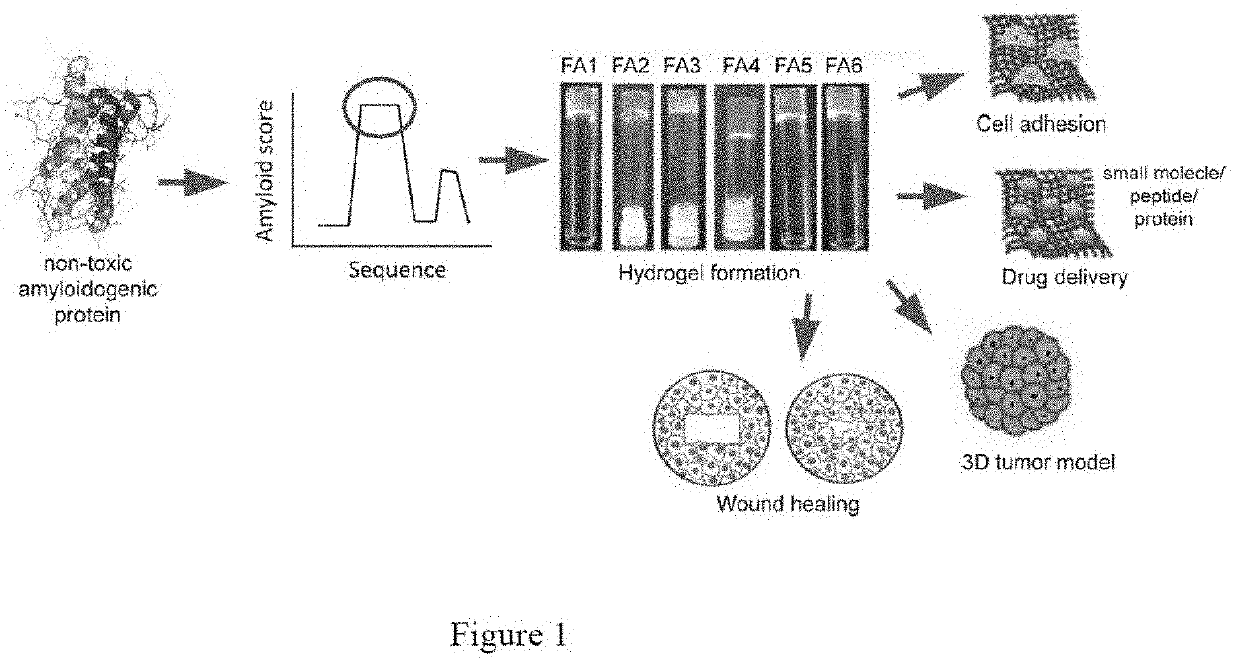
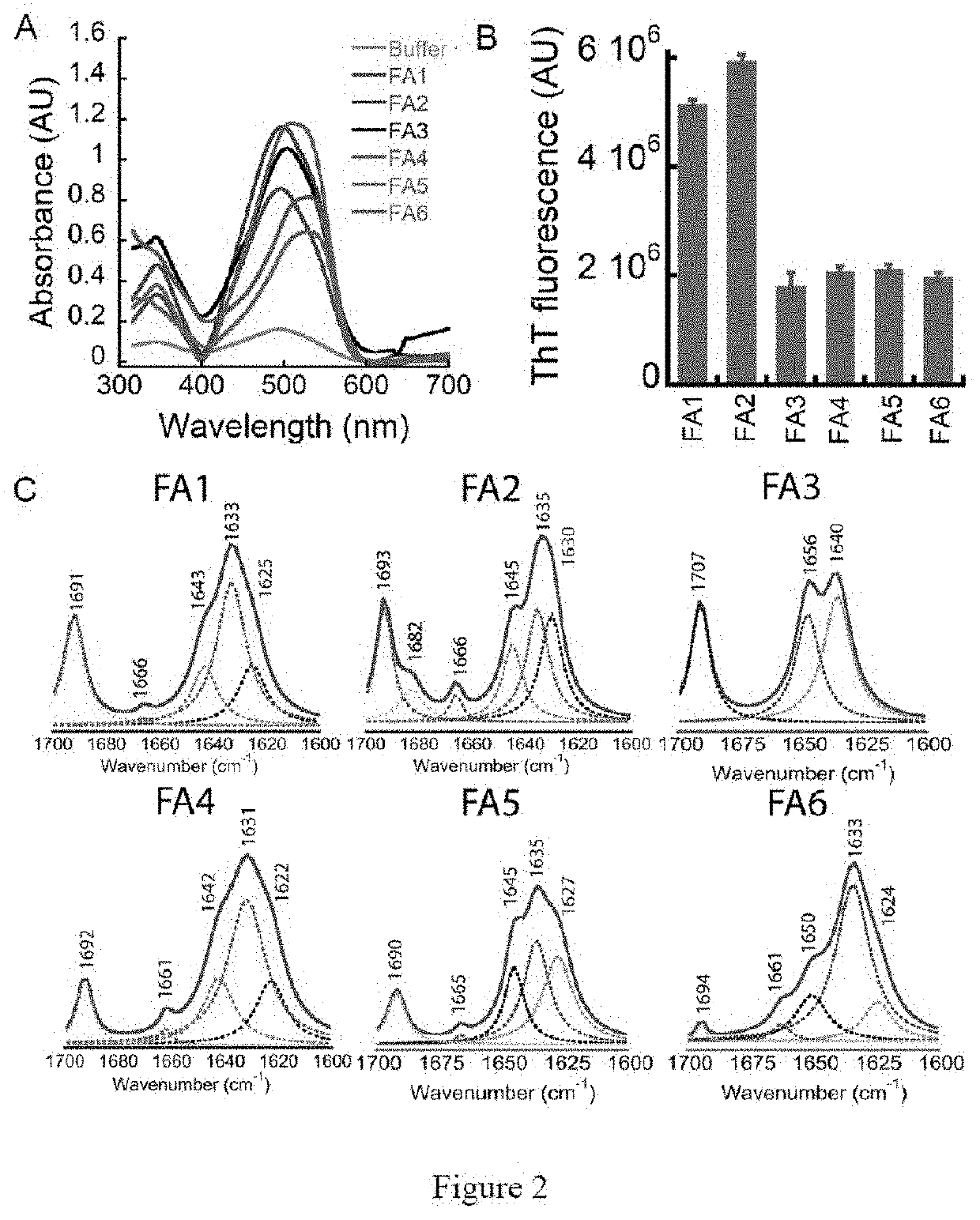
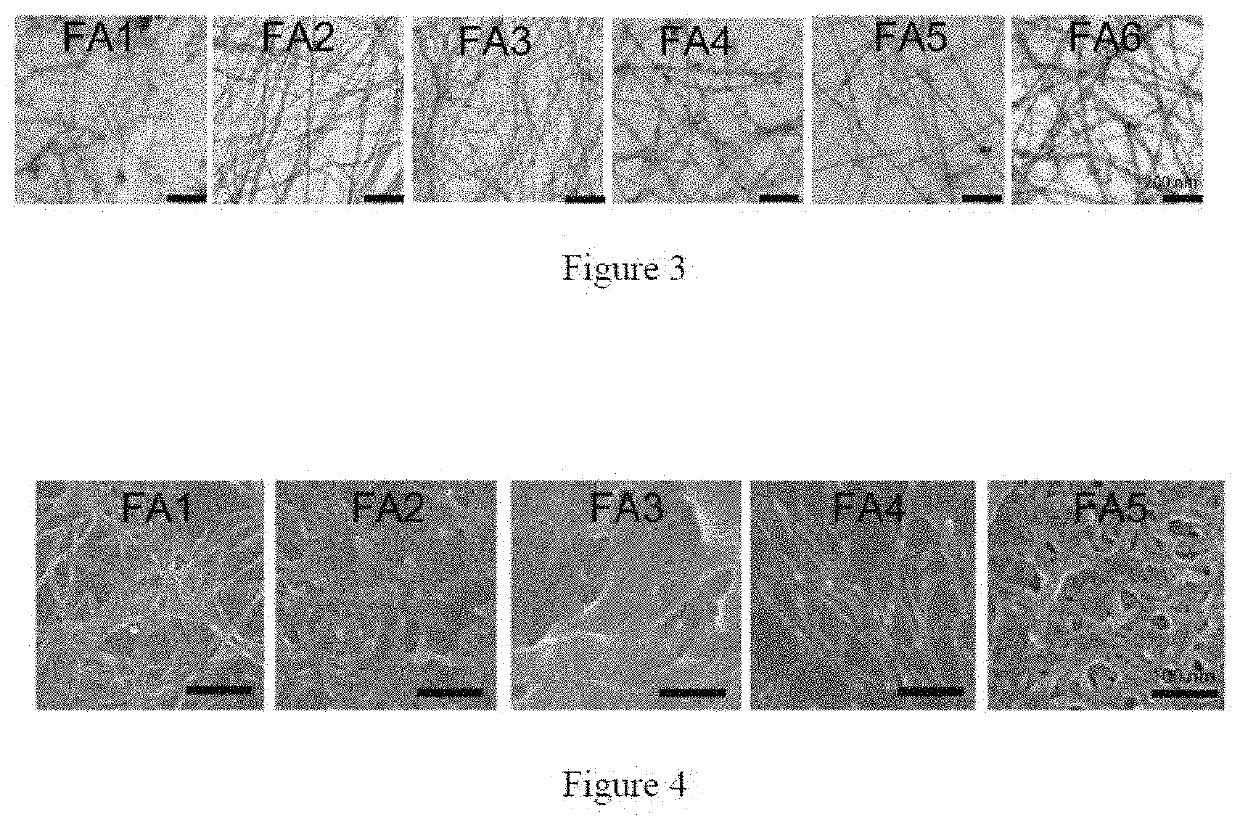
Functional amyloid hydrogels and applications thereof
PatentActiveUS20210322628A1
Innovation
- Development of functional amyloid hydrogels composed of self-assembling peptides that form a three-dimensional nanofibril matrix, which can be tuned for mechanical properties and biocompatibility by adjusting pH, temperature, and salt concentration, allowing for controlled release of biological agents and cell adhesion.

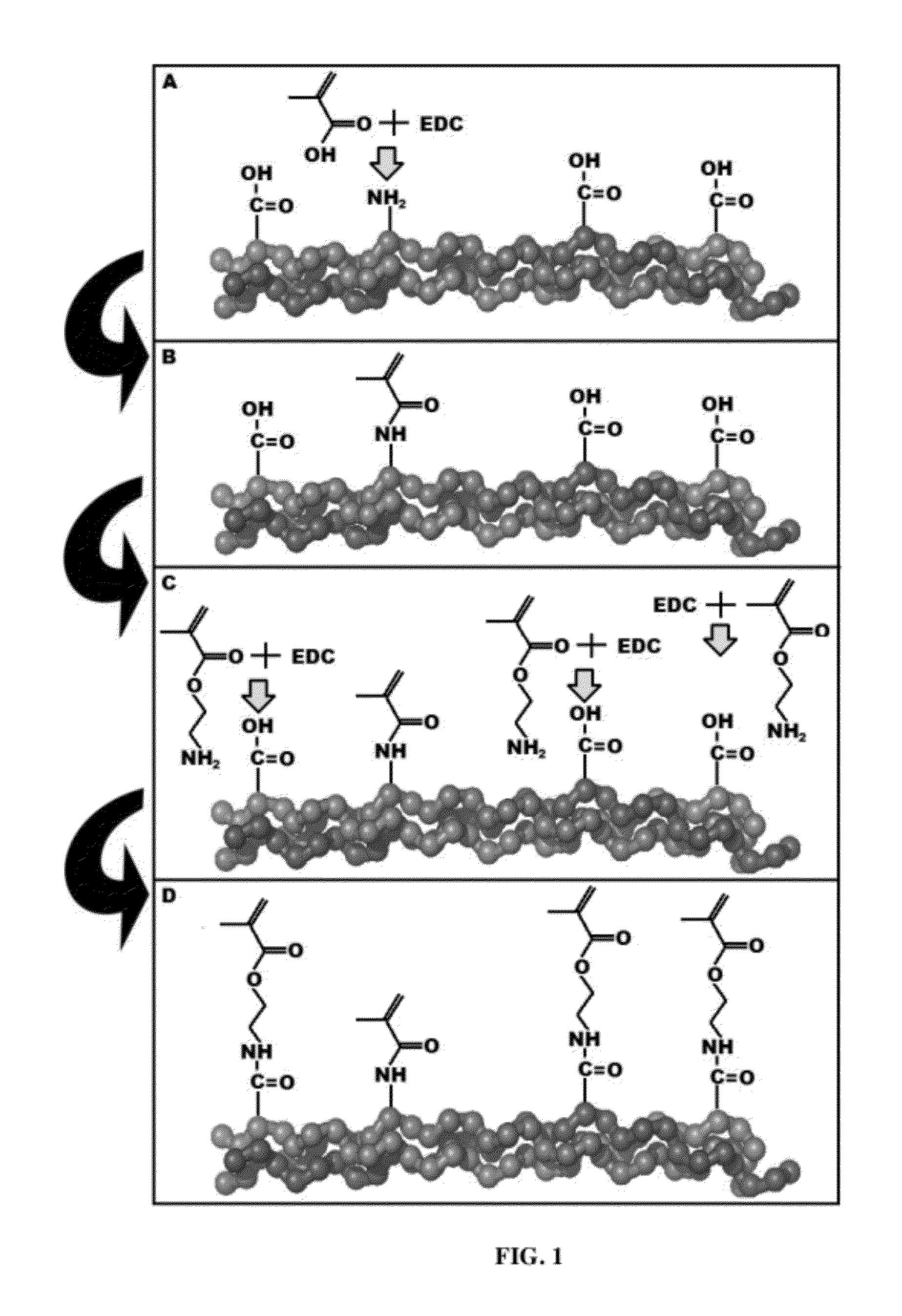
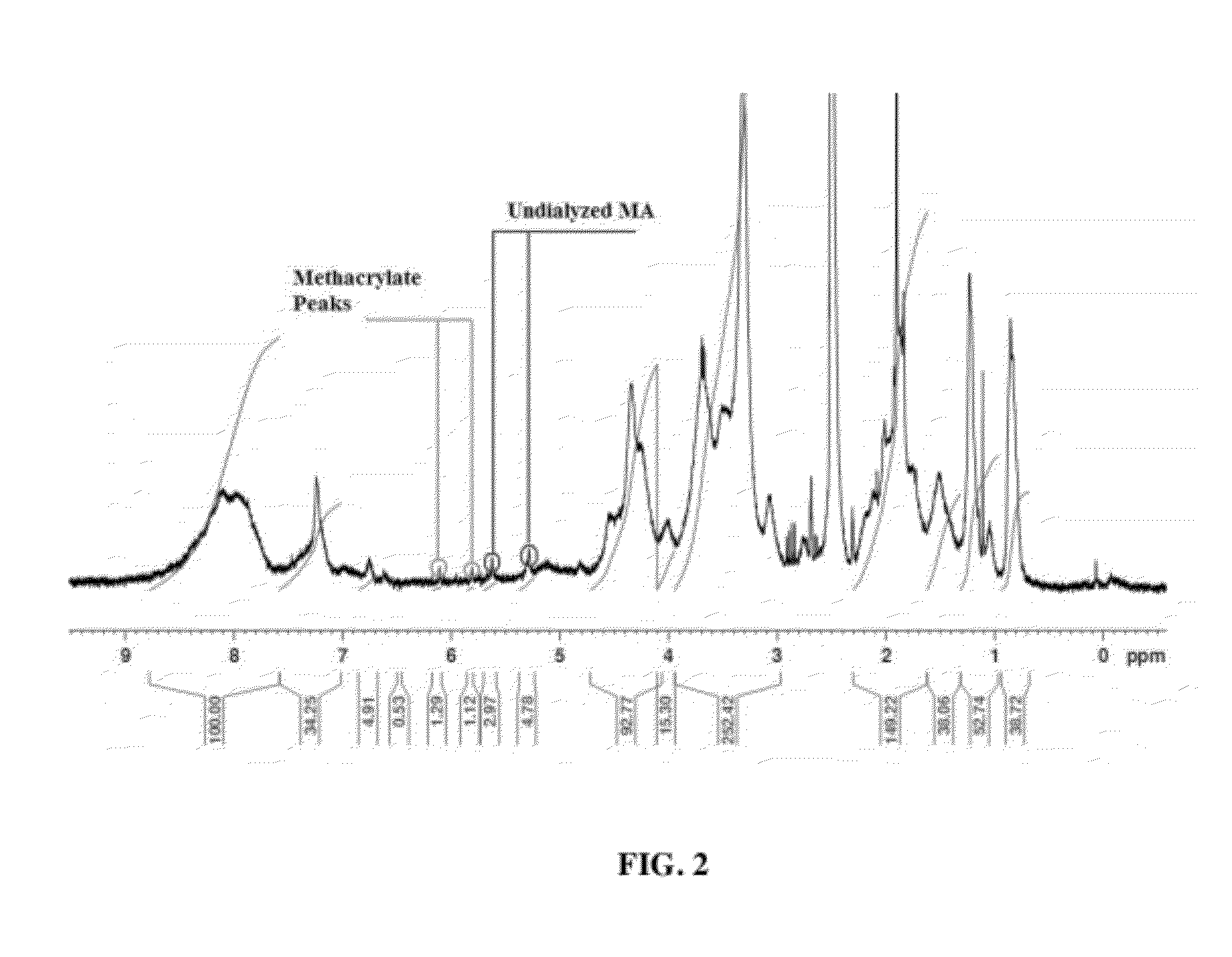
Process for the synthesis of methacrylate-derivatized type-1 collagen and derivatives thereof
PatentActiveUS20120220691A1
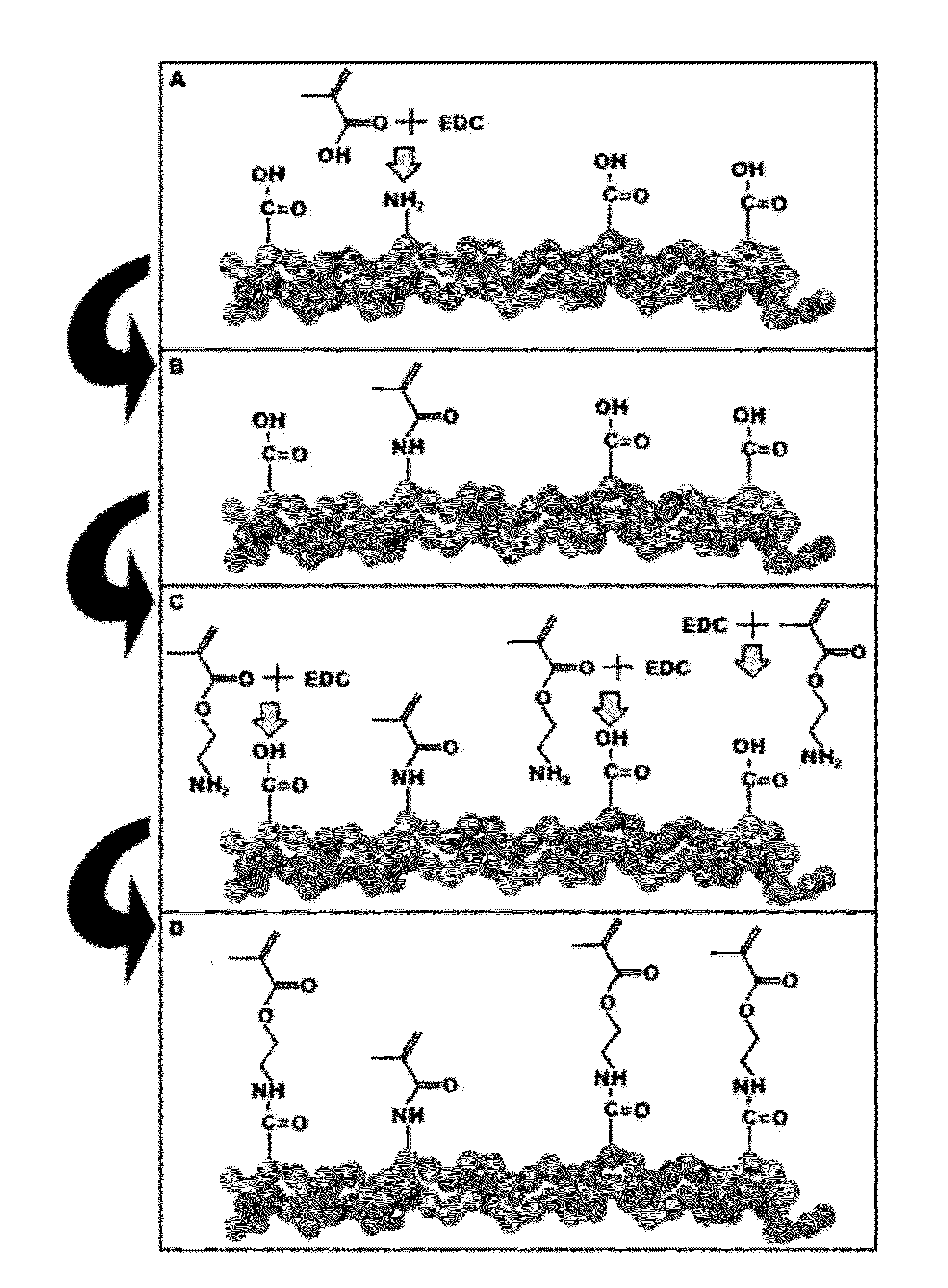
Innovation
- The synthesis of collagen methacrylamide (CMA) with reactive methacrylate groups allows for photocross-linking using UV light, enabling controlled modulation of mechanical properties while maintaining the structural and functional integrity of type-I collagen, allowing it to self-assemble into a fibrillar hydrogel.

Biocompatibility and Safety Standards for Tissue Scaffolds
Biocompatibility assessment of amide-based hydrogels represents a critical foundation for their successful implementation in tissue engineering applications. The evaluation framework encompasses comprehensive cytotoxicity testing, immune response characterization, and long-term biointegration studies. Standard protocols such as ISO 10993 series provide structured guidelines for biological evaluation of medical devices, establishing essential benchmarks for hydrogel scaffold assessment.
Cytotoxicity evaluation forms the primary tier of safety assessment, utilizing standardized cell viability assays including MTT, LDH release, and live/dead staining protocols. These assessments examine direct and indirect contact effects of amide-based hydrogels on various cell lines, particularly those relevant to target tissue types. Critical parameters include cell proliferation rates, metabolic activity maintenance, and morphological integrity preservation over extended culture periods.
Hemocompatibility testing addresses blood-material interactions, essential for vascularized tissue applications. Hemolysis assays, platelet activation studies, and coagulation pathway analysis provide comprehensive blood compatibility profiles. Amide-based hydrogels typically demonstrate favorable hemocompatibility due to their hydrophilic nature and structural similarity to natural extracellular matrix components.
Immunological response evaluation encompasses both innate and adaptive immune system interactions. In vitro macrophage activation assays, complement activation studies, and cytokine release profiling establish inflammatory potential. Animal model studies provide crucial in vivo validation, examining tissue integration, foreign body response, and long-term biocompatibility through histological analysis and inflammatory marker assessment.
Regulatory compliance requires adherence to established safety standards including FDA guidance documents, European Medical Device Regulation, and international harmonization protocols. Documentation of manufacturing consistency, sterilization validation, and batch-to-batch reproducibility ensures regulatory pathway viability. Comprehensive preclinical safety databases support clinical translation strategies for amide-based hydrogel tissue scaffolds.
Cytotoxicity evaluation forms the primary tier of safety assessment, utilizing standardized cell viability assays including MTT, LDH release, and live/dead staining protocols. These assessments examine direct and indirect contact effects of amide-based hydrogels on various cell lines, particularly those relevant to target tissue types. Critical parameters include cell proliferation rates, metabolic activity maintenance, and morphological integrity preservation over extended culture periods.
Hemocompatibility testing addresses blood-material interactions, essential for vascularized tissue applications. Hemolysis assays, platelet activation studies, and coagulation pathway analysis provide comprehensive blood compatibility profiles. Amide-based hydrogels typically demonstrate favorable hemocompatibility due to their hydrophilic nature and structural similarity to natural extracellular matrix components.
Immunological response evaluation encompasses both innate and adaptive immune system interactions. In vitro macrophage activation assays, complement activation studies, and cytokine release profiling establish inflammatory potential. Animal model studies provide crucial in vivo validation, examining tissue integration, foreign body response, and long-term biocompatibility through histological analysis and inflammatory marker assessment.
Regulatory compliance requires adherence to established safety standards including FDA guidance documents, European Medical Device Regulation, and international harmonization protocols. Documentation of manufacturing consistency, sterilization validation, and batch-to-batch reproducibility ensures regulatory pathway viability. Comprehensive preclinical safety databases support clinical translation strategies for amide-based hydrogel tissue scaffolds.
Clinical Translation Pathways for Amide Hydrogel Products
The clinical translation of amide-based hydrogels for tissue engineering applications requires a systematic approach through established regulatory frameworks. The pathway typically begins with comprehensive preclinical studies demonstrating biocompatibility, biodegradability, and mechanical properties suitable for specific tissue applications. These studies must align with FDA guidance documents for tissue engineering products and ISO standards for biological evaluation of medical devices.
Regulatory classification represents a critical early step, as amide hydrogels may fall under different categories depending on their intended use. Products designed for wound healing or dermal applications often qualify as Class II medical devices, while those intended for load-bearing applications like cartilage or bone regeneration may require Class III designation. The 510(k) pathway offers an expedited route for products demonstrating substantial equivalence to predicate devices, while novel formulations typically require the more rigorous Premarket Approval process.
Manufacturing considerations play a pivotal role in clinical translation success. Good Manufacturing Practice compliance must be established early in development, encompassing sterility assurance, quality control testing protocols, and batch-to-batch consistency validation. The scalability of amide hydrogel synthesis from laboratory to commercial production presents unique challenges, particularly in maintaining crosslinking uniformity and mechanical properties across larger batch sizes.
Clinical trial design for amide hydrogel products requires careful consideration of endpoints that demonstrate both safety and efficacy. Phase I studies focus on dose escalation and safety assessment, while Phase II trials evaluate preliminary efficacy in target patient populations. The selection of appropriate comparator treatments and the development of validated outcome measures specific to tissue regeneration applications are essential for regulatory approval.
Post-market surveillance strategies must address the long-term performance of amide hydrogels in clinical settings. This includes monitoring degradation products, immune responses, and functional outcomes over extended periods. Establishing robust adverse event reporting systems and conducting post-market clinical studies ensures continued safety monitoring and supports potential label expansions or formulation improvements based on real-world clinical experience.
Regulatory classification represents a critical early step, as amide hydrogels may fall under different categories depending on their intended use. Products designed for wound healing or dermal applications often qualify as Class II medical devices, while those intended for load-bearing applications like cartilage or bone regeneration may require Class III designation. The 510(k) pathway offers an expedited route for products demonstrating substantial equivalence to predicate devices, while novel formulations typically require the more rigorous Premarket Approval process.
Manufacturing considerations play a pivotal role in clinical translation success. Good Manufacturing Practice compliance must be established early in development, encompassing sterility assurance, quality control testing protocols, and batch-to-batch consistency validation. The scalability of amide hydrogel synthesis from laboratory to commercial production presents unique challenges, particularly in maintaining crosslinking uniformity and mechanical properties across larger batch sizes.
Clinical trial design for amide hydrogel products requires careful consideration of endpoints that demonstrate both safety and efficacy. Phase I studies focus on dose escalation and safety assessment, while Phase II trials evaluate preliminary efficacy in target patient populations. The selection of appropriate comparator treatments and the development of validated outcome measures specific to tissue regeneration applications are essential for regulatory approval.
Post-market surveillance strategies must address the long-term performance of amide hydrogels in clinical settings. This includes monitoring degradation products, immune responses, and functional outcomes over extended periods. Establishing robust adverse event reporting systems and conducting post-market clinical studies ensures continued safety monitoring and supports potential label expansions or formulation improvements based on real-world clinical experience.
Unlock deeper insights with Patsnap Eureka Quick Research — get a full tech report to explore trends and direct your research. Try now!
Generate Your Research Report Instantly with AI Agent
Supercharge your innovation with Patsnap Eureka AI Agent Platform!