
Conformational Isomers in Quantum Dot Engineering
MAR 16, 20269 MIN READ
Generate Your Research Report Instantly with AI Agent
Patsnap Eureka helps you evaluate technical feasibility & market potential.
Quantum Dot Conformational Isomer Research Background and Goals
Quantum dots represent a revolutionary class of semiconductor nanocrystals that have fundamentally transformed our understanding of nanoscale materials engineering. These zero-dimensional structures, typically ranging from 2-10 nanometers in diameter, exhibit unique quantum confinement effects that enable precise control over their optical and electronic properties. The emergence of quantum dot technology has opened unprecedented opportunities across diverse applications, from next-generation displays and solar cells to advanced biomedical imaging and quantum computing platforms.
The concept of conformational isomers in quantum dot engineering has gained significant attention as researchers recognize that identical chemical compositions can yield dramatically different properties based on atomic arrangements and surface configurations. Unlike traditional bulk semiconductors, quantum dots possess high surface-to-volume ratios, making their surface chemistry and structural conformations critical determinants of performance characteristics.
Historical development of quantum dot research began in the 1980s with theoretical predictions of quantum confinement effects, followed by experimental breakthroughs in the 1990s that demonstrated size-tunable emission properties. The field has evolved from simple core structures to sophisticated core-shell architectures, with recent focus shifting toward understanding how subtle conformational variations impact functionality.
Current technological evolution trends indicate a growing emphasis on precision synthesis methods that enable control over conformational states. Advanced characterization techniques, including high-resolution transmission electron microscopy and synchrotron-based spectroscopy, have revealed the existence of multiple conformational isomers within seemingly uniform quantum dot populations.
The primary technical objectives of conformational isomer research encompass several critical areas. First, developing comprehensive understanding of how different atomic arrangements influence optical properties, particularly emission wavelength, quantum yield, and photostability. Second, establishing predictive models that correlate specific conformational features with desired performance characteristics.
Third, creating synthesis protocols that enable selective production of specific conformational isomers rather than statistical mixtures. Fourth, investigating the dynamic behavior of conformational transitions under various environmental conditions, including temperature variations, chemical exposure, and electromagnetic field influences.
The ultimate goal involves achieving deterministic control over quantum dot properties through conformational engineering, potentially enabling applications requiring unprecedented precision in optical and electronic characteristics. This research direction promises to unlock new possibilities in quantum information processing, ultra-sensitive sensing platforms, and next-generation optoelectronic devices.
The concept of conformational isomers in quantum dot engineering has gained significant attention as researchers recognize that identical chemical compositions can yield dramatically different properties based on atomic arrangements and surface configurations. Unlike traditional bulk semiconductors, quantum dots possess high surface-to-volume ratios, making their surface chemistry and structural conformations critical determinants of performance characteristics.
Historical development of quantum dot research began in the 1980s with theoretical predictions of quantum confinement effects, followed by experimental breakthroughs in the 1990s that demonstrated size-tunable emission properties. The field has evolved from simple core structures to sophisticated core-shell architectures, with recent focus shifting toward understanding how subtle conformational variations impact functionality.
Current technological evolution trends indicate a growing emphasis on precision synthesis methods that enable control over conformational states. Advanced characterization techniques, including high-resolution transmission electron microscopy and synchrotron-based spectroscopy, have revealed the existence of multiple conformational isomers within seemingly uniform quantum dot populations.
The primary technical objectives of conformational isomer research encompass several critical areas. First, developing comprehensive understanding of how different atomic arrangements influence optical properties, particularly emission wavelength, quantum yield, and photostability. Second, establishing predictive models that correlate specific conformational features with desired performance characteristics.
Third, creating synthesis protocols that enable selective production of specific conformational isomers rather than statistical mixtures. Fourth, investigating the dynamic behavior of conformational transitions under various environmental conditions, including temperature variations, chemical exposure, and electromagnetic field influences.
The ultimate goal involves achieving deterministic control over quantum dot properties through conformational engineering, potentially enabling applications requiring unprecedented precision in optical and electronic characteristics. This research direction promises to unlock new possibilities in quantum information processing, ultra-sensitive sensing platforms, and next-generation optoelectronic devices.
Market Demand for Advanced Quantum Dot Applications
The quantum dot market is experiencing unprecedented growth driven by diverse applications spanning display technologies, biomedical imaging, solar energy harvesting, and quantum computing. Display manufacturers are increasingly adopting quantum dot enhanced films and electroluminescent quantum dot displays due to their superior color gamut coverage and energy efficiency compared to traditional LCD and OLED technologies. Major television and monitor manufacturers have integrated quantum dot technology into premium product lines, creating substantial demand for high-performance quantum dots with precise optical properties.
Biomedical applications represent another rapidly expanding market segment, where quantum dots serve as fluorescent markers for cellular imaging, drug delivery systems, and diagnostic tools. The unique photostability and tunable emission properties of quantum dots make them particularly valuable for long-term biological studies and multiplexed imaging applications. Research institutions and pharmaceutical companies are driving demand for quantum dots with specific surface functionalization and biocompatibility characteristics.
The photovoltaic industry has identified quantum dots as promising materials for next-generation solar cells, particularly in tandem cell architectures and luminescent solar concentrators. The ability to engineer quantum dot absorption and emission spectra through conformational control offers significant potential for improving solar cell efficiency beyond current silicon-based limitations. This application requires quantum dots with optimized charge transport properties and environmental stability.
Quantum computing and quantum communication sectors are emerging as high-value markets for quantum dots, where they function as single-photon sources and quantum bits. These applications demand quantum dots with exceptional optical coherence and controllable quantum states, driving research into conformational engineering approaches that can minimize spectral diffusion and enhance quantum efficiency.
The semiconductor industry's transition toward quantum dot-based light-emitting diodes for micro-displays and automotive lighting applications is creating additional market opportunities. These applications require quantum dots with narrow emission linewidths, high quantum yields, and thermal stability, characteristics that can be significantly influenced by conformational isomer control.
Market growth is further accelerated by increasing investment in quantum technologies from both government initiatives and private sector funding. The convergence of nanotechnology, materials science, and quantum physics is creating new application possibilities that were previously unexplored, expanding the total addressable market for advanced quantum dot materials and driving demand for more sophisticated engineering approaches including conformational isomer research.
Biomedical applications represent another rapidly expanding market segment, where quantum dots serve as fluorescent markers for cellular imaging, drug delivery systems, and diagnostic tools. The unique photostability and tunable emission properties of quantum dots make them particularly valuable for long-term biological studies and multiplexed imaging applications. Research institutions and pharmaceutical companies are driving demand for quantum dots with specific surface functionalization and biocompatibility characteristics.
The photovoltaic industry has identified quantum dots as promising materials for next-generation solar cells, particularly in tandem cell architectures and luminescent solar concentrators. The ability to engineer quantum dot absorption and emission spectra through conformational control offers significant potential for improving solar cell efficiency beyond current silicon-based limitations. This application requires quantum dots with optimized charge transport properties and environmental stability.
Quantum computing and quantum communication sectors are emerging as high-value markets for quantum dots, where they function as single-photon sources and quantum bits. These applications demand quantum dots with exceptional optical coherence and controllable quantum states, driving research into conformational engineering approaches that can minimize spectral diffusion and enhance quantum efficiency.
The semiconductor industry's transition toward quantum dot-based light-emitting diodes for micro-displays and automotive lighting applications is creating additional market opportunities. These applications require quantum dots with narrow emission linewidths, high quantum yields, and thermal stability, characteristics that can be significantly influenced by conformational isomer control.
Market growth is further accelerated by increasing investment in quantum technologies from both government initiatives and private sector funding. The convergence of nanotechnology, materials science, and quantum physics is creating new application possibilities that were previously unexplored, expanding the total addressable market for advanced quantum dot materials and driving demand for more sophisticated engineering approaches including conformational isomer research.
Current State of Conformational Isomer Control in QD Synthesis
The current landscape of conformational isomer control in quantum dot synthesis represents a rapidly evolving field where precise atomic-level manipulation has become increasingly achievable. Contemporary synthesis methods have progressed from basic colloidal approaches to sophisticated techniques that enable deliberate control over surface ligand conformations and core structural arrangements.
Hot-injection synthesis remains the dominant method for producing high-quality quantum dots with controlled conformational properties. This technique allows researchers to manipulate reaction kinetics and thermodynamics to favor specific isomeric configurations. Recent advances have incorporated real-time monitoring systems that track conformational changes during synthesis, enabling dynamic adjustment of reaction parameters to achieve desired isomeric distributions.
Microfluidic synthesis platforms have emerged as powerful tools for conformational control, offering unprecedented precision in reaction conditions. These systems enable rapid screening of synthesis parameters and provide reproducible environments for generating quantum dots with specific conformational characteristics. The laminar flow conditions in microfluidic devices minimize unwanted side reactions that could lead to uncontrolled isomeric variations.
Surface ligand engineering has become a critical aspect of conformational control, with researchers developing sophisticated ligand exchange protocols. Current methodologies focus on using sterically hindered ligands and conformationally rigid molecules to lock quantum dots into specific isomeric states. Phase-transfer techniques have proven particularly effective for achieving controlled ligand arrangements while maintaining quantum dot stability.
Template-assisted synthesis approaches have gained significant traction, utilizing molecular scaffolds and confined reaction environments to direct conformational outcomes. These methods leverage the principles of supramolecular chemistry to create predictable isomeric distributions through spatial constraints and selective binding interactions.
Despite these advances, several technical challenges persist in achieving complete conformational control. Current synthesis methods still exhibit limitations in selectivity, often producing mixtures of conformational isomers rather than pure populations. The dynamic nature of quantum dot surfaces at synthesis temperatures continues to complicate efforts to maintain specific conformational states throughout the entire synthesis process.
Characterization techniques have evolved to support conformational analysis, with advanced spectroscopic methods now capable of distinguishing between subtle isomeric differences. However, the temporal resolution of current analytical tools remains insufficient for real-time conformational monitoring during rapid synthesis processes, creating gaps in understanding the mechanistic pathways that lead to specific isomeric outcomes.
Hot-injection synthesis remains the dominant method for producing high-quality quantum dots with controlled conformational properties. This technique allows researchers to manipulate reaction kinetics and thermodynamics to favor specific isomeric configurations. Recent advances have incorporated real-time monitoring systems that track conformational changes during synthesis, enabling dynamic adjustment of reaction parameters to achieve desired isomeric distributions.
Microfluidic synthesis platforms have emerged as powerful tools for conformational control, offering unprecedented precision in reaction conditions. These systems enable rapid screening of synthesis parameters and provide reproducible environments for generating quantum dots with specific conformational characteristics. The laminar flow conditions in microfluidic devices minimize unwanted side reactions that could lead to uncontrolled isomeric variations.
Surface ligand engineering has become a critical aspect of conformational control, with researchers developing sophisticated ligand exchange protocols. Current methodologies focus on using sterically hindered ligands and conformationally rigid molecules to lock quantum dots into specific isomeric states. Phase-transfer techniques have proven particularly effective for achieving controlled ligand arrangements while maintaining quantum dot stability.
Template-assisted synthesis approaches have gained significant traction, utilizing molecular scaffolds and confined reaction environments to direct conformational outcomes. These methods leverage the principles of supramolecular chemistry to create predictable isomeric distributions through spatial constraints and selective binding interactions.
Despite these advances, several technical challenges persist in achieving complete conformational control. Current synthesis methods still exhibit limitations in selectivity, often producing mixtures of conformational isomers rather than pure populations. The dynamic nature of quantum dot surfaces at synthesis temperatures continues to complicate efforts to maintain specific conformational states throughout the entire synthesis process.
Characterization techniques have evolved to support conformational analysis, with advanced spectroscopic methods now capable of distinguishing between subtle isomeric differences. However, the temporal resolution of current analytical tools remains insufficient for real-time conformational monitoring during rapid synthesis processes, creating gaps in understanding the mechanistic pathways that lead to specific isomeric outcomes.
Existing Methods for Isomer Control in QD Fabrication
01 Conformational isomers in pharmaceutical compounds and drug design
Conformational isomers play a crucial role in pharmaceutical development, where different spatial arrangements of the same molecular formula can exhibit distinct biological activities and pharmacological properties. The identification and characterization of specific conformational forms are essential for optimizing drug efficacy, selectivity, and bioavailability. Conformational analysis helps in understanding receptor binding, metabolic stability, and therapeutic effectiveness of pharmaceutical compounds.- Conformational isomers in pharmaceutical compounds and drug design: Conformational isomers play a crucial role in pharmaceutical development, where different spatial arrangements of molecules can exhibit varying biological activities and therapeutic effects. The identification and selection of specific conformational forms can optimize drug efficacy, bioavailability, and receptor binding properties. Understanding conformational preferences helps in designing molecules with improved pharmacological profiles.
- Methods for determining and analyzing conformational structures: Various analytical techniques and computational methods are employed to determine and characterize conformational structures of molecules. These approaches include spectroscopic analysis, crystallographic studies, molecular modeling, and energy calculations to identify stable conformations. Such methods enable researchers to predict molecular behavior and select optimal conformational forms for specific applications.
- Conformational control in peptides and proteins: The conformational structure of peptides and proteins significantly influences their biological function and stability. Specific conformational arrangements such as alpha-helices, beta-sheets, and turns determine protein folding patterns and activity. Controlling and stabilizing desired conformations through chemical modifications or structural constraints can enhance therapeutic properties and molecular recognition.
- Conformational isomerism in synthetic organic compounds: Synthetic organic chemistry involves the preparation and isolation of specific conformational isomers to achieve desired chemical and physical properties. Different conformational forms can exhibit distinct reactivity patterns, stability profiles, and interaction capabilities. The selective synthesis and separation of conformational isomers are important for developing materials with specific characteristics.
- Applications of conformational analysis in molecular recognition and binding: Conformational analysis is essential for understanding molecular recognition processes and binding interactions between molecules and their targets. The three-dimensional arrangement of functional groups affects how molecules interact with receptors, enzymes, or other biological targets. Optimizing conformational structures can improve binding affinity, selectivity, and overall molecular performance in various applications.
02 Structural determination and characterization methods for conformational isomers
Various analytical techniques are employed to determine and characterize conformational structures, including spectroscopic methods, crystallographic analysis, and computational modeling. These methods enable researchers to identify different conformational states, measure their relative stability, and understand the energy barriers between conformations. Advanced characterization techniques provide detailed information about molecular geometry, bond angles, and spatial arrangements that define conformational isomers.Expand Specific Solutions03 Conformational control in chemical synthesis and stereochemistry
Controlling conformational preferences during chemical synthesis is critical for producing compounds with desired stereochemical properties. Synthetic strategies can be designed to favor specific conformational isomers through the use of directing groups, protecting groups, or reaction conditions that stabilize particular conformations. Understanding conformational behavior enables chemists to predict and control the stereochemical outcome of reactions and improve synthetic efficiency.Expand Specific Solutions04 Conformational flexibility and molecular dynamics in biological systems
Conformational flexibility is fundamental to biological function, as biomolecules such as proteins and nucleic acids undergo conformational changes to perform their roles. The dynamic nature of conformational isomers affects molecular recognition, enzyme catalysis, and signal transduction. Studies of conformational dynamics provide insights into how molecules transition between different conformational states and how these transitions are regulated in biological processes.Expand Specific Solutions05 Applications of conformational analysis in material science and polymer chemistry
Conformational structures significantly influence the physical and chemical properties of polymers and materials. The arrangement of polymer chains, rotational freedom around bonds, and preferred conformations determine material characteristics such as crystallinity, mechanical strength, and thermal properties. Conformational analysis is applied to design materials with specific properties by controlling molecular architecture and chain conformations.Expand Specific Solutions
Key Players in Quantum Dot and Nanomaterial Industry
The quantum dot engineering field focusing on conformational isomers represents an emerging technology sector in its early development stage, characterized by significant research activity but limited commercial maturity. The market remains nascent with substantial growth potential as applications in displays, semiconductors, and biomedical devices expand. Technology maturity varies considerably across the competitive landscape, with established electronics giants like Samsung Electronics, Samsung Display, and Samsung SDI leading commercialization efforts through their advanced manufacturing capabilities and market presence. Semiconductor specialists including Shin-Etsu Chemical and OSRAM Opto Semiconductors contribute specialized materials expertise, while academic institutions such as UNIST, Nanyang Technological University, and Technical University of Berlin drive fundamental research breakthroughs. Pharmaceutical companies like Sunshine Lake Pharma and Celgene explore biomedical applications, though their quantum dot initiatives remain largely experimental. The fragmented competitive environment reflects the technology's interdisciplinary nature, spanning materials science, electronics, and biotechnology sectors.
Samsung Display Co., Ltd.
Technical Solution: Samsung Display has developed advanced quantum dot display technologies focusing on conformational control of quantum dot materials for enhanced color reproduction and stability. Their approach involves engineering quantum dot structures with specific conformational states to optimize photoluminescence properties and reduce spectral drift. The company utilizes surface ligand engineering and core-shell architectures to control conformational flexibility, achieving wider color gamuts exceeding 90% DCI-P3 coverage. Their quantum dot enhancement films (QDEF) incorporate conformationally stable quantum dots that maintain consistent optical properties under thermal stress and prolonged operation.
Strengths: Market-leading display technology integration, extensive manufacturing capabilities, strong IP portfolio in quantum dot displays. Weaknesses: Limited focus on non-display applications, high manufacturing costs for premium quantum dot materials.
Ulsan National Institute of Science & Technology
Technical Solution: UNIST has established comprehensive research programs investigating conformational isomers in quantum dot systems, particularly focusing on the relationship between molecular conformation and electronic properties. Their research encompasses theoretical modeling of conformational energy landscapes using density functional theory calculations combined with experimental validation through advanced spectroscopic techniques. The institute has developed novel synthesis protocols that enable selective formation of specific conformational isomers in colloidal quantum dots, leading to enhanced photoluminescence quantum yields and improved stability. Their work includes investigation of ligand-induced conformational changes and their impact on charge transport properties.
Strengths: Strong theoretical and computational capabilities, advanced characterization facilities, collaborative research environment. Weaknesses: Limited industrial partnerships for technology transfer, focus primarily on fundamental research rather than commercial applications.
Core Innovations in Conformational Isomer Manipulation
Protein conformational isomers, methods of making, methods for using, compositions comprising and products made therewith
PatentInactiveUS7601683B2
Innovation
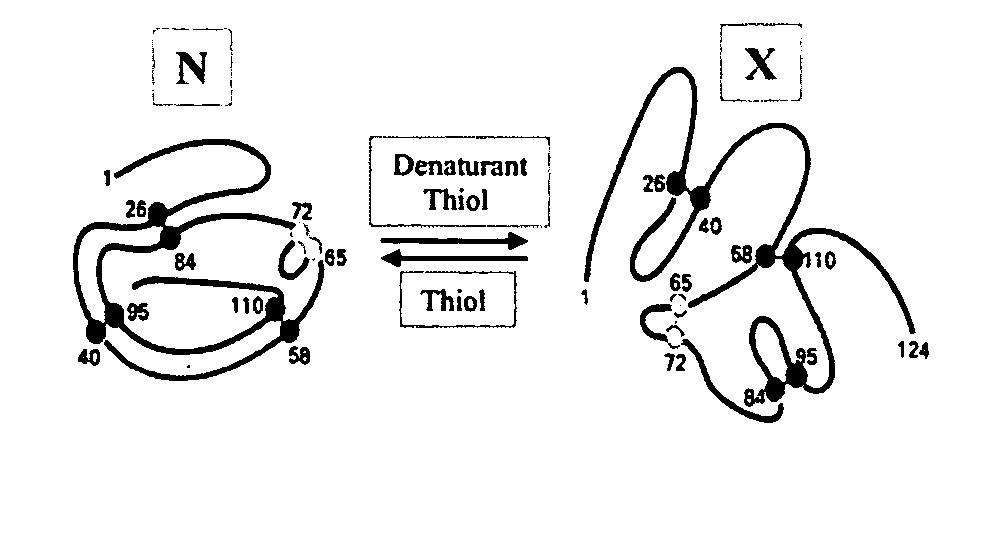
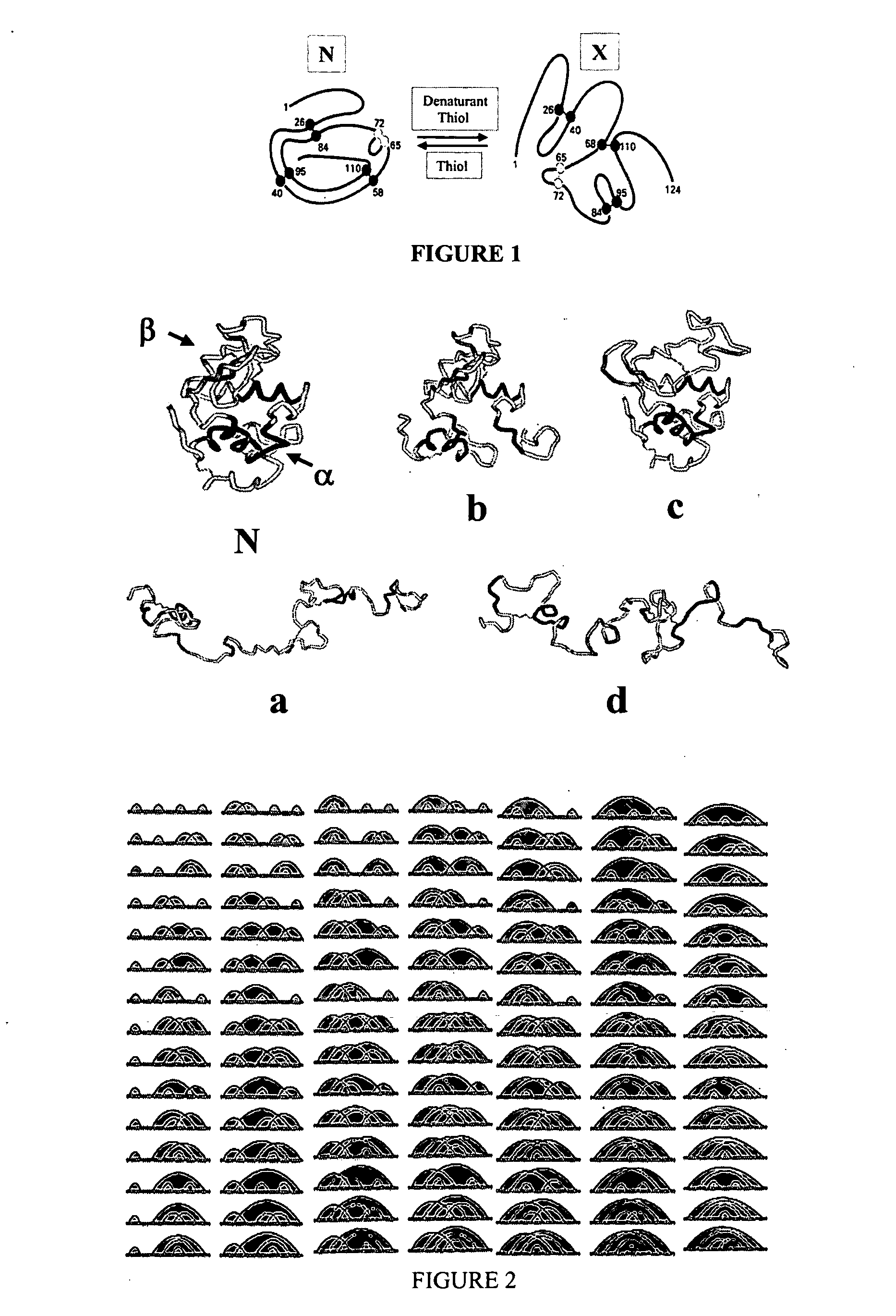
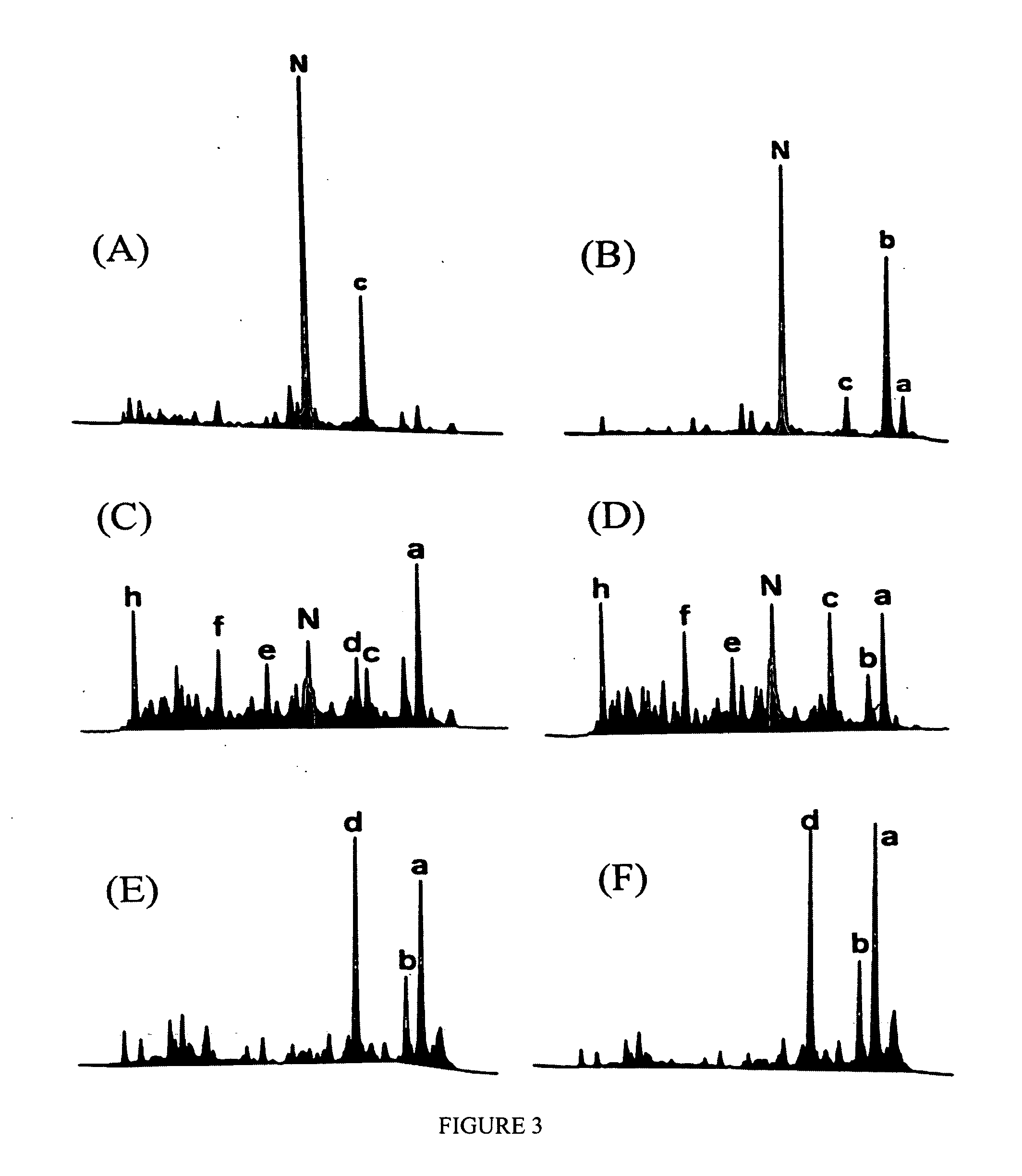
- A method involving denaturing proteins in a buffer containing denaturants and thiol agents to produce mixed populations of fully oxidized conformational isomers, followed by amplification and isolation of specific isomer species using affinity columns, allowing for the generation of stable conformational isomers with non-native disulfide bonds.


Production of stabilized conformational isomers of disease associated proteins
PatentInactiveUS20060018918A1
Innovation
- A method involving denaturation and re-naturation of proteins under optimized conditions with a thiol initiator to produce stable, immunogenic non-native protein isomers, specifically utilizing disulfide scrambling to generate diverse, stabilized conformational isomers that can be used as vaccines for diseases such as Alzheimer's, Parkinson's, and prion diseases.

Environmental Safety Regulations for Nanomaterial Research
The environmental safety regulations governing nanomaterial research, particularly in quantum dot engineering involving conformational isomers, represent a complex and evolving regulatory landscape. Current frameworks primarily stem from existing chemical safety protocols adapted for nanoscale materials, with specific attention to the unique properties that emerge at the quantum level.
Regulatory bodies worldwide have established tiered approaches to nanomaterial oversight. The European Union's REACH regulation requires registration of nanomaterials as distinct substances, while the United States EPA operates under the Toxic Substances Control Act with specific nanomaterial reporting requirements. These frameworks mandate comprehensive characterization of quantum dots, including their conformational states and potential transformations under environmental conditions.
Safety assessment protocols for quantum dot research emphasize lifecycle evaluation, from synthesis to disposal. Researchers must document conformational stability under various environmental conditions, as isomeric transitions can significantly alter toxicity profiles. Standard testing includes aquatic toxicity studies, bioaccumulation assessments, and degradation pathway analysis, with particular focus on how conformational changes affect these parameters.
Occupational safety standards require specialized containment protocols for quantum dot synthesis and characterization. Laboratory guidelines mandate engineered controls including fume hoods with HEPA filtration, personal protective equipment specifications, and waste segregation procedures. Special attention is given to aerosol generation during conformational analysis techniques such as spectroscopy and microscopy.
Emerging regulatory trends indicate movement toward predictive toxicology models that incorporate conformational isomer behavior. Regulatory agencies are developing structure-activity relationship databases that account for quantum confinement effects and conformational flexibility. These models aim to streamline safety assessment while maintaining rigorous protection standards.
International harmonization efforts through organizations like the OECD are establishing standardized testing protocols for quantum dot materials. These guidelines specifically address conformational characterization requirements and their integration into risk assessment frameworks, ensuring consistent safety evaluation across different jurisdictions and research institutions.
Regulatory bodies worldwide have established tiered approaches to nanomaterial oversight. The European Union's REACH regulation requires registration of nanomaterials as distinct substances, while the United States EPA operates under the Toxic Substances Control Act with specific nanomaterial reporting requirements. These frameworks mandate comprehensive characterization of quantum dots, including their conformational states and potential transformations under environmental conditions.
Safety assessment protocols for quantum dot research emphasize lifecycle evaluation, from synthesis to disposal. Researchers must document conformational stability under various environmental conditions, as isomeric transitions can significantly alter toxicity profiles. Standard testing includes aquatic toxicity studies, bioaccumulation assessments, and degradation pathway analysis, with particular focus on how conformational changes affect these parameters.
Occupational safety standards require specialized containment protocols for quantum dot synthesis and characterization. Laboratory guidelines mandate engineered controls including fume hoods with HEPA filtration, personal protective equipment specifications, and waste segregation procedures. Special attention is given to aerosol generation during conformational analysis techniques such as spectroscopy and microscopy.
Emerging regulatory trends indicate movement toward predictive toxicology models that incorporate conformational isomer behavior. Regulatory agencies are developing structure-activity relationship databases that account for quantum confinement effects and conformational flexibility. These models aim to streamline safety assessment while maintaining rigorous protection standards.
International harmonization efforts through organizations like the OECD are establishing standardized testing protocols for quantum dot materials. These guidelines specifically address conformational characterization requirements and their integration into risk assessment frameworks, ensuring consistent safety evaluation across different jurisdictions and research institutions.
Intellectual Property Landscape in QD Isomer Technology
The intellectual property landscape surrounding quantum dot conformational isomer technology reveals a rapidly evolving field with significant patent activity concentrated among major technology corporations and research institutions. Patent filings in this domain have increased substantially over the past decade, reflecting growing commercial interest in exploiting conformational control for enhanced quantum dot performance.
Leading patent holders include semiconductor giants such as Samsung, Intel, and TSMC, alongside specialized quantum technology companies like Quantum Solutions and Nanosys. These entities have secured foundational patents covering synthesis methods for controlling isomeric states, characterization techniques for conformational analysis, and device integration approaches. The geographic distribution of patent ownership shows strong concentration in the United States, South Korea, and China, with emerging activity in European markets.
Key patent clusters focus on several critical areas. Synthesis-related patents dominate the landscape, covering novel chemical approaches for achieving specific conformational states during quantum dot formation. These include patents on ligand engineering, surface passivation techniques, and controlled growth environments that favor particular isomeric configurations. Characterization patents encompass advanced spectroscopic methods and computational modeling approaches for identifying and quantifying conformational variants.
Application-specific patents represent another significant category, particularly in display technologies and photovoltaic applications. These patents often claim specific conformational isomer compositions that deliver enhanced optical properties, such as improved color purity or increased quantum efficiency. Several breakthrough patents describe methods for post-synthesis conformational tuning, enabling dynamic control over quantum dot properties.
The patent landscape reveals notable gaps in certain technical areas, particularly regarding scalable manufacturing processes for conformationally pure quantum dots and standardized characterization protocols. These gaps represent potential opportunities for future patent development and commercial differentiation.
Cross-licensing agreements and patent pools are beginning to emerge as the technology matures, indicating industry recognition of the interconnected nature of conformational isomer innovations. Strategic patent positioning suggests that control over fundamental conformational engineering techniques will be crucial for maintaining competitive advantages in next-generation quantum dot applications.
Leading patent holders include semiconductor giants such as Samsung, Intel, and TSMC, alongside specialized quantum technology companies like Quantum Solutions and Nanosys. These entities have secured foundational patents covering synthesis methods for controlling isomeric states, characterization techniques for conformational analysis, and device integration approaches. The geographic distribution of patent ownership shows strong concentration in the United States, South Korea, and China, with emerging activity in European markets.
Key patent clusters focus on several critical areas. Synthesis-related patents dominate the landscape, covering novel chemical approaches for achieving specific conformational states during quantum dot formation. These include patents on ligand engineering, surface passivation techniques, and controlled growth environments that favor particular isomeric configurations. Characterization patents encompass advanced spectroscopic methods and computational modeling approaches for identifying and quantifying conformational variants.
Application-specific patents represent another significant category, particularly in display technologies and photovoltaic applications. These patents often claim specific conformational isomer compositions that deliver enhanced optical properties, such as improved color purity or increased quantum efficiency. Several breakthrough patents describe methods for post-synthesis conformational tuning, enabling dynamic control over quantum dot properties.
The patent landscape reveals notable gaps in certain technical areas, particularly regarding scalable manufacturing processes for conformationally pure quantum dots and standardized characterization protocols. These gaps represent potential opportunities for future patent development and commercial differentiation.
Cross-licensing agreements and patent pools are beginning to emerge as the technology matures, indicating industry recognition of the interconnected nature of conformational isomer innovations. Strategic patent positioning suggests that control over fundamental conformational engineering techniques will be crucial for maintaining competitive advantages in next-generation quantum dot applications.
Unlock deeper insights with Patsnap Eureka Quick Research — get a full tech report to explore trends and direct your research. Try now!
Generate Your Research Report Instantly with AI Agent
Supercharge your innovation with Patsnap Eureka AI Agent Platform!