
Optimize Power Generation Dispatch for Renewable Flexibility
OCT 8, 20269 MIN READ
Generate Your Research Report Instantly with AI Agent
Patsnap Eureka helps you evaluate technical feasibility & market potential.
Renewable Power Dispatch Background and Objectives
The global energy landscape is undergoing a fundamental transformation driven by the urgent need to decarbonize power systems and mitigate climate change impacts. Renewable energy sources, particularly wind and solar photovoltaics, have experienced exponential growth over the past two decades, evolving from niche technologies to mainstream power generation options. This transition has been accelerated by dramatic cost reductions, technological advancements, and supportive policy frameworks across major economies. However, the inherent variability and uncertainty of renewable generation present unprecedented challenges to traditional power system operations and dispatch methodologies.
Conventional power dispatch strategies were designed for dispatchable fossil fuel and nuclear generation units with predictable output characteristics. The integration of high penetrations of variable renewable energy fundamentally disrupts this paradigm, requiring dispatch systems to accommodate rapid fluctuations, forecast uncertainties, and bidirectional power flows. As renewable capacity continues to expand toward grid parity and beyond, optimizing dispatch mechanisms becomes critical to maintaining system reliability while maximizing clean energy utilization and minimizing curtailment.
The primary objective of this research domain is to develop advanced dispatch optimization frameworks that enhance power system flexibility to accommodate increasing renewable penetration levels. This encompasses multiple technical goals: improving forecast accuracy integration into dispatch decisions, developing robust optimization algorithms that handle uncertainty, enabling faster dispatch cycles to respond to renewable variability, and coordinating diverse flexibility resources including energy storage, demand response, and grid interconnections.
Furthermore, the research aims to balance multiple competing objectives within dispatch optimization. These include minimizing operational costs and carbon emissions, ensuring system stability and reliability constraints, reducing renewable curtailment, and facilitating market mechanisms that properly value flexibility services. Achieving these objectives requires interdisciplinary approaches combining power systems engineering, optimization theory, machine learning, and market design principles to create dispatch solutions suitable for future renewable-dominated grids.
Conventional power dispatch strategies were designed for dispatchable fossil fuel and nuclear generation units with predictable output characteristics. The integration of high penetrations of variable renewable energy fundamentally disrupts this paradigm, requiring dispatch systems to accommodate rapid fluctuations, forecast uncertainties, and bidirectional power flows. As renewable capacity continues to expand toward grid parity and beyond, optimizing dispatch mechanisms becomes critical to maintaining system reliability while maximizing clean energy utilization and minimizing curtailment.
The primary objective of this research domain is to develop advanced dispatch optimization frameworks that enhance power system flexibility to accommodate increasing renewable penetration levels. This encompasses multiple technical goals: improving forecast accuracy integration into dispatch decisions, developing robust optimization algorithms that handle uncertainty, enabling faster dispatch cycles to respond to renewable variability, and coordinating diverse flexibility resources including energy storage, demand response, and grid interconnections.
Furthermore, the research aims to balance multiple competing objectives within dispatch optimization. These include minimizing operational costs and carbon emissions, ensuring system stability and reliability constraints, reducing renewable curtailment, and facilitating market mechanisms that properly value flexibility services. Achieving these objectives requires interdisciplinary approaches combining power systems engineering, optimization theory, machine learning, and market design principles to create dispatch solutions suitable for future renewable-dominated grids.
Market Demand for Flexible Generation Dispatch
The global energy transition toward decarbonization has fundamentally reshaped electricity market dynamics, creating unprecedented demand for flexible generation dispatch systems. As renewable energy sources such as wind and solar power increasingly dominate generation portfolios, grid operators face mounting challenges in balancing supply and demand due to the inherent variability and intermittency of these resources. This structural shift has elevated flexible dispatch capabilities from a supplementary feature to a critical operational requirement across power systems worldwide.
Traditional electricity markets were designed around predictable, dispatchable fossil fuel generation, where supply could be adjusted to meet demand fluctuations. However, the rapid penetration of renewables has inverted this paradigm, necessitating dispatch systems capable of responding to both demand-side variations and supply-side uncertainties. Grid operators now require sophisticated optimization tools that can coordinate diverse generation assets, energy storage systems, and demand response mechanisms in real-time to maintain system reliability while maximizing renewable energy utilization.
The economic drivers behind this market demand are substantial. Renewable curtailment represents significant financial losses for project developers and system inefficiencies for grid operators. Optimized dispatch strategies that minimize curtailment while ensuring grid stability directly translate to improved asset utilization and reduced operational costs. Furthermore, regulatory frameworks in major markets are increasingly incorporating renewable integration targets and carbon reduction mandates, creating compliance-driven demand for advanced dispatch solutions.
Industrial and commercial energy consumers are also driving market demand through their sustainability commitments and cost optimization objectives. Large energy users seek dispatch systems that enable participation in demand response programs and facilitate integration of on-site renewable generation, requiring coordination with grid-level dispatch operations. The proliferation of distributed energy resources further amplifies the complexity and market need for intelligent dispatch optimization.
Emerging market segments including electric vehicle charging infrastructure, green hydrogen production facilities, and data centers represent growing sources of flexible load that can be strategically dispatched to absorb excess renewable generation. These applications create bidirectional market opportunities where dispatch optimization serves both grid stability and end-user economic objectives, expanding the addressable market beyond traditional utility operations into industrial and transportation sectors.
Traditional electricity markets were designed around predictable, dispatchable fossil fuel generation, where supply could be adjusted to meet demand fluctuations. However, the rapid penetration of renewables has inverted this paradigm, necessitating dispatch systems capable of responding to both demand-side variations and supply-side uncertainties. Grid operators now require sophisticated optimization tools that can coordinate diverse generation assets, energy storage systems, and demand response mechanisms in real-time to maintain system reliability while maximizing renewable energy utilization.
The economic drivers behind this market demand are substantial. Renewable curtailment represents significant financial losses for project developers and system inefficiencies for grid operators. Optimized dispatch strategies that minimize curtailment while ensuring grid stability directly translate to improved asset utilization and reduced operational costs. Furthermore, regulatory frameworks in major markets are increasingly incorporating renewable integration targets and carbon reduction mandates, creating compliance-driven demand for advanced dispatch solutions.
Industrial and commercial energy consumers are also driving market demand through their sustainability commitments and cost optimization objectives. Large energy users seek dispatch systems that enable participation in demand response programs and facilitate integration of on-site renewable generation, requiring coordination with grid-level dispatch operations. The proliferation of distributed energy resources further amplifies the complexity and market need for intelligent dispatch optimization.
Emerging market segments including electric vehicle charging infrastructure, green hydrogen production facilities, and data centers represent growing sources of flexible load that can be strategically dispatched to absorb excess renewable generation. These applications create bidirectional market opportunities where dispatch optimization serves both grid stability and end-user economic objectives, expanding the addressable market beyond traditional utility operations into industrial and transportation sectors.
Current Challenges in Renewable Dispatch Optimization
Renewable energy dispatch optimization faces multifaceted challenges stemming from the inherent variability and uncertainty of renewable resources. Wind and solar power generation exhibit significant fluctuations across different temporal scales, ranging from seconds to seasons, making accurate forecasting and real-time balancing increasingly complex. This intermittency creates substantial difficulties in maintaining grid stability and meeting demand requirements consistently.
The integration of high penetration renewable energy sources introduces critical technical constraints in existing power systems. Traditional dispatch models designed for controllable thermal generation struggle to accommodate the non-dispatchable nature of renewables. Grid operators must now manage bidirectional power flows, voltage fluctuations, and frequency deviations that were previously minimal in conventional systems. The lack of sufficient energy storage infrastructure further exacerbates these challenges, limiting the ability to shift renewable generation to periods of higher demand.
Computational complexity represents another significant barrier in renewable dispatch optimization. The problem involves solving large-scale mixed-integer nonlinear programming models that must consider multiple objectives simultaneously, including cost minimization, emission reduction, and reliability maintenance. Real-time optimization requires processing vast amounts of data from distributed generation sources while accounting for network constraints, ramping limitations, and reserve requirements. Current algorithms often struggle to deliver optimal solutions within the required timeframes for operational decision-making.
Market mechanisms and regulatory frameworks have not fully adapted to renewable flexibility requirements. Existing electricity markets typically operate on fixed time intervals that may not capture the rapid variability of renewable resources. Price signals often fail to adequately incentivize flexibility provision from both generation and demand sides. Additionally, the coordination between different market participants, including renewable generators, conventional plants, and energy storage operators, remains suboptimal due to information asymmetry and conflicting economic interests.
The uncertainty quantification in renewable generation forecasting poses fundamental challenges for dispatch optimization. Prediction errors can lead to significant imbalances between supply and demand, necessitating expensive corrective actions and potentially compromising system security. Developing robust optimization frameworks that can handle forecast uncertainties while maintaining computational tractability remains an ongoing research priority in this field.
The integration of high penetration renewable energy sources introduces critical technical constraints in existing power systems. Traditional dispatch models designed for controllable thermal generation struggle to accommodate the non-dispatchable nature of renewables. Grid operators must now manage bidirectional power flows, voltage fluctuations, and frequency deviations that were previously minimal in conventional systems. The lack of sufficient energy storage infrastructure further exacerbates these challenges, limiting the ability to shift renewable generation to periods of higher demand.
Computational complexity represents another significant barrier in renewable dispatch optimization. The problem involves solving large-scale mixed-integer nonlinear programming models that must consider multiple objectives simultaneously, including cost minimization, emission reduction, and reliability maintenance. Real-time optimization requires processing vast amounts of data from distributed generation sources while accounting for network constraints, ramping limitations, and reserve requirements. Current algorithms often struggle to deliver optimal solutions within the required timeframes for operational decision-making.
Market mechanisms and regulatory frameworks have not fully adapted to renewable flexibility requirements. Existing electricity markets typically operate on fixed time intervals that may not capture the rapid variability of renewable resources. Price signals often fail to adequately incentivize flexibility provision from both generation and demand sides. Additionally, the coordination between different market participants, including renewable generators, conventional plants, and energy storage operators, remains suboptimal due to information asymmetry and conflicting economic interests.
The uncertainty quantification in renewable generation forecasting poses fundamental challenges for dispatch optimization. Prediction errors can lead to significant imbalances between supply and demand, necessitating expensive corrective actions and potentially compromising system security. Developing robust optimization frameworks that can handle forecast uncertainties while maintaining computational tractability remains an ongoing research priority in this field.
Existing Dispatch Optimization Approaches
01 Source-load-storage coordinated rolling dispatch and flexibility assessment
Methods and systems are utilized to calculate and evaluate the flexibility margins of power systems. By coordinating generation sources, loads, and energy storage, these methods solve operational instability caused by random unit faults and output fluctuations, optimizing system reliability and dispatch economy.- Source-load-storage coordinated rolling and flexible dispatch methods: Methods and systems utilize source-load-storage coordination, margin evaluation, or virtual power plant dynamic flexibility access to optimize rolling power dispatch. These solutions address power grid operation challenges, incomplete flexibility considerations, and strict economy or reliability requirements under variable demand.
- Flexibility and adequacy evaluation of power generation systems: Technologies focus on calculating, measuring, and multi-dimensionally evaluating system flexibility under random conventional unit faults, wind-solar fluctuations, or thermal network storage characteristics. This improves assessment accuracy, ensures grid safety, and facilitates effective dispatch planning.
- Integrated thermal energy storage and multi-source flexible dispatch: Systems combine multi-heat source storage, light-coal-storage complementary power generation, or highly flexible coal-fired technologies. These approaches optimize thermal regulation, reduce high-quality energy waste, and maintain grid stability across variable load intervals.
- Cascade hydro, wind, and solar multi-energy collaborative optimization: Collaborative optimization technology coordinates cascade hydropower with wind and solar output to balance grid fluctuations. It establishes flexible response rules to lower the regulation burden on thermal power units, reduce grid deviations, and enhance overall economic efficiency.
- AI and machine learning models for generation dispatch planning: Advanced computational intelligence, such as GAN-based generation scheduling, automated dispatch algorithms, and adaptive neural control systems, is used to solve complex power grid operations, streamline planning, and maximize dispatch rationality and economic benefits.
02 Multi-energy system flexibility regulation and multi-source collaborative dispatch
Integration and regulation techniques are implemented across multi-source systems, including hydro, wind, solar, and coal-fired thermal storage. Controlling thermal storage flow and joint generation rules mitigates load fluctuation issues and reduces the operational regulation burden on non-flexible traditional power plants.Expand Specific Solutions03 Grid emergency response and intelligent dispatch control systems
Advanced dispatch algorithms, neural network control models, and generative models are applied to enhance power grid dispatch efficiency. These systems flexibly handle emergency backup demands, prevent steep drops or sudden surges in new energy output, and maintain grid operational stability.Expand Specific Solutions04 Optimized power dispatch for microgrids and virtual power plants
Dynamic access and time-shifting optimization strategies are applied to distributed energy resources, virtual power plants, and microgrid clusters. These dispatch schemes optimize energy storage usage and manage reserve generation to ensure safe, flexible, and economical power delivery in complex or deregulated markets.Expand Specific Solutions05 Physical flexible cabling for wind power generation systems
Highly flexible and temperature-resistant aluminum alloy cables and associated production processes are developed specifically for wind power engine rooms and generation equipment. These physical hardware solutions effectively endure harsh operating environments and extend cable service life.Expand Specific Solutions
Key Players in Renewable Dispatch Solutions
The renewable power generation dispatch optimization field is experiencing rapid growth as the global energy transition accelerates, with market expansion driven by increasing renewable penetration targets and grid modernization needs. The competitive landscape is dominated by State Grid Corporation of China and its provincial subsidiaries including State Grid Zhejiang, Anhui, Shanxi, Xinjiang, Shandong, Shanghai, and Ningxia Electric Power Companies, alongside leading research institutions such as North China Electric Power University, China Electric Power Research Institute, and Northeast Electric Power University. Technology maturity varies across segments, with established players like Vestas Wind Systems, Siemens Gamesa, GE Infrastructure Technology, and Hitachi demonstrating advanced wind integration capabilities, while emerging innovators like Brightnight Power leverage AI-driven optimization platforms. International technology leaders including ABB Research, Robert Bosch, and Microsoft Technology Licensing contribute sophisticated control systems and digital solutions, positioning this sector in a transitional phase between early adoption and mainstream deployment.
State Grid Corp. of China
Technical Solution: State Grid Corporation of China has developed comprehensive power generation dispatch optimization systems that integrate renewable energy sources through advanced forecasting and scheduling algorithms. Their technical solution employs multi-timescale coordinated dispatch mechanisms, combining day-ahead, intra-day, and real-time dispatch strategies to accommodate renewable energy fluctuations. The system utilizes machine learning-based wind and solar power prediction models with rolling optimization techniques to dynamically adjust conventional generation units. They implement demand response programs and energy storage coordination to enhance grid flexibility, enabling higher renewable penetration rates while maintaining system stability and reliability across China's vast power network infrastructure.
Strengths: Extensive operational experience with large-scale grid management, comprehensive data resources, strong integration capabilities across multiple renewable sources. Weaknesses: Complex bureaucratic structure may slow innovation adoption, heavy reliance on conventional generation backup, limited flexibility in market-driven dispatch mechanisms.
ABB Research Ltd.
Technical Solution: ABB has developed advanced Energy Management Systems (EMS) specifically designed for renewable energy integration and optimal dispatch. Their solution leverages digital twin technology and AI-driven optimization algorithms to predict renewable generation patterns and optimize dispatch schedules in real-time. The platform incorporates distributed energy resource management systems (DERMS) that coordinate solar, wind, and storage assets while balancing grid constraints. ABB's PowerStore solution integrates battery energy storage systems with intelligent control algorithms to smooth renewable output variability. Their microgrid control systems enable autonomous operation and seamless grid integration, utilizing model predictive control for multi-objective optimization including cost minimization, emission reduction, and reliability enhancement.
Strengths: Cutting-edge automation technology, proven global deployment experience, strong hardware-software integration capabilities, excellent scalability for various grid sizes. Weaknesses: High initial investment costs, requires specialized technical expertise for operation, potential vendor lock-in concerns.
Core Algorithms for Flexibility Enhancement
Power Generation Scheduling Method for Enhancing System Operation Flexibility
PatentInactiveCN105429172B
Innovation
- A power generation dispatching method is proposed to enhance the system's operational flexibility. Through the mixed integer linear programming method, combined with active power balance, reserve capacity, unit output and operational flexibility constraints, an objective function is constructed that minimizes the total system operating cost within the entire period and optimizes the unit. Starting and stopping conditions and output arrangements can fully tap the adjustment potential of thermal power units and reduce the risk of insufficient operating flexibility.


Optimal scheduling method for power system to which renewable energy is accessed
PatentInactiveCN105790301A
Innovation
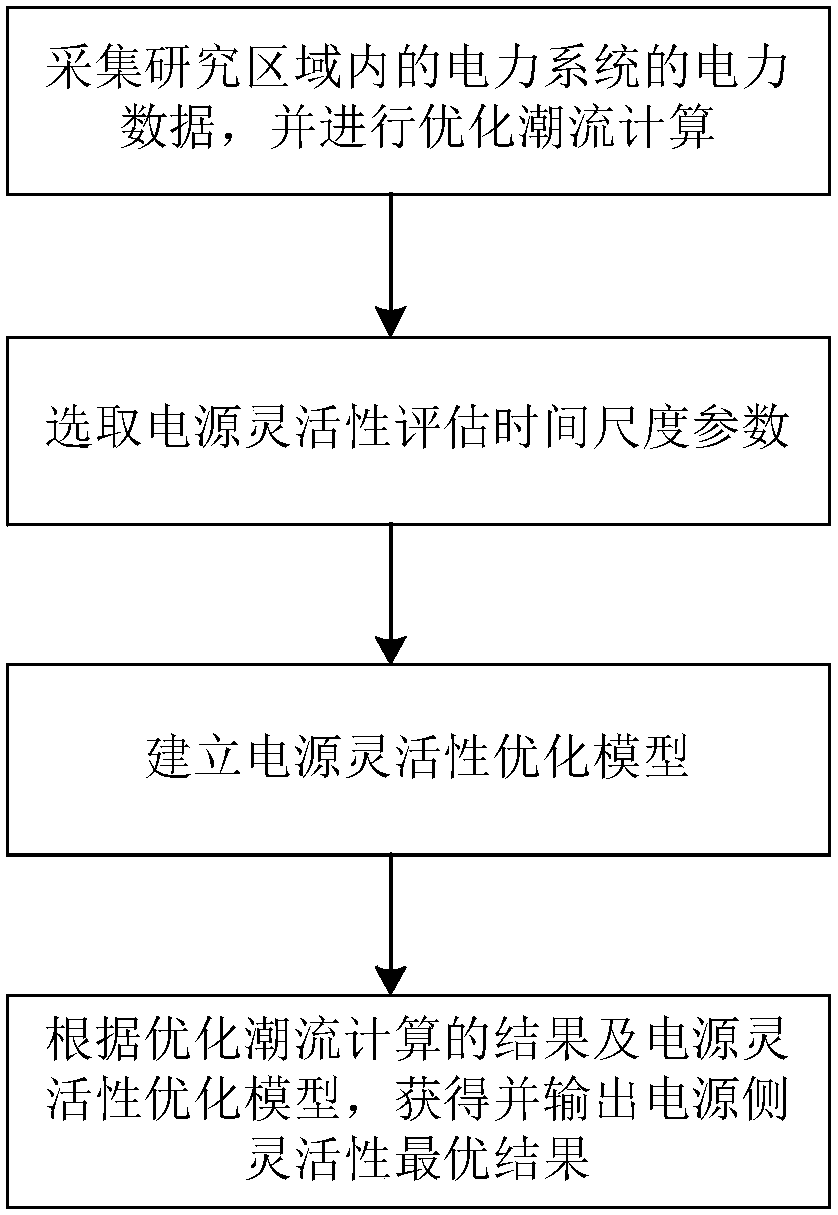
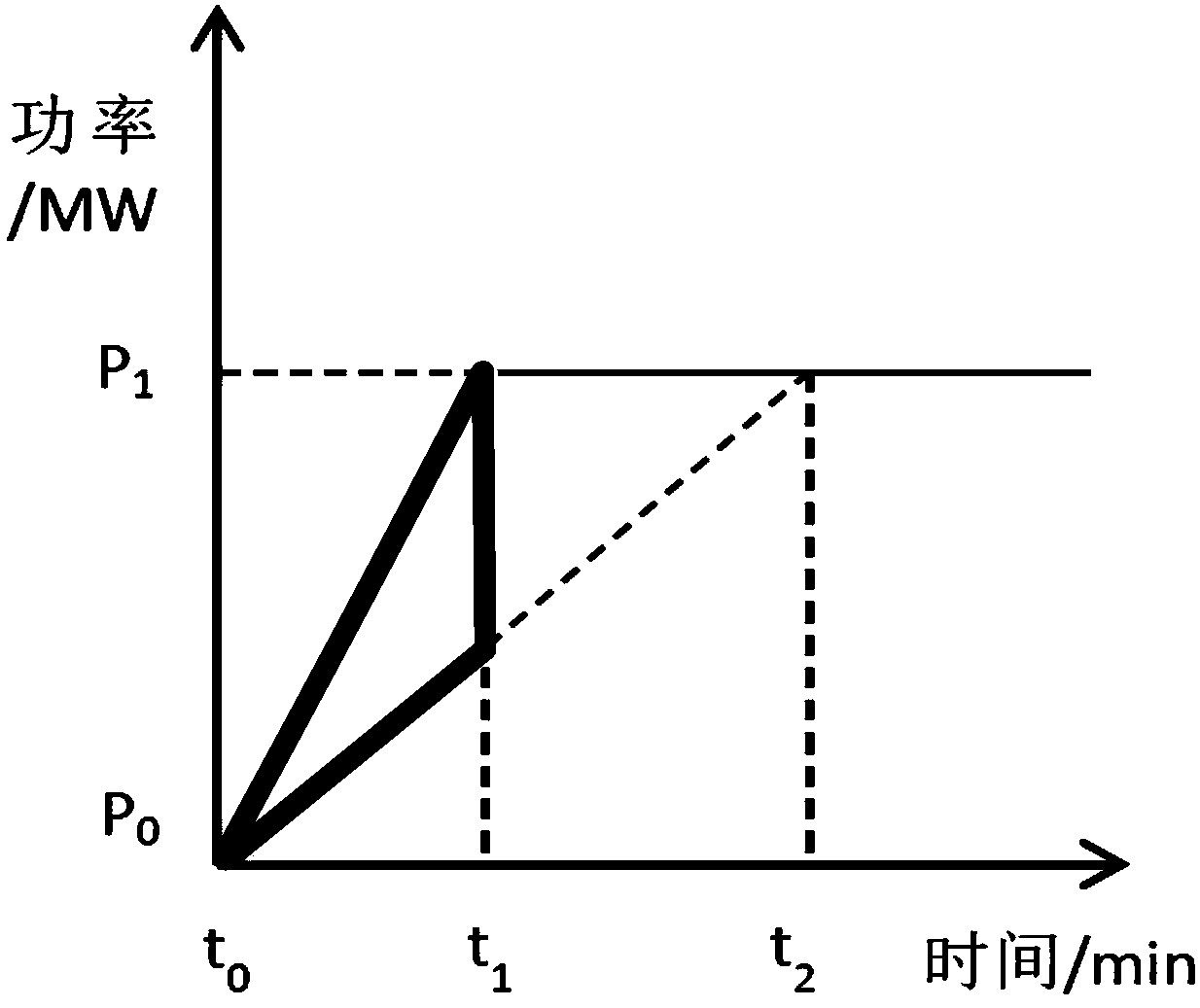
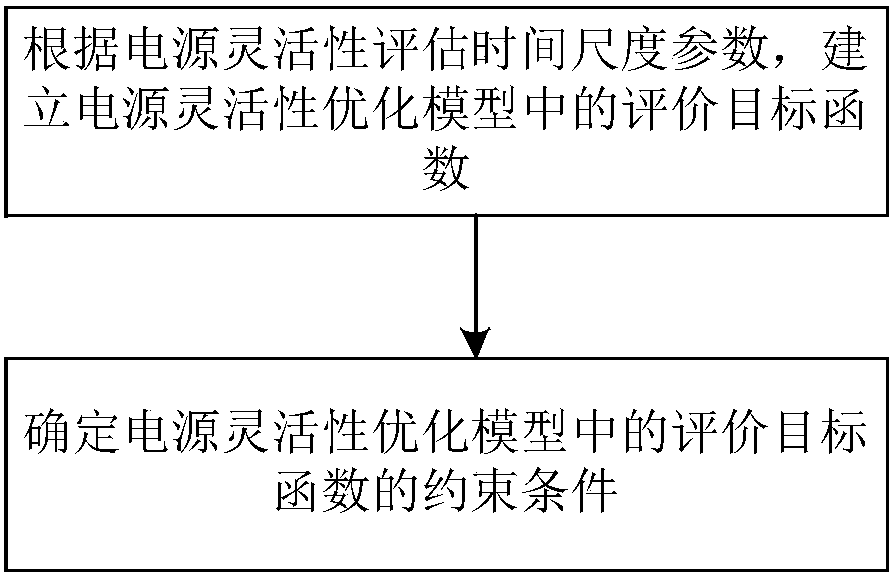
- By collecting the power data of the power system, performing optimized power flow calculations, selecting power supply flexibility assessment time scale parameters, establishing a power supply flexibility optimization model, including evaluating objective functions and constraints, and optimizing dispatch to obtain the optimal result of power side flexibility.

Grid Integration Policy and Standards
The successful integration of renewable energy sources into existing power grids fundamentally depends on robust policy frameworks and technical standards that facilitate operational flexibility while maintaining system reliability. Current regulatory environments across major markets exhibit varying degrees of maturity in addressing the unique challenges posed by variable renewable generation. The European Union's Clean Energy Package, for instance, establishes comprehensive requirements for grid codes that mandate renewable generators to provide ancillary services, including frequency response and voltage control capabilities. Similarly, the Federal Energy Regulatory Commission's Order 2222 in the United States enables distributed energy resources to participate in wholesale markets, creating pathways for aggregated renewable assets to contribute to grid balancing.
Standardization efforts have emerged as critical enablers for renewable dispatch optimization. The IEEE 1547 series provides technical specifications for interconnection of distributed resources, addressing power quality, islanding detection, and communication protocols essential for coordinated dispatch operations. International Electrotechnical Commission standards, particularly IEC 61400-25 for wind power plant communications and IEC 61850 for substation automation, establish interoperability frameworks that allow diverse renewable assets to respond to dispatch signals uniformly. These standards reduce integration costs and enable sophisticated control strategies across multi-vendor environments.
Policy mechanisms increasingly recognize the need for market structures that value flexibility services. Capacity remuneration mechanisms in several jurisdictions now incorporate flexibility parameters, rewarding resources capable of rapid ramping and sustained output modulation. Feed-in tariff schemes are evolving toward market-based mechanisms with premium payments for dispatchable renewable generation, incentivizing hybrid systems combining storage or flexible loads. Grid connection requirements have shifted from passive "fit-and-forget" approaches to active participation mandates, requiring renewable facilities to implement advanced forecasting systems and accept curtailment signals when necessary.
Regulatory gaps remain particularly evident in cross-border coordination frameworks and real-time data sharing protocols. Harmonization of technical requirements across jurisdictions continues to challenge multinational renewable projects, while cybersecurity standards for dispatch communication systems require ongoing refinement to address emerging vulnerabilities in increasingly digitalized grid operations.
Standardization efforts have emerged as critical enablers for renewable dispatch optimization. The IEEE 1547 series provides technical specifications for interconnection of distributed resources, addressing power quality, islanding detection, and communication protocols essential for coordinated dispatch operations. International Electrotechnical Commission standards, particularly IEC 61400-25 for wind power plant communications and IEC 61850 for substation automation, establish interoperability frameworks that allow diverse renewable assets to respond to dispatch signals uniformly. These standards reduce integration costs and enable sophisticated control strategies across multi-vendor environments.
Policy mechanisms increasingly recognize the need for market structures that value flexibility services. Capacity remuneration mechanisms in several jurisdictions now incorporate flexibility parameters, rewarding resources capable of rapid ramping and sustained output modulation. Feed-in tariff schemes are evolving toward market-based mechanisms with premium payments for dispatchable renewable generation, incentivizing hybrid systems combining storage or flexible loads. Grid connection requirements have shifted from passive "fit-and-forget" approaches to active participation mandates, requiring renewable facilities to implement advanced forecasting systems and accept curtailment signals when necessary.
Regulatory gaps remain particularly evident in cross-border coordination frameworks and real-time data sharing protocols. Harmonization of technical requirements across jurisdictions continues to challenge multinational renewable projects, while cybersecurity standards for dispatch communication systems require ongoing refinement to address emerging vulnerabilities in increasingly digitalized grid operations.
Energy Storage Synergy Strategies
Energy storage systems represent a critical enabler for integrating variable renewable energy sources into power generation dispatch frameworks. The synergy between energy storage technologies and renewable generation assets creates opportunities to address intermittency challenges while maintaining grid stability and economic efficiency. Battery energy storage systems, particularly lithium-ion technologies, have emerged as the dominant solution for short-duration applications, offering rapid response capabilities that complement solar and wind generation patterns. These systems can absorb excess renewable generation during peak production periods and discharge during demand peaks or generation lulls, effectively decoupling generation timing from consumption requirements.
Pumped hydro storage continues to provide the largest share of grid-scale storage capacity globally, offering cost-effective solutions for longer-duration energy shifting. When coordinated with renewable dispatch strategies, pumped hydro facilities can store surplus renewable energy for hours or days, enabling utilities to maximize renewable utilization while maintaining dispatchability. Emerging technologies such as compressed air energy storage and flow batteries present additional options for multi-hour storage applications, each offering distinct advantages in specific operational contexts.
The optimization of storage deployment requires sophisticated coordination algorithms that consider multiple factors including state of charge management, cycling degradation, market price signals, and renewable generation forecasts. Advanced dispatch models now incorporate storage as a flexible resource that can provide multiple grid services simultaneously, including energy arbitrage, frequency regulation, and capacity firming for renewable plants. Co-location strategies, where storage systems are installed at renewable generation sites, enable enhanced plant controllability and reduce transmission constraints.
Hybrid renewable-storage configurations are increasingly recognized as optimal solutions for maximizing renewable penetration. These integrated systems allow renewable plants to offer firm capacity commitments and participate in ancillary service markets previously inaccessible to variable generators. The economic viability of storage synergy strategies continues to improve as battery costs decline and market mechanisms evolve to properly value flexibility and grid services, making storage integration an essential component of renewable-dominated dispatch optimization frameworks.
Pumped hydro storage continues to provide the largest share of grid-scale storage capacity globally, offering cost-effective solutions for longer-duration energy shifting. When coordinated with renewable dispatch strategies, pumped hydro facilities can store surplus renewable energy for hours or days, enabling utilities to maximize renewable utilization while maintaining dispatchability. Emerging technologies such as compressed air energy storage and flow batteries present additional options for multi-hour storage applications, each offering distinct advantages in specific operational contexts.
The optimization of storage deployment requires sophisticated coordination algorithms that consider multiple factors including state of charge management, cycling degradation, market price signals, and renewable generation forecasts. Advanced dispatch models now incorporate storage as a flexible resource that can provide multiple grid services simultaneously, including energy arbitrage, frequency regulation, and capacity firming for renewable plants. Co-location strategies, where storage systems are installed at renewable generation sites, enable enhanced plant controllability and reduce transmission constraints.
Hybrid renewable-storage configurations are increasingly recognized as optimal solutions for maximizing renewable penetration. These integrated systems allow renewable plants to offer firm capacity commitments and participate in ancillary service markets previously inaccessible to variable generators. The economic viability of storage synergy strategies continues to improve as battery costs decline and market mechanisms evolve to properly value flexibility and grid services, making storage integration an essential component of renewable-dominated dispatch optimization frameworks.
Unlock deeper insights with Patsnap Eureka Quick Research — get a full tech report to explore trends and direct your research. Try now!
Generate Your Research Report Instantly with AI Agent
Supercharge your innovation with Patsnap Eureka AI Agent Platform!