
Validate Power Generation Islanding Protection Settings
OCT 8, 20269 MIN READ
Generate Your Research Report Instantly with AI Agent
Patsnap Eureka helps you evaluate technical feasibility & market potential.
Power Islanding Protection Background and Objectives
Power generation islanding occurs when a distributed generation source becomes electrically isolated from the main utility grid while continuing to energize a portion of the distribution system. This condition poses significant safety hazards to utility personnel, equipment damage risks, and power quality concerns for connected loads. The phenomenon has become increasingly critical with the proliferation of distributed energy resources, including solar photovoltaic systems, wind turbines, and combined heat and power installations integrated into modern power grids.
Islanding protection systems are designed to detect these abnormal operating conditions and promptly disconnect the distributed generation from the isolated network segment. However, the effectiveness of these protection schemes depends heavily on accurate configuration and validation of protection settings. Improperly configured settings may result in nuisance tripping during normal grid disturbances or failure to detect actual islanding conditions, both of which compromise system reliability and safety.
The technical challenge lies in establishing protection parameters that can reliably distinguish between islanding events and normal grid transients while accommodating diverse generation technologies and varying load characteristics. Traditional protection methods include passive techniques monitoring voltage and frequency deviations, and active methods that inject disturbances to detect grid separation. Each approach requires precise threshold settings and timing parameters tailored to specific installation contexts.
The primary objective of validating power generation islanding protection settings is to ensure that protection systems respond appropriately across all credible operating scenarios. This involves verifying detection sensitivity, response time compliance with regulatory standards, coordination with upstream protective devices, and minimizing non-detection zones where islanding conditions might persist undetected. Additionally, validation must confirm that protection settings maintain stability during grid faults, load switching events, and other transient conditions without unnecessary disconnection.
Achieving these objectives requires comprehensive testing methodologies combining simulation studies, laboratory hardware-in-the-loop testing, and field validation procedures. The validation process must address the complex interplay between generation capacity, local load characteristics, power quality requirements, and grid code compliance mandates established by regulatory authorities.
Islanding protection systems are designed to detect these abnormal operating conditions and promptly disconnect the distributed generation from the isolated network segment. However, the effectiveness of these protection schemes depends heavily on accurate configuration and validation of protection settings. Improperly configured settings may result in nuisance tripping during normal grid disturbances or failure to detect actual islanding conditions, both of which compromise system reliability and safety.
The technical challenge lies in establishing protection parameters that can reliably distinguish between islanding events and normal grid transients while accommodating diverse generation technologies and varying load characteristics. Traditional protection methods include passive techniques monitoring voltage and frequency deviations, and active methods that inject disturbances to detect grid separation. Each approach requires precise threshold settings and timing parameters tailored to specific installation contexts.
The primary objective of validating power generation islanding protection settings is to ensure that protection systems respond appropriately across all credible operating scenarios. This involves verifying detection sensitivity, response time compliance with regulatory standards, coordination with upstream protective devices, and minimizing non-detection zones where islanding conditions might persist undetected. Additionally, validation must confirm that protection settings maintain stability during grid faults, load switching events, and other transient conditions without unnecessary disconnection.
Achieving these objectives requires comprehensive testing methodologies combining simulation studies, laboratory hardware-in-the-loop testing, and field validation procedures. The validation process must address the complex interplay between generation capacity, local load characteristics, power quality requirements, and grid code compliance mandates established by regulatory authorities.
Market Demand for Distributed Generation Safety
The proliferation of distributed generation (DG) systems, including solar photovoltaic arrays, wind turbines, combined heat and power units, and energy storage systems, has fundamentally transformed the electric power landscape. This transformation has created substantial market demand for enhanced safety mechanisms, particularly in the domain of islanding protection. Islanding occurs when a portion of the distribution network becomes electrically isolated from the main grid while continuing to be energized by local DG sources, presenting significant safety hazards to utility personnel, equipment, and the public.
Regulatory frameworks worldwide have responded to these safety concerns by mandating stringent islanding protection requirements. Standards such as IEEE 1547 in North America, IEC 62116 internationally, and various regional codes require DG installations to detect and disconnect from islanded conditions within specified timeframes. These regulatory pressures have driven utilities, system integrators, and equipment manufacturers to seek reliable validation methodologies for islanding protection settings, creating a robust market for testing solutions, consulting services, and advanced protection equipment.
The economic drivers behind this demand are multifaceted. Utilities face substantial liability risks and potential regulatory penalties if improperly configured DG systems fail to disconnect during grid disturbances. Insurance providers increasingly require documented validation of protection settings as a condition for coverage. Meanwhile, the rapid expansion of DG capacity, particularly in residential and commercial sectors, has outpaced the development of standardized validation procedures, creating gaps in operational safety assurance.
Market growth is further accelerated by the increasing complexity of modern power systems. High penetration levels of inverter-based resources introduce non-traditional grid behaviors that challenge conventional protection schemes. Microgrids and virtual power plants add additional layers of complexity, requiring sophisticated validation approaches that can account for multiple operating modes and transition scenarios. This complexity has generated demand for advanced simulation tools, hardware-in-the-loop testing platforms, and specialized engineering expertise capable of validating protection settings across diverse operational scenarios.
The convergence of safety imperatives, regulatory requirements, and technical complexity has established a significant and expanding market for distributed generation safety solutions, with islanding protection validation representing a critical component of this ecosystem.
Regulatory frameworks worldwide have responded to these safety concerns by mandating stringent islanding protection requirements. Standards such as IEEE 1547 in North America, IEC 62116 internationally, and various regional codes require DG installations to detect and disconnect from islanded conditions within specified timeframes. These regulatory pressures have driven utilities, system integrators, and equipment manufacturers to seek reliable validation methodologies for islanding protection settings, creating a robust market for testing solutions, consulting services, and advanced protection equipment.
The economic drivers behind this demand are multifaceted. Utilities face substantial liability risks and potential regulatory penalties if improperly configured DG systems fail to disconnect during grid disturbances. Insurance providers increasingly require documented validation of protection settings as a condition for coverage. Meanwhile, the rapid expansion of DG capacity, particularly in residential and commercial sectors, has outpaced the development of standardized validation procedures, creating gaps in operational safety assurance.
Market growth is further accelerated by the increasing complexity of modern power systems. High penetration levels of inverter-based resources introduce non-traditional grid behaviors that challenge conventional protection schemes. Microgrids and virtual power plants add additional layers of complexity, requiring sophisticated validation approaches that can account for multiple operating modes and transition scenarios. This complexity has generated demand for advanced simulation tools, hardware-in-the-loop testing platforms, and specialized engineering expertise capable of validating protection settings across diverse operational scenarios.
The convergence of safety imperatives, regulatory requirements, and technical complexity has established a significant and expanding market for distributed generation safety solutions, with islanding protection validation representing a critical component of this ecosystem.
Current Islanding Detection Challenges and Standards
Islanding detection in distributed power generation systems presents multifaceted technical challenges that directly impact grid safety and operational reliability. When a portion of the electrical grid becomes isolated from the main utility supply while continuing to be energized by local generators, the resulting island condition can create hazardous situations for maintenance personnel and equipment. The primary challenge lies in distinguishing between normal grid disturbances and actual islanding events, as both scenarios may exhibit similar electrical characteristics during transient periods.
Traditional passive detection methods monitor parameters such as voltage, frequency, and phase angle deviations. However, these approaches suffer from significant non-detection zones, particularly when local generation closely matches load demand. The power balance within an island can mask voltage and frequency excursions, rendering passive methods ineffective. Active detection methods inject perturbations into the system to provoke measurable responses, but these techniques risk degrading power quality and may cause nuisance tripping during normal operations.
Communication-based detection schemes offer improved reliability by utilizing transfer trip signals and supervisory control systems. Nevertheless, these solutions introduce dependencies on communication infrastructure, raising concerns about system vulnerability to network failures and cyber threats. The integration of inverter-based renewable energy resources further complicates detection, as their fast response characteristics and grid-support functions can stabilize island conditions that would otherwise trigger protection systems.
Regulatory frameworks and technical standards have evolved to address these challenges. IEEE 1547 establishes fundamental requirements for distributed energy resource interconnection, mandating anti-islanding protection with maximum detection times of two seconds. The standard underwent significant revision in 2018 to accommodate advanced inverter functionalities and grid support capabilities. IEC 62116 provides specific testing procedures for islanding prevention measures in photovoltaic systems, while UL 1741 addresses safety certification requirements for inverters and converters.
Despite standardization efforts, implementation challenges persist across different grid architectures and generation portfolios. Microgrids designed for intentional islanding require sophisticated protection coordination to distinguish between planned and unplanned island formation. The increasing penetration of distributed generation necessitates continuous refinement of protection settings and validation methodologies to maintain system integrity while enabling flexible grid operations.
Traditional passive detection methods monitor parameters such as voltage, frequency, and phase angle deviations. However, these approaches suffer from significant non-detection zones, particularly when local generation closely matches load demand. The power balance within an island can mask voltage and frequency excursions, rendering passive methods ineffective. Active detection methods inject perturbations into the system to provoke measurable responses, but these techniques risk degrading power quality and may cause nuisance tripping during normal operations.
Communication-based detection schemes offer improved reliability by utilizing transfer trip signals and supervisory control systems. Nevertheless, these solutions introduce dependencies on communication infrastructure, raising concerns about system vulnerability to network failures and cyber threats. The integration of inverter-based renewable energy resources further complicates detection, as their fast response characteristics and grid-support functions can stabilize island conditions that would otherwise trigger protection systems.
Regulatory frameworks and technical standards have evolved to address these challenges. IEEE 1547 establishes fundamental requirements for distributed energy resource interconnection, mandating anti-islanding protection with maximum detection times of two seconds. The standard underwent significant revision in 2018 to accommodate advanced inverter functionalities and grid support capabilities. IEC 62116 provides specific testing procedures for islanding prevention measures in photovoltaic systems, while UL 1741 addresses safety certification requirements for inverters and converters.
Despite standardization efforts, implementation challenges persist across different grid architectures and generation portfolios. Microgrids designed for intentional islanding require sophisticated protection coordination to distinguish between planned and unplanned island formation. The increasing penetration of distributed generation necessitates continuous refinement of protection settings and validation methodologies to maintain system integrity while enabling flexible grid operations.
Existing Islanding Detection and Validation Methods
01 Adaptive and dynamic setting of distribution network and microgrid protection
Methods and systems are provided for dynamically and adaptively calculating and adjusting protection setting values in power distribution networks and microgrids based on network topology, real-time conditions, and high photovoltaic penetration. These solutions solve calculation difficulties and improve protection sensitivity and adaptability in changing power systems.- Adaptive and dynamic setting methods for power distribution network protection: Advanced protection setting techniques utilize real-time topology updates, dynamic environmental parameters, and continuous monitoring to adaptively set protection values in distribution networks and microgrids. These methods enhance action sensitivity, dynamic response speed, and overall system reliability under changing operational conditions such as whole-county photovoltaic integration.
- AI and big data optimization for relay protection setting calculations: Artificial intelligence algorithms, expert systems, and big data analytical frameworks are applied to streamline complex protection setting calculations. These technologies automate the verification and checking of protection values, resolve data inconsistencies, minimize manual errors, and optimize multi-objective tuning in power grids.
- Online verification and remote operation of protection setting values: Methods and systems facilitate the real-time online verification, remote adjustment, and management of protection setting values across complex grid structures and looped networks. This ensures accurate settings, improves operational safety, and avoids accidental tripping or misoperation of primary equipment during maintenance and emergency conditions.
- Specialized protection settings for generators, motors, and electrical equipment: Targeted protection setting strategies focus on specific power equipment and parameters, such as generator stator grounding protection, motor negative-sequence overcurrent verification, distance protection blocking, and over-current settings in electronic drives. These solutions prevent equipment damage, reduce operational risks, and improve fault protection accuracy.
- Software modeling and data integrity management for protection devices: System structures and sparse matrix techniques enable efficient model construction, data standardization, and software architecture development for relay protection devices. These techniques solve data-sharing barriers, ensure full integrity of setting information, and improve the efficiency of protection value generation and administration.
02 Online verification and optimization of relay protection settings
Advanced computational and AI-based technologies are utilized for setting optimization, online checking, and verification of relay protection values. These methods address complex power grid configurations, reduce manual inspection workload, improve calculation accuracy, and ensure fast convergence and coordination across power systems.Expand Specific Solutions03 Data management and decision systems for protection settings
Decision systems and data modeling techniques, including big data analytics and sparse matrix applications, are employed to manage, analyze, and share relay protection setting information. These frameworks overcome data integrity issues, streamline setting sheet workflows, and improve the overall efficiency of protection management.Expand Specific Solutions04 Real-time updates and remote control of protection parameters
Devices and methods facilitate the real-time online update, change detection, and remote operation of protection settings within circuit breakers, electric drives, ship looped networks, and transient simulation schemes. These technologies ensure reliable operation, avoid accidental tripping, and lower maintenance risks.Expand Specific Solutions05 Equipment-specific protection setting devices and methods
Specialized protection setting techniques and devices are implemented for specific electrical apparatuses, such as generators, motors, tool setting instruments, and communication signalling bearers. These innovations aim to ensure reliable equipment operation, accurate overcurrent or grounding protection, and longer service life.Expand Specific Solutions
Key Players in Grid Protection Systems
The power generation islanding protection settings validation sector represents a mature yet evolving segment within the broader power system protection industry. This field has reached a consolidation phase, dominated by established players like General Electric, Siemens Gamesa, ABB Research, and Schneider Electric, alongside specialized firms such as Schweitzer Engineering Laboratories. The market demonstrates significant scale, driven by increasing renewable energy integration and grid modernization initiatives globally. Technology maturity varies across the competitive landscape: multinational corporations like GE and Toshiba leverage decades of experience in comprehensive protection systems, while Chinese state-affiliated entities including State Grid Corp., NARI Technology, and NR Electric rapidly advance through substantial government investment in smart grid infrastructure. Regional players like Shandong Kehui and research institutions such as Industrial Technology Research Institute contribute specialized innovations. The sector exhibits high technical sophistication with ongoing development in digital protection algorithms, communication protocols, and adaptive islanding detection methods to accommodate distributed generation challenges.
General Electric Company
Technical Solution: GE has developed sophisticated islanding protection validation solutions through their Grid Solutions division, featuring the Multilin series of protective relays and the PowerOn Advantage digital platform. Their approach utilizes machine learning algorithms to analyze historical operational data and optimize protection settings for various islanding scenarios. The technology incorporates synchrophasor measurements (PMU data) for wide-area situational awareness, enabling more accurate detection of islanding conditions across interconnected systems. GE's validation methodology includes Hardware-in-the-Loop (HIL) testing using real-time digital simulators to verify protection settings under thousands of simulated scenarios including varying load conditions, generation mix, and fault types. Their ePARAGON software suite provides automated setting calculation, coordination analysis, and compliance verification tools. The system supports advanced features such as adaptive islanding detection thresholds that adjust based on renewable energy penetration levels, power quality measurements, and grid strength indicators, ensuring reliable operation in evolving grid conditions with high distributed generation penetration.
Strengths: Advanced analytics and AI-driven optimization capabilities; comprehensive validation through digital twin technology; strong support for renewable energy integration scenarios. Weaknesses: Significant computational resources required for advanced features; dependency on high-quality measurement infrastructure for optimal performance.
ABB Research Ltd.
Technical Solution: ABB has developed comprehensive islanding protection validation solutions through their Relion protection and control platform combined with their MicroSCADA X supervision system. Their technology employs a multi-layered approach incorporating passive detection methods (under/over voltage, under/over frequency, voltage phase jump detection) with active methods and transfer trip schemes via communication channels. ABB's validation framework utilizes their RTDS (Real-Time Digital Simulator) integration capabilities to test protection settings against comprehensive libraries of islanding scenarios including balanced and unbalanced loading conditions, various generation-to-load ratios, and different power factor scenarios. The system features automated setting validation tools that verify compliance with grid codes such as IEEE 1547-2018 and regional utility requirements. ABB's solution includes advanced analytics for non-detection zone analysis, helping engineers identify potential blind spots in protection coverage. Their protection coordination software enables systematic validation of time-current characteristics and ensures proper coordination between multiple protection layers including generator protection, feeder protection, and utility interconnection protection devices.
Strengths: Excellent integration between protection devices and validation tools; strong compliance verification capabilities for multiple international standards; proven scalability from small microgrids to utility-scale applications. Weaknesses: Requires significant engineering expertise for optimal deployment; higher licensing costs for comprehensive validation software suites.
Core Technologies in Protection Settings Validation
Apparatus, method and system for detecting an islanding state of a power generation device
PatentPendingEP4383506A2
Innovation
- An apparatus and method using synchronous phasor measurement units to determine interconnection impedance between a power generation device and a substation by comparing voltage and current variations, allowing for early detection of islanding states with minimal impact on power quality.


Method and apparatus for anti-islanding protection of distributed generations
PatentInactiveUS7016793B2
Innovation
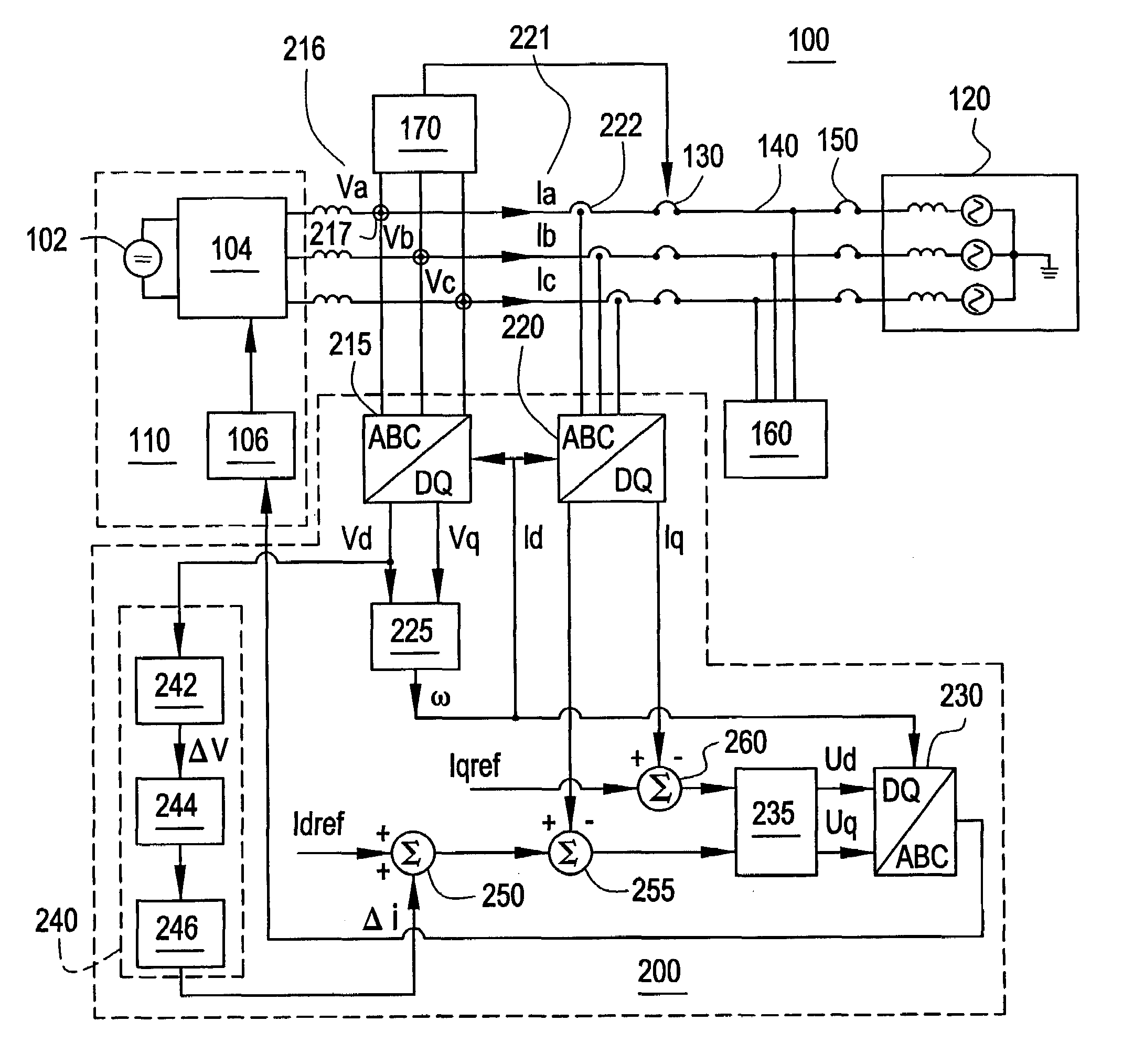
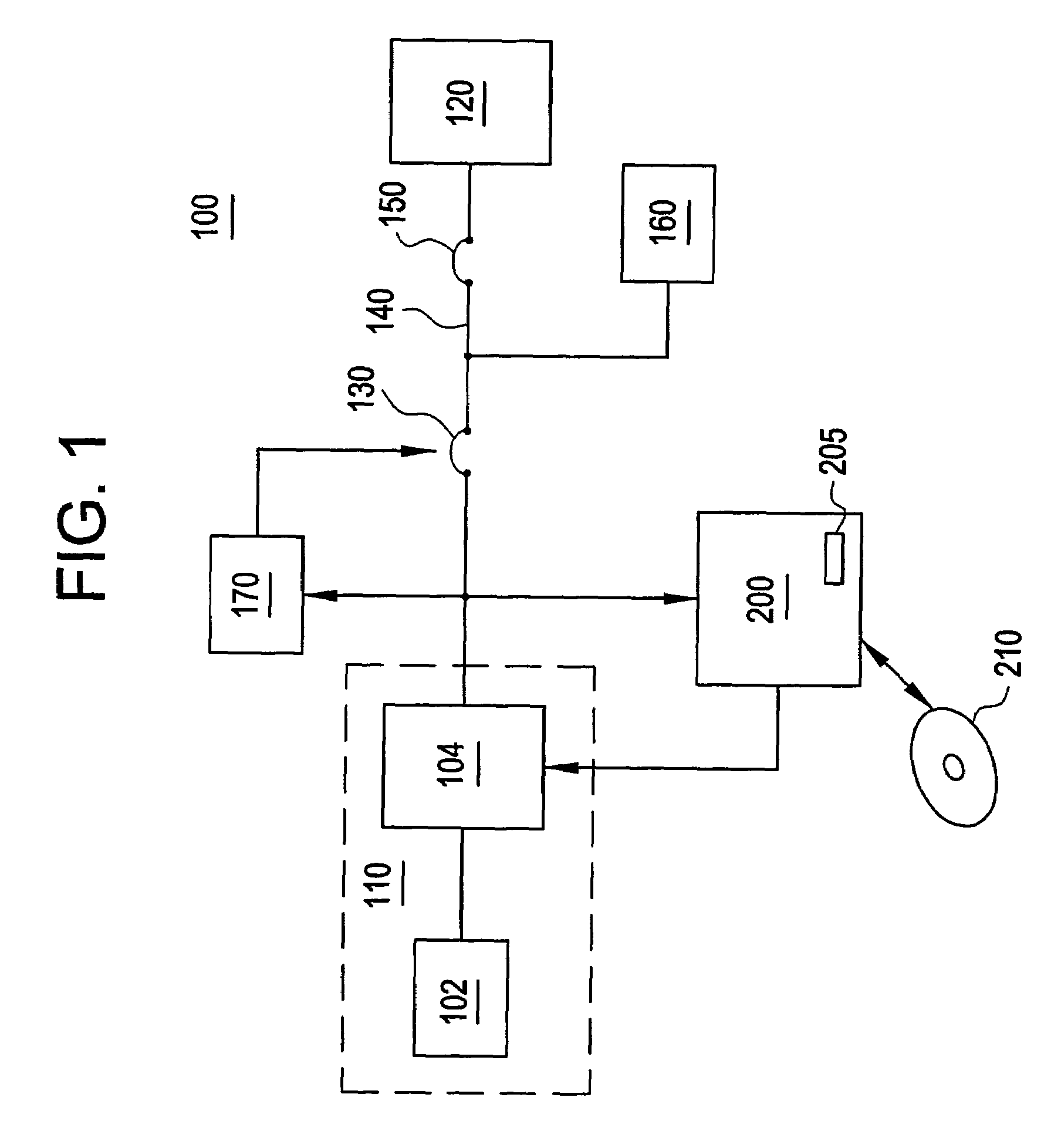
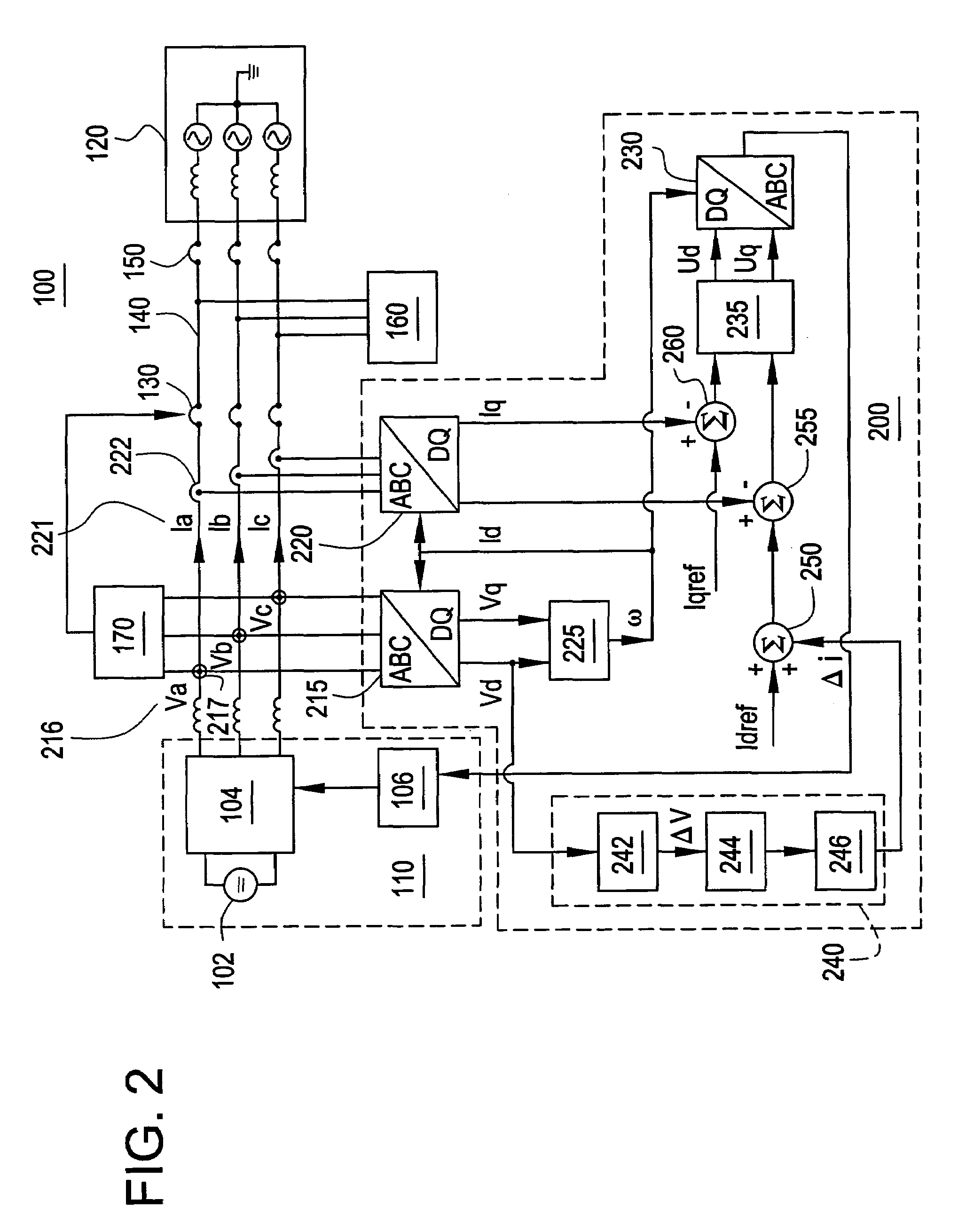
- An active anti-islanding protection system using sensors and controllers that transform voltage and current signals into rotating coordinates, generating control signals to drive the distributed generation's output voltage and frequency out of nominal ranges, thereby disconnecting from the feeder when the grid is disconnected.

Grid Code and Regulatory Compliance Requirements
Validating power generation islanding protection settings requires strict adherence to grid codes and regulatory compliance frameworks established by national and regional authorities. These regulations define the technical parameters and performance criteria that distributed generation systems must meet to ensure grid stability and safety. Grid codes typically specify requirements for anti-islanding protection, including detection time limits, voltage and frequency thresholds, and reconnection procedures following grid disturbances. Compliance with standards such as IEEE 1547, IEC 61727, and regional variants like the European Network Code Requirements for Generators is mandatory for grid-connected power generation facilities.
Regulatory bodies impose these requirements to prevent unintentional islanding scenarios where distributed generators continue operating while disconnected from the main grid, potentially creating safety hazards for maintenance personnel and equipment damage risks. The validation process must demonstrate that protection settings align with specified trip times, typically ranging from 0.16 to 2 seconds depending on the abnormal condition detected. Voltage and frequency operating windows are precisely defined, with generators required to disconnect when parameters exceed acceptable ranges, such as voltage deviations beyond ±10% or frequency variations exceeding ±0.5 Hz from nominal values.
Different jurisdictions maintain varying compliance requirements, necessitating careful consideration of local grid codes during validation activities. For instance, North American utilities follow IEEE 1547-2018 standards, while European operators adhere to Commission Regulation 2016/631 and national grid codes. Emerging markets often adopt hybrid frameworks combining international standards with locally adapted requirements. Documentation and certification processes require comprehensive testing reports, witnessed commissioning procedures, and periodic revalidation to maintain compliance status.
The validation methodology must incorporate both simulation studies and physical testing to verify protection system performance under diverse operating scenarios. This includes fault conditions, load variations, and grid disturbances that could trigger islanding situations. Regulatory compliance extends beyond initial commissioning to encompass ongoing monitoring, periodic testing schedules, and reporting obligations to grid operators. Non-compliance can result in disconnection orders, financial penalties, and revocation of grid connection permits, emphasizing the critical importance of thorough validation procedures aligned with applicable regulatory frameworks.
Regulatory bodies impose these requirements to prevent unintentional islanding scenarios where distributed generators continue operating while disconnected from the main grid, potentially creating safety hazards for maintenance personnel and equipment damage risks. The validation process must demonstrate that protection settings align with specified trip times, typically ranging from 0.16 to 2 seconds depending on the abnormal condition detected. Voltage and frequency operating windows are precisely defined, with generators required to disconnect when parameters exceed acceptable ranges, such as voltage deviations beyond ±10% or frequency variations exceeding ±0.5 Hz from nominal values.
Different jurisdictions maintain varying compliance requirements, necessitating careful consideration of local grid codes during validation activities. For instance, North American utilities follow IEEE 1547-2018 standards, while European operators adhere to Commission Regulation 2016/631 and national grid codes. Emerging markets often adopt hybrid frameworks combining international standards with locally adapted requirements. Documentation and certification processes require comprehensive testing reports, witnessed commissioning procedures, and periodic revalidation to maintain compliance status.
The validation methodology must incorporate both simulation studies and physical testing to verify protection system performance under diverse operating scenarios. This includes fault conditions, load variations, and grid disturbances that could trigger islanding situations. Regulatory compliance extends beyond initial commissioning to encompass ongoing monitoring, periodic testing schedules, and reporting obligations to grid operators. Non-compliance can result in disconnection orders, financial penalties, and revocation of grid connection permits, emphasizing the critical importance of thorough validation procedures aligned with applicable regulatory frameworks.
Cybersecurity Considerations in Protection Systems
As power generation islanding protection systems increasingly integrate digital technologies and networked communications, cybersecurity has emerged as a critical concern that directly impacts the reliability and safety of protection settings validation. Modern protection relays and control systems are vulnerable to cyber threats that could compromise the integrity of islanding detection mechanisms, potentially leading to equipment damage, grid instability, or safety hazards. The convergence of operational technology and information technology in power systems necessitates a comprehensive approach to securing protection infrastructure against malicious attacks and unauthorized access.
The primary cybersecurity risks in islanding protection systems include unauthorized modification of protection settings, injection of false measurement data, denial-of-service attacks on communication channels, and exploitation of firmware vulnerabilities. These threats can directly undermine the validation process by altering critical parameters such as voltage and frequency thresholds, time delays, or rate-of-change settings. Attackers could potentially disable protection functions entirely or cause nuisance tripping, both scenarios presenting significant operational and safety risks. The distributed nature of modern protection systems, which often rely on communication networks for coordination and data exchange, expands the attack surface considerably.
Implementing robust cybersecurity measures requires a multi-layered defense strategy encompassing network segmentation, encrypted communications, strong authentication mechanisms, and continuous monitoring. Protection systems should be isolated from corporate networks through properly configured firewalls and demilitarized zones. All communication protocols used for protection coordination and remote access must employ industry-standard encryption methods. Regular security audits, penetration testing, and firmware updates are essential to identify and remediate vulnerabilities before they can be exploited.
Furthermore, cybersecurity considerations must be integrated into the validation workflow itself. This includes maintaining secure audit trails of all configuration changes, implementing role-based access controls for protection settings modification, and establishing procedures to verify the authenticity and integrity of protection system data. Compliance with relevant standards such as IEC 62351 and NERC CIP provides a framework for developing comprehensive cybersecurity programs that protect islanding protection systems throughout their lifecycle.
The primary cybersecurity risks in islanding protection systems include unauthorized modification of protection settings, injection of false measurement data, denial-of-service attacks on communication channels, and exploitation of firmware vulnerabilities. These threats can directly undermine the validation process by altering critical parameters such as voltage and frequency thresholds, time delays, or rate-of-change settings. Attackers could potentially disable protection functions entirely or cause nuisance tripping, both scenarios presenting significant operational and safety risks. The distributed nature of modern protection systems, which often rely on communication networks for coordination and data exchange, expands the attack surface considerably.
Implementing robust cybersecurity measures requires a multi-layered defense strategy encompassing network segmentation, encrypted communications, strong authentication mechanisms, and continuous monitoring. Protection systems should be isolated from corporate networks through properly configured firewalls and demilitarized zones. All communication protocols used for protection coordination and remote access must employ industry-standard encryption methods. Regular security audits, penetration testing, and firmware updates are essential to identify and remediate vulnerabilities before they can be exploited.
Furthermore, cybersecurity considerations must be integrated into the validation workflow itself. This includes maintaining secure audit trails of all configuration changes, implementing role-based access controls for protection settings modification, and establishing procedures to verify the authenticity and integrity of protection system data. Compliance with relevant standards such as IEC 62351 and NERC CIP provides a framework for developing comprehensive cybersecurity programs that protect islanding protection systems throughout their lifecycle.
Unlock deeper insights with Patsnap Eureka Quick Research — get a full tech report to explore trends and direct your research. Try now!
Generate Your Research Report Instantly with AI Agent
Supercharge your innovation with Patsnap Eureka AI Agent Platform!