

Direct vs Diffuse Solar Radiation: Performance Difference in PV Systems
JUL 10, 20268 MIN READ
Generate Your Research Report Instantly with AI Agent
Patsnap Eureka helps you evaluate technical feasibility & market potential.
PV Solar Radiation Research Background and Objectives
Solar radiation reaching photovoltaic systems comprises two fundamental components: direct radiation that travels in straight lines from the sun, and diffuse radiation that has been scattered by atmospheric particles, clouds, and other obstacles. The distinction between these two radiation types significantly influences PV system performance, yet their individual contributions and optimization strategies remain inadequately understood in many operational contexts. This knowledge gap has become increasingly critical as the global solar energy market expands rapidly, with installed PV capacity exceeding 1,200 GW worldwide and continuing to grow at unprecedented rates.
The historical development of solar radiation research dates back to the early 20th century when scientists first began systematically measuring and categorizing different radiation components. However, the specific focus on performance differentiation in PV systems emerged primarily in the 1980s and 1990s, coinciding with the commercialization of solar technology. Early studies established that crystalline silicon cells respond differently to direct versus diffuse radiation due to variations in spectral distribution and incident angles. This foundational understanding has evolved considerably with the introduction of diverse PV technologies including thin-film, multi-junction, and bifacial modules, each exhibiting unique sensitivity patterns to radiation composition.
Current research objectives center on quantifying the precise performance variations across different PV technologies under varying direct-to-diffuse radiation ratios. A primary goal involves developing accurate predictive models that account for geographical location, seasonal variations, and local climate patterns. These models aim to optimize system design parameters such as tilt angle, tracking mechanisms, and module selection based on site-specific radiation characteristics. Additionally, researchers seek to establish standardized testing protocols that better reflect real-world conditions, moving beyond the limitations of standard test conditions which primarily utilize direct normal irradiance.
Another critical objective addresses the economic implications of radiation composition on energy yield predictions and financial modeling. Understanding performance differences enables more precise energy forecasting, reducing investment risks and improving project bankability. Furthermore, this research supports the development of advanced maximum power point tracking algorithms and smart inverter technologies that can adapt to changing radiation conditions in real-time, thereby maximizing energy harvest efficiency across diverse environmental scenarios.
Market Demand for Optimized PV System Performance
The global photovoltaic industry is experiencing unprecedented growth driven by the urgent need for renewable energy transition and carbon neutrality commitments across major economies. As solar installations expand from utility-scale projects to distributed rooftop systems, stakeholders increasingly recognize that maximizing energy yield per installed capacity directly impacts investment returns and grid integration efficiency. This recognition has created substantial market demand for technologies and methodologies that optimize PV system performance under varying atmospheric and environmental conditions.
Understanding the differential performance impacts of direct and diffuse solar radiation represents a critical market need. System designers, project developers, and asset managers require accurate performance prediction models to optimize site selection, panel orientation, and technology choices. Geographic regions with high diffuse radiation ratios, such as northern latitudes and areas with frequent cloud cover, present distinct challenges compared to sun-belt regions dominated by direct normal irradiance. The ability to accurately forecast and optimize performance under these varying conditions directly influences project bankability and long-term revenue projections.
The bifacial module market and advanced tracking system segments demonstrate particularly strong demand for refined radiation analysis. These technologies exhibit performance characteristics that respond differently to direct versus diffuse radiation components, making accurate modeling essential for realizing their full economic potential. Energy storage integration further amplifies this demand, as optimized forecasting of radiation components enables better charge-discharge scheduling and grid service provision.
Emerging markets in Southeast Asia, Sub-Saharan Africa, and Latin America show increasing sophistication in procurement requirements, with performance guarantees now commonly incorporating radiation-specific metrics. Insurance products, performance warranties, and operations-and-maintenance contracts increasingly depend on granular understanding of how radiation composition affects degradation rates and long-term yield. The financial sector's growing involvement in solar asset securitization has elevated the importance of precise performance modeling, creating demand for research-backed methodologies that reduce uncertainty in cash flow projections.
Industrial and commercial segments pursuing behind-the-meter installations demonstrate heightened interest in optimizing limited roof space, where understanding radiation dynamics can inform technology selection between standard, high-efficiency, or bifacial modules. This market segment values solutions that maximize output per square meter under local atmospheric conditions, directly linking radiation research to commercial decision-making frameworks.
Current Status of Direct vs Diffuse Radiation Studies
The investigation of direct and diffuse solar radiation performance in photovoltaic systems has evolved into a mature research domain with substantial empirical and theoretical foundations. Current studies predominantly focus on quantifying the conversion efficiency variations between these two radiation components under diverse atmospheric and operational conditions. Research institutions worldwide have established comprehensive monitoring networks to collect long-term data on spectral distribution, intensity fluctuations, and their corresponding impacts on PV output.
Internationally, leading research centers in Europe, North America, and Asia have developed sophisticated measurement protocols to differentiate the performance characteristics of direct normal irradiance (DNI) and diffuse horizontal irradiance (DHI). These studies reveal that diffuse radiation, despite lower intensity, often demonstrates superior conversion efficiency in certain PV technologies due to reduced thermal stress and more uniform cell illumination. Advanced spectral analysis techniques have enabled researchers to correlate wavelength distribution differences with cell-level quantum efficiency responses.
Contemporary research emphasizes the geographical and climatic dependencies of radiation composition effects. Studies conducted in high-latitude regions with predominant diffuse conditions show markedly different performance patterns compared to arid zones with high DNI ratios. Seasonal variations, cloud dynamics, and aerosol concentrations have been identified as critical factors influencing the direct-to-diffuse ratio and subsequent system performance. Recent investigations have incorporated machine learning algorithms to predict performance variations based on real-time atmospheric parameters.
However, significant knowledge gaps persist in understanding the long-term degradation patterns under varying radiation compositions and the optimal system design strategies for mixed radiation environments. The interaction between bifacial module technology and diffuse radiation remains an emerging research frontier. Current methodologies face challenges in standardizing measurement techniques across different climatic zones and reconciling discrepancies between laboratory-controlled experiments and field deployment results. These limitations underscore the necessity for continued investigation into radiation-specific performance optimization strategies.
Existing Solutions for Radiation-Based PV Optimization
01 Performance monitoring and diagnostic systems for PV arrays
Systems and methods for monitoring photovoltaic system performance through real-time data collection and analysis. These solutions enable detection of performance degradation, fault diagnosis, and identification of underperforming modules or arrays. Advanced monitoring techniques include wireless sensor networks, cloud-based analytics, and automated alert systems to track efficiency metrics and power output variations.- Performance monitoring and diagnostic systems for PV arrays: Systems and methods for monitoring photovoltaic system performance through real-time data collection and analysis. These solutions enable detection of performance degradation, fault diagnosis, and identification of underperforming modules or arrays. Advanced monitoring techniques include wireless sensor networks, cloud-based analytics, and automated alert systems to track efficiency metrics and power output variations.
- Maximum power point tracking optimization methods: Techniques for optimizing power extraction from photovoltaic systems through improved maximum power point tracking algorithms. These methods address performance differences caused by varying environmental conditions, partial shading, and module mismatch. Advanced control strategies include adaptive algorithms, predictive modeling, and distributed MPPT architectures to maximize energy harvest across different operating conditions.
- Comparative analysis and benchmarking of PV technologies: Methods and systems for evaluating and comparing performance characteristics of different photovoltaic technologies and configurations. These approaches involve standardized testing protocols, performance ratio calculations, and efficiency assessments under various conditions. Analysis includes temperature coefficients, spectral response, degradation rates, and long-term reliability metrics to quantify performance differences between system types.
- Environmental and operational factors affecting PV performance: Investigation of external factors that contribute to performance variations in photovoltaic systems. These include temperature effects, soiling and dust accumulation, humidity, wind conditions, and geographical location impacts. Solutions encompass predictive models, environmental compensation techniques, and adaptive control systems to account for and mitigate performance differences caused by environmental variables.
- System design and configuration optimization for performance enhancement: Approaches to improve photovoltaic system performance through optimal design configurations, including array layout, inverter sizing, module selection, and electrical architecture. These methods address performance differences arising from system-level design choices, including string configuration, bypass diode placement, and power electronics integration. Optimization considers site-specific conditions, load profiles, and economic factors to minimize performance gaps.
02 Maximum power point tracking optimization methods
Techniques for optimizing power extraction from photovoltaic systems under varying environmental conditions. These methods address performance differences caused by partial shading, temperature variations, and irradiance changes. Advanced algorithms and control strategies ensure that PV systems operate at their maximum power point, thereby minimizing performance losses and improving overall energy yield.Expand Specific Solutions03 Comparative analysis and benchmarking of PV technologies
Methods and systems for evaluating and comparing the performance of different photovoltaic technologies and configurations. This includes assessment of various cell types, module designs, and installation approaches. Performance metrics such as efficiency, degradation rates, temperature coefficients, and energy yield are analyzed to determine optimal system configurations for specific applications and environmental conditions.Expand Specific Solutions04 Environmental and operational factors affecting PV performance
Analysis of external factors that contribute to performance variations in photovoltaic systems. These factors include soiling, weather conditions, installation angle, geographic location, and seasonal variations. Solutions involve predictive modeling, environmental sensors, and adaptive control systems to compensate for performance differences caused by these variables and maintain optimal energy production.Expand Specific Solutions05 Inverter and power conversion efficiency optimization
Technologies focused on improving the power conversion stage of photovoltaic systems to reduce performance losses. This includes advanced inverter designs, DC-DC converter optimization, and power electronics that minimize conversion losses. These solutions address performance differences arising from inefficient power conversion, grid synchronization issues, and harmonic distortion, ultimately improving the overall system efficiency.Expand Specific Solutions
Major Players in PV System and Radiation Analysis
The photovoltaic systems research field examining direct versus diffuse solar radiation performance demonstrates a maturing competitive landscape characterized by diverse stakeholder participation across academia, manufacturing, and technology development. The market encompasses established solar manufacturers like Canadian Solar subsidiaries, Enphase Energy, and Sharp Corp., alongside specialized firms such as Clean Power Research and Atonometrics providing analytical software and measurement solutions. Leading research institutions including Zhejiang University, North China Electric Power University, and KU Leuven contribute fundamental research advancing technology maturity. Major energy players like Eni SpA, ACWA Power, and Schneider Electric Industries drive large-scale implementation. The technology has reached commercial maturity with sophisticated irradiance modeling platforms like SolarAnywhere and advanced tracking systems from SolarEdge's SolarGik, though optimization of performance under varying radiation conditions remains an active innovation frontier supporting continued market expansion.
Clean Power Research LLC
Technical Solution: Clean Power Research has developed advanced solar radiation modeling systems that distinguish between direct normal irradiance (DNI) and diffuse horizontal irradiance (DHI) components for PV performance optimization. Their SolarAnywhere technology utilizes satellite-derived irradiance data combined with ground validation to provide high-resolution separation of direct and diffuse radiation components. The system incorporates atmospheric modeling algorithms that account for cloud cover, aerosol optical depth, and water vapor content to accurately predict the ratio of direct to diffuse radiation. This enables precise forecasting of PV system performance under varying sky conditions, with particular emphasis on how diffuse radiation maintains energy production during cloudy periods while direct radiation dominates under clear sky conditions[1][4].
Strengths: Industry-leading accuracy in radiation component separation with extensive validation datasets; comprehensive cloud-based platform for real-time analysis. Weaknesses: Primarily software-focused solution requiring integration with hardware systems; subscription-based model may increase long-term operational costs.
Zhejiang University
Technical Solution: Zhejiang University has conducted extensive research on the differential performance impacts of direct and diffuse solar radiation on various PV technologies including monocrystalline, polycrystalline, and thin-film modules. Their research methodology involves controlled experimental setups using pyranometers and shadow band techniques to separate radiation components, coupled with real-time IV curve measurements under different atmospheric conditions. Studies have demonstrated that diffuse radiation utilization efficiency varies significantly across PV technologies, with some thin-film technologies showing relatively better performance under diffuse conditions compared to crystalline silicon. The research quantifies the angular response characteristics of different PV modules and establishes mathematical models correlating the direct-to-diffuse ratio with overall system efficiency, temperature coefficients, and spectral response variations[2][5][8].
Strengths: Comprehensive academic research with rigorous experimental validation across multiple PV technologies; strong theoretical foundation for performance modeling. Weaknesses: Research-focused rather than commercial product development; implementation requires translation from laboratory to field conditions.
Core Technologies in Radiation Performance Modeling
Spectrum-splitting and wavelength-shifting photovoltaic energy converting system suitable for direct and diffuse solar irradiation
PatentInactiveUS20110079271A1
Innovation
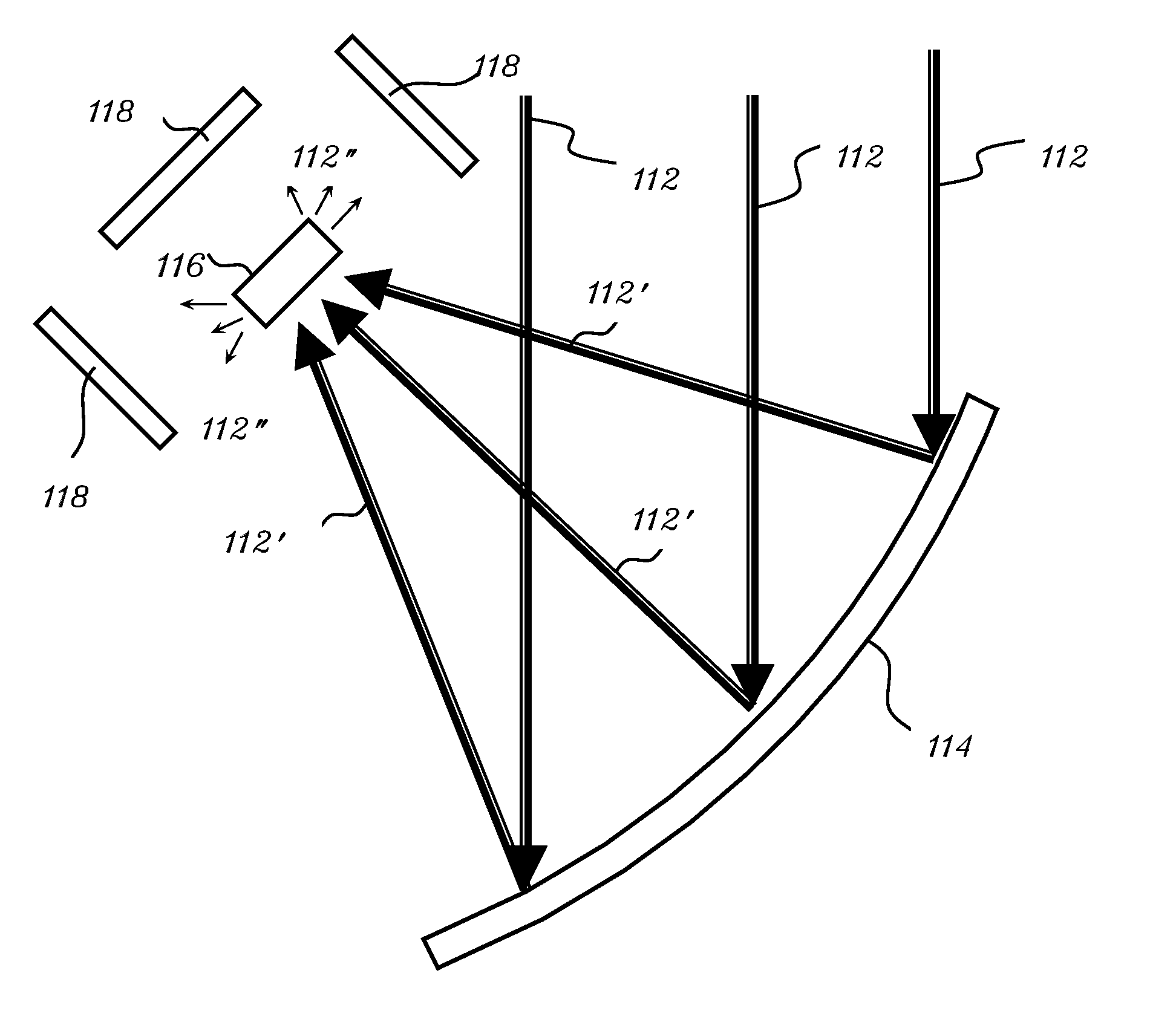
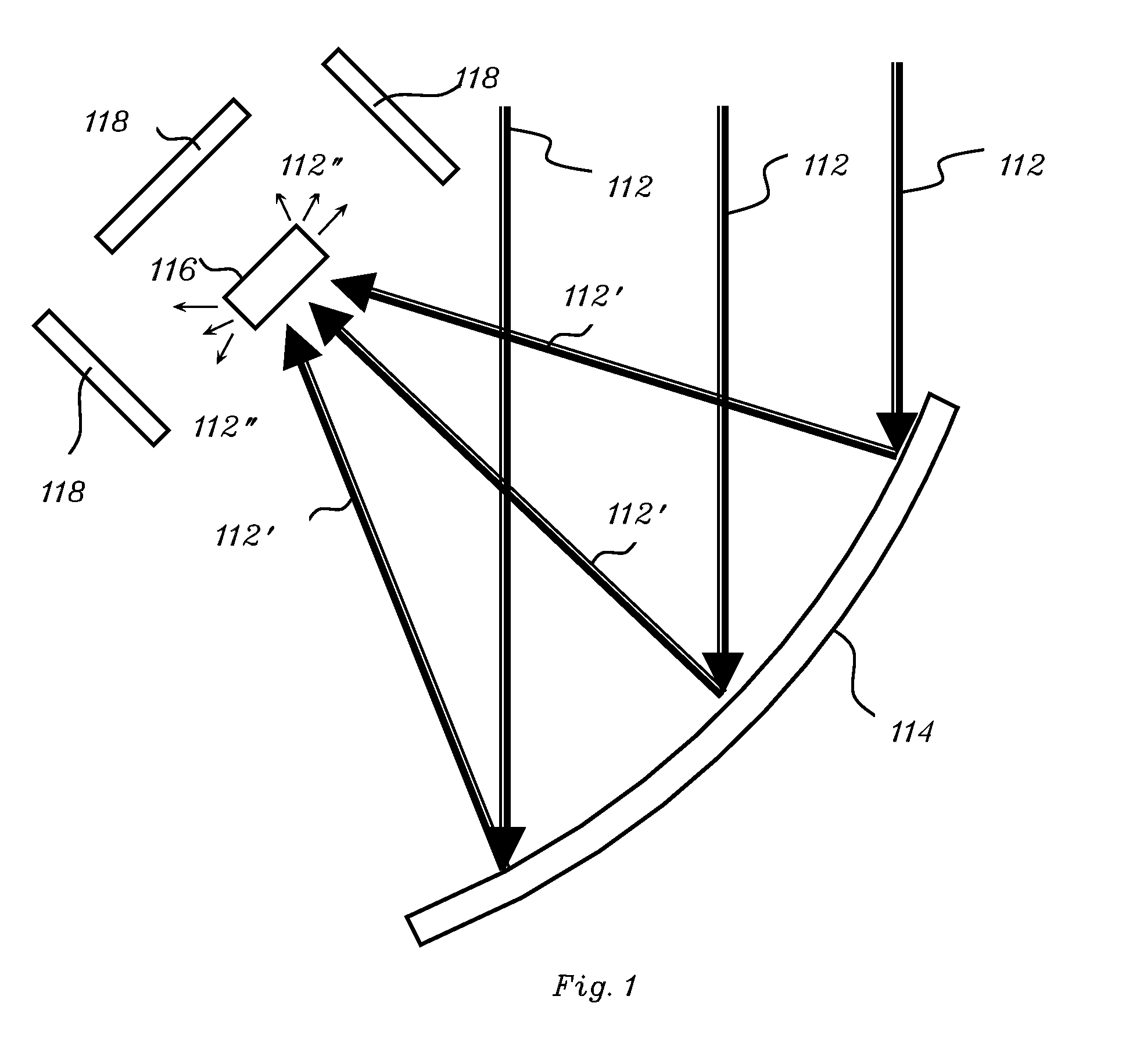
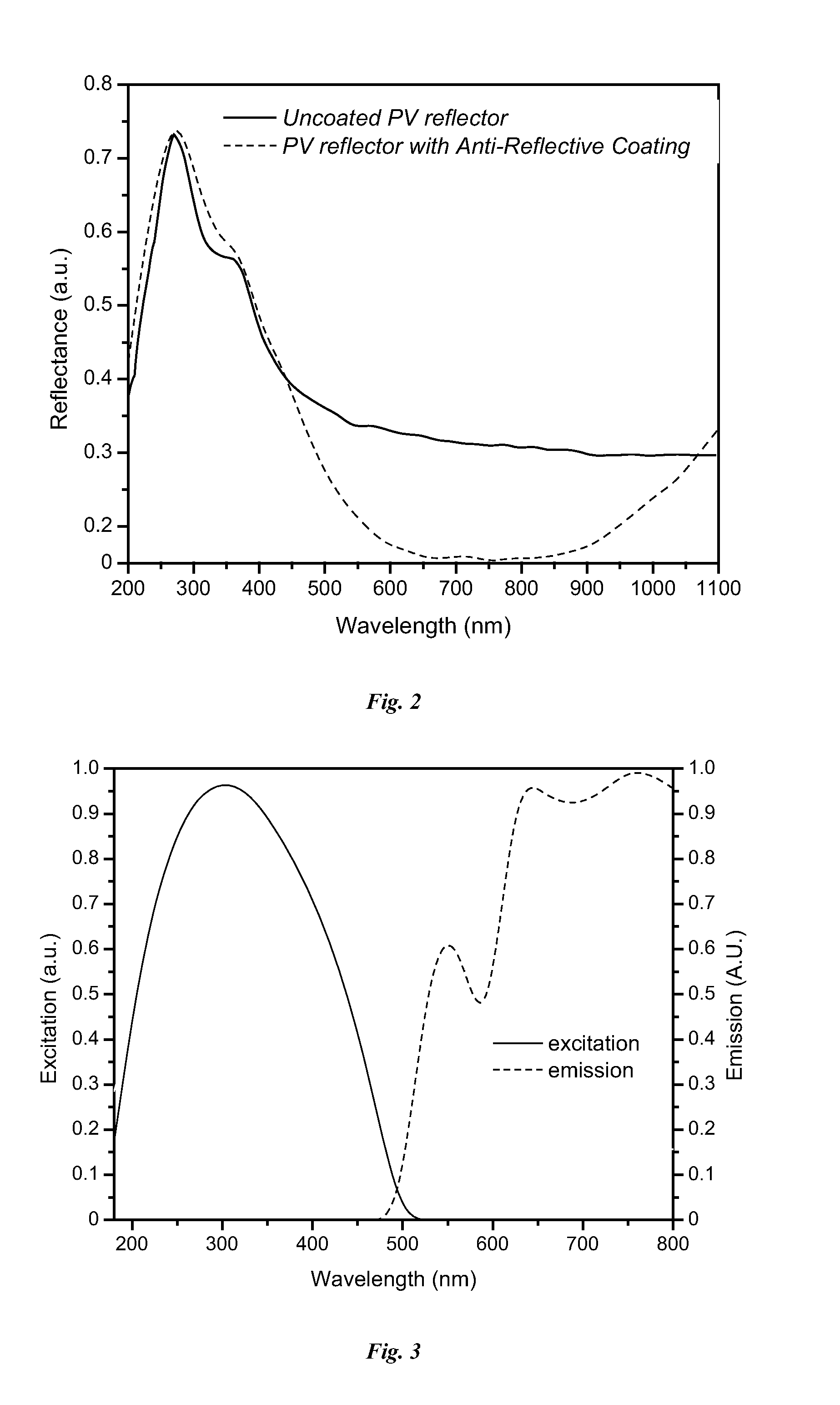
- A spectrum-splitting and wavelength-shifting photovoltaic energy converting system that uses a first photovoltaic converter to absorb lower energy photons and reflect higher energy photons, which are then concentrated and converted into wavelength-shifted photons by a fluorescing member, ultimately being converted into electricity by a second photovoltaic converter.

Diffuse solar radiation transducer
PatentActiveUS20240240983A1
Innovation
- A sensor with a well-defined, easily reproducible shading pattern and a 2π steradian solid opening angle, featuring a non-transparent layer and a transparent aperture pattern, along with two or more light-sensitive sensors arranged near the center, ensuring at least one sensor is always shaded from direct sunlight, allowing for accurate separation of diffuse and direct solar irradiance measurements.


Meteorological Data Integration for PV Forecasting
Meteorological data integration represents a critical foundation for accurate photovoltaic forecasting systems, particularly when distinguishing between direct and diffuse solar radiation components. The integration process encompasses the systematic collection, validation, and harmonization of multiple meteorological parameters from diverse data sources including ground-based measurement stations, satellite observations, and numerical weather prediction models. These data streams provide essential inputs for understanding how atmospheric conditions influence the separation and transmission of solar radiation components reaching PV panel surfaces.
The primary meteorological variables requiring integration include global horizontal irradiance, direct normal irradiance, diffuse horizontal irradiance, cloud cover characteristics, aerosol optical depth, atmospheric water vapor content, and ambient temperature. Advanced integration frameworks employ quality control algorithms to identify and filter anomalous measurements, address temporal gaps through interpolation techniques, and spatially align data from heterogeneous sources to create consistent datasets. Real-time data assimilation methods have become increasingly important for operational forecasting systems, enabling continuous updates as new observations become available.
Modern integration approaches leverage machine learning algorithms to identify complex relationships between meteorological variables and radiation components. These systems can automatically detect patterns in historical data that correlate specific atmospheric conditions with variations in direct-to-diffuse radiation ratios. The temporal resolution of integrated data typically ranges from one-minute intervals for nowcasting applications to hourly averages for day-ahead forecasting scenarios.
Challenges in meteorological data integration include managing data latency from different sources, reconciling measurement uncertainties across instruments, and handling missing data periods without compromising forecast accuracy. Successful integration strategies implement redundancy through multiple data sources and employ statistical validation techniques to ensure data reliability. The resulting integrated meteorological datasets serve as fundamental inputs for radiation decomposition models and PV performance prediction algorithms, directly impacting the accuracy of forecasts distinguishing between direct and diffuse radiation effects on system output.
Spectral Response Optimization Under Varied Radiation
Spectral response optimization represents a critical pathway for enhancing photovoltaic system performance under varying radiation conditions. The fundamental challenge lies in the distinct spectral distributions between direct and diffuse solar radiation, where direct radiation exhibits higher intensity in the visible and near-infrared regions, while diffuse radiation demonstrates relatively enhanced blue-spectrum components due to atmospheric scattering effects. This spectral variation directly impacts the quantum efficiency of photovoltaic cells, necessitating targeted optimization strategies.
Advanced spectral matching techniques have emerged as promising solutions to address this challenge. Multi-junction solar cells with tailored bandgap engineering can effectively capture broader spectral ranges, demonstrating superior performance under both radiation types. Recent developments in tandem cell architectures, particularly perovskite-silicon combinations, have shown remarkable adaptability to spectral variations, achieving conversion efficiencies exceeding 30% under diverse illumination conditions. These structures leverage complementary absorption characteristics to maximize photon harvesting across the solar spectrum.
Material-level innovations focus on developing photovoltaic absorbers with tunable spectral responses. Quantum dot sensitization and intermediate band materials offer adjustable absorption profiles that can be optimized for specific radiation scenarios. Surface texturing and anti-reflection coating technologies further enhance spectral utilization by minimizing reflection losses across wavelength ranges, particularly beneficial for diffuse radiation with its multi-directional incidence characteristics.
Spectral conversion approaches, including luminescent down-shifting and up-conversion layers, provide additional optimization pathways. These technologies modify incident radiation spectra to better match the peak quantum efficiency regions of photovoltaic materials. Down-shifting layers convert high-energy photons into wavelengths with higher absorption coefficients, while up-conversion materials combine low-energy photons to generate more efficiently absorbed radiation. Implementation of these spectral modification techniques shows particular promise for improving diffuse radiation utilization, where atmospheric filtering already alters the natural solar spectrum significantly.
Unlock deeper insights with Patsnap Eureka Quick Research — get a full tech report to explore trends and direct your research. Try now!
Generate Your Research Report Instantly with AI Agent
Supercharge your innovation with Patsnap Eureka AI Agent Platform!