Synchronous Generator Startup Time vs Operational Efficiency
JAN 7, 20269 MIN READ
Generate Your Research Report Instantly with AI Agent
Patsnap Eureka helps you evaluate technical feasibility & market potential.
Synchronous Generator Startup Technology Background and Objectives
Synchronous generators have served as the backbone of electrical power generation systems for over a century, evolving from early industrial applications to modern grid-scale power plants. The fundamental principle of electromagnetic induction, first demonstrated by Michael Faraday in 1831, laid the groundwork for these machines. Throughout the 20th century, synchronous generators underwent significant technological refinements, including improvements in rotor design, excitation systems, and cooling mechanisms. The transition from steam-driven units to diverse prime movers such as gas turbines, hydro turbines, and renewable energy sources has expanded their application scope considerably.
The startup process of synchronous generators represents a critical operational phase that directly impacts both system reliability and economic performance. Traditional startup procedures involve sequential steps including pre-warming, synchronization, and loading, which can extend from several minutes to multiple hours depending on generator size and type. This extended startup time poses challenges in modern power systems that increasingly demand rapid response capabilities to accommodate fluctuating renewable energy sources and dynamic load variations.
The relationship between startup time and operational efficiency has emerged as a focal point in contemporary power system optimization. Faster startup times enable generators to respond more effectively to grid demands, reduce fuel consumption during the startup phase, and minimize mechanical stress on components. However, accelerated startup procedures may potentially compromise long-term operational efficiency through increased thermal cycling, reduced component lifespan, and suboptimal operating conditions during the transition period.
The primary objective of this research is to establish a comprehensive understanding of the trade-offs between startup time reduction and sustained operational efficiency in synchronous generators. This involves quantifying the impact of various startup strategies on fuel consumption, emissions, mechanical wear, and overall system performance. Additionally, the research aims to identify optimal startup protocols that balance rapid grid response requirements with long-term efficiency and reliability goals, ultimately contributing to more flexible and sustainable power generation systems in the evolving energy landscape.
The startup process of synchronous generators represents a critical operational phase that directly impacts both system reliability and economic performance. Traditional startup procedures involve sequential steps including pre-warming, synchronization, and loading, which can extend from several minutes to multiple hours depending on generator size and type. This extended startup time poses challenges in modern power systems that increasingly demand rapid response capabilities to accommodate fluctuating renewable energy sources and dynamic load variations.
The relationship between startup time and operational efficiency has emerged as a focal point in contemporary power system optimization. Faster startup times enable generators to respond more effectively to grid demands, reduce fuel consumption during the startup phase, and minimize mechanical stress on components. However, accelerated startup procedures may potentially compromise long-term operational efficiency through increased thermal cycling, reduced component lifespan, and suboptimal operating conditions during the transition period.
The primary objective of this research is to establish a comprehensive understanding of the trade-offs between startup time reduction and sustained operational efficiency in synchronous generators. This involves quantifying the impact of various startup strategies on fuel consumption, emissions, mechanical wear, and overall system performance. Additionally, the research aims to identify optimal startup protocols that balance rapid grid response requirements with long-term efficiency and reliability goals, ultimately contributing to more flexible and sustainable power generation systems in the evolving energy landscape.
Market Demand for Fast-Start Power Generation Systems
The global energy landscape is undergoing a fundamental transformation driven by the rapid integration of renewable energy sources and the increasing need for grid stability. Fast-start power generation systems have emerged as a critical solution to address the intermittency challenges posed by wind and solar power installations. As renewable penetration rates continue to climb in major electricity markets, the demand for flexible generation assets capable of rapid response has intensified significantly.
Traditional baseload power plants, designed for continuous operation, are increasingly inadequate for modern grid requirements that demand frequent cycling and quick response capabilities. Grid operators worldwide are prioritizing technologies that can bridge the gap between renewable energy fluctuations and consistent power supply. This shift has created substantial market opportunities for synchronous generators with optimized startup characteristics, particularly in regions with aggressive renewable energy targets and aging thermal generation fleets requiring modernization.
The frequency regulation and ancillary services markets represent particularly lucrative segments for fast-start generation systems. As grid codes evolve to mandate shorter response times and greater operational flexibility, utilities and independent power producers are actively seeking generation assets that can achieve full load within minutes rather than hours. This requirement is especially pronounced in island grids and isolated power systems where backup capacity must respond instantaneously to maintain system stability.
Industrial and commercial sectors are also driving demand for fast-start generation solutions. Data centers, manufacturing facilities, and critical infrastructure operators require reliable backup power systems that minimize downtime during grid disturbances. The growing emphasis on power quality and uninterrupted operations has expanded the addressable market beyond traditional utility-scale applications into distributed generation and microgrid configurations.
Emerging markets in Asia-Pacific and developing regions present additional growth vectors, where expanding electricity access and grid modernization initiatives are creating demand for flexible generation technologies. These markets often face unique challenges including limited transmission infrastructure and high renewable variability, making fast-start capabilities essential for system reliability. The convergence of decarbonization policies, grid modernization investments, and technological advancement in generator design positions fast-start power generation systems as a strategic priority across multiple market segments and geographic regions.
Traditional baseload power plants, designed for continuous operation, are increasingly inadequate for modern grid requirements that demand frequent cycling and quick response capabilities. Grid operators worldwide are prioritizing technologies that can bridge the gap between renewable energy fluctuations and consistent power supply. This shift has created substantial market opportunities for synchronous generators with optimized startup characteristics, particularly in regions with aggressive renewable energy targets and aging thermal generation fleets requiring modernization.
The frequency regulation and ancillary services markets represent particularly lucrative segments for fast-start generation systems. As grid codes evolve to mandate shorter response times and greater operational flexibility, utilities and independent power producers are actively seeking generation assets that can achieve full load within minutes rather than hours. This requirement is especially pronounced in island grids and isolated power systems where backup capacity must respond instantaneously to maintain system stability.
Industrial and commercial sectors are also driving demand for fast-start generation solutions. Data centers, manufacturing facilities, and critical infrastructure operators require reliable backup power systems that minimize downtime during grid disturbances. The growing emphasis on power quality and uninterrupted operations has expanded the addressable market beyond traditional utility-scale applications into distributed generation and microgrid configurations.
Emerging markets in Asia-Pacific and developing regions present additional growth vectors, where expanding electricity access and grid modernization initiatives are creating demand for flexible generation technologies. These markets often face unique challenges including limited transmission infrastructure and high renewable variability, making fast-start capabilities essential for system reliability. The convergence of decarbonization policies, grid modernization investments, and technological advancement in generator design positions fast-start power generation systems as a strategic priority across multiple market segments and geographic regions.
Current Startup Time Challenges and Efficiency Trade-offs
Synchronous generators face significant startup time challenges that directly impact operational efficiency and grid integration capabilities. The conventional startup process typically requires 15 to 45 minutes depending on generator size and design, creating substantial delays in power delivery and emergency response scenarios. This extended timeframe stems from mechanical inertia, thermal expansion requirements, and the need for gradual synchronization with grid frequency to prevent mechanical stress and electrical disturbances.
The primary technical constraint lies in rotor acceleration dynamics. Large synchronous generators possess considerable rotational mass, requiring substantial energy input to reach nominal speed. Rapid acceleration attempts can induce excessive mechanical stress on shaft components, bearing assemblies, and coupling mechanisms, potentially causing premature wear or catastrophic failure. Additionally, thermal gradients within stator windings and rotor structures must be carefully managed to prevent differential expansion that could compromise insulation integrity and dimensional tolerances.
Efficiency trade-offs become particularly evident when examining different startup strategies. Fast startup protocols can achieve grid synchronization within 5 to 10 minutes but often operate at suboptimal thermal conditions during initial loading phases, resulting in 3 to 8 percent efficiency penalties during the first operational hour. These penalties manifest as increased copper losses due to uneven temperature distribution and reduced magnetic flux efficiency before thermal equilibrium is established.
Grid stability requirements further complicate the startup process. Synchronization demands precise frequency matching within ±0.1 Hz and phase angle alignment within ±10 degrees, necessitating sophisticated control systems and extended monitoring periods. Premature loading before complete thermal stabilization can trigger protection systems or cause voltage fluctuations affecting connected loads.
The economic implications are substantial. Extended startup times reduce generator availability for peak demand response and ancillary services markets, while aggressive startup procedures increase maintenance costs through accelerated component degradation. Modern power systems increasingly require faster response capabilities to accommodate renewable energy intermittency, creating mounting pressure to resolve these fundamental trade-offs between startup speed, operational efficiency, and equipment longevity.
The primary technical constraint lies in rotor acceleration dynamics. Large synchronous generators possess considerable rotational mass, requiring substantial energy input to reach nominal speed. Rapid acceleration attempts can induce excessive mechanical stress on shaft components, bearing assemblies, and coupling mechanisms, potentially causing premature wear or catastrophic failure. Additionally, thermal gradients within stator windings and rotor structures must be carefully managed to prevent differential expansion that could compromise insulation integrity and dimensional tolerances.
Efficiency trade-offs become particularly evident when examining different startup strategies. Fast startup protocols can achieve grid synchronization within 5 to 10 minutes but often operate at suboptimal thermal conditions during initial loading phases, resulting in 3 to 8 percent efficiency penalties during the first operational hour. These penalties manifest as increased copper losses due to uneven temperature distribution and reduced magnetic flux efficiency before thermal equilibrium is established.
Grid stability requirements further complicate the startup process. Synchronization demands precise frequency matching within ±0.1 Hz and phase angle alignment within ±10 degrees, necessitating sophisticated control systems and extended monitoring periods. Premature loading before complete thermal stabilization can trigger protection systems or cause voltage fluctuations affecting connected loads.
The economic implications are substantial. Extended startup times reduce generator availability for peak demand response and ancillary services markets, while aggressive startup procedures increase maintenance costs through accelerated component degradation. Modern power systems increasingly require faster response capabilities to accommodate renewable energy intermittency, creating mounting pressure to resolve these fundamental trade-offs between startup speed, operational efficiency, and equipment longevity.
Mainstream Startup Optimization Solutions
01 Advanced control systems for startup optimization
Implementation of sophisticated control algorithms and systems that optimize the startup sequence of synchronous generators. These systems monitor various parameters during startup and adjust operational parameters in real-time to minimize startup time while ensuring safe operation. The control systems may include predictive algorithms, adaptive control strategies, and automated sequencing to achieve faster and more reliable startup procedures.- Advanced control systems for optimizing generator startup sequences: Implementation of sophisticated control algorithms and systems that manage the startup sequence of synchronous generators to reduce initialization time. These systems monitor various parameters during startup and adjust operational parameters dynamically to achieve faster and more reliable generator activation while maintaining system stability and reducing mechanical stress on components.
- Power electronics and excitation control for improved startup performance: Utilization of power electronic converters and advanced excitation systems to enhance the startup characteristics of synchronous generators. These technologies enable precise control of field current and voltage during the startup phase, allowing for faster synchronization with the grid and improved transient response. The systems can also provide variable frequency operation during startup to optimize torque characteristics.
- Monitoring and diagnostic systems for operational efficiency enhancement: Integration of real-time monitoring and diagnostic capabilities that track generator performance parameters to optimize operational efficiency. These systems collect data on temperature, vibration, electrical parameters, and other critical metrics to identify inefficiencies and predict maintenance needs. Advanced analytics and machine learning algorithms process this data to provide actionable insights for improving overall generator performance.
- Hybrid and energy storage integration for startup assistance: Incorporation of energy storage systems or hybrid configurations that provide auxiliary power during generator startup to reduce startup time and improve reliability. These systems can supply initial excitation power, assist with mechanical acceleration, or provide grid support during the synchronization process. The integration helps minimize the energy required from external sources and enables black-start capabilities.
- Thermal management and cooling optimization for sustained efficiency: Advanced thermal management strategies and cooling system designs that maintain optimal operating temperatures in synchronous generators to enhance efficiency and extend component life. These solutions include improved cooling fluid circulation, heat exchanger designs, and temperature control systems that adapt to varying load conditions. Effective thermal management reduces losses and enables generators to operate closer to their rated capacity with improved reliability.
02 Excitation system improvements for rapid synchronization
Enhanced excitation control methods and apparatus that enable faster field buildup and voltage establishment during generator startup. These improvements allow the generator to reach synchronous speed and achieve proper voltage levels more quickly, reducing overall startup time. The excitation systems may incorporate fast-response exciters, optimized field current control, and advanced voltage regulation techniques to accelerate the synchronization process.Expand Specific Solutions03 Efficiency optimization through power electronics integration
Integration of power electronic converters and control systems to improve operational efficiency of synchronous generators. These systems enable variable speed operation, improved power factor control, and reduced losses during both startup and steady-state operation. The power electronics interface allows for better grid integration and enhanced energy conversion efficiency across varying load conditions.Expand Specific Solutions04 Thermal management and cooling systems for startup acceleration
Advanced thermal management strategies and cooling systems designed to handle the thermal stresses during rapid startup while maintaining operational efficiency. These systems allow for faster startup by managing heat dissipation more effectively and preventing thermal damage. The cooling solutions may include enhanced heat exchangers, active cooling control, and temperature monitoring systems that enable safe acceleration of startup procedures.Expand Specific Solutions05 Monitoring and diagnostic systems for performance optimization
Comprehensive monitoring and diagnostic systems that track generator performance parameters during startup and operation to optimize efficiency. These systems collect and analyze data on mechanical, electrical, and thermal parameters to identify optimization opportunities and predict maintenance needs. The diagnostic capabilities enable proactive adjustments to startup procedures and operational settings to maintain peak efficiency throughout the generator lifecycle.Expand Specific Solutions
Major Players in Synchronous Generator Manufacturing
The synchronous generator startup time versus operational efficiency research field represents a mature yet evolving technology domain within the broader power systems industry. The market is characterized by substantial infrastructure investments, particularly in grid modernization and renewable energy integration, with major players spanning utility operators, equipment manufacturers, and research institutions. State Grid Corp. of China, NARI Technology Co., Ltd., and State Grid Electric Power Research Institute Co., Ltd. lead in grid-scale applications, while industrial giants like Rolls-Royce North American Technologies, Cummins, Inc., and Mitsubishi Electric Corp. drive innovation in generator design and control systems. Technology maturity varies across segments, with established players like GE Infrastructure Technology and Siemens-affiliated entities demonstrating advanced optimization capabilities, while emerging contributors including Google LLC explore AI-driven efficiency solutions. Academic institutions such as North China Electric Power University and Tongji University provide foundational research supporting next-generation synchronous generator technologies, indicating ongoing innovation despite the technology's established market presence.
State Grid Corp. of China
Technical Solution: State Grid Corporation has developed comprehensive synchronous generator startup and efficiency optimization protocols as part of their ultra-high voltage (UHV) transmission infrastructure. Their technical approach encompasses coordinated control systems that manage generator startup sequences across multiple power plants to maintain grid stability during generation transitions. The methodology employs centralized monitoring platforms that collect real-time data from distributed generators, using artificial intelligence algorithms to determine optimal startup timing and sequencing that maximizes overall system efficiency. Their research focuses on reducing startup times for large-scale synchronous generators (300MW+) from traditional 180-300 seconds to 90-150 seconds through improved excitation control and prime mover coordination. The system incorporates advanced synchronization techniques using GPS-based timing references to achieve precise phase matching during grid connection, minimizing transient disturbances. State Grid's approach emphasizes the balance between rapid startup capability for grid frequency regulation and maintaining operational efficiency above 95% through optimized loading patterns and reactive power management.
Strengths: Extensive experience with ultra-large scale generator coordination; strong integration with smart grid infrastructure and renewable energy sources. Weaknesses: Technology primarily optimized for centralized grid architecture; limited commercial availability outside China's power sector.
Rolls-Royce North American Technologies, Inc.
Technical Solution: Rolls-Royce has developed advanced synchronous generator startup systems for aerospace and industrial gas turbine applications, featuring their integrated control modules that coordinate turbine acceleration with generator excitation. Their technology employs sophisticated algorithms that optimize the startup transient by managing fuel flow, air intake, and electrical excitation simultaneously to achieve synchronization within 60-90 seconds for industrial units while maintaining mechanical integrity. The system utilizes predictive modeling to calculate optimal acceleration curves based on ambient conditions, generator temperature, and required synchronization timing. Their approach incorporates active damping control during startup to suppress torsional oscillations and sub-synchronous resonances that can reduce efficiency and cause mechanical wear. The excitation system features rapid-response thyristor-based converters capable of adjusting field current within milliseconds to maintain voltage stability during the critical synchronization phase. Rolls-Royce's integrated health monitoring continuously assesses bearing conditions, winding temperatures, and vibration patterns to adjust startup parameters dynamically, ensuring operational efficiency of 93-96% is achieved rapidly after synchronization.
Strengths: Superior integration with gas turbine prime movers; advanced vibration and torsional control during startup transients; aerospace-grade reliability standards. Weaknesses: Premium pricing structure; primarily focused on gas turbine applications rather than diverse prime mover types.
Core Patents in Rapid Startup Technologies
Systems and methods for rapid activation of dispatchable power sources
PatentActiveGB2553872A
Innovation
- A system comprising a switch, converters, and a controller that allows power to be provided to the utility grid from a generator before it meets synchronization criteria, using an energy storage device to support startup and synchronization, and maintaining zero current transfer once the generator is online, enabling rapid connection and load ramping.


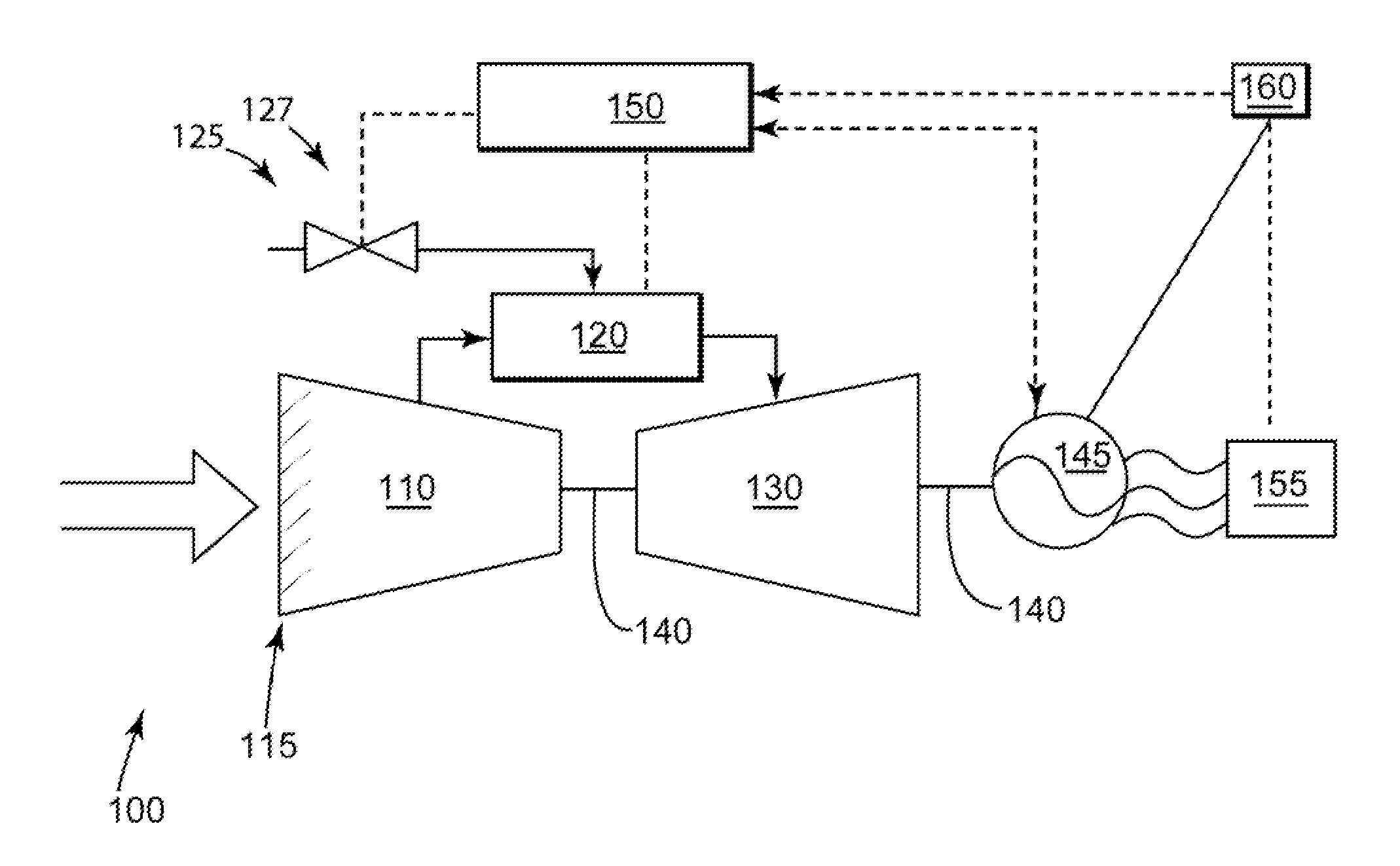
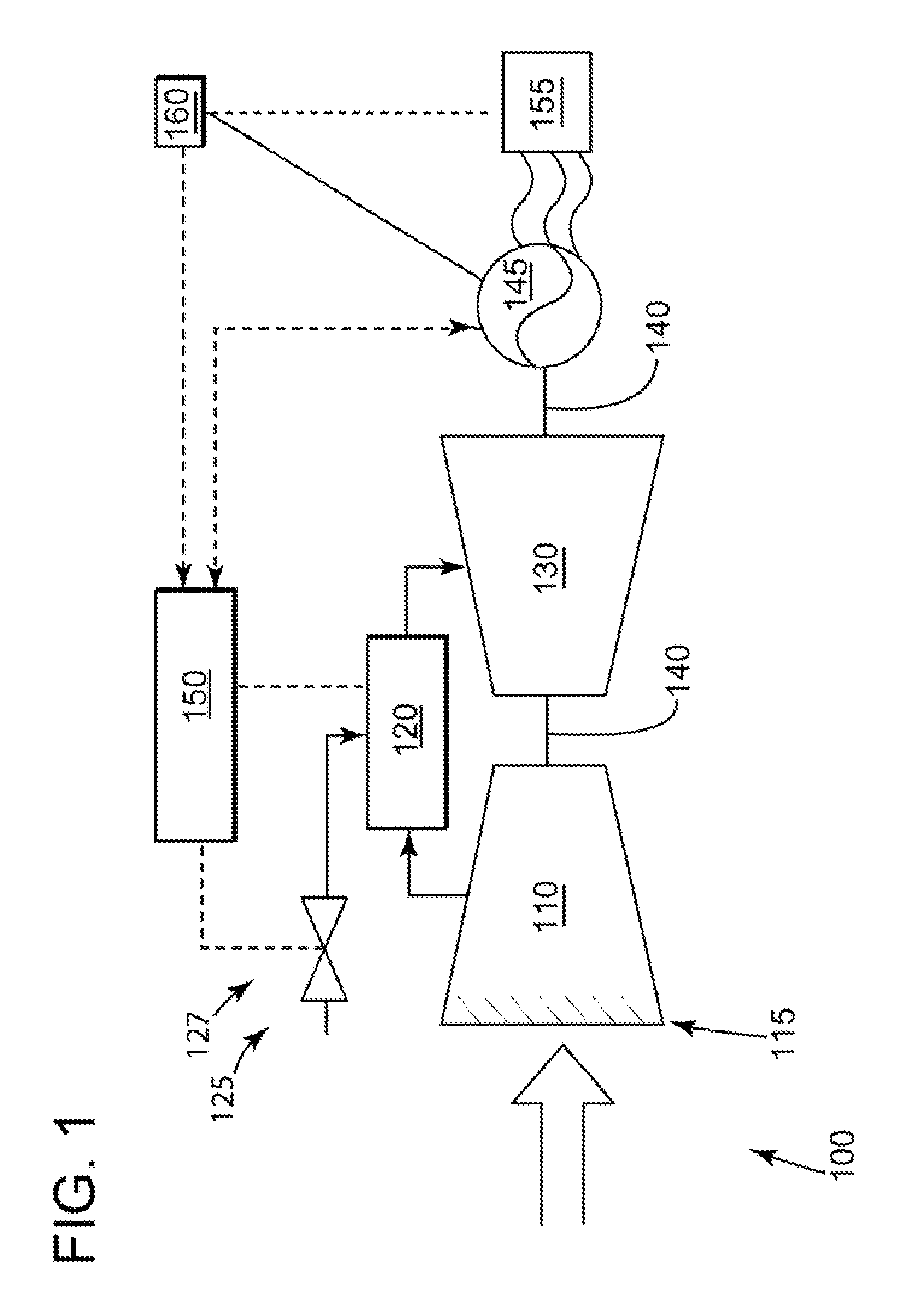
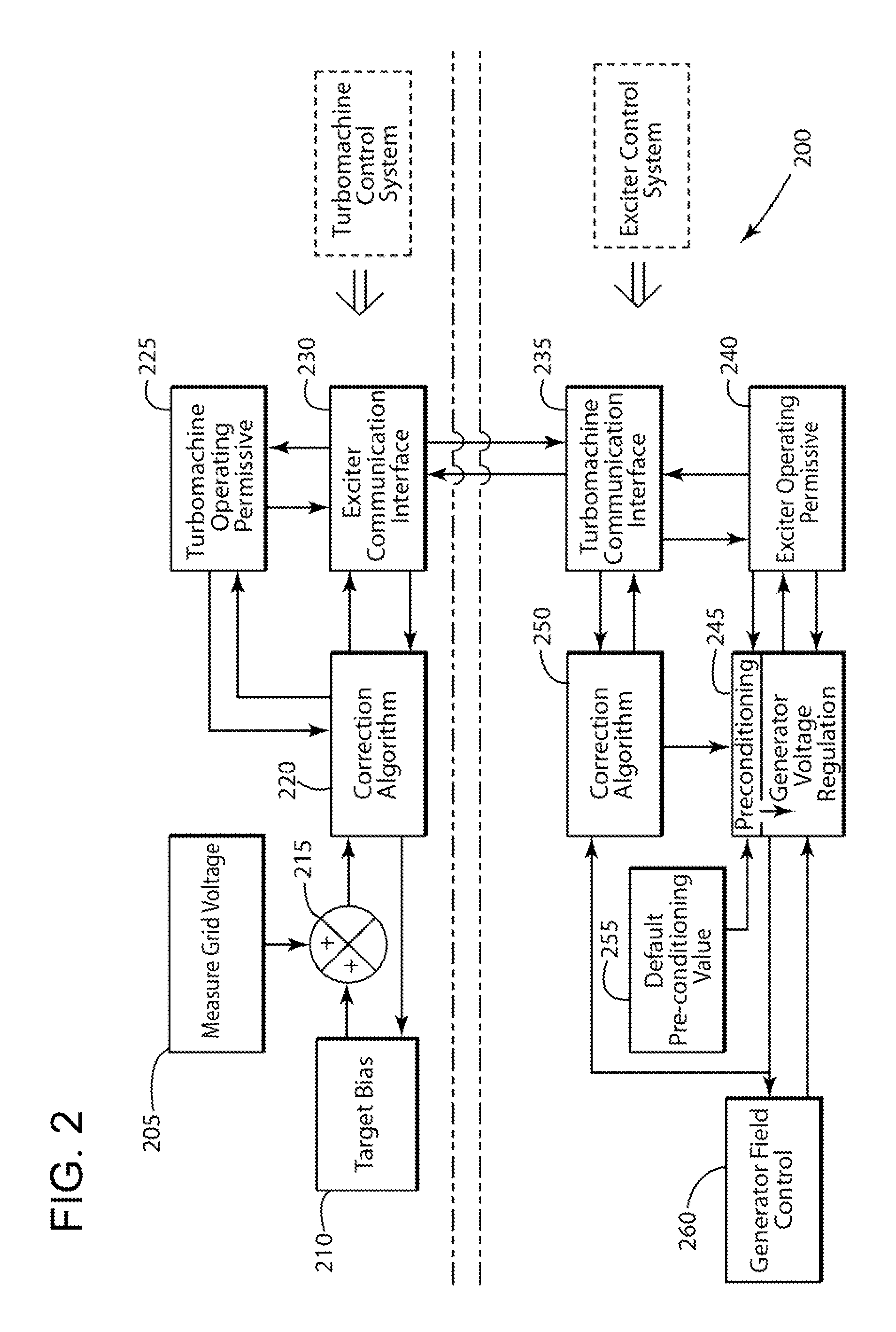
Method of synchronizing a turbomachine generator to an electric grid
PatentActiveUS7915868B1
Innovation
- The method involves actively controlling the generator's voltage and speed to match grid parameters by applying target biases and using predictive algorithms to adjust rotor acceleration, ensuring consistent and rapid synchronization by preconditioning the generator voltage regulator and speed loop to align with grid conditions before reaching synchronization speed.

Grid Code Requirements for Generator Response
Grid code requirements establish the fundamental framework within which synchronous generators must operate to maintain power system stability and reliability. These regulatory standards, developed by transmission system operators and regulatory authorities worldwide, define specific performance criteria that generators must meet during both normal operation and grid disturbances. The requirements directly influence the balance between startup time optimization and operational efficiency, as generators must demonstrate compliance with response time specifications while maintaining economic viability.
Modern grid codes typically mandate that synchronous generators achieve full load capability within specified timeframes following startup commands, with requirements varying significantly across different jurisdictions. European network codes, for instance, require generators to reach minimum stable generation within 15 to 30 minutes and progress to full capacity based on unit type and size. North American standards under NERC regulations emphasize frequency response capabilities, requiring generators to provide primary frequency response within seconds of detecting grid frequency deviations. These temporal constraints create inherent tensions with efficiency optimization strategies that might favor gradual thermal ramping.
Frequency response requirements represent particularly stringent constraints on generator operation. Grid codes mandate that generators maintain specific droop characteristics and provide sustained frequency response for defined periods, typically requiring 10 to 30 seconds for primary response and several minutes for secondary response. These requirements necessitate that generators maintain sufficient operational margins and thermal stability, potentially limiting aggressive startup acceleration strategies that could compromise response capability during critical grid events.
Voltage control and reactive power capability requirements further complicate the startup-efficiency equation. Generators must demonstrate continuous voltage regulation capability across specified operating ranges, typically requiring reactive power provision between 0.95 leading and 0.95 lagging power factors. During startup phases, achieving these capability curves while managing thermal stresses requires careful coordination of excitation systems and prime mover controls, often extending startup durations to ensure compliance margins.
Recent grid code evolution increasingly emphasizes resilience and flexibility, introducing requirements for rapid load changes, black start capability, and enhanced fault ride-through performance. These emerging standards compel generator operators to reassess traditional startup protocols, potentially sacrificing some efficiency gains to ensure regulatory compliance and grid support capability throughout all operational phases.
Modern grid codes typically mandate that synchronous generators achieve full load capability within specified timeframes following startup commands, with requirements varying significantly across different jurisdictions. European network codes, for instance, require generators to reach minimum stable generation within 15 to 30 minutes and progress to full capacity based on unit type and size. North American standards under NERC regulations emphasize frequency response capabilities, requiring generators to provide primary frequency response within seconds of detecting grid frequency deviations. These temporal constraints create inherent tensions with efficiency optimization strategies that might favor gradual thermal ramping.
Frequency response requirements represent particularly stringent constraints on generator operation. Grid codes mandate that generators maintain specific droop characteristics and provide sustained frequency response for defined periods, typically requiring 10 to 30 seconds for primary response and several minutes for secondary response. These requirements necessitate that generators maintain sufficient operational margins and thermal stability, potentially limiting aggressive startup acceleration strategies that could compromise response capability during critical grid events.
Voltage control and reactive power capability requirements further complicate the startup-efficiency equation. Generators must demonstrate continuous voltage regulation capability across specified operating ranges, typically requiring reactive power provision between 0.95 leading and 0.95 lagging power factors. During startup phases, achieving these capability curves while managing thermal stresses requires careful coordination of excitation systems and prime mover controls, often extending startup durations to ensure compliance margins.
Recent grid code evolution increasingly emphasizes resilience and flexibility, introducing requirements for rapid load changes, black start capability, and enhanced fault ride-through performance. These emerging standards compel generator operators to reassess traditional startup protocols, potentially sacrificing some efficiency gains to ensure regulatory compliance and grid support capability throughout all operational phases.
Energy Storage Integration for Startup Enhancement
Energy storage systems have emerged as a pivotal solution for addressing the inherent trade-off between startup time and operational efficiency in synchronous generators. By integrating advanced energy storage technologies, power generation facilities can significantly reduce the mechanical and thermal stress associated with rapid startup procedures while maintaining optimal performance levels. Battery energy storage systems, flywheel energy storage, and supercapacitors represent the primary technologies being deployed to bridge the gap between cold start requirements and steady-state operation demands.
The integration mechanism typically involves pre-charging auxiliary systems and providing supplementary power during the critical initial phase of generator startup. This approach allows the main generator to follow a more gradual acceleration profile, reducing thermal gradients across turbine components and minimizing wear on mechanical systems. Modern lithium-ion battery installations can deliver peak power outputs ranging from several megawatts to hundreds of megawatts, sufficient to support grid stability during the transition period while the synchronous generator reaches optimal operating conditions.
Hybrid configurations combining multiple storage technologies offer enhanced flexibility in managing startup sequences. Fast-response supercapacitors handle instantaneous power fluctuations during the initial seconds of startup, while battery systems provide sustained energy delivery throughout the warm-up phase. This layered approach enables operators to achieve startup times reduced by thirty to fifty percent compared to conventional methods, without compromising the generator's long-term efficiency or reliability metrics.
Economic analysis indicates that energy storage integration yields substantial benefits through reduced fuel consumption during startup cycles and extended equipment lifespan. The capital investment in storage infrastructure is increasingly offset by operational savings, particularly in applications requiring frequent start-stop cycles such as peaking power plants and renewable energy backup systems. Furthermore, storage-assisted startup capabilities enhance grid resilience by enabling faster response to demand fluctuations and emergency situations, adding strategic value beyond direct operational improvements.
The integration mechanism typically involves pre-charging auxiliary systems and providing supplementary power during the critical initial phase of generator startup. This approach allows the main generator to follow a more gradual acceleration profile, reducing thermal gradients across turbine components and minimizing wear on mechanical systems. Modern lithium-ion battery installations can deliver peak power outputs ranging from several megawatts to hundreds of megawatts, sufficient to support grid stability during the transition period while the synchronous generator reaches optimal operating conditions.
Hybrid configurations combining multiple storage technologies offer enhanced flexibility in managing startup sequences. Fast-response supercapacitors handle instantaneous power fluctuations during the initial seconds of startup, while battery systems provide sustained energy delivery throughout the warm-up phase. This layered approach enables operators to achieve startup times reduced by thirty to fifty percent compared to conventional methods, without compromising the generator's long-term efficiency or reliability metrics.
Economic analysis indicates that energy storage integration yields substantial benefits through reduced fuel consumption during startup cycles and extended equipment lifespan. The capital investment in storage infrastructure is increasingly offset by operational savings, particularly in applications requiring frequent start-stop cycles such as peaking power plants and renewable energy backup systems. Furthermore, storage-assisted startup capabilities enhance grid resilience by enabling faster response to demand fluctuations and emergency situations, adding strategic value beyond direct operational improvements.
Unlock deeper insights with Patsnap Eureka Quick Research — get a full tech report to explore trends and direct your research. Try now!
Generate Your Research Report Instantly with AI Agent
Supercharge your innovation with Patsnap Eureka AI Agent Platform!