

Substrate Delamination vs Interface Debonding: Key Differences
MAY 28, 20269 MIN READ
Generate Your Research Report Instantly with AI Agent
PatSnap Eureka helps you evaluate technical feasibility & market potential.
Substrate Delamination vs Interface Debonding Background and Objectives
Substrate delamination and interface debonding represent two distinct failure mechanisms that have garnered significant attention in materials science and engineering over the past several decades. The evolution of these research areas has been driven by the increasing complexity of multi-layered systems in electronics, aerospace, automotive, and biomedical applications. Early investigations in the 1970s focused primarily on adhesive failures in composite materials, but the scope has expanded dramatically with the advent of microelectronics and thin-film technologies.
The historical development of substrate delamination research began with studies of fiber-reinforced composites, where researchers observed separation between fiber and matrix materials under mechanical stress. Simultaneously, interface debonding investigations emerged from the semiconductor industry's need to understand failures in integrated circuits and packaging systems. These parallel research streams have converged in recent years as modern devices increasingly rely on complex multi-material architectures.
Current technological trends indicate a growing emphasis on understanding failure mechanisms at the nanoscale, particularly as device miniaturization continues. The integration of dissimilar materials with vastly different thermal, mechanical, and chemical properties has intensified the need for precise differentiation between these failure modes. Advanced characterization techniques, including atomic force microscopy, scanning electron microscopy, and in-situ mechanical testing, have enabled researchers to observe these phenomena with unprecedented resolution.
The primary objective of distinguishing between substrate delamination and interface debonding lies in developing predictive models for material system reliability. Substrate delamination typically involves cohesive failure within a material layer, while interface debonding represents adhesive failure between distinct material boundaries. This fundamental distinction has profound implications for material selection, surface treatment protocols, and structural design optimization.
Contemporary research objectives focus on establishing quantitative criteria for failure mode identification, developing standardized testing methodologies, and creating computational models that can predict failure initiation and propagation. The ultimate goal is to enable engineers to design more robust multi-material systems by understanding the specific conditions that promote each failure mechanism and implementing appropriate mitigation strategies.
The historical development of substrate delamination research began with studies of fiber-reinforced composites, where researchers observed separation between fiber and matrix materials under mechanical stress. Simultaneously, interface debonding investigations emerged from the semiconductor industry's need to understand failures in integrated circuits and packaging systems. These parallel research streams have converged in recent years as modern devices increasingly rely on complex multi-material architectures.
Current technological trends indicate a growing emphasis on understanding failure mechanisms at the nanoscale, particularly as device miniaturization continues. The integration of dissimilar materials with vastly different thermal, mechanical, and chemical properties has intensified the need for precise differentiation between these failure modes. Advanced characterization techniques, including atomic force microscopy, scanning electron microscopy, and in-situ mechanical testing, have enabled researchers to observe these phenomena with unprecedented resolution.
The primary objective of distinguishing between substrate delamination and interface debonding lies in developing predictive models for material system reliability. Substrate delamination typically involves cohesive failure within a material layer, while interface debonding represents adhesive failure between distinct material boundaries. This fundamental distinction has profound implications for material selection, surface treatment protocols, and structural design optimization.
Contemporary research objectives focus on establishing quantitative criteria for failure mode identification, developing standardized testing methodologies, and creating computational models that can predict failure initiation and propagation. The ultimate goal is to enable engineers to design more robust multi-material systems by understanding the specific conditions that promote each failure mechanism and implementing appropriate mitigation strategies.
Market Demand for Advanced Adhesion and Bonding Solutions
The global adhesion and bonding solutions market is experiencing unprecedented growth driven by the critical need to address substrate delamination and interface debonding challenges across multiple industries. Electronics manufacturing represents one of the most significant demand drivers, where miniaturization trends and increased component density have made adhesion failures catastrophic for device reliability. The automotive sector's transition toward electric vehicles and lightweight materials has created substantial demand for advanced bonding technologies that can withstand thermal cycling and mechanical stress without experiencing delamination.
Aerospace and defense applications constitute another major market segment, where the consequences of adhesion failure can be life-threatening. The industry's adoption of composite materials and multi-layered structures has intensified the need for solutions that can differentiate between and prevent both substrate delamination and interface debonding. These applications require bonding systems capable of maintaining integrity under extreme temperature variations, vibration, and chemical exposure.
The construction and infrastructure sector is witnessing growing demand for advanced adhesion solutions as building codes become more stringent and energy efficiency requirements drive the adoption of complex multi-layer building envelopes. Delamination in these applications can lead to structural failures, water infiltration, and energy losses, creating substantial liability and maintenance costs.
Medical device manufacturing represents an emerging high-value market segment where biocompatibility requirements intersect with critical adhesion performance needs. The increasing complexity of implantable devices and diagnostic equipment has created demand for specialized bonding solutions that can prevent both types of adhesion failures while meeting regulatory requirements.
Market research indicates that end-users are increasingly seeking comprehensive solutions that address the root causes of both substrate delamination and interface debonding rather than treating them as identical problems. This shift in understanding has created opportunities for specialized testing equipment, advanced surface preparation technologies, and next-generation adhesive formulations.
The renewable energy sector, particularly solar panel manufacturing and wind turbine assembly, has emerged as a significant growth area. These applications require long-term adhesion performance under harsh environmental conditions, where understanding the distinction between delamination mechanisms is crucial for product longevity and warranty compliance.
Aerospace and defense applications constitute another major market segment, where the consequences of adhesion failure can be life-threatening. The industry's adoption of composite materials and multi-layered structures has intensified the need for solutions that can differentiate between and prevent both substrate delamination and interface debonding. These applications require bonding systems capable of maintaining integrity under extreme temperature variations, vibration, and chemical exposure.
The construction and infrastructure sector is witnessing growing demand for advanced adhesion solutions as building codes become more stringent and energy efficiency requirements drive the adoption of complex multi-layer building envelopes. Delamination in these applications can lead to structural failures, water infiltration, and energy losses, creating substantial liability and maintenance costs.
Medical device manufacturing represents an emerging high-value market segment where biocompatibility requirements intersect with critical adhesion performance needs. The increasing complexity of implantable devices and diagnostic equipment has created demand for specialized bonding solutions that can prevent both types of adhesion failures while meeting regulatory requirements.
Market research indicates that end-users are increasingly seeking comprehensive solutions that address the root causes of both substrate delamination and interface debonding rather than treating them as identical problems. This shift in understanding has created opportunities for specialized testing equipment, advanced surface preparation technologies, and next-generation adhesive formulations.
The renewable energy sector, particularly solar panel manufacturing and wind turbine assembly, has emerged as a significant growth area. These applications require long-term adhesion performance under harsh environmental conditions, where understanding the distinction between delamination mechanisms is crucial for product longevity and warranty compliance.
Current State and Challenges in Delamination and Debonding Analysis
The current landscape of delamination and debonding analysis presents a complex array of methodological approaches and technological limitations that significantly impact the accuracy and reliability of failure prediction in composite materials and layered structures. Despite decades of research, the field continues to grapple with fundamental challenges in distinguishing between substrate delamination and interface debonding mechanisms, particularly in real-world applications where multiple failure modes often occur simultaneously.
Existing analytical frameworks predominantly rely on fracture mechanics principles, with Mode I, Mode II, and mixed-mode approaches forming the theoretical foundation for most current methodologies. However, these traditional approaches often fall short when applied to modern composite systems, where the distinction between substrate and interface failures becomes increasingly blurred due to complex stress distributions and material heterogeneity.
The primary technical challenge lies in the accurate characterization of crack propagation paths and failure initiation sites. Current non-destructive testing methods, including ultrasonic inspection, thermography, and acoustic emission monitoring, provide valuable insights but often lack the resolution necessary to definitively distinguish between delamination occurring within substrate layers versus debonding at material interfaces. This limitation is particularly pronounced in thin-film applications and advanced composite structures where failure mechanisms operate at microscopic scales.
Computational modeling represents another significant challenge area, as existing finite element approaches struggle to accurately predict the transition between different failure modes. The complexity increases exponentially when considering factors such as environmental conditions, loading rates, and material aging effects, which can fundamentally alter the dominant failure mechanisms and make substrate delamination and interface debonding difficult to differentiate through simulation alone.
Standardization issues further complicate the current state of analysis, as different industries and research institutions often employ varying testing protocols and failure criteria. This lack of unified standards makes it challenging to develop comprehensive databases and comparative studies that could advance understanding of the key differences between these failure modes.
The integration of advanced characterization techniques, such as digital image correlation and in-situ microscopy, shows promise but remains limited by cost considerations and practical implementation challenges in industrial settings. These constraints continue to hinder the development of robust, real-time monitoring systems capable of distinguishing between substrate delamination and interface debonding during actual service conditions.
Existing analytical frameworks predominantly rely on fracture mechanics principles, with Mode I, Mode II, and mixed-mode approaches forming the theoretical foundation for most current methodologies. However, these traditional approaches often fall short when applied to modern composite systems, where the distinction between substrate and interface failures becomes increasingly blurred due to complex stress distributions and material heterogeneity.
The primary technical challenge lies in the accurate characterization of crack propagation paths and failure initiation sites. Current non-destructive testing methods, including ultrasonic inspection, thermography, and acoustic emission monitoring, provide valuable insights but often lack the resolution necessary to definitively distinguish between delamination occurring within substrate layers versus debonding at material interfaces. This limitation is particularly pronounced in thin-film applications and advanced composite structures where failure mechanisms operate at microscopic scales.
Computational modeling represents another significant challenge area, as existing finite element approaches struggle to accurately predict the transition between different failure modes. The complexity increases exponentially when considering factors such as environmental conditions, loading rates, and material aging effects, which can fundamentally alter the dominant failure mechanisms and make substrate delamination and interface debonding difficult to differentiate through simulation alone.
Standardization issues further complicate the current state of analysis, as different industries and research institutions often employ varying testing protocols and failure criteria. This lack of unified standards makes it challenging to develop comprehensive databases and comparative studies that could advance understanding of the key differences between these failure modes.
The integration of advanced characterization techniques, such as digital image correlation and in-situ microscopy, shows promise but remains limited by cost considerations and practical implementation challenges in industrial settings. These constraints continue to hinder the development of robust, real-time monitoring systems capable of distinguishing between substrate delamination and interface debonding during actual service conditions.
Existing Solutions for Delamination and Debonding Detection
01 Substrate delamination mechanisms in layered structures
Substrate delamination occurs when layers separate within the substrate material itself, typically due to weak interlayer bonding, thermal stress, or mechanical loading. This failure mode involves the separation of substrate layers rather than at the adhesive interface. The mechanism is characterized by crack propagation through the substrate bulk material, often initiated by defects or stress concentrations within the layered structure.- Substrate delamination failure mechanisms in layered structures: Substrate delamination occurs when layers within a composite or multilayer structure separate due to stress concentration, thermal cycling, or material incompatibility. This failure mode typically involves the separation of entire layers or substrates from the base material, often initiated by defects or weak points in the substrate itself. The mechanism is characterized by crack propagation through the substrate material rather than at the interface boundary.
- Interface debonding adhesion failure at material boundaries: Interface debonding represents a distinct failure mechanism where adhesive bonds fail specifically at the interface between two different materials. This type of failure is typically caused by poor surface preparation, contamination, or chemical incompatibility between bonding materials. The failure occurs precisely at the boundary layer where two materials meet, resulting in clean separation with minimal material transfer between surfaces.
- Testing and characterization methods for adhesion failure analysis: Various testing methodologies are employed to distinguish between different adhesion failure mechanisms and characterize their properties. These methods include mechanical testing, surface analysis techniques, and microscopic examination to determine failure modes. The characterization helps identify whether failure occurs within the substrate, at the interface, or through a combination of mechanisms, enabling proper failure analysis and prevention strategies.
- Surface treatment and preparation techniques for improved adhesion: Surface modification and preparation methods are critical for preventing both substrate delamination and interface debonding failures. These techniques involve chemical treatments, mechanical roughening, primer applications, and surface cleaning procedures that enhance bonding strength. Proper surface preparation addresses the root causes of adhesion failure by improving chemical compatibility and mechanical interlocking between materials.
- Material design and composition optimization for adhesion enhancement: Advanced material formulations and structural designs are developed to minimize adhesion failure risks through optimized composition and architecture. This includes the development of intermediate layers, gradient materials, and modified polymer matrices that provide better stress distribution and chemical compatibility. The approach focuses on engineering materials at the molecular level to prevent both substrate and interface failure modes.
02 Interface debonding at adhesive boundaries
Interface debonding represents failure occurring specifically at the boundary between two different materials, such as between an adhesive and substrate surface. This mechanism involves the breakdown of interfacial bonds due to factors including surface contamination, inadequate surface preparation, or chemical incompatibility. The failure typically propagates along the interface plane, resulting in clean separation between the bonded materials.Expand Specific Solutions03 Testing and characterization methods for adhesion failure
Various testing methodologies are employed to distinguish between different adhesion failure mechanisms and quantify bond strength. These approaches include mechanical testing protocols, surface analysis techniques, and failure mode identification methods. The characterization helps determine whether failure occurs through substrate delamination or interface debonding, enabling proper failure analysis and material selection.Expand Specific Solutions04 Surface treatment and preparation for improved adhesion
Surface modification techniques are critical for preventing both substrate delamination and interface debonding failures. These methods include chemical treatments, mechanical roughening, primer applications, and plasma treatments that enhance interfacial bonding strength. Proper surface preparation creates stronger chemical and mechanical bonds, reducing the likelihood of adhesion failures at critical interfaces.Expand Specific Solutions05 Material design strategies for adhesion enhancement
Advanced material formulations and structural designs are developed to minimize adhesion failure risks through both substrate and interface optimization. These strategies involve selecting compatible material combinations, incorporating stress-relief features, and designing gradient interfaces that distribute mechanical loads. The approaches focus on creating robust bonded systems that resist both delamination and debonding failure modes.Expand Specific Solutions
Key Players in Materials Science and Interface Engineering Industry
The substrate delamination and interface debonding research field represents a mature technology domain within the broader semiconductor and materials engineering industry, currently experiencing significant growth driven by advanced packaging demands and miniaturization trends. The market spans multiple sectors including semiconductor manufacturing, display technologies, and precision electronics, with substantial investment from both established corporations and research institutions. Technology maturity varies significantly across players, with industry leaders like Taiwan Semiconductor Manufacturing Co., Applied Materials, and Micron Technology demonstrating advanced capabilities in substrate engineering and failure analysis. Research-focused entities such as CEA, Technical University of Denmark, and Purdue Research Foundation contribute fundamental understanding, while specialized companies like Soitec SA and Silicon Genesis Corp. focus on engineered substrate solutions. Material suppliers including 3M Innovative Properties and tesa SE provide adhesive and bonding technologies, while equipment manufacturers like Unity Semiconductor SAS offer inspection and metrology solutions essential for detecting and preventing delamination issues in advanced packaging applications.
Soitec SA
Technical Solution: Soitec has developed advanced Smart Cut technology for substrate transfer and bonding processes, specifically addressing substrate delamination challenges in SOI (Silicon-on-Insulator) wafer manufacturing. Their approach involves precise ion implantation followed by controlled thermal treatment to create a weakened layer that enables clean substrate separation. The company has implemented sophisticated monitoring systems to distinguish between desired substrate delamination at the implanted layer versus uncontrolled interface debonding at critical material interfaces. Their technology includes real-time stress analysis and temperature profiling to ensure delamination occurs at the predetermined fracture plane rather than at unintended bonding interfaces, which is crucial for maintaining wafer quality and yield in semiconductor applications.
Strengths: Industry-leading Smart Cut technology with proven track record in substrate transfer; Advanced process control for precise delamination. Weaknesses: Limited to specific substrate materials; High capital equipment requirements.
tesa SE
Technical Solution: tesa SE has developed comprehensive adhesive solutions and testing methodologies to differentiate between substrate delamination and interface debonding in multi-layer assemblies. Their research focuses on understanding failure modes in adhesive-substrate systems, where substrate delamination occurs within the substrate material itself while interface debonding happens at the adhesive-substrate boundary. The company has established standardized testing protocols including peel tests, shear tests, and environmental stress testing to characterize these different failure mechanisms. Their technical approach involves surface energy analysis, mechanical property evaluation, and failure surface examination using advanced microscopy techniques to determine whether failure originates from cohesive substrate failure or adhesive interface separation, which is critical for optimizing bonding processes and predicting long-term reliability.
Strengths: Extensive expertise in adhesive technologies and failure analysis; Comprehensive testing methodologies for interface characterization. Weaknesses: Focus primarily on adhesive applications; Limited scope in semiconductor substrate applications.
Core Innovations in Interface Failure Mechanism Research
Delamination processes and fabrication of thin film devices thereby
PatentActiveUS20220223457A1
Innovation
- The process involves providing a substrate with an electrically-conductive separation layer, forming a film structure, and using microbubble-assisted interfacial debonding by contacting the interface with water or an electrolyte solution and applying a voltage to generate microbubbles, allowing for the separation of the film structure from the substrate without performance degradation and enabling reuse of the host/donor substrate.
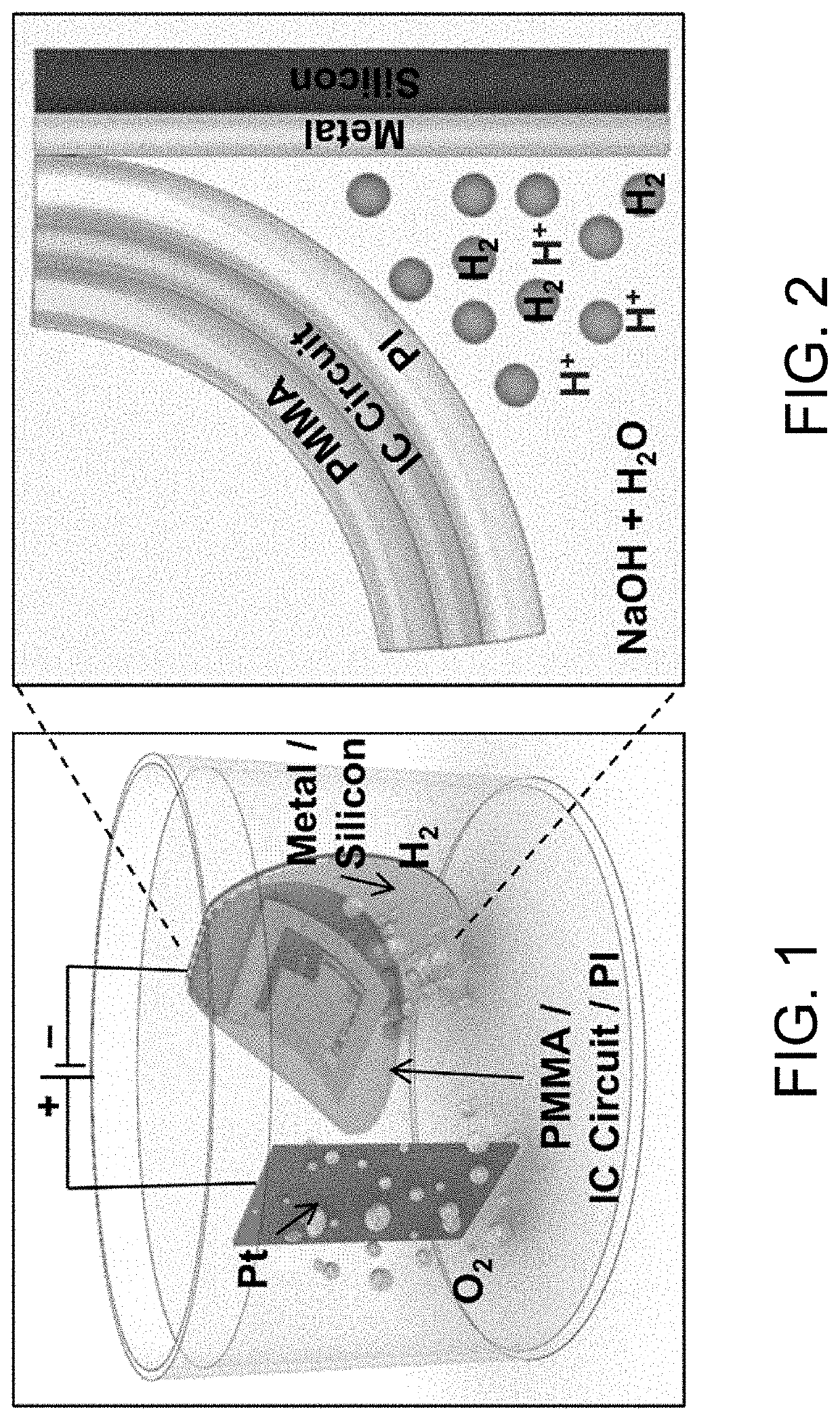
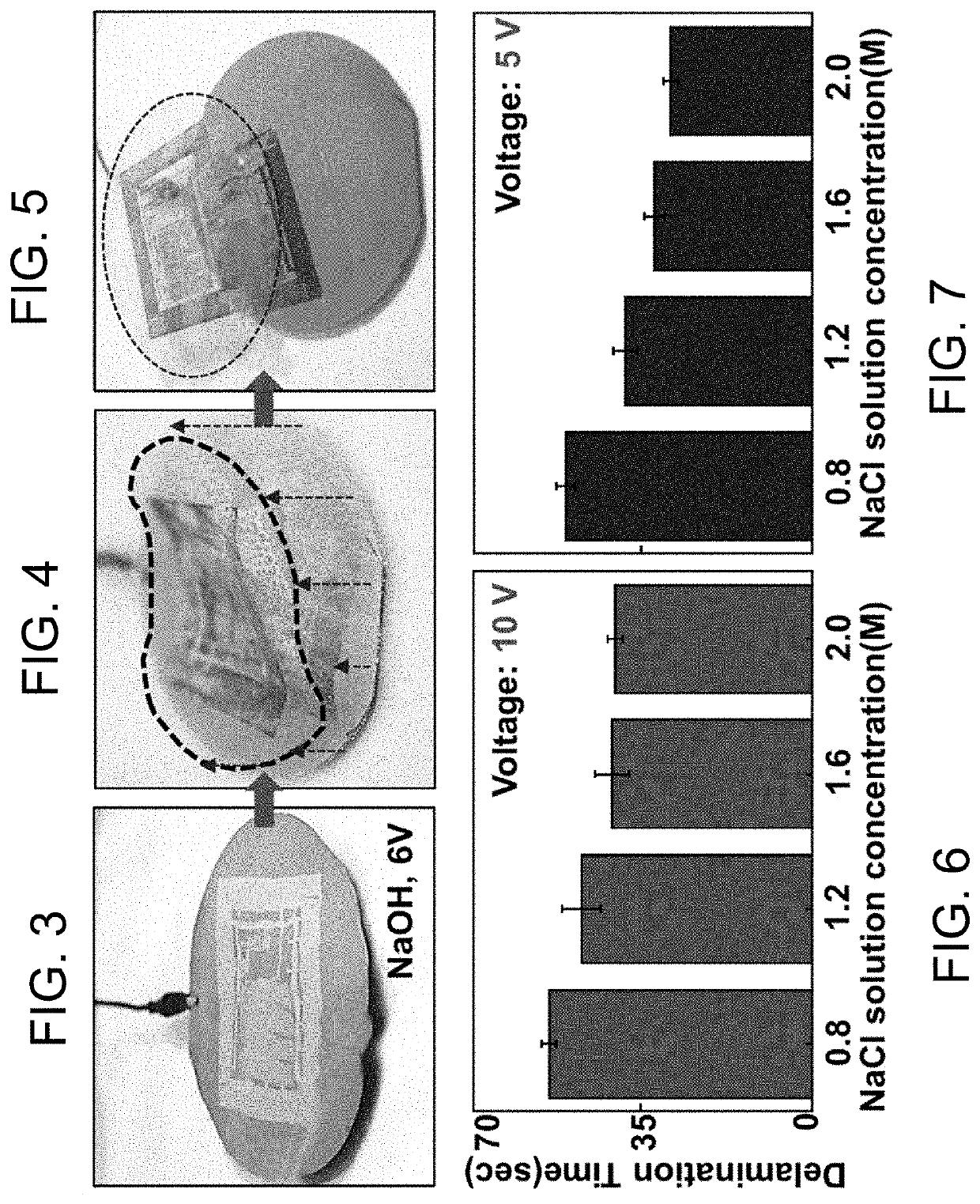
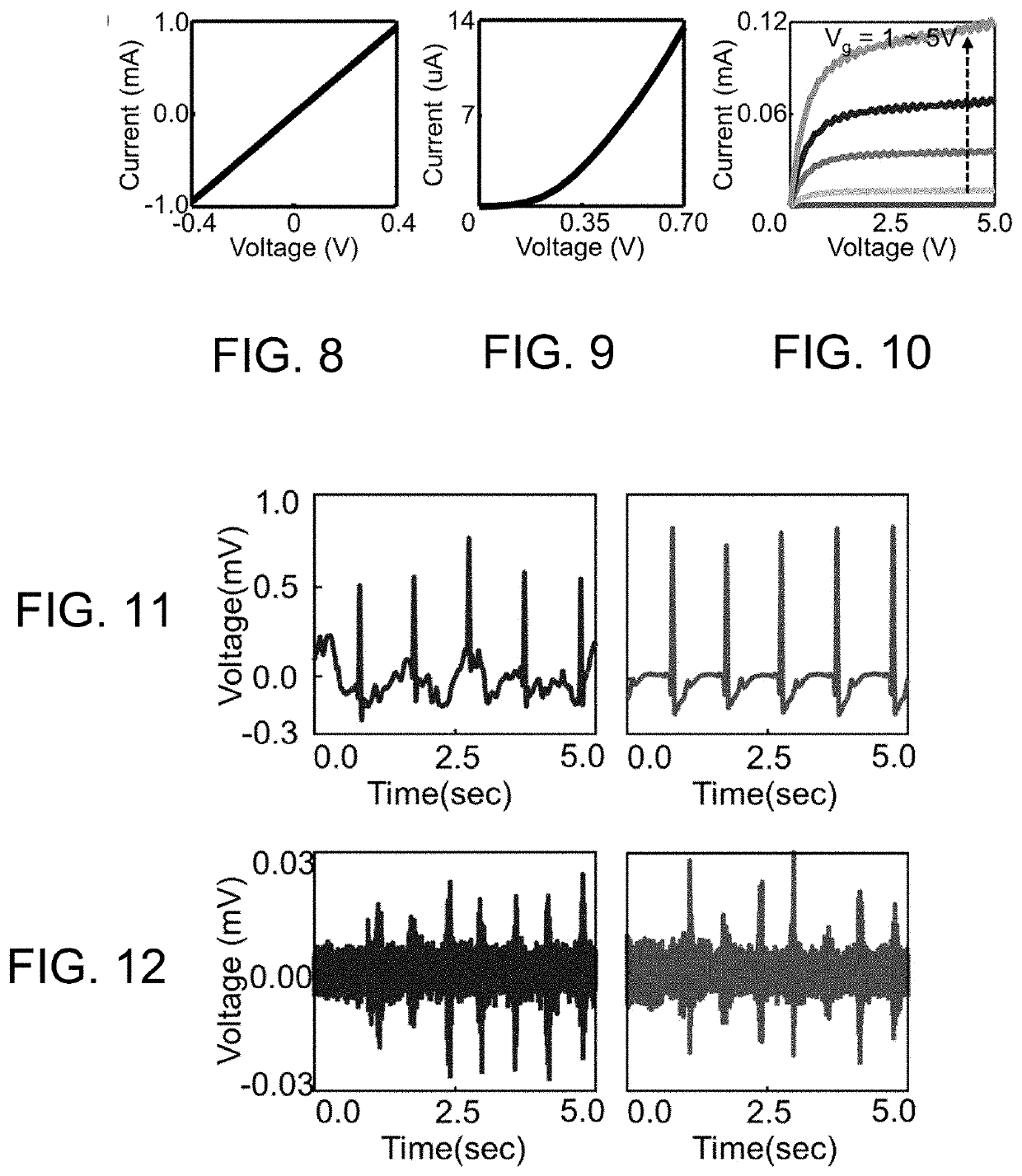

Substrate debonding from bonded part
PatentActiveUS20240213214A1
Innovation
- A method involving the application of an adhesive layer to a substrate, which swells upon solvent absorption, causing localized stress concentrations and bending that breaks thermocompression bonds between substrates, allowing for selective debonding without heat, using a handle and solvent like acetone to manage the debonding process.


Material Safety Standards and Testing Protocols
Material safety standards for substrate delamination and interface debonding research are governed by multiple international frameworks, including ASTM International standards, ISO protocols, and industry-specific guidelines from aerospace and electronics sectors. These standards establish fundamental requirements for handling composite materials, adhesive systems, and testing specimens that may contain hazardous substances or generate harmful particles during failure analysis.
ASTM D5528 and D6415 standards specifically address safety protocols for delamination testing, requiring proper ventilation systems to manage airborne particles released during crack propagation. The standards mandate personal protective equipment including respiratory protection, safety glasses, and cut-resistant gloves when handling sharp-edged delaminated specimens. Additionally, ISO 15024 provides comprehensive guidelines for interface debonding tests, emphasizing the need for controlled environmental conditions to prevent exposure to volatile organic compounds from adhesive systems.
Testing protocols for substrate delamination typically employ Mode I, Mode II, and mixed-mode loading configurations using specialized fixtures such as double cantilever beam and end-notched flexure setups. These protocols require calibrated load cells, displacement sensors, and acoustic emission monitoring systems to ensure accurate data collection while maintaining operator safety. Critical safety measures include emergency stop mechanisms, load limiting devices, and proper specimen clamping procedures to prevent sudden failure-induced projectiles.
Interface debonding testing protocols utilize techniques including pull-off tests, shear tests, and peel tests with specific safety considerations for each method. The protocols mandate pre-test inspection procedures to identify potential failure modes, establishment of safe testing zones, and implementation of debris containment systems. Temperature-controlled testing environments require additional safety measures including thermal protection equipment and emergency cooling systems.
Quality assurance protocols incorporate regular calibration of testing equipment, validation of measurement systems, and documentation of environmental conditions throughout testing procedures. These protocols ensure reproducible results while maintaining strict adherence to safety requirements, including proper waste disposal procedures for failed specimens and contaminated materials.
ASTM D5528 and D6415 standards specifically address safety protocols for delamination testing, requiring proper ventilation systems to manage airborne particles released during crack propagation. The standards mandate personal protective equipment including respiratory protection, safety glasses, and cut-resistant gloves when handling sharp-edged delaminated specimens. Additionally, ISO 15024 provides comprehensive guidelines for interface debonding tests, emphasizing the need for controlled environmental conditions to prevent exposure to volatile organic compounds from adhesive systems.
Testing protocols for substrate delamination typically employ Mode I, Mode II, and mixed-mode loading configurations using specialized fixtures such as double cantilever beam and end-notched flexure setups. These protocols require calibrated load cells, displacement sensors, and acoustic emission monitoring systems to ensure accurate data collection while maintaining operator safety. Critical safety measures include emergency stop mechanisms, load limiting devices, and proper specimen clamping procedures to prevent sudden failure-induced projectiles.
Interface debonding testing protocols utilize techniques including pull-off tests, shear tests, and peel tests with specific safety considerations for each method. The protocols mandate pre-test inspection procedures to identify potential failure modes, establishment of safe testing zones, and implementation of debris containment systems. Temperature-controlled testing environments require additional safety measures including thermal protection equipment and emergency cooling systems.
Quality assurance protocols incorporate regular calibration of testing equipment, validation of measurement systems, and documentation of environmental conditions throughout testing procedures. These protocols ensure reproducible results while maintaining strict adherence to safety requirements, including proper waste disposal procedures for failed specimens and contaminated materials.
Failure Analysis Methodologies and Characterization Techniques
Accurate identification and differentiation between substrate delamination and interface debonding require sophisticated analytical methodologies that can probe material structures at multiple scales. The complexity of these failure modes necessitates a multi-faceted approach combining destructive and non-destructive evaluation techniques to establish comprehensive failure analysis protocols.
Microscopic characterization forms the foundation of failure analysis, with scanning electron microscopy (SEM) serving as the primary tool for examining fracture surfaces and failure morphologies. High-resolution SEM imaging enables detailed analysis of crack propagation patterns, surface topography, and residual material traces that distinguish delamination from debonding mechanisms. Transmission electron microscopy (TEM) provides atomic-scale insights into interfacial structures and bonding characteristics, particularly valuable for analyzing thin-film applications and nanoscale interfaces.
Spectroscopic techniques offer complementary chemical analysis capabilities essential for understanding failure mechanisms. X-ray photoelectron spectroscopy (XPS) enables surface chemistry analysis to identify contamination, oxidation, or chemical degradation that may contribute to adhesion failure. Fourier-transform infrared spectroscopy (FTIR) and Raman spectroscopy provide molecular-level information about polymer degradation, cross-linking density changes, and interfacial chemical interactions that influence failure modes.
Mechanical testing methodologies specifically designed for adhesion evaluation include peel tests, lap shear tests, and pull-off tests that quantify interfacial strength while providing insights into failure mechanisms through load-displacement curves and failure surface analysis. These standardized approaches enable systematic comparison of different material systems and processing conditions.
Advanced characterization techniques such as atomic force microscopy (AFM) enable nanoscale mechanical property mapping and adhesion force measurements at individual contact points. Cross-sectional analysis using focused ion beam (FIB) milling combined with SEM imaging provides three-dimensional visualization of crack paths and interfacial structures, crucial for distinguishing between cohesive substrate failure and true interfacial separation.
Non-destructive evaluation methods including ultrasonic testing, thermography, and acoustic emission monitoring enable real-time failure detection and progression analysis, providing temporal insights into failure development that complement post-mortem analysis techniques.
Microscopic characterization forms the foundation of failure analysis, with scanning electron microscopy (SEM) serving as the primary tool for examining fracture surfaces and failure morphologies. High-resolution SEM imaging enables detailed analysis of crack propagation patterns, surface topography, and residual material traces that distinguish delamination from debonding mechanisms. Transmission electron microscopy (TEM) provides atomic-scale insights into interfacial structures and bonding characteristics, particularly valuable for analyzing thin-film applications and nanoscale interfaces.
Spectroscopic techniques offer complementary chemical analysis capabilities essential for understanding failure mechanisms. X-ray photoelectron spectroscopy (XPS) enables surface chemistry analysis to identify contamination, oxidation, or chemical degradation that may contribute to adhesion failure. Fourier-transform infrared spectroscopy (FTIR) and Raman spectroscopy provide molecular-level information about polymer degradation, cross-linking density changes, and interfacial chemical interactions that influence failure modes.
Mechanical testing methodologies specifically designed for adhesion evaluation include peel tests, lap shear tests, and pull-off tests that quantify interfacial strength while providing insights into failure mechanisms through load-displacement curves and failure surface analysis. These standardized approaches enable systematic comparison of different material systems and processing conditions.
Advanced characterization techniques such as atomic force microscopy (AFM) enable nanoscale mechanical property mapping and adhesion force measurements at individual contact points. Cross-sectional analysis using focused ion beam (FIB) milling combined with SEM imaging provides three-dimensional visualization of crack paths and interfacial structures, crucial for distinguishing between cohesive substrate failure and true interfacial separation.
Non-destructive evaluation methods including ultrasonic testing, thermography, and acoustic emission monitoring enable real-time failure detection and progression analysis, providing temporal insights into failure development that complement post-mortem analysis techniques.
Unlock deeper insights with PatSnap Eureka Quick Research — get a full tech report to explore trends and direct your research. Try now!
Generate Your Research Report Instantly with AI Agent
Supercharge your innovation with PatSnap Eureka AI Agent Platform!