

Reversing Valve Heat Tolerance: Material Considerations
MAR 25, 20269 MIN READ
Generate Your Research Report Instantly with AI Agent
PatSnap Eureka helps you evaluate technical feasibility & market potential.
Reversing Valve Heat Tolerance Background and Objectives
Reversing valves represent critical components in heat pump systems, serving as the switching mechanism that enables the system to alternate between heating and cooling modes by redirecting refrigerant flow. These valves operate under demanding thermal conditions, experiencing rapid temperature fluctuations and sustained exposure to elevated temperatures that can reach 150°C or higher during defrost cycles and high-temperature applications.
The evolution of reversing valve technology has been closely tied to the advancement of heat pump systems since the 1950s. Early designs relied on simple mechanical switching mechanisms with limited heat tolerance, constraining system performance and reliability. As heat pump applications expanded into commercial and industrial sectors, the demand for valves capable of withstanding higher operating temperatures became increasingly critical.
Contemporary market demands have intensified the focus on heat-tolerant reversing valves. The growing adoption of high-temperature heat pumps for industrial processes, district heating systems, and renewable energy integration requires valves that maintain reliable operation at temperatures exceeding traditional residential applications. Additionally, stringent energy efficiency regulations and environmental considerations drive the need for valves that minimize refrigerant leakage and maintain consistent performance across extended temperature ranges.
The primary technical objective centers on developing material solutions that ensure reliable valve operation under extreme thermal stress while maintaining sealing integrity and mechanical durability. This encompasses addressing thermal expansion differentials between valve components, preventing material degradation at elevated temperatures, and ensuring consistent actuator performance across the operational temperature spectrum.
Secondary objectives include optimizing material selection to reduce manufacturing costs while enhancing longevity, developing predictive models for material behavior under cyclic thermal loading, and establishing standardized testing protocols for high-temperature valve performance. The ultimate goal involves creating reversing valves capable of operating reliably at temperatures up to 200°C while maintaining service life expectations of 15-20 years.
These objectives align with broader industry trends toward electrification, renewable energy integration, and improved system efficiency, positioning heat-tolerant reversing valves as enablers of next-generation heat pump technologies.
The evolution of reversing valve technology has been closely tied to the advancement of heat pump systems since the 1950s. Early designs relied on simple mechanical switching mechanisms with limited heat tolerance, constraining system performance and reliability. As heat pump applications expanded into commercial and industrial sectors, the demand for valves capable of withstanding higher operating temperatures became increasingly critical.
Contemporary market demands have intensified the focus on heat-tolerant reversing valves. The growing adoption of high-temperature heat pumps for industrial processes, district heating systems, and renewable energy integration requires valves that maintain reliable operation at temperatures exceeding traditional residential applications. Additionally, stringent energy efficiency regulations and environmental considerations drive the need for valves that minimize refrigerant leakage and maintain consistent performance across extended temperature ranges.
The primary technical objective centers on developing material solutions that ensure reliable valve operation under extreme thermal stress while maintaining sealing integrity and mechanical durability. This encompasses addressing thermal expansion differentials between valve components, preventing material degradation at elevated temperatures, and ensuring consistent actuator performance across the operational temperature spectrum.
Secondary objectives include optimizing material selection to reduce manufacturing costs while enhancing longevity, developing predictive models for material behavior under cyclic thermal loading, and establishing standardized testing protocols for high-temperature valve performance. The ultimate goal involves creating reversing valves capable of operating reliably at temperatures up to 200°C while maintaining service life expectations of 15-20 years.
These objectives align with broader industry trends toward electrification, renewable energy integration, and improved system efficiency, positioning heat-tolerant reversing valves as enablers of next-generation heat pump technologies.
Market Demand for High-Temperature Reversing Valves
The global market for high-temperature reversing valves is experiencing substantial growth driven by expanding industrial applications requiring enhanced thermal performance. Industries such as petrochemicals, power generation, aerospace, and advanced manufacturing are increasingly demanding valves capable of operating reliably at elevated temperatures exceeding traditional operational limits.
The petrochemical sector represents the largest market segment, where processing units frequently encounter temperatures ranging from 400°C to 600°C during refining operations. Steam cracking units, catalytic reformers, and hydroprocessing facilities require reversing valves that maintain structural integrity and sealing performance under extreme thermal conditions. The ongoing expansion of petrochemical capacity globally, particularly in emerging markets, continues to fuel demand for thermally robust valve solutions.
Power generation facilities, including both conventional thermal plants and next-generation concentrated solar power systems, constitute another significant market driver. Modern combined-cycle gas turbines and supercritical steam systems operate at increasingly higher temperatures to improve efficiency, necessitating valves with superior heat tolerance. The transition toward cleaner energy technologies has intensified requirements for valves capable of handling high-temperature molten salts and advanced heat transfer fluids.
Aerospace and defense applications present a specialized but high-value market segment where temperature extremes are commonplace. Aircraft engine systems, rocket propulsion, and hypersonic vehicle development programs require reversing valves that function reliably across wide temperature ranges while maintaining minimal weight and maximum durability.
The semiconductor and electronics manufacturing industries are emerging as significant consumers of high-temperature reversing valves. Advanced chip fabrication processes, particularly those involving chemical vapor deposition and plasma etching, operate at elevated temperatures requiring precise flow control under thermal stress conditions.
Market analysis indicates strong regional demand concentration in North America, Europe, and Asia-Pacific, with China and India showing particularly robust growth trajectories. The increasing emphasis on industrial automation and process optimization across these regions is driving adoption of more sophisticated valve technologies capable of withstanding harsh operating environments.
Current market trends suggest growing preference for valves incorporating advanced materials such as superalloys, ceramic composites, and specialized coatings that extend operational temperature ranges while reducing maintenance requirements and improving overall system reliability.
The petrochemical sector represents the largest market segment, where processing units frequently encounter temperatures ranging from 400°C to 600°C during refining operations. Steam cracking units, catalytic reformers, and hydroprocessing facilities require reversing valves that maintain structural integrity and sealing performance under extreme thermal conditions. The ongoing expansion of petrochemical capacity globally, particularly in emerging markets, continues to fuel demand for thermally robust valve solutions.
Power generation facilities, including both conventional thermal plants and next-generation concentrated solar power systems, constitute another significant market driver. Modern combined-cycle gas turbines and supercritical steam systems operate at increasingly higher temperatures to improve efficiency, necessitating valves with superior heat tolerance. The transition toward cleaner energy technologies has intensified requirements for valves capable of handling high-temperature molten salts and advanced heat transfer fluids.
Aerospace and defense applications present a specialized but high-value market segment where temperature extremes are commonplace. Aircraft engine systems, rocket propulsion, and hypersonic vehicle development programs require reversing valves that function reliably across wide temperature ranges while maintaining minimal weight and maximum durability.
The semiconductor and electronics manufacturing industries are emerging as significant consumers of high-temperature reversing valves. Advanced chip fabrication processes, particularly those involving chemical vapor deposition and plasma etching, operate at elevated temperatures requiring precise flow control under thermal stress conditions.
Market analysis indicates strong regional demand concentration in North America, Europe, and Asia-Pacific, with China and India showing particularly robust growth trajectories. The increasing emphasis on industrial automation and process optimization across these regions is driving adoption of more sophisticated valve technologies capable of withstanding harsh operating environments.
Current market trends suggest growing preference for valves incorporating advanced materials such as superalloys, ceramic composites, and specialized coatings that extend operational temperature ranges while reducing maintenance requirements and improving overall system reliability.
Current Material Limitations in Heat-Resistant Valve Design
Traditional metallic materials used in reversing valve construction face significant thermal limitations that restrict their operational effectiveness in high-temperature environments. Conventional brass and bronze alloys, while offering excellent corrosion resistance and machinability, typically experience mechanical property degradation at temperatures exceeding 200°C. These materials exhibit reduced tensile strength, increased creep susceptibility, and dimensional instability under prolonged thermal exposure, leading to valve seat leakage and operational failure.
Steel-based valve components encounter oxidation challenges at elevated temperatures, particularly in the 300-500°C range commonly found in industrial heat pump applications. Carbon steels undergo microstructural changes that compromise their mechanical integrity, while standard stainless steel grades suffer from carbide precipitation and sigma phase formation. These metallurgical transformations result in reduced ductility and increased brittleness, making valves prone to thermal shock failure during rapid temperature cycling.
Sealing materials present the most critical limitation in heat-resistant valve design. Conventional elastomeric seals, including nitrile rubber and EPDM compounds, experience rapid degradation above 150°C, losing their elastic properties and developing permanent compression set. This degradation leads to seal failure, refrigerant leakage, and system inefficiency. Even high-performance fluoroelastomers face limitations beyond 250°C, where chemical decomposition and hardening occur.
Thermal expansion mismatch between different valve components creates additional design challenges. The coefficient of thermal expansion varies significantly among materials used in valve assemblies, causing differential expansion that can bind moving parts or create excessive clearances. This phenomenon is particularly problematic in multi-material valve designs where metal bodies interface with ceramic or polymer components.
Coatings and surface treatments commonly employed for corrosion protection also face thermal limitations. Traditional zinc plating and organic coatings fail at relatively low temperatures, while even advanced ceramic coatings may experience thermal stress cracking or delamination under thermal cycling conditions. These coating failures expose base materials to corrosive environments, accelerating component degradation and reducing valve service life in high-temperature applications.
Steel-based valve components encounter oxidation challenges at elevated temperatures, particularly in the 300-500°C range commonly found in industrial heat pump applications. Carbon steels undergo microstructural changes that compromise their mechanical integrity, while standard stainless steel grades suffer from carbide precipitation and sigma phase formation. These metallurgical transformations result in reduced ductility and increased brittleness, making valves prone to thermal shock failure during rapid temperature cycling.
Sealing materials present the most critical limitation in heat-resistant valve design. Conventional elastomeric seals, including nitrile rubber and EPDM compounds, experience rapid degradation above 150°C, losing their elastic properties and developing permanent compression set. This degradation leads to seal failure, refrigerant leakage, and system inefficiency. Even high-performance fluoroelastomers face limitations beyond 250°C, where chemical decomposition and hardening occur.
Thermal expansion mismatch between different valve components creates additional design challenges. The coefficient of thermal expansion varies significantly among materials used in valve assemblies, causing differential expansion that can bind moving parts or create excessive clearances. This phenomenon is particularly problematic in multi-material valve designs where metal bodies interface with ceramic or polymer components.
Coatings and surface treatments commonly employed for corrosion protection also face thermal limitations. Traditional zinc plating and organic coatings fail at relatively low temperatures, while even advanced ceramic coatings may experience thermal stress cracking or delamination under thermal cycling conditions. These coating failures expose base materials to corrosive environments, accelerating component degradation and reducing valve service life in high-temperature applications.
Existing Material Solutions for Heat-Tolerant Valves
01 Heat-resistant materials for reversing valve components
Reversing valves can be constructed using heat-resistant materials to improve their tolerance to high temperatures. These materials may include specialized alloys, ceramics, or composite materials that maintain structural integrity and functional performance under elevated temperature conditions. The selection of appropriate heat-resistant materials for valve bodies, seals, and sliding components is crucial for ensuring reliable operation in high-temperature environments.- Heat-resistant materials for reversing valve components: Reversing valves can be constructed using heat-resistant materials to improve their tolerance to high temperatures. These materials may include specialized alloys, ceramics, or composite materials that maintain structural integrity and functionality under elevated temperature conditions. The selection of appropriate heat-resistant materials for valve bodies, seals, and internal components is crucial for ensuring reliable operation in high-temperature environments.
- Thermal insulation and cooling mechanisms: Implementation of thermal insulation layers and active cooling mechanisms can enhance the heat tolerance of reversing valves. These solutions may include insulating coatings, heat shields, or integrated cooling channels that dissipate excess heat away from critical valve components. Such thermal management strategies help maintain optimal operating temperatures and prevent thermal degradation of valve materials.
- Seal and gasket materials with high temperature resistance: The use of specialized sealing materials that can withstand high temperatures is essential for maintaining the integrity of reversing valves. Advanced elastomers, fluoropolymers, or metal seals can be employed to ensure proper sealing performance even under extreme thermal conditions. These materials prevent leakage and maintain valve efficiency while resisting thermal degradation and chemical breakdown.
- Structural design modifications for thermal expansion management: Reversing valve designs can incorporate features that accommodate thermal expansion and contraction of components during temperature fluctuations. These design modifications may include expansion joints, flexible connections, or optimized clearances that prevent binding or deformation under thermal stress. Proper structural design ensures smooth valve operation and extends service life in high-temperature applications.
- Surface treatments and coatings for enhanced thermal protection: Application of specialized surface treatments and protective coatings can significantly improve the heat tolerance of reversing valve components. These treatments may include thermal barrier coatings, oxidation-resistant layers, or hardening processes that protect against thermal wear and corrosion. Surface modifications help maintain component dimensions and functionality while providing additional thermal protection in demanding operating conditions.
02 Thermal insulation and heat dissipation structures
Implementing thermal insulation layers or heat dissipation structures around reversing valves can effectively manage heat exposure. These designs may incorporate insulating materials to protect critical valve components from excessive heat, or utilize heat sinks and cooling channels to dissipate thermal energy. Such structural modifications help maintain optimal operating temperatures and prevent thermal degradation of valve components.Expand Specific Solutions03 Enhanced sealing mechanisms for high-temperature operation
Advanced sealing technologies specifically designed for high-temperature applications can improve reversing valve heat tolerance. These sealing mechanisms may employ heat-resistant elastomers, metal seals, or composite sealing materials that maintain their sealing properties at elevated temperatures. The design may also include features to compensate for thermal expansion and prevent leakage under thermal stress.Expand Specific Solutions04 Cooling system integration for temperature control
Integrating active or passive cooling systems with reversing valves can enhance their heat tolerance by maintaining controlled operating temperatures. These systems may include liquid cooling circuits, forced air cooling, or phase-change cooling mechanisms that remove excess heat from the valve assembly. The cooling integration helps prevent thermal damage and extends the service life of valve components.Expand Specific Solutions05 Structural design optimization for thermal stress management
Optimizing the structural design of reversing valves to accommodate thermal expansion and minimize thermal stress concentrations improves heat tolerance. This approach includes designing flexible joints, expansion compensation features, and stress-relief geometries that allow components to expand and contract without compromising functionality. The optimized structure reduces the risk of thermal fatigue and mechanical failure under cyclic temperature variations.Expand Specific Solutions
Key Players in High-Temperature Valve Manufacturing
The reversing valve heat tolerance market represents a mature yet evolving sector within HVAC and refrigeration systems, driven by increasing demands for energy efficiency and extreme operating conditions. The industry demonstrates moderate growth with established players like Zhejiang Sanhua Intelligent Controls and Valeo Thermal Systems Japan leading specialized valve manufacturing, while automotive giants including Toyota Motor Corp., Honda Motor Co., and Hyundai Motor Co. integrate these components into vehicle thermal management systems. Technology maturity varies significantly across applications, with companies like DENSO Corp. and Continental Automotive advancing high-temperature materials for automotive applications, while industrial specialists such as The Swagelok Co. and Motoyama Eng. Works focus on specialized alloy solutions. Material innovation remains critical, with Daido Steel Co., Proterial Ltd., and Ningbo Boway Alloy Material developing advanced heat-resistant alloys and coatings to meet increasingly stringent thermal performance requirements across diverse industrial applications.
Zhejiang Sanhua Intelligent Controls Co., Ltd.
Technical Solution: Sanhua specializes in developing advanced reversing valve technologies with enhanced heat-resistant materials for HVAC and heat pump applications. Their solutions incorporate high-temperature alloy compositions and specialized coatings that maintain valve performance at elevated operating temperatures up to 150°C. The company focuses on material engineering approaches including nickel-based superalloys and ceramic-metal composites to address thermal expansion challenges and prevent seal degradation. Their reversing valve designs feature thermally stable elastomeric seals and corrosion-resistant valve bodies that ensure reliable operation under extreme temperature cycling conditions.
Strengths: Leading expertise in thermal management solutions and proven track record in HVAC valve manufacturing. Weaknesses: Limited presence in ultra-high temperature applications beyond standard HVAC ranges.
Kyocera Corp.
Technical Solution: Kyocera applies advanced ceramic material technologies to develop ultra-high temperature reversing valves for industrial applications. Their approach utilizes technical ceramics including alumina, zirconia, and silicon carbide compositions that maintain structural integrity at temperatures exceeding 200°C. The company's material solutions feature exceptional thermal shock resistance and chemical inertness, making them suitable for harsh operating environments. Their ceramic-based valve components demonstrate superior wear resistance and dimensional stability compared to metallic alternatives, while specialized ceramic-to-metal joining techniques ensure reliable sealing performance under extreme thermal cycling conditions.
Strengths: Cutting-edge ceramic material expertise and proven high-temperature application experience. Weaknesses: Higher material costs and potential brittleness concerns in high-stress applications.
Core Material Innovations for Extreme Temperature Applications
High temperature steam valve
PatentInactiveUS20120153208A1
Innovation
- A high temperature steam valve design featuring a connector with graded temperature resistance spacers, where a first spacer with higher hot strength is adjacent to the casing and a second spacer with lower hot strength is adjacent to the actuator, creating a natural temperature gradient through convective heat loss, and using screws or heat-insulating members to reduce heat flow, allowing for shorter, less expensive spacers.


Heat resistant alloy for use as material of engine valve
PatentInactiveUS7481970B2
Innovation
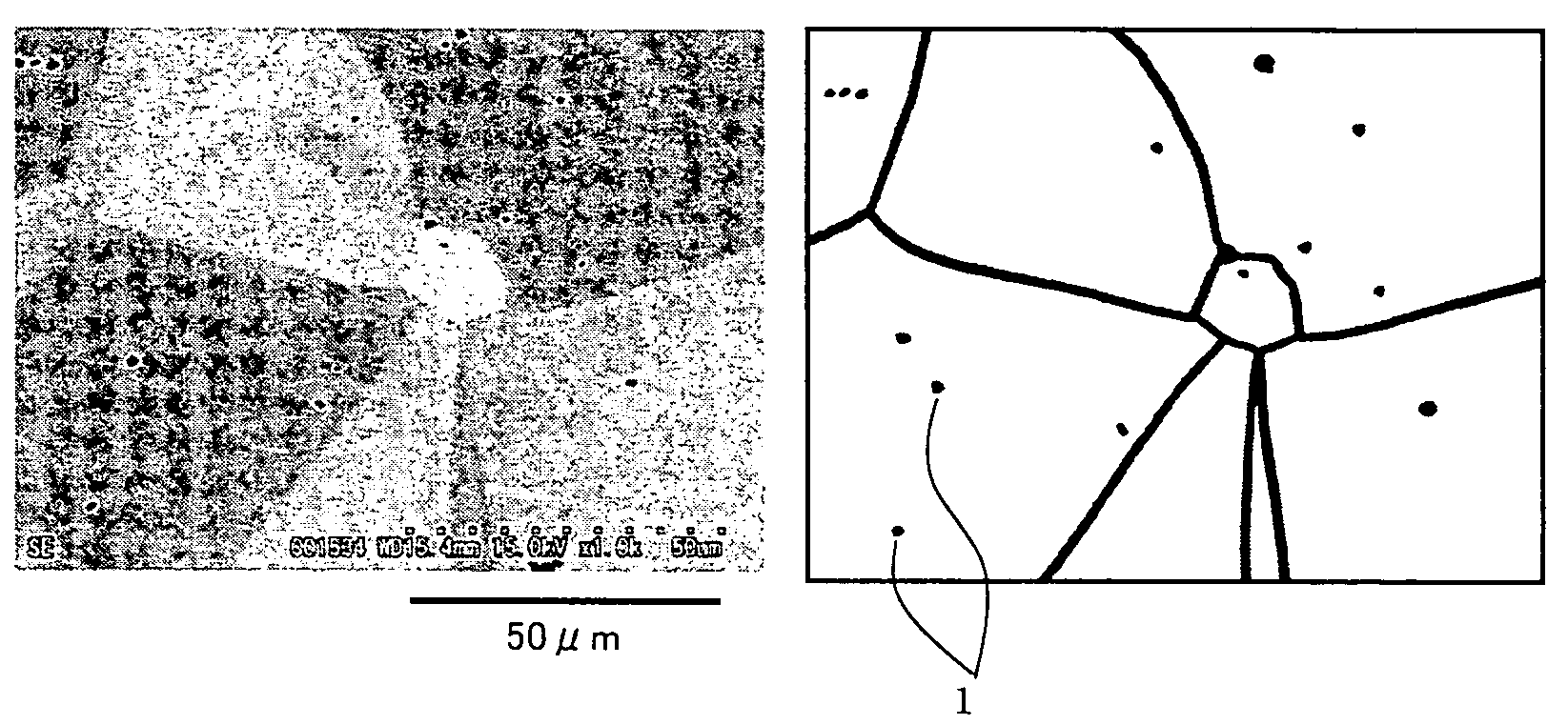
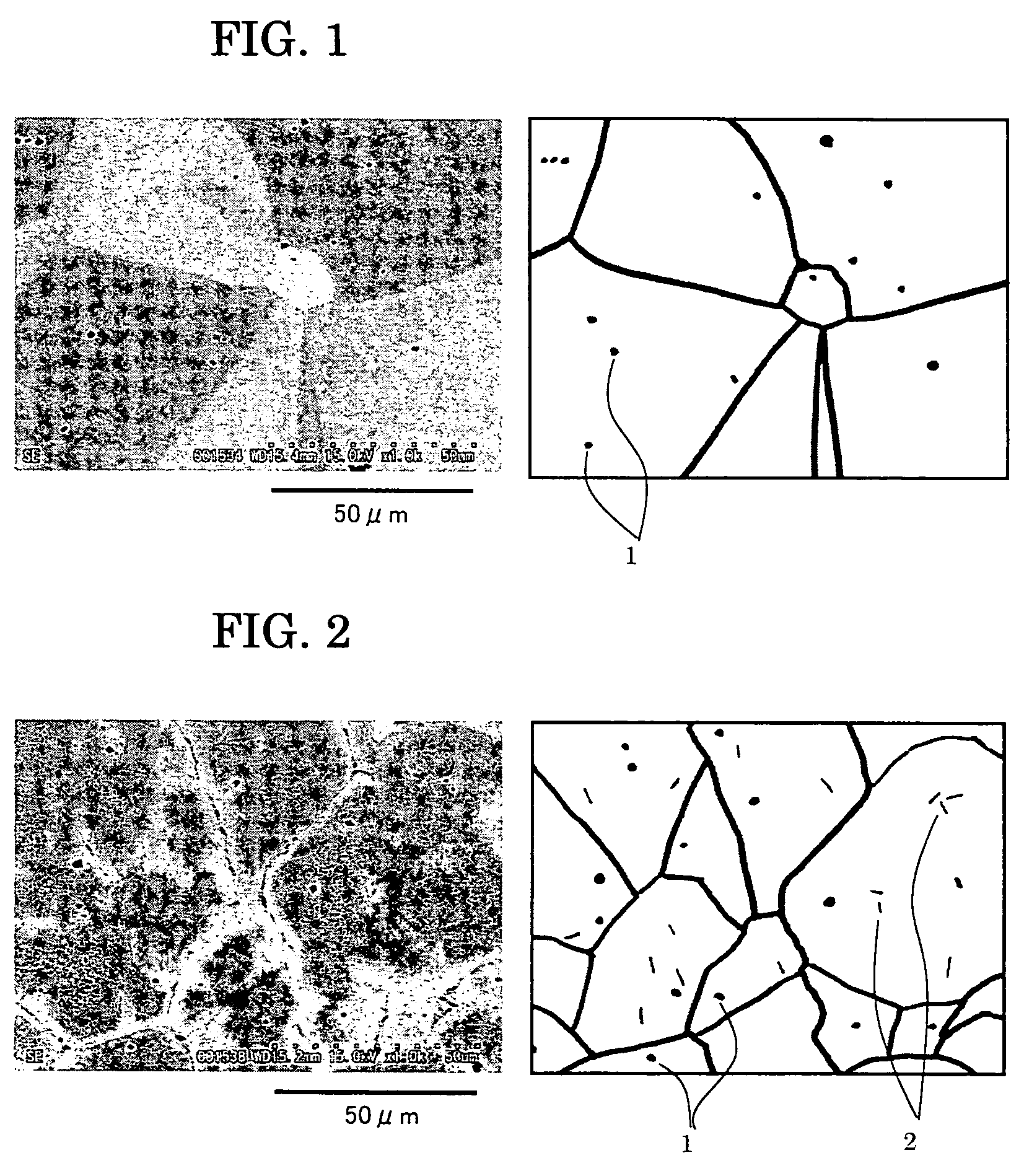
- A heat-resistant alloy with a composition of C, Si, Mn, Cr, Mo, Al, Ti, Nb, Ni, and B, optimized to balance Cr and Ni content, and Mo levels to prevent embrittling phase formation, ensuring high-temperature strength and toughness, with specific ranges for each element to maintain structural stability and cost-effectiveness.
Energy Efficiency Standards for HVAC Valve Systems
Energy efficiency standards for HVAC valve systems have become increasingly stringent as governments and regulatory bodies worldwide prioritize environmental sustainability and energy conservation. These standards directly impact the design and material selection of reversing valves, particularly regarding their heat tolerance capabilities. The implementation of comprehensive efficiency requirements has fundamentally altered how manufacturers approach thermal management in valve systems.
Current regulatory frameworks, including ASHRAE 90.1, European Union ErP Directive, and various national energy codes, establish minimum efficiency thresholds that HVAC systems must achieve. These standards typically mandate seasonal energy efficiency ratios (SEER) and heating seasonal performance factors (HSPF) that require optimal valve performance across wide temperature ranges. Reversing valves must maintain consistent operation without thermal degradation to meet these efficiency benchmarks throughout their operational lifespan.
The standards emphasize the critical relationship between valve thermal stability and overall system efficiency. Heat-resistant materials in reversing valves contribute significantly to maintaining refrigerant flow integrity and minimizing energy losses during heating and cooling cycles. Regulatory compliance often requires valves to operate efficiently at temperatures ranging from -20°C to 65°C, demanding advanced material solutions that can withstand thermal cycling without performance deterioration.
Testing protocols embedded within these standards specify rigorous thermal endurance requirements. Valves must demonstrate sustained performance through accelerated aging tests that simulate years of thermal stress. These protocols evaluate material degradation, seal integrity, and operational reliability under extreme temperature conditions, ensuring that efficiency ratings remain valid throughout the product lifecycle.
Emerging efficiency standards are increasingly incorporating lifecycle assessment criteria, pushing manufacturers toward materials that not only provide superior heat tolerance but also minimize environmental impact. This dual requirement is driving innovation in high-performance polymers, advanced metal alloys, and composite materials specifically engineered for reversing valve applications. Compliance with these evolving standards necessitates continuous material research and development to achieve both thermal resilience and regulatory conformance.
Current regulatory frameworks, including ASHRAE 90.1, European Union ErP Directive, and various national energy codes, establish minimum efficiency thresholds that HVAC systems must achieve. These standards typically mandate seasonal energy efficiency ratios (SEER) and heating seasonal performance factors (HSPF) that require optimal valve performance across wide temperature ranges. Reversing valves must maintain consistent operation without thermal degradation to meet these efficiency benchmarks throughout their operational lifespan.
The standards emphasize the critical relationship between valve thermal stability and overall system efficiency. Heat-resistant materials in reversing valves contribute significantly to maintaining refrigerant flow integrity and minimizing energy losses during heating and cooling cycles. Regulatory compliance often requires valves to operate efficiently at temperatures ranging from -20°C to 65°C, demanding advanced material solutions that can withstand thermal cycling without performance deterioration.
Testing protocols embedded within these standards specify rigorous thermal endurance requirements. Valves must demonstrate sustained performance through accelerated aging tests that simulate years of thermal stress. These protocols evaluate material degradation, seal integrity, and operational reliability under extreme temperature conditions, ensuring that efficiency ratings remain valid throughout the product lifecycle.
Emerging efficiency standards are increasingly incorporating lifecycle assessment criteria, pushing manufacturers toward materials that not only provide superior heat tolerance but also minimize environmental impact. This dual requirement is driving innovation in high-performance polymers, advanced metal alloys, and composite materials specifically engineered for reversing valve applications. Compliance with these evolving standards necessitates continuous material research and development to achieve both thermal resilience and regulatory conformance.
Lifecycle Assessment of Heat-Resistant Valve Materials
The lifecycle assessment of heat-resistant valve materials represents a comprehensive evaluation framework that examines environmental impacts, economic viability, and performance sustainability throughout the entire material lifespan. This assessment methodology provides critical insights for material selection in reversing valve applications where thermal cycling and elevated temperatures create demanding operational conditions.
Raw material extraction and processing constitute the initial phase of the lifecycle assessment, where energy-intensive metallurgical processes for superalloys and advanced ceramics generate significant environmental footprints. High-temperature alloys such as Inconel and Hastelloy require complex refining procedures involving rare earth elements, while ceramic materials like silicon carbide demand high-temperature sintering processes that consume substantial energy resources.
Manufacturing and fabrication stages introduce additional environmental considerations, particularly for precision machining and surface treatment processes required for heat-resistant components. Advanced manufacturing techniques such as powder metallurgy and additive manufacturing present alternative pathways with potentially reduced material waste, though energy consumption patterns differ significantly from conventional manufacturing approaches.
Operational lifecycle performance evaluation focuses on material degradation mechanisms under thermal cycling conditions, including oxidation resistance, thermal shock tolerance, and dimensional stability. Heat-resistant materials demonstrate varying performance characteristics over extended service periods, with some exhibiting gradual property degradation while others maintain consistent performance until catastrophic failure modes occur.
End-of-life considerations encompass recyclability potential and disposal environmental impacts, where high-value superalloys present favorable recycling economics compared to ceramic materials that typically require specialized disposal methods. The assessment framework incorporates material recovery rates, reprocessing energy requirements, and secondary market applications to establish comprehensive lifecycle cost models.
Economic lifecycle analysis integrates initial material costs, processing expenses, maintenance requirements, and replacement frequencies to determine total cost of ownership. Heat-resistant materials often demonstrate higher upfront costs but potentially superior long-term economic performance through extended service intervals and reduced maintenance requirements, creating complex optimization scenarios for material selection decisions.
Raw material extraction and processing constitute the initial phase of the lifecycle assessment, where energy-intensive metallurgical processes for superalloys and advanced ceramics generate significant environmental footprints. High-temperature alloys such as Inconel and Hastelloy require complex refining procedures involving rare earth elements, while ceramic materials like silicon carbide demand high-temperature sintering processes that consume substantial energy resources.
Manufacturing and fabrication stages introduce additional environmental considerations, particularly for precision machining and surface treatment processes required for heat-resistant components. Advanced manufacturing techniques such as powder metallurgy and additive manufacturing present alternative pathways with potentially reduced material waste, though energy consumption patterns differ significantly from conventional manufacturing approaches.
Operational lifecycle performance evaluation focuses on material degradation mechanisms under thermal cycling conditions, including oxidation resistance, thermal shock tolerance, and dimensional stability. Heat-resistant materials demonstrate varying performance characteristics over extended service periods, with some exhibiting gradual property degradation while others maintain consistent performance until catastrophic failure modes occur.
End-of-life considerations encompass recyclability potential and disposal environmental impacts, where high-value superalloys present favorable recycling economics compared to ceramic materials that typically require specialized disposal methods. The assessment framework incorporates material recovery rates, reprocessing energy requirements, and secondary market applications to establish comprehensive lifecycle cost models.
Economic lifecycle analysis integrates initial material costs, processing expenses, maintenance requirements, and replacement frequencies to determine total cost of ownership. Heat-resistant materials often demonstrate higher upfront costs but potentially superior long-term economic performance through extended service intervals and reduced maintenance requirements, creating complex optimization scenarios for material selection decisions.
Unlock deeper insights with PatSnap Eureka Quick Research — get a full tech report to explore trends and direct your research. Try now!
Generate Your Research Report Instantly with AI Agent
Supercharge your innovation with PatSnap Eureka AI Agent Platform!