
Solidified Gas Leak Mitigation: Advanced Detection Technology
MAR 5, 202610 MIN READ
Generate Your Research Report Instantly with AI Agent
Patsnap Eureka helps you evaluate technical feasibility & market potential.
Solidified Gas Detection Technology Background and Objectives
Solidified gas leak detection technology has emerged as a critical safety discipline within industrial process management, particularly in facilities handling liquefied petroleum gas (LPG), liquefied natural gas (LNG), and other cryogenic substances. The evolution of this field traces back to the early industrial accidents of the 1970s, where catastrophic failures in gas storage and transportation systems highlighted the urgent need for advanced monitoring capabilities. Traditional gas detection methods, originally designed for gaseous phase monitoring, proved inadequate when dealing with the unique characteristics of solidified or liquefied gas releases.
The technological landscape has undergone significant transformation over the past five decades, progressing from basic mechanical leak detection systems to sophisticated multi-sensor arrays incorporating thermal imaging, acoustic monitoring, and spectroscopic analysis. Early detection systems relied primarily on pressure differential measurements and simple gas concentration sensors, which often failed to detect leaks in their initial solidified state before vaporization occurred.
Contemporary detection technology development has been driven by increasingly stringent safety regulations and the expansion of LNG infrastructure globally. The International Maritime Organization's enhanced safety protocols and national industrial safety standards have established more rigorous detection requirements, necessitating systems capable of identifying leaks within seconds of occurrence, regardless of the physical state of the escaping substance.
Current technological trends indicate a convergence toward integrated detection platforms that combine multiple sensing modalities. Advanced thermal imaging systems now utilize uncooled microbolometer arrays capable of detecting temperature variations as small as 0.1°C, enabling identification of cryogenic leaks through their characteristic cooling signatures. Simultaneously, acoustic emission monitoring has evolved to detect the unique frequency signatures associated with high-pressure gas releases through solid barriers.
The primary objective of next-generation solidified gas detection technology centers on achieving real-time, multi-phase leak identification with minimal false positive rates. This encompasses developing sensor fusion algorithms that can differentiate between actual leaks and environmental variations, while maintaining sensitivity levels sufficient to detect minor releases before they escalate into major incidents.
Secondary objectives include enhancing system reliability in harsh industrial environments, reducing maintenance requirements through self-diagnostic capabilities, and improving integration with existing plant safety systems. The technology aims to provide predictive leak detection capabilities, identifying potential failure points before actual releases occur through advanced pattern recognition and machine learning algorithms.
Future development targets focus on achieving detection sensitivity at the parts-per-billion level for trace gas analysis, while simultaneously monitoring physical parameters such as ground temperature variations and structural vibrations that may indicate subsurface leaks in buried pipeline systems.
The technological landscape has undergone significant transformation over the past five decades, progressing from basic mechanical leak detection systems to sophisticated multi-sensor arrays incorporating thermal imaging, acoustic monitoring, and spectroscopic analysis. Early detection systems relied primarily on pressure differential measurements and simple gas concentration sensors, which often failed to detect leaks in their initial solidified state before vaporization occurred.
Contemporary detection technology development has been driven by increasingly stringent safety regulations and the expansion of LNG infrastructure globally. The International Maritime Organization's enhanced safety protocols and national industrial safety standards have established more rigorous detection requirements, necessitating systems capable of identifying leaks within seconds of occurrence, regardless of the physical state of the escaping substance.
Current technological trends indicate a convergence toward integrated detection platforms that combine multiple sensing modalities. Advanced thermal imaging systems now utilize uncooled microbolometer arrays capable of detecting temperature variations as small as 0.1°C, enabling identification of cryogenic leaks through their characteristic cooling signatures. Simultaneously, acoustic emission monitoring has evolved to detect the unique frequency signatures associated with high-pressure gas releases through solid barriers.
The primary objective of next-generation solidified gas detection technology centers on achieving real-time, multi-phase leak identification with minimal false positive rates. This encompasses developing sensor fusion algorithms that can differentiate between actual leaks and environmental variations, while maintaining sensitivity levels sufficient to detect minor releases before they escalate into major incidents.
Secondary objectives include enhancing system reliability in harsh industrial environments, reducing maintenance requirements through self-diagnostic capabilities, and improving integration with existing plant safety systems. The technology aims to provide predictive leak detection capabilities, identifying potential failure points before actual releases occur through advanced pattern recognition and machine learning algorithms.
Future development targets focus on achieving detection sensitivity at the parts-per-billion level for trace gas analysis, while simultaneously monitoring physical parameters such as ground temperature variations and structural vibrations that may indicate subsurface leaks in buried pipeline systems.
Market Demand for Advanced Gas Leak Detection Systems
The global gas leak detection market is experiencing unprecedented growth driven by stringent regulatory frameworks and heightened safety awareness across multiple industries. Industrial facilities, particularly in oil and gas, petrochemicals, and manufacturing sectors, face increasing pressure to implement comprehensive leak detection systems to comply with environmental regulations and workplace safety standards. The demand is further amplified by the rising costs associated with gas leaks, including product loss, environmental remediation, and potential legal liabilities.
Critical infrastructure sectors represent the largest market segment for advanced gas leak detection technologies. Natural gas distribution networks, spanning thousands of miles of pipelines in urban and rural areas, require continuous monitoring capabilities to prevent catastrophic incidents and ensure public safety. Utility companies are increasingly investing in sophisticated detection systems that can provide real-time monitoring and rapid response capabilities, moving beyond traditional periodic inspection methods.
The industrial manufacturing sector demonstrates substantial demand for solidified gas leak mitigation technologies, particularly in facilities handling hazardous gases and volatile compounds. Chemical processing plants, refineries, and semiconductor manufacturing facilities require highly sensitive detection systems capable of identifying minute concentrations of various gas types. These applications demand advanced technologies that can differentiate between different gas compositions and provide precise location identification.
Emerging market drivers include the integration of Internet of Things technologies and smart city initiatives, which are creating new opportunities for networked gas detection systems. Municipal governments and urban planners are recognizing the value of comprehensive gas monitoring networks that can provide city-wide safety coverage and environmental protection. This trend is particularly pronounced in densely populated areas where gas leaks pose significant public safety risks.
The commercial building sector represents a growing market segment, driven by building codes requiring gas detection systems in structures using natural gas for heating, cooking, and industrial processes. Property owners and facility managers are increasingly adopting advanced detection technologies to minimize liability risks and ensure occupant safety, creating sustained demand for reliable and cost-effective solutions.
Technological advancement requirements are shaping market demand toward systems offering enhanced sensitivity, reduced false alarm rates, and improved integration capabilities. End users are seeking solutions that combine multiple detection methodologies, provide wireless connectivity, and offer predictive maintenance features to optimize operational efficiency and reduce total cost of ownership.
Critical infrastructure sectors represent the largest market segment for advanced gas leak detection technologies. Natural gas distribution networks, spanning thousands of miles of pipelines in urban and rural areas, require continuous monitoring capabilities to prevent catastrophic incidents and ensure public safety. Utility companies are increasingly investing in sophisticated detection systems that can provide real-time monitoring and rapid response capabilities, moving beyond traditional periodic inspection methods.
The industrial manufacturing sector demonstrates substantial demand for solidified gas leak mitigation technologies, particularly in facilities handling hazardous gases and volatile compounds. Chemical processing plants, refineries, and semiconductor manufacturing facilities require highly sensitive detection systems capable of identifying minute concentrations of various gas types. These applications demand advanced technologies that can differentiate between different gas compositions and provide precise location identification.
Emerging market drivers include the integration of Internet of Things technologies and smart city initiatives, which are creating new opportunities for networked gas detection systems. Municipal governments and urban planners are recognizing the value of comprehensive gas monitoring networks that can provide city-wide safety coverage and environmental protection. This trend is particularly pronounced in densely populated areas where gas leaks pose significant public safety risks.
The commercial building sector represents a growing market segment, driven by building codes requiring gas detection systems in structures using natural gas for heating, cooking, and industrial processes. Property owners and facility managers are increasingly adopting advanced detection technologies to minimize liability risks and ensure occupant safety, creating sustained demand for reliable and cost-effective solutions.
Technological advancement requirements are shaping market demand toward systems offering enhanced sensitivity, reduced false alarm rates, and improved integration capabilities. End users are seeking solutions that combine multiple detection methodologies, provide wireless connectivity, and offer predictive maintenance features to optimize operational efficiency and reduce total cost of ownership.
Current Challenges in Solidified Gas Leak Detection
Solidified gas leak detection faces significant technical barriers that limit the effectiveness of current monitoring systems. Traditional gas detection technologies, primarily designed for gaseous phase monitoring, demonstrate reduced sensitivity and accuracy when applied to solidified gas environments. The phase transition from gas to solid creates unique detection challenges, as conventional sensors struggle to identify leak signatures in crystalline or frozen states.
Temperature-dependent detection represents a critical challenge in solidified gas environments. Most existing sensor technologies experience degraded performance at extremely low temperatures required for gas solidification. Electrochemical sensors suffer from reduced ionic conductivity, while semiconductor-based detectors exhibit altered resistance characteristics that compromise measurement accuracy. These temperature-induced limitations create detection blind spots in critical operational zones.
Spatial coverage limitations pose another fundamental challenge in solidified gas leak detection systems. Current point-based detection methods provide inadequate coverage for large-scale storage facilities and transportation systems. The heterogeneous nature of solidified gas distribution creates detection gaps where small leaks may remain undetected until they reach critical levels. This spatial limitation is particularly problematic in industrial applications where comprehensive monitoring is essential for safety compliance.
Signal interference and false positive generation represent persistent challenges in current detection methodologies. Environmental factors such as humidity fluctuations, electromagnetic interference, and background gas concentrations can trigger false alarms or mask genuine leak signals. The complex chemical interactions between solidified gases and atmospheric components further complicate accurate detection, leading to reduced system reliability and increased maintenance requirements.
Response time limitations in existing detection systems create significant safety risks in solidified gas applications. Current technologies often require extended exposure periods to generate reliable detection signals, during which potentially hazardous leak conditions may escalate. The delayed response characteristics are particularly problematic in dynamic industrial environments where rapid leak detection is crucial for preventing catastrophic incidents.
Integration complexity with existing infrastructure presents additional implementation challenges. Legacy monitoring systems lack compatibility with advanced solidified gas detection technologies, requiring extensive retrofitting or complete system replacement. The high implementation costs and technical complexity associated with system integration create barriers to widespread adoption of improved detection solutions.
Calibration and maintenance challenges further compound the technical difficulties in solidified gas leak detection. The extreme operating conditions and specialized nature of solidified gas environments require frequent sensor calibration and specialized maintenance procedures. These requirements increase operational costs and system downtime, limiting the practical viability of current detection approaches in continuous monitoring applications.
Temperature-dependent detection represents a critical challenge in solidified gas environments. Most existing sensor technologies experience degraded performance at extremely low temperatures required for gas solidification. Electrochemical sensors suffer from reduced ionic conductivity, while semiconductor-based detectors exhibit altered resistance characteristics that compromise measurement accuracy. These temperature-induced limitations create detection blind spots in critical operational zones.
Spatial coverage limitations pose another fundamental challenge in solidified gas leak detection systems. Current point-based detection methods provide inadequate coverage for large-scale storage facilities and transportation systems. The heterogeneous nature of solidified gas distribution creates detection gaps where small leaks may remain undetected until they reach critical levels. This spatial limitation is particularly problematic in industrial applications where comprehensive monitoring is essential for safety compliance.
Signal interference and false positive generation represent persistent challenges in current detection methodologies. Environmental factors such as humidity fluctuations, electromagnetic interference, and background gas concentrations can trigger false alarms or mask genuine leak signals. The complex chemical interactions between solidified gases and atmospheric components further complicate accurate detection, leading to reduced system reliability and increased maintenance requirements.
Response time limitations in existing detection systems create significant safety risks in solidified gas applications. Current technologies often require extended exposure periods to generate reliable detection signals, during which potentially hazardous leak conditions may escalate. The delayed response characteristics are particularly problematic in dynamic industrial environments where rapid leak detection is crucial for preventing catastrophic incidents.
Integration complexity with existing infrastructure presents additional implementation challenges. Legacy monitoring systems lack compatibility with advanced solidified gas detection technologies, requiring extensive retrofitting or complete system replacement. The high implementation costs and technical complexity associated with system integration create barriers to widespread adoption of improved detection solutions.
Calibration and maintenance challenges further compound the technical difficulties in solidified gas leak detection. The extreme operating conditions and specialized nature of solidified gas environments require frequent sensor calibration and specialized maintenance procedures. These requirements increase operational costs and system downtime, limiting the practical viability of current detection approaches in continuous monitoring applications.
Existing Advanced Gas Leak Detection Solutions
01 Advanced imaging and optical detection systems
Advanced detection technologies utilize sophisticated imaging systems and optical sensors to capture high-resolution data. These systems employ various wavelengths of light, including infrared and ultraviolet, to detect and analyze targets with enhanced precision. The technology integrates advanced optics, digital image processing, and signal enhancement algorithms to improve detection accuracy and reduce false positives in various applications.- Advanced imaging and optical detection systems: Advanced detection technologies utilize sophisticated imaging systems and optical sensors to capture high-resolution data. These systems employ various wavelengths of light, including infrared and ultraviolet, to detect and analyze targets with enhanced precision. The technologies incorporate advanced lens systems, filters, and digital processing capabilities to improve detection accuracy and reduce false positives in various applications.
- Machine learning and artificial intelligence integration: Detection systems incorporate machine learning algorithms and artificial intelligence to enhance pattern recognition and anomaly detection capabilities. These intelligent systems can learn from historical data, adapt to new scenarios, and improve detection accuracy over time. The integration enables automated analysis, real-time decision-making, and predictive capabilities that significantly enhance detection performance across various domains.
- Multi-sensor fusion and data integration: Advanced detection approaches combine data from multiple sensor types to create comprehensive detection solutions. By integrating information from various sources such as thermal, acoustic, electromagnetic, and visual sensors, these systems provide more reliable and accurate detection results. The fusion of multiple data streams enables cross-validation and reduces uncertainty in detection outcomes.
- Miniaturized and portable detection devices: Modern detection technologies focus on developing compact, portable, and field-deployable detection systems. These miniaturized devices maintain high sensitivity and accuracy while offering improved mobility and ease of use. The advancement in microelectronics and sensor miniaturization enables on-site detection capabilities without compromising performance, making advanced detection accessible in various environments.
- Real-time processing and wireless communication: Contemporary detection systems emphasize real-time data processing and wireless connectivity for immediate response and remote monitoring. These technologies enable instant data transmission, cloud-based analysis, and distributed detection networks. The integration of high-speed processors and wireless protocols allows for continuous monitoring, rapid alert generation, and seamless integration with broader security or monitoring infrastructure.
02 Machine learning and AI-based detection algorithms
Modern detection systems incorporate artificial intelligence and machine learning algorithms to automatically identify patterns and anomalies in collected data. These intelligent systems can be trained on large datasets to recognize specific signatures or characteristics, enabling real-time decision-making and adaptive detection capabilities. The algorithms continuously improve through feedback loops and can handle complex detection scenarios with minimal human intervention.Expand Specific Solutions03 Multi-sensor fusion detection platforms
Advanced detection platforms integrate multiple sensor types to provide comprehensive detection capabilities. By combining data from various sources such as electromagnetic, acoustic, thermal, and chemical sensors, these systems achieve superior detection performance. The fusion of multi-modal sensor data enables cross-validation of detection results and provides redundancy for critical applications, significantly improving overall system reliability and accuracy.Expand Specific Solutions04 Miniaturized and portable detection devices
Recent advancements focus on developing compact and portable detection equipment that maintains high performance while reducing size and power consumption. These miniaturized systems utilize microelectromechanical systems, integrated circuits, and efficient power management to enable field deployment and mobile applications. The portable nature of these devices expands detection capabilities to remote locations and enables rapid response scenarios.Expand Specific Solutions05 Real-time data processing and communication systems
Advanced detection technologies incorporate high-speed data processing units and wireless communication capabilities to enable real-time analysis and information sharing. These systems feature low-latency processing architectures, cloud connectivity, and secure data transmission protocols. The integration of edge computing and distributed processing allows for immediate threat assessment and coordinated response across networked detection platforms.Expand Specific Solutions
Key Players in Gas Detection and Safety Equipment Industry
The solidified gas leak mitigation and advanced detection technology sector represents an emerging market in the early growth stage, driven by increasing regulatory pressures and environmental concerns across multiple industries. The market demonstrates significant expansion potential, particularly in oil and gas, automotive, and industrial applications, with specialized companies like TrelliSense and M2Tech GmbH leading innovation in methane monitoring and leak detection systems. Technology maturity varies considerably across the competitive landscape, with established industrial giants such as Toyota Motor Corp., Honda Motor Co., Mitsubishi Electric Corp., Hitachi Ltd., and Robert Bosch GmbH leveraging their extensive R&D capabilities and manufacturing expertise to develop sophisticated detection solutions, while newer entrants like TrelliSense focus on laser-based spectroscopy and M2Tech on integrated compliance platforms. The sector benefits from strong academic research support through institutions like Hebei University of Technology and Zhejiang University of Technology, alongside established chemical and energy companies including BASF Corp., SABIC Global Technologies, and State Grid Corp. of China contributing complementary technologies and market applications.
Toyota Motor Corp.
Technical Solution: Toyota has developed hydrogen leak detection systems specifically for fuel cell vehicles and hydrogen infrastructure applications. Their technology employs palladium-based hydrogen sensors with rapid response characteristics and high selectivity for hydrogen detection in automotive environments. The system integrates with vehicle safety systems to automatically shut off hydrogen supply and activate ventilation when leaks are detected. Toyota's approach includes distributed sensor networks throughout the vehicle with centralized processing units that can differentiate between normal hydrogen permeation and actual leaks, reducing false alarms while maintaining safety standards.
Strengths: Specialized hydrogen detection expertise, automotive integration experience, proven safety record in fuel cell applications. Weaknesses: Limited to hydrogen-specific applications, less versatile for multi-gas detection scenarios.
Mitsubishi Electric Corp.
Technical Solution: Mitsubishi Electric has developed intelligent gas leak detection systems incorporating AI-powered analytics and edge computing capabilities for industrial applications. Their solutions feature multi-spectral infrared sensors combined with thermal imaging technology for enhanced leak visualization and quantification. The system includes predictive maintenance algorithms that analyze sensor performance and environmental conditions to optimize detection sensitivity and reduce maintenance intervals. Their platform supports integration with existing industrial control systems and provides real-time data visualization through advanced HMI interfaces with customizable alarm thresholds and response protocols.
Strengths: Strong industrial automation background, advanced AI integration capabilities, comprehensive system integration expertise. Weaknesses: Higher complexity requiring specialized technical support, significant initial investment for full system deployment.
Core Innovations in Solidified Gas Detection Patents
Network manageable advanced gas sensor apparatus and method
PatentActiveUS9851277B2
Innovation
- A highly integrated gas sensor system that combines mechanical, electronic, and algorithmic components with network connectivity to accurately monitor SF6 levels in real-time, detect fractional losses and gains, and communicate data for early leak mitigation, using a mechanical bellows approach for pressure sensing and advanced signal processing to achieve high resolution measurements under dynamic thermal conditions.


Systems and methods for detecting gas leaks
PatentActiveUS20150323449A1
Innovation
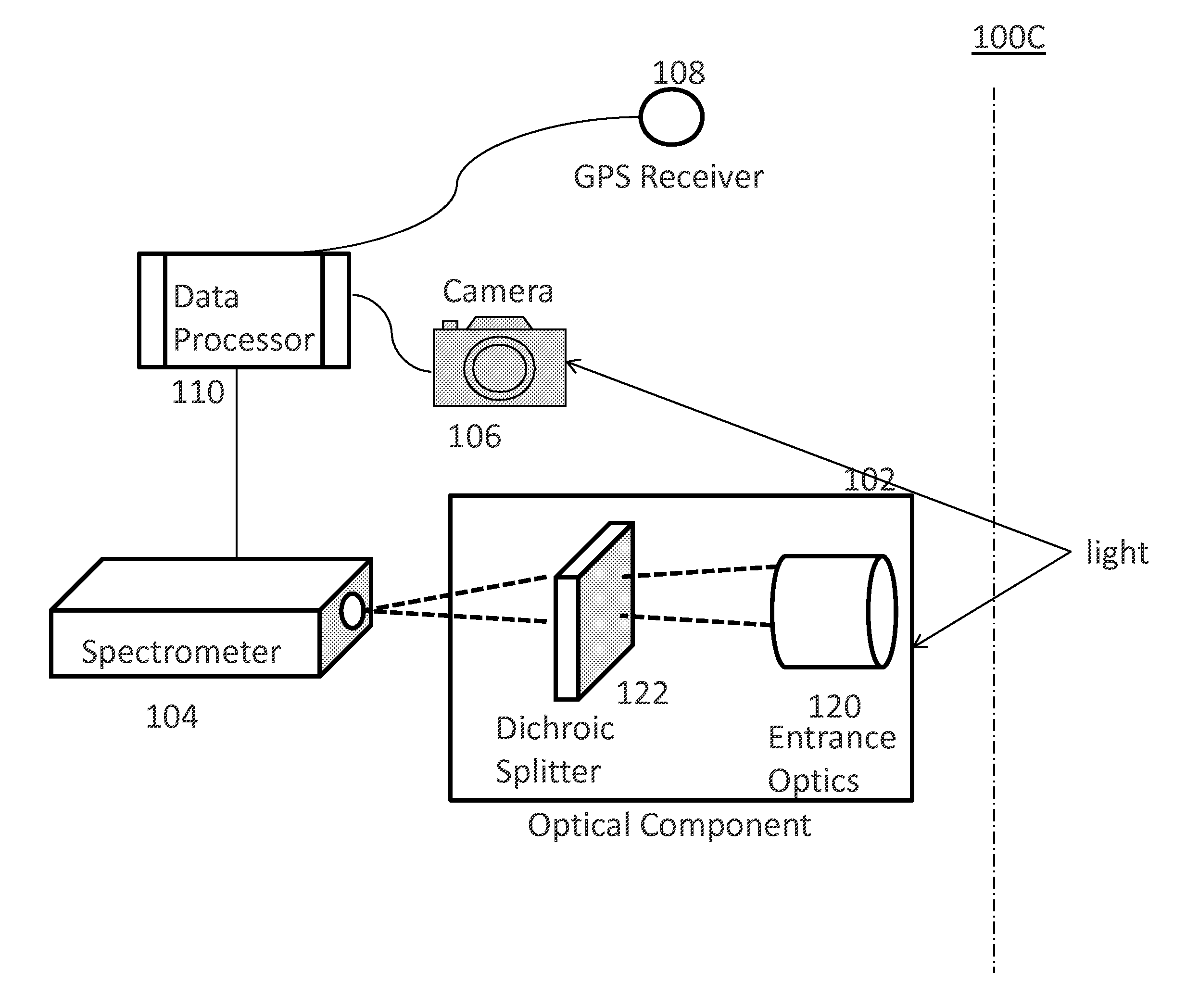
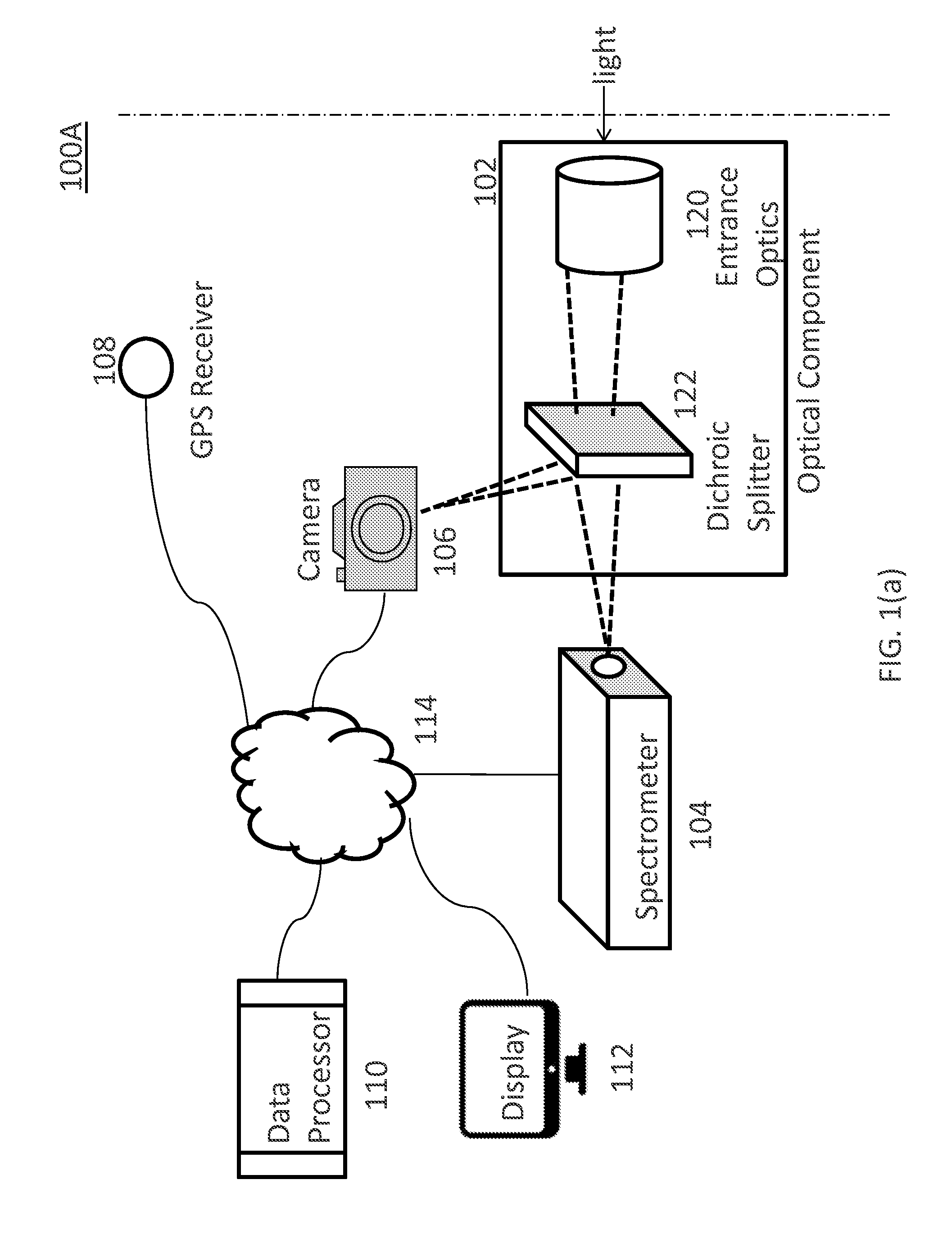
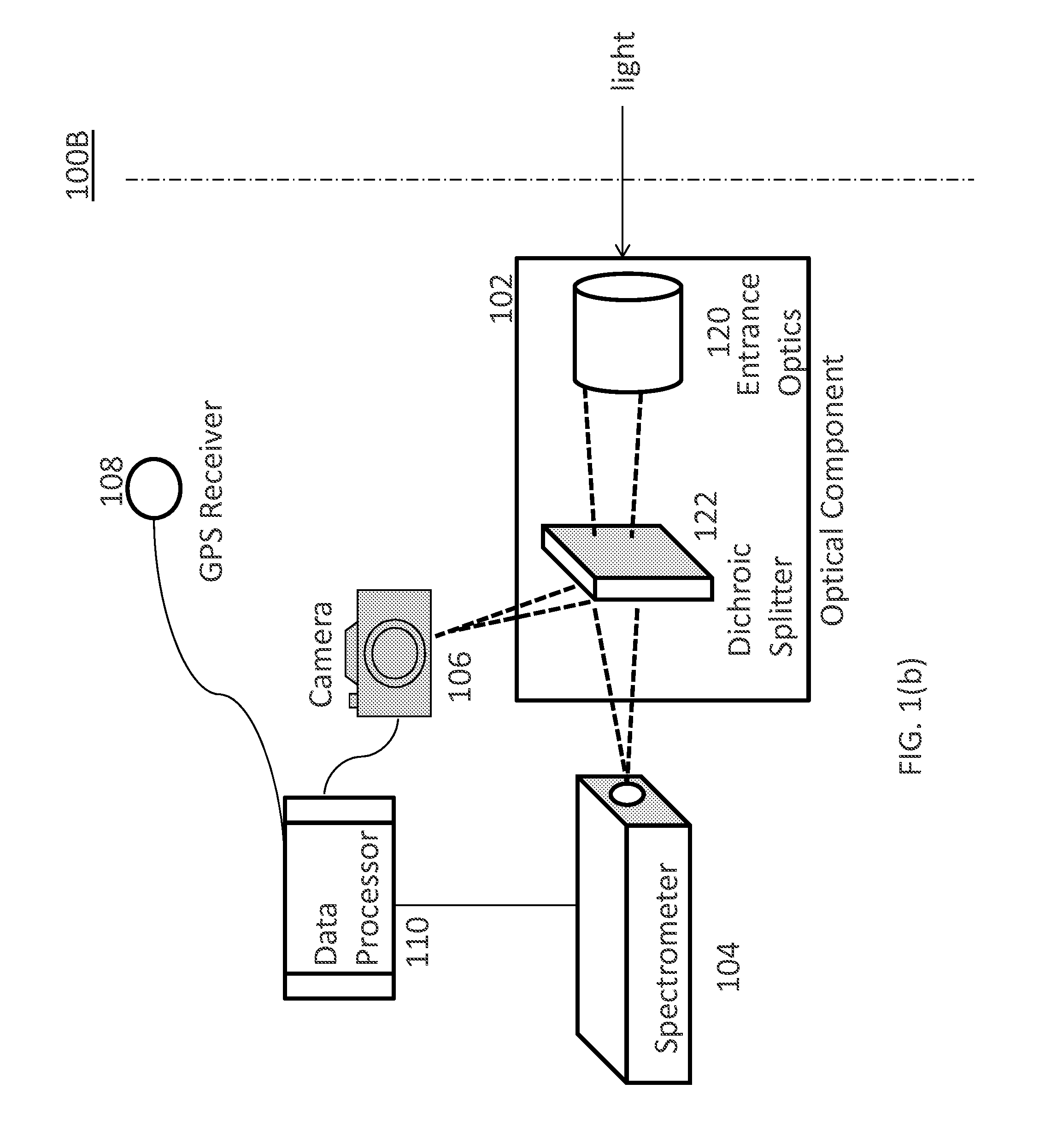
- A system utilizing an optical component, spectrometer, and data processor to analyze light absorption patterns and determine gas concentrations, enabling automated and precise detection of gas leaks through spectral data processing and comparison of absorption and reference power levels.

Safety Regulations and Standards for Gas Detection Systems
The regulatory landscape for gas detection systems in solidified gas leak mitigation applications is governed by a comprehensive framework of international, national, and industry-specific standards. These regulations establish fundamental safety requirements, performance criteria, and operational protocols that manufacturers and operators must adhere to when deploying advanced detection technologies for solidified gas environments.
International standards form the foundation of gas detection system regulations, with IEC 61508 providing the overarching functional safety framework for safety-related systems. This standard establishes Safety Integrity Levels (SIL) that define the probability of failure on demand for detection systems. For solidified gas applications, SIL 2 or SIL 3 ratings are typically required, depending on the risk assessment outcomes and potential consequences of undetected leaks.
The International Electrotechnical Commission's IEC 60079 series addresses equipment used in explosive atmospheres, which is particularly relevant for solidified gas detection systems operating in hazardous environments. These standards specify construction requirements, testing procedures, and certification processes for detection equipment that may encounter flammable gas concentrations during leak events.
Regional regulatory bodies have developed complementary standards that address specific operational contexts. The European Union's ATEX Directive 2014/34/EU mandates conformity assessment procedures for equipment intended for use in potentially explosive atmospheres. Similarly, North American standards such as ANSI/ISA-12.13.01 and CSA C22.2 provide detailed requirements for combustible gas detection systems, including response time specifications and alarm threshold settings.
Industry-specific regulations further refine safety requirements based on application contexts. The American Petroleum Institute's API RP 55 offers recommended practices for gas detection systems in oil and gas facilities, while NFPA 72 addresses fire alarm and signaling systems that often integrate with gas detection networks. These standards specify installation requirements, maintenance protocols, and system integration guidelines that ensure reliable operation in solidified gas leak scenarios.
Emerging regulatory trends reflect the increasing sophistication of detection technologies, with recent updates addressing wireless communication protocols, artificial intelligence integration, and predictive maintenance capabilities. Regulatory bodies are developing new certification frameworks that accommodate these advanced features while maintaining stringent safety performance requirements essential for effective solidified gas leak mitigation.
International standards form the foundation of gas detection system regulations, with IEC 61508 providing the overarching functional safety framework for safety-related systems. This standard establishes Safety Integrity Levels (SIL) that define the probability of failure on demand for detection systems. For solidified gas applications, SIL 2 or SIL 3 ratings are typically required, depending on the risk assessment outcomes and potential consequences of undetected leaks.
The International Electrotechnical Commission's IEC 60079 series addresses equipment used in explosive atmospheres, which is particularly relevant for solidified gas detection systems operating in hazardous environments. These standards specify construction requirements, testing procedures, and certification processes for detection equipment that may encounter flammable gas concentrations during leak events.
Regional regulatory bodies have developed complementary standards that address specific operational contexts. The European Union's ATEX Directive 2014/34/EU mandates conformity assessment procedures for equipment intended for use in potentially explosive atmospheres. Similarly, North American standards such as ANSI/ISA-12.13.01 and CSA C22.2 provide detailed requirements for combustible gas detection systems, including response time specifications and alarm threshold settings.
Industry-specific regulations further refine safety requirements based on application contexts. The American Petroleum Institute's API RP 55 offers recommended practices for gas detection systems in oil and gas facilities, while NFPA 72 addresses fire alarm and signaling systems that often integrate with gas detection networks. These standards specify installation requirements, maintenance protocols, and system integration guidelines that ensure reliable operation in solidified gas leak scenarios.
Emerging regulatory trends reflect the increasing sophistication of detection technologies, with recent updates addressing wireless communication protocols, artificial intelligence integration, and predictive maintenance capabilities. Regulatory bodies are developing new certification frameworks that accommodate these advanced features while maintaining stringent safety performance requirements essential for effective solidified gas leak mitigation.
Environmental Impact Assessment of Gas Leak Technologies
The environmental implications of gas leak detection technologies represent a critical consideration in the development and deployment of advanced solidified gas leak mitigation systems. Traditional detection methods often rely on energy-intensive processes and materials that may pose secondary environmental risks, necessitating a comprehensive assessment of their ecological footprint throughout the technology lifecycle.
Advanced detection technologies for solidified gas leaks demonstrate varying degrees of environmental impact depending on their operational mechanisms. Optical-based detection systems, including infrared cameras and laser absorption spectroscopy, generally exhibit lower environmental footprints due to their non-invasive nature and reduced chemical reagent requirements. These systems primarily consume electrical energy and produce minimal waste streams, making them environmentally favorable options for continuous monitoring applications.
Conversely, chemical sensor-based detection methods may introduce environmental concerns through the use of reactive materials and potential generation of hazardous byproducts. Metal oxide sensors, while highly sensitive to specific gas compounds, require elevated operating temperatures that increase energy consumption and may necessitate periodic replacement, contributing to electronic waste generation. The manufacturing processes for these sensors often involve rare earth elements and toxic materials, raising concerns about resource depletion and production-related environmental impacts.
The deployment scale significantly influences the overall environmental assessment of gas leak detection technologies. Large-scale industrial implementations require extensive infrastructure development, including power distribution networks, data transmission systems, and maintenance facilities. These installations may disrupt local ecosystems during construction phases and contribute to ongoing electromagnetic emissions that could affect sensitive environmental monitoring equipment in surrounding areas.
Lifecycle analysis reveals that the environmental benefits of preventing gas leaks through advanced detection often outweigh the negative impacts associated with technology deployment. Prevented emissions of greenhouse gases and toxic compounds represent substantial environmental gains, particularly when considering the long-term atmospheric persistence of many industrial gases. However, the manufacturing, operation, and end-of-life disposal phases of detection equipment must be carefully managed to minimize adverse environmental consequences.
Emerging detection technologies incorporating artificial intelligence and machine learning algorithms present unique environmental considerations. While these systems can optimize detection accuracy and reduce false positives, they require significant computational resources that translate to increased energy consumption. Cloud-based processing solutions may distribute this environmental burden across multiple data centers, potentially improving overall efficiency through economies of scale.
Advanced detection technologies for solidified gas leaks demonstrate varying degrees of environmental impact depending on their operational mechanisms. Optical-based detection systems, including infrared cameras and laser absorption spectroscopy, generally exhibit lower environmental footprints due to their non-invasive nature and reduced chemical reagent requirements. These systems primarily consume electrical energy and produce minimal waste streams, making them environmentally favorable options for continuous monitoring applications.
Conversely, chemical sensor-based detection methods may introduce environmental concerns through the use of reactive materials and potential generation of hazardous byproducts. Metal oxide sensors, while highly sensitive to specific gas compounds, require elevated operating temperatures that increase energy consumption and may necessitate periodic replacement, contributing to electronic waste generation. The manufacturing processes for these sensors often involve rare earth elements and toxic materials, raising concerns about resource depletion and production-related environmental impacts.
The deployment scale significantly influences the overall environmental assessment of gas leak detection technologies. Large-scale industrial implementations require extensive infrastructure development, including power distribution networks, data transmission systems, and maintenance facilities. These installations may disrupt local ecosystems during construction phases and contribute to ongoing electromagnetic emissions that could affect sensitive environmental monitoring equipment in surrounding areas.
Lifecycle analysis reveals that the environmental benefits of preventing gas leaks through advanced detection often outweigh the negative impacts associated with technology deployment. Prevented emissions of greenhouse gases and toxic compounds represent substantial environmental gains, particularly when considering the long-term atmospheric persistence of many industrial gases. However, the manufacturing, operation, and end-of-life disposal phases of detection equipment must be carefully managed to minimize adverse environmental consequences.
Emerging detection technologies incorporating artificial intelligence and machine learning algorithms present unique environmental considerations. While these systems can optimize detection accuracy and reduce false positives, they require significant computational resources that translate to increased energy consumption. Cloud-based processing solutions may distribute this environmental burden across multiple data centers, potentially improving overall efficiency through economies of scale.
Unlock deeper insights with Patsnap Eureka Quick Research — get a full tech report to explore trends and direct your research. Try now!
Generate Your Research Report Instantly with AI Agent
Supercharge your innovation with Patsnap Eureka AI Agent Platform!