Specifying Aerogel Insulation For Specialized Laboratory Use
APR 8, 20269 MIN READ
Generate Your Research Report Instantly with AI Agent
PatSnap Eureka helps you evaluate technical feasibility & market potential.
Aerogel Insulation Lab Applications Background and Objectives
Aerogel insulation represents a revolutionary advancement in thermal management technology, emerging from decades of materials science research that began with silica aerogels in the 1930s. Originally developed for aerospace applications, aerogels have evolved into sophisticated insulation solutions characterized by their ultra-low thermal conductivity, exceptional porosity exceeding 90%, and remarkable lightweight properties. The unique nanostructure of aerogels, consisting of interconnected silica particles forming a three-dimensional network, creates an insulation material with thermal conductivity values as low as 0.013 W/m·K.
The laboratory environment presents unique challenges that distinguish it from conventional building insulation requirements. Specialized laboratory applications demand insulation materials that can withstand extreme temperature variations, maintain dimensional stability under thermal cycling, and provide consistent performance in controlled atmospheric conditions. Traditional insulation materials often fail to meet the stringent requirements of precision laboratory equipment, cryogenic systems, and high-temperature research apparatus.
Current technological trends indicate a shift toward hybrid aerogel formulations that combine silica-based matrices with polymer reinforcements or fiber batting to enhance mechanical properties while preserving thermal performance. Advanced manufacturing techniques, including ambient pressure drying and supercritical extraction methods, have significantly reduced production costs and improved material consistency. These developments have made aerogel insulation increasingly viable for specialized laboratory applications where performance requirements justify premium material costs.
The primary objective of implementing aerogel insulation in laboratory settings centers on achieving superior thermal isolation while minimizing space constraints and weight considerations. Laboratory equipment often operates within narrow temperature tolerances, requiring insulation systems that can maintain stable thermal environments with minimal thickness. Aerogel insulation enables compact system designs while providing thermal performance equivalent to conventional materials at significantly reduced thicknesses.
Secondary objectives include enhancing energy efficiency in laboratory operations, reducing thermal bridging effects in complex geometries, and providing long-term stability under demanding operational conditions. The hydrophobic properties of treated aerogels offer additional advantages in humid laboratory environments, preventing moisture-related performance degradation that commonly affects traditional insulation materials.
Future development trajectories focus on customizable aerogel formulations tailored to specific laboratory applications, including enhanced fire resistance for safety-critical environments, improved mechanical durability for high-vibration applications, and specialized surface treatments for chemical compatibility. These advancements aim to establish aerogel insulation as the preferred solution for next-generation laboratory thermal management systems.
The laboratory environment presents unique challenges that distinguish it from conventional building insulation requirements. Specialized laboratory applications demand insulation materials that can withstand extreme temperature variations, maintain dimensional stability under thermal cycling, and provide consistent performance in controlled atmospheric conditions. Traditional insulation materials often fail to meet the stringent requirements of precision laboratory equipment, cryogenic systems, and high-temperature research apparatus.
Current technological trends indicate a shift toward hybrid aerogel formulations that combine silica-based matrices with polymer reinforcements or fiber batting to enhance mechanical properties while preserving thermal performance. Advanced manufacturing techniques, including ambient pressure drying and supercritical extraction methods, have significantly reduced production costs and improved material consistency. These developments have made aerogel insulation increasingly viable for specialized laboratory applications where performance requirements justify premium material costs.
The primary objective of implementing aerogel insulation in laboratory settings centers on achieving superior thermal isolation while minimizing space constraints and weight considerations. Laboratory equipment often operates within narrow temperature tolerances, requiring insulation systems that can maintain stable thermal environments with minimal thickness. Aerogel insulation enables compact system designs while providing thermal performance equivalent to conventional materials at significantly reduced thicknesses.
Secondary objectives include enhancing energy efficiency in laboratory operations, reducing thermal bridging effects in complex geometries, and providing long-term stability under demanding operational conditions. The hydrophobic properties of treated aerogels offer additional advantages in humid laboratory environments, preventing moisture-related performance degradation that commonly affects traditional insulation materials.
Future development trajectories focus on customizable aerogel formulations tailored to specific laboratory applications, including enhanced fire resistance for safety-critical environments, improved mechanical durability for high-vibration applications, and specialized surface treatments for chemical compatibility. These advancements aim to establish aerogel insulation as the preferred solution for next-generation laboratory thermal management systems.
Market Demand for Specialized Laboratory Insulation Solutions
The specialized laboratory insulation market represents a critical segment within the broader industrial insulation industry, driven by increasingly stringent requirements for temperature control, energy efficiency, and safety protocols in research environments. Laboratory facilities across pharmaceutical, biotechnology, aerospace, and materials science sectors require insulation solutions that can maintain precise thermal conditions while withstanding extreme temperature variations and chemical exposures.
Current market dynamics indicate robust growth in demand for high-performance insulation materials, particularly in cryogenic applications, high-temperature furnaces, and cleanroom environments. The expansion of research and development activities globally, coupled with stricter regulatory requirements for laboratory safety and environmental control, has created substantial opportunities for advanced insulation technologies.
Aerogel insulation has emerged as a preferred solution for specialized laboratory applications due to its exceptional thermal performance characteristics. The material's ultra-low thermal conductivity, combined with its ability to function across extreme temperature ranges, addresses critical challenges in laboratory thermal management. Research facilities increasingly recognize aerogel's value proposition in applications requiring minimal thickness insulation, space-constrained installations, and superior fire resistance properties.
The pharmaceutical and biotechnology sectors represent particularly strong demand drivers, where precise temperature control is essential for drug development, vaccine storage, and biological sample preservation. These industries require insulation solutions that can maintain stable conditions while minimizing contamination risks and supporting cleanroom protocols.
Emerging applications in quantum computing laboratories, advanced materials research facilities, and space simulation chambers are creating new market segments with highly specialized insulation requirements. These applications demand materials capable of performing under extreme conditions while maintaining dimensional stability and chemical inertness.
Geographic demand patterns show concentration in regions with significant research infrastructure investments, including North America, Europe, and Asia-Pacific markets. Government funding for scientific research, coupled with private sector investment in laboratory facilities, continues to drive market expansion across these regions.
The market also reflects growing emphasis on sustainability and energy efficiency in laboratory operations. Facility managers increasingly seek insulation solutions that reduce energy consumption while meeting performance requirements, creating opportunities for materials that combine superior thermal properties with environmental benefits.
Current market dynamics indicate robust growth in demand for high-performance insulation materials, particularly in cryogenic applications, high-temperature furnaces, and cleanroom environments. The expansion of research and development activities globally, coupled with stricter regulatory requirements for laboratory safety and environmental control, has created substantial opportunities for advanced insulation technologies.
Aerogel insulation has emerged as a preferred solution for specialized laboratory applications due to its exceptional thermal performance characteristics. The material's ultra-low thermal conductivity, combined with its ability to function across extreme temperature ranges, addresses critical challenges in laboratory thermal management. Research facilities increasingly recognize aerogel's value proposition in applications requiring minimal thickness insulation, space-constrained installations, and superior fire resistance properties.
The pharmaceutical and biotechnology sectors represent particularly strong demand drivers, where precise temperature control is essential for drug development, vaccine storage, and biological sample preservation. These industries require insulation solutions that can maintain stable conditions while minimizing contamination risks and supporting cleanroom protocols.
Emerging applications in quantum computing laboratories, advanced materials research facilities, and space simulation chambers are creating new market segments with highly specialized insulation requirements. These applications demand materials capable of performing under extreme conditions while maintaining dimensional stability and chemical inertness.
Geographic demand patterns show concentration in regions with significant research infrastructure investments, including North America, Europe, and Asia-Pacific markets. Government funding for scientific research, coupled with private sector investment in laboratory facilities, continues to drive market expansion across these regions.
The market also reflects growing emphasis on sustainability and energy efficiency in laboratory operations. Facility managers increasingly seek insulation solutions that reduce energy consumption while meeting performance requirements, creating opportunities for materials that combine superior thermal properties with environmental benefits.
Current State and Challenges of Aerogel Insulation Technology
Aerogel insulation technology has achieved remarkable progress in recent decades, establishing itself as one of the most effective thermal insulation materials available. Currently, silica aerogels dominate the market due to their exceptional thermal properties, with thermal conductivities as low as 0.013 W/m·K in ambient conditions. These materials exhibit porosity levels exceeding 90% and surface areas reaching up to 1000 m²/g, making them ideal for applications requiring superior insulation performance within minimal space constraints.
The manufacturing landscape is primarily divided between ambient pressure drying and supercritical drying processes. Supercritical drying produces higher quality aerogels with better structural integrity but requires significant capital investment and energy consumption. Ambient pressure drying has emerged as a more cost-effective alternative, though it often results in slightly compromised thermal performance and mechanical properties.
In specialized laboratory applications, aerogel insulation faces several critical challenges that limit widespread adoption. The primary obstacle remains the material's inherent brittleness and poor mechanical strength, which creates difficulties in handling, installation, and long-term durability. Laboratory environments often require frequent equipment modifications and maintenance access, making fragile insulation materials problematic for practical implementation.
Cost considerations present another significant barrier, particularly for large-scale laboratory installations. High-performance aerogel blankets can cost 10-20 times more than conventional insulation materials, creating budget constraints for research institutions. The specialized manufacturing processes and limited production volumes contribute to these elevated costs, though economies of scale are gradually improving market accessibility.
Moisture sensitivity represents a critical technical challenge for laboratory applications. Pure silica aerogels are hydrophilic, leading to performance degradation when exposed to humid conditions common in many laboratory environments. While hydrophobic treatments exist, they often compromise other desirable properties and add complexity to the manufacturing process.
Temperature stability limitations also constrain aerogel applications in specialized laboratory settings. Standard silica aerogels begin experiencing structural changes above 400°C, limiting their use in high-temperature research applications. Advanced formulations incorporating ceramic or carbon-based aerogels offer improved temperature resistance but at significantly higher costs and reduced availability.
Installation and integration challenges persist due to the unique handling requirements of aerogel materials. Traditional insulation installation techniques are often incompatible with aerogel products, requiring specialized training and modified procedures. The dust generation during handling poses additional concerns in sensitive laboratory environments where contamination control is critical.
Quality consistency and standardization remain ongoing challenges, particularly for specialized laboratory applications requiring precise thermal performance specifications. Variations in manufacturing processes can result in significant property differences between batches, complicating specification and procurement processes for laboratory designers and facility managers.
The manufacturing landscape is primarily divided between ambient pressure drying and supercritical drying processes. Supercritical drying produces higher quality aerogels with better structural integrity but requires significant capital investment and energy consumption. Ambient pressure drying has emerged as a more cost-effective alternative, though it often results in slightly compromised thermal performance and mechanical properties.
In specialized laboratory applications, aerogel insulation faces several critical challenges that limit widespread adoption. The primary obstacle remains the material's inherent brittleness and poor mechanical strength, which creates difficulties in handling, installation, and long-term durability. Laboratory environments often require frequent equipment modifications and maintenance access, making fragile insulation materials problematic for practical implementation.
Cost considerations present another significant barrier, particularly for large-scale laboratory installations. High-performance aerogel blankets can cost 10-20 times more than conventional insulation materials, creating budget constraints for research institutions. The specialized manufacturing processes and limited production volumes contribute to these elevated costs, though economies of scale are gradually improving market accessibility.
Moisture sensitivity represents a critical technical challenge for laboratory applications. Pure silica aerogels are hydrophilic, leading to performance degradation when exposed to humid conditions common in many laboratory environments. While hydrophobic treatments exist, they often compromise other desirable properties and add complexity to the manufacturing process.
Temperature stability limitations also constrain aerogel applications in specialized laboratory settings. Standard silica aerogels begin experiencing structural changes above 400°C, limiting their use in high-temperature research applications. Advanced formulations incorporating ceramic or carbon-based aerogels offer improved temperature resistance but at significantly higher costs and reduced availability.
Installation and integration challenges persist due to the unique handling requirements of aerogel materials. Traditional insulation installation techniques are often incompatible with aerogel products, requiring specialized training and modified procedures. The dust generation during handling poses additional concerns in sensitive laboratory environments where contamination control is critical.
Quality consistency and standardization remain ongoing challenges, particularly for specialized laboratory applications requiring precise thermal performance specifications. Variations in manufacturing processes can result in significant property differences between batches, complicating specification and procurement processes for laboratory designers and facility managers.
Existing Aerogel Specification Standards for Laboratory Use
01 Aerogel composite materials and manufacturing methods
Aerogel insulation materials can be enhanced through composite structures that combine aerogel with various substrates or reinforcing materials. Manufacturing methods focus on improving the structural integrity and handling properties of aerogel while maintaining its excellent thermal insulation characteristics. These composites may involve layered structures, fiber reinforcements, or matrix materials that provide mechanical support to the fragile aerogel structure.- Aerogel composite materials and manufacturing methods: Aerogel insulation materials can be enhanced through composite structures that combine aerogel with various substrates or reinforcing materials. Manufacturing methods focus on improving the structural integrity and handling properties of aerogel while maintaining its excellent thermal insulation characteristics. These composites may involve layered structures, fiber reinforcements, or matrix materials that provide mechanical support to the fragile aerogel structure.
- Aerogel blankets and flexible insulation products: Flexible aerogel-based insulation products are designed for applications requiring conformable and lightweight thermal barriers. These products typically incorporate aerogel particles or granules within fibrous matrices or flexible substrates to create blanket-like materials. The flexibility allows for easier installation in irregular spaces while providing superior insulation performance compared to traditional materials.
- Aerogel panels and rigid insulation systems: Rigid aerogel insulation panels are developed for applications requiring structural stability and high compressive strength. These systems often involve aerogel combined with binding agents or encapsulated within protective layers to create dimensionally stable panels. The rigid format is particularly suitable for building construction, industrial equipment insulation, and applications where load-bearing capacity is required.
- Aerogel production processes and precursor formulations: Advanced production techniques focus on optimizing the synthesis of aerogel materials through controlled sol-gel processes, supercritical drying methods, and precursor chemistry modifications. These processes aim to improve production efficiency, reduce costs, and enhance the physical properties of the resulting aerogel. Innovations include ambient pressure drying techniques and novel precursor formulations that enable better control over pore structure and density.
- Aerogel applications in specialized insulation systems: Specialized applications of aerogel insulation address specific industry needs such as cryogenic insulation, high-temperature environments, aerospace applications, and building energy efficiency. These systems may incorporate additional functional layers, vapor barriers, or protective coatings tailored to specific operating conditions. The ultra-low thermal conductivity of aerogel enables thinner insulation profiles compared to conventional materials.
02 Aerogel blankets and flexible insulation products
Flexible aerogel-based insulation products are designed for applications requiring conformable and lightweight thermal barriers. These products typically incorporate aerogel particles or granules within fibrous matrices to create blanket-like materials that can be easily installed in various configurations. The flexibility allows for use in irregular spaces and curved surfaces while providing superior insulation performance compared to traditional materials.Expand Specific Solutions03 Aerogel panels and rigid insulation systems
Rigid aerogel insulation panels are developed for applications requiring structural stability and high compressive strength. These systems often involve aerogel combined with binding agents or encapsulated within protective layers to create durable panels suitable for building construction, industrial equipment, and transportation applications. The rigid format facilitates installation and provides consistent thermal performance over large surface areas.Expand Specific Solutions04 Aerogel production processes and precursor formulations
Advanced production techniques focus on optimizing the synthesis of aerogel materials through controlled sol-gel processes, supercritical drying methods, and ambient pressure drying approaches. Precursor formulations are designed to achieve desired pore structures, density ranges, and thermal properties. Process improvements aim to reduce manufacturing costs, increase production scalability, and enhance the reproducibility of aerogel properties.Expand Specific Solutions05 Aerogel applications in specialized insulation systems
Specialized applications of aerogel insulation include high-temperature industrial equipment, cryogenic storage systems, aerospace components, and energy-efficient building envelopes. These applications leverage the unique properties of aerogel such as extremely low thermal conductivity, lightweight nature, and ability to perform in extreme temperature ranges. Integration methods are tailored to specific performance requirements and environmental conditions of each application domain.Expand Specific Solutions
Key Players in Aerogel Insulation and Laboratory Equipment Industry
The aerogel insulation market for specialized laboratory applications represents a mature yet evolving sector characterized by established industrial players and emerging technological innovations. The industry has progressed beyond early development stages, with companies like Aspen Aerogels and Cabot Corp leading commercial production alongside major chemical manufacturers including BASF Corp, Evonik Operations, and W.L. Gore & Associates. Market dynamics show strong diversification across aerospace (Boeing), automotive (BYD), and specialty applications, supported by substantial research infrastructure from institutions like Naval Research Laboratory, CNRS, and various universities. Technology maturity varies significantly, with established players like 3M Innovative Properties and Resonac Corp demonstrating proven manufacturing capabilities, while newer entrants such as Lukla focus on specialized applications. The competitive landscape reflects a consolidating market where traditional chemical companies leverage existing manufacturing expertise, research institutions drive innovation, and specialized firms target niche laboratory requirements, indicating robust market potential despite technical complexity.
Aspen Aerogels, Inc.
Technical Solution: Aspen Aerogels specializes in manufacturing high-performance silica aerogel insulation materials specifically designed for industrial and specialized applications. Their aerogel products feature ultra-low thermal conductivity (typically 0.013-0.015 W/m·K), exceptional temperature resistance up to 650°C, and hydrophobic properties that prevent moisture absorption. For laboratory applications, they offer flexible blanket forms and rigid panel configurations that provide superior insulation performance while maintaining structural integrity under varying temperature conditions. Their products are engineered to meet stringent safety standards and can be customized for specific laboratory requirements including chemical resistance and fire safety compliance.
Strengths: Market leader with proven commercial-scale production, excellent thermal performance, and established quality control systems. Weaknesses: Higher cost compared to traditional insulation materials and limited availability in some specialized configurations.
Cabot Corp.
Technical Solution: Cabot Corporation develops advanced aerogel materials through their specialty chemicals division, focusing on silica-based aerogel composites for high-performance insulation applications. Their technology platform combines proprietary sol-gel chemistry with supercritical drying processes to produce aerogels with controlled pore structures and enhanced mechanical properties. For laboratory use, they offer aerogel materials with tailored surface chemistry that can withstand extreme temperature fluctuations while maintaining dimensional stability. Their products feature low outgassing characteristics essential for sensitive laboratory environments and can be formulated to resist chemical degradation from common laboratory solvents and reagents.
Strengths: Strong materials science expertise, established manufacturing infrastructure, and ability to customize formulations. Weaknesses: Limited focus on laboratory-specific applications and longer lead times for specialized products.
Core Innovations in Aerogel Formulation and Performance
Sprayable Aerogel Insulation
PatentInactiveUS20080241490A1
Innovation
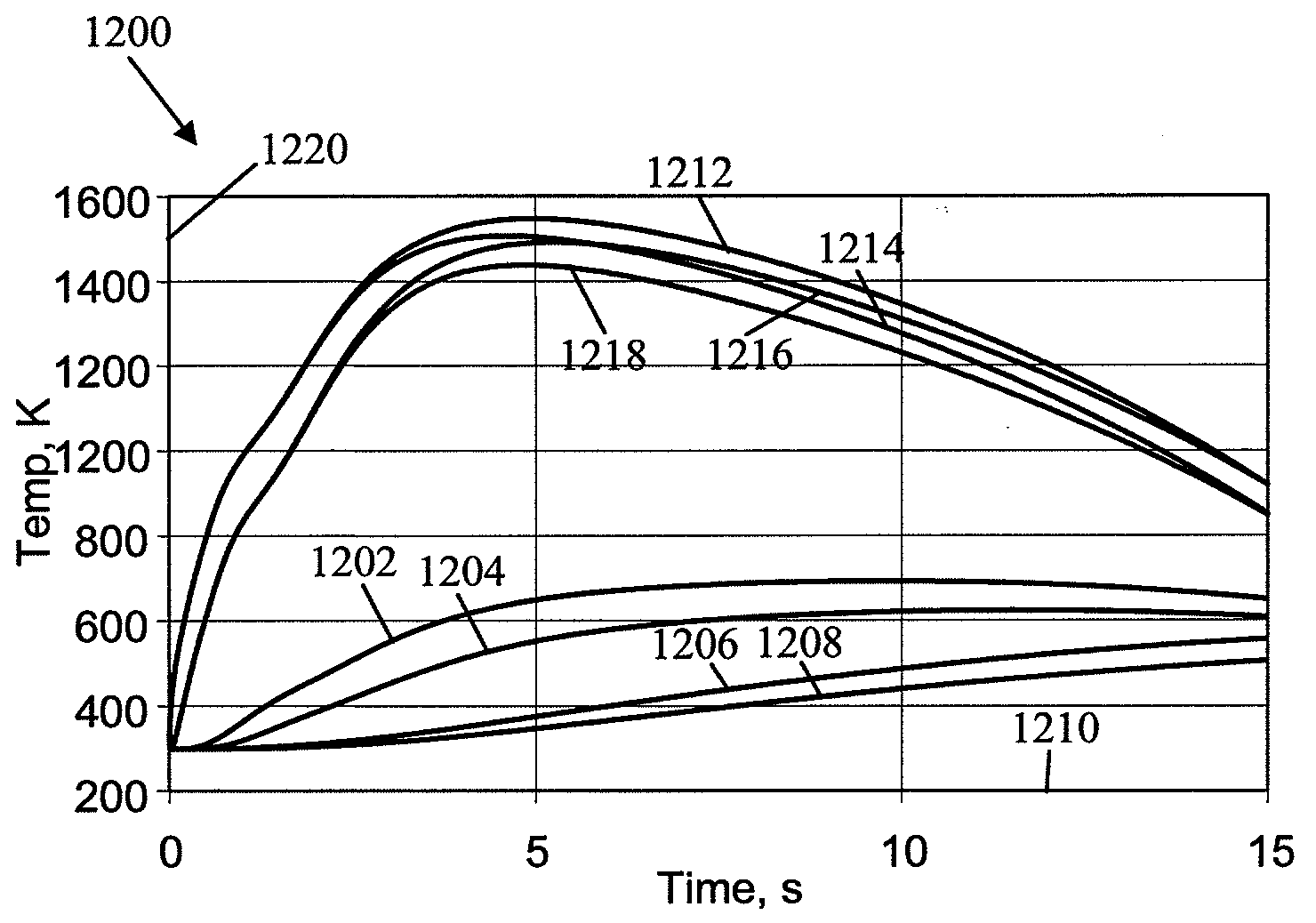
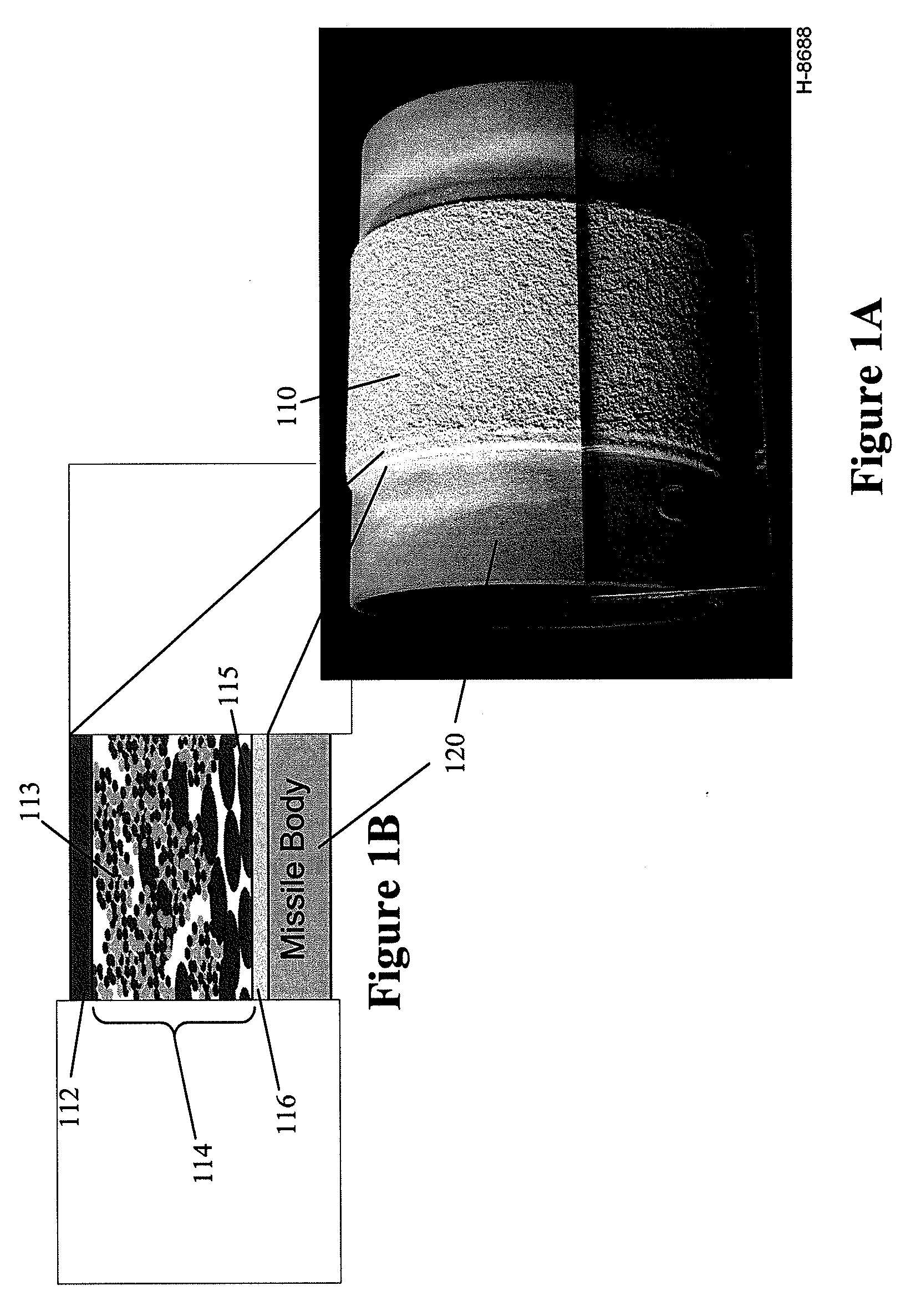
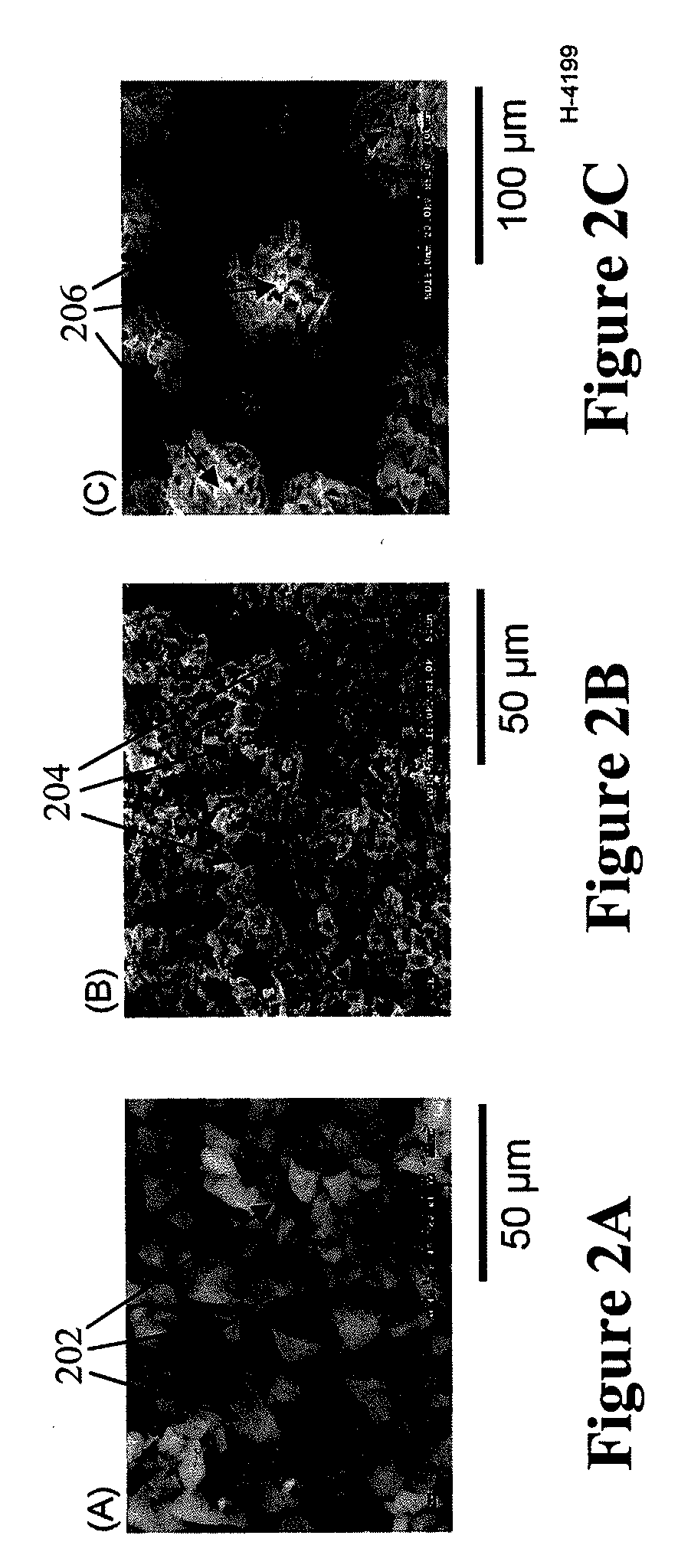
- A mechanically robust insulation structure is created by thermal spraying agglomerated aerogel particles combined with ceramic particles, which provides both mechanical integrity and insulation, using a graded or layered structure with controlled proportions of ceramic and aerogel materials, and employing thermal spraying technologies like plasma spraying.

Heat resistant aerogel insulation composite and method for its preparation;aerogel binder composition and method for its preparation
PatentInactiveEP1787716A1
Innovation
- A heat-resistant aerogel insulation composite is developed, comprising a hydrophobic aerogel particle-based insulation base layer with an aqueous binder and optionally a foaming agent, combined with a thermally reflective top layer containing a protective binder and an infrared reflecting agent, enhancing mechanical strength and thermal stability.


Safety Standards and Regulatory Requirements for Lab Insulation
Laboratory environments utilizing aerogel insulation must comply with stringent safety standards and regulatory frameworks that govern both material specifications and installation practices. The primary regulatory bodies overseeing laboratory insulation include OSHA (Occupational Safety and Health Administration), NFPA (National Fire Protection Association), and various international standards organizations such as ISO and ASTM. These entities establish comprehensive guidelines that address fire safety, chemical compatibility, and worker protection requirements specific to laboratory applications.
Fire safety regulations represent the most critical aspect of aerogel insulation compliance in laboratory settings. NFPA 45 (Standard on Fire Protection for Laboratories Using Chemicals) mandates specific flame spread ratings and smoke development indices for insulation materials. Aerogel insulation must typically achieve Class A fire ratings with flame spread indices below 25 and smoke development ratings under 450. Additionally, the material must demonstrate resistance to ignition from laboratory heat sources and maintain structural integrity during fire exposure.
Chemical compatibility standards require aerogel insulation to withstand exposure to various laboratory chemicals without degradation or toxic gas emission. ASTM E84 testing protocols evaluate material performance when exposed to acids, bases, solvents, and other common laboratory reagents. The insulation must maintain its thermal properties and structural stability while preventing chemical absorption that could create safety hazards or contamination risks.
Indoor air quality regulations, particularly those outlined in ASHRAE 62.1 and EPA guidelines, mandate low volatile organic compound (VOC) emissions from insulation materials. Aerogel products must undergo rigorous testing to demonstrate minimal off-gassing and compliance with green building standards such as LEED and GREENGUARD certifications. These requirements are especially stringent in laboratories where air quality directly impacts experimental accuracy and personnel health.
Installation and maintenance standards encompass proper handling procedures, protective equipment requirements, and long-term performance monitoring protocols. Regulatory compliance extends beyond material selection to include installer certification, documentation requirements, and periodic safety audits to ensure continued adherence to established safety benchmarks throughout the insulation system's operational lifecycle.
Fire safety regulations represent the most critical aspect of aerogel insulation compliance in laboratory settings. NFPA 45 (Standard on Fire Protection for Laboratories Using Chemicals) mandates specific flame spread ratings and smoke development indices for insulation materials. Aerogel insulation must typically achieve Class A fire ratings with flame spread indices below 25 and smoke development ratings under 450. Additionally, the material must demonstrate resistance to ignition from laboratory heat sources and maintain structural integrity during fire exposure.
Chemical compatibility standards require aerogel insulation to withstand exposure to various laboratory chemicals without degradation or toxic gas emission. ASTM E84 testing protocols evaluate material performance when exposed to acids, bases, solvents, and other common laboratory reagents. The insulation must maintain its thermal properties and structural stability while preventing chemical absorption that could create safety hazards or contamination risks.
Indoor air quality regulations, particularly those outlined in ASHRAE 62.1 and EPA guidelines, mandate low volatile organic compound (VOC) emissions from insulation materials. Aerogel products must undergo rigorous testing to demonstrate minimal off-gassing and compliance with green building standards such as LEED and GREENGUARD certifications. These requirements are especially stringent in laboratories where air quality directly impacts experimental accuracy and personnel health.
Installation and maintenance standards encompass proper handling procedures, protective equipment requirements, and long-term performance monitoring protocols. Regulatory compliance extends beyond material selection to include installer certification, documentation requirements, and periodic safety audits to ensure continued adherence to established safety benchmarks throughout the insulation system's operational lifecycle.
Environmental Impact Assessment of Aerogel Manufacturing
The environmental implications of aerogel manufacturing present a complex landscape of both challenges and opportunities, particularly relevant when considering specialized laboratory applications. Traditional aerogel production methods, primarily based on silica precursors, involve significant solvent consumption and energy-intensive supercritical drying processes that contribute to substantial carbon footprints.
Manufacturing processes typically consume large quantities of organic solvents such as methanol, ethanol, and acetone during gel formation and solvent exchange phases. These solvents require careful handling, recovery, and disposal protocols to minimize environmental release. The supercritical drying stage, essential for maintaining aerogel's unique porous structure, demands high-pressure and high-temperature conditions that result in considerable energy consumption, often ranging from 15-25 kWh per kilogram of finished product.
Water usage represents another critical environmental consideration, as traditional sol-gel processes require substantial quantities for hydrolysis reactions and subsequent washing cycles. Industrial-scale production facilities typically consume 50-80 liters of water per kilogram of aerogel produced, generating wastewater streams containing residual precursors and catalysts that require treatment before discharge.
Recent developments in ambient pressure drying techniques and bio-based precursor materials offer promising pathways for reducing environmental impact. Alternative manufacturing approaches utilizing renewable feedstocks, such as cellulose-based aerogels, demonstrate potential for decreasing reliance on petroleum-derived chemicals while maintaining performance characteristics suitable for laboratory insulation applications.
Life cycle assessments indicate that aerogel's exceptional thermal performance can offset manufacturing environmental costs through reduced energy consumption during building operation phases. For specialized laboratory environments requiring precise temperature control, aerogel insulation's superior performance may justify higher production impacts through long-term energy savings and enhanced experimental precision.
Waste management strategies increasingly focus on aerogel recyclability and end-of-life processing. Silica-based aerogels can potentially be reprocessed or repurposed for alternative applications, though current recycling infrastructure remains limited. Development of circular economy approaches for aerogel materials represents an emerging area requiring further investigation to minimize overall environmental burden.
Manufacturing processes typically consume large quantities of organic solvents such as methanol, ethanol, and acetone during gel formation and solvent exchange phases. These solvents require careful handling, recovery, and disposal protocols to minimize environmental release. The supercritical drying stage, essential for maintaining aerogel's unique porous structure, demands high-pressure and high-temperature conditions that result in considerable energy consumption, often ranging from 15-25 kWh per kilogram of finished product.
Water usage represents another critical environmental consideration, as traditional sol-gel processes require substantial quantities for hydrolysis reactions and subsequent washing cycles. Industrial-scale production facilities typically consume 50-80 liters of water per kilogram of aerogel produced, generating wastewater streams containing residual precursors and catalysts that require treatment before discharge.
Recent developments in ambient pressure drying techniques and bio-based precursor materials offer promising pathways for reducing environmental impact. Alternative manufacturing approaches utilizing renewable feedstocks, such as cellulose-based aerogels, demonstrate potential for decreasing reliance on petroleum-derived chemicals while maintaining performance characteristics suitable for laboratory insulation applications.
Life cycle assessments indicate that aerogel's exceptional thermal performance can offset manufacturing environmental costs through reduced energy consumption during building operation phases. For specialized laboratory environments requiring precise temperature control, aerogel insulation's superior performance may justify higher production impacts through long-term energy savings and enhanced experimental precision.
Waste management strategies increasingly focus on aerogel recyclability and end-of-life processing. Silica-based aerogels can potentially be reprocessed or repurposed for alternative applications, though current recycling infrastructure remains limited. Development of circular economy approaches for aerogel materials represents an emerging area requiring further investigation to minimize overall environmental burden.
Unlock deeper insights with PatSnap Eureka Quick Research — get a full tech report to explore trends and direct your research. Try now!
Generate Your Research Report Instantly with AI Agent
Supercharge your innovation with PatSnap Eureka AI Agent Platform!