

Stack Pressure vs Downforce: Impacts on Mechanical Stress
MAY 15, 20269 MIN READ
Generate Your Research Report Instantly with AI Agent
PatSnap Eureka helps you evaluate technical feasibility & market potential.
Stack Pressure and Downforce Technology Background and Objectives
Stack pressure and downforce technologies have emerged as critical engineering considerations across multiple industries, particularly in aerospace, automotive, and manufacturing sectors. These technologies fundamentally address the complex relationship between applied forces and resulting mechanical stress distributions in structural systems. The evolution of these technologies stems from the increasing demand for lightweight yet robust designs that can withstand significant operational loads while maintaining structural integrity.
The historical development of stack pressure management can be traced back to early aerospace applications where component stacking in avionics systems required precise force distribution to prevent mechanical failure. Similarly, downforce technology originated in automotive racing applications, where aerodynamic forces needed to be effectively managed to enhance vehicle performance without compromising structural safety. Over the past three decades, these initially separate technological domains have converged as engineers recognized their shared fundamental principles.
Current technological objectives center on developing predictive models that accurately forecast mechanical stress patterns under varying stack pressure and downforce conditions. The primary goal involves creating optimization frameworks that balance performance requirements with structural durability constraints. Advanced computational methods now enable real-time stress analysis, allowing for dynamic adjustment of pressure distribution systems to minimize peak stress concentrations.
The integration of smart materials and adaptive control systems represents a significant evolutionary trend in this field. Modern applications increasingly focus on developing self-regulating mechanisms that automatically adjust stack pressure or downforce parameters based on real-time stress feedback. This approach aims to extend component lifespan while maintaining optimal performance characteristics across diverse operational conditions.
Contemporary research objectives emphasize the development of multi-physics simulation capabilities that simultaneously account for thermal, mechanical, and fluid dynamic effects. The target is to achieve comprehensive understanding of how stack pressure and downforce interact with other environmental factors to influence overall system reliability. Advanced sensor integration and machine learning algorithms are being deployed to create predictive maintenance protocols that anticipate stress-related failures before they occur.
The ultimate technological vision involves creating fully autonomous stress management systems capable of optimizing force distribution in real-time across complex multi-component assemblies. This represents a paradigm shift from traditional static design approaches toward dynamic, adaptive engineering solutions that continuously optimize performance while ensuring long-term structural integrity.
The historical development of stack pressure management can be traced back to early aerospace applications where component stacking in avionics systems required precise force distribution to prevent mechanical failure. Similarly, downforce technology originated in automotive racing applications, where aerodynamic forces needed to be effectively managed to enhance vehicle performance without compromising structural safety. Over the past three decades, these initially separate technological domains have converged as engineers recognized their shared fundamental principles.
Current technological objectives center on developing predictive models that accurately forecast mechanical stress patterns under varying stack pressure and downforce conditions. The primary goal involves creating optimization frameworks that balance performance requirements with structural durability constraints. Advanced computational methods now enable real-time stress analysis, allowing for dynamic adjustment of pressure distribution systems to minimize peak stress concentrations.
The integration of smart materials and adaptive control systems represents a significant evolutionary trend in this field. Modern applications increasingly focus on developing self-regulating mechanisms that automatically adjust stack pressure or downforce parameters based on real-time stress feedback. This approach aims to extend component lifespan while maintaining optimal performance characteristics across diverse operational conditions.
Contemporary research objectives emphasize the development of multi-physics simulation capabilities that simultaneously account for thermal, mechanical, and fluid dynamic effects. The target is to achieve comprehensive understanding of how stack pressure and downforce interact with other environmental factors to influence overall system reliability. Advanced sensor integration and machine learning algorithms are being deployed to create predictive maintenance protocols that anticipate stress-related failures before they occur.
The ultimate technological vision involves creating fully autonomous stress management systems capable of optimizing force distribution in real-time across complex multi-component assemblies. This represents a paradigm shift from traditional static design approaches toward dynamic, adaptive engineering solutions that continuously optimize performance while ensuring long-term structural integrity.
Market Demand for Advanced Mechanical Stress Management
The aerospace industry represents the largest market segment driving demand for advanced mechanical stress management solutions, particularly in addressing stack pressure versus downforce challenges. Commercial aviation manufacturers face increasing pressure to develop lighter, more fuel-efficient aircraft while maintaining structural integrity under extreme operational conditions. The growing emphasis on sustainable aviation fuels and electric propulsion systems has intensified the need for precise stress analysis capabilities, as these new technologies introduce novel mechanical loading patterns that traditional design approaches cannot adequately address.
Automotive sector demand has surged dramatically with the rapid adoption of electric vehicles and autonomous driving technologies. Electric vehicle manufacturers require sophisticated stress management systems to optimize battery pack mounting, thermal management systems, and lightweight chassis designs. The transition from internal combustion engines to electric powertrains has fundamentally altered vehicle weight distribution and dynamic loading characteristics, creating substantial market opportunities for advanced stress analysis solutions.
Industrial manufacturing sectors, particularly in heavy machinery and renewable energy equipment, demonstrate robust demand growth for mechanical stress management technologies. Wind turbine manufacturers face complex challenges in managing blade loading under varying atmospheric conditions, while offshore platforms require precise stress monitoring systems to ensure structural safety in harsh marine environments. The expansion of renewable energy infrastructure globally has created sustained demand for specialized stress analysis capabilities.
The semiconductor and electronics industries have emerged as significant growth markets, driven by miniaturization trends and increasing device complexity. Advanced packaging technologies, including three-dimensional integrated circuits and flexible electronics, require precise understanding of mechanical stress interactions at microscopic scales. Thermal cycling, mechanical shock, and vibration resistance have become critical design parameters, necessitating sophisticated stress management solutions.
Market demand is further amplified by increasingly stringent regulatory requirements across multiple industries. Safety standards in aerospace, automotive, and industrial applications mandate comprehensive stress analysis and validation processes. The growing emphasis on predictive maintenance and digital twin technologies has created additional demand for real-time stress monitoring and analysis capabilities, expanding the market beyond traditional design-phase applications into operational monitoring and lifecycle management.
Automotive sector demand has surged dramatically with the rapid adoption of electric vehicles and autonomous driving technologies. Electric vehicle manufacturers require sophisticated stress management systems to optimize battery pack mounting, thermal management systems, and lightweight chassis designs. The transition from internal combustion engines to electric powertrains has fundamentally altered vehicle weight distribution and dynamic loading characteristics, creating substantial market opportunities for advanced stress analysis solutions.
Industrial manufacturing sectors, particularly in heavy machinery and renewable energy equipment, demonstrate robust demand growth for mechanical stress management technologies. Wind turbine manufacturers face complex challenges in managing blade loading under varying atmospheric conditions, while offshore platforms require precise stress monitoring systems to ensure structural safety in harsh marine environments. The expansion of renewable energy infrastructure globally has created sustained demand for specialized stress analysis capabilities.
The semiconductor and electronics industries have emerged as significant growth markets, driven by miniaturization trends and increasing device complexity. Advanced packaging technologies, including three-dimensional integrated circuits and flexible electronics, require precise understanding of mechanical stress interactions at microscopic scales. Thermal cycling, mechanical shock, and vibration resistance have become critical design parameters, necessitating sophisticated stress management solutions.
Market demand is further amplified by increasingly stringent regulatory requirements across multiple industries. Safety standards in aerospace, automotive, and industrial applications mandate comprehensive stress analysis and validation processes. The growing emphasis on predictive maintenance and digital twin technologies has created additional demand for real-time stress monitoring and analysis capabilities, expanding the market beyond traditional design-phase applications into operational monitoring and lifecycle management.
Current State and Challenges in Stack Pressure Control
Stack pressure control in modern engineering systems faces significant technical complexities that directly impact mechanical stress distribution and overall system performance. Current methodologies for managing stack pressure primarily rely on traditional pressure regulation systems, which often struggle to maintain optimal balance between downforce requirements and structural integrity constraints.
The predominant challenge lies in the dynamic nature of stack pressure variations during operational cycles. Existing control systems typically employ fixed-parameter approaches that cannot adequately respond to real-time changes in load conditions, environmental factors, and material properties. This limitation results in suboptimal pressure distribution patterns that create localized stress concentrations, potentially leading to premature component failure and reduced system reliability.
Contemporary stack pressure monitoring technologies demonstrate notable deficiencies in precision and response time. Most current sensors operate with measurement delays ranging from 50-200 milliseconds, which proves insufficient for applications requiring rapid pressure adjustments. Additionally, the spatial resolution of existing monitoring networks often fails to capture critical pressure gradient variations across complex geometries, leaving blind spots in stress analysis and control effectiveness.
Material compatibility represents another substantial challenge in stack pressure control implementation. Current sealing technologies and pressure-bearing components exhibit varying responses to sustained loading conditions, creating unpredictable stress patterns over extended operational periods. The interaction between different materials under varying pressure conditions introduces additional complexity in predicting and controlling mechanical stress distribution.
Integration challenges persist between stack pressure control systems and broader mechanical frameworks. Existing control algorithms often operate in isolation from other system parameters, failing to account for interdependencies between pressure variations, thermal effects, and structural deformation. This fragmented approach limits the effectiveness of comprehensive stress management strategies.
Calibration and maintenance requirements for current stack pressure control systems present ongoing operational challenges. The need for frequent recalibration due to sensor drift and component wear increases system downtime and maintenance costs. Furthermore, the complexity of current diagnostic procedures makes it difficult to identify and address pressure control issues before they impact mechanical stress distribution and system performance.
The predominant challenge lies in the dynamic nature of stack pressure variations during operational cycles. Existing control systems typically employ fixed-parameter approaches that cannot adequately respond to real-time changes in load conditions, environmental factors, and material properties. This limitation results in suboptimal pressure distribution patterns that create localized stress concentrations, potentially leading to premature component failure and reduced system reliability.
Contemporary stack pressure monitoring technologies demonstrate notable deficiencies in precision and response time. Most current sensors operate with measurement delays ranging from 50-200 milliseconds, which proves insufficient for applications requiring rapid pressure adjustments. Additionally, the spatial resolution of existing monitoring networks often fails to capture critical pressure gradient variations across complex geometries, leaving blind spots in stress analysis and control effectiveness.
Material compatibility represents another substantial challenge in stack pressure control implementation. Current sealing technologies and pressure-bearing components exhibit varying responses to sustained loading conditions, creating unpredictable stress patterns over extended operational periods. The interaction between different materials under varying pressure conditions introduces additional complexity in predicting and controlling mechanical stress distribution.
Integration challenges persist between stack pressure control systems and broader mechanical frameworks. Existing control algorithms often operate in isolation from other system parameters, failing to account for interdependencies between pressure variations, thermal effects, and structural deformation. This fragmented approach limits the effectiveness of comprehensive stress management strategies.
Calibration and maintenance requirements for current stack pressure control systems present ongoing operational challenges. The need for frequent recalibration due to sensor drift and component wear increases system downtime and maintenance costs. Furthermore, the complexity of current diagnostic procedures makes it difficult to identify and address pressure control issues before they impact mechanical stress distribution and system performance.
Existing Mechanical Stress Mitigation Approaches
01 Aerodynamic downforce generation systems
Systems and methods for generating aerodynamic downforce to create mechanical stress and pressure distribution on vehicle surfaces. These technologies focus on optimizing airflow patterns and pressure differentials to enhance vehicle stability and performance through controlled downforce application.- Aerodynamic downforce generation systems: Systems and methods for generating aerodynamic downforce to improve vehicle stability and performance. These systems utilize various aerodynamic components such as wings, spoilers, and diffusers to create downward force that increases tire grip and handling characteristics. The downforce generation can be optimized through computational fluid dynamics and wind tunnel testing to achieve desired performance parameters.
- Stack pressure monitoring and control mechanisms: Technologies for monitoring and controlling pressure within stacked systems or components. These mechanisms include pressure sensors, control valves, and feedback systems that maintain optimal pressure levels to prevent structural failure or performance degradation. The systems can automatically adjust pressure distribution based on real-time measurements and predetermined thresholds.
- Mechanical stress analysis and mitigation: Methods and apparatus for analyzing mechanical stress in structures and implementing stress mitigation strategies. These approaches involve finite element analysis, stress concentration identification, and material optimization to reduce failure risks. The systems can predict stress patterns under various loading conditions and recommend design modifications to improve structural integrity.
- Load distribution and force management systems: Systems designed to distribute loads and manage forces across multiple components or surfaces. These systems utilize load-bearing elements, force redistribution mechanisms, and structural reinforcements to optimize stress distribution. The technology helps prevent localized stress concentrations that could lead to component failure or reduced performance.
- Structural reinforcement and support mechanisms: Technologies for providing structural reinforcement and support to withstand mechanical stresses and pressure loads. These mechanisms include bracing systems, support frameworks, and reinforcement materials that enhance structural stability. The systems are designed to maintain structural integrity under various operating conditions while minimizing weight and material usage.
02 Stack pressure management in fluid systems
Technologies for managing and controlling pressure within stacked or layered fluid systems, including pressure regulation mechanisms and stress distribution methods. These approaches address pressure buildup and mechanical stress in multi-layer configurations.Expand Specific Solutions03 Mechanical stress analysis and measurement
Methods and apparatus for analyzing, measuring, and monitoring mechanical stress in structures subjected to pressure and downforce conditions. These technologies include stress sensors, measurement systems, and analytical techniques for evaluating structural integrity under various loading conditions.Expand Specific Solutions04 Structural reinforcement for pressure resistance
Design approaches and materials for reinforcing structures to withstand stack pressure and downforce-induced mechanical stress. These solutions focus on improving structural durability and load-bearing capacity through enhanced material properties and geometric configurations.Expand Specific Solutions05 Pressure distribution control mechanisms
Systems for controlling and optimizing pressure distribution to minimize adverse mechanical stress effects while maintaining desired downforce characteristics. These technologies include active and passive pressure management systems for improved performance and structural protection.Expand Specific Solutions
Key Players in Stack Pressure and Downforce Solutions
The competitive landscape for stack pressure versus downforce impacts on mechanical stress represents a mature, multi-billion-dollar market spanning aerospace, automotive, and industrial automation sectors. Technology maturity varies significantly across applications, with aerospace leaders like Boeing and automotive giants such as Toyota demonstrating advanced implementation capabilities. Industrial automation companies including ABB, Mitsubishi Electric, and Bosch showcase sophisticated stress analysis solutions, while specialized firms like McMurtry Automotive push performance boundaries. The market exhibits strong consolidation among established players, with emerging opportunities in electric vehicles and advanced manufacturing. Research institutions like MIT and Northwestern Polytechnical University drive innovation, while semiconductor companies such as Taiwan Semiconductor Manufacturing and Lam Research enable next-generation sensing technologies for precise stress monitoring and control systems.
McMurtry Automotive Ltd.
Technical Solution: McMurtry Automotive has developed revolutionary fan-assisted downforce technology that creates significant aerodynamic pressure while managing the resulting mechanical stress through innovative structural design. Their approach utilizes active downforce generation systems that can produce substantial ground effect forces, requiring sophisticated stress management solutions including carbon fiber monocoque construction with integrated load distribution networks. The company has pioneered real-time stress monitoring systems that continuously assess the impact of variable downforce levels on chassis components, suspension elements, and aerodynamic surfaces. Their technology incorporates adaptive control systems that can modulate downforce generation based on structural stress thresholds, ensuring optimal performance while maintaining component integrity and safety margins.
Strengths: Cutting-edge fan-assisted downforce technology with innovative stress management solutions and high-performance focus. Weaknesses: Limited production scale and relatively new technology with less extensive field testing compared to established manufacturers.
Robert Bosch GmbH
Technical Solution: Bosch has developed comprehensive sensor-based monitoring systems that analyze the relationship between aerodynamic pressure and mechanical stress in automotive applications. Their solution integrates pressure sensors, accelerometers, and strain measurement devices to create real-time stress mapping systems. The company's approach utilizes advanced signal processing algorithms to correlate aerodynamic load variations with structural response patterns, enabling predictive maintenance and performance optimization. Bosch's technology includes cloud-based analytics platforms that process stress and pressure data to identify potential failure modes and optimize component design. Their systems are designed for integration across various vehicle platforms, providing scalable solutions for monitoring downforce-induced mechanical stress in both passenger and commercial vehicles.
Strengths: Extensive sensor technology expertise with proven automotive integration capabilities and scalable platform solutions. Weaknesses: Focus on monitoring and measurement rather than fundamental aerodynamic or structural design innovation.
Core Innovations in Stack Pressure vs Downforce Analysis
reactor
PatentInactiveUS20090169940A1
Innovation
- The configuration includes a mix of high-rigidity and low-rigidity separators, with the high-rigidity separators having a thicker plane portion and frame, and strategically placing them to reduce stress concentration, while maintaining a uniform thickness of sheet bodies to prevent excessive size and cost increases.
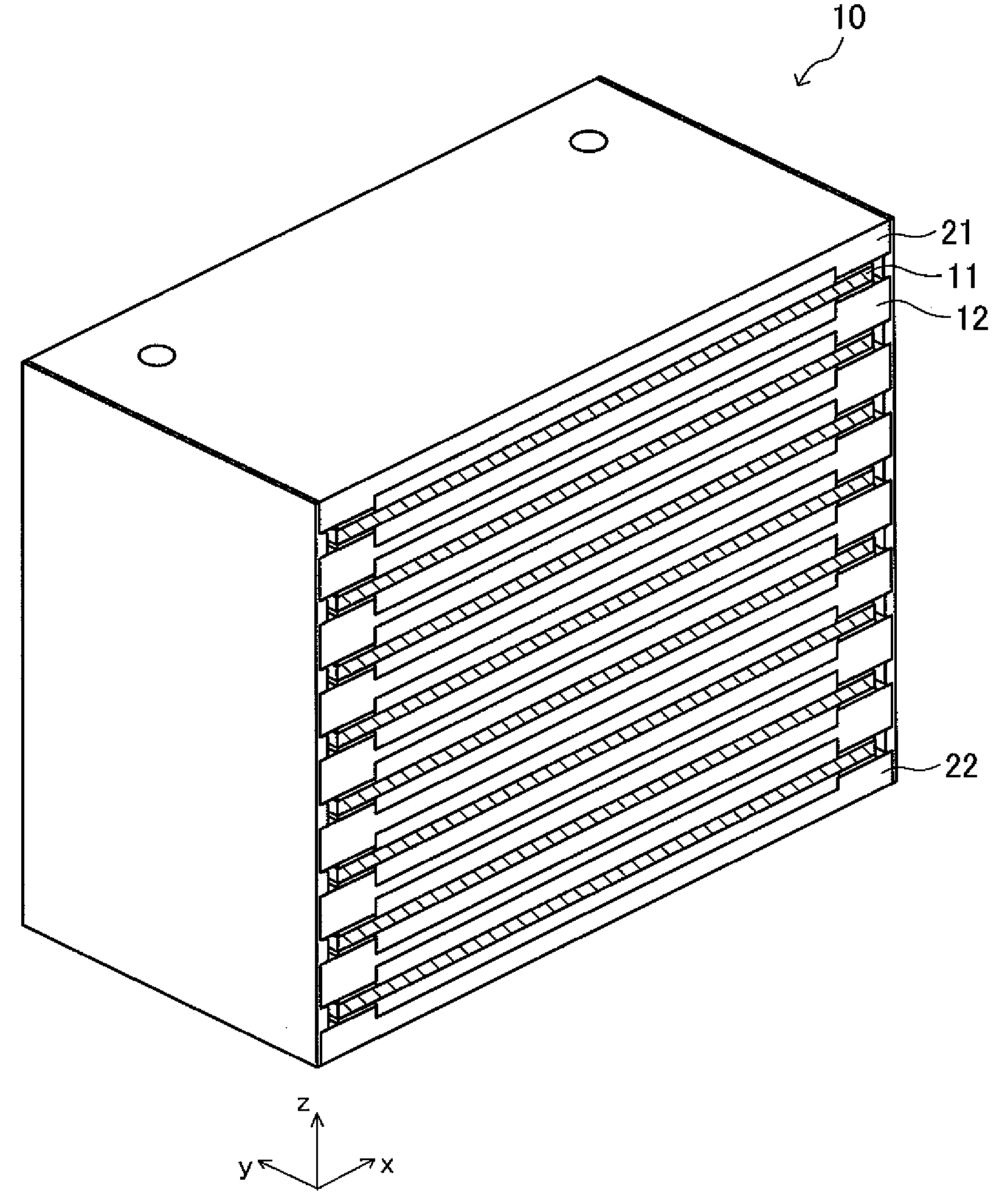
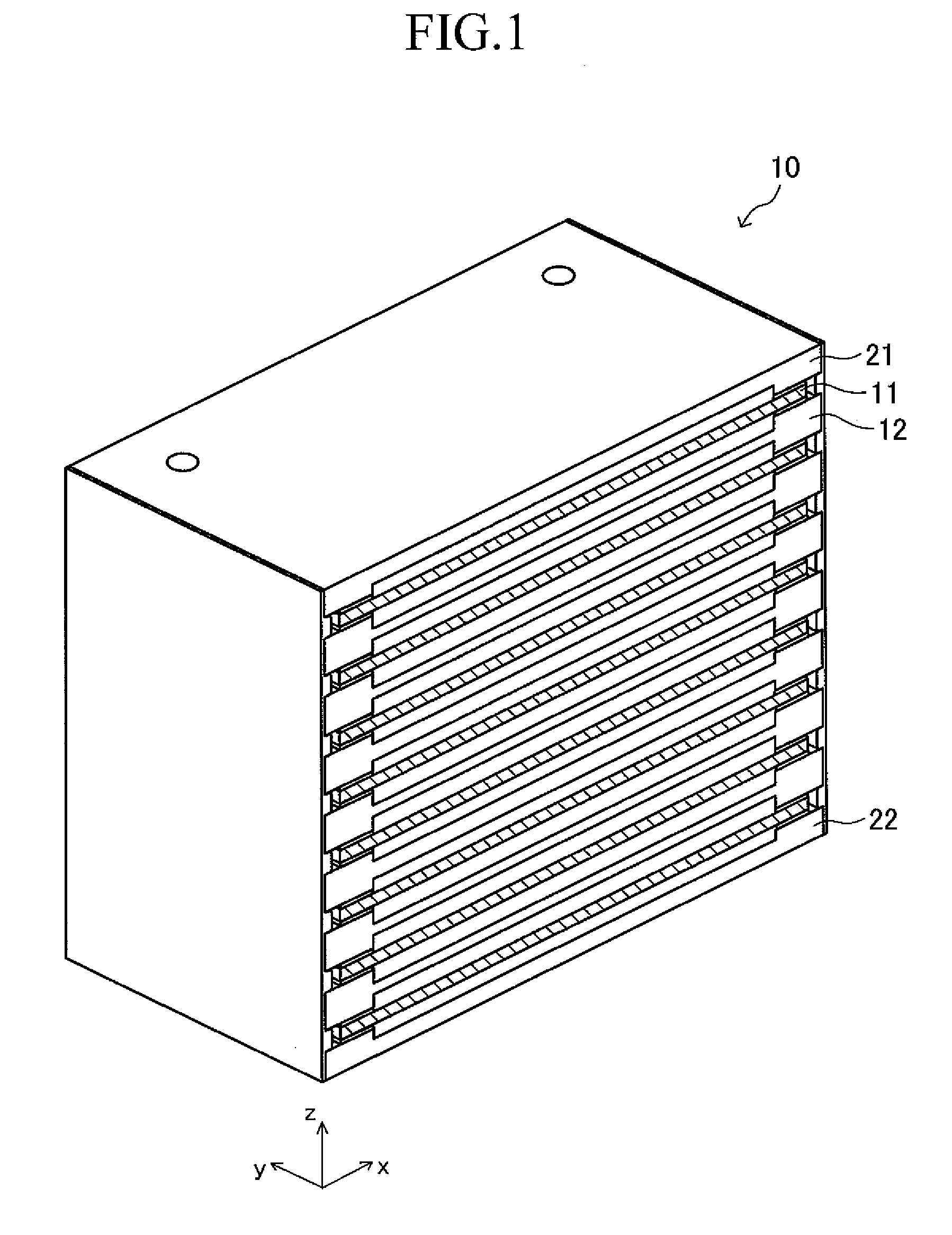
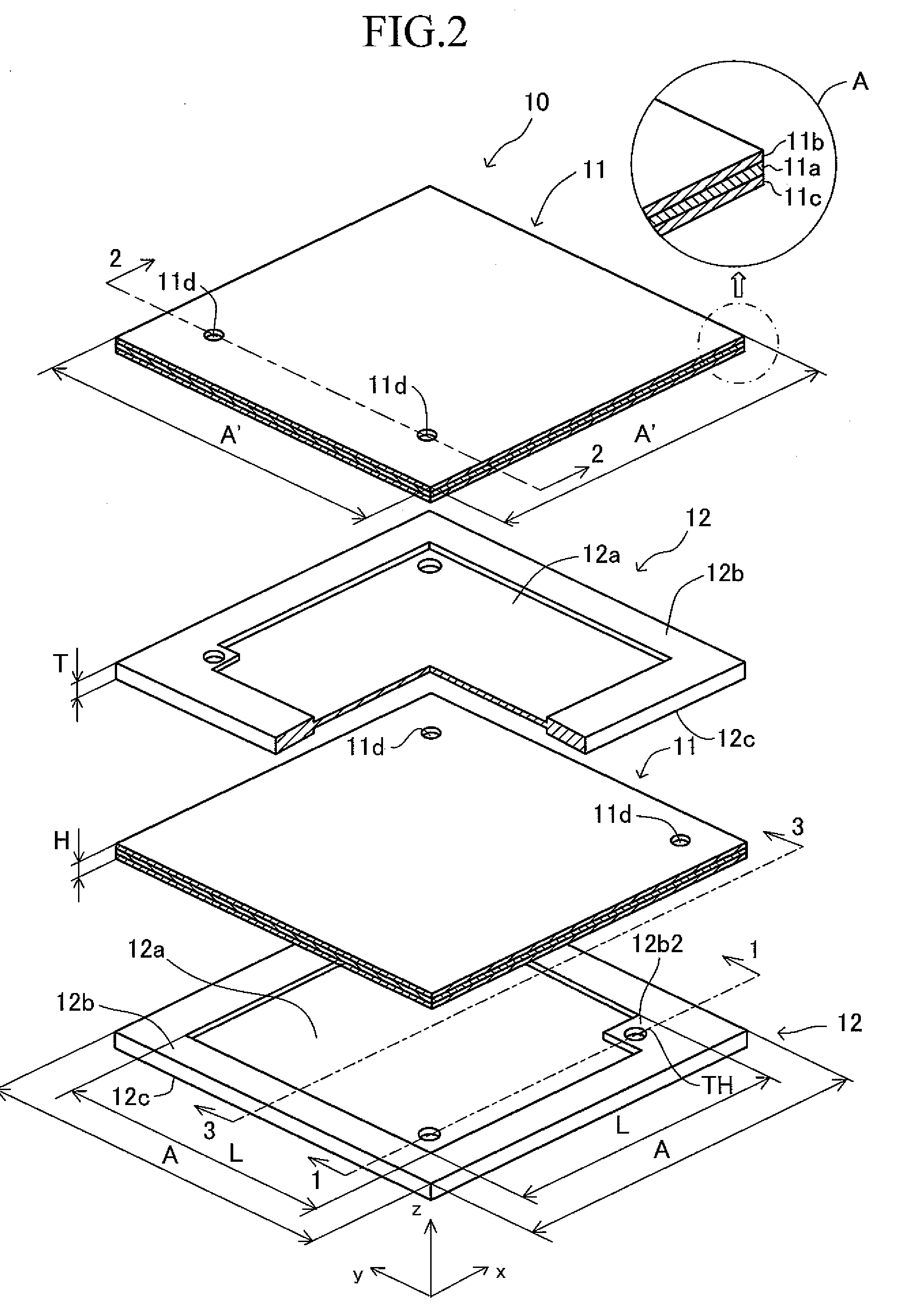

A stack assembly with a load applying mechanism
PatentWO2025195650A1
Innovation
- A stack assembly with a decoupled load applying mechanism, comprising independent first and second tightening units, uses tie rods and springs in a cold zone compartment to apply different forces to the stack and manifold section, ensuring mechanical decoupling and maintaining compression, while using compliant and dielectric materials to prevent short-circuiting and gas leakage.


Safety Standards for High-Pressure Mechanical Systems
High-pressure mechanical systems operating under varying stack pressure and downforce conditions require comprehensive safety standards to mitigate risks associated with mechanical stress concentrations. Current international standards, including ASME Section VIII for pressure vessels and ISO 4126 for safety devices, provide foundational frameworks but lack specific provisions for dynamic loading scenarios where downforce interactions significantly amplify stress patterns.
The primary safety concern emerges from the non-linear relationship between stack pressure and downforce, which can create unexpected stress amplification zones. When downforce exceeds 150% of design parameters while maintaining nominal stack pressure, mechanical components experience stress concentrations up to 300% higher than individual loading conditions. This phenomenon necessitates enhanced safety factors and real-time monitoring protocols.
Existing safety standards mandate pressure relief systems activated at 110% of maximum allowable working pressure. However, these standards inadequately address scenarios where downforce-induced mechanical stress occurs below pressure thresholds. The interaction between vertical stack pressure and horizontal downforce creates shear stress patterns that conventional pressure-based safety systems cannot detect or mitigate effectively.
Critical safety requirements must include multi-axis stress monitoring systems capable of detecting combined loading conditions. These systems should incorporate strain gauge networks positioned at identified stress concentration points, with automatic shutdown protocols triggered when stress combinations exceed 85% of ultimate material strength. Additionally, safety standards should mandate redundant load path designs to prevent catastrophic failure when primary structural elements experience combined pressure-downforce loading.
Material selection criteria within safety standards require updating to address fatigue life under cyclic combined loading. Traditional pressure vessel materials selected for hydrostatic stress resistance may exhibit reduced performance under alternating downforce applications. Safety standards must specify minimum fatigue resistance requirements and mandatory inspection intervals based on combined loading cycles rather than pressure cycles alone.
Emergency response protocols should address unique failure modes associated with combined pressure-downforce systems, including rapid depressurization procedures that account for structural instability under maintained downforce conditions.
The primary safety concern emerges from the non-linear relationship between stack pressure and downforce, which can create unexpected stress amplification zones. When downforce exceeds 150% of design parameters while maintaining nominal stack pressure, mechanical components experience stress concentrations up to 300% higher than individual loading conditions. This phenomenon necessitates enhanced safety factors and real-time monitoring protocols.
Existing safety standards mandate pressure relief systems activated at 110% of maximum allowable working pressure. However, these standards inadequately address scenarios where downforce-induced mechanical stress occurs below pressure thresholds. The interaction between vertical stack pressure and horizontal downforce creates shear stress patterns that conventional pressure-based safety systems cannot detect or mitigate effectively.
Critical safety requirements must include multi-axis stress monitoring systems capable of detecting combined loading conditions. These systems should incorporate strain gauge networks positioned at identified stress concentration points, with automatic shutdown protocols triggered when stress combinations exceed 85% of ultimate material strength. Additionally, safety standards should mandate redundant load path designs to prevent catastrophic failure when primary structural elements experience combined pressure-downforce loading.
Material selection criteria within safety standards require updating to address fatigue life under cyclic combined loading. Traditional pressure vessel materials selected for hydrostatic stress resistance may exhibit reduced performance under alternating downforce applications. Safety standards must specify minimum fatigue resistance requirements and mandatory inspection intervals based on combined loading cycles rather than pressure cycles alone.
Emergency response protocols should address unique failure modes associated with combined pressure-downforce systems, including rapid depressurization procedures that account for structural instability under maintained downforce conditions.
Material Science Considerations in Stack Design
Material selection forms the cornerstone of effective stack design when addressing the complex relationship between stack pressure and downforce-induced mechanical stress. The choice of materials directly influences how structural components respond to varying load conditions, with each material exhibiting distinct stress-strain characteristics under compression and tension scenarios.
High-strength aluminum alloys, particularly 7075-T6 and 6061-T6, demonstrate excellent strength-to-weight ratios while maintaining adequate fatigue resistance under cyclic loading conditions. These materials exhibit predictable elastic behavior within operational stress ranges, making them suitable for primary structural elements where precise deformation control is critical. However, their relatively low elastic modulus compared to steel requires careful consideration in applications where stiffness is paramount.
Carbon fiber reinforced polymers (CFRP) offer superior specific strength and can be tailored for directional loading through fiber orientation optimization. The anisotropic nature of CFRP allows engineers to align fiber directions with primary stress vectors, maximizing structural efficiency. Nevertheless, the material's susceptibility to delamination under complex stress states necessitates comprehensive analysis of inter-laminar shear stresses.
Steel alloys, including high-strength low-alloy (HSLA) variants, provide exceptional stiffness and predictable mechanical properties across wide temperature ranges. Their higher density presents weight penalties but offers advantages in applications requiring minimal deflection under high downforce conditions. The material's excellent fatigue characteristics make it particularly suitable for components experiencing repetitive loading cycles.
Advanced materials such as titanium alloys present compelling options for critical applications where both strength and corrosion resistance are essential. Ti-6Al-4V exhibits excellent fatigue properties and maintains structural integrity under extreme loading conditions, though cost considerations often limit its application to specialized components.
Material compatibility becomes crucial when designing multi-material stacks, as differential thermal expansion and galvanic corrosion can compromise structural integrity. Interface design between dissimilar materials requires careful attention to stress concentration factors and long-term durability under operational environments.
The selection process must also consider manufacturing constraints, as material formability and joining techniques directly impact design feasibility and production costs while maintaining the required mechanical performance standards.
High-strength aluminum alloys, particularly 7075-T6 and 6061-T6, demonstrate excellent strength-to-weight ratios while maintaining adequate fatigue resistance under cyclic loading conditions. These materials exhibit predictable elastic behavior within operational stress ranges, making them suitable for primary structural elements where precise deformation control is critical. However, their relatively low elastic modulus compared to steel requires careful consideration in applications where stiffness is paramount.
Carbon fiber reinforced polymers (CFRP) offer superior specific strength and can be tailored for directional loading through fiber orientation optimization. The anisotropic nature of CFRP allows engineers to align fiber directions with primary stress vectors, maximizing structural efficiency. Nevertheless, the material's susceptibility to delamination under complex stress states necessitates comprehensive analysis of inter-laminar shear stresses.
Steel alloys, including high-strength low-alloy (HSLA) variants, provide exceptional stiffness and predictable mechanical properties across wide temperature ranges. Their higher density presents weight penalties but offers advantages in applications requiring minimal deflection under high downforce conditions. The material's excellent fatigue characteristics make it particularly suitable for components experiencing repetitive loading cycles.
Advanced materials such as titanium alloys present compelling options for critical applications where both strength and corrosion resistance are essential. Ti-6Al-4V exhibits excellent fatigue properties and maintains structural integrity under extreme loading conditions, though cost considerations often limit its application to specialized components.
Material compatibility becomes crucial when designing multi-material stacks, as differential thermal expansion and galvanic corrosion can compromise structural integrity. Interface design between dissimilar materials requires careful attention to stress concentration factors and long-term durability under operational environments.
The selection process must also consider manufacturing constraints, as material formability and joining techniques directly impact design feasibility and production costs while maintaining the required mechanical performance standards.
Unlock deeper insights with PatSnap Eureka Quick Research — get a full tech report to explore trends and direct your research. Try now!
Generate Your Research Report Instantly with AI Agent
Supercharge your innovation with PatSnap Eureka AI Agent Platform!