

Streamlining Cogeneration System Maintenance Procedures
MAR 16, 20269 MIN READ
Generate Your Research Report Instantly with AI Agent
PatSnap Eureka helps you evaluate technical feasibility & market potential.
Cogeneration Technology Background and Maintenance Goals
Cogeneration technology, also known as combined heat and power (CHP), represents a highly efficient energy production method that simultaneously generates electricity and useful thermal energy from a single fuel source. This technology has evolved significantly since its inception in the late 19th century, when Thomas Edison's first commercial power plant in New York utilized waste steam for heating nearby buildings. The fundamental principle involves capturing and utilizing waste heat that would otherwise be discharged during conventional electricity generation, achieving overall system efficiencies of 70-90% compared to 30-35% for separate heat and power production.
The evolution of cogeneration systems has progressed through several distinct phases, beginning with simple steam-based systems and advancing to sophisticated gas turbine and fuel cell configurations. Modern cogeneration plants incorporate advanced control systems, variable speed drives, and intelligent monitoring capabilities that enable precise load matching and optimal performance across varying operational conditions. Recent developments have focused on integrating renewable energy sources, implementing advanced materials for improved durability, and developing modular designs that enhance scalability and maintenance accessibility.
Current maintenance challenges in cogeneration systems stem from the complex interdependencies between thermal and electrical generation components, requiring specialized expertise and coordinated maintenance strategies. Traditional maintenance approaches often result in extended downtime periods, as simultaneous maintenance of both heat and power systems can disrupt entire facility operations. The integration of multiple subsystems including prime movers, heat recovery equipment, electrical generators, and control systems creates maintenance complexity that demands comprehensive planning and execution.
The primary maintenance goals for modern cogeneration systems center on maximizing system availability while minimizing operational disruptions and maintenance costs. Key objectives include implementing predictive maintenance strategies that leverage real-time monitoring data to anticipate component failures before they occur. Advanced diagnostic systems now enable continuous assessment of critical parameters such as vibration patterns, thermal profiles, and performance degradation indicators, facilitating proactive maintenance interventions.
Streamlining maintenance procedures requires establishing standardized protocols that optimize the sequence and timing of maintenance activities across interconnected systems. The goal is to develop maintenance windows that allow simultaneous servicing of multiple components while maintaining partial system operation where possible. This approach minimizes the frequency of complete system shutdowns and reduces the cumulative impact on facility operations.
Emerging maintenance technologies focus on remote monitoring capabilities, augmented reality-assisted maintenance procedures, and automated diagnostic systems that can identify optimal maintenance timing based on operational patterns and component condition assessments. These technological advances aim to transform maintenance from reactive or scheduled approaches to truly predictive and condition-based strategies that maximize equipment lifespan while ensuring reliable operation.
The evolution of cogeneration systems has progressed through several distinct phases, beginning with simple steam-based systems and advancing to sophisticated gas turbine and fuel cell configurations. Modern cogeneration plants incorporate advanced control systems, variable speed drives, and intelligent monitoring capabilities that enable precise load matching and optimal performance across varying operational conditions. Recent developments have focused on integrating renewable energy sources, implementing advanced materials for improved durability, and developing modular designs that enhance scalability and maintenance accessibility.
Current maintenance challenges in cogeneration systems stem from the complex interdependencies between thermal and electrical generation components, requiring specialized expertise and coordinated maintenance strategies. Traditional maintenance approaches often result in extended downtime periods, as simultaneous maintenance of both heat and power systems can disrupt entire facility operations. The integration of multiple subsystems including prime movers, heat recovery equipment, electrical generators, and control systems creates maintenance complexity that demands comprehensive planning and execution.
The primary maintenance goals for modern cogeneration systems center on maximizing system availability while minimizing operational disruptions and maintenance costs. Key objectives include implementing predictive maintenance strategies that leverage real-time monitoring data to anticipate component failures before they occur. Advanced diagnostic systems now enable continuous assessment of critical parameters such as vibration patterns, thermal profiles, and performance degradation indicators, facilitating proactive maintenance interventions.
Streamlining maintenance procedures requires establishing standardized protocols that optimize the sequence and timing of maintenance activities across interconnected systems. The goal is to develop maintenance windows that allow simultaneous servicing of multiple components while maintaining partial system operation where possible. This approach minimizes the frequency of complete system shutdowns and reduces the cumulative impact on facility operations.
Emerging maintenance technologies focus on remote monitoring capabilities, augmented reality-assisted maintenance procedures, and automated diagnostic systems that can identify optimal maintenance timing based on operational patterns and component condition assessments. These technological advances aim to transform maintenance from reactive or scheduled approaches to truly predictive and condition-based strategies that maximize equipment lifespan while ensuring reliable operation.
Market Demand for Efficient Cogeneration Maintenance
The global cogeneration market is experiencing unprecedented growth driven by increasing energy costs, stringent environmental regulations, and the urgent need for energy efficiency improvements across industrial sectors. Manufacturing facilities, hospitals, universities, and district heating systems are actively seeking solutions to reduce operational expenses while meeting sustainability targets. This demand surge has created a substantial market opportunity for advanced maintenance solutions that can maximize system uptime and operational efficiency.
Industrial facilities operating cogeneration systems face mounting pressure to minimize unplanned downtime, which can cost thousands of dollars per hour in lost production and energy supply disruptions. The complexity of modern combined heat and power systems, incorporating gas turbines, steam turbines, heat recovery steam generators, and sophisticated control systems, necessitates highly specialized maintenance approaches that traditional methods struggle to address effectively.
Market research indicates that maintenance costs typically represent fifteen to twenty-five percent of total cogeneration system operational expenses. Facility managers and energy directors are increasingly prioritizing maintenance optimization as a critical pathway to improving return on investment. The growing adoption of Industry 4.0 technologies has heightened expectations for predictive maintenance capabilities, real-time monitoring, and data-driven decision making in cogeneration operations.
The regulatory landscape further amplifies market demand for efficient maintenance solutions. Environmental compliance requirements mandate consistent system performance and emissions control, making reliable maintenance procedures essential for regulatory adherence. Utilities and independent power producers operating under strict availability contracts require maintenance strategies that ensure contractual performance guarantees while minimizing operational risks.
Emerging market segments include distributed energy resources and microgrid applications, where cogeneration systems serve critical infrastructure requiring exceptional reliability. Healthcare facilities, data centers, and essential services sectors represent high-value market opportunities where maintenance efficiency directly impacts operational continuity and safety. The integration of renewable energy sources with cogeneration systems creates additional complexity, driving demand for sophisticated maintenance approaches that can handle hybrid energy configurations.
The competitive landscape reveals significant opportunities for innovative maintenance solutions that can demonstrate measurable improvements in system availability, maintenance cost reduction, and operational efficiency. Market participants are actively seeking technologies and methodologies that can transform traditional reactive maintenance approaches into proactive, predictive maintenance strategies.
Industrial facilities operating cogeneration systems face mounting pressure to minimize unplanned downtime, which can cost thousands of dollars per hour in lost production and energy supply disruptions. The complexity of modern combined heat and power systems, incorporating gas turbines, steam turbines, heat recovery steam generators, and sophisticated control systems, necessitates highly specialized maintenance approaches that traditional methods struggle to address effectively.
Market research indicates that maintenance costs typically represent fifteen to twenty-five percent of total cogeneration system operational expenses. Facility managers and energy directors are increasingly prioritizing maintenance optimization as a critical pathway to improving return on investment. The growing adoption of Industry 4.0 technologies has heightened expectations for predictive maintenance capabilities, real-time monitoring, and data-driven decision making in cogeneration operations.
The regulatory landscape further amplifies market demand for efficient maintenance solutions. Environmental compliance requirements mandate consistent system performance and emissions control, making reliable maintenance procedures essential for regulatory adherence. Utilities and independent power producers operating under strict availability contracts require maintenance strategies that ensure contractual performance guarantees while minimizing operational risks.
Emerging market segments include distributed energy resources and microgrid applications, where cogeneration systems serve critical infrastructure requiring exceptional reliability. Healthcare facilities, data centers, and essential services sectors represent high-value market opportunities where maintenance efficiency directly impacts operational continuity and safety. The integration of renewable energy sources with cogeneration systems creates additional complexity, driving demand for sophisticated maintenance approaches that can handle hybrid energy configurations.
The competitive landscape reveals significant opportunities for innovative maintenance solutions that can demonstrate measurable improvements in system availability, maintenance cost reduction, and operational efficiency. Market participants are actively seeking technologies and methodologies that can transform traditional reactive maintenance approaches into proactive, predictive maintenance strategies.
Current Maintenance Challenges in Cogeneration Systems
Cogeneration systems face significant maintenance challenges that stem from their inherent complexity and dual-purpose operational requirements. These systems simultaneously generate electricity and useful thermal energy, creating interdependent subsystems that require coordinated maintenance approaches. The complexity is further amplified by the integration of multiple technologies including gas turbines, steam turbines, heat recovery steam generators, and various auxiliary systems that must operate in harmony.
Unplanned downtime represents one of the most critical challenges in cogeneration maintenance. Unlike conventional power plants that can schedule maintenance during low-demand periods, cogeneration facilities often serve critical industrial processes or district heating systems that cannot tolerate extended outages. This constraint forces operators to perform maintenance during narrow windows, often leading to rushed procedures and increased risk of equipment failure.
Predictive maintenance implementation faces substantial obstacles due to the diverse array of equipment types and operating conditions within cogeneration systems. Traditional condition monitoring techniques may not adequately address the unique thermal cycling patterns and load variations characteristic of combined heat and power operations. The lack of standardized diagnostic protocols across different equipment manufacturers further complicates the development of comprehensive predictive maintenance strategies.
Resource allocation and skilled workforce availability present ongoing challenges for maintenance operations. Cogeneration systems require technicians with expertise spanning multiple disciplines including mechanical, electrical, and thermal systems. The specialized knowledge required for heat recovery steam generators, combined with the need for gas turbine expertise, creates a skills gap that many facilities struggle to address effectively.
Regulatory compliance adds another layer of complexity to maintenance procedures. Cogeneration facilities must adhere to environmental regulations, safety standards, and grid interconnection requirements that often mandate specific maintenance intervals and documentation procedures. These regulatory requirements can conflict with optimal maintenance scheduling based on equipment condition, forcing operators to balance compliance obligations with operational efficiency.
Parts inventory management becomes particularly challenging due to the diverse equipment portfolio typical in cogeneration systems. Maintaining adequate spare parts inventory for gas turbines, steam systems, electrical components, and control systems requires significant capital investment while balancing the risk of obsolescence against the cost of emergency procurement during unplanned outages.
Unplanned downtime represents one of the most critical challenges in cogeneration maintenance. Unlike conventional power plants that can schedule maintenance during low-demand periods, cogeneration facilities often serve critical industrial processes or district heating systems that cannot tolerate extended outages. This constraint forces operators to perform maintenance during narrow windows, often leading to rushed procedures and increased risk of equipment failure.
Predictive maintenance implementation faces substantial obstacles due to the diverse array of equipment types and operating conditions within cogeneration systems. Traditional condition monitoring techniques may not adequately address the unique thermal cycling patterns and load variations characteristic of combined heat and power operations. The lack of standardized diagnostic protocols across different equipment manufacturers further complicates the development of comprehensive predictive maintenance strategies.
Resource allocation and skilled workforce availability present ongoing challenges for maintenance operations. Cogeneration systems require technicians with expertise spanning multiple disciplines including mechanical, electrical, and thermal systems. The specialized knowledge required for heat recovery steam generators, combined with the need for gas turbine expertise, creates a skills gap that many facilities struggle to address effectively.
Regulatory compliance adds another layer of complexity to maintenance procedures. Cogeneration facilities must adhere to environmental regulations, safety standards, and grid interconnection requirements that often mandate specific maintenance intervals and documentation procedures. These regulatory requirements can conflict with optimal maintenance scheduling based on equipment condition, forcing operators to balance compliance obligations with operational efficiency.
Parts inventory management becomes particularly challenging due to the diverse equipment portfolio typical in cogeneration systems. Maintaining adequate spare parts inventory for gas turbines, steam systems, electrical components, and control systems requires significant capital investment while balancing the risk of obsolescence against the cost of emergency procurement during unplanned outages.
Current Streamlined Maintenance Solution Approaches
01 Automated monitoring and diagnostic systems for cogeneration equipment
Implementation of automated monitoring systems that continuously track operational parameters of cogeneration systems, including temperature, pressure, flow rates, and efficiency metrics. These systems utilize sensors and data acquisition devices to detect anomalies, predict potential failures, and generate maintenance alerts. Advanced diagnostic algorithms analyze performance data to identify degradation patterns and optimize maintenance scheduling, reducing unplanned downtime and extending equipment lifespan.- Automated monitoring and diagnostic systems for cogeneration equipment: Implementation of automated monitoring systems that continuously track operational parameters of cogeneration systems, including temperature, pressure, and performance metrics. These systems utilize sensors and data acquisition technologies to detect anomalies, predict potential failures, and provide real-time diagnostic information. The automated approach enables proactive maintenance scheduling and reduces downtime by identifying issues before they become critical failures.
- Scheduled maintenance protocols and inspection procedures: Establishment of systematic maintenance schedules and standardized inspection procedures for cogeneration systems. These protocols define regular intervals for component inspection, cleaning, lubrication, and replacement of wear parts. The procedures include detailed checklists for examining critical components such as heat exchangers, turbines, and electrical generators to ensure optimal performance and longevity of the system.
- Remote control and management systems for maintenance operations: Development of remote control capabilities that allow operators to monitor and manage cogeneration system maintenance from centralized locations. These systems enable remote adjustment of operational parameters, execution of diagnostic tests, and coordination of maintenance activities across multiple sites. The technology facilitates efficient resource allocation and reduces the need for on-site personnel during routine maintenance procedures.
- Component-specific maintenance and replacement strategies: Specialized maintenance approaches tailored to specific components within cogeneration systems, including heat recovery units, combustion chambers, and power generation equipment. These strategies address the unique wear patterns and failure modes of individual components, establishing optimal replacement intervals and refurbishment procedures. The approach maximizes component lifespan while maintaining system efficiency and reliability.
- Performance optimization and efficiency maintenance procedures: Maintenance procedures focused on maintaining and improving the overall efficiency of cogeneration systems through regular calibration, cleaning, and adjustment of system parameters. These procedures include methods for optimizing heat recovery rates, minimizing energy losses, and ensuring proper integration between thermal and electrical generation components. Regular efficiency assessments and corrective actions help maintain peak performance throughout the system lifecycle.
02 Preventive maintenance scheduling and inspection protocols
Systematic approaches to preventive maintenance that establish regular inspection intervals and maintenance procedures for critical components such as turbines, heat exchangers, and generators. These protocols include detailed checklists for visual inspections, performance testing, lubrication schedules, and component replacement criteria. The methodology emphasizes time-based and condition-based maintenance strategies to ensure optimal system reliability and prevent catastrophic failures.Expand Specific Solutions03 Heat exchanger cleaning and fouling prevention methods
Specialized procedures for maintaining heat exchangers in cogeneration systems, focusing on cleaning techniques to remove scale, deposits, and fouling that reduce thermal efficiency. Methods include chemical cleaning, mechanical brushing, and online cleaning systems that operate during normal operation. These maintenance procedures help maintain optimal heat transfer rates and prevent efficiency losses that can significantly impact overall system performance.Expand Specific Solutions04 Turbine and rotating equipment maintenance procedures
Comprehensive maintenance protocols specifically designed for turbines and other rotating machinery in cogeneration systems. These procedures cover vibration analysis, alignment checks, bearing inspection and replacement, blade cleaning, and balancing operations. The maintenance approach includes both online monitoring techniques and scheduled shutdown procedures to ensure mechanical integrity and prevent unexpected failures of critical rotating components.Expand Specific Solutions05 Control system calibration and software maintenance
Maintenance procedures focused on the control systems and automation components of cogeneration facilities, including calibration of sensors and instruments, software updates, backup procedures, and verification of safety interlocks. These protocols ensure accurate system control, optimal performance, and compliance with safety standards. Regular testing of control logic, emergency shutdown systems, and communication networks is essential for maintaining reliable and safe operation.Expand Specific Solutions
Key Players in Cogeneration Maintenance Solutions
The cogeneration system maintenance sector represents a mature industrial market experiencing steady growth driven by increasing energy efficiency demands and sustainability initiatives. The industry is in a consolidation phase with established players leveraging advanced technologies to optimize maintenance procedures. Market size reflects significant investment in combined heat and power infrastructure globally, particularly in Asia-Pacific regions. Technology maturity varies across participants, with companies like Hitachi Ltd., Mitsubishi Heavy Industries, and Panasonic Holdings demonstrating advanced digital maintenance solutions and IoT integration. Traditional energy companies such as Osaka Gas and Tokyo Gas Engineering Solutions focus on operational excellence, while innovative firms like 8 Rivers Capital pioneer next-generation maintenance approaches. State Grid Corp. of China and other utility giants drive standardization efforts, while specialized manufacturers like TAKUMA and Noritz contribute niche expertise in system optimization and predictive maintenance technologies.
Hitachi Ltd.
Technical Solution: Hitachi has developed an integrated maintenance management system for cogeneration facilities that combines condition-based monitoring with advanced data analytics. Their solution utilizes Lumada IoT platform to collect real-time operational data from gas turbines, steam turbines, and heat exchangers. The system employs machine learning algorithms to analyze vibration patterns, temperature fluctuations, and performance metrics to predict optimal maintenance timing. Their streamlined procedures include automated work order generation, maintenance scheduling optimization, and digital maintenance records management. The platform provides maintenance technicians with mobile applications for real-time access to equipment history, maintenance procedures, and diagnostic information, enabling faster decision-making and reducing maintenance duration by approximately 25%.
Strengths: Robust IoT platform integration and proven track record in industrial automation. Weaknesses: Requires significant data infrastructure investment and ongoing system maintenance.
Mitsubishi Heavy Industries, Ltd.
Technical Solution: Mitsubishi Heavy Industries has developed comprehensive maintenance solutions for cogeneration systems including predictive maintenance technologies using IoT sensors and AI-driven analytics. Their approach integrates real-time monitoring of turbine performance, heat recovery steam generators, and auxiliary equipment to optimize maintenance schedules. The company employs digital twin technology to simulate system behavior and predict component failures before they occur. Their maintenance procedures include automated diagnostic systems that can identify performance degradation patterns and recommend specific maintenance actions. The solution also incorporates remote monitoring capabilities allowing technicians to assess system status and plan maintenance activities more efficiently, reducing unplanned downtime by up to 30% while extending equipment lifecycle.
Strengths: Advanced predictive analytics and comprehensive system integration capabilities. Weaknesses: High implementation costs and complexity requiring specialized technical expertise.
Core Innovations in Predictive Maintenance Technologies
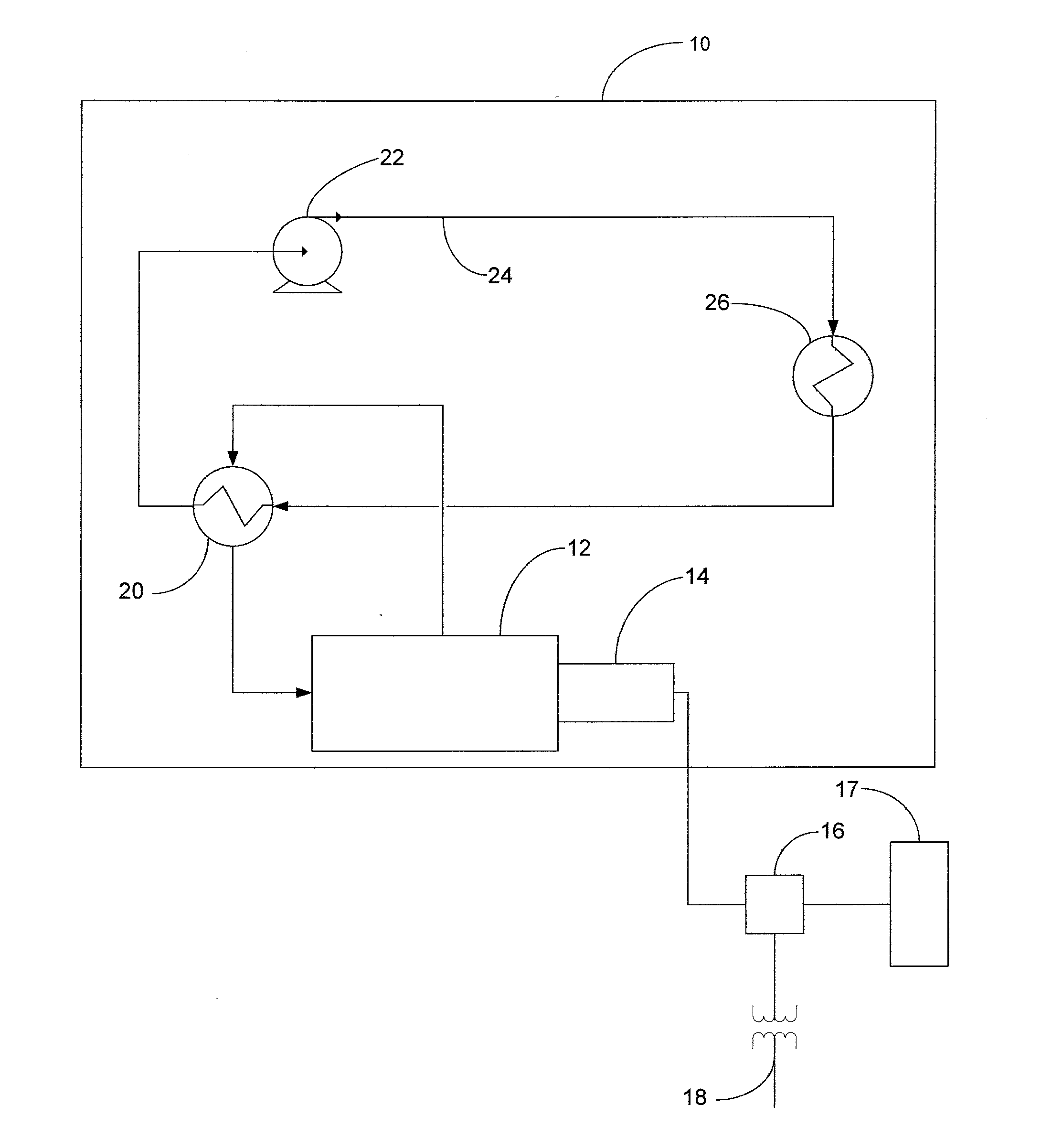
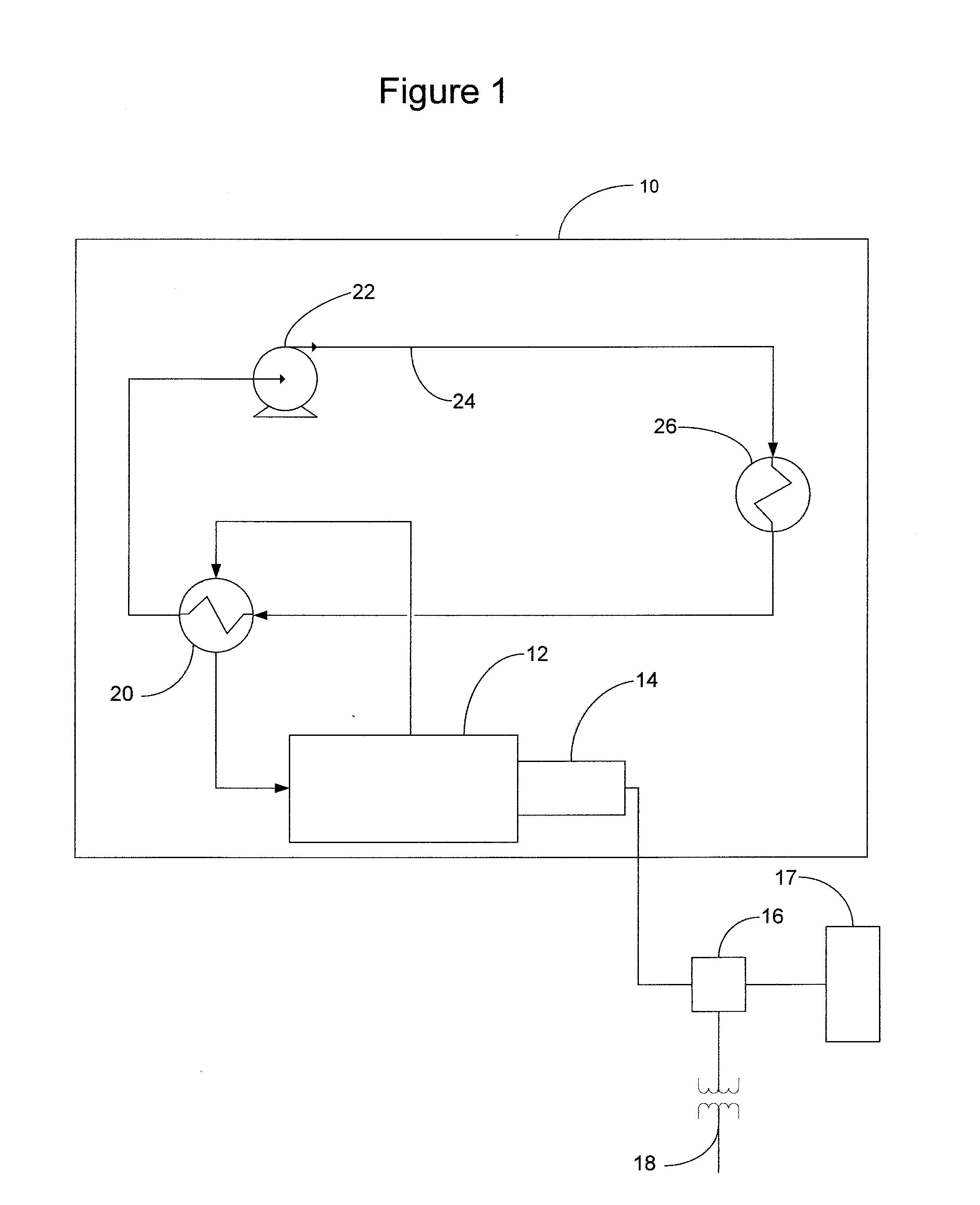
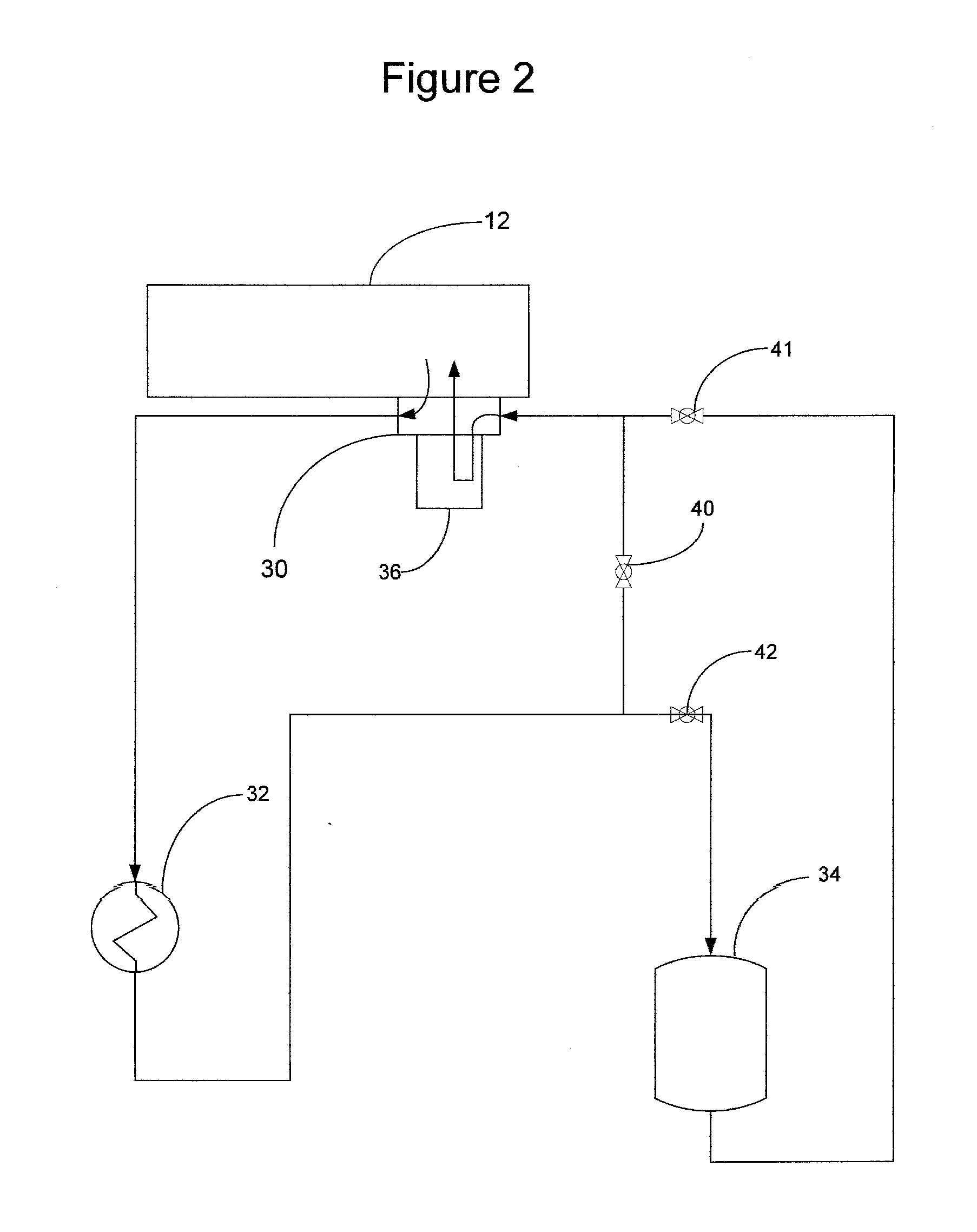
Cogeneration system with oil and filter change feature
PatentInactiveUS20140159364A1
Innovation
- A method and system for changing the oil and oil filters of a reciprocating engine in cogeneration equipment without shutting it down, utilizing an oil tank bypass valve, oil tank isolation valves, and multiple oil filters that can be individually isolated and replaced while the engine operates, along with an oil pressure accumulator and electronically actuated valves for automation.

Cogeneration system
PatentInactiveUS20090045626A1
Innovation
- A cogeneration system equipped with a self-diagnosis mechanism that includes a power controller with a microcomputer-based ECU, a DC/DC converter, and a voltage sensor to periodically diagnose battery output voltage, engine speed, and generator output at predetermined times, enabling the system to identify and report any degradation or abnormalities.


Environmental Compliance in Cogeneration Operations
Environmental compliance represents a critical operational dimension for cogeneration systems, requiring adherence to increasingly stringent regulatory frameworks while maintaining operational efficiency. Modern cogeneration facilities must navigate complex environmental regulations spanning air quality standards, water discharge requirements, waste management protocols, and greenhouse gas emission limits. These compliance obligations directly intersect with maintenance procedures, as equipment performance degradation can lead to emission exceedances and regulatory violations.
The regulatory landscape for cogeneration operations encompasses multiple jurisdictions and standards, including EPA Clean Air Act requirements, state-level environmental regulations, and local air quality management district rules. Facilities typically operate under Title V operating permits that specify emission limits for nitrogen oxides, sulfur dioxide, carbon monoxide, and particulate matter. Additionally, water quality discharge permits govern cooling water treatment and blowdown operations, while hazardous waste regulations address maintenance-generated materials such as used oils, filters, and chemical cleaning agents.
Compliance monitoring systems have evolved to incorporate real-time emission tracking, automated data reporting, and predictive analytics for early violation detection. Continuous emission monitoring systems (CEMS) provide instantaneous feedback on combustion performance, enabling operators to adjust maintenance schedules proactively. Advanced data management platforms integrate environmental monitoring data with maintenance management systems, creating comprehensive compliance dashboards that track permit conditions, emission trends, and maintenance activities simultaneously.
The integration of environmental compliance considerations into maintenance workflows requires systematic documentation protocols and staff training programs. Maintenance procedures must incorporate environmental impact assessments, particularly for activities involving equipment shutdowns, chemical cleaning operations, and waste generation. Personnel require specialized training on environmental regulations, spill prevention protocols, and emergency response procedures to ensure compliance during routine and emergency maintenance activities.
Emerging regulatory trends emphasize greenhouse gas reduction targets and carbon intensity metrics, driving the adoption of advanced emission control technologies and enhanced maintenance practices. Future compliance frameworks are expected to incorporate carbon pricing mechanisms, renewable energy integration requirements, and enhanced reporting obligations that will further influence maintenance strategy development and resource allocation decisions.
The regulatory landscape for cogeneration operations encompasses multiple jurisdictions and standards, including EPA Clean Air Act requirements, state-level environmental regulations, and local air quality management district rules. Facilities typically operate under Title V operating permits that specify emission limits for nitrogen oxides, sulfur dioxide, carbon monoxide, and particulate matter. Additionally, water quality discharge permits govern cooling water treatment and blowdown operations, while hazardous waste regulations address maintenance-generated materials such as used oils, filters, and chemical cleaning agents.
Compliance monitoring systems have evolved to incorporate real-time emission tracking, automated data reporting, and predictive analytics for early violation detection. Continuous emission monitoring systems (CEMS) provide instantaneous feedback on combustion performance, enabling operators to adjust maintenance schedules proactively. Advanced data management platforms integrate environmental monitoring data with maintenance management systems, creating comprehensive compliance dashboards that track permit conditions, emission trends, and maintenance activities simultaneously.
The integration of environmental compliance considerations into maintenance workflows requires systematic documentation protocols and staff training programs. Maintenance procedures must incorporate environmental impact assessments, particularly for activities involving equipment shutdowns, chemical cleaning operations, and waste generation. Personnel require specialized training on environmental regulations, spill prevention protocols, and emergency response procedures to ensure compliance during routine and emergency maintenance activities.
Emerging regulatory trends emphasize greenhouse gas reduction targets and carbon intensity metrics, driving the adoption of advanced emission control technologies and enhanced maintenance practices. Future compliance frameworks are expected to incorporate carbon pricing mechanisms, renewable energy integration requirements, and enhanced reporting obligations that will further influence maintenance strategy development and resource allocation decisions.
Cost-Benefit Analysis of Maintenance Optimization
The economic evaluation of maintenance optimization in cogeneration systems reveals substantial financial benefits that justify strategic investments in advanced maintenance approaches. Traditional reactive maintenance strategies typically result in annual maintenance costs ranging from 3-5% of total system capital expenditure, while optimized predictive maintenance programs can reduce these costs by 25-40% through early fault detection and planned interventions.
Implementation of condition-based maintenance technologies requires initial capital investments of approximately $50,000-150,000 per MW of installed capacity, depending on system complexity and monitoring sophistication. These investments encompass advanced sensors, data acquisition systems, analytical software platforms, and staff training programs. The payback period for such investments typically ranges from 18-36 months, driven primarily by reduced unplanned downtime and extended equipment lifecycles.
Operational cost reductions manifest through multiple channels, including decreased spare parts inventory requirements, optimized maintenance scheduling, and reduced labor costs. Predictive maintenance strategies enable inventory reductions of 20-30% by eliminating redundant stock and enabling just-in-time procurement based on actual equipment condition rather than conservative time-based schedules. Labor efficiency improvements of 15-25% result from better resource allocation and elimination of unnecessary maintenance activities.
Revenue protection represents the most significant economic benefit, as unplanned outages in cogeneration facilities can cost $10,000-50,000 per hour depending on system capacity and energy market conditions. Optimized maintenance reduces unplanned downtime by 60-80%, translating to annual revenue protection of $200,000-800,000 for typical industrial cogeneration installations. Additionally, improved equipment reliability enables participation in higher-value energy markets and ancillary services.
Long-term financial impacts include extended equipment lifecycles, with optimized maintenance potentially increasing major component lifespans by 20-35%. This translates to deferred capital expenditures and improved return on investment calculations. Environmental compliance benefits also contribute economic value through reduced emissions penalties and enhanced regulatory standing, particularly important as environmental regulations become increasingly stringent.
Implementation of condition-based maintenance technologies requires initial capital investments of approximately $50,000-150,000 per MW of installed capacity, depending on system complexity and monitoring sophistication. These investments encompass advanced sensors, data acquisition systems, analytical software platforms, and staff training programs. The payback period for such investments typically ranges from 18-36 months, driven primarily by reduced unplanned downtime and extended equipment lifecycles.
Operational cost reductions manifest through multiple channels, including decreased spare parts inventory requirements, optimized maintenance scheduling, and reduced labor costs. Predictive maintenance strategies enable inventory reductions of 20-30% by eliminating redundant stock and enabling just-in-time procurement based on actual equipment condition rather than conservative time-based schedules. Labor efficiency improvements of 15-25% result from better resource allocation and elimination of unnecessary maintenance activities.
Revenue protection represents the most significant economic benefit, as unplanned outages in cogeneration facilities can cost $10,000-50,000 per hour depending on system capacity and energy market conditions. Optimized maintenance reduces unplanned downtime by 60-80%, translating to annual revenue protection of $200,000-800,000 for typical industrial cogeneration installations. Additionally, improved equipment reliability enables participation in higher-value energy markets and ancillary services.
Long-term financial impacts include extended equipment lifecycles, with optimized maintenance potentially increasing major component lifespans by 20-35%. This translates to deferred capital expenditures and improved return on investment calculations. Environmental compliance benefits also contribute economic value through reduced emissions penalties and enhanced regulatory standing, particularly important as environmental regulations become increasingly stringent.
Unlock deeper insights with PatSnap Eureka Quick Research — get a full tech report to explore trends and direct your research. Try now!
Generate Your Research Report Instantly with AI Agent
Supercharge your innovation with PatSnap Eureka AI Agent Platform!