The Role of Abscisic Acid in Innovative Crop Biotechnology Solutions
JUL 14, 20259 MIN READ
Generate Your Research Report Instantly with AI Agent
Patsnap Eureka helps you evaluate technical feasibility & market potential.
ABA in Crop Biotech: Background and Objectives
Abscisic acid (ABA) has emerged as a pivotal phytohormone in plant stress responses and development, making it a focal point for innovative crop biotechnology solutions. The journey of ABA research began in the 1960s when scientists identified it as a growth inhibitor and dormancy promoter. Since then, our understanding of ABA's multifaceted roles has expanded dramatically, revealing its significance in drought tolerance, seed maturation, and overall plant resilience.
The evolution of ABA research has been marked by several key milestones. The elucidation of ABA biosynthesis pathways in the 1990s opened new avenues for genetic manipulation. The discovery of ABA receptors in the late 2000s further revolutionized our approach to crop improvement, allowing for targeted modifications of ABA signaling cascades. These advancements have set the stage for the current era of ABA-focused crop biotechnology.
In recent years, the agricultural sector has faced unprecedented challenges due to climate change, population growth, and resource scarcity. These pressures have intensified the need for crops with enhanced stress tolerance and improved yield stability. ABA's central role in mediating plant responses to environmental stresses positions it as a prime target for developing resilient crop varieties.
The objectives of ABA-related crop biotechnology are multifaceted. Primarily, researchers aim to enhance drought tolerance in major food crops, a critical goal in the face of increasing water scarcity. Additionally, there is a focus on improving seed quality and storage longevity, as ABA regulates seed dormancy and germination. Another key objective is to optimize plant water use efficiency, potentially allowing for cultivation in marginal lands.
Technological advancements in genomics, proteomics, and metabolomics have accelerated our ability to manipulate ABA pathways. CRISPR-Cas9 gene editing technology, in particular, has opened new possibilities for precise modifications of ABA-related genes. These tools enable researchers to fine-tune ABA responses, potentially creating crops that can dynamically adjust to changing environmental conditions.
As we look to the future, the integration of ABA research with other areas of plant biology presents exciting opportunities. Combining ABA manipulation with improvements in photosynthetic efficiency or nutrient uptake could lead to holistic solutions for sustainable agriculture. The ultimate goal is to develop "climate-smart" crops that can maintain productivity under diverse and challenging environmental conditions.
In conclusion, ABA stands at the forefront of crop biotechnology innovation. Its diverse functions and the advancing technologies for its manipulation offer promising pathways to address global food security challenges. As research progresses, the role of ABA in crop improvement is expected to expand, potentially revolutionizing agricultural practices and contributing to a more resilient and sustainable food production system.
The evolution of ABA research has been marked by several key milestones. The elucidation of ABA biosynthesis pathways in the 1990s opened new avenues for genetic manipulation. The discovery of ABA receptors in the late 2000s further revolutionized our approach to crop improvement, allowing for targeted modifications of ABA signaling cascades. These advancements have set the stage for the current era of ABA-focused crop biotechnology.
In recent years, the agricultural sector has faced unprecedented challenges due to climate change, population growth, and resource scarcity. These pressures have intensified the need for crops with enhanced stress tolerance and improved yield stability. ABA's central role in mediating plant responses to environmental stresses positions it as a prime target for developing resilient crop varieties.
The objectives of ABA-related crop biotechnology are multifaceted. Primarily, researchers aim to enhance drought tolerance in major food crops, a critical goal in the face of increasing water scarcity. Additionally, there is a focus on improving seed quality and storage longevity, as ABA regulates seed dormancy and germination. Another key objective is to optimize plant water use efficiency, potentially allowing for cultivation in marginal lands.
Technological advancements in genomics, proteomics, and metabolomics have accelerated our ability to manipulate ABA pathways. CRISPR-Cas9 gene editing technology, in particular, has opened new possibilities for precise modifications of ABA-related genes. These tools enable researchers to fine-tune ABA responses, potentially creating crops that can dynamically adjust to changing environmental conditions.
As we look to the future, the integration of ABA research with other areas of plant biology presents exciting opportunities. Combining ABA manipulation with improvements in photosynthetic efficiency or nutrient uptake could lead to holistic solutions for sustainable agriculture. The ultimate goal is to develop "climate-smart" crops that can maintain productivity under diverse and challenging environmental conditions.
In conclusion, ABA stands at the forefront of crop biotechnology innovation. Its diverse functions and the advancing technologies for its manipulation offer promising pathways to address global food security challenges. As research progresses, the role of ABA in crop improvement is expected to expand, potentially revolutionizing agricultural practices and contributing to a more resilient and sustainable food production system.
Market Analysis for ABA-Enhanced Crops
The market for ABA-enhanced crops is experiencing significant growth potential due to increasing global challenges in agriculture, particularly related to climate change and water scarcity. Abscisic acid (ABA) plays a crucial role in plant stress responses, making it a valuable target for crop improvement strategies.
The primary drivers of market demand for ABA-enhanced crops include the need for drought-resistant varieties, improved water use efficiency, and enhanced crop yields under adverse environmental conditions. As climate change continues to impact agricultural regions worldwide, farmers are seeking innovative solutions to maintain productivity and food security.
Current market estimates suggest that the global market for stress-tolerant crops, including those enhanced with ABA-related technologies, is expanding rapidly. This growth is particularly pronounced in regions prone to drought and water stress, such as parts of Africa, Asia, and the Americas.
The adoption of ABA-enhanced crops is expected to be highest in staple food crops such as wheat, rice, and maize, which are essential for global food security. Additionally, high-value crops like fruits and vegetables are also potential targets for ABA enhancement, as they often require significant water inputs and are susceptible to environmental stresses.
Market analysis indicates that large agricultural biotechnology companies are investing heavily in research and development of ABA-related crop improvements. This investment is driven by the potential for substantial returns in both developed and developing agricultural markets.
Consumer acceptance of ABA-enhanced crops is a critical factor in market growth. While there may be initial hesitation due to the perception of genetic modification, the increasing awareness of climate change impacts on agriculture may lead to greater acceptance of these technologies as a necessary adaptation strategy.
Regulatory frameworks will play a significant role in shaping the market for ABA-enhanced crops. Countries with more permissive regulations regarding genetically modified organisms (GMOs) are likely to see faster adoption and market growth. Conversely, regions with stricter GMO policies may experience slower market penetration, potentially creating geographical disparities in the availability and use of these crops.
The economic benefits of ABA-enhanced crops are expected to be substantial, particularly in regions where water scarcity and drought are major constraints to agricultural productivity. Farmers may be willing to pay premium prices for seeds that offer improved stress tolerance and yield stability, driving market growth and profitability for seed companies and biotechnology firms.
In conclusion, the market for ABA-enhanced crops shows promising growth potential, driven by the urgent need for climate-resilient agriculture. As research progresses and field trials demonstrate the efficacy of these crops, market demand is expected to increase, potentially reshaping agricultural practices and contributing to global food security in the face of environmental challenges.
The primary drivers of market demand for ABA-enhanced crops include the need for drought-resistant varieties, improved water use efficiency, and enhanced crop yields under adverse environmental conditions. As climate change continues to impact agricultural regions worldwide, farmers are seeking innovative solutions to maintain productivity and food security.
Current market estimates suggest that the global market for stress-tolerant crops, including those enhanced with ABA-related technologies, is expanding rapidly. This growth is particularly pronounced in regions prone to drought and water stress, such as parts of Africa, Asia, and the Americas.
The adoption of ABA-enhanced crops is expected to be highest in staple food crops such as wheat, rice, and maize, which are essential for global food security. Additionally, high-value crops like fruits and vegetables are also potential targets for ABA enhancement, as they often require significant water inputs and are susceptible to environmental stresses.
Market analysis indicates that large agricultural biotechnology companies are investing heavily in research and development of ABA-related crop improvements. This investment is driven by the potential for substantial returns in both developed and developing agricultural markets.
Consumer acceptance of ABA-enhanced crops is a critical factor in market growth. While there may be initial hesitation due to the perception of genetic modification, the increasing awareness of climate change impacts on agriculture may lead to greater acceptance of these technologies as a necessary adaptation strategy.
Regulatory frameworks will play a significant role in shaping the market for ABA-enhanced crops. Countries with more permissive regulations regarding genetically modified organisms (GMOs) are likely to see faster adoption and market growth. Conversely, regions with stricter GMO policies may experience slower market penetration, potentially creating geographical disparities in the availability and use of these crops.
The economic benefits of ABA-enhanced crops are expected to be substantial, particularly in regions where water scarcity and drought are major constraints to agricultural productivity. Farmers may be willing to pay premium prices for seeds that offer improved stress tolerance and yield stability, driving market growth and profitability for seed companies and biotechnology firms.
In conclusion, the market for ABA-enhanced crops shows promising growth potential, driven by the urgent need for climate-resilient agriculture. As research progresses and field trials demonstrate the efficacy of these crops, market demand is expected to increase, potentially reshaping agricultural practices and contributing to global food security in the face of environmental challenges.
Current ABA Research Status and Challenges
Abscisic acid (ABA) research in crop biotechnology has made significant strides in recent years, yet several challenges persist. Currently, scientists have a comprehensive understanding of ABA's role in plant stress responses, particularly in drought tolerance. Advanced molecular techniques have enabled the identification and characterization of key genes involved in ABA biosynthesis, signaling, and response pathways.
One of the primary focuses of current ABA research is enhancing crop resilience to abiotic stresses. Researchers have successfully manipulated ABA-related genes to improve drought tolerance in various crops, including rice, wheat, and maize. However, the complex interplay between ABA and other plant hormones presents a significant challenge in achieving optimal stress resistance without compromising plant growth and yield.
Another area of intense study is the development of ABA-based agrochemicals. Synthetic ABA analogs have shown promise in improving crop performance under stress conditions. However, the high production costs and limited stability of these compounds in field conditions remain major hurdles for widespread commercial application.
The advent of CRISPR-Cas9 gene editing technology has opened new avenues for ABA research. Scientists are now able to precisely modify ABA-related genes, creating novel crop varieties with enhanced stress tolerance. Nevertheless, regulatory challenges and public acceptance issues surrounding genetically modified organisms (GMOs) continue to impede the practical implementation of these innovations.
A significant challenge in ABA research is translating laboratory findings to field applications. The complex environmental interactions and genetic diversity of crop species often result in inconsistent performance of ABA-based solutions in real-world agricultural settings. This necessitates extensive field trials and validation studies, which are both time-consuming and resource-intensive.
Furthermore, the global nature of agriculture presents unique challenges. Different regions face varying environmental stresses, requiring tailored ABA-based solutions. Developing a one-size-fits-all approach is proving difficult, and researchers are working on region-specific strategies to maximize the effectiveness of ABA biotechnology.
Lastly, the emerging field of ABA metabolomics is providing new insights into the hormone's role in plant physiology. However, the vast amount of data generated by these studies poses analytical challenges. Developing robust bioinformatics tools and standardized protocols for data interpretation is crucial for advancing our understanding of ABA's complex functions in crop plants.
One of the primary focuses of current ABA research is enhancing crop resilience to abiotic stresses. Researchers have successfully manipulated ABA-related genes to improve drought tolerance in various crops, including rice, wheat, and maize. However, the complex interplay between ABA and other plant hormones presents a significant challenge in achieving optimal stress resistance without compromising plant growth and yield.
Another area of intense study is the development of ABA-based agrochemicals. Synthetic ABA analogs have shown promise in improving crop performance under stress conditions. However, the high production costs and limited stability of these compounds in field conditions remain major hurdles for widespread commercial application.
The advent of CRISPR-Cas9 gene editing technology has opened new avenues for ABA research. Scientists are now able to precisely modify ABA-related genes, creating novel crop varieties with enhanced stress tolerance. Nevertheless, regulatory challenges and public acceptance issues surrounding genetically modified organisms (GMOs) continue to impede the practical implementation of these innovations.
A significant challenge in ABA research is translating laboratory findings to field applications. The complex environmental interactions and genetic diversity of crop species often result in inconsistent performance of ABA-based solutions in real-world agricultural settings. This necessitates extensive field trials and validation studies, which are both time-consuming and resource-intensive.
Furthermore, the global nature of agriculture presents unique challenges. Different regions face varying environmental stresses, requiring tailored ABA-based solutions. Developing a one-size-fits-all approach is proving difficult, and researchers are working on region-specific strategies to maximize the effectiveness of ABA biotechnology.
Lastly, the emerging field of ABA metabolomics is providing new insights into the hormone's role in plant physiology. However, the vast amount of data generated by these studies poses analytical challenges. Developing robust bioinformatics tools and standardized protocols for data interpretation is crucial for advancing our understanding of ABA's complex functions in crop plants.
Current ABA-Based Crop Enhancement Strategies
01 Synthesis and production of abscisic acid
Various methods for synthesizing and producing abscisic acid are described. These include chemical synthesis routes, biotechnological approaches using microorganisms, and extraction techniques from plant sources. The production methods aim to improve yield, purity, and cost-effectiveness of abscisic acid for commercial applications.- Synthesis and production of abscisic acid: Various methods for synthesizing and producing abscisic acid, including chemical synthesis, biotechnological approaches, and extraction from plant sources. These techniques aim to improve the yield and purity of abscisic acid for agricultural and research applications.
- Agricultural applications of abscisic acid: Use of abscisic acid in agriculture for various purposes, such as regulating plant growth, improving stress tolerance, and enhancing crop yield. Applications include seed treatment, foliar sprays, and soil amendments to modulate plant responses to environmental conditions.
- Abscisic acid analogs and derivatives: Development and use of abscisic acid analogs and derivatives with enhanced stability, bioactivity, or specificity. These compounds may offer improved performance in agricultural or research applications compared to natural abscisic acid.
- Formulations and compositions containing abscisic acid: Preparation of various formulations and compositions containing abscisic acid for specific applications. These may include controlled-release formulations, combinations with other active ingredients, or specialized delivery systems to enhance efficacy and stability.
- Detection and quantification methods for abscisic acid: Development of analytical techniques for detecting and quantifying abscisic acid in plant tissues, environmental samples, or agricultural products. These methods may include immunoassays, chromatography, or spectroscopic approaches to measure abscisic acid levels accurately.
02 Agricultural applications of abscisic acid
Abscisic acid is used in various agricultural applications, including crop protection, stress tolerance enhancement, and growth regulation. It can be applied to plants to improve drought resistance, control fruit ripening, and enhance overall plant health. Formulations and application methods for agricultural use are described.Expand Specific Solutions03 Abscisic acid in plant signaling and stress response
Research on the role of abscisic acid in plant signaling pathways and stress response mechanisms is presented. This includes studies on gene expression, protein interactions, and physiological responses related to abscisic acid-mediated processes in plants under various environmental conditions.Expand Specific Solutions04 Pharmaceutical and cosmetic applications of abscisic acid
Abscisic acid and its derivatives are explored for potential pharmaceutical and cosmetic applications. This includes research on their effects on human health, skin care properties, and possible therapeutic uses. Formulations and delivery methods for these applications are also discussed.Expand Specific Solutions05 Analytical methods for abscisic acid detection and quantification
Various analytical techniques and methods for detecting and quantifying abscisic acid in plant tissues, biological samples, and commercial products are described. These include chromatographic, spectroscopic, and immunological approaches aimed at improving the accuracy and sensitivity of abscisic acid measurements.Expand Specific Solutions
Key Players in ABA Crop Biotechnology
The development of innovative crop biotechnology solutions utilizing abscisic acid is in a growth phase, with increasing market potential driven by global food security concerns and climate change impacts. The market size is expanding as more agricultural companies invest in stress-tolerant crop varieties. Technologically, the field is advancing rapidly, with key players like Syngenta, Valent BioSciences, and Performance Plants Inc. making significant strides. Universities and research institutions, such as China Agricultural University and The Regents of the University of California, are also contributing to the knowledge base. While some applications are reaching commercialization, ongoing research suggests that the technology's full potential is yet to be realized.
Valent BioSciences Corp.
Technical Solution: Valent BioSciences Corp. has developed innovative crop biotechnology solutions leveraging abscisic acid (ABA) for improved plant stress management and growth regulation. Their approach combines the use of naturally derived and synthetic ABA analogs with advanced formulation technologies. They have created ProTone SG, a plant growth regulator based on S-abscisic acid, which enhances grape coloration and uniformity[13]. Valent's research also extends to using ABA-based solutions for improving drought tolerance in various crops. They have developed methods for exogenous ABA application that can trigger stress responses in plants, leading to improved water use efficiency and yield stability under drought conditions[14]. Additionally, their work includes exploring ABA's role in seed dormancy and germination, resulting in technologies for optimizing crop establishment and early-season vigor[15].
Strengths: Expertise in biorational products and formulation technologies. Strong focus on environmentally friendly solutions. Weaknesses: Limited to non-GM approaches, which may have less dramatic effects than genetic modifications. Potential variability in effectiveness due to environmental factors affecting ABA uptake and metabolism.
Syngenta Participations AG
Technical Solution: Syngenta has developed innovative crop biotechnology solutions utilizing abscisic acid (ABA) to enhance drought tolerance in plants. Their approach involves genetic modification to increase ABA production or sensitivity in crops. They have engineered plants with enhanced ABA signaling pathways, resulting in improved water use efficiency and yield stability under water-limited conditions[1]. Syngenta's technology includes the development of drought-tolerant corn varieties that can maintain yields with up to 40% less water[2]. Additionally, they have explored ABA's role in seed dormancy and germination, leading to the creation of crops with optimized germination timing and improved seedling establishment[3].
Strengths: Global reach and resources for extensive field trials and commercialization. Expertise in genetic engineering and crop breeding. Weaknesses: Potential regulatory hurdles for GM crops in some markets. Public perception concerns regarding GM technology.
Breakthrough ABA-Related Patents and Publications
Compositions and methods for regulating abscisic acid-induced closure of plant stomata
PatentInactiveUS7211436B1
Innovation
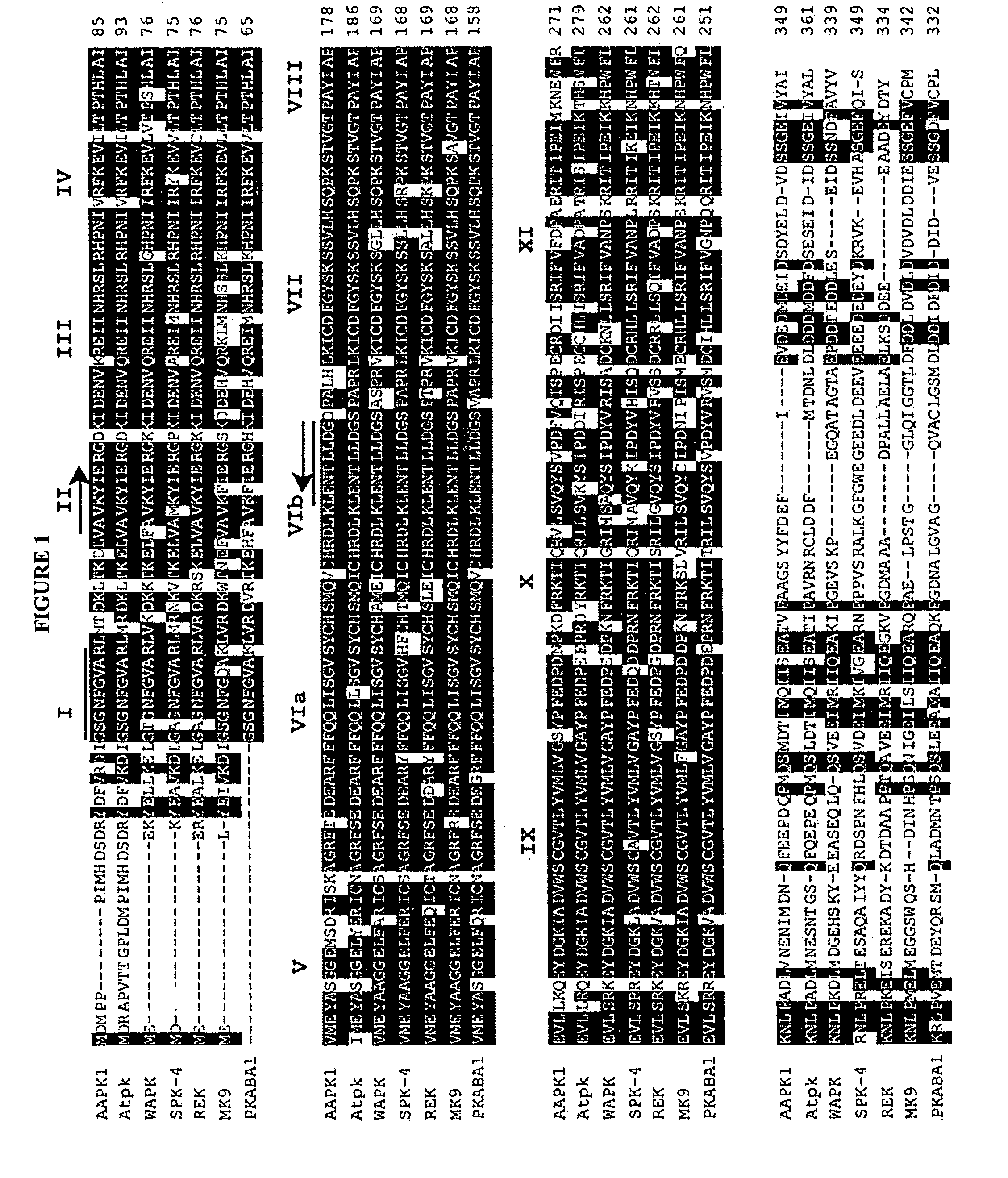
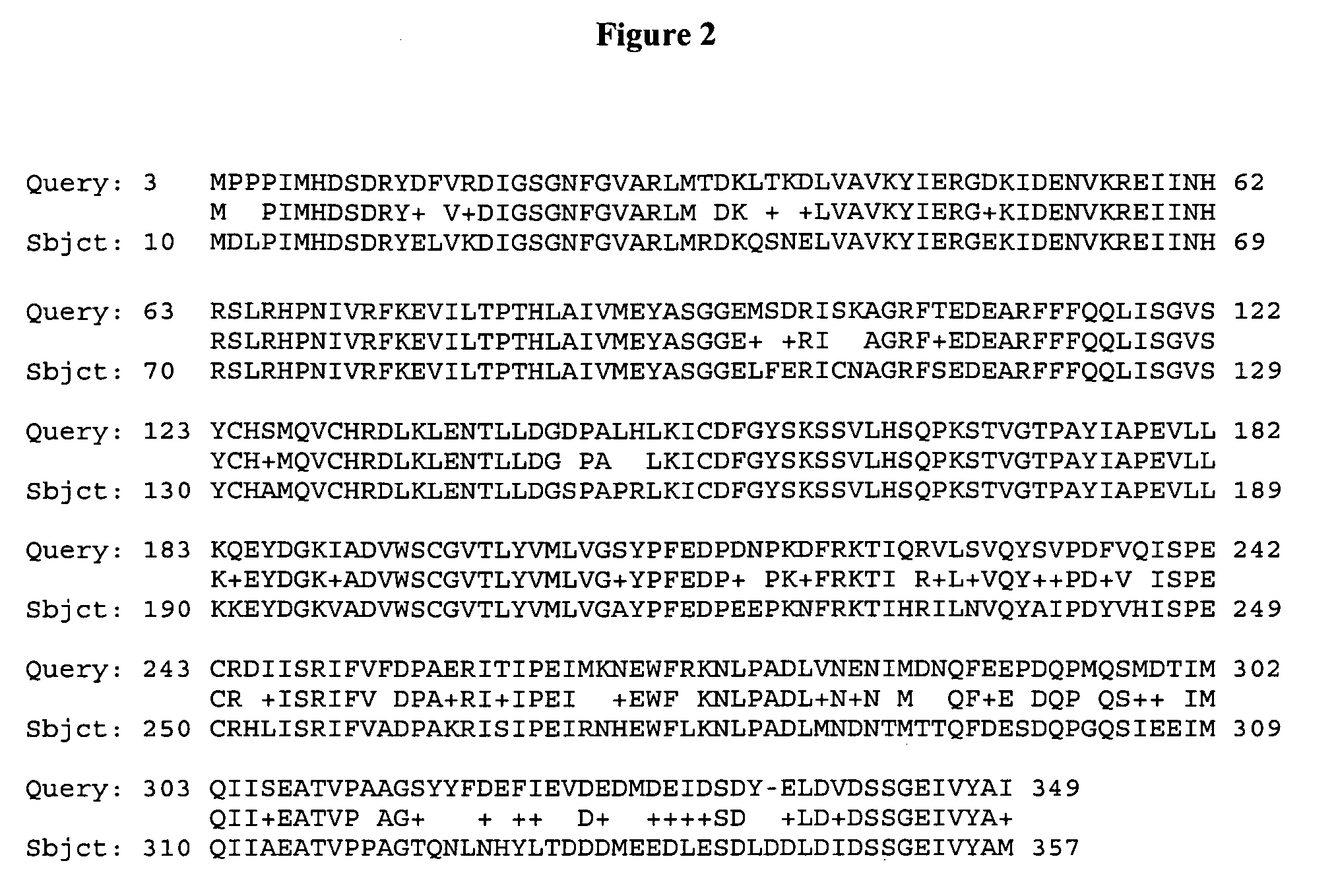
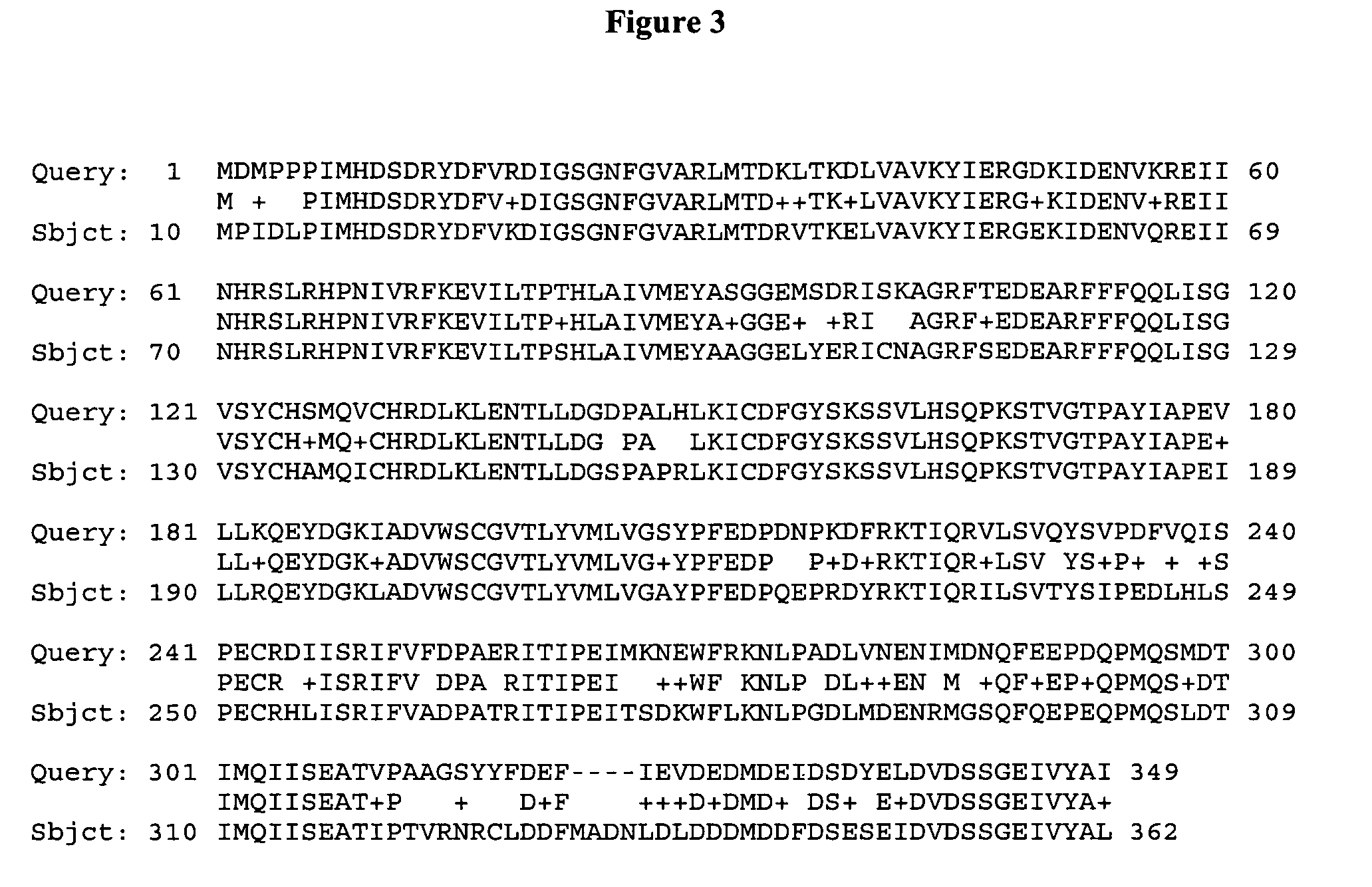
- Development of transgenic plants with modified ABA-mediated stomatal closure through the use of a novel nucleic acid molecule encoding an ABA-activated protein kinase (AAPK), allowing for specific control of stomatal aperture independent of CO2 and light responses, enabling growers to regulate transpiration based on environmental conditions.
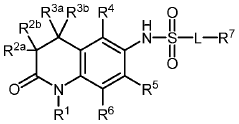
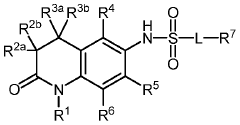
Derivatives of halo quinabactin
PatentWO2017034982A1
Innovation
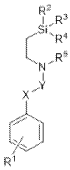
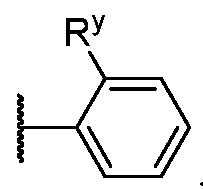
- Development of novel sulfonamide derivatives that act as ABA agonists, specifically compounds of Formula (I) and their salts or N-oxides, which are designed to enhance plant tolerance to abiotic stress, inhibit seed germination, and regulate plant growth by binding to PYR/PRL receptor proteins.
Environmental Impact of ABA-Modified Crops
The environmental impact of ABA-modified crops is a critical consideration in the development and implementation of innovative crop biotechnology solutions. Abscisic acid (ABA) plays a crucial role in plant stress responses, particularly in drought tolerance. As such, crops modified to enhance ABA signaling or production have the potential to significantly alter their interactions with the environment.
One of the primary environmental benefits of ABA-modified crops is their improved water use efficiency. These crops can maintain productivity under water-limited conditions, potentially reducing the overall water demand in agriculture. This is particularly important in regions facing water scarcity or irregular rainfall patterns due to climate change. By requiring less irrigation, ABA-modified crops could help conserve water resources and reduce the environmental impact associated with extensive irrigation systems.
However, the altered stress responses in ABA-modified crops may have unintended consequences on local ecosystems. These crops could potentially outcompete native plant species in certain environments, particularly in areas prone to drought. This could lead to shifts in local biodiversity and potentially disrupt established ecological balances. Furthermore, the increased drought tolerance might encourage the expansion of agriculture into previously marginal lands, potentially leading to habitat loss for native species.
The impact on soil health is another important consideration. ABA-modified crops with enhanced root systems might alter soil structure and microbial communities. While this could potentially improve soil retention and reduce erosion, it may also change nutrient cycling processes in the soil. The long-term effects of these changes on soil fertility and ecosystem functioning require careful study and monitoring.
Pest and disease dynamics could also be affected by ABA-modified crops. Changes in plant physiology and stress responses might alter their susceptibility or resistance to certain pests and pathogens. This could lead to shifts in pest populations and potentially impact integrated pest management strategies. Additionally, the potential for gene flow to wild relatives or non-modified crops must be carefully assessed to prevent unintended spread of ABA-related traits.
The environmental impact of ABA-modified crops extends to their potential role in climate change mitigation. By improving crop resilience to drought and other abiotic stresses, these modified crops could help stabilize agricultural production in the face of changing climate patterns. This could reduce the need for agricultural expansion into new areas, thereby helping to preserve natural habitats and maintain carbon sinks.
In conclusion, while ABA-modified crops offer promising solutions for sustainable agriculture, their environmental impact is complex and multifaceted. Comprehensive environmental assessments and long-term monitoring will be crucial to fully understand and manage the ecological implications of deploying these biotechnology solutions on a large scale.
One of the primary environmental benefits of ABA-modified crops is their improved water use efficiency. These crops can maintain productivity under water-limited conditions, potentially reducing the overall water demand in agriculture. This is particularly important in regions facing water scarcity or irregular rainfall patterns due to climate change. By requiring less irrigation, ABA-modified crops could help conserve water resources and reduce the environmental impact associated with extensive irrigation systems.
However, the altered stress responses in ABA-modified crops may have unintended consequences on local ecosystems. These crops could potentially outcompete native plant species in certain environments, particularly in areas prone to drought. This could lead to shifts in local biodiversity and potentially disrupt established ecological balances. Furthermore, the increased drought tolerance might encourage the expansion of agriculture into previously marginal lands, potentially leading to habitat loss for native species.
The impact on soil health is another important consideration. ABA-modified crops with enhanced root systems might alter soil structure and microbial communities. While this could potentially improve soil retention and reduce erosion, it may also change nutrient cycling processes in the soil. The long-term effects of these changes on soil fertility and ecosystem functioning require careful study and monitoring.
Pest and disease dynamics could also be affected by ABA-modified crops. Changes in plant physiology and stress responses might alter their susceptibility or resistance to certain pests and pathogens. This could lead to shifts in pest populations and potentially impact integrated pest management strategies. Additionally, the potential for gene flow to wild relatives or non-modified crops must be carefully assessed to prevent unintended spread of ABA-related traits.
The environmental impact of ABA-modified crops extends to their potential role in climate change mitigation. By improving crop resilience to drought and other abiotic stresses, these modified crops could help stabilize agricultural production in the face of changing climate patterns. This could reduce the need for agricultural expansion into new areas, thereby helping to preserve natural habitats and maintain carbon sinks.
In conclusion, while ABA-modified crops offer promising solutions for sustainable agriculture, their environmental impact is complex and multifaceted. Comprehensive environmental assessments and long-term monitoring will be crucial to fully understand and manage the ecological implications of deploying these biotechnology solutions on a large scale.
Regulatory Framework for ABA-Enhanced Crops
The regulatory framework for ABA-enhanced crops is a critical aspect of their development and commercialization. As abscisic acid (ABA) plays a crucial role in plant stress responses and development, crops enhanced with ABA-related technologies must navigate a complex landscape of regulations to ensure safety, environmental protection, and consumer acceptance.
In the United States, the primary agencies involved in regulating ABA-enhanced crops are the Environmental Protection Agency (EPA), the Food and Drug Administration (FDA), and the United States Department of Agriculture (USDA). The EPA is responsible for assessing the environmental impact of these crops, particularly in terms of their potential effects on non-target organisms and ecosystems. The FDA oversees the safety of food products derived from ABA-enhanced crops, while the USDA regulates the cultivation and interstate movement of these plants.
The European Union (EU) has a more stringent regulatory approach to genetically modified organisms (GMOs), which may include some ABA-enhanced crops. The European Food Safety Authority (EFSA) conducts rigorous risk assessments, and approval for cultivation or import requires a majority vote from EU member states. This process has historically been more challenging for biotech crops in Europe compared to other regions.
In many developing countries, regulatory frameworks for ABA-enhanced crops are still evolving. Some nations have adopted systems similar to those in the US or EU, while others are developing their own approaches. International organizations such as the Food and Agriculture Organization (FAO) and the World Health Organization (WHO) provide guidance and support for establishing regulatory frameworks in these countries.
Key considerations in the regulatory process for ABA-enhanced crops include assessing their potential impact on biodiversity, evaluating any unintended effects on non-target species, and ensuring food and feed safety. Regulators also consider the potential for gene flow to wild relatives and the development of resistance in target pests or pathogens.
The regulatory landscape for ABA-enhanced crops is dynamic and continues to evolve as new scientific evidence emerges and public perceptions shift. Harmonization efforts are underway to streamline regulatory processes across different countries and regions, aiming to reduce barriers to trade while maintaining high safety standards. However, challenges remain in achieving global consensus on regulatory approaches for these innovative crop biotechnology solutions.
In the United States, the primary agencies involved in regulating ABA-enhanced crops are the Environmental Protection Agency (EPA), the Food and Drug Administration (FDA), and the United States Department of Agriculture (USDA). The EPA is responsible for assessing the environmental impact of these crops, particularly in terms of their potential effects on non-target organisms and ecosystems. The FDA oversees the safety of food products derived from ABA-enhanced crops, while the USDA regulates the cultivation and interstate movement of these plants.
The European Union (EU) has a more stringent regulatory approach to genetically modified organisms (GMOs), which may include some ABA-enhanced crops. The European Food Safety Authority (EFSA) conducts rigorous risk assessments, and approval for cultivation or import requires a majority vote from EU member states. This process has historically been more challenging for biotech crops in Europe compared to other regions.
In many developing countries, regulatory frameworks for ABA-enhanced crops are still evolving. Some nations have adopted systems similar to those in the US or EU, while others are developing their own approaches. International organizations such as the Food and Agriculture Organization (FAO) and the World Health Organization (WHO) provide guidance and support for establishing regulatory frameworks in these countries.
Key considerations in the regulatory process for ABA-enhanced crops include assessing their potential impact on biodiversity, evaluating any unintended effects on non-target species, and ensuring food and feed safety. Regulators also consider the potential for gene flow to wild relatives and the development of resistance in target pests or pathogens.
The regulatory landscape for ABA-enhanced crops is dynamic and continues to evolve as new scientific evidence emerges and public perceptions shift. Harmonization efforts are underway to streamline regulatory processes across different countries and regions, aiming to reduce barriers to trade while maintaining high safety standards. However, challenges remain in achieving global consensus on regulatory approaches for these innovative crop biotechnology solutions.
Unlock deeper insights with Patsnap Eureka Quick Research — get a full tech report to explore trends and direct your research. Try now!
Generate Your Research Report Instantly with AI Agent
Supercharge your innovation with Patsnap Eureka AI Agent Platform!