

Thermocompression Bonding in Automotive Electronics: Lifecycle Analysis
APR 23, 20269 MIN READ
Generate Your Research Report Instantly with AI Agent
PatSnap Eureka helps you evaluate technical feasibility & market potential.
Thermocompression Bonding Background and Automotive Goals
Thermocompression bonding represents a critical interconnection technology that has evolved significantly since its inception in the semiconductor industry during the 1960s. Originally developed for wire bonding applications in integrated circuits, this process combines controlled heat and pressure to create reliable metallurgical bonds between conductive materials. The technology gained prominence due to its ability to form strong, low-resistance connections without requiring additional materials like solder or conductive adhesives.
The fundamental principle involves applying simultaneous heat and mechanical force to create atomic-level diffusion between metallic surfaces, typically gold, aluminum, or copper. Temperature ranges generally span from 150°C to 500°C, while applied pressures vary from 50 to 500 MPa, depending on material combinations and geometric constraints. This process creates intermetallic compounds at the interface, establishing permanent electrical and mechanical connections with exceptional reliability characteristics.
In automotive electronics, thermocompression bonding has emerged as a cornerstone technology for addressing the industry's increasingly demanding requirements. Modern vehicles incorporate over 100 electronic control units, with luxury vehicles containing upwards of 150 ECUs managing everything from engine performance to advanced driver assistance systems. These electronic systems must operate reliably across temperature extremes ranging from -40°C to +150°C while withstanding mechanical vibrations, thermal cycling, and corrosive environments.
The automotive industry's transition toward electrification and autonomous driving capabilities has intensified the need for robust interconnection technologies. Electric vehicle powertrains demand high-current connections capable of handling hundreds of amperes while maintaining minimal resistance losses. Advanced driver assistance systems require ultra-reliable sensor connections where failure could compromise safety-critical functions. Traditional soldering techniques often prove inadequate for these applications due to thermal fatigue, whisker formation, and degradation under extreme operating conditions.
Primary objectives for implementing thermocompression bonding in automotive electronics center on achieving superior long-term reliability compared to conventional joining methods. The technology aims to eliminate common failure modes associated with solder joints, including thermal fatigue cracking, electromigration, and intermetallic growth that can lead to increased resistance over time. Additionally, the process supports miniaturization efforts by enabling fine-pitch connections in space-constrained automotive modules.
Environmental sustainability represents another crucial objective, as thermocompression bonding eliminates the need for lead-based solders and flux materials that pose environmental concerns. The process also supports recycling initiatives by creating reversible bonds that can be separated during end-of-life vehicle processing, facilitating material recovery and circular economy principles in automotive manufacturing.
The fundamental principle involves applying simultaneous heat and mechanical force to create atomic-level diffusion between metallic surfaces, typically gold, aluminum, or copper. Temperature ranges generally span from 150°C to 500°C, while applied pressures vary from 50 to 500 MPa, depending on material combinations and geometric constraints. This process creates intermetallic compounds at the interface, establishing permanent electrical and mechanical connections with exceptional reliability characteristics.
In automotive electronics, thermocompression bonding has emerged as a cornerstone technology for addressing the industry's increasingly demanding requirements. Modern vehicles incorporate over 100 electronic control units, with luxury vehicles containing upwards of 150 ECUs managing everything from engine performance to advanced driver assistance systems. These electronic systems must operate reliably across temperature extremes ranging from -40°C to +150°C while withstanding mechanical vibrations, thermal cycling, and corrosive environments.
The automotive industry's transition toward electrification and autonomous driving capabilities has intensified the need for robust interconnection technologies. Electric vehicle powertrains demand high-current connections capable of handling hundreds of amperes while maintaining minimal resistance losses. Advanced driver assistance systems require ultra-reliable sensor connections where failure could compromise safety-critical functions. Traditional soldering techniques often prove inadequate for these applications due to thermal fatigue, whisker formation, and degradation under extreme operating conditions.
Primary objectives for implementing thermocompression bonding in automotive electronics center on achieving superior long-term reliability compared to conventional joining methods. The technology aims to eliminate common failure modes associated with solder joints, including thermal fatigue cracking, electromigration, and intermetallic growth that can lead to increased resistance over time. Additionally, the process supports miniaturization efforts by enabling fine-pitch connections in space-constrained automotive modules.
Environmental sustainability represents another crucial objective, as thermocompression bonding eliminates the need for lead-based solders and flux materials that pose environmental concerns. The process also supports recycling initiatives by creating reversible bonds that can be separated during end-of-life vehicle processing, facilitating material recovery and circular economy principles in automotive manufacturing.
Automotive Electronics Market Demand for Reliable Bonding
The automotive electronics market has experienced unprecedented growth driven by the rapid evolution toward electric vehicles, autonomous driving systems, and advanced driver assistance systems. This transformation has fundamentally altered the reliability requirements for electronic interconnections, placing thermocompression bonding at the center of critical manufacturing processes. Modern vehicles now contain hundreds of electronic control units that must operate flawlessly under extreme conditions throughout their operational lifecycle.
Electric vehicle powertrains demand exceptionally robust bonding solutions for power electronics modules, battery management systems, and charging infrastructure components. These applications require interconnections capable of handling high current densities while maintaining electrical and thermal performance over extended periods. The shift from traditional internal combustion engines to electric powertrains has created new market segments where bonding reliability directly impacts vehicle safety and performance.
Autonomous driving technologies have introduced stringent reliability standards that exceed traditional automotive requirements. Sensor fusion systems, LiDAR modules, and high-performance computing units require interconnections with near-zero failure rates, as any degradation could compromise vehicle safety systems. The market increasingly demands bonding solutions that can guarantee consistent performance across temperature cycling, vibration, and humidity exposure typical in automotive environments.
The proliferation of advanced infotainment systems and connectivity features has expanded the scope of automotive electronics beyond traditional powertrain applications. These systems require cost-effective bonding solutions that maintain signal integrity while meeting automotive qualification standards. Market demand has shifted toward bonding processes that can accommodate diverse substrate materials and component geometries while maintaining manufacturing efficiency.
Regulatory frameworks and industry standards have evolved to address the unique challenges of automotive electronics reliability. Market participants now require bonding solutions that comply with automotive-specific qualification protocols, including extended temperature cycling, mechanical stress testing, and long-term aging requirements. This regulatory environment has created market opportunities for advanced bonding technologies that can demonstrate superior lifecycle performance through comprehensive testing and validation.
The global automotive electronics supply chain has recognized thermocompression bonding as a critical enabler for next-generation vehicle architectures. Market demand continues to grow for bonding solutions that can support miniaturization trends while delivering enhanced reliability performance across diverse automotive applications.
Electric vehicle powertrains demand exceptionally robust bonding solutions for power electronics modules, battery management systems, and charging infrastructure components. These applications require interconnections capable of handling high current densities while maintaining electrical and thermal performance over extended periods. The shift from traditional internal combustion engines to electric powertrains has created new market segments where bonding reliability directly impacts vehicle safety and performance.
Autonomous driving technologies have introduced stringent reliability standards that exceed traditional automotive requirements. Sensor fusion systems, LiDAR modules, and high-performance computing units require interconnections with near-zero failure rates, as any degradation could compromise vehicle safety systems. The market increasingly demands bonding solutions that can guarantee consistent performance across temperature cycling, vibration, and humidity exposure typical in automotive environments.
The proliferation of advanced infotainment systems and connectivity features has expanded the scope of automotive electronics beyond traditional powertrain applications. These systems require cost-effective bonding solutions that maintain signal integrity while meeting automotive qualification standards. Market demand has shifted toward bonding processes that can accommodate diverse substrate materials and component geometries while maintaining manufacturing efficiency.
Regulatory frameworks and industry standards have evolved to address the unique challenges of automotive electronics reliability. Market participants now require bonding solutions that comply with automotive-specific qualification protocols, including extended temperature cycling, mechanical stress testing, and long-term aging requirements. This regulatory environment has created market opportunities for advanced bonding technologies that can demonstrate superior lifecycle performance through comprehensive testing and validation.
The global automotive electronics supply chain has recognized thermocompression bonding as a critical enabler for next-generation vehicle architectures. Market demand continues to grow for bonding solutions that can support miniaturization trends while delivering enhanced reliability performance across diverse automotive applications.
Current Thermocompression Bonding Challenges in Automotive
Thermocompression bonding in automotive electronics faces significant technical challenges that directly impact manufacturing efficiency, product reliability, and long-term performance. The automotive industry's stringent requirements for durability, temperature resistance, and electrical performance create unique obstacles for this critical interconnection technology.
Temperature management represents one of the most pressing challenges in automotive thermocompression bonding applications. The bonding process requires precise thermal control to achieve optimal metallurgical connections while avoiding damage to temperature-sensitive components. Automotive electronics must withstand extreme operating conditions ranging from -40°C to 150°C, demanding bond interfaces that maintain structural integrity across these temperature cycles. Current bonding equipment struggles to provide uniform heat distribution across large substrates, leading to inconsistent bond quality and potential reliability issues.
Material compatibility issues pose another significant constraint in automotive applications. The diverse range of materials used in automotive electronics, including various metal alloys, ceramics, and polymer substrates, creates complex interfacial challenges during thermocompression bonding. Coefficient of thermal expansion mismatches between bonding materials can generate mechanical stress concentrations, potentially causing delamination or crack propagation over the vehicle's operational lifetime.
Process scalability and throughput limitations significantly impact manufacturing economics in high-volume automotive production. Traditional thermocompression bonding processes often require extended bonding times and sequential processing, creating bottlenecks in automotive assembly lines that demand rapid cycle times. The pressure and temperature requirements for achieving reliable bonds frequently conflict with the need for high-speed manufacturing processes.
Contamination control presents ongoing challenges in automotive manufacturing environments. Surface oxides, organic residues, and particulate contamination can severely compromise bond quality and long-term reliability. The automotive industry's cost-sensitive nature limits the implementation of ultra-clean processing environments, requiring robust bonding processes that can tolerate moderate contamination levels while maintaining performance standards.
Quality assurance and real-time monitoring capabilities remain inadequate for automotive applications. Current inspection methods often rely on destructive testing or post-process electrical measurements, making it difficult to ensure 100% bond quality verification in high-volume production. The lack of in-situ monitoring systems capable of detecting bond defects during the thermocompression process creates risks for field failures and warranty issues.
Temperature management represents one of the most pressing challenges in automotive thermocompression bonding applications. The bonding process requires precise thermal control to achieve optimal metallurgical connections while avoiding damage to temperature-sensitive components. Automotive electronics must withstand extreme operating conditions ranging from -40°C to 150°C, demanding bond interfaces that maintain structural integrity across these temperature cycles. Current bonding equipment struggles to provide uniform heat distribution across large substrates, leading to inconsistent bond quality and potential reliability issues.
Material compatibility issues pose another significant constraint in automotive applications. The diverse range of materials used in automotive electronics, including various metal alloys, ceramics, and polymer substrates, creates complex interfacial challenges during thermocompression bonding. Coefficient of thermal expansion mismatches between bonding materials can generate mechanical stress concentrations, potentially causing delamination or crack propagation over the vehicle's operational lifetime.
Process scalability and throughput limitations significantly impact manufacturing economics in high-volume automotive production. Traditional thermocompression bonding processes often require extended bonding times and sequential processing, creating bottlenecks in automotive assembly lines that demand rapid cycle times. The pressure and temperature requirements for achieving reliable bonds frequently conflict with the need for high-speed manufacturing processes.
Contamination control presents ongoing challenges in automotive manufacturing environments. Surface oxides, organic residues, and particulate contamination can severely compromise bond quality and long-term reliability. The automotive industry's cost-sensitive nature limits the implementation of ultra-clean processing environments, requiring robust bonding processes that can tolerate moderate contamination levels while maintaining performance standards.
Quality assurance and real-time monitoring capabilities remain inadequate for automotive applications. Current inspection methods often rely on destructive testing or post-process electrical measurements, making it difficult to ensure 100% bond quality verification in high-volume production. The lack of in-situ monitoring systems capable of detecting bond defects during the thermocompression process creates risks for field failures and warranty issues.
Current Thermocompression Bonding Solutions for Automotive
01 Thermocompression bonding equipment and apparatus design
This category focuses on the design and structure of thermocompression bonding equipment, including bonding heads, heating mechanisms, pressure application systems, and tool configurations. The innovations address equipment reliability, precision control, and adaptability for different bonding applications. Advanced designs incorporate temperature control systems, force monitoring capabilities, and automated positioning mechanisms to ensure consistent bonding quality throughout the equipment lifecycle.- Thermocompression bonding equipment and apparatus design: This category focuses on the design and structure of thermocompression bonding equipment, including bonding heads, heating mechanisms, pressure application systems, and tool configurations. The innovations address equipment reliability, precision control, and adaptability for different bonding applications. Key aspects include thermal management systems, force control mechanisms, and modular designs that enhance the bonding process efficiency and quality.
- Process parameters and control methods for thermocompression bonding: This category encompasses methods for controlling and optimizing thermocompression bonding process parameters such as temperature, pressure, bonding time, and heating rates. The techniques include feedback control systems, real-time monitoring, and adaptive process adjustments to ensure consistent bond quality. These methods aim to prevent defects, improve yield rates, and extend the operational lifecycle of bonded assemblies through precise process management.
- Material selection and interface preparation for enhanced bond reliability: This category addresses the selection of bonding materials, surface treatments, and interface preparations that improve bond strength and long-term reliability. Innovations include the use of specific metal alloys, surface cleaning techniques, and intermediate layers that enhance adhesion and reduce interfacial stress. These approaches contribute to extending the lifecycle of thermocompression bonded structures by minimizing degradation and failure mechanisms.
- Quality inspection and defect detection in thermocompression bonding: This category covers methods and systems for inspecting bond quality and detecting defects during or after the thermocompression bonding process. Techniques include non-destructive testing, optical inspection, electrical testing, and acoustic methods to identify voids, cracks, or weak bonds. Early defect detection enables corrective actions that improve product reliability and extend the effective lifecycle of bonded components.
- Lifecycle management and reliability enhancement of bonded assemblies: This category focuses on strategies for managing the lifecycle of thermocompression bonded assemblies, including reliability testing, accelerated aging studies, and failure analysis. Methods include thermal cycling tests, mechanical stress testing, and predictive modeling to assess long-term performance. These approaches help identify potential failure modes and implement design improvements that extend the operational life and maintain performance throughout the product lifecycle.
02 Thermocompression bonding process optimization and control
This category encompasses methods and techniques for optimizing the thermocompression bonding process, including temperature profiling, pressure control, bonding time management, and process parameter monitoring. Innovations focus on achieving optimal bond strength while minimizing defects and improving throughput. Process control strategies include real-time monitoring, feedback systems, and adaptive parameter adjustment to maintain consistent bonding quality across production cycles.Expand Specific Solutions03 Material and substrate preparation for thermocompression bonding
This category addresses the preparation and treatment of materials and substrates prior to thermocompression bonding. It includes surface treatment methods, cleaning processes, material selection criteria, and compatibility considerations. Proper preparation ensures optimal adhesion and bond integrity throughout the product lifecycle. Techniques cover surface activation, contamination removal, and interface engineering to enhance bonding performance and long-term reliability.Expand Specific Solutions04 Quality assessment and reliability testing of thermocompression bonds
This category focuses on methods for evaluating bond quality, reliability testing procedures, and lifecycle assessment techniques for thermocompression bonded assemblies. It includes non-destructive testing methods, mechanical strength evaluation, thermal cycling tests, and accelerated aging protocols. These assessment methods help predict long-term performance and identify potential failure modes during the product lifecycle.Expand Specific Solutions05 Advanced applications and multi-layer thermocompression bonding
This category covers advanced thermocompression bonding applications including multi-layer bonding, three-dimensional packaging, and complex assembly configurations. Innovations address challenges in bonding dissimilar materials, creating stacked structures, and achieving uniform bonding across large areas. These techniques are particularly relevant for semiconductor packaging, MEMS devices, and advanced electronic assemblies where lifecycle performance and reliability are critical.Expand Specific Solutions
Key Players in Automotive Thermocompression Bonding
The thermocompression bonding market in automotive electronics is experiencing rapid growth driven by increasing vehicle electrification and advanced driver assistance systems adoption. The industry is in an expansion phase with significant market potential as automotive manufacturers integrate more sophisticated electronic components. Technology maturity varies considerably across market players, with established semiconductor companies like Taiwan Semiconductor Manufacturing, Samsung Electronics, Intel Corp., and Texas Instruments leading in advanced bonding technologies. Japanese materials specialists including Dexerials Corp., Murata Manufacturing, DENSO Corp., and Namics Corp. demonstrate strong capabilities in automotive-grade bonding materials and processes. European automotive suppliers like Robert Bosch GmbH and Continental's Aumovio Microelectronic bring deep automotive integration expertise, while companies such as Kulicke & Soffa Industries provide specialized equipment solutions. The competitive landscape shows a convergence of semiconductor foundries, materials science companies, and automotive suppliers working to address reliability challenges in harsh automotive environments.
Robert Bosch GmbH
Technical Solution: Bosch has implemented comprehensive thermocompression bonding lifecycle analysis for their automotive semiconductor packaging operations. Their approach integrates finite element modeling with experimental validation to predict bond performance under automotive operating conditions. The company's lifecycle methodology evaluates thermal fatigue resistance through accelerated testing protocols that simulate 15 years of automotive operation within 1000 hours of laboratory testing. Bosch's bonding process optimization reduces interface voiding to less than 5% while maintaining electrical conductivity above 95% of initial values throughout the component lifecycle. Their statistical reliability models incorporate Weibull analysis to predict failure rates and optimize maintenance schedules for automotive electronics manufacturing.
Strengths: Comprehensive automotive systems integration expertise with robust statistical reliability modeling and extensive manufacturing scale capabilities. Weaknesses: Complex technology integration requirements and high development costs for new automotive applications.
DENSO Corp.
Technical Solution: DENSO has developed advanced thermocompression bonding processes specifically for automotive electronic control units (ECUs) and sensor applications. Their lifecycle analysis methodology evaluates bond reliability under automotive stress conditions including vibration, thermal cycling, and humidity exposure over 200,000 km vehicle operation. The company's bonding technology incorporates multi-stage temperature profiles optimized for different semiconductor materials, achieving bond line thickness control within ±2μm. Their predictive lifecycle models use accelerated aging tests at elevated temperatures (125°C to 175°C) to extrapolate 20-year performance data. DENSO's integrated approach combines materials science with statistical reliability analysis to optimize bonding parameters for maximum durability in automotive applications.
Strengths: Deep automotive industry expertise with extensive field reliability data and comprehensive understanding of automotive environmental requirements. Weaknesses: Technology primarily focused on internal applications with limited availability for external customers.
Core Patents in Automotive Thermocompression Bonding
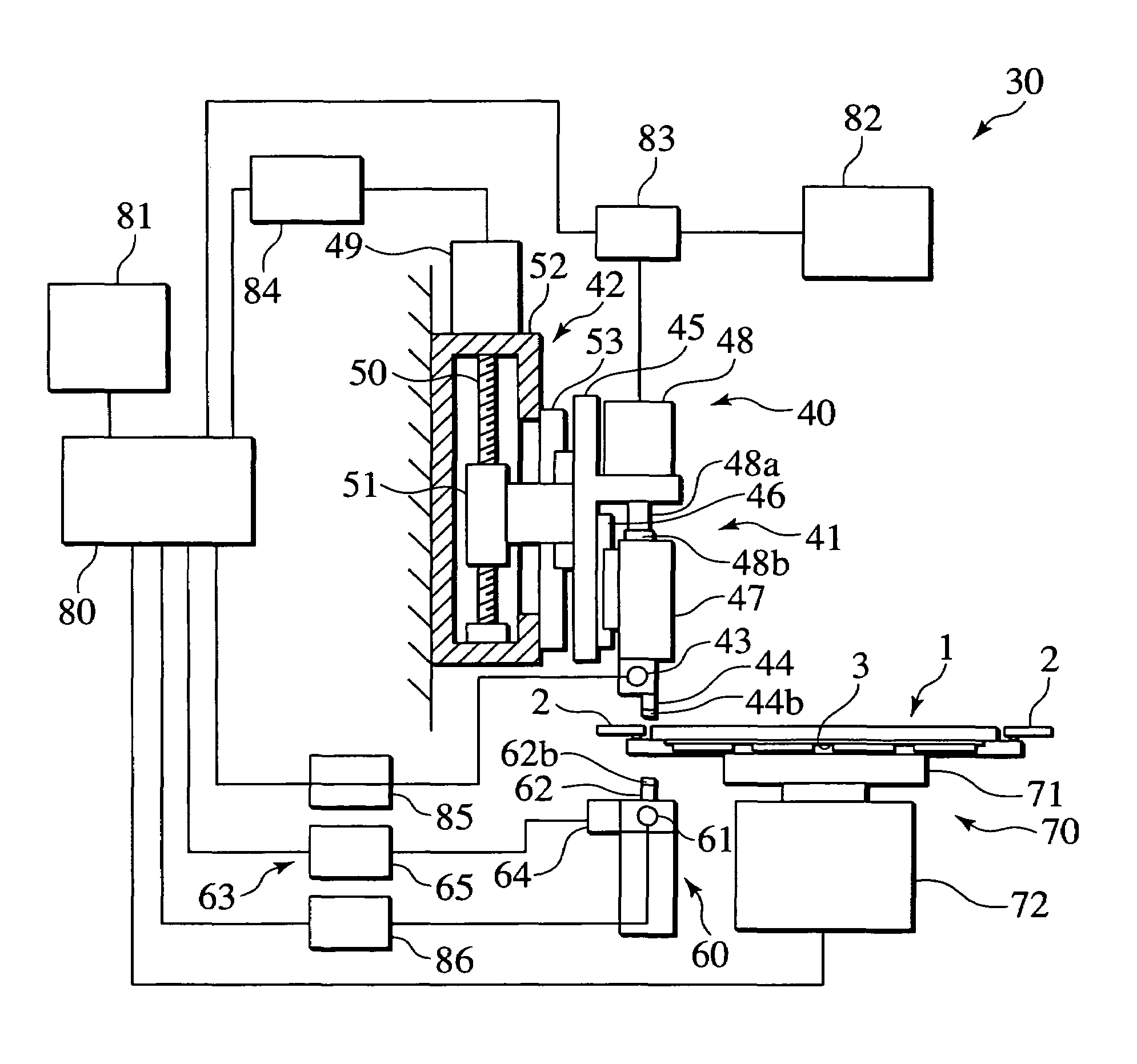
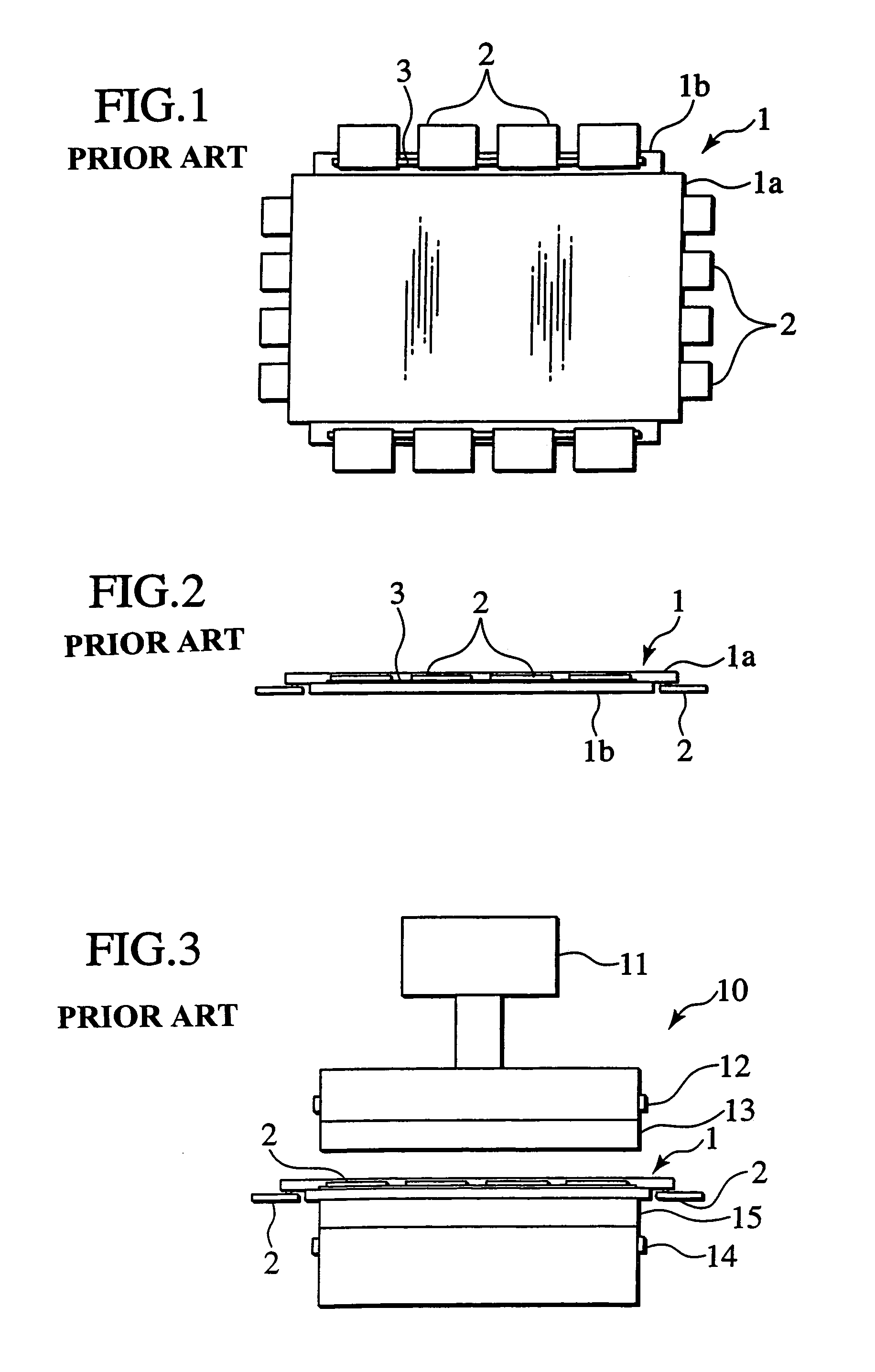
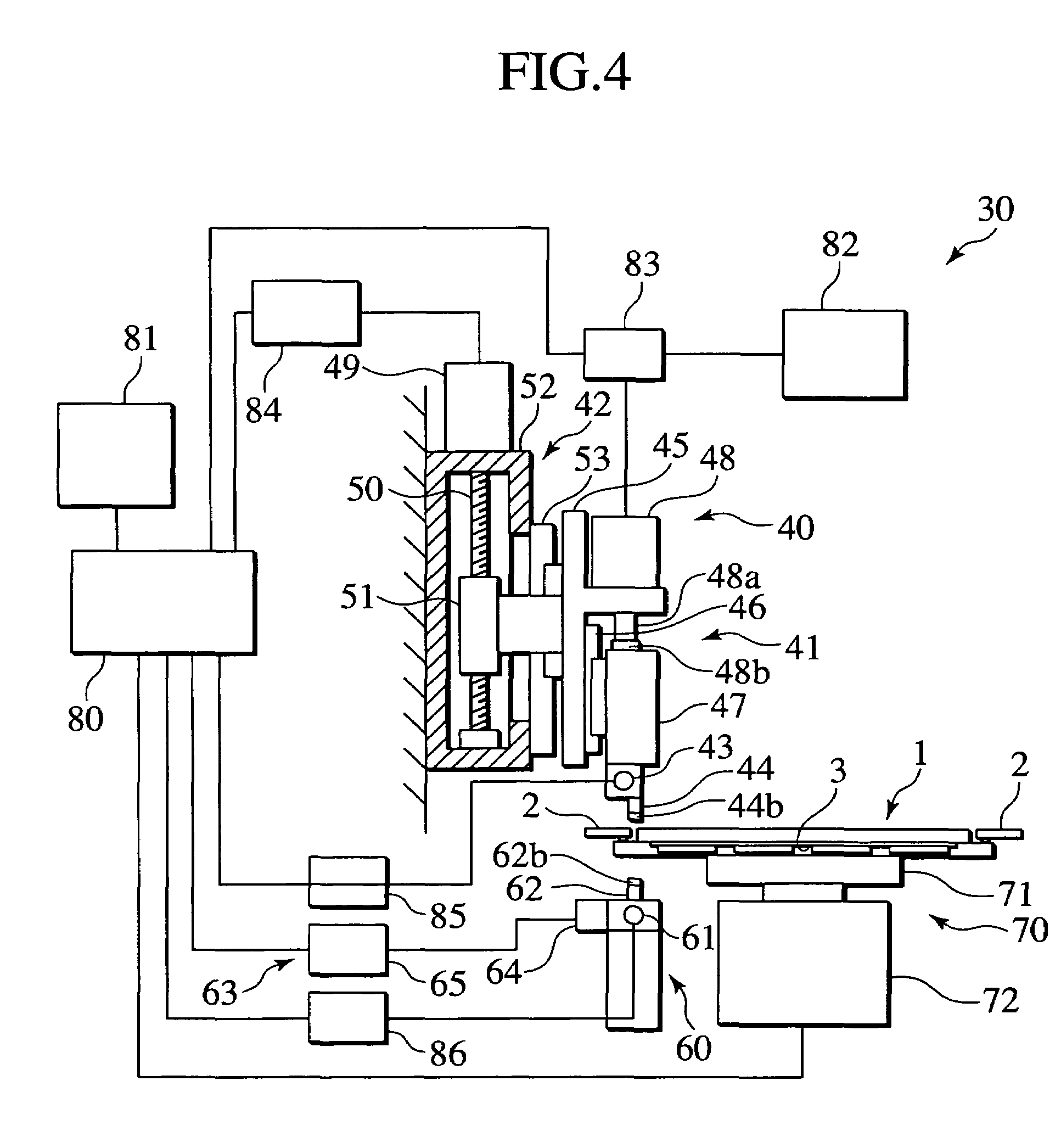
Electronic part compression bonding apparatus and method
PatentInactiveUS7075036B2
Innovation
- The solution involves an electronic part compression bonding apparatus that variably controls pressure and heating conditions based on the elongation properties of the electronic parts, using a thermocompression bonding control unit to adjust pressure and temperature settings during the bonding process, allowing for precise control of elongation through multiple stages and the use of a cooling unit to manage temperature.

Improvements in or relating to thermocompression bonding apparatus
PatentInactiveGB1273612A
Innovation
- A thermocompression bonding apparatus featuring elongated elements that are longitudinally movable and capable of applying pressure simultaneously at multiple interconnection points, utilizing a dual-chamber system with pneumatically operated pistons and wires to form thermocompression bonds, and a replaceable mask for varying bonding patterns, accommodating height differences and ensuring proper alignment.


Automotive Industry Standards and Regulations
The automotive industry operates under a comprehensive framework of standards and regulations that directly impact thermocompression bonding applications in electronic systems. These regulatory requirements span multiple jurisdictions and cover various aspects of vehicle safety, environmental compliance, and performance standards throughout the product lifecycle.
International standards organizations play a crucial role in establishing baseline requirements for automotive electronics. The International Organization for Standardization (ISO) provides fundamental guidelines through ISO 26262 for functional safety of electrical and electronic systems, which directly affects bonding reliability requirements. The International Electrotechnical Commission (IEC) contributes standards for electronic component reliability and testing methodologies that influence thermocompression bonding validation protocols.
Regional regulatory bodies impose specific requirements that vary significantly across markets. In Europe, the European Committee for Standardization (CEN) and the European Committee for Electrotechnical Standardization (CENELEC) establish directives that affect automotive electronics manufacturing. The Restriction of Hazardous Substances (RoHS) directive limits the use of certain materials in electronic components, influencing bonding material selection and process parameters.
North American regulations are primarily governed by the Society of Automotive Engineers (SAE) standards and Federal Motor Vehicle Safety Standards (FMVSS). SAE J standards specifically address electronic system reliability, thermal cycling requirements, and environmental testing protocols that directly impact thermocompression bonding performance criteria. The Automotive Electronics Council (AEC) qualification standards, particularly AEC-Q100 for integrated circuits, establish stress testing requirements that bonding processes must withstand.
Asian markets, led by Japan's automotive standards and China's GB standards, introduce additional compliance requirements. These standards often emphasize long-term reliability and environmental sustainability, affecting lifecycle assessment methodologies for bonding technologies. The Japan Automobile Standards Organization (JASO) provides specific guidelines for electronic component durability that influence bonding process optimization.
Environmental regulations increasingly impact thermocompression bonding processes through lifecycle assessment requirements. The End-of-Life Vehicles (ELV) directive in Europe mandates recyclability considerations, affecting material selection and bonding reversibility requirements. Similar regulations in other regions drive the development of environmentally conscious bonding technologies and lifecycle evaluation methodologies.
International standards organizations play a crucial role in establishing baseline requirements for automotive electronics. The International Organization for Standardization (ISO) provides fundamental guidelines through ISO 26262 for functional safety of electrical and electronic systems, which directly affects bonding reliability requirements. The International Electrotechnical Commission (IEC) contributes standards for electronic component reliability and testing methodologies that influence thermocompression bonding validation protocols.
Regional regulatory bodies impose specific requirements that vary significantly across markets. In Europe, the European Committee for Standardization (CEN) and the European Committee for Electrotechnical Standardization (CENELEC) establish directives that affect automotive electronics manufacturing. The Restriction of Hazardous Substances (RoHS) directive limits the use of certain materials in electronic components, influencing bonding material selection and process parameters.
North American regulations are primarily governed by the Society of Automotive Engineers (SAE) standards and Federal Motor Vehicle Safety Standards (FMVSS). SAE J standards specifically address electronic system reliability, thermal cycling requirements, and environmental testing protocols that directly impact thermocompression bonding performance criteria. The Automotive Electronics Council (AEC) qualification standards, particularly AEC-Q100 for integrated circuits, establish stress testing requirements that bonding processes must withstand.
Asian markets, led by Japan's automotive standards and China's GB standards, introduce additional compliance requirements. These standards often emphasize long-term reliability and environmental sustainability, affecting lifecycle assessment methodologies for bonding technologies. The Japan Automobile Standards Organization (JASO) provides specific guidelines for electronic component durability that influence bonding process optimization.
Environmental regulations increasingly impact thermocompression bonding processes through lifecycle assessment requirements. The End-of-Life Vehicles (ELV) directive in Europe mandates recyclability considerations, affecting material selection and bonding reversibility requirements. Similar regulations in other regions drive the development of environmentally conscious bonding technologies and lifecycle evaluation methodologies.
Lifecycle Assessment Methodologies for Bonding Processes
Lifecycle Assessment (LCA) methodologies for thermocompression bonding processes in automotive electronics require a comprehensive framework that encompasses multiple evaluation dimensions and standardized approaches. The foundation of these methodologies rests on internationally recognized standards such as ISO 14040 and ISO 14044, which provide the structural framework for conducting systematic environmental impact assessments throughout the entire bonding process lifecycle.
The goal and scope definition phase establishes critical parameters for evaluating thermocompression bonding applications. This includes defining functional units specific to automotive electronic assemblies, such as bonded connections per vehicle component or bonding strength per unit area. The scope encompasses raw material extraction for bonding materials, manufacturing of bonding equipment, operational energy consumption during the bonding process, and end-of-life disposal or recycling scenarios.
Inventory analysis methodologies focus on quantifying material and energy flows throughout the bonding lifecycle. Data collection protocols must account for substrate materials, bonding films, process gases, electrical energy consumption during heating and compression cycles, and auxiliary materials such as cleaning solvents. Advanced methodologies incorporate real-time monitoring systems to capture precise energy profiles during different bonding temperature and pressure combinations.
Impact assessment methodologies evaluate environmental consequences across multiple categories including carbon footprint, energy depletion, toxicity potential, and resource consumption. Specialized characterization factors for automotive electronics consider the unique material compositions and processing conditions inherent to thermocompression bonding. These methodologies must address the multi-layered nature of automotive electronic assemblies and the varying bonding requirements across different component types.
Interpretation frameworks integrate quantitative results with qualitative factors such as reliability performance, manufacturing scalability, and supply chain considerations. Comparative methodologies enable evaluation of thermocompression bonding against alternative joining technologies, providing decision-making support for automotive manufacturers. Sensitivity analysis protocols assess the robustness of LCA conclusions under varying operational parameters and material specifications, ensuring methodology reliability across diverse automotive electronic applications.
The goal and scope definition phase establishes critical parameters for evaluating thermocompression bonding applications. This includes defining functional units specific to automotive electronic assemblies, such as bonded connections per vehicle component or bonding strength per unit area. The scope encompasses raw material extraction for bonding materials, manufacturing of bonding equipment, operational energy consumption during the bonding process, and end-of-life disposal or recycling scenarios.
Inventory analysis methodologies focus on quantifying material and energy flows throughout the bonding lifecycle. Data collection protocols must account for substrate materials, bonding films, process gases, electrical energy consumption during heating and compression cycles, and auxiliary materials such as cleaning solvents. Advanced methodologies incorporate real-time monitoring systems to capture precise energy profiles during different bonding temperature and pressure combinations.
Impact assessment methodologies evaluate environmental consequences across multiple categories including carbon footprint, energy depletion, toxicity potential, and resource consumption. Specialized characterization factors for automotive electronics consider the unique material compositions and processing conditions inherent to thermocompression bonding. These methodologies must address the multi-layered nature of automotive electronic assemblies and the varying bonding requirements across different component types.
Interpretation frameworks integrate quantitative results with qualitative factors such as reliability performance, manufacturing scalability, and supply chain considerations. Comparative methodologies enable evaluation of thermocompression bonding against alternative joining technologies, providing decision-making support for automotive manufacturers. Sensitivity analysis protocols assess the robustness of LCA conclusions under varying operational parameters and material specifications, ensuring methodology reliability across diverse automotive electronic applications.
Unlock deeper insights with PatSnap Eureka Quick Research — get a full tech report to explore trends and direct your research. Try now!
Generate Your Research Report Instantly with AI Agent
Supercharge your innovation with PatSnap Eureka AI Agent Platform!