

Thyristor vs CMOS: Switching Speed Differences
MAR 12, 20269 MIN READ
Generate Your Research Report Instantly with AI Agent
PatSnap Eureka helps you evaluate technical feasibility & market potential.
Thyristor and CMOS Technology Background and Objectives
Thyristor technology emerged in the 1950s as a revolutionary semiconductor switching device, fundamentally transforming power control applications across industrial sectors. These four-layer PNPN structures operate as bistable switches, capable of handling high voltages and currents while maintaining robust performance in harsh environments. The technology has evolved from basic Silicon Controlled Rectifiers (SCRs) to sophisticated variants including Gate Turn-Off thyristors (GTOs) and Integrated Gate-Commutated Thyristors (IGCTs).
CMOS technology development began in the 1960s, representing a paradigm shift toward low-power digital circuit design. The complementary pairing of NMOS and PMOS transistors creates circuits with minimal static power consumption and excellent noise margins. This technology has driven the exponential growth of microprocessors, memory devices, and digital signal processing systems, becoming the backbone of modern electronics.
The fundamental operational principles of these technologies reveal distinct switching characteristics. Thyristors exhibit regenerative switching behavior, where once triggered, they remain in the conducting state until the current falls below the holding threshold. This latching mechanism provides excellent power handling capabilities but introduces inherent switching delays due to charge storage effects and minority carrier recombination processes.
CMOS devices operate through field-effect mechanisms, where gate voltage controls channel conductivity without requiring continuous gate current. The switching process involves charging and discharging gate capacitances, enabling rapid state transitions with minimal power dissipation. Modern CMOS processes have achieved switching frequencies in the gigahertz range through aggressive scaling and architectural innovations.
The technological objectives driving current research focus on bridging the performance gap between power handling and switching speed. For thyristor technology, efforts concentrate on reducing turn-off times through advanced doping profiles, lifetime control techniques, and novel device structures. Wide bandgap materials like silicon carbide are being explored to enhance both switching speed and power density.
CMOS technology advancement targets maintaining switching performance while addressing power density challenges in scaled devices. Advanced node development emphasizes reducing parasitic capacitances, optimizing transistor architectures, and implementing novel materials to sustain Moore's Law progression while managing short-channel effects and leakage currents.
CMOS technology development began in the 1960s, representing a paradigm shift toward low-power digital circuit design. The complementary pairing of NMOS and PMOS transistors creates circuits with minimal static power consumption and excellent noise margins. This technology has driven the exponential growth of microprocessors, memory devices, and digital signal processing systems, becoming the backbone of modern electronics.
The fundamental operational principles of these technologies reveal distinct switching characteristics. Thyristors exhibit regenerative switching behavior, where once triggered, they remain in the conducting state until the current falls below the holding threshold. This latching mechanism provides excellent power handling capabilities but introduces inherent switching delays due to charge storage effects and minority carrier recombination processes.
CMOS devices operate through field-effect mechanisms, where gate voltage controls channel conductivity without requiring continuous gate current. The switching process involves charging and discharging gate capacitances, enabling rapid state transitions with minimal power dissipation. Modern CMOS processes have achieved switching frequencies in the gigahertz range through aggressive scaling and architectural innovations.
The technological objectives driving current research focus on bridging the performance gap between power handling and switching speed. For thyristor technology, efforts concentrate on reducing turn-off times through advanced doping profiles, lifetime control techniques, and novel device structures. Wide bandgap materials like silicon carbide are being explored to enhance both switching speed and power density.
CMOS technology advancement targets maintaining switching performance while addressing power density challenges in scaled devices. Advanced node development emphasizes reducing parasitic capacitances, optimizing transistor architectures, and implementing novel materials to sustain Moore's Law progression while managing short-channel effects and leakage currents.
Market Demand for High-Speed Switching Solutions
The global semiconductor market is experiencing unprecedented demand for high-speed switching solutions, driven by the exponential growth of data centers, telecommunications infrastructure, and power electronics applications. Modern computing systems require switching devices capable of operating at frequencies ranging from megahertz to gigahertz levels, creating substantial market opportunities for both thyristor and CMOS technologies in their respective application domains.
Data center infrastructure represents one of the most significant growth drivers for high-speed switching solutions. Cloud computing expansion and artificial intelligence workloads demand power management systems with rapid response times and minimal switching losses. CMOS technology dominates this segment due to its superior switching speed characteristics, enabling efficient voltage regulation modules and power delivery networks that can respond to dynamic load changes within nanoseconds.
Telecommunications equipment manufacturers are increasingly seeking switching solutions that can handle higher frequencies while maintaining signal integrity. The deployment of 5G networks and the development of 6G technologies create substantial demand for ultra-fast switching components. CMOS devices excel in radio frequency applications and signal processing circuits, where switching speeds directly impact system performance and data throughput capabilities.
Power electronics applications present a more nuanced market landscape where both thyristor and CMOS technologies find distinct niches. High-voltage power conversion systems, particularly in renewable energy installations and industrial motor drives, continue to rely on thyristor-based solutions despite their slower switching characteristics. However, emerging applications in electric vehicle charging infrastructure and grid-tied inverters increasingly favor faster-switching alternatives.
The automotive electronics sector demonstrates growing appetite for high-speed switching solutions, particularly in electric and hybrid vehicle powertrains. Battery management systems, onboard chargers, and motor control units require switching devices that can balance speed, efficiency, and thermal performance. This market segment shows strong preference for CMOS-based solutions in low-to-medium voltage applications.
Industrial automation and robotics applications drive demand for switching solutions that combine speed with precision control capabilities. Manufacturing equipment requires power electronics that can respond rapidly to control signals while maintaining stable operation under varying load conditions. The trend toward more sophisticated automation systems continues to expand the addressable market for high-performance switching technologies.
Emerging applications in quantum computing, advanced medical devices, and aerospace systems create specialized demand for ultra-high-speed switching solutions. These niche markets often require custom solutions that push the boundaries of existing technology capabilities, representing potential growth opportunities for innovative switching device manufacturers.
Data center infrastructure represents one of the most significant growth drivers for high-speed switching solutions. Cloud computing expansion and artificial intelligence workloads demand power management systems with rapid response times and minimal switching losses. CMOS technology dominates this segment due to its superior switching speed characteristics, enabling efficient voltage regulation modules and power delivery networks that can respond to dynamic load changes within nanoseconds.
Telecommunications equipment manufacturers are increasingly seeking switching solutions that can handle higher frequencies while maintaining signal integrity. The deployment of 5G networks and the development of 6G technologies create substantial demand for ultra-fast switching components. CMOS devices excel in radio frequency applications and signal processing circuits, where switching speeds directly impact system performance and data throughput capabilities.
Power electronics applications present a more nuanced market landscape where both thyristor and CMOS technologies find distinct niches. High-voltage power conversion systems, particularly in renewable energy installations and industrial motor drives, continue to rely on thyristor-based solutions despite their slower switching characteristics. However, emerging applications in electric vehicle charging infrastructure and grid-tied inverters increasingly favor faster-switching alternatives.
The automotive electronics sector demonstrates growing appetite for high-speed switching solutions, particularly in electric and hybrid vehicle powertrains. Battery management systems, onboard chargers, and motor control units require switching devices that can balance speed, efficiency, and thermal performance. This market segment shows strong preference for CMOS-based solutions in low-to-medium voltage applications.
Industrial automation and robotics applications drive demand for switching solutions that combine speed with precision control capabilities. Manufacturing equipment requires power electronics that can respond rapidly to control signals while maintaining stable operation under varying load conditions. The trend toward more sophisticated automation systems continues to expand the addressable market for high-performance switching technologies.
Emerging applications in quantum computing, advanced medical devices, and aerospace systems create specialized demand for ultra-high-speed switching solutions. These niche markets often require custom solutions that push the boundaries of existing technology capabilities, representing potential growth opportunities for innovative switching device manufacturers.
Current State and Speed Limitations of Thyristor vs CMOS
Thyristors and CMOS technologies represent two fundamentally different approaches to semiconductor switching, each with distinct operational characteristics and speed limitations. Currently, CMOS technology dominates high-speed digital applications due to its superior switching performance, while thyristors maintain their position in high-power applications despite inherent speed constraints.
CMOS transistors demonstrate exceptional switching speeds, with modern processes achieving gate delays in the picosecond range. Advanced 3nm and 5nm CMOS nodes can operate at frequencies exceeding 5 GHz, with switching times measured in femtoseconds for individual transistors. This performance stems from their field-effect operation mechanism, where voltage controls current flow through a channel, enabling rapid state transitions with minimal charge storage effects.
Thyristors face significant speed limitations due to their bipolar junction structure and regenerative switching mechanism. Traditional silicon-controlled rectifiers (SCRs) exhibit turn-on times ranging from microseconds to milliseconds, while turn-off times can extend even longer due to stored charge recombination requirements. Gate turn-off thyristors (GTOs) and integrated gate-commutated thyristors (IGCTs) have improved switching speeds to tens of microseconds, but remain orders of magnitude slower than CMOS devices.
The fundamental speed disparity originates from different switching mechanisms. CMOS devices rely on majority carrier transport and capacitive charging/discharging, enabling rapid transitions. Thyristors depend on minority carrier injection and four-layer regenerative action, requiring substantial time for charge carrier recombination during turn-off processes.
Current technological developments focus on addressing thyristor speed limitations through advanced materials and structural innovations. Silicon carbide (SiC) and gallium nitride (GaN) thyristors demonstrate improved switching characteristics, with SiC devices achieving turn-off times in the microsecond range while maintaining high voltage blocking capabilities.
Modern power electronics applications increasingly utilize hybrid approaches, combining CMOS control circuits with thyristor power stages. This configuration leverages CMOS speed for control functions while exploiting thyristor robustness for high-power switching, though overall system speed remains constrained by thyristor limitations.
The speed gap between these technologies continues to widen as CMOS processes advance toward sub-nanometer dimensions, while thyristor improvements focus primarily on power handling and efficiency rather than switching speed optimization.
CMOS transistors demonstrate exceptional switching speeds, with modern processes achieving gate delays in the picosecond range. Advanced 3nm and 5nm CMOS nodes can operate at frequencies exceeding 5 GHz, with switching times measured in femtoseconds for individual transistors. This performance stems from their field-effect operation mechanism, where voltage controls current flow through a channel, enabling rapid state transitions with minimal charge storage effects.
Thyristors face significant speed limitations due to their bipolar junction structure and regenerative switching mechanism. Traditional silicon-controlled rectifiers (SCRs) exhibit turn-on times ranging from microseconds to milliseconds, while turn-off times can extend even longer due to stored charge recombination requirements. Gate turn-off thyristors (GTOs) and integrated gate-commutated thyristors (IGCTs) have improved switching speeds to tens of microseconds, but remain orders of magnitude slower than CMOS devices.
The fundamental speed disparity originates from different switching mechanisms. CMOS devices rely on majority carrier transport and capacitive charging/discharging, enabling rapid transitions. Thyristors depend on minority carrier injection and four-layer regenerative action, requiring substantial time for charge carrier recombination during turn-off processes.
Current technological developments focus on addressing thyristor speed limitations through advanced materials and structural innovations. Silicon carbide (SiC) and gallium nitride (GaN) thyristors demonstrate improved switching characteristics, with SiC devices achieving turn-off times in the microsecond range while maintaining high voltage blocking capabilities.
Modern power electronics applications increasingly utilize hybrid approaches, combining CMOS control circuits with thyristor power stages. This configuration leverages CMOS speed for control functions while exploiting thyristor robustness for high-power switching, though overall system speed remains constrained by thyristor limitations.
The speed gap between these technologies continues to widen as CMOS processes advance toward sub-nanometer dimensions, while thyristor improvements focus primarily on power handling and efficiency rather than switching speed optimization.
Existing Speed Optimization Solutions
01 Thyristor structures with improved switching speed
Thyristor devices can be designed with modified structures to enhance switching speed performance. These improvements may include optimized doping profiles, reduced junction capacitances, and modified gate structures that enable faster turn-on and turn-off times. The structural modifications help reduce charge carrier storage effects and minimize switching delays, making thyristors more competitive with other switching technologies.- Thyristor structures with improved switching speed: Thyristor devices can be designed with modified structures to enhance their switching speed characteristics. These improvements may include optimized doping profiles, reduced carrier lifetime regions, and specialized gate structures that enable faster turn-on and turn-off times. The structural modifications help reduce switching delays and improve overall device performance in high-speed applications.
- CMOS circuit design for high-speed switching: CMOS technology can be optimized for high-speed switching through various circuit design techniques. These include minimizing parasitic capacitances, optimizing transistor sizing, implementing advanced layout strategies, and utilizing specialized driver circuits. Such designs enable faster signal propagation and reduced switching delays in digital circuits.
- Hybrid thyristor-CMOS integration: Integration of thyristor and CMOS technologies on the same substrate enables combining the advantages of both device types. This approach allows for circuits that benefit from the high current handling capability of thyristors and the fast switching characteristics of CMOS devices. The integration techniques involve compatible fabrication processes and isolation methods to prevent interference between device types.
- Switching speed enhancement through process optimization: Manufacturing process improvements can significantly enhance switching speed in both thyristor and CMOS devices. These optimizations include advanced lithography techniques, improved material quality, optimized thermal processing, and innovative doping methods. Process refinements reduce parasitic effects and enable faster carrier transport, resulting in improved switching performance.
- Driver circuits for controlling switching speed: Specialized driver circuits can be designed to control and optimize the switching speed of thyristor and CMOS devices. These circuits provide appropriate gate drive signals, control current levels, and manage timing sequences to achieve desired switching characteristics. Driver designs may include pulse shaping circuits, current boosting stages, and feedback control mechanisms to ensure reliable and fast switching operation.
02 CMOS-compatible thyristor integration
Integration techniques allow thyristors to be fabricated alongside standard CMOS circuits on the same substrate. This approach combines the high current handling capability of thyristors with the logic processing advantages of CMOS technology. The integration methods involve compatible process steps and shared fabrication techniques that enable both device types to coexist without compromising their individual performance characteristics.Expand Specific Solutions03 High-speed switching circuits using thyristor-CMOS hybrid designs
Hybrid circuit designs leverage both thyristor and CMOS components to achieve high-speed switching with improved power efficiency. These circuits utilize the fast switching characteristics of CMOS devices for control logic while employing thyristors for power switching applications. The combination allows for optimized performance in terms of switching speed, power consumption, and current handling capability.Expand Specific Solutions04 Gate control techniques for enhanced thyristor switching performance
Advanced gate control methods improve thyristor switching speed through optimized triggering mechanisms and drive circuits. These techniques include pulse shaping, optimized gate current profiles, and specialized driver circuits that reduce switching times. The control methods enable more precise timing control and faster response to switching commands, bridging the performance gap with purely CMOS-based solutions.Expand Specific Solutions05 Process optimization for reducing parasitic effects in switching devices
Manufacturing process improvements focus on minimizing parasitic capacitances and resistances that limit switching speed in both thyristor and CMOS devices. These optimizations include advanced lithography techniques, improved isolation methods, and refined doping processes. By reducing parasitic effects, the overall switching performance is enhanced, enabling faster operation frequencies and reduced power losses during transitions.Expand Specific Solutions
Key Players in Thyristor and CMOS Manufacturing
The thyristor versus CMOS switching speed comparison represents a mature semiconductor technology landscape with distinct market segments. The industry has reached technological maturity, with CMOS dominating high-speed digital applications due to superior switching characteristics, while thyristors maintain relevance in power control applications. Market leaders like Intel, Texas Instruments, and Taiwan Semiconductor Manufacturing demonstrate advanced CMOS fabrication capabilities, while companies such as Infineon Technologies, Wolfspeed, and Semiconductor Components Industries focus on power semiconductor solutions including thyristor technologies. The competitive landscape shows clear technological differentiation, with established players like IBM, Micron Technology, and NXP Semiconductors driving innovation in specialized applications. Research institutions including Xidian University and University of Electronic Science & Technology of China contribute to ongoing technological advancement, while foundries like GLOBALFOUNDRIES and Semiconductor Manufacturing International provide manufacturing capabilities across both technology domains.
Texas Instruments Incorporated
Technical Solution: TI has developed advanced CMOS technology solutions that achieve switching speeds in the nanosecond range, significantly faster than traditional thyristor-based systems which typically operate in microsecond timeframes. Their CMOS implementations utilize optimized gate oxide thickness and channel engineering to minimize parasitic capacitances, enabling rapid charge and discharge cycles. The company's power management ICs demonstrate CMOS switching frequencies up to several MHz, while maintaining low power consumption through advanced process nodes. TI's comparative analysis shows CMOS devices can achieve 100-1000x faster switching compared to thyristors, making them ideal for high-frequency applications like DC-DC converters and motor control systems.
Strengths: Industry-leading CMOS switching speed optimization, extensive product portfolio. Weaknesses: Higher complexity in high-power applications compared to thyristors.
Taiwan Semiconductor Manufacturing Co., Ltd.
Technical Solution: TSMC's advanced CMOS manufacturing processes enable extremely fast switching speeds through precise control of device geometries and materials. Their latest 3nm and 5nm processes demonstrate CMOS switching capabilities in the sub-nanosecond range, highlighting the fundamental speed advantages over thyristor technology. TSMC's process technology optimizes channel mobility, reduces parasitic capacitances, and minimizes gate oxide thickness to achieve maximum switching performance. The foundry's technical papers show that modern CMOS devices can achieve switching frequencies exceeding 10 GHz, while thyristors are fundamentally limited to much lower frequencies due to their bipolar operation and charge storage effects. TSMC's manufacturing capabilities enable the production of high-performance CMOS devices for various applications requiring fast switching.
Strengths: World-leading CMOS manufacturing technology, excellent switching speed performance. Weaknesses: No thyristor manufacturing capabilities, focus primarily on digital applications.
Core Innovations in Fast Switching Technologies
Semiconductor device and method for manufacturing semiconductor device
PatentInactiveUS20070012945A1
Innovation
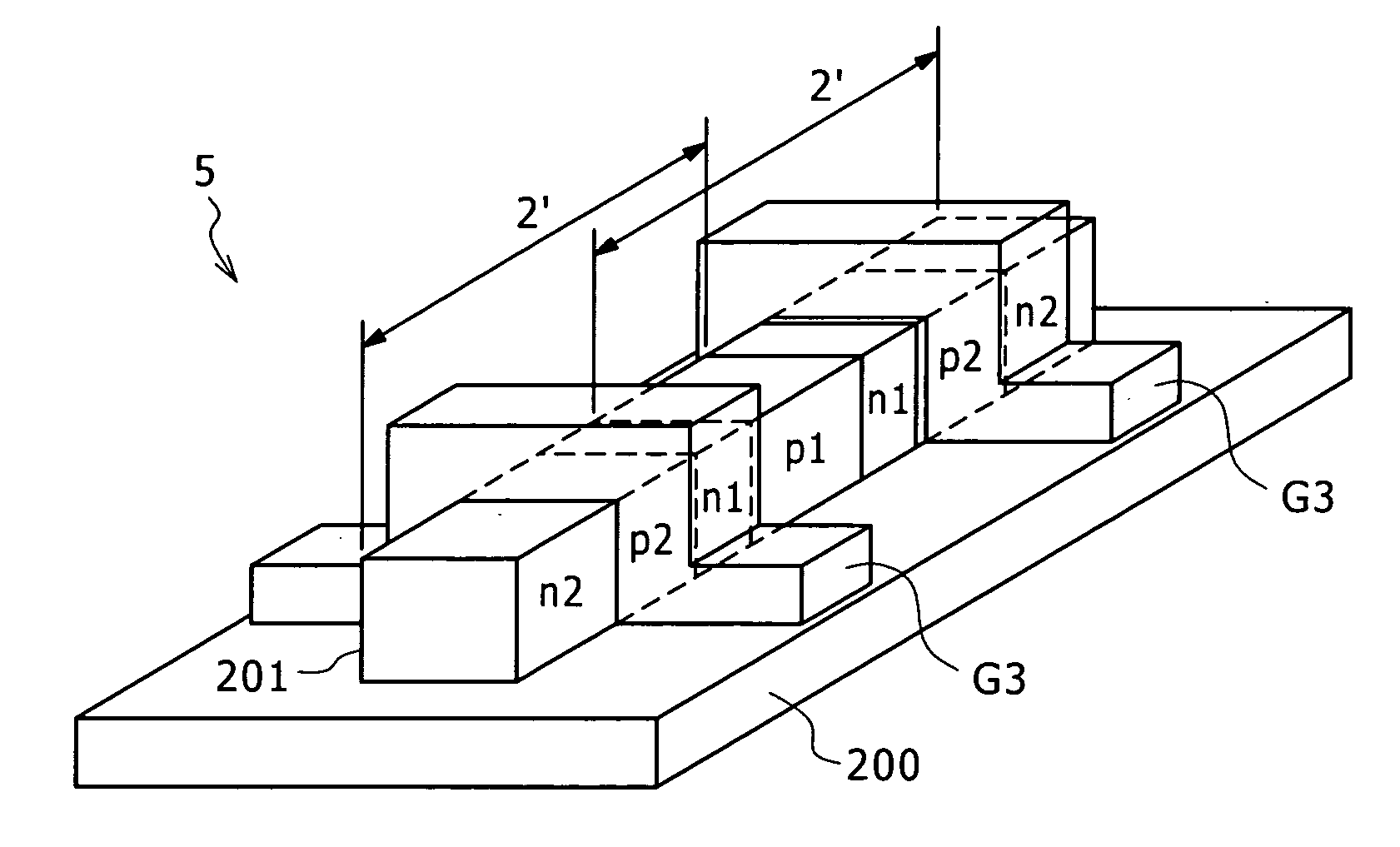
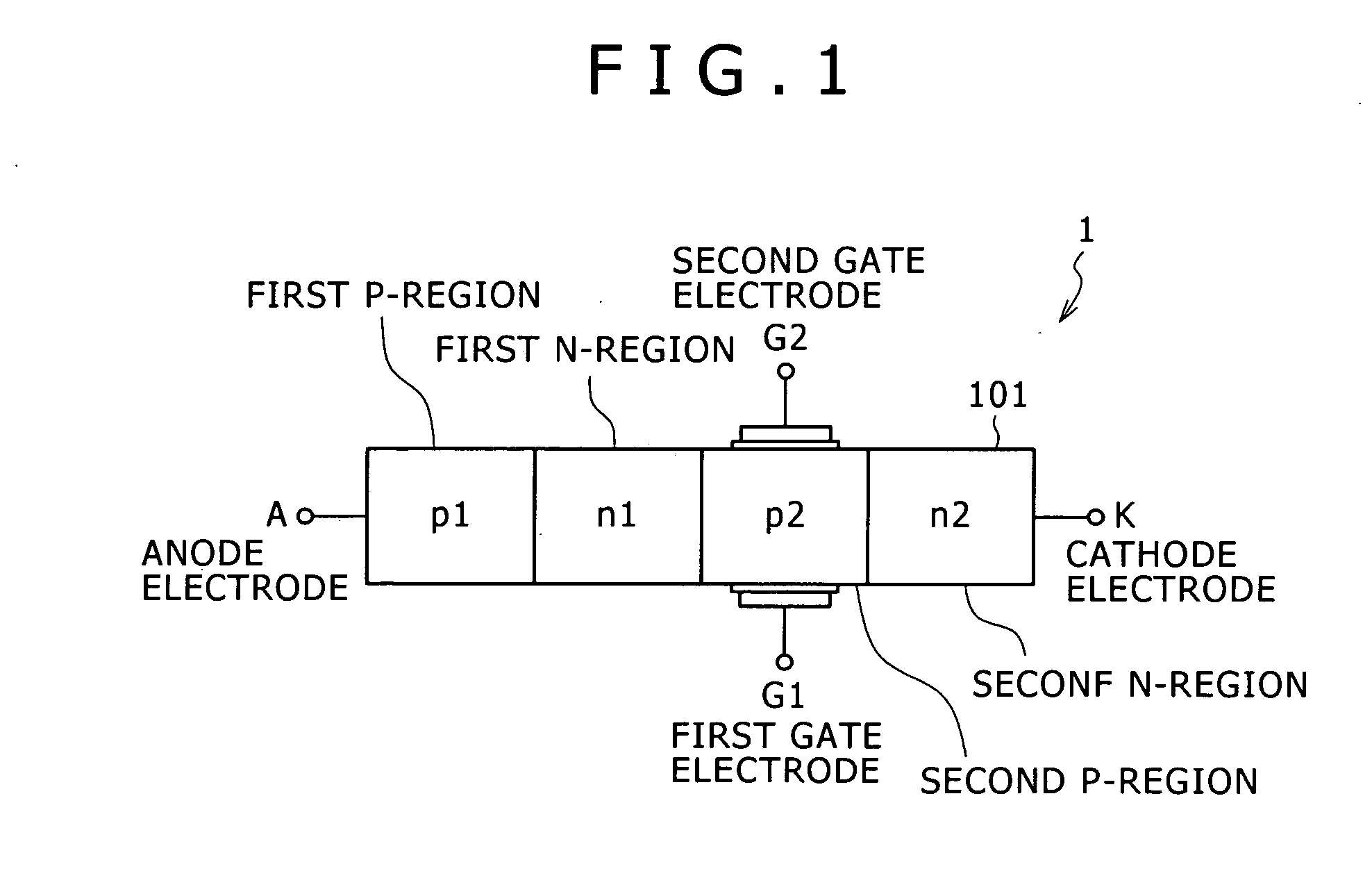
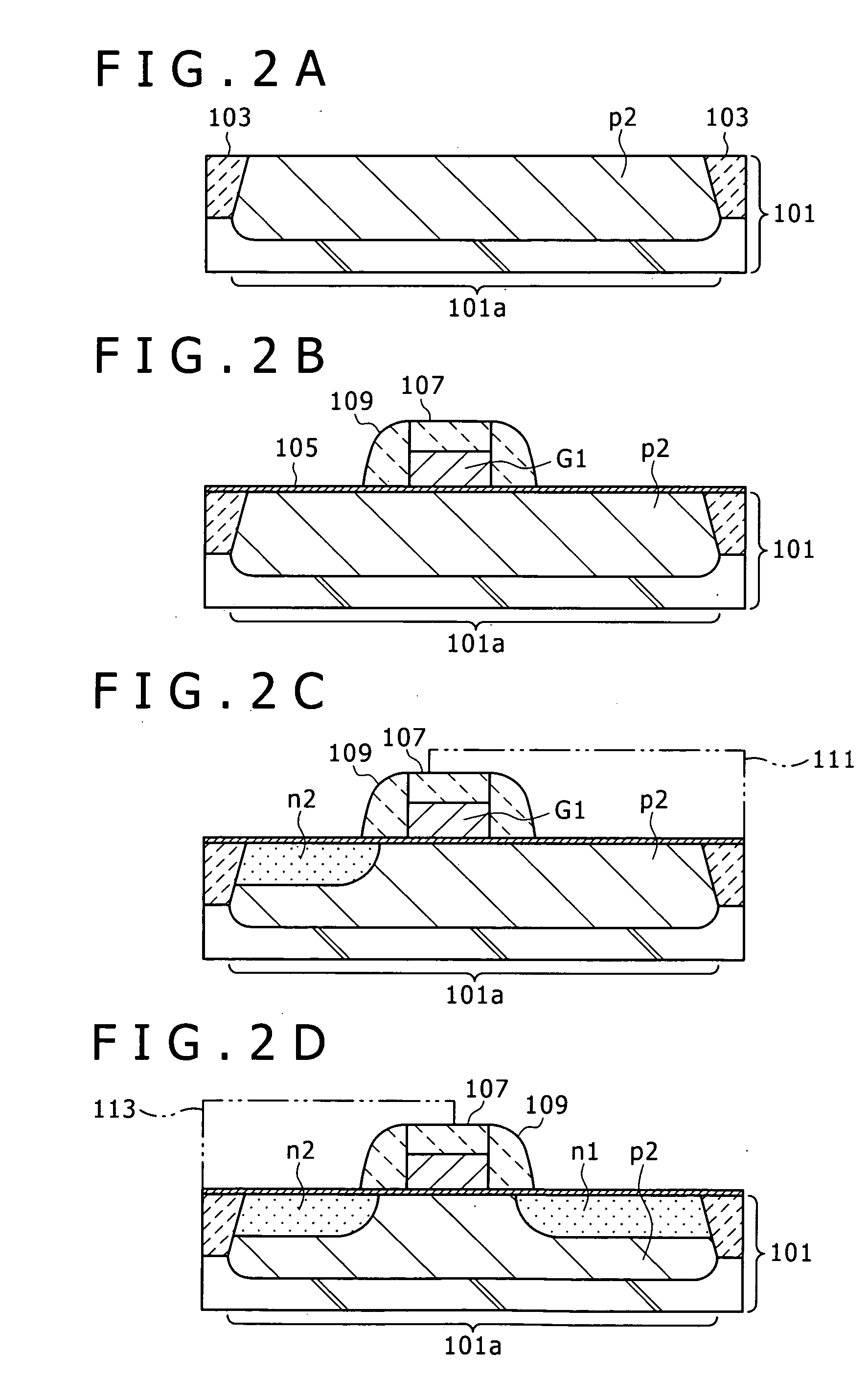
- The semiconductor device incorporates a gate electrode structure with multiple faces over the p-region, allowing for efficient application of an electric field across the entire region, facilitating rapid discharge of minority carriers by providing independent control over gate electrodes, thereby enhancing switching speed from the on-state to the off-state.

Semiconductor device and a method of manufacturing such a semiconductor device
PatentInactiveUS20070252216A1
Innovation
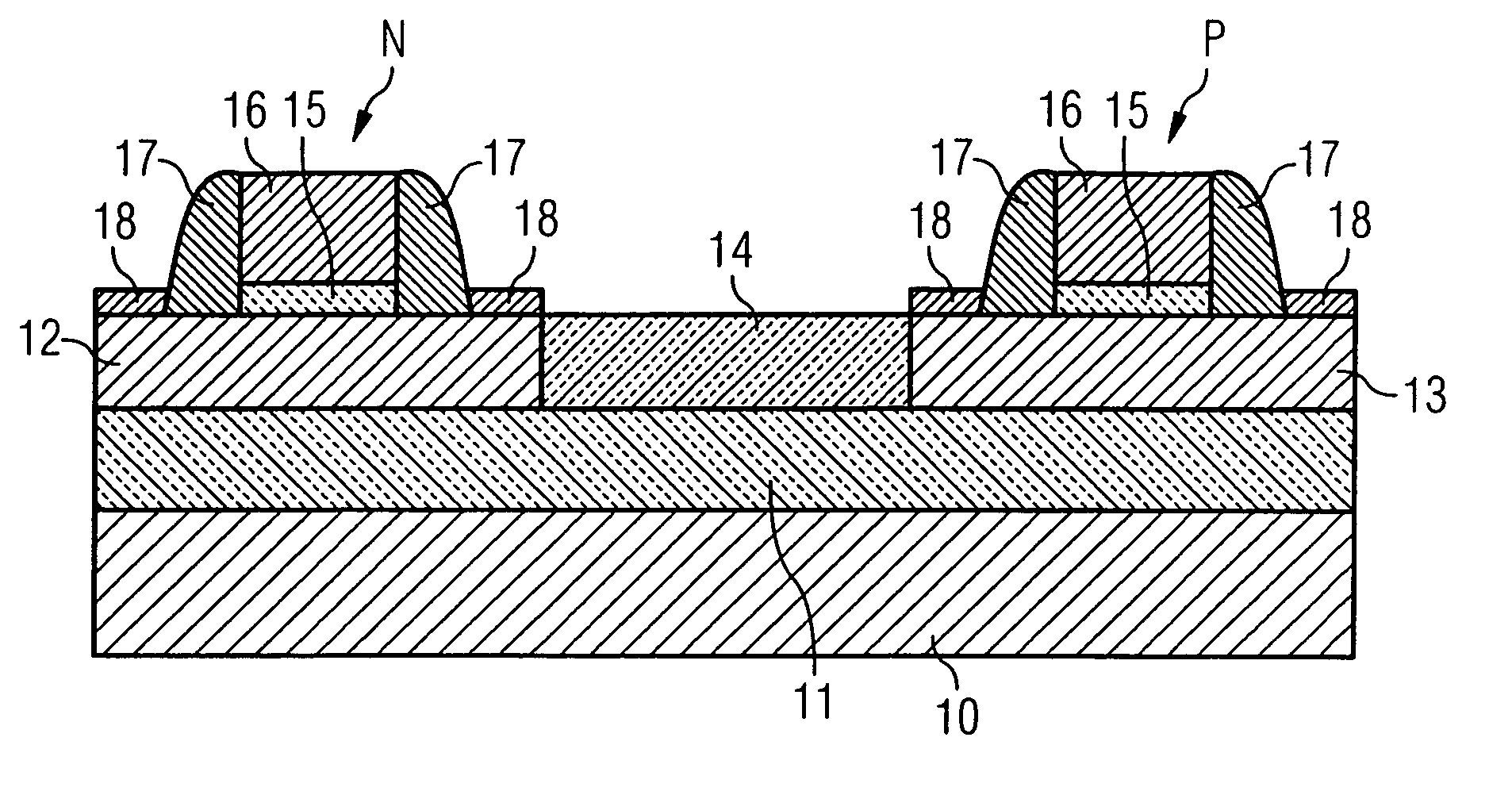
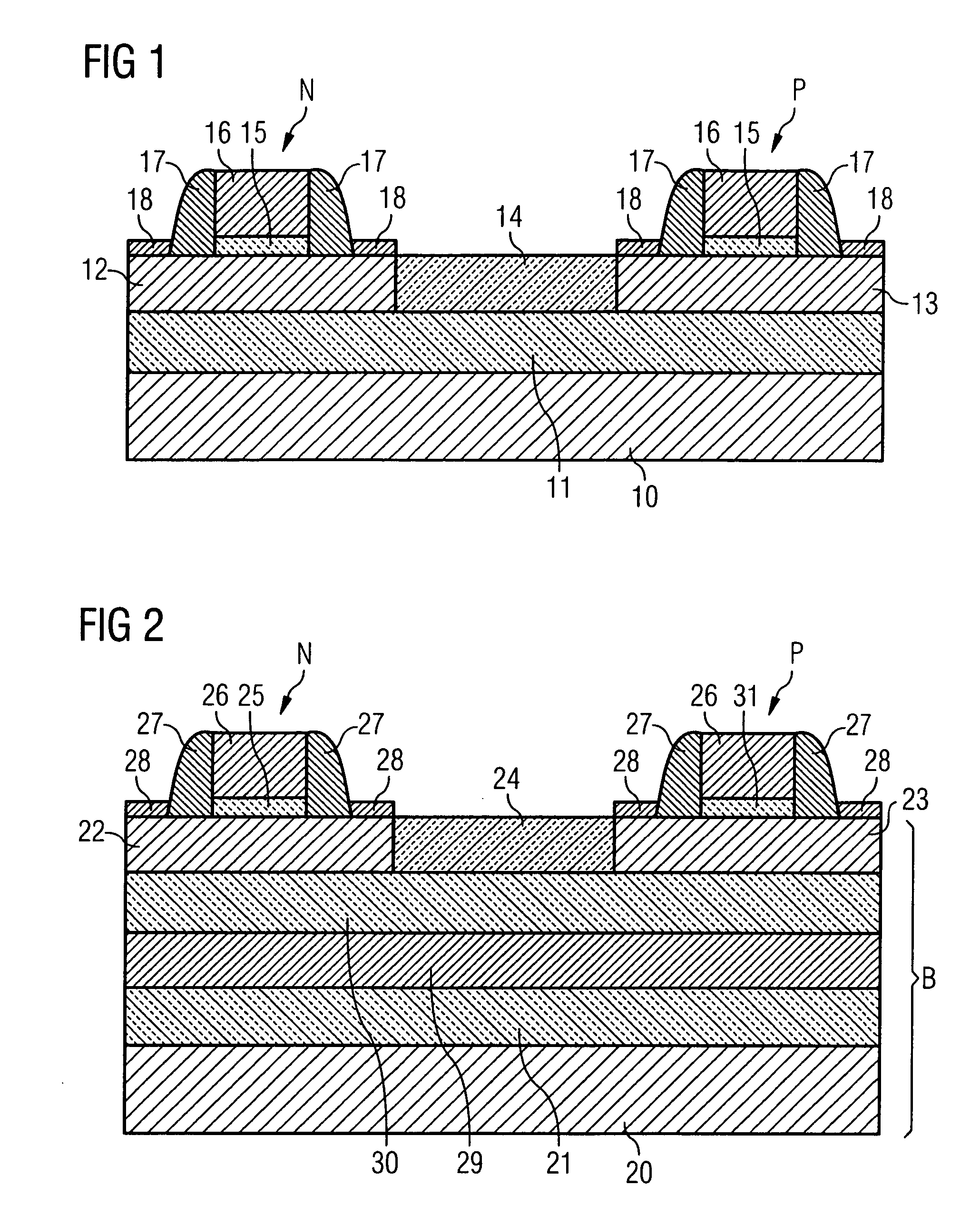
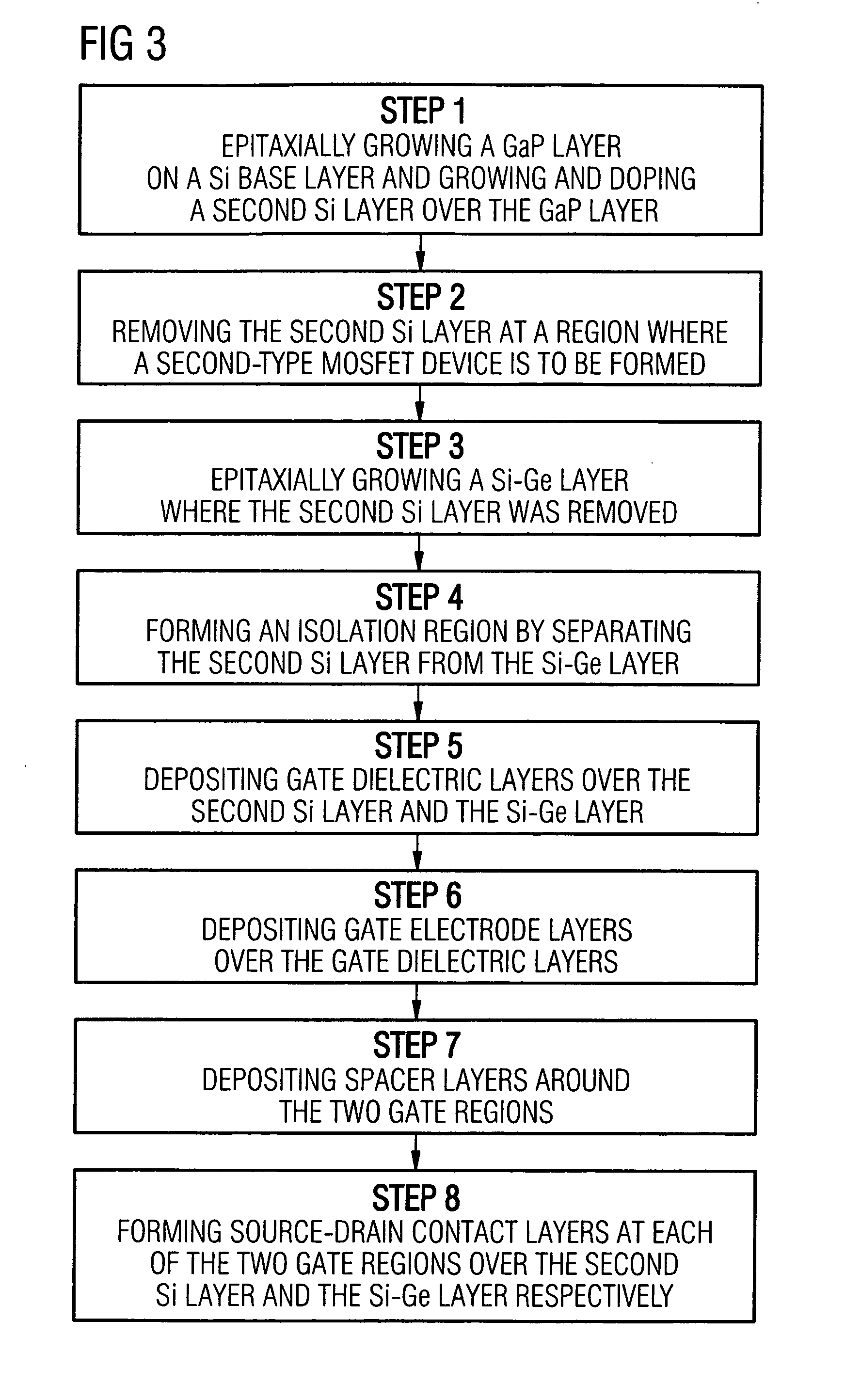
- The use of dissimilar semiconductor materials for n-type and p-type channel regions, such as gallium arsenide (GaAs) and silicon-germanium (SiGe) on a silicon substrate, along with a gallium phosphide (GaP) layer for improved thermal conductivity, to achieve balanced mobility and reduce self-heating, combined with epitaxial growth techniques for efficient fabrication.

Power Efficiency Trade-offs in Switching Applications
The fundamental trade-off between power efficiency and switching performance represents a critical design consideration when comparing thyristor and CMOS technologies in switching applications. Thyristors excel in high-power scenarios where energy conservation takes precedence over rapid switching, while CMOS devices optimize for applications requiring frequent state changes with minimal power consumption during idle periods.
Thyristors demonstrate superior power efficiency in continuous conduction applications due to their inherently low forward voltage drop, typically ranging from 1.2V to 2.5V under full load conditions. This characteristic translates to significantly reduced conduction losses in high-current applications, making them ideal for power conversion systems, motor drives, and industrial heating applications where sustained power delivery is paramount.
CMOS technology exhibits exceptional efficiency during switching transitions and standby modes, with static power consumption approaching near-zero levels in modern process nodes. The primary power dissipation occurs during switching events, following the relationship P = CV²f, where capacitive loading and switching frequency directly impact overall efficiency. This makes CMOS particularly suitable for digital processing applications and low-power switching circuits.
The efficiency trade-off becomes pronounced in mixed-signal applications where both technologies may coexist. Thyristors handle high-power switching tasks with minimal conduction losses but suffer from significant turn-off energy requirements and slower thermal recovery. CMOS devices provide rapid switching with minimal switching energy but face limitations in high-current applications due to increased resistance and thermal constraints.
Application-specific optimization strategies emerge from understanding these trade-offs. Power supply designs often employ thyristors for primary switching elements while utilizing CMOS for control and auxiliary functions. This hybrid approach maximizes overall system efficiency by leveraging each technology's strengths while mitigating individual weaknesses.
Emerging wide-bandgap semiconductors and advanced CMOS processes continue to reshape these traditional trade-offs, offering improved efficiency metrics across broader operating ranges and enabling new architectural possibilities for power-efficient switching systems.
Thyristors demonstrate superior power efficiency in continuous conduction applications due to their inherently low forward voltage drop, typically ranging from 1.2V to 2.5V under full load conditions. This characteristic translates to significantly reduced conduction losses in high-current applications, making them ideal for power conversion systems, motor drives, and industrial heating applications where sustained power delivery is paramount.
CMOS technology exhibits exceptional efficiency during switching transitions and standby modes, with static power consumption approaching near-zero levels in modern process nodes. The primary power dissipation occurs during switching events, following the relationship P = CV²f, where capacitive loading and switching frequency directly impact overall efficiency. This makes CMOS particularly suitable for digital processing applications and low-power switching circuits.
The efficiency trade-off becomes pronounced in mixed-signal applications where both technologies may coexist. Thyristors handle high-power switching tasks with minimal conduction losses but suffer from significant turn-off energy requirements and slower thermal recovery. CMOS devices provide rapid switching with minimal switching energy but face limitations in high-current applications due to increased resistance and thermal constraints.
Application-specific optimization strategies emerge from understanding these trade-offs. Power supply designs often employ thyristors for primary switching elements while utilizing CMOS for control and auxiliary functions. This hybrid approach maximizes overall system efficiency by leveraging each technology's strengths while mitigating individual weaknesses.
Emerging wide-bandgap semiconductors and advanced CMOS processes continue to reshape these traditional trade-offs, offering improved efficiency metrics across broader operating ranges and enabling new architectural possibilities for power-efficient switching systems.
Thermal Management Challenges in High-Speed Switching
The fundamental difference in switching speeds between thyristors and CMOS devices creates distinct thermal management challenges that significantly impact system design and performance optimization. Thyristors, operating at relatively slower switching frequencies typically ranging from hundreds of hertz to several kilohertz, generate heat primarily through conduction losses during their on-state operation. The slower switching transitions result in prolonged periods where both voltage and current are simultaneously present across the device, leading to substantial switching losses that manifest as localized heating.
CMOS devices present a contrasting thermal profile due to their dramatically faster switching capabilities, often operating in the megahertz to gigahertz range. While individual switching events generate less heat per cycle, the exponentially higher switching frequencies create unique thermal challenges. The rapid state transitions in CMOS devices produce dynamic power dissipation that scales directly with frequency, resulting in continuous heat generation that requires sophisticated thermal management strategies.
The thermal time constants differ significantly between these technologies, with thyristors exhibiting slower thermal response characteristics that allow for more predictable heat distribution patterns. However, their higher absolute power dissipation during switching events creates intense localized heating that can exceed safe junction temperatures if not properly managed. CMOS devices, conversely, generate distributed heating across the die area, but the high-frequency nature of the thermal cycling can lead to thermal fatigue and reliability concerns.
Junction temperature management becomes critical in high-speed switching applications, where CMOS devices must maintain stable performance while handling rapid thermal fluctuations. The smaller thermal mass of modern CMOS structures makes them more susceptible to instantaneous temperature spikes, requiring advanced packaging solutions and thermal interface materials to ensure adequate heat dissipation.
Power density considerations further complicate thermal management strategies, as high-speed CMOS switching systems often integrate multiple devices in compact form factors. This integration amplifies the thermal challenges through device-to-device thermal coupling and creates hotspots that can compromise system reliability. Effective thermal management solutions must address both the temporal and spatial aspects of heat generation in these high-performance switching applications.
CMOS devices present a contrasting thermal profile due to their dramatically faster switching capabilities, often operating in the megahertz to gigahertz range. While individual switching events generate less heat per cycle, the exponentially higher switching frequencies create unique thermal challenges. The rapid state transitions in CMOS devices produce dynamic power dissipation that scales directly with frequency, resulting in continuous heat generation that requires sophisticated thermal management strategies.
The thermal time constants differ significantly between these technologies, with thyristors exhibiting slower thermal response characteristics that allow for more predictable heat distribution patterns. However, their higher absolute power dissipation during switching events creates intense localized heating that can exceed safe junction temperatures if not properly managed. CMOS devices, conversely, generate distributed heating across the die area, but the high-frequency nature of the thermal cycling can lead to thermal fatigue and reliability concerns.
Junction temperature management becomes critical in high-speed switching applications, where CMOS devices must maintain stable performance while handling rapid thermal fluctuations. The smaller thermal mass of modern CMOS structures makes them more susceptible to instantaneous temperature spikes, requiring advanced packaging solutions and thermal interface materials to ensure adequate heat dissipation.
Power density considerations further complicate thermal management strategies, as high-speed CMOS switching systems often integrate multiple devices in compact form factors. This integration amplifies the thermal challenges through device-to-device thermal coupling and creates hotspots that can compromise system reliability. Effective thermal management solutions must address both the temporal and spatial aspects of heat generation in these high-performance switching applications.
Unlock deeper insights with PatSnap Eureka Quick Research — get a full tech report to explore trends and direct your research. Try now!
Generate Your Research Report Instantly with AI Agent
Supercharge your innovation with PatSnap Eureka AI Agent Platform!