

Track Emission Reductions: Robotics vs Standard Methods
MAR 2, 20269 MIN READ
Generate Your Research Report Instantly with AI Agent
PatSnap Eureka helps you evaluate technical feasibility & market potential.
Emission Tracking Technology Background and Objectives
Emission tracking technology has evolved significantly over the past two decades, driven by increasing global awareness of climate change and stringent regulatory requirements. Traditional emission monitoring methods have relied heavily on manual data collection, periodic sampling, and stationary monitoring equipment positioned at fixed locations. These conventional approaches, while foundational to environmental compliance, often suffer from temporal gaps, spatial limitations, and human error factors that compromise data accuracy and completeness.
The emergence of robotics and autonomous systems in environmental monitoring represents a paradigm shift in how organizations approach emission tracking and reduction verification. Robotic solutions encompass a broad spectrum of technologies, including unmanned aerial vehicles equipped with advanced sensors, autonomous ground-based monitoring robots, and intelligent sensor networks capable of real-time data transmission and analysis. These systems leverage cutting-edge technologies such as artificial intelligence, machine learning algorithms, and Internet of Things connectivity to provide unprecedented monitoring capabilities.
The primary objective of implementing robotic emission tracking systems is to achieve continuous, high-resolution monitoring that surpasses the limitations of traditional methods. Unlike standard approaches that typically provide snapshot measurements at predetermined intervals, robotic systems can deliver 24/7 monitoring coverage with spatial mobility and adaptive sampling strategies. This technological advancement enables organizations to detect emission anomalies in real-time, optimize reduction strategies based on comprehensive data analytics, and demonstrate compliance with environmental regulations through verifiable, traceable data records.
Furthermore, the integration of robotics in emission tracking aims to reduce operational costs associated with manual monitoring while simultaneously improving data quality and coverage scope. The technology seeks to eliminate human exposure to hazardous environments, minimize measurement inconsistencies, and provide scalable solutions that can adapt to diverse industrial settings and geographical conditions.
The convergence of robotics with emission tracking also addresses the growing demand for transparent environmental reporting and carbon footprint verification. As organizations face increasing pressure from stakeholders, investors, and regulatory bodies to demonstrate measurable emission reductions, the precision and reliability offered by robotic monitoring systems become critical competitive advantages in achieving sustainability goals and maintaining environmental compliance standards.
The emergence of robotics and autonomous systems in environmental monitoring represents a paradigm shift in how organizations approach emission tracking and reduction verification. Robotic solutions encompass a broad spectrum of technologies, including unmanned aerial vehicles equipped with advanced sensors, autonomous ground-based monitoring robots, and intelligent sensor networks capable of real-time data transmission and analysis. These systems leverage cutting-edge technologies such as artificial intelligence, machine learning algorithms, and Internet of Things connectivity to provide unprecedented monitoring capabilities.
The primary objective of implementing robotic emission tracking systems is to achieve continuous, high-resolution monitoring that surpasses the limitations of traditional methods. Unlike standard approaches that typically provide snapshot measurements at predetermined intervals, robotic systems can deliver 24/7 monitoring coverage with spatial mobility and adaptive sampling strategies. This technological advancement enables organizations to detect emission anomalies in real-time, optimize reduction strategies based on comprehensive data analytics, and demonstrate compliance with environmental regulations through verifiable, traceable data records.
Furthermore, the integration of robotics in emission tracking aims to reduce operational costs associated with manual monitoring while simultaneously improving data quality and coverage scope. The technology seeks to eliminate human exposure to hazardous environments, minimize measurement inconsistencies, and provide scalable solutions that can adapt to diverse industrial settings and geographical conditions.
The convergence of robotics with emission tracking also addresses the growing demand for transparent environmental reporting and carbon footprint verification. As organizations face increasing pressure from stakeholders, investors, and regulatory bodies to demonstrate measurable emission reductions, the precision and reliability offered by robotic monitoring systems become critical competitive advantages in achieving sustainability goals and maintaining environmental compliance standards.
Market Demand for Automated Emission Monitoring Solutions
The global environmental monitoring market is experiencing unprecedented growth driven by increasingly stringent regulatory frameworks and corporate sustainability commitments. Traditional emission monitoring methods, while established, face significant limitations in terms of real-time data collection, operational efficiency, and comprehensive coverage across industrial facilities. This gap has created substantial market demand for automated solutions that can provide continuous, accurate, and cost-effective emission tracking capabilities.
Industrial sectors including power generation, oil and gas, manufacturing, and chemical processing are actively seeking advanced monitoring technologies to meet evolving compliance requirements. The demand is particularly pronounced in regions with strict environmental regulations, where companies face substantial penalties for emission violations and require robust monitoring systems to demonstrate regulatory adherence.
Automated emission monitoring solutions address critical market needs including labor cost reduction, enhanced data accuracy, and improved operational safety. Traditional monitoring approaches often require personnel to work in hazardous environments and provide limited temporal coverage, creating operational risks and data gaps that automated systems can effectively eliminate.
The market demand extends beyond regulatory compliance to encompass corporate environmental reporting and sustainability initiatives. Companies are increasingly required to provide detailed emission data to stakeholders, investors, and regulatory bodies, driving demand for systems capable of generating comprehensive, auditable emission records with minimal human intervention.
Emerging market segments include small and medium-sized enterprises that previously relied on periodic manual monitoring but now require continuous monitoring capabilities due to tightening regulations. Additionally, the carbon trading market has created new demand for precise emission quantification systems that can support carbon credit verification and trading activities.
The integration of robotics and automation technologies in emission monitoring represents a significant market opportunity, particularly for solutions that can operate in extreme environments, provide real-time data transmission, and integrate with existing industrial control systems. Market demand is increasingly focused on solutions offering predictive maintenance capabilities, multi-pollutant detection, and seamless integration with enterprise environmental management systems.
Industrial sectors including power generation, oil and gas, manufacturing, and chemical processing are actively seeking advanced monitoring technologies to meet evolving compliance requirements. The demand is particularly pronounced in regions with strict environmental regulations, where companies face substantial penalties for emission violations and require robust monitoring systems to demonstrate regulatory adherence.
Automated emission monitoring solutions address critical market needs including labor cost reduction, enhanced data accuracy, and improved operational safety. Traditional monitoring approaches often require personnel to work in hazardous environments and provide limited temporal coverage, creating operational risks and data gaps that automated systems can effectively eliminate.
The market demand extends beyond regulatory compliance to encompass corporate environmental reporting and sustainability initiatives. Companies are increasingly required to provide detailed emission data to stakeholders, investors, and regulatory bodies, driving demand for systems capable of generating comprehensive, auditable emission records with minimal human intervention.
Emerging market segments include small and medium-sized enterprises that previously relied on periodic manual monitoring but now require continuous monitoring capabilities due to tightening regulations. Additionally, the carbon trading market has created new demand for precise emission quantification systems that can support carbon credit verification and trading activities.
The integration of robotics and automation technologies in emission monitoring represents a significant market opportunity, particularly for solutions that can operate in extreme environments, provide real-time data transmission, and integrate with existing industrial control systems. Market demand is increasingly focused on solutions offering predictive maintenance capabilities, multi-pollutant detection, and seamless integration with enterprise environmental management systems.
Current State of Robotics vs Traditional Emission Tracking
The current landscape of emission tracking presents a stark contrast between traditional methodologies and emerging robotic solutions, each with distinct capabilities and limitations. Traditional emission monitoring systems have dominated the field for decades, relying primarily on stationary monitoring stations, periodic manual sampling, and satellite-based remote sensing technologies. These conventional approaches typically employ fixed-point sensors, handheld measurement devices, and laboratory analysis of collected samples to quantify greenhouse gas emissions and air pollutants.
Stationary monitoring networks form the backbone of traditional emission tracking, utilizing established protocols and standardized measurement techniques. These systems excel in providing long-term baseline data and maintaining regulatory compliance through proven methodologies. However, they suffer from significant spatial and temporal limitations, offering only point-source measurements that may not accurately represent broader emission patterns across large industrial facilities or geographic regions.
Robotic emission tracking technologies have emerged as a transformative alternative, leveraging autonomous systems equipped with advanced sensor arrays, artificial intelligence, and real-time data processing capabilities. Current robotic solutions include autonomous aerial vehicles, ground-based mobile platforms, and underwater monitoring systems that can navigate complex environments while continuously collecting emission data. These systems integrate multiple sensing modalities, including infrared spectroscopy, laser-based detection, and electrochemical sensors.
The technological maturity of robotic emission tracking varies significantly across different applications. Aerial drone-based monitoring has achieved considerable commercial viability, with systems capable of detecting methane leaks, measuring stack emissions, and mapping pollution plumes with unprecedented spatial resolution. Ground-based robotic platforms are increasingly deployed in industrial settings, offering continuous perimeter monitoring and hazardous area inspection capabilities that surpass human accessibility limitations.
Current robotic systems demonstrate superior data collection frequency and spatial coverage compared to traditional methods, enabling near real-time emission mapping and anomaly detection. However, traditional approaches maintain advantages in measurement accuracy, regulatory acceptance, and long-term data consistency. The integration of both methodologies represents the current industry trend, combining the reliability of established techniques with the enhanced coverage and responsiveness of robotic solutions.
Regulatory frameworks are gradually adapting to accommodate robotic monitoring technologies, though standardization and validation protocols remain in development stages. The current state reflects a transitional period where traditional methods provide regulatory compliance while robotic systems offer enhanced operational insights and early warning capabilities for emission management strategies.
Stationary monitoring networks form the backbone of traditional emission tracking, utilizing established protocols and standardized measurement techniques. These systems excel in providing long-term baseline data and maintaining regulatory compliance through proven methodologies. However, they suffer from significant spatial and temporal limitations, offering only point-source measurements that may not accurately represent broader emission patterns across large industrial facilities or geographic regions.
Robotic emission tracking technologies have emerged as a transformative alternative, leveraging autonomous systems equipped with advanced sensor arrays, artificial intelligence, and real-time data processing capabilities. Current robotic solutions include autonomous aerial vehicles, ground-based mobile platforms, and underwater monitoring systems that can navigate complex environments while continuously collecting emission data. These systems integrate multiple sensing modalities, including infrared spectroscopy, laser-based detection, and electrochemical sensors.
The technological maturity of robotic emission tracking varies significantly across different applications. Aerial drone-based monitoring has achieved considerable commercial viability, with systems capable of detecting methane leaks, measuring stack emissions, and mapping pollution plumes with unprecedented spatial resolution. Ground-based robotic platforms are increasingly deployed in industrial settings, offering continuous perimeter monitoring and hazardous area inspection capabilities that surpass human accessibility limitations.
Current robotic systems demonstrate superior data collection frequency and spatial coverage compared to traditional methods, enabling near real-time emission mapping and anomaly detection. However, traditional approaches maintain advantages in measurement accuracy, regulatory acceptance, and long-term data consistency. The integration of both methodologies represents the current industry trend, combining the reliability of established techniques with the enhanced coverage and responsiveness of robotic solutions.
Regulatory frameworks are gradually adapting to accommodate robotic monitoring technologies, though standardization and validation protocols remain in development stages. The current state reflects a transitional period where traditional methods provide regulatory compliance while robotic systems offer enhanced operational insights and early warning capabilities for emission management strategies.
Existing Robotic Solutions for Emission Measurement
01 Robotic systems for emission monitoring and control
Robotic systems can be deployed to monitor and control emissions in industrial settings. These systems utilize sensors and automated control mechanisms to detect emission levels in real-time and adjust operational parameters accordingly. The robots can navigate through facilities to identify emission sources and implement corrective measures, thereby reducing overall emissions. Advanced algorithms enable these systems to optimize processes and minimize environmental impact through continuous monitoring and adaptive control strategies.- Robotic systems for emission monitoring and control: Robotic systems can be deployed to monitor and control emissions in industrial settings. These systems utilize sensors and automated control mechanisms to detect emission levels in real-time and adjust operational parameters accordingly. The robots can navigate through facilities to identify emission sources and implement corrective measures, thereby reducing overall emissions. Advanced algorithms enable these systems to optimize processes and minimize environmental impact through continuous monitoring and adaptive control strategies.
- Automated robotic systems for energy-efficient manufacturing: Implementation of automated robotic systems in manufacturing processes can significantly reduce energy consumption and associated emissions. These systems optimize production workflows, minimize waste, and improve operational efficiency through intelligent path planning and resource allocation. The integration of energy-efficient actuators and power management systems in robotic platforms contributes to lower carbon footprints in industrial operations. Smart scheduling and coordination algorithms enable multiple robots to work collaboratively while minimizing energy usage.
- Robotic inspection and maintenance systems for emission reduction equipment: Robotic systems designed for inspection and maintenance of emission control equipment ensure optimal performance and longevity of pollution reduction systems. These robots can access hazardous or hard-to-reach areas to perform routine checks, repairs, and cleaning operations on emission control devices. Automated maintenance scheduling and predictive diagnostics help prevent equipment failures that could lead to increased emissions. The use of robotics in this application reduces human exposure to harmful environments while maintaining system efficiency.
- Autonomous robotic vehicles for emission-free transportation and logistics: Autonomous robotic vehicles powered by electric or alternative energy sources provide emission-free solutions for material handling and logistics operations. These systems replace traditional fossil fuel-powered vehicles in warehouses, factories, and distribution centers. Advanced navigation and fleet management systems optimize routes and energy consumption to maximize efficiency. The deployment of such vehicles contributes to significant reductions in greenhouse gas emissions from transportation activities within industrial and commercial facilities.
- Robotic systems for waste management and recycling to reduce emissions: Robotic systems employed in waste sorting, processing, and recycling operations help reduce emissions associated with waste disposal and material production. These systems use advanced sensing technologies and artificial intelligence to identify and separate recyclable materials with high precision. Automated recycling processes reduce the need for virgin material production, which typically generates significant emissions. Robotic waste management solutions also minimize methane emissions from landfills by improving material recovery rates and processing efficiency.
02 Automated robotic manufacturing processes for reduced emissions
Implementation of robotic automation in manufacturing processes can significantly reduce emissions by optimizing production efficiency and minimizing waste. Automated systems can precisely control material usage, reduce energy consumption, and eliminate human error that may lead to excessive emissions. These robotic systems can be programmed to operate at optimal efficiency levels, reducing the carbon footprint of manufacturing operations. The integration of intelligent control systems allows for real-time adjustments to maintain minimal emission levels throughout the production cycle.Expand Specific Solutions03 Robotic vehicle systems with emission reduction technologies
Robotic vehicles and autonomous systems can be equipped with advanced emission reduction technologies to minimize environmental impact during operation. These systems may incorporate electric or hybrid propulsion systems, regenerative braking, and optimized routing algorithms to reduce fuel consumption and emissions. The vehicles can be programmed to operate in the most energy-efficient manner, selecting routes and operating parameters that minimize emissions while maintaining operational effectiveness.Expand Specific Solutions04 Robotic waste management and recycling systems
Robotic systems designed for waste management and recycling operations can contribute to emission reductions by improving the efficiency of material recovery and processing. These automated systems can sort, process, and handle waste materials with greater precision than manual methods, reducing the need for energy-intensive disposal methods. The robots can identify recyclable materials and optimize processing workflows to minimize energy consumption and associated emissions from waste management operations.Expand Specific Solutions05 Energy-efficient robotic control systems and algorithms
Advanced control systems and algorithms for robotic applications focus on minimizing energy consumption and associated emissions. These systems employ optimization techniques to reduce power requirements during robotic operations, including motion planning algorithms that minimize energy expenditure and intelligent power management systems. The implementation of energy-efficient control strategies can significantly reduce the operational emissions of robotic systems across various applications, from industrial automation to mobile robotics.Expand Specific Solutions
Key Players in Robotics and Environmental Monitoring
The emission reduction tracking technology landscape represents an emerging market at the intersection of environmental monitoring and industrial automation, currently in its early growth phase with significant expansion potential driven by increasing regulatory requirements and corporate sustainability commitments. The competitive landscape features a diverse ecosystem spanning robotics specialists like UBTECH Robotics and Beijing Xiaomi Robot Technology, industrial automation leaders including Siemens AG, Robert Bosch GmbH, and KUKA Deutschland GmbH, automotive manufacturers such as Ford Global Technologies, Hyundai Motor, and Kia Corp integrating emission tracking into their operations, and technology giants like Google LLC, Samsung Electronics, and Tencent Technology developing supporting digital infrastructure. While traditional manual emission monitoring methods remain prevalent, robotic solutions are gaining traction due to their superior accuracy, continuous monitoring capabilities, and reduced human exposure to hazardous environments, though technology maturity varies significantly across applications and deployment contexts.
Siemens AG
Technical Solution: Siemens has developed comprehensive digital twin solutions and IoT-enabled industrial automation systems that integrate robotics for emission tracking and reduction. Their MindSphere platform combines AI-powered analytics with robotic process automation to monitor industrial emissions in real-time, providing up to 30% more accurate measurements compared to traditional manual monitoring methods. The system utilizes autonomous mobile robots equipped with advanced sensors to collect emission data across large industrial facilities, while machine learning algorithms analyze patterns and predict emission trends. This approach reduces human error by approximately 85% and enables continuous 24/7 monitoring versus periodic manual inspections.
Strengths: Comprehensive industrial automation expertise, proven scalability across multiple industries, integrated digital twin technology. Weaknesses: High implementation costs, complex system integration requirements, dependency on existing industrial infrastructure.
Robert Bosch GmbH
Technical Solution: Bosch has implemented robotic emission monitoring systems that leverage their expertise in sensor technology and automotive applications. Their solution combines autonomous inspection robots with advanced environmental sensors capable of detecting CO2, NOx, and particulate matter with precision levels 40% higher than conventional stationary monitoring equipment. The robotic systems are deployed in manufacturing facilities and can autonomously navigate complex industrial environments while collecting real-time emission data. These robots integrate with Bosch's IoT cloud platform to provide predictive analytics and automated reporting for regulatory compliance. The system reduces manual inspection time by 70% and provides continuous monitoring capabilities that traditional methods cannot match.
Strengths: Advanced sensor technology, strong automotive industry presence, robust IoT integration capabilities. Weaknesses: Limited to specific industrial applications, requires significant initial investment, complex maintenance requirements.
Core Innovations in Robotic Emission Sensing Technologies
System and method for automated collection and reporting of greenhouse gas emission reductions
PatentInactiveUS20090265117A1
Innovation
- An automated system utilizing a computer database software application (CDSA) that eliminates human interaction in data measurement, recording, and reporting, ensuring data integrity and traceability, by using SCADA terminals to collect and transmit data to the CDSA for verification and submission to GHG accounting registries.


Integrated environmental emission reduction data management system and method
PatentInactiveUS20060195334A1
Innovation
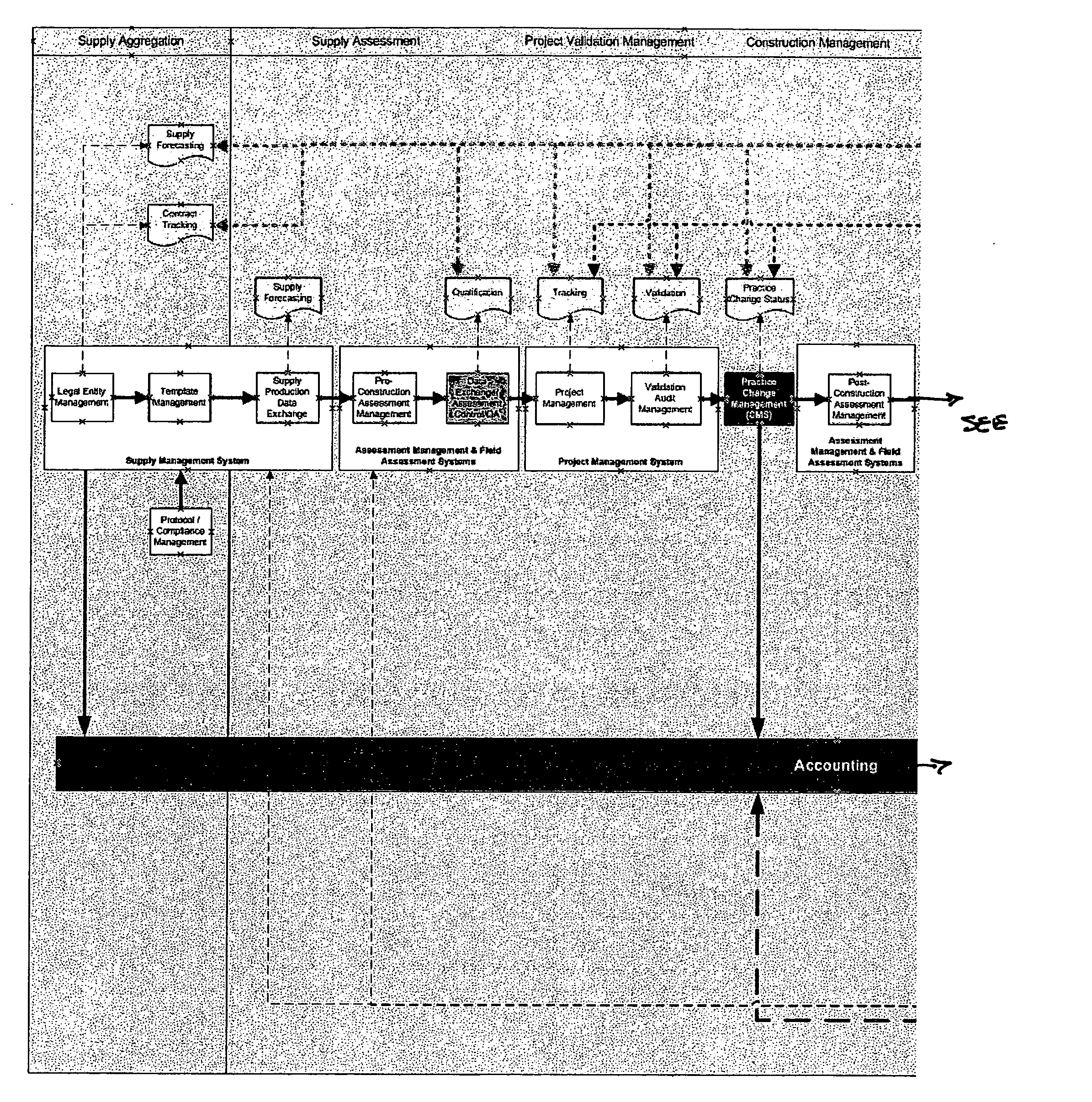
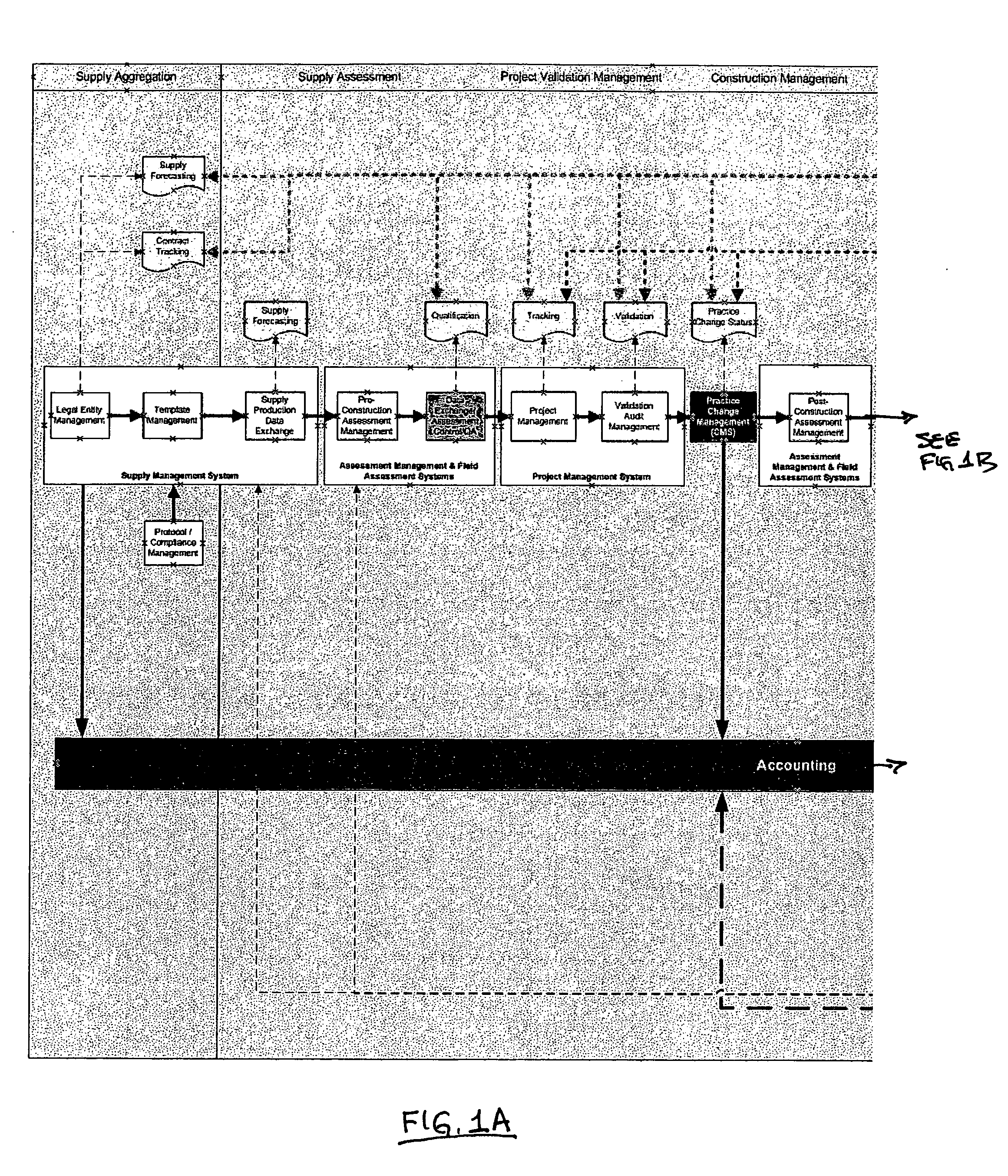
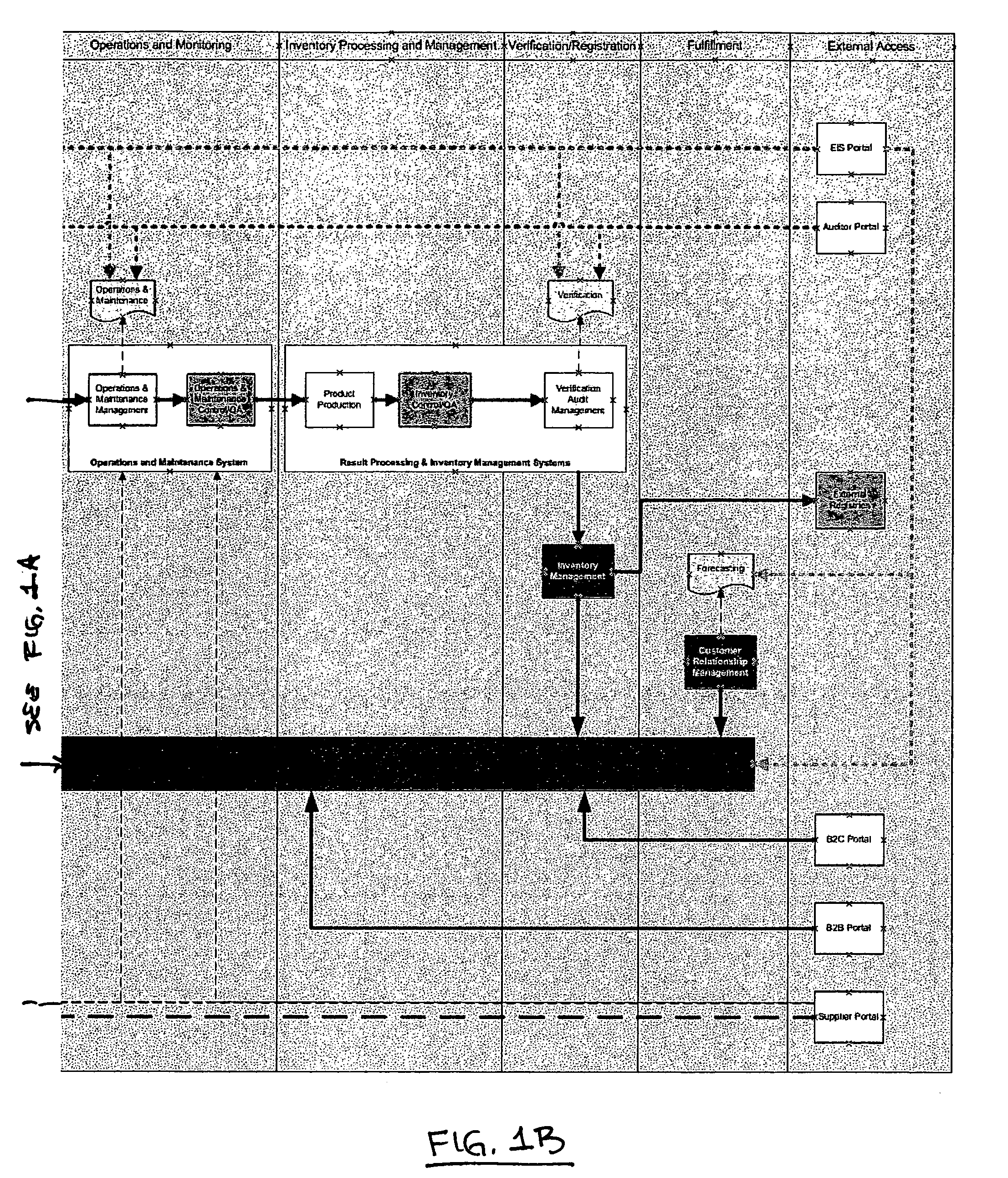
- A data management system that includes supply aggregation, assessment, project validation, construction management, operations and monitoring, inventory processing, and verification and registration, utilizing portable data collection tools, GPS, digital cameras, and secure electronic transfer to create and validate emission reduction credits, ensuring data integrity and compliance with regulatory requirements.

Environmental Regulations and Compliance Requirements
The regulatory landscape for emission tracking and reduction has evolved significantly, with governments worldwide implementing increasingly stringent requirements for environmental monitoring and reporting. The European Union's Industrial Emissions Directive (IED) mandates continuous emission monitoring systems (CEMS) for large industrial installations, requiring real-time data collection and reporting with accuracy levels exceeding 95%. Similarly, the U.S. Environmental Protection Agency's Clean Air Act amendments have established comprehensive monitoring protocols that demand precise measurement of greenhouse gas emissions, particulate matter, and other pollutants.
Robotics-based emission tracking systems face unique regulatory challenges compared to standard monitoring methods. Traditional compliance frameworks were designed around stationary monitoring equipment and manual sampling procedures, creating regulatory gaps for autonomous robotic systems. Current regulations often lack specific provisions for mobile monitoring platforms, drone-based sensors, and AI-driven data analysis systems, necessitating case-by-case regulatory approvals that can delay implementation.
Data validation and chain of custody requirements present particular challenges for robotic monitoring systems. Regulatory bodies typically require certified calibration procedures, traceable measurement standards, and human oversight for compliance reporting. Robotic systems must demonstrate equivalent or superior accuracy to traditional methods while maintaining audit trails that satisfy regulatory scrutiny. The integration of blockchain technology and digital signatures is emerging as a solution to ensure data integrity and regulatory compliance.
International harmonization efforts are gradually addressing these challenges through organizations like the International Organization for Standardization (ISO) and the International Electrotechnical Commission (IEC). ISO 14001 environmental management standards are being updated to accommodate automated monitoring technologies, while new standards specifically addressing robotic environmental monitoring are under development.
The regulatory approval process for robotic emission tracking systems typically requires extensive validation studies, third-party certification, and ongoing performance verification. Companies implementing these technologies must navigate complex approval pathways that can span multiple regulatory jurisdictions, particularly for cross-border industrial operations or international shipping applications.
Robotics-based emission tracking systems face unique regulatory challenges compared to standard monitoring methods. Traditional compliance frameworks were designed around stationary monitoring equipment and manual sampling procedures, creating regulatory gaps for autonomous robotic systems. Current regulations often lack specific provisions for mobile monitoring platforms, drone-based sensors, and AI-driven data analysis systems, necessitating case-by-case regulatory approvals that can delay implementation.
Data validation and chain of custody requirements present particular challenges for robotic monitoring systems. Regulatory bodies typically require certified calibration procedures, traceable measurement standards, and human oversight for compliance reporting. Robotic systems must demonstrate equivalent or superior accuracy to traditional methods while maintaining audit trails that satisfy regulatory scrutiny. The integration of blockchain technology and digital signatures is emerging as a solution to ensure data integrity and regulatory compliance.
International harmonization efforts are gradually addressing these challenges through organizations like the International Organization for Standardization (ISO) and the International Electrotechnical Commission (IEC). ISO 14001 environmental management standards are being updated to accommodate automated monitoring technologies, while new standards specifically addressing robotic environmental monitoring are under development.
The regulatory approval process for robotic emission tracking systems typically requires extensive validation studies, third-party certification, and ongoing performance verification. Companies implementing these technologies must navigate complex approval pathways that can span multiple regulatory jurisdictions, particularly for cross-border industrial operations or international shipping applications.
Cost-Benefit Analysis of Robotic vs Standard Methods
The economic evaluation of robotic versus standard methods for tracking emission reductions reveals significant differences in both initial investment requirements and long-term operational costs. Robotic systems typically demand substantial upfront capital expenditure, with advanced monitoring platforms ranging from $500,000 to $2 million per deployment, depending on coverage area and sensor sophistication. Standard methods, including manual sampling and conventional monitoring equipment, require considerably lower initial investments, typically between $50,000 to $200,000 for comparable coverage areas.
Operational cost structures demonstrate contrasting patterns over time. Robotic systems exhibit lower recurring expenses due to reduced labor requirements, with automated data collection eliminating the need for frequent field personnel deployment. Annual operational costs for robotic platforms average $80,000 to $150,000, primarily covering maintenance, software updates, and periodic calibration. Standard methods incur higher ongoing expenses, with annual costs ranging from $200,000 to $400,000, driven by personnel wages, travel expenses, and manual data processing requirements.
The accuracy and reliability advantages of robotic systems translate into measurable economic benefits through improved compliance management and reduced regulatory risks. Enhanced precision in emission tracking enables organizations to optimize carbon credit trading opportunities, potentially generating additional revenue streams worth $100,000 to $500,000 annually for large-scale operations. Standard methods, while proven and reliable, often suffer from temporal gaps and human error factors that can result in compliance penalties averaging $250,000 per incident.
Return on investment calculations indicate that robotic systems typically achieve break-even points within 3-5 years for large-scale industrial applications. The total cost of ownership over a 10-year period favors robotic solutions by approximately 30-40% when factoring in improved data quality, reduced labor costs, and enhanced regulatory compliance. However, for smaller operations or short-term monitoring requirements, standard methods may provide more favorable cost-benefit ratios due to lower initial capital requirements and established operational procedures.
Operational cost structures demonstrate contrasting patterns over time. Robotic systems exhibit lower recurring expenses due to reduced labor requirements, with automated data collection eliminating the need for frequent field personnel deployment. Annual operational costs for robotic platforms average $80,000 to $150,000, primarily covering maintenance, software updates, and periodic calibration. Standard methods incur higher ongoing expenses, with annual costs ranging from $200,000 to $400,000, driven by personnel wages, travel expenses, and manual data processing requirements.
The accuracy and reliability advantages of robotic systems translate into measurable economic benefits through improved compliance management and reduced regulatory risks. Enhanced precision in emission tracking enables organizations to optimize carbon credit trading opportunities, potentially generating additional revenue streams worth $100,000 to $500,000 annually for large-scale operations. Standard methods, while proven and reliable, often suffer from temporal gaps and human error factors that can result in compliance penalties averaging $250,000 per incident.
Return on investment calculations indicate that robotic systems typically achieve break-even points within 3-5 years for large-scale industrial applications. The total cost of ownership over a 10-year period favors robotic solutions by approximately 30-40% when factoring in improved data quality, reduced labor costs, and enhanced regulatory compliance. However, for smaller operations or short-term monitoring requirements, standard methods may provide more favorable cost-benefit ratios due to lower initial capital requirements and established operational procedures.
Unlock deeper insights with PatSnap Eureka Quick Research — get a full tech report to explore trends and direct your research. Try now!
Generate Your Research Report Instantly with AI Agent
Supercharge your innovation with PatSnap Eureka AI Agent Platform!