

Validate Electrostatic Painting UV Stability For Infrastructure
AUG 13, 20269 MIN READ
Generate Your Research Report Instantly with AI Agent
Patsnap Eureka helps you evaluate technical feasibility & market potential.
Electrostatic Painting UV Stability Background and Objectives
Electrostatic painting has emerged as a critical coating technology for infrastructure applications, offering superior coverage efficiency and reduced material waste compared to conventional spray methods. This technique utilizes electrostatic charge differential between the paint particles and the grounded substrate to achieve uniform coating distribution, particularly valuable for complex geometrical structures in bridges, pipelines, transmission towers, and industrial facilities. However, infrastructure assets face prolonged exposure to ultraviolet radiation, which poses significant degradation risks to coating integrity and protective performance.
The primary challenge lies in validating the long-term UV stability of electrostatically applied coatings under real-world environmental conditions. UV radiation initiates photochemical reactions that can cause polymer chain scission, cross-linking alterations, and pigment degradation, ultimately compromising the coating's protective barrier function. Infrastructure applications demand coating systems that maintain mechanical properties, color stability, and corrosion resistance for extended service lives, often exceeding twenty years.
Current validation methodologies face limitations in accurately predicting field performance from accelerated laboratory testing. The correlation between artificial UV exposure chambers and natural weathering remains imperfect, creating uncertainty in service life projections. Additionally, the unique characteristics of electrostatically applied coatings, including their distinct film formation patterns and thickness uniformity, may influence UV degradation mechanisms differently than conventionally applied coatings.
The objective of this technical investigation is to establish comprehensive validation protocols that accurately assess UV stability performance of electrostatic coatings for infrastructure applications. This encompasses developing standardized testing procedures that correlate laboratory accelerated aging with field exposure data, identifying critical degradation indicators specific to electrostatic coating systems, and establishing performance benchmarks aligned with infrastructure service life requirements. The research aims to provide actionable insights for formulation optimization, application parameter refinement, and predictive maintenance scheduling, ultimately enhancing the durability and cost-effectiveness of infrastructure protection systems.
The primary challenge lies in validating the long-term UV stability of electrostatically applied coatings under real-world environmental conditions. UV radiation initiates photochemical reactions that can cause polymer chain scission, cross-linking alterations, and pigment degradation, ultimately compromising the coating's protective barrier function. Infrastructure applications demand coating systems that maintain mechanical properties, color stability, and corrosion resistance for extended service lives, often exceeding twenty years.
Current validation methodologies face limitations in accurately predicting field performance from accelerated laboratory testing. The correlation between artificial UV exposure chambers and natural weathering remains imperfect, creating uncertainty in service life projections. Additionally, the unique characteristics of electrostatically applied coatings, including their distinct film formation patterns and thickness uniformity, may influence UV degradation mechanisms differently than conventionally applied coatings.
The objective of this technical investigation is to establish comprehensive validation protocols that accurately assess UV stability performance of electrostatic coatings for infrastructure applications. This encompasses developing standardized testing procedures that correlate laboratory accelerated aging with field exposure data, identifying critical degradation indicators specific to electrostatic coating systems, and establishing performance benchmarks aligned with infrastructure service life requirements. The research aims to provide actionable insights for formulation optimization, application parameter refinement, and predictive maintenance scheduling, ultimately enhancing the durability and cost-effectiveness of infrastructure protection systems.
Infrastructure Coating Market Demand Analysis
The global infrastructure coating market has experienced sustained growth driven by accelerating urbanization, aging infrastructure rehabilitation needs, and increasingly stringent environmental regulations. Electrostatic painting technology has emerged as a preferred application method for infrastructure protection due to its superior coating uniformity, material efficiency, and reduced environmental impact compared to conventional spray techniques. However, the long-term UV stability of electrostatically applied coatings remains a critical performance criterion that directly influences market adoption and customer confidence.
Infrastructure assets including bridges, transmission towers, highway barriers, and public transportation facilities require coating systems that can withstand prolonged UV exposure without significant degradation. Market demand increasingly emphasizes extended service life expectations, with stakeholders seeking coating solutions that maintain protective and aesthetic properties for decades rather than years. This shift reflects the total cost of ownership considerations where initial application costs are weighed against maintenance frequency and lifecycle expenses.
The demand landscape shows distinct regional variations influenced by climate conditions, infrastructure investment patterns, and regulatory frameworks. Regions with high solar radiation intensity demonstrate heightened sensitivity to UV stability performance, making validation of electrostatic coating durability particularly crucial for market penetration. Additionally, public sector procurement specifications increasingly incorporate accelerated weathering test requirements and long-term performance guarantees, creating market barriers for unvalidated coating technologies.
Emerging market segments such as renewable energy infrastructure, including solar panel mounting structures and wind turbine towers, represent significant growth opportunities where UV resistance directly impacts asset performance and safety. The convergence of sustainability mandates and infrastructure modernization programs has amplified demand for coating technologies that combine application efficiency with proven environmental durability. Market intelligence indicates that suppliers capable of providing comprehensive UV stability validation data gain competitive advantages in bid evaluations and long-term supply agreements.
The infrastructure coating market also reflects growing end-user sophistication, with asset owners demanding transparent performance data rather than relying solely on manufacturer claims. This trend underscores the commercial imperative for rigorous UV stability validation protocols that can demonstrate electrostatic coating performance under real-world exposure conditions across diverse geographic and climatic contexts.
Infrastructure assets including bridges, transmission towers, highway barriers, and public transportation facilities require coating systems that can withstand prolonged UV exposure without significant degradation. Market demand increasingly emphasizes extended service life expectations, with stakeholders seeking coating solutions that maintain protective and aesthetic properties for decades rather than years. This shift reflects the total cost of ownership considerations where initial application costs are weighed against maintenance frequency and lifecycle expenses.
The demand landscape shows distinct regional variations influenced by climate conditions, infrastructure investment patterns, and regulatory frameworks. Regions with high solar radiation intensity demonstrate heightened sensitivity to UV stability performance, making validation of electrostatic coating durability particularly crucial for market penetration. Additionally, public sector procurement specifications increasingly incorporate accelerated weathering test requirements and long-term performance guarantees, creating market barriers for unvalidated coating technologies.
Emerging market segments such as renewable energy infrastructure, including solar panel mounting structures and wind turbine towers, represent significant growth opportunities where UV resistance directly impacts asset performance and safety. The convergence of sustainability mandates and infrastructure modernization programs has amplified demand for coating technologies that combine application efficiency with proven environmental durability. Market intelligence indicates that suppliers capable of providing comprehensive UV stability validation data gain competitive advantages in bid evaluations and long-term supply agreements.
The infrastructure coating market also reflects growing end-user sophistication, with asset owners demanding transparent performance data rather than relying solely on manufacturer claims. This trend underscores the commercial imperative for rigorous UV stability validation protocols that can demonstrate electrostatic coating performance under real-world exposure conditions across diverse geographic and climatic contexts.
UV Degradation Challenges in Electrostatic Coatings
Electrostatic coating technology has revolutionized infrastructure protection by enabling uniform paint application with minimal waste and enhanced adhesion properties. However, the long-term durability of these coatings under ultraviolet exposure remains a critical concern for outdoor infrastructure applications. When electrostatically applied coatings are subjected to continuous UV radiation, they undergo complex photochemical degradation processes that compromise their protective functions and aesthetic qualities.
The primary challenge stems from the inherent vulnerability of polymer-based coating systems to UV-induced chain scission and cross-linking reactions. High-energy photons break molecular bonds within the coating matrix, leading to chalking, color fading, and loss of gloss. This degradation is particularly pronounced in coatings applied to bridges, transmission towers, and outdoor industrial equipment where direct sunlight exposure is unavoidable. The electrostatic application process, while providing excellent coverage, can create variations in film thickness that result in inconsistent UV resistance across coated surfaces.
Another significant obstacle involves the interaction between UV radiation and pigment particles within electrostatically applied coatings. Certain pigments act as photocatalysts, accelerating the degradation of the surrounding binder system. Titanium dioxide, commonly used for opacity and whiteness, can generate free radicals under UV exposure that attack the polymer backbone. This phenomenon is intensified in electrostatic coatings due to the unique particle orientation achieved during the charging and deposition process.
Environmental factors compound these challenges considerably. Temperature fluctuations, humidity variations, and pollutant exposure work synergistically with UV radiation to accelerate coating breakdown. Infrastructure located in tropical or high-altitude regions experiences more intense UV exposure, while coastal environments introduce salt-laden moisture that penetrates UV-weakened coating structures. The electrostatic coating's edge coverage and thin-film characteristics in complex geometries create vulnerable points where UV degradation initiates preferentially.
Current testing methodologies struggle to accurately predict long-term UV stability under real-world conditions. Accelerated weathering tests often fail to replicate the complex interplay of environmental stressors that infrastructure coatings encounter. The specific charge-induced molecular alignment in electrostatic coatings may respond differently to UV exposure compared to conventionally applied systems, yet standardized testing protocols rarely account for these application-specific characteristics. Establishing reliable validation methods that correlate laboratory results with decades of field performance remains an unresolved technical challenge for the industry.
The primary challenge stems from the inherent vulnerability of polymer-based coating systems to UV-induced chain scission and cross-linking reactions. High-energy photons break molecular bonds within the coating matrix, leading to chalking, color fading, and loss of gloss. This degradation is particularly pronounced in coatings applied to bridges, transmission towers, and outdoor industrial equipment where direct sunlight exposure is unavoidable. The electrostatic application process, while providing excellent coverage, can create variations in film thickness that result in inconsistent UV resistance across coated surfaces.
Another significant obstacle involves the interaction between UV radiation and pigment particles within electrostatically applied coatings. Certain pigments act as photocatalysts, accelerating the degradation of the surrounding binder system. Titanium dioxide, commonly used for opacity and whiteness, can generate free radicals under UV exposure that attack the polymer backbone. This phenomenon is intensified in electrostatic coatings due to the unique particle orientation achieved during the charging and deposition process.
Environmental factors compound these challenges considerably. Temperature fluctuations, humidity variations, and pollutant exposure work synergistically with UV radiation to accelerate coating breakdown. Infrastructure located in tropical or high-altitude regions experiences more intense UV exposure, while coastal environments introduce salt-laden moisture that penetrates UV-weakened coating structures. The electrostatic coating's edge coverage and thin-film characteristics in complex geometries create vulnerable points where UV degradation initiates preferentially.
Current testing methodologies struggle to accurately predict long-term UV stability under real-world conditions. Accelerated weathering tests often fail to replicate the complex interplay of environmental stressors that infrastructure coatings encounter. The specific charge-induced molecular alignment in electrostatic coatings may respond differently to UV exposure compared to conventionally applied systems, yet standardized testing protocols rarely account for these application-specific characteristics. Establishing reliable validation methods that correlate laboratory results with decades of field performance remains an unresolved technical challenge for the industry.
Current UV Stability Testing Methods
01 UV stabilizers and light stabilizers in coating compositions
Coating compositions for electrostatic painting can incorporate UV stabilizers and light stabilizers to enhance UV resistance and prevent degradation. These additives protect the coating from photodegradation, color fading, and loss of mechanical properties when exposed to ultraviolet radiation. The stabilizers work by absorbing UV light or by scavenging free radicals generated during UV exposure, thereby extending the service life of the painted surface.- UV stabilizers and light stabilizers in coating compositions: Coating compositions for electrostatic painting can incorporate UV stabilizers and light stabilizers to enhance resistance to ultraviolet radiation degradation. These additives protect the coating film from photodegradation, color fading, and loss of mechanical properties when exposed to sunlight. The stabilizers work by absorbing UV radiation or by scavenging free radicals generated during photo-oxidation processes, thereby extending the service life of the painted surface.
- Powder coating formulations with enhanced weatherability: Powder coatings designed for electrostatic application can be formulated with specific resin systems and additives to improve outdoor weatherability and UV resistance. These formulations typically include polyester or acrylic resins combined with appropriate curing agents and UV absorbers. The powder coating technology provides uniform film thickness and excellent durability against environmental exposure, making them suitable for exterior applications requiring long-term UV stability.
- Pigment selection for UV-resistant electrostatic coatings: The choice of pigments significantly affects the UV stability of electrostatically applied coatings. Inorganic pigments and specially treated organic pigments can provide superior lightfastness and weather resistance. Titanium dioxide and other inorganic pigments not only provide opacity and color but also contribute to UV protection by reflecting and scattering ultraviolet radiation. Proper pigment selection and dispersion are critical for achieving optimal UV stability in electrostatic painting applications.
- Hindered amine light stabilizers (HALS) in electrostatic coatings: Hindered amine light stabilizers represent an effective class of additives for improving the UV stability of electrostatically applied coatings. These compounds function through a regenerative mechanism that neutralizes free radicals formed during UV exposure without being consumed in the process. HALS are particularly effective in preventing polymer degradation and maintaining the physical and aesthetic properties of the coating over extended periods of outdoor exposure.
- Combination of UV absorbers and antioxidants: Synergistic combinations of UV absorbers and antioxidants can significantly enhance the photostability of electrostatic coatings. UV absorbers preferentially absorb harmful ultraviolet radiation and dissipate the energy as heat, while antioxidants prevent oxidative degradation of the coating matrix. This dual protection mechanism provides comprehensive defense against both photolytic and oxidative degradation pathways, resulting in superior long-term performance of electrostatically painted surfaces under outdoor conditions.
02 Powder coating formulations with enhanced weather resistance
Powder coatings designed for electrostatic application can be formulated with specific resin systems and additives to improve outdoor durability and UV stability. These formulations typically include polyester or acrylic resins combined with appropriate curing agents and weathering additives. The powder coating technology provides excellent UV resistance while maintaining the advantages of electrostatic application, such as uniform coverage and minimal waste.Expand Specific Solutions03 Pigment selection for UV-resistant electrostatic coatings
The choice of pigments significantly affects the UV stability of electrostatically applied coatings. Inorganic pigments and specially treated organic pigments can provide superior UV resistance compared to conventional colorants. The pigment selection influences not only the color retention but also the overall weathering performance of the coating system. Proper pigment dispersion and concentration are critical factors in achieving optimal UV protection.Expand Specific Solutions04 Resin systems with inherent UV resistance
Certain resin systems used in electrostatic coating formulations possess inherent UV stability due to their chemical structure. These resins include fluoropolymers, silicone-modified polymers, and specially designed polyesters that resist UV-induced chain scission and crosslink degradation. The selection of UV-resistant base resins is fundamental to developing durable electrostatic coatings for outdoor applications, reducing the reliance on additional stabilizer additives.Expand Specific Solutions05 Multi-layer coating systems for enhanced UV protection
Multi-layer coating systems applied through electrostatic methods can provide superior UV stability by combining different functional layers. A typical system includes a primer layer for adhesion, a pigmented base coat for color and UV absorption, and a clear topcoat containing UV stabilizers for additional protection. This layered approach allows for optimization of each layer's properties while maintaining the efficiency of electrostatic application processes.Expand Specific Solutions
Major Players in Electrostatic Coating Industry
The electrostatic painting UV stability validation for infrastructure represents a maturing technology sector experiencing steady growth driven by infrastructure modernization demands and environmental regulations. The market demonstrates moderate consolidation with established players like ABB Ltd., Dürr Systems GmbH, and Procter & Gamble Co. alongside specialized coating manufacturers including CNOOC Changzhou EP Coating Co. Ltd., Guangdong Nippon Changrunfa Technology Materials Co., Ltd., and Foshan Shunde Hongchang Paint Industry Co., Ltd. Technology maturity varies significantly across participants, with multinational corporations like ABB and Dürr offering advanced automated electrostatic systems, while regional Chinese manufacturers such as Guangdong Xigui Light Curing Material Co., Ltd., Huizhou Feikai New Material Co., Ltd., and Jiangsu Sifang Weikai Technology Co. Ltd. focus on UV-curable coating formulations. Research institutions including Zhejiang University and North China Electric Power University contribute to advancing UV stability testing methodologies and durability standards for infrastructure applications.
Guangdong Xigui Light Curing Material Co., Ltd.
Technical Solution: Guangdong Xigui develops UV-curable electrostatic coating systems specifically designed for infrastructure applications requiring rapid curing and excellent weatherability. Their dual-cure technology combines electrostatic powder application with UV post-curing, achieving full cross-link density within minutes while incorporating UV stabilization packages. The formulations utilize cycloaliphatic epoxy and polyester acrylate resins with photoinitiator systems optimized for thick film curing (100-150 microns), essential for infrastructure protection. Validation protocols include xenon arc weatherometer testing per ASTM G155, demonstrating less than 5% gloss loss and minimal chalking after 2000 hours exposure. Their rapid cure capability enables faster project completion while maintaining 10+ year outdoor durability predictions based on Arrhenius modeling of degradation kinetics.
Strengths: Fast curing technology reducing application time; energy-efficient process; good adhesion to various substrates. Weaknesses: Requires specialized UV curing equipment; performance optimization needed for very thick film applications.
Zhejiang University
Technical Solution: Zhejiang University conducts advanced research on UV stability mechanisms in electrostatic coatings for infrastructure, focusing on nano-composite coating systems and accelerated testing methodologies. Their research group has developed novel testing protocols combining artificial weathering with electrochemical impedance spectroscopy to predict long-term coating performance within shortened timeframes. Recent work includes development of self-healing powder coatings incorporating microencapsulated UV stabilizers that release upon coating degradation, extending service life by 40% compared to conventional systems. The university collaborates with industry partners to validate coating formulations through multi-year outdoor exposure programs across diverse climatic regions, establishing correlation models between accelerated testing and real-world performance for infrastructure applications.
Strengths: Cutting-edge research capabilities; innovative testing methodologies; strong industry collaboration network. Weaknesses: Limited commercial production capacity; technology transfer timelines can be extended.
Key Patents in UV-Resistant Coating Formulations
Multi-layered coatings, method for the production thereof, and use thereof in the car industry
PatentInactiveUS8535795B2
Innovation
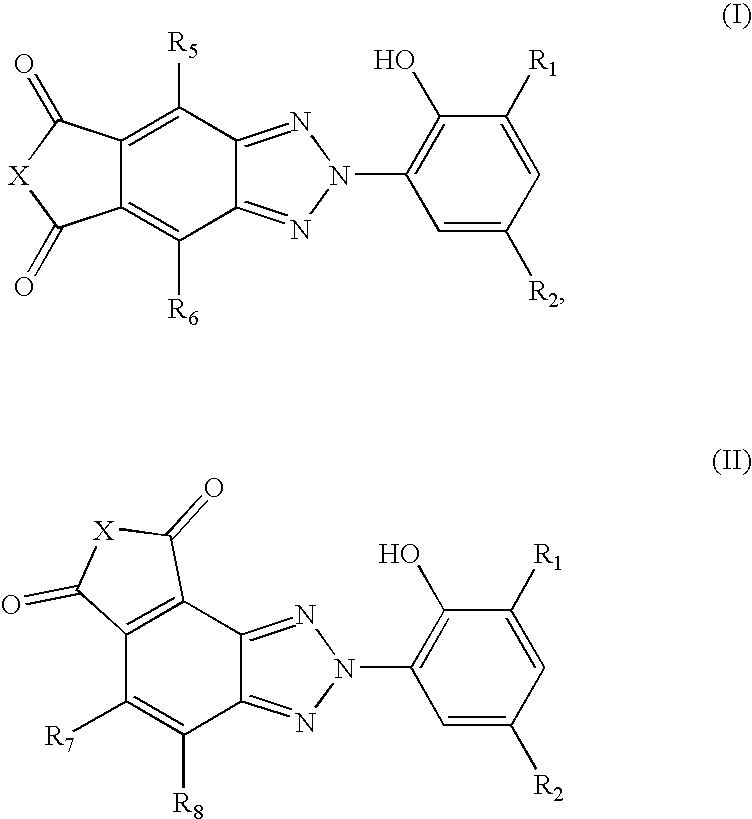
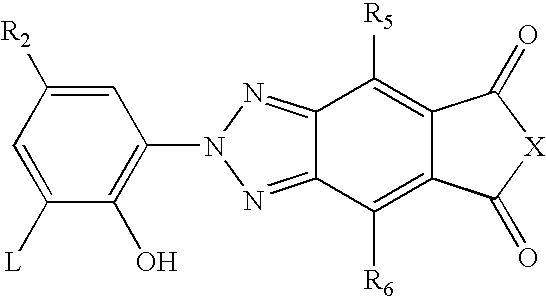
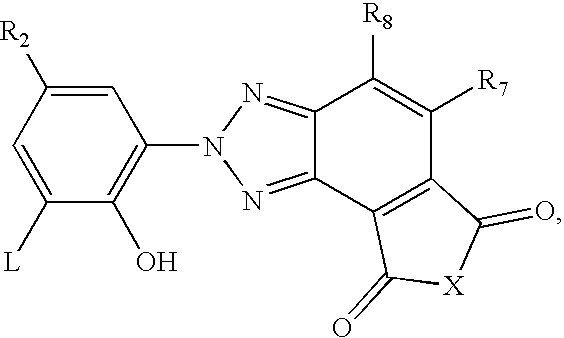
- Incorporating a UV absorber with an absorption maximum of at least 370 nm in the pigmented coating or primer, which enhances UV stability and allows for the production of paint systems in various shades without significant color alteration, even with thin coat thicknesses, and enables the use of coatings from different manufacturers.

A UV-cured self-healing antistatic coating
PatentActiveCN111073498B
Innovation
- A combined coating containing UV curing self-healing resin, antistatic resin, photopolymerizable monomer, leveling additive and antistatic additive is used to form a cross-linked network structure and self-healing mechanism to form high flexibility, wear resistance and The paint film with antistatic properties uses materials such as modified polythiophene and polyurethane acrylate, combined with UV curing and thermal curing technology to achieve long-term and stable antistatic effects.


Environmental Standards for Infrastructure Coatings
Environmental standards for infrastructure coatings have evolved significantly to address the demanding conditions these materials must withstand throughout their service life. Regulatory frameworks across different regions establish minimum performance criteria that coatings must meet before deployment on critical infrastructure assets. These standards encompass multiple environmental factors, with UV stability representing a particularly crucial parameter given the prolonged outdoor exposure typical of infrastructure applications.
International standards organizations including ASTM International, ISO, and regional bodies such as the European Committee for Standardization have developed comprehensive testing protocols specifically for infrastructure coatings. ASTM D4587 and ASTM G154 provide standardized methodologies for accelerated weathering tests using fluorescent UV lamps and water condensation cycles. ISO 11507 establishes comparable procedures for exposure of coatings to artificial weathering in apparatus with fluorescent UV lamps. These protocols define specific irradiance levels, exposure durations, and temperature cycling parameters that simulate years of natural weathering within compressed timeframes.
For electrostatic painting applications on infrastructure, additional standards address the unique characteristics of electrostatically applied coatings. The coating thickness uniformity, adhesion properties, and film integrity achieved through electrostatic application must maintain performance under UV exposure. Standards such as ISO 2810 specify minimum film thickness requirements, while ISO 4628 series provides evaluation methods for degradation phenomena including chalking, cracking, and color change resulting from UV exposure.
Compliance requirements vary by infrastructure type and geographic location. Transportation infrastructure coatings in regions with high solar radiation intensity face more stringent UV stability requirements compared to moderate climate zones. Coastal infrastructure must meet combined standards addressing both UV degradation and salt spray resistance. Government agencies and infrastructure owners often impose supplementary specifications beyond baseline international standards, mandating extended exposure periods or more aggressive test conditions to ensure adequate service life under local environmental conditions.
Recent regulatory developments increasingly emphasize sustainability alongside performance, requiring coatings to demonstrate UV stability while meeting volatile organic compound limitations and environmental impact criteria. This dual requirement challenges manufacturers to formulate products that achieve long-term UV resistance without relying on traditional stabilizers that may face regulatory restrictions.
International standards organizations including ASTM International, ISO, and regional bodies such as the European Committee for Standardization have developed comprehensive testing protocols specifically for infrastructure coatings. ASTM D4587 and ASTM G154 provide standardized methodologies for accelerated weathering tests using fluorescent UV lamps and water condensation cycles. ISO 11507 establishes comparable procedures for exposure of coatings to artificial weathering in apparatus with fluorescent UV lamps. These protocols define specific irradiance levels, exposure durations, and temperature cycling parameters that simulate years of natural weathering within compressed timeframes.
For electrostatic painting applications on infrastructure, additional standards address the unique characteristics of electrostatically applied coatings. The coating thickness uniformity, adhesion properties, and film integrity achieved through electrostatic application must maintain performance under UV exposure. Standards such as ISO 2810 specify minimum film thickness requirements, while ISO 4628 series provides evaluation methods for degradation phenomena including chalking, cracking, and color change resulting from UV exposure.
Compliance requirements vary by infrastructure type and geographic location. Transportation infrastructure coatings in regions with high solar radiation intensity face more stringent UV stability requirements compared to moderate climate zones. Coastal infrastructure must meet combined standards addressing both UV degradation and salt spray resistance. Government agencies and infrastructure owners often impose supplementary specifications beyond baseline international standards, mandating extended exposure periods or more aggressive test conditions to ensure adequate service life under local environmental conditions.
Recent regulatory developments increasingly emphasize sustainability alongside performance, requiring coatings to demonstrate UV stability while meeting volatile organic compound limitations and environmental impact criteria. This dual requirement challenges manufacturers to formulate products that achieve long-term UV resistance without relying on traditional stabilizers that may face regulatory restrictions.
Accelerated Weathering Test Protocols
Accelerated weathering test protocols serve as critical methodologies for evaluating the UV stability of electrostatically applied coatings on infrastructure components. These standardized procedures compress years of natural environmental exposure into controlled laboratory timeframes, enabling rapid assessment of coating durability and performance degradation patterns. The primary protocols employed include ASTM G154, ASTM G155, and ISO 4892 series, which specify precise parameters for UV radiation intensity, spectral distribution, temperature cycling, and moisture exposure conditions that simulate real-world weathering scenarios.
The xenon arc weathering test represents the most widely adopted protocol, utilizing filtered xenon lamps that closely replicate the full solar spectrum including UV, visible, and infrared radiation. Test chambers maintain controlled irradiance levels typically ranging from 0.35 to 0.55 W/m² at 340 nm wavelength, with alternating cycles of light exposure at elevated temperatures and dark periods with condensation or water spray. Standard test durations extend from 1000 to 5000 hours depending on the intended service life requirements, with periodic assessments conducted at predetermined intervals to monitor color change, gloss retention, chalking, cracking, and adhesion properties.
Fluorescent UV lamp testing provides an alternative accelerated approach, particularly effective for evaluating coating response to the most damaging UV wavelengths. UVA-340 and UVB-313 lamp configurations deliver concentrated UV energy in specific spectral bands, with UVA-340 offering better correlation to outdoor weathering for most coating systems. Test protocols typically incorporate eight-hour UV exposure cycles at 60°C followed by four-hour condensation periods at 50°C, creating aggressive conditions that accelerate photodegradation and moisture-induced failure mechanisms.
Protocol selection depends on coating composition, substrate material, geographic deployment location, and specific performance validation objectives. Comparative testing using multiple protocols enhances result reliability and provides comprehensive understanding of coating behavior under varied environmental stressors. Proper specimen preparation, mounting techniques, and measurement methodologies must align with protocol specifications to ensure reproducible results that accurately predict long-term field performance of electrostatic coatings on infrastructure applications.
The xenon arc weathering test represents the most widely adopted protocol, utilizing filtered xenon lamps that closely replicate the full solar spectrum including UV, visible, and infrared radiation. Test chambers maintain controlled irradiance levels typically ranging from 0.35 to 0.55 W/m² at 340 nm wavelength, with alternating cycles of light exposure at elevated temperatures and dark periods with condensation or water spray. Standard test durations extend from 1000 to 5000 hours depending on the intended service life requirements, with periodic assessments conducted at predetermined intervals to monitor color change, gloss retention, chalking, cracking, and adhesion properties.
Fluorescent UV lamp testing provides an alternative accelerated approach, particularly effective for evaluating coating response to the most damaging UV wavelengths. UVA-340 and UVB-313 lamp configurations deliver concentrated UV energy in specific spectral bands, with UVA-340 offering better correlation to outdoor weathering for most coating systems. Test protocols typically incorporate eight-hour UV exposure cycles at 60°C followed by four-hour condensation periods at 50°C, creating aggressive conditions that accelerate photodegradation and moisture-induced failure mechanisms.
Protocol selection depends on coating composition, substrate material, geographic deployment location, and specific performance validation objectives. Comparative testing using multiple protocols enhances result reliability and provides comprehensive understanding of coating behavior under varied environmental stressors. Proper specimen preparation, mounting techniques, and measurement methodologies must align with protocol specifications to ensure reproducible results that accurately predict long-term field performance of electrostatic coatings on infrastructure applications.
Unlock deeper insights with Patsnap Eureka Quick Research — get a full tech report to explore trends and direct your research. Try now!
Generate Your Research Report Instantly with AI Agent
Supercharge your innovation with Patsnap Eureka AI Agent Platform!