
Validate Pump Capacity Under Pulsating Suction Conditions
OCT 9, 20269 MIN READ
Generate Your Research Report Instantly with AI Agent
Patsnap Eureka helps you evaluate technical feasibility & market potential.
Pulsating Suction Pump Technology Background and Objectives
Pulsating suction conditions represent a critical operational challenge in pump systems across multiple industrial sectors, including oil and gas processing, chemical manufacturing, and power generation facilities. These conditions arise when upstream flow disturbances, reciprocating equipment, or system resonances create periodic pressure fluctuations at the pump inlet. Such pulsations can significantly compromise pump performance, leading to cavitation damage, mechanical vibration, reduced efficiency, and premature component failure. The complexity of validating pump capacity under these dynamic conditions has historically been underestimated, with traditional steady-state testing methods proving inadequate for predicting real-world performance.
The evolution of pump technology has progressed from basic centrifugal designs optimized for steady flow to sophisticated systems capable of handling increasingly complex suction conditions. Early pump applications operated under relatively stable conditions, but modern industrial processes demand equipment that maintains reliable performance despite significant inlet pressure variations. This shift has necessitated advanced validation methodologies that accurately simulate pulsating environments and predict pump behavior across varying operational scenarios.
Current industry standards, including API 610 and ISO 9906, provide limited guidance on testing pumps under pulsating suction conditions, primarily focusing on steady-state performance metrics. This gap between standardized testing protocols and actual operating conditions has resulted in frequent field failures and costly operational disruptions. The challenge is compounded by the difficulty in reproducing realistic pulsation patterns in laboratory settings and the lack of universally accepted criteria for acceptable performance degradation under dynamic conditions.
The primary objective of this technology investigation is to establish robust methodologies for validating pump capacity when subjected to pulsating suction conditions. This encompasses developing comprehensive testing protocols that replicate field conditions, establishing performance acceptance criteria, and creating predictive models that correlate laboratory results with operational behavior. Secondary objectives include identifying design modifications that enhance pump resilience to pulsations, optimizing suction system configurations to minimize pulsation amplitude, and developing real-time monitoring techniques for early detection of pulsation-induced performance degradation. Achieving these objectives will enable more reliable pump selection, reduce unplanned downtime, and extend equipment service life in challenging applications.
The evolution of pump technology has progressed from basic centrifugal designs optimized for steady flow to sophisticated systems capable of handling increasingly complex suction conditions. Early pump applications operated under relatively stable conditions, but modern industrial processes demand equipment that maintains reliable performance despite significant inlet pressure variations. This shift has necessitated advanced validation methodologies that accurately simulate pulsating environments and predict pump behavior across varying operational scenarios.
Current industry standards, including API 610 and ISO 9906, provide limited guidance on testing pumps under pulsating suction conditions, primarily focusing on steady-state performance metrics. This gap between standardized testing protocols and actual operating conditions has resulted in frequent field failures and costly operational disruptions. The challenge is compounded by the difficulty in reproducing realistic pulsation patterns in laboratory settings and the lack of universally accepted criteria for acceptable performance degradation under dynamic conditions.
The primary objective of this technology investigation is to establish robust methodologies for validating pump capacity when subjected to pulsating suction conditions. This encompasses developing comprehensive testing protocols that replicate field conditions, establishing performance acceptance criteria, and creating predictive models that correlate laboratory results with operational behavior. Secondary objectives include identifying design modifications that enhance pump resilience to pulsations, optimizing suction system configurations to minimize pulsation amplitude, and developing real-time monitoring techniques for early detection of pulsation-induced performance degradation. Achieving these objectives will enable more reliable pump selection, reduce unplanned downtime, and extend equipment service life in challenging applications.
Market Demand for Pulsation-Resistant Pumps
The demand for pulsation-resistant pumps has experienced substantial growth across multiple industrial sectors, driven by increasingly stringent operational requirements and the need for enhanced system reliability. Industries processing fluids under variable pressure conditions recognize that conventional pumps often fail to maintain consistent performance when subjected to pulsating suction environments, leading to operational inefficiencies, premature equipment failure, and costly downtime.
The oil and gas sector represents a primary market driver, where upstream and midstream operations frequently encounter pulsating flow conditions due to reciprocating compressors, multiphase flow regimes, and pressure fluctuations in gathering systems. Refineries and petrochemical plants similarly require pumps capable of handling suction pulsations without cavitation or mechanical degradation, particularly in critical process applications where reliability directly impacts production continuity.
Chemical processing industries demonstrate growing demand for pulsation-resistant pump solutions, especially in applications involving batch processing, reactor feed systems, and processes with inherent pressure oscillations. The pharmaceutical and biotechnology sectors also contribute to market expansion, as these industries require precise flow control and equipment longevity under varying suction conditions to maintain product quality and regulatory compliance.
Power generation facilities, including both conventional and renewable energy installations, increasingly specify pulsation-resistant pumps for cooling systems, condensate handling, and auxiliary services where pressure fluctuations are common. The water and wastewater treatment sector shows rising interest in robust pumping solutions capable of handling variable inlet conditions caused by upstream equipment cycling or system transients.
Market growth is further accelerated by evolving industry standards and operational best practices that emphasize total cost of ownership rather than initial capital expenditure. End users increasingly recognize that pumps validated for pulsating suction conditions offer superior lifecycle value through reduced maintenance requirements, extended mean time between failures, and improved energy efficiency. This shift in procurement philosophy creates sustained demand for technically validated, pulsation-resistant pump technologies across diverse industrial applications.
The oil and gas sector represents a primary market driver, where upstream and midstream operations frequently encounter pulsating flow conditions due to reciprocating compressors, multiphase flow regimes, and pressure fluctuations in gathering systems. Refineries and petrochemical plants similarly require pumps capable of handling suction pulsations without cavitation or mechanical degradation, particularly in critical process applications where reliability directly impacts production continuity.
Chemical processing industries demonstrate growing demand for pulsation-resistant pump solutions, especially in applications involving batch processing, reactor feed systems, and processes with inherent pressure oscillations. The pharmaceutical and biotechnology sectors also contribute to market expansion, as these industries require precise flow control and equipment longevity under varying suction conditions to maintain product quality and regulatory compliance.
Power generation facilities, including both conventional and renewable energy installations, increasingly specify pulsation-resistant pumps for cooling systems, condensate handling, and auxiliary services where pressure fluctuations are common. The water and wastewater treatment sector shows rising interest in robust pumping solutions capable of handling variable inlet conditions caused by upstream equipment cycling or system transients.
Market growth is further accelerated by evolving industry standards and operational best practices that emphasize total cost of ownership rather than initial capital expenditure. End users increasingly recognize that pumps validated for pulsating suction conditions offer superior lifecycle value through reduced maintenance requirements, extended mean time between failures, and improved energy efficiency. This shift in procurement philosophy creates sustained demand for technically validated, pulsation-resistant pump technologies across diverse industrial applications.
Current Challenges in Pump Capacity Validation Under Pulsation
Validating pump capacity under pulsating suction conditions presents a complex array of technical challenges that significantly complicate traditional testing methodologies. The primary difficulty stems from the inherent instability of pulsating flow, which introduces time-varying pressure and velocity profiles at the pump inlet. This dynamic behavior makes it extremely challenging to establish steady-state conditions necessary for conventional performance measurements, as standard testing protocols are predominantly designed for continuous, stable flow scenarios.
The accurate measurement and characterization of pulsation parameters constitute another major obstacle. Pulsation frequency, amplitude, and waveform characteristics can vary widely depending on system configuration and operating conditions. Current instrumentation often struggles to capture these rapid fluctuations with sufficient temporal resolution and accuracy. High-frequency pressure transducers and flow meters are required, yet their integration into existing test facilities demands substantial infrastructure modifications and calibration procedures that are both time-consuming and costly.
Distinguishing between actual pump performance degradation and measurement artifacts poses a significant technical hurdle. Pulsating conditions can induce resonance effects within piping systems and measurement equipment, leading to signal distortion and erroneous readings. The challenge intensifies when attempting to separate the effects of suction pulsation from other operational variables such as cavitation, recirculation, and mechanical vibration, all of which may be exacerbated under unsteady flow conditions.
Reproducibility of test conditions remains a persistent challenge in validation efforts. Creating controlled, repeatable pulsating suction conditions in laboratory environments requires sophisticated flow generation systems capable of producing specific pulsation profiles. The lack of standardized testing protocols for pulsating conditions further complicates comparative analysis across different facilities and research groups. Additionally, scaling effects between laboratory test setups and full-scale industrial installations introduce uncertainties in extrapolating validation results to real-world applications.
The computational modeling of pump behavior under pulsating suction adds another layer of complexity. Transient computational fluid dynamics simulations demand extensive computational resources and advanced turbulence modeling approaches. Validating these numerical models against experimental data becomes problematic when the experimental measurements themselves are subject to the uncertainties described above, creating a circular validation challenge that hinders the development of reliable predictive tools.
The accurate measurement and characterization of pulsation parameters constitute another major obstacle. Pulsation frequency, amplitude, and waveform characteristics can vary widely depending on system configuration and operating conditions. Current instrumentation often struggles to capture these rapid fluctuations with sufficient temporal resolution and accuracy. High-frequency pressure transducers and flow meters are required, yet their integration into existing test facilities demands substantial infrastructure modifications and calibration procedures that are both time-consuming and costly.
Distinguishing between actual pump performance degradation and measurement artifacts poses a significant technical hurdle. Pulsating conditions can induce resonance effects within piping systems and measurement equipment, leading to signal distortion and erroneous readings. The challenge intensifies when attempting to separate the effects of suction pulsation from other operational variables such as cavitation, recirculation, and mechanical vibration, all of which may be exacerbated under unsteady flow conditions.
Reproducibility of test conditions remains a persistent challenge in validation efforts. Creating controlled, repeatable pulsating suction conditions in laboratory environments requires sophisticated flow generation systems capable of producing specific pulsation profiles. The lack of standardized testing protocols for pulsating conditions further complicates comparative analysis across different facilities and research groups. Additionally, scaling effects between laboratory test setups and full-scale industrial installations introduce uncertainties in extrapolating validation results to real-world applications.
The computational modeling of pump behavior under pulsating suction adds another layer of complexity. Transient computational fluid dynamics simulations demand extensive computational resources and advanced turbulence modeling approaches. Validating these numerical models against experimental data becomes problematic when the experimental measurements themselves are subject to the uncertainties described above, creating a circular validation challenge that hinders the development of reliable predictive tools.
Existing Validation Solutions for Pulsating Suction Conditions
01 Capacity control devices and mechanisms for variable capacity pumps
Methods and mechanisms are provided for controlling, regulating, and adjusting the output capacity of variable capacity pumps. These systems utilize control devices, servomechanisms, or valving to dynamically vary the displacement or flow rate based on operational requirements.- Capacity control devices and mechanisms for variable capacity pumps: Methods and physical apparatus, such as valves, servomechanisms, and electronic control devices, are used to dynamically regulate and adjust the displacement or output capacity of variable capacity pumps according to operational requirements.
- Hydraulic circuit and multi-pump system capacity control: Specialized control systems and hydraulic circuits are designed to manage and optimize pump output capacity across plural pump systems or within complex non-contact hydraulic arrangements.
- Methods and apparatus for measuring and determining pump capacity: Diagnostic techniques, judging devices, and measurement methods are implemented to determine, monitor, and assess the capacity, flow output, or station performance measures of various pumps, including infusion and feed water pumps.
- High-capacity and high-efficiency structural pump designs: Structural modifications and improved designs of pumps enable higher overall pumping capacity, enhanced operational efficiency, and adjustable delivery capabilities under varying conditions.
- Methods for increasing pump capacity: Process adjustments and operational methodologies are employed to enhance and boost the effective throughput and working capacity of existing pump systems.
02 Determination, measurement, and monitoring of pump capacity
Techniques and apparatuses are described for measuring, determining, or judging pump performance and operational capacity. These methods allow for accurate monitoring of infusion pumps, pump station capacities, and feed water pump performance.Expand Specific Solutions03 High-capacity and high-efficiency pump designs
Structural improvements and pump configurations are designed to achieve high capacity alongside improved operational efficiency. These structural modifications enable pumps to handle larger fluid volumes effectively.Expand Specific Solutions04 Methods and hydraulic circuits for increasing pump capacity
Hydraulic circuits and operational methods are developed to increase and optimize the displacement capacity of pump systems. These solutions enhance the overall output capabilities of standard hydraulic and fluid pumps.Expand Specific Solutions05 Capacity control systems for specialized application pumps
Specialized control systems are configured for managing pump capacity in specific operational environments, such as automotive automatic transmissions, non-contact pumps, and multi-pump system setups.Expand Specific Solutions
Key Players in Pump Manufacturing and Testing Equipment
The competitive landscape for validating pump capacity under pulsating suction conditions reflects a mature, specialized market dominated by established medical device and industrial pump manufacturers. The industry spans medical circulatory support and industrial fluid handling sectors, with significant market concentration among major players like Medtronic, ABIOMED, Becton Dickinson, and ITT Goulds Pumps. Technology maturity varies considerably: medical device companies such as Medtronic, ABIOMED, and HeartWare demonstrate advanced capabilities in cardiac pump systems requiring precise pulsatile flow management, while industrial manufacturers like Grundfos, Xylem Europe, and ITT Goulds Pumps focus on conventional pump validation methodologies. Emerging players including Shenzhen Comen Medical and YHLO Biotech indicate growing Asian market participation. The technology remains highly specialized, requiring sophisticated testing protocols and regulatory compliance, particularly in medical applications where pulsating conditions critically impact device performance and patient safety.
ITT Manufacturing Enterprises LLC
Technical Solution: ITT Manufacturing has established comprehensive pump validation procedures addressing pulsating suction conditions in industrial applications, particularly for process industries and power generation. Their technical approach combines analytical methods with experimental validation using dedicated test facilities. The company employs system-level modeling that accounts for suction piping dynamics, fluid compressibility effects, and pump-system interaction under transient conditions. ITT's validation protocols include measurement of suction pressure pulsation amplitude and frequency content, assessment of NPSH margin degradation under pulsating conditions, evaluation of mechanical vibration and bearing loads, and analysis of seal performance under cyclic pressure variations. Their testing methodology incorporates strain gauge instrumentation on critical pump components to measure dynamic stress levels, accelerometers for vibration analysis, and high-frequency pressure transducers for capturing pulsation characteristics. The company has developed design guidelines and derating factors for pumps operating under various levels of suction pulsation intensity.
Strengths: Extensive experience across diverse industrial applications; well-established testing standards and protocols; strong mechanical engineering foundation. Weaknesses: Focus primarily on larger industrial pumps; testing methodologies may be less applicable to precision medical or microfluidic applications.
Medtronic, Inc.
Technical Solution: Medtronic has developed specialized validation protocols for blood pumps and cardiac assist devices operating under highly pulsatile physiological conditions. Their approach addresses the unique challenges of validating pump capacity when suction conditions vary with cardiac cycles. The validation framework includes in-vitro mock circulation loops that replicate physiological pressure and flow waveforms, incorporating variable preload and afterload conditions. Medtronic employs high-fidelity pressure and flow sensors with sampling rates exceeding 1000 Hz to capture transient phenomena during systolic and diastolic phases. Their testing protocols evaluate pump performance across ranges of heart rates, stroke volumes, and vascular resistance conditions. The company utilizes particle image velocimetry (PIV) and computational modeling to assess flow patterns and potential regions of stasis or high shear stress under pulsating suction. Validation includes hemolysis testing, thrombogenicity assessment, and durability testing under physiologically relevant pulsatile conditions extending to millions of cycles.
Strengths: Deep expertise in pulsatile blood flow dynamics; rigorous regulatory compliance frameworks for medical devices; extensive clinical validation data. Weaknesses: Methodologies highly specialized for biomedical applications; may not directly transfer to industrial pump applications.
Core Technologies in Pulsation Measurement and Analysis
Blood pump and method of suction detection
PatentActiveUS20160058929A1
Innovation
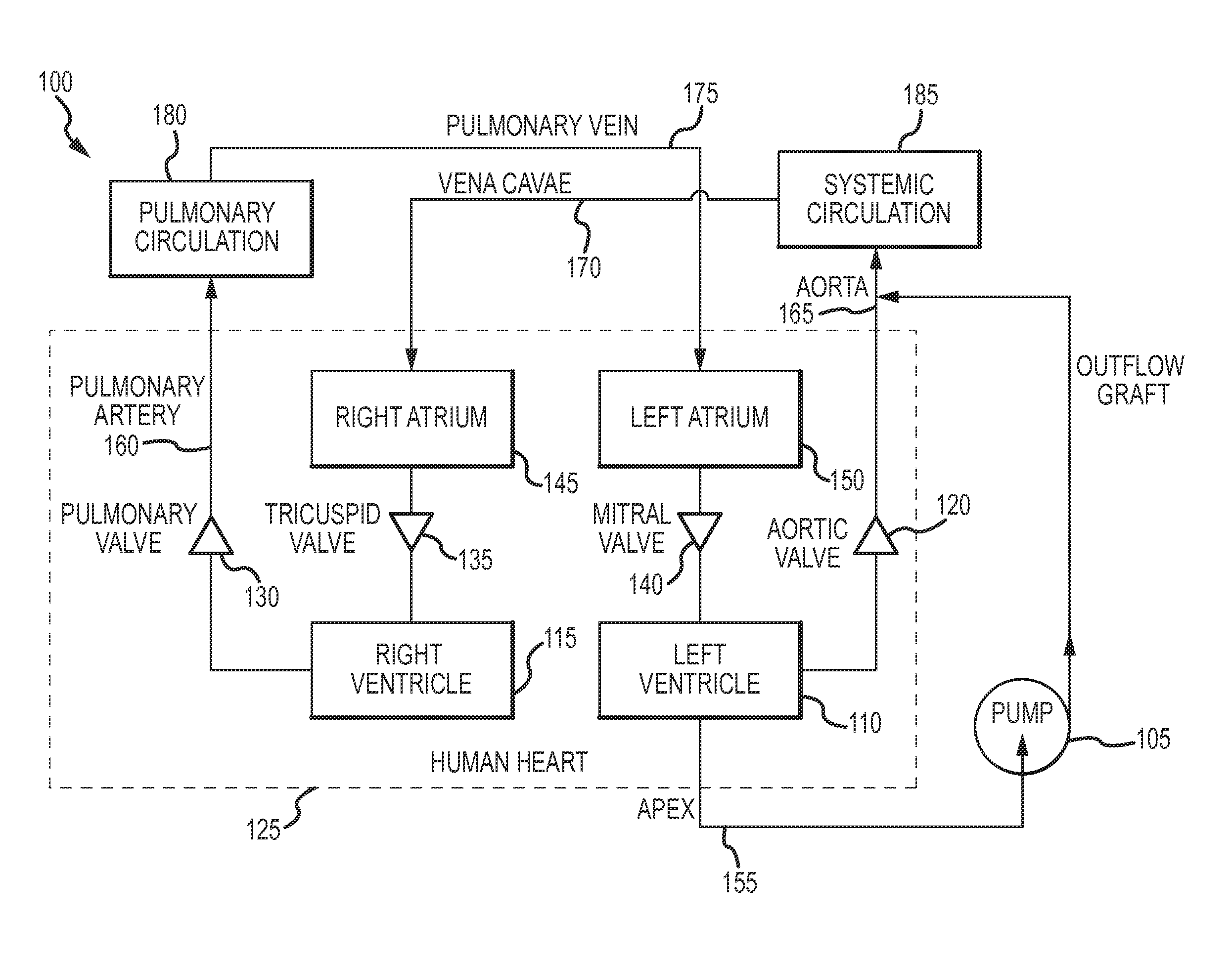
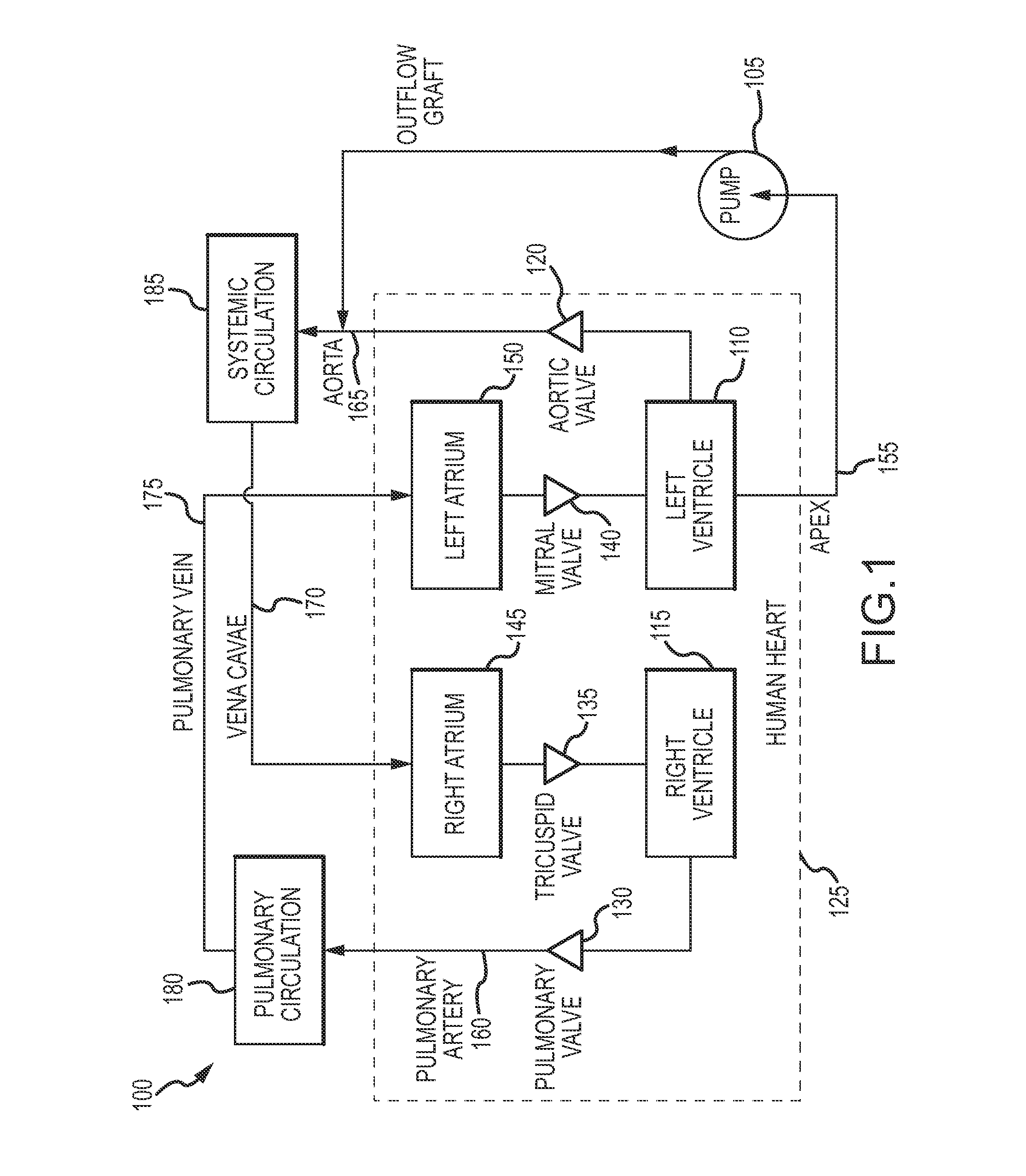
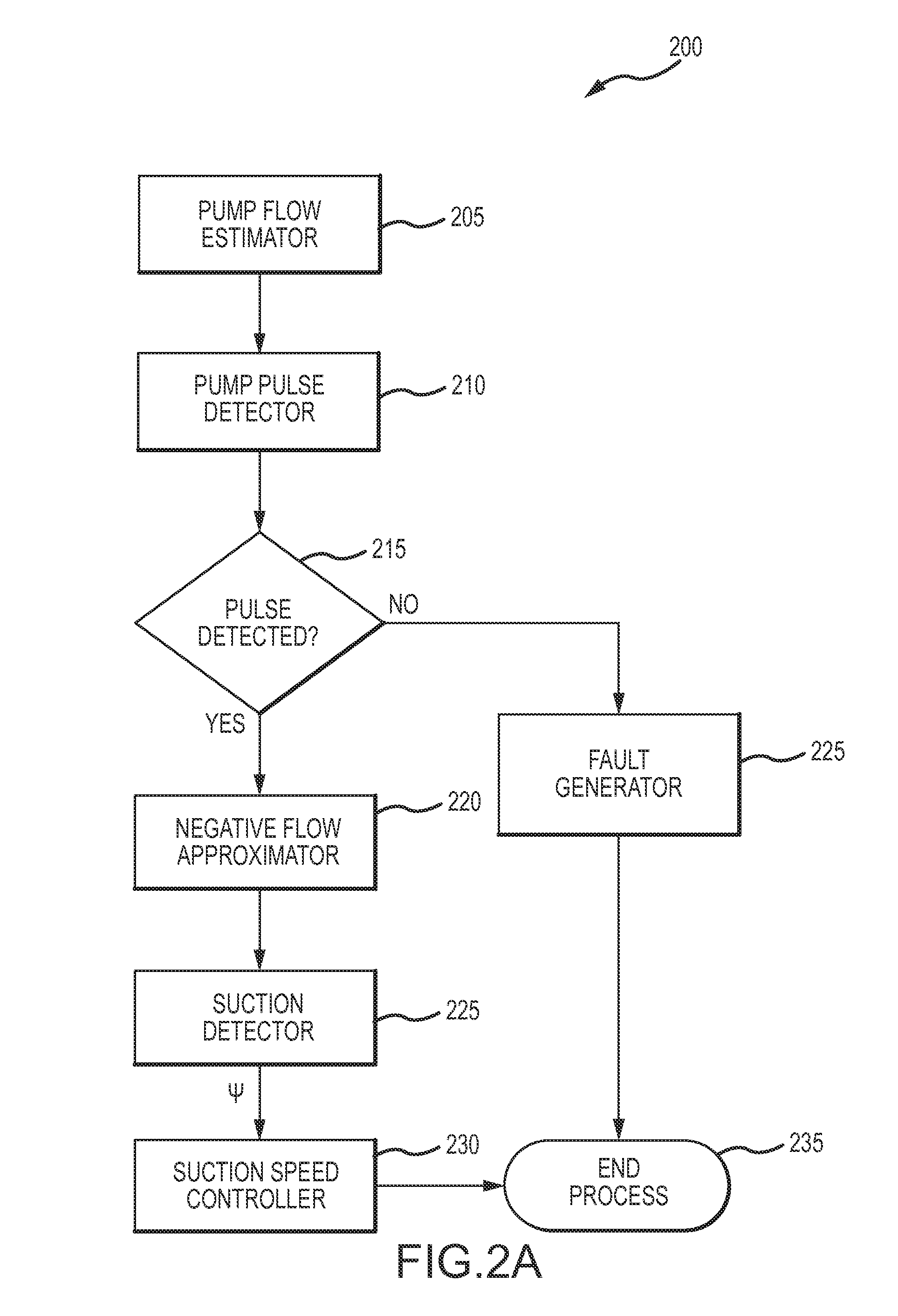
- A method that estimates the flow rate of a blood pump by solving a quadratic equation and evaluating pulse characteristics to identify suction markers, reducing the need for extensive signal processing and improving suction detection accuracy.

Systems and methods for detecting suction events in blood pumps
PatentPendingAU2022370060A1
Innovation
- The use of motor current signals to detect suction events through the calculation of a pulsatility index and a normalized band-pass filtered signal, allowing for the detection of suction events without the need for pressure sensors.


Industry Standards and Certification Requirements
Validating pump capacity under pulsating suction conditions requires adherence to multiple industry standards that establish testing protocols, performance criteria, and safety requirements. The American Petroleum Institute standard API 610 serves as the primary reference for centrifugal pumps in petroleum and natural gas industries, providing specific guidelines for handling suction pressure fluctuations and defining acceptable performance degradation limits. This standard mandates documentation of net positive suction head available (NPSHa) under dynamic conditions and establishes minimum safety margins to prevent cavitation damage during pulsating flow scenarios.
The Hydraulic Institute standards, particularly ANSI/HI 9.6.1 through 9.6.8, complement API requirements by offering detailed methodologies for measuring pump performance under non-steady-state conditions. These standards specify instrumentation accuracy requirements, data acquisition frequencies, and statistical analysis methods necessary to characterize pulsation effects on volumetric efficiency and mechanical reliability. Compliance with these protocols ensures that validation results are reproducible and comparable across different testing facilities and pump configurations.
International standards such as ISO 9906 and ISO 13709 provide additional frameworks for performance testing and acceptance criteria, particularly relevant for global manufacturers and multinational projects. These standards address measurement uncertainty quantification, test tolerance bands, and correction procedures for varying fluid properties during pulsating conditions. Certification bodies including TÜV, Lloyd's Register, and Bureau Veritas often require demonstration of compliance with these ISO standards before issuing equipment certifications for critical applications.
Industry-specific regulations further influence validation requirements, particularly in sectors such as nuclear power generation, chemical processing, and offshore oil production. Nuclear regulatory frameworks demand extensive documentation of pump behavior under transient conditions, while ATEX directives impose additional safety considerations for pumps handling volatile fluids subject to pressure oscillations. Meeting these diverse certification requirements necessitates comprehensive testing programs that address both steady-state performance benchmarks and dynamic response characteristics under representative pulsating suction scenarios.
The Hydraulic Institute standards, particularly ANSI/HI 9.6.1 through 9.6.8, complement API requirements by offering detailed methodologies for measuring pump performance under non-steady-state conditions. These standards specify instrumentation accuracy requirements, data acquisition frequencies, and statistical analysis methods necessary to characterize pulsation effects on volumetric efficiency and mechanical reliability. Compliance with these protocols ensures that validation results are reproducible and comparable across different testing facilities and pump configurations.
International standards such as ISO 9906 and ISO 13709 provide additional frameworks for performance testing and acceptance criteria, particularly relevant for global manufacturers and multinational projects. These standards address measurement uncertainty quantification, test tolerance bands, and correction procedures for varying fluid properties during pulsating conditions. Certification bodies including TÜV, Lloyd's Register, and Bureau Veritas often require demonstration of compliance with these ISO standards before issuing equipment certifications for critical applications.
Industry-specific regulations further influence validation requirements, particularly in sectors such as nuclear power generation, chemical processing, and offshore oil production. Nuclear regulatory frameworks demand extensive documentation of pump behavior under transient conditions, while ATEX directives impose additional safety considerations for pumps handling volatile fluids subject to pressure oscillations. Meeting these diverse certification requirements necessitates comprehensive testing programs that address both steady-state performance benchmarks and dynamic response characteristics under representative pulsating suction scenarios.
Cavitation Prevention and Flow Stability Optimization
Cavitation represents one of the most critical failure mechanisms in pumping systems operating under pulsating suction conditions. When local pressure drops below the vapor pressure of the pumped fluid, vapor bubbles form and subsequently collapse violently upon entering higher-pressure regions. This phenomenon not only degrades pump performance but also causes severe mechanical damage through erosion, noise, and vibration. Under pulsating conditions, the risk intensifies as pressure fluctuations create transient low-pressure zones that exceed steady-state predictions, making conventional cavitation prevention strategies insufficient.
Implementing effective cavitation prevention requires a multi-faceted approach combining hydraulic design optimization and operational control measures. Increasing the Net Positive Suction Head Available (NPSHA) through elevated suction tank levels, reduced suction line losses, or subcooling the fluid provides fundamental protection. Advanced impeller geometries featuring optimized blade angles and inducer sections help maintain stable pressure distributions even during flow pulsations. Material selection also plays a crucial role, with cavitation-resistant alloys and coatings extending component lifespan in unavoidable cavitation scenarios.
Flow stability optimization addresses the root causes of performance degradation under pulsating conditions. Installing pulsation dampeners or surge suppressors in the suction line effectively attenuates pressure oscillations before they reach the pump inlet. Properly sized suction stabilizers and accumulators act as hydraulic buffers, smoothing flow variations and maintaining more consistent NPSH margins. Computational fluid dynamics simulations enable prediction of transient pressure fields, allowing engineers to identify vulnerable zones and optimize hydraulic passages accordingly.
Active monitoring and control systems provide real-time protection against cavitation onset. Pressure sensors positioned at critical locations detect incipient cavitation through characteristic pressure signatures, triggering automatic adjustments to pump speed or system configuration. Variable frequency drives enable dynamic matching of pump operation to instantaneous suction conditions, maintaining safe operating margins throughout pulsation cycles. Acoustic emission monitoring offers non-intrusive detection of cavitation intensity, facilitating predictive maintenance strategies that prevent catastrophic failures while maximizing operational availability under challenging suction conditions.
Implementing effective cavitation prevention requires a multi-faceted approach combining hydraulic design optimization and operational control measures. Increasing the Net Positive Suction Head Available (NPSHA) through elevated suction tank levels, reduced suction line losses, or subcooling the fluid provides fundamental protection. Advanced impeller geometries featuring optimized blade angles and inducer sections help maintain stable pressure distributions even during flow pulsations. Material selection also plays a crucial role, with cavitation-resistant alloys and coatings extending component lifespan in unavoidable cavitation scenarios.
Flow stability optimization addresses the root causes of performance degradation under pulsating conditions. Installing pulsation dampeners or surge suppressors in the suction line effectively attenuates pressure oscillations before they reach the pump inlet. Properly sized suction stabilizers and accumulators act as hydraulic buffers, smoothing flow variations and maintaining more consistent NPSH margins. Computational fluid dynamics simulations enable prediction of transient pressure fields, allowing engineers to identify vulnerable zones and optimize hydraulic passages accordingly.
Active monitoring and control systems provide real-time protection against cavitation onset. Pressure sensors positioned at critical locations detect incipient cavitation through characteristic pressure signatures, triggering automatic adjustments to pump speed or system configuration. Variable frequency drives enable dynamic matching of pump operation to instantaneous suction conditions, maintaining safe operating margins throughout pulsation cycles. Acoustic emission monitoring offers non-intrusive detection of cavitation intensity, facilitating predictive maintenance strategies that prevent catastrophic failures while maximizing operational availability under challenging suction conditions.
Unlock deeper insights with Patsnap Eureka Quick Research — get a full tech report to explore trends and direct your research. Try now!
Generate Your Research Report Instantly with AI Agent
Supercharge your innovation with Patsnap Eureka AI Agent Platform!