
Validate Rubber Components for Radiation Aging
OCT 9, 20269 MIN READ
Generate Your Research Report Instantly with AI Agent
Patsnap Eureka helps you evaluate technical feasibility & market potential.
Rubber Radiation Aging Background and Validation Goals
Rubber components serve critical functions across numerous industries, from automotive seals and gaskets to nuclear power plant cable insulation and aerospace applications. These materials face continuous exposure to ionizing radiation in operational environments, which fundamentally alters their molecular structure through chain scission, crosslinking, and oxidative degradation processes. Understanding how radiation affects rubber performance over extended service periods is essential for ensuring component reliability and preventing catastrophic failures in safety-critical systems.
The historical development of radiation aging research traces back to the mid-20th century when nuclear energy applications expanded rapidly. Early studies focused primarily on natural rubber and simple synthetic elastomers, revealing that radiation exposure causes progressive deterioration of mechanical properties including tensile strength, elongation at break, and elastic recovery. As material science advanced, research expanded to encompass diverse elastomer families such as ethylene propylene diene monomer (EPDM), silicone rubber, nitrile rubber, and fluoroelastomers, each exhibiting distinct radiation resistance characteristics.
Contemporary validation challenges have intensified as industries demand longer service lifetimes and higher performance standards. Nuclear facilities require components to maintain functionality for 40-60 years under continuous low-dose radiation, while aerospace applications involve intermittent high-dose exposure combined with extreme temperature fluctuations. Traditional accelerated aging protocols often fail to accurately predict long-term behavior because they cannot fully replicate the synergistic effects of radiation, thermal stress, mechanical loading, and environmental factors occurring simultaneously in real-world conditions.
The primary validation goals encompass establishing reliable predictive models that correlate accelerated laboratory testing with actual field performance. This requires developing standardized testing protocols that account for dose rate effects, temperature dependencies, and oxygen availability during irradiation. Additionally, validation efforts aim to identify material-specific degradation mechanisms and establish acceptance criteria for critical properties such as compression set, hardness retention, and seal integrity. Advanced characterization techniques including spectroscopy, thermal analysis, and microscopy provide deeper insights into molecular-level changes that precede macroscopic failure.
Ultimately, comprehensive validation frameworks must balance scientific rigor with practical applicability, enabling engineers to make informed material selection decisions and establish appropriate replacement intervals that optimize both safety and economic considerations across diverse radiation environments.
The historical development of radiation aging research traces back to the mid-20th century when nuclear energy applications expanded rapidly. Early studies focused primarily on natural rubber and simple synthetic elastomers, revealing that radiation exposure causes progressive deterioration of mechanical properties including tensile strength, elongation at break, and elastic recovery. As material science advanced, research expanded to encompass diverse elastomer families such as ethylene propylene diene monomer (EPDM), silicone rubber, nitrile rubber, and fluoroelastomers, each exhibiting distinct radiation resistance characteristics.
Contemporary validation challenges have intensified as industries demand longer service lifetimes and higher performance standards. Nuclear facilities require components to maintain functionality for 40-60 years under continuous low-dose radiation, while aerospace applications involve intermittent high-dose exposure combined with extreme temperature fluctuations. Traditional accelerated aging protocols often fail to accurately predict long-term behavior because they cannot fully replicate the synergistic effects of radiation, thermal stress, mechanical loading, and environmental factors occurring simultaneously in real-world conditions.
The primary validation goals encompass establishing reliable predictive models that correlate accelerated laboratory testing with actual field performance. This requires developing standardized testing protocols that account for dose rate effects, temperature dependencies, and oxygen availability during irradiation. Additionally, validation efforts aim to identify material-specific degradation mechanisms and establish acceptance criteria for critical properties such as compression set, hardness retention, and seal integrity. Advanced characterization techniques including spectroscopy, thermal analysis, and microscopy provide deeper insights into molecular-level changes that precede macroscopic failure.
Ultimately, comprehensive validation frameworks must balance scientific rigor with practical applicability, enabling engineers to make informed material selection decisions and establish appropriate replacement intervals that optimize both safety and economic considerations across diverse radiation environments.
Market Demand for Radiation-Resistant Rubber Components
The global demand for radiation-resistant rubber components has experienced substantial growth across multiple industrial sectors, driven primarily by the expansion of nuclear energy infrastructure and the increasing deployment of radiation-based technologies. Nuclear power plants represent the largest application segment, requiring extensive use of sealing systems, cable insulation, gaskets, and vibration dampers that must maintain structural integrity and functional performance under prolonged exposure to ionizing radiation. As countries worldwide pursue carbon neutrality goals, the construction of new nuclear reactors and the modernization of existing facilities have created sustained demand for validated radiation-resistant elastomeric materials.
The medical and healthcare sector constitutes another significant market driver, particularly in radiation therapy equipment, diagnostic imaging systems, and sterilization processes. Medical devices increasingly rely on rubber components that can withstand repeated gamma radiation sterilization cycles without degradation in mechanical properties or biocompatibility. The pharmaceutical industry similarly requires radiation-resistant sealing solutions for aseptic processing equipment and sterile packaging systems, where material reliability directly impacts product safety and regulatory compliance.
Aerospace and defense applications present specialized requirements for radiation-hardened rubber components, especially in satellite systems, space exploration vehicles, and military equipment operating in high-radiation environments. The growing commercialization of space activities and the deployment of satellite constellations have intensified the need for materials capable of withstanding cosmic radiation and extreme temperature fluctuations simultaneously.
Industrial radiography and non-destructive testing sectors also contribute to market demand, requiring protective equipment and sealing components that maintain performance in radiation-intensive inspection environments. Additionally, the nuclear waste management industry faces increasing pressure to develop long-term storage solutions, necessitating rubber sealing systems with validated performance over extended periods under radiation exposure. This diverse application landscape underscores the critical importance of establishing robust validation methodologies for radiation aging of rubber components to ensure safety, reliability, and regulatory compliance across industries.
The medical and healthcare sector constitutes another significant market driver, particularly in radiation therapy equipment, diagnostic imaging systems, and sterilization processes. Medical devices increasingly rely on rubber components that can withstand repeated gamma radiation sterilization cycles without degradation in mechanical properties or biocompatibility. The pharmaceutical industry similarly requires radiation-resistant sealing solutions for aseptic processing equipment and sterile packaging systems, where material reliability directly impacts product safety and regulatory compliance.
Aerospace and defense applications present specialized requirements for radiation-hardened rubber components, especially in satellite systems, space exploration vehicles, and military equipment operating in high-radiation environments. The growing commercialization of space activities and the deployment of satellite constellations have intensified the need for materials capable of withstanding cosmic radiation and extreme temperature fluctuations simultaneously.
Industrial radiography and non-destructive testing sectors also contribute to market demand, requiring protective equipment and sealing components that maintain performance in radiation-intensive inspection environments. Additionally, the nuclear waste management industry faces increasing pressure to develop long-term storage solutions, necessitating rubber sealing systems with validated performance over extended periods under radiation exposure. This diverse application landscape underscores the critical importance of establishing robust validation methodologies for radiation aging of rubber components to ensure safety, reliability, and regulatory compliance across industries.
Current Challenges in Rubber Radiation Aging Assessment
Validating rubber components for radiation aging presents multiple interconnected challenges that span technical, methodological, and practical domains. The complexity arises from the intricate nature of radiation-induced degradation mechanisms and the difficulty in accurately replicating real-world aging conditions within laboratory environments.
One fundamental challenge lies in establishing reliable accelerated aging protocols that accurately simulate long-term radiation exposure effects. Traditional accelerated testing methods often fail to reproduce the synergistic effects of radiation combined with other environmental stressors such as temperature fluctuations, oxygen exposure, and mechanical stress. This discrepancy between accelerated laboratory conditions and actual service environments creates significant uncertainty in predicting component lifespan and performance degradation.
The heterogeneous nature of rubber materials compounds assessment difficulties. Modern rubber formulations contain various additives, fillers, and cross-linking agents that respond differently to radiation exposure. These compositional variations result in non-uniform degradation patterns that are challenging to characterize comprehensively. Furthermore, the dose rate effect presents a critical constraint, as high-dose-rate laboratory testing may not accurately reflect the gradual degradation occurring under low-dose-rate field conditions.
Measurement and characterization techniques face inherent limitations in capturing the full spectrum of radiation-induced changes. While mechanical property testing provides valuable data on macroscopic degradation, it often fails to detect early-stage molecular-level modifications that precede visible performance deterioration. Advanced analytical methods such as spectroscopy and thermal analysis offer deeper insights but require specialized equipment and expertise, limiting their widespread application in routine validation processes.
Standardization remains a persistent obstacle across the industry. The absence of universally accepted testing protocols and acceptance criteria creates inconsistencies in validation approaches among different organizations and regulatory frameworks. This lack of harmonization complicates cross-comparison of results and hinders the development of comprehensive databases for predictive modeling.
Data interpretation presents additional complexity, particularly in correlating laboratory test results with field performance. The stochastic nature of radiation damage and the influence of manufacturing variability introduce significant scatter in experimental data, making it difficult to establish definitive failure criteria and safety margins. These challenges necessitate sophisticated statistical approaches and extensive testing programs, substantially increasing validation costs and timelines.
One fundamental challenge lies in establishing reliable accelerated aging protocols that accurately simulate long-term radiation exposure effects. Traditional accelerated testing methods often fail to reproduce the synergistic effects of radiation combined with other environmental stressors such as temperature fluctuations, oxygen exposure, and mechanical stress. This discrepancy between accelerated laboratory conditions and actual service environments creates significant uncertainty in predicting component lifespan and performance degradation.
The heterogeneous nature of rubber materials compounds assessment difficulties. Modern rubber formulations contain various additives, fillers, and cross-linking agents that respond differently to radiation exposure. These compositional variations result in non-uniform degradation patterns that are challenging to characterize comprehensively. Furthermore, the dose rate effect presents a critical constraint, as high-dose-rate laboratory testing may not accurately reflect the gradual degradation occurring under low-dose-rate field conditions.
Measurement and characterization techniques face inherent limitations in capturing the full spectrum of radiation-induced changes. While mechanical property testing provides valuable data on macroscopic degradation, it often fails to detect early-stage molecular-level modifications that precede visible performance deterioration. Advanced analytical methods such as spectroscopy and thermal analysis offer deeper insights but require specialized equipment and expertise, limiting their widespread application in routine validation processes.
Standardization remains a persistent obstacle across the industry. The absence of universally accepted testing protocols and acceptance criteria creates inconsistencies in validation approaches among different organizations and regulatory frameworks. This lack of harmonization complicates cross-comparison of results and hinders the development of comprehensive databases for predictive modeling.
Data interpretation presents additional complexity, particularly in correlating laboratory test results with field performance. The stochastic nature of radiation damage and the influence of manufacturing variability introduce significant scatter in experimental data, making it difficult to establish definitive failure criteria and safety margins. These challenges necessitate sophisticated statistical approaches and extensive testing programs, substantially increasing validation costs and timelines.
Existing Validation Solutions for Rubber Radiation Aging
01 Formulation of Radiation and Nuclear Plant Resistant Rubber
Development of specialized rubber materials and composite formulations designed to withstand exposure to radiation, such as alpha rays, making them suitable for anti-corrosion applications, pipeline linings, and anisotropic radiation-shielding components in nuclear power environments.- Formulation of Radiation and Nuclear Aging Resistant Rubber Materials: Rubber materials and components can be specifically formulated with specialized additives or polymer matrices to withstand high-energy radiation, such as alpha rays or radiation environments found in nuclear power plants. These formulations significantly improve the operational lifespan and prevent degradation of rubber products used under strict radiation exposure conditions.
- Incorporation of Novel Anti-aging Agents and Antioxidants: The addition of novel anti-aging agents, macromolecular antioxidants, and phenolic compounds into rubber compositions helps suppress oxidative degradation, lower volatility, and prevent migration within the matrix. This enhances the long-term structural integrity, UV resistance, and thermal stability of various rubber products.
- Accelerated Aging Testing and Quantitative Evaluation Methods: Advanced evaluation methodologies, image analysis techniques, and specialized test apparatuses—such as ozone aging test chambers—allow for the precise, quantitative assessment of rubber aging states. These diagnostic methods facilitate accurate lifetime prediction and health monitoring of components subjected to environmental degradation.
- Radiation Vulcanization and Pretreatment Processing of Rubber: Utilizing radiation-based vulcanization techniques and specialized latex pretreatments improves the structural crosslinking of rubber compositions. This processing method enhances the overall anti-aging performance, mechanical durability, and radiation resistance of latex films and adhesive materials without relying solely on traditional thermal curing.
- Application-Specific Aging-Resistant Rubber Compositions for Industrial Components: High-performance rubber compositions are customized for targeted industrial applications, including vehicle tires, hydraulic hoses, pipeline seals, oilfield drill seals, and vibration-isolating bearings. These specialized compounds provide superior resistance to thermo-oxidative stress, ozone, high heat, and mechanical fatigue during service.
02 Anti-Aging Agents and Antioxidant Additives for Rubber
Incorporation of novel anti-aging agents, antioxidants, phenolic compounds, and functional additives into rubber compositions to prevent degradation, reduce volatilization or migration, and significantly enhance overall thermal oxidation, ozone, and UV aging resistance.Expand Specific Solutions03 Radiation Vulcanization and Processing of Rubber Latex
Techniques involving radiation hardenable compositions, radiation-vulcanized rubber latex films, and the pretreatment of natural rubber latex specifically optimized to improve durability, adhesion, and aging resistance during radiation processing.Expand Specific Solutions04 Accelerated Aging Testing and Evaluation Devices for Polymeric Components
Methods and specialized testing apparatuses—such as ozone test boxes, high-voltage vulcanized sample testing devices, and image-based evaluation systems—used to measure, quantify, direct analyze, and predict the aging state and service life of rubber and silicone components.Expand Specific Solutions05 Application-Specific Aging-Resistant Rubber Products
Tailored anti-aging rubber formulations designed for specific high-stress mechanical and structural components, including vehicle tires, shock absorption supports, gearbox elastic assemblies, inner tubes, seals, and hydraulic pipes.Expand Specific Solutions
Key Players in Radiation Aging Validation Industry
The validation of rubber components for radiation aging represents a mature technical field within the power grid and aerospace sectors, driven by critical infrastructure reliability requirements. The market is dominated by state-owned power utilities and research institutes, particularly State Grid Corp. of China and its provincial subsidiaries including Guangdong, Hebei, Sichuan, and Shaanxi Electric Power Research Institutes, alongside China Electric Power Research Institute and Global Energy Interconnection Research Institute. Industrial players like Sumitomo Rubber Industries and Proterial Ltd. bring advanced materials expertise, while specialized firms such as Shaanxi Zhongtian Rocket Technology and Xian Sunward Aerospace Material address aerospace applications. Academic institutions including Harbin Institute of Technology, Wuhan University, and Fudan University contribute fundamental research. The technology demonstrates high maturity with established testing protocols and standards, though continuous innovation in accelerated aging methodologies and predictive modeling remains active to support ultra-high voltage transmission and space exploration applications.
Sumitomo Rubber Industries, Ltd.
Technical Solution: Sumitomo Rubber Industries has developed comprehensive radiation aging validation methodologies for rubber components used in nuclear and high-radiation environments. Their technical approach integrates accelerated aging protocols using gamma radiation sources (Co-60) with dose rates ranging from 0.5 to 10 kGy/h to simulate long-term radiation exposure. The validation process includes pre-irradiation material characterization, controlled radiation exposure in environmental chambers, and post-irradiation mechanical property testing including tensile strength, elongation at break, and hardness measurements. They employ differential scanning calorimetry (DSC) and thermogravimetric analysis (TGA) to assess molecular degradation and crosslinking density changes. Their methodology also incorporates real-time monitoring of oxidation processes and utilizes Arrhenius modeling to predict service life under various radiation dose scenarios.
Strengths: Extensive experience in rubber material science with established testing protocols; comprehensive analytical capabilities combining mechanical and thermal analysis methods. Weaknesses: Testing cycles can be time-intensive; accelerated aging may not perfectly replicate all real-world degradation mechanisms in complex radiation environments.
Harbin Institute of Technology
Technical Solution: Harbin Institute of Technology has developed advanced research methodologies for validating rubber component radiation aging through fundamental materials science approaches. Their technical framework combines experimental radiation exposure studies with computational modeling to predict degradation mechanisms. The validation process utilizes multiple radiation sources including gamma rays, electron beams, and UV radiation to simulate different exposure scenarios. Their approach emphasizes microstructural analysis using scanning electron microscopy (SEM), atomic force microscopy (AFM), and X-ray photoelectron spectroscopy (XPS) to characterize radiation-induced changes at molecular and surface levels. They employ molecular dynamics simulations to model chain scission and crosslinking reactions under radiation exposure. The institute has developed novel accelerated aging protocols that correlate laboratory radiation doses with real-world exposure timeframes through activation energy calculations and dose-rate effect studies. Their validation methodology includes comprehensive mechanical testing, thermal analysis, and chemical composition evaluation throughout the aging process.
Strengths: Strong fundamental research capabilities with advanced analytical instrumentation; integration of computational modeling with experimental validation; ability to investigate degradation mechanisms at molecular level. Weaknesses: Research-oriented approach may require additional development for industrial-scale validation applications; longer timeline for comprehensive fundamental studies compared to standardized testing protocols.
Core Technologies in Accelerated Aging and Dosimetry
Comprehensive judgment method for performance irradiation ageing damage of elastomer for nuclear power
PatentInactiveCN105973792A
Innovation
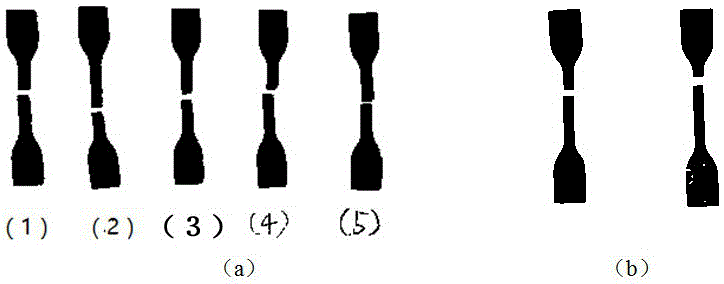
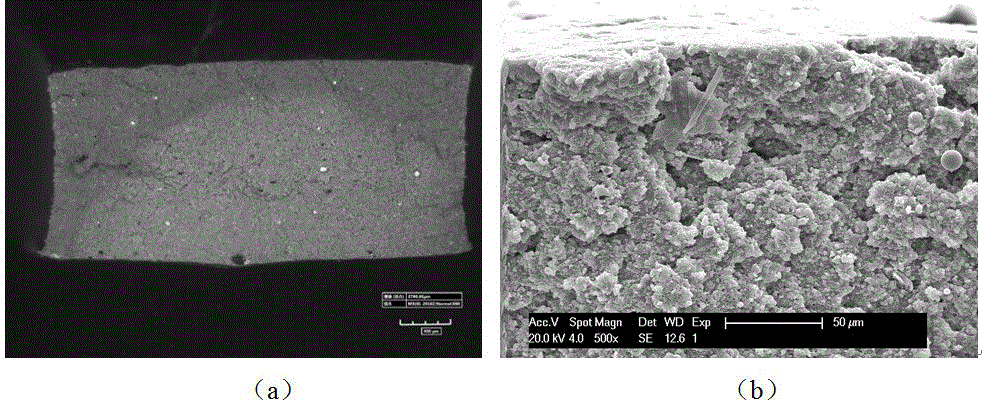
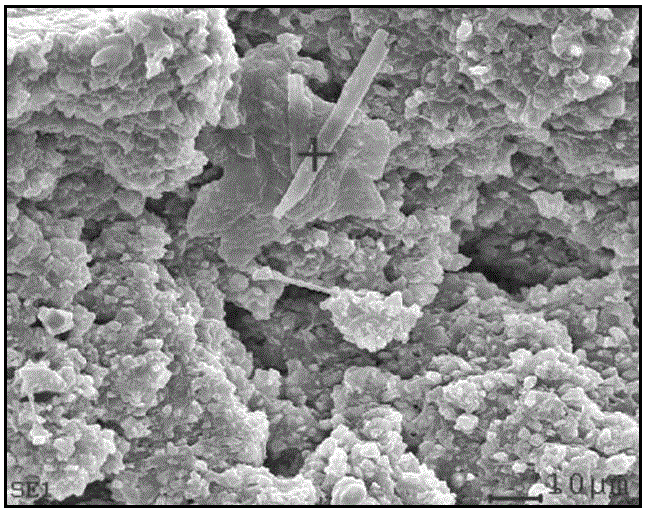
- A variety of modern analytical instruments and characterization methods are used, including macroscopic performance testing, 3D microscopy, scanning electron microscopy, energy spectrum analysis, infrared spectroscopy, Raman spectroscopy and differential scanning calorimetry analysis to comprehensively analyze the macro and micro properties of modified rubber materials. Changes, to determine the causes of aging damage of materials after irradiation, are divided into two mechanisms: oxidative degradation and cross-linking embrittlement.

Irradiation aging resistant phenyl silicone rubber compound and preparation method thereof
PatentPendingCN117430952A
Innovation
- It is made of a compound composed of phenyl silicone rubber premix, processing aids, radiation-resistant additives (lead oxide, bismuth trioxide and gadolinium oxide) and peroxide cross-linking agent, which is mixed evenly and then vulcanized at high temperature. The specific steps of the radiation aging-resistant phenyl silicone rubber compound include first mixing, second mixing and vulcanization treatment.


Nuclear Safety Standards and Regulatory Requirements
The validation of rubber components for radiation aging in nuclear applications is governed by a comprehensive framework of international and national safety standards. These regulatory requirements establish the foundation for ensuring that elastomeric materials maintain their functional integrity throughout their service life in radiation environments. The International Atomic Energy Agency (IAEA) provides overarching guidance through its Safety Standards Series, particularly the NS-G-1.6 guide on aging management for nuclear power plants, which emphasizes the importance of qualification programs for safety-related components including seals and gaskets.
In the United States, the Nuclear Regulatory Commission (NRC) enforces stringent requirements through 10 CFR 50.49, which mandates environmental qualification of electric equipment important to safety. Although primarily focused on electrical components, these regulations extend to associated sealing materials that must withstand design basis accidents. The IEEE 323 standard complements this by providing detailed methodologies for qualifying Class 1E equipment, including accelerated aging protocols that simulate radiation exposure combined with thermal and mechanical stresses.
European nuclear facilities operate under the framework established by the Western European Nuclear Regulators Association (WENRA), which harmonizes safety approaches across member states. The IEC 60780 standard specifically addresses nuclear power plant equipment qualification, requiring demonstration of component performance under normal, abnormal, and accident conditions. These standards mandate that radiation aging validation programs incorporate appropriate safety margins and consider synergistic effects between radiation, temperature, and mechanical stress.
The ASTM D1171 and ISO 188 standards provide specific test methodologies for evaluating rubber degradation under radiation exposure. Regulatory bodies typically require that qualification programs demonstrate component performance through a combination of accelerated aging tests, analytical predictions, and ongoing condition monitoring. Documentation requirements are extensive, necessitating detailed test reports, material specifications, and traceability records that demonstrate compliance throughout the component lifecycle. Recent regulatory trends emphasize risk-informed approaches that allow for more flexible qualification strategies while maintaining safety margins, particularly for components in lower radiation dose environments.
In the United States, the Nuclear Regulatory Commission (NRC) enforces stringent requirements through 10 CFR 50.49, which mandates environmental qualification of electric equipment important to safety. Although primarily focused on electrical components, these regulations extend to associated sealing materials that must withstand design basis accidents. The IEEE 323 standard complements this by providing detailed methodologies for qualifying Class 1E equipment, including accelerated aging protocols that simulate radiation exposure combined with thermal and mechanical stresses.
European nuclear facilities operate under the framework established by the Western European Nuclear Regulators Association (WENRA), which harmonizes safety approaches across member states. The IEC 60780 standard specifically addresses nuclear power plant equipment qualification, requiring demonstration of component performance under normal, abnormal, and accident conditions. These standards mandate that radiation aging validation programs incorporate appropriate safety margins and consider synergistic effects between radiation, temperature, and mechanical stress.
The ASTM D1171 and ISO 188 standards provide specific test methodologies for evaluating rubber degradation under radiation exposure. Regulatory bodies typically require that qualification programs demonstrate component performance through a combination of accelerated aging tests, analytical predictions, and ongoing condition monitoring. Documentation requirements are extensive, necessitating detailed test reports, material specifications, and traceability records that demonstrate compliance throughout the component lifecycle. Recent regulatory trends emphasize risk-informed approaches that allow for more flexible qualification strategies while maintaining safety margins, particularly for components in lower radiation dose environments.
Material Lifecycle and Environmental Impact Assessment
The lifecycle assessment of rubber components subjected to radiation aging encompasses multiple phases, from raw material extraction through manufacturing, operational deployment, and eventual disposal or recycling. Understanding this complete lifecycle is essential for validating long-term performance in radiation-intensive environments such as nuclear facilities, aerospace applications, and medical equipment. The environmental footprint begins with natural or synthetic rubber production, where energy consumption and chemical processing contribute significantly to carbon emissions and resource depletion.
During the manufacturing phase, vulcanization processes and additive incorporation introduce additional environmental considerations. The selection of antioxidants, stabilizers, and fillers directly impacts both radiation resistance and environmental sustainability. Manufacturers must balance performance requirements with ecological responsibility, considering factors such as volatile organic compound emissions and hazardous waste generation during production.
The operational lifecycle phase presents unique challenges for radiation-exposed rubber components. Degradation mechanisms including chain scission, crosslinking, and oxidative processes alter material properties over time, potentially leading to premature failure. This degradation not only affects component reliability but also influences replacement frequency, thereby multiplying the environmental impact through increased material consumption and waste generation. Accurate validation methodologies must account for these time-dependent changes to predict realistic service lifespans.
End-of-life management represents a critical yet often overlooked aspect of environmental impact assessment. Radiation-aged rubber components may contain residual radioactivity or degraded chemical structures that complicate recycling efforts. Traditional disposal methods such as landfilling or incineration pose environmental risks, while emerging technologies like devulcanization and pyrolysis offer potential sustainable alternatives. However, these processes must be evaluated for their effectiveness with radiation-damaged materials.
Comprehensive lifecycle assessment requires integrating accelerated aging test data with real-world exposure scenarios to establish predictive models. These models should incorporate environmental impact metrics alongside technical performance indicators, enabling stakeholders to make informed decisions that balance operational requirements with sustainability objectives. The validation framework must therefore extend beyond traditional material testing to encompass holistic environmental considerations throughout the component's entire existence.
During the manufacturing phase, vulcanization processes and additive incorporation introduce additional environmental considerations. The selection of antioxidants, stabilizers, and fillers directly impacts both radiation resistance and environmental sustainability. Manufacturers must balance performance requirements with ecological responsibility, considering factors such as volatile organic compound emissions and hazardous waste generation during production.
The operational lifecycle phase presents unique challenges for radiation-exposed rubber components. Degradation mechanisms including chain scission, crosslinking, and oxidative processes alter material properties over time, potentially leading to premature failure. This degradation not only affects component reliability but also influences replacement frequency, thereby multiplying the environmental impact through increased material consumption and waste generation. Accurate validation methodologies must account for these time-dependent changes to predict realistic service lifespans.
End-of-life management represents a critical yet often overlooked aspect of environmental impact assessment. Radiation-aged rubber components may contain residual radioactivity or degraded chemical structures that complicate recycling efforts. Traditional disposal methods such as landfilling or incineration pose environmental risks, while emerging technologies like devulcanization and pyrolysis offer potential sustainable alternatives. However, these processes must be evaluated for their effectiveness with radiation-damaged materials.
Comprehensive lifecycle assessment requires integrating accelerated aging test data with real-world exposure scenarios to establish predictive models. These models should incorporate environmental impact metrics alongside technical performance indicators, enabling stakeholders to make informed decisions that balance operational requirements with sustainability objectives. The validation framework must therefore extend beyond traditional material testing to encompass holistic environmental considerations throughout the component's entire existence.
Unlock deeper insights with Patsnap Eureka Quick Research — get a full tech report to explore trends and direct your research. Try now!
Generate Your Research Report Instantly with AI Agent
Supercharge your innovation with Patsnap Eureka AI Agent Platform!