Vertical Wind Turbine Energy Grid Integration Challenges
MAR 30, 20269 MIN READ
Generate Your Research Report Instantly with AI Agent
Patsnap Eureka helps you evaluate technical feasibility & market potential.
Vertical Wind Turbine Grid Integration Background and Objectives
Vertical wind turbines (VWTs) represent a significant departure from traditional horizontal-axis wind turbines, featuring a vertical rotor shaft and blades that rotate around a vertical axis. This technology has evolved from early Savonius and Darrieus designs in the 1920s to modern helical and straight-bladed configurations. The fundamental appeal of VWTs lies in their omnidirectional wind capture capability, reduced noise generation, and lower visual impact compared to conventional horizontal turbines.
The historical development of vertical wind turbine technology has been marked by periods of intense research followed by commercial setbacks, primarily due to efficiency limitations and structural challenges. However, recent advances in materials science, computational fluid dynamics, and power electronics have renewed interest in VWT technology, particularly for distributed energy applications and urban environments where traditional turbines face operational constraints.
Current technological objectives focus on addressing the inherent challenges of grid integration that have historically limited VWT deployment. The primary technical goal involves developing robust power conditioning systems that can effectively manage the variable and often turbulent power output characteristics of vertical turbines. Unlike horizontal turbines that benefit from consistent wind patterns at elevated heights, VWTs operating closer to ground level experience more complex wind conditions that create unique grid integration challenges.
The integration objectives encompass multiple technical domains, including power quality management, voltage regulation, and frequency stability. VWTs typically exhibit higher power fluctuations due to their operational environment and aerodynamic characteristics, necessitating advanced power electronics and control systems to ensure grid compatibility. The development of intelligent inverter systems capable of real-time power smoothing and reactive power compensation represents a critical technological milestone.
Furthermore, the objectives extend to establishing standardized grid codes and interconnection protocols specifically tailored for VWT installations. Current grid integration standards primarily address large-scale horizontal turbines, creating regulatory and technical gaps for vertical turbine deployments. The technology roadmap aims to develop comprehensive integration frameworks that accommodate the unique operational characteristics of VWTs while maintaining grid stability and power quality standards.
The ultimate technological vision involves creating seamless integration pathways that enable VWT technology to contribute meaningfully to distributed energy networks, particularly in urban and suburban environments where conventional wind energy solutions are impractical.
The historical development of vertical wind turbine technology has been marked by periods of intense research followed by commercial setbacks, primarily due to efficiency limitations and structural challenges. However, recent advances in materials science, computational fluid dynamics, and power electronics have renewed interest in VWT technology, particularly for distributed energy applications and urban environments where traditional turbines face operational constraints.
Current technological objectives focus on addressing the inherent challenges of grid integration that have historically limited VWT deployment. The primary technical goal involves developing robust power conditioning systems that can effectively manage the variable and often turbulent power output characteristics of vertical turbines. Unlike horizontal turbines that benefit from consistent wind patterns at elevated heights, VWTs operating closer to ground level experience more complex wind conditions that create unique grid integration challenges.
The integration objectives encompass multiple technical domains, including power quality management, voltage regulation, and frequency stability. VWTs typically exhibit higher power fluctuations due to their operational environment and aerodynamic characteristics, necessitating advanced power electronics and control systems to ensure grid compatibility. The development of intelligent inverter systems capable of real-time power smoothing and reactive power compensation represents a critical technological milestone.
Furthermore, the objectives extend to establishing standardized grid codes and interconnection protocols specifically tailored for VWT installations. Current grid integration standards primarily address large-scale horizontal turbines, creating regulatory and technical gaps for vertical turbine deployments. The technology roadmap aims to develop comprehensive integration frameworks that accommodate the unique operational characteristics of VWTs while maintaining grid stability and power quality standards.
The ultimate technological vision involves creating seamless integration pathways that enable VWT technology to contribute meaningfully to distributed energy networks, particularly in urban and suburban environments where conventional wind energy solutions are impractical.
Market Demand for Vertical Wind Energy Solutions
The global energy transition toward renewable sources has created substantial market demand for vertical wind energy solutions, driven by their unique advantages in urban and distributed energy applications. Unlike traditional horizontal axis wind turbines, vertical axis wind turbines (VAWTs) offer superior performance in turbulent wind conditions and require significantly less space, making them particularly attractive for densely populated areas and industrial facilities.
Urban energy markets represent the most significant growth opportunity for vertical wind solutions. Cities worldwide are implementing aggressive carbon neutrality targets, creating demand for distributed renewable energy systems that can operate effectively in complex wind environments. Vertical wind turbines address critical urban constraints including noise limitations, visual impact concerns, and space restrictions that traditional wind systems cannot overcome.
The distributed energy generation sector has emerged as a key market driver, with commercial and industrial facilities seeking on-site renewable energy solutions. Manufacturing plants, data centers, and logistics facilities require reliable power sources that can integrate seamlessly with existing infrastructure. Vertical wind systems offer modular deployment capabilities and reduced maintenance requirements compared to conventional alternatives.
Residential and small-scale commercial applications constitute an expanding market segment, particularly in regions with favorable net metering policies. Property owners increasingly seek energy independence solutions that provide both economic benefits and environmental impact reduction. The aesthetic appeal and quieter operation of vertical wind systems make them more acceptable for residential installations.
Grid modernization initiatives across developed and emerging markets are creating additional demand for distributed renewable energy technologies. Utility companies recognize the value of distributed generation in reducing transmission losses and improving grid resilience. Vertical wind solutions contribute to grid stability through their consistent power output characteristics and ability to operate in variable wind conditions.
The offshore wind market presents emerging opportunities for vertical wind technologies, particularly in floating platform applications where the lower center of gravity and omnidirectional wind capture capabilities provide distinct advantages over traditional horizontal systems.
Urban energy markets represent the most significant growth opportunity for vertical wind solutions. Cities worldwide are implementing aggressive carbon neutrality targets, creating demand for distributed renewable energy systems that can operate effectively in complex wind environments. Vertical wind turbines address critical urban constraints including noise limitations, visual impact concerns, and space restrictions that traditional wind systems cannot overcome.
The distributed energy generation sector has emerged as a key market driver, with commercial and industrial facilities seeking on-site renewable energy solutions. Manufacturing plants, data centers, and logistics facilities require reliable power sources that can integrate seamlessly with existing infrastructure. Vertical wind systems offer modular deployment capabilities and reduced maintenance requirements compared to conventional alternatives.
Residential and small-scale commercial applications constitute an expanding market segment, particularly in regions with favorable net metering policies. Property owners increasingly seek energy independence solutions that provide both economic benefits and environmental impact reduction. The aesthetic appeal and quieter operation of vertical wind systems make them more acceptable for residential installations.
Grid modernization initiatives across developed and emerging markets are creating additional demand for distributed renewable energy technologies. Utility companies recognize the value of distributed generation in reducing transmission losses and improving grid resilience. Vertical wind solutions contribute to grid stability through their consistent power output characteristics and ability to operate in variable wind conditions.
The offshore wind market presents emerging opportunities for vertical wind technologies, particularly in floating platform applications where the lower center of gravity and omnidirectional wind capture capabilities provide distinct advantages over traditional horizontal systems.
Current Grid Integration Challenges for Vertical Turbines
Vertical wind turbines face significant power quality challenges when integrating with electrical grids. Unlike their horizontal counterparts, vertical turbines exhibit more pronounced power fluctuations due to their inherent design characteristics. The rotating blades experience varying wind speeds and directions throughout each revolution, creating cyclical torque variations that translate into electrical output oscillations. These fluctuations can cause voltage instabilities and harmonic distortions in the grid, particularly problematic for smaller distribution networks with limited buffering capacity.
Grid synchronization presents another critical challenge for vertical turbine installations. The variable and often unpredictable power output makes it difficult to maintain consistent frequency and phase alignment with grid requirements. Traditional synchronization equipment designed for conventional power sources often struggles to accommodate the rapid power variations characteristic of vertical turbines. This mismatch can lead to protection system triggers and automatic disconnections, reducing overall system reliability and energy harvest efficiency.
The intermittent nature of vertical turbine power generation creates substantial grid stability concerns. Sudden wind gusts or lulls can cause rapid changes in power output, potentially destabilizing local grid sections. Grid operators must maintain spinning reserves and backup systems to compensate for these fluctuations, increasing operational costs and complexity. The challenge becomes more pronounced as the penetration of vertical turbines increases within a given grid segment.
Voltage regulation difficulties emerge from the distributed nature of vertical turbine installations. These systems are often deployed in urban environments or smaller-scale applications where precise voltage control is essential. The variable power injection can cause voltage rise issues during low-demand periods and voltage drops during peak generation, requiring sophisticated control systems and potentially expensive grid infrastructure upgrades.
Protection system coordination represents a complex technical hurdle. Existing grid protection schemes are typically designed for unidirectional power flow from centralized generation sources. Vertical turbines introduce bidirectional power flows and fault current contributions that can interfere with traditional protection coordination. This necessitates comprehensive protection system redesigns and the implementation of adaptive protection schemes capable of responding to dynamic grid conditions created by distributed vertical turbine installations.
Grid synchronization presents another critical challenge for vertical turbine installations. The variable and often unpredictable power output makes it difficult to maintain consistent frequency and phase alignment with grid requirements. Traditional synchronization equipment designed for conventional power sources often struggles to accommodate the rapid power variations characteristic of vertical turbines. This mismatch can lead to protection system triggers and automatic disconnections, reducing overall system reliability and energy harvest efficiency.
The intermittent nature of vertical turbine power generation creates substantial grid stability concerns. Sudden wind gusts or lulls can cause rapid changes in power output, potentially destabilizing local grid sections. Grid operators must maintain spinning reserves and backup systems to compensate for these fluctuations, increasing operational costs and complexity. The challenge becomes more pronounced as the penetration of vertical turbines increases within a given grid segment.
Voltage regulation difficulties emerge from the distributed nature of vertical turbine installations. These systems are often deployed in urban environments or smaller-scale applications where precise voltage control is essential. The variable power injection can cause voltage rise issues during low-demand periods and voltage drops during peak generation, requiring sophisticated control systems and potentially expensive grid infrastructure upgrades.
Protection system coordination represents a complex technical hurdle. Existing grid protection schemes are typically designed for unidirectional power flow from centralized generation sources. Vertical turbines introduce bidirectional power flows and fault current contributions that can interfere with traditional protection coordination. This necessitates comprehensive protection system redesigns and the implementation of adaptive protection schemes capable of responding to dynamic grid conditions created by distributed vertical turbine installations.
Existing Grid Integration Solutions for Wind Energy
01 Vertical axis wind turbine blade design and configuration
Innovations in blade design for vertical axis wind turbines focus on optimizing aerodynamic efficiency through specific blade shapes, angles, and configurations. These designs aim to improve wind capture across varying wind directions and speeds. The blade structures may incorporate curved profiles, adjustable pitch mechanisms, or specialized airfoil geometries to maximize energy conversion while minimizing turbulence and drag.- Vertical axis wind turbine blade design and configuration: Innovations in blade design for vertical axis wind turbines focus on optimizing aerodynamic efficiency through specific blade shapes, angles, and configurations. These designs aim to improve wind capture from multiple directions and enhance rotational performance. Various blade geometries including helical, straight, and curved configurations are employed to maximize energy conversion while minimizing turbulence and drag effects.
- Structural support and mounting systems for vertical wind turbines: Structural innovations address the mechanical stability and installation methods for vertical axis wind turbines. These include tower designs, bearing systems, and foundation structures that support the rotating assembly while withstanding wind loads and vibrations. Advanced mounting mechanisms enable easier installation and maintenance while ensuring long-term operational reliability in various environmental conditions.
- Power generation and transmission systems: Electrical generation systems for vertical wind turbines incorporate generators, power conversion units, and transmission mechanisms optimized for variable rotational speeds. These systems focus on maximizing energy output efficiency through advanced generator designs and power electronics that can handle fluctuating wind conditions. Integration with grid systems and energy storage solutions is also addressed to ensure stable power delivery.
- Hybrid and multi-turbine configurations: Advanced configurations combine multiple vertical axis turbines or integrate them with other renewable energy systems to enhance overall power generation capacity. These designs explore arrangements of multiple rotors on single structures, counter-rotating systems, and hybrid combinations with solar panels or horizontal axis turbines. Such configurations aim to optimize space utilization and increase energy density per installation footprint.
- Control systems and performance optimization: Control mechanisms for vertical wind turbines include variable pitch systems, braking mechanisms, and automated orientation controls that optimize performance across varying wind conditions. These systems employ sensors and control algorithms to adjust operational parameters in real-time, protecting the turbine from excessive loads while maximizing energy capture. Smart monitoring systems enable predictive maintenance and performance analytics.
02 Structural support and mounting systems for vertical wind turbines
The structural framework and mounting mechanisms for vertical wind turbines address stability, installation flexibility, and load distribution. These systems include tower designs, base structures, and bearing assemblies that support the rotating components while withstanding environmental forces. Innovations focus on modular construction, ease of installation, and adaptability to various deployment locations including rooftops and ground-mounted applications.Expand Specific Solutions03 Power generation and transmission systems
Power conversion technologies for vertical wind turbines encompass generator integration, electrical control systems, and energy transmission mechanisms. These systems optimize the conversion of rotational energy into electrical power through direct-drive generators or geared transmission systems. Advanced control electronics regulate power output, manage grid connection, and ensure efficient operation across variable wind conditions.Expand Specific Solutions04 Hybrid and integrated vertical wind turbine systems
Integrated designs combine vertical wind turbines with complementary technologies or architectural elements to enhance overall functionality. These hybrid systems may incorporate solar panels, building integration features, or multi-turbine arrays that work synergistically. The integration approaches aim to maximize space utilization, improve aesthetic appeal, and increase total energy generation capacity in urban or constrained environments.Expand Specific Solutions05 Performance optimization and control mechanisms
Advanced control systems and optimization techniques enhance the operational efficiency of vertical wind turbines through real-time adjustments and monitoring. These mechanisms include variable speed control, yaw-free operation advantages, automated startup and shutdown sequences, and adaptive response to changing wind conditions. Performance enhancements also address noise reduction, vibration damping, and extended operational lifespan through intelligent control algorithms.Expand Specific Solutions
Key Players in Vertical Wind Turbine Industry
The vertical wind turbine energy grid integration sector represents an emerging segment within the broader renewable energy industry, currently in its early-to-mid development stage with significant growth potential driven by increasing demand for distributed energy solutions. The market remains relatively niche compared to horizontal wind systems, yet shows promising expansion as grid modernization accelerates globally. Technology maturity varies considerably across market participants, with established players like Vestas Wind Systems, Siemens Gamesa, and GE Infrastructure demonstrating advanced integration capabilities, while companies such as ABB Ltd. and Hitachi Ltd. provide critical grid infrastructure solutions. Chinese entities including State Grid Corp., Guodian United Power Technology, and research institutions like Harbin Institute of Technology are rapidly advancing technical capabilities. Specialized firms like Uprise Energy focus specifically on portable vertical turbine solutions, indicating growing market segmentation and technological diversification in grid integration approaches.
Vestas Wind Systems A/S
Technical Solution: Vestas has developed advanced grid integration solutions for vertical wind turbines through their GridStreamer technology platform. Their approach focuses on power electronics optimization and grid-tie inverters specifically designed for VAWT applications. The company implements sophisticated power conditioning systems that address the inherent power fluctuation challenges of vertical turbines through real-time power smoothing algorithms. Their grid integration framework includes advanced MPPT controllers, reactive power compensation systems, and grid synchronization protocols that maintain stable voltage and frequency output despite the variable torque characteristics of VAWTs. Vestas also incorporates predictive grid management systems that anticipate power output variations and pre-adjust grid parameters accordingly.
Strengths: Extensive experience in wind energy grid integration, robust power electronics solutions, proven track record in utility-scale deployments. Weaknesses: Higher initial investment costs, complex maintenance requirements for advanced control systems.
GE Infrastructure Technology, Inc.
Technical Solution: GE has developed comprehensive grid integration solutions for vertical wind turbines through their Digital Wind Farm platform combined with specialized VAWT grid interface systems. Their technology addresses the unique challenges of VAWT grid integration including power quality management, harmonic distortion mitigation, and grid stability maintenance. The solution incorporates advanced power converters with enhanced filtering capabilities, dynamic voltage regulation systems, and intelligent grid synchronization protocols. GE's approach includes real-time monitoring and control systems that optimize power delivery while maintaining grid code compliance. Their integration platform features adaptive control algorithms that compensate for the variable power output characteristics inherent in vertical wind turbine designs, ensuring consistent grid performance.
Strengths: Strong industrial automation expertise, comprehensive digital platform integration, extensive grid infrastructure knowledge. Weaknesses: High system complexity, significant capital investment requirements for full implementation.
Core Technologies for Vertical Turbine Grid Connectivity
Utility grid vertical axis wind turbine system
PatentWO2011014147A1
Innovation
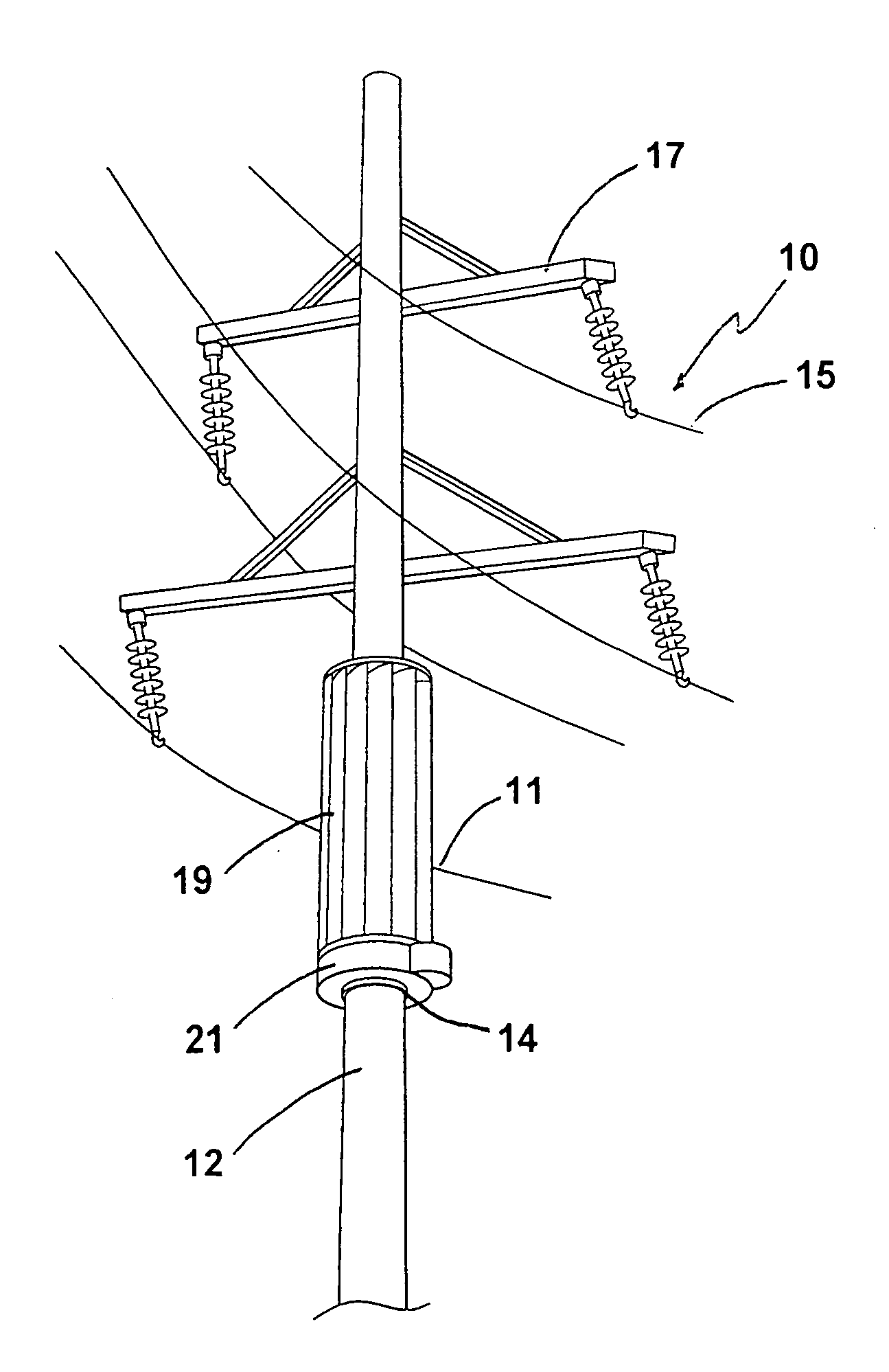
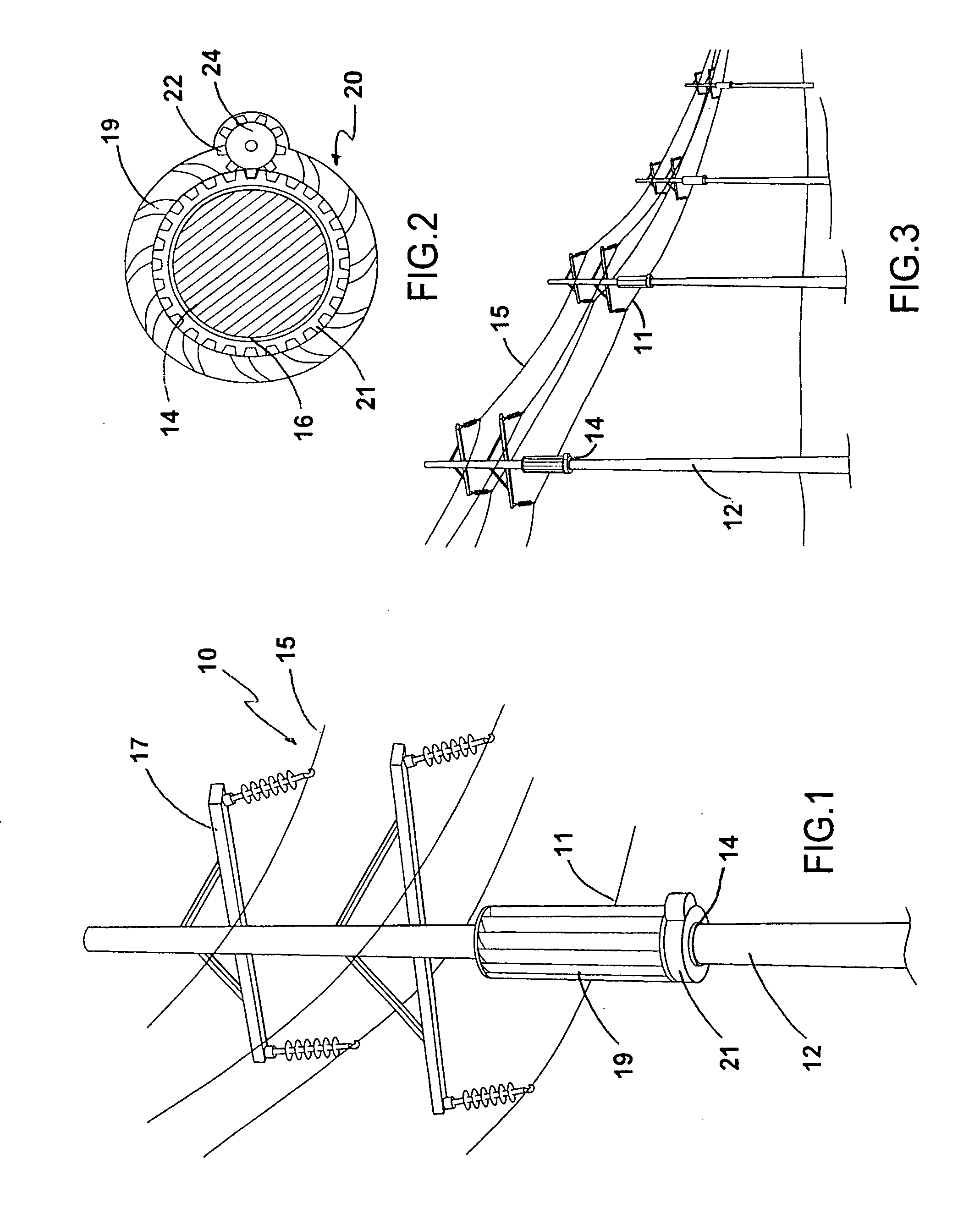
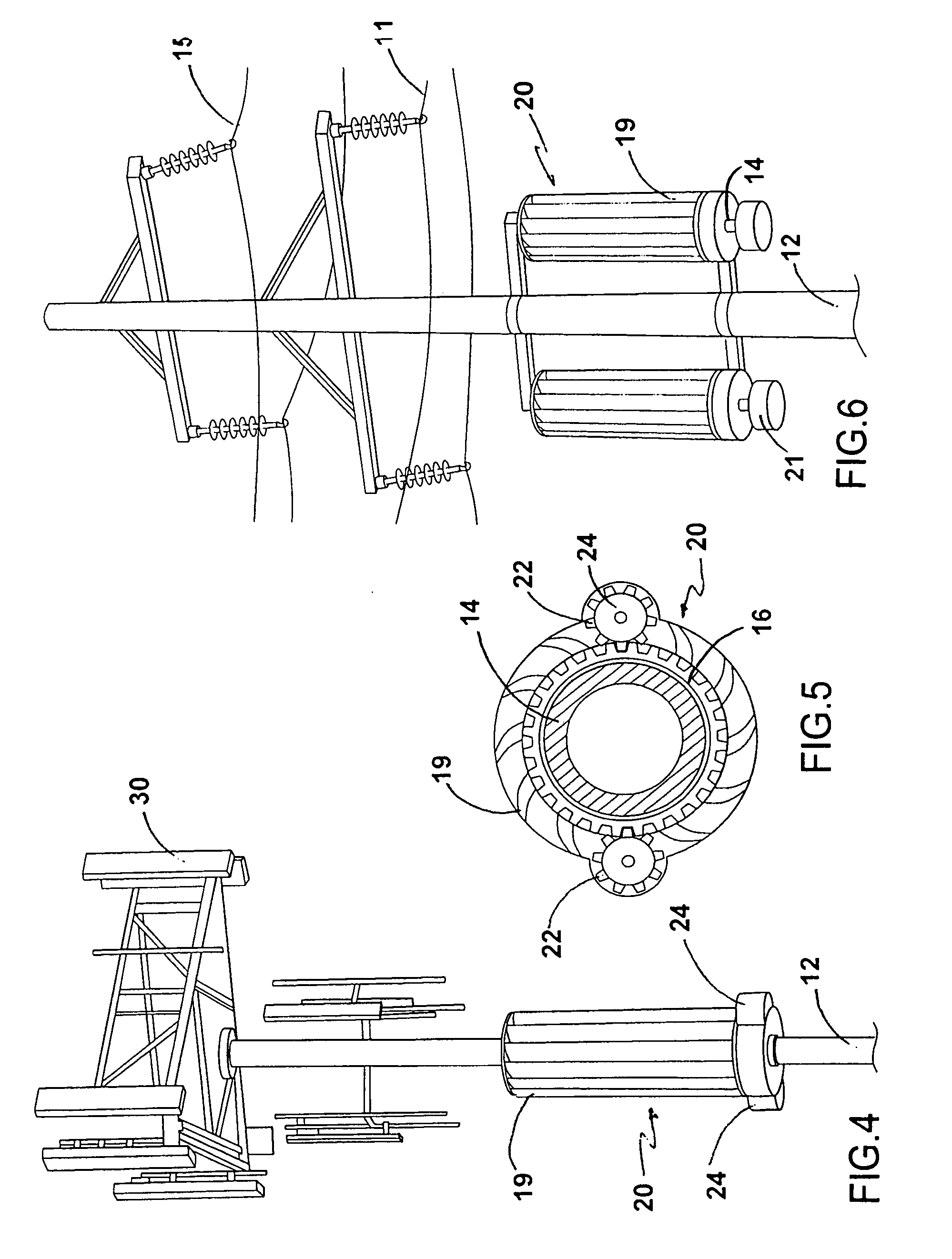
- A vertical axis wind turbine system integrated with existing power pole infrastructure, featuring a rotor shaft and generator connected to the utility grid, allowing for efficient wind energy conversion and distribution without expanding the environmental footprint, suitable for both large and small energy applications.


Urility grid vertical axis wind turbine system
PatentInactiveUS20110062717A1
Innovation
- A vertical axis wind turbine system integrated with existing power pole electricity infrastructure, featuring a rotor shaft supported by ground-based upright members, allowing for easy deployment and connection to the utility grid, with a simple design that does not expand the environmental footprint, capable of generating and distributing electricity to both large and small utilities, homes, and businesses.

Grid Code Compliance and Energy Policy Framework
Vertical wind turbines face complex regulatory landscapes that vary significantly across jurisdictions, creating substantial barriers to widespread grid integration. Grid codes, which define technical requirements for power generation equipment connecting to electrical networks, were historically designed around conventional horizontal-axis wind turbines and fossil fuel generators. These standards often specify parameters such as voltage ride-through capabilities, frequency response characteristics, and power quality metrics that may not align optimally with vertical wind turbine operational profiles.
The unique operational characteristics of vertical wind turbines, including their different torque curves, startup wind speeds, and power output patterns, require careful consideration within existing grid code frameworks. Many jurisdictions lack specific provisions for vertical axis wind turbines, forcing developers to navigate regulatory uncertainty or seek costly exemptions. This regulatory gap creates additional compliance costs and extends project development timelines, particularly for innovative vertical turbine designs that may not fit traditional performance categories.
Energy policy frameworks at national and regional levels significantly influence vertical wind turbine deployment through various mechanisms including renewable energy targets, feed-in tariffs, and grid connection standards. Current policies often favor established technologies, creating implicit barriers for emerging vertical wind turbine technologies. The lack of technology-neutral incentive structures can disadvantage vertical turbines despite their potential advantages in specific applications such as urban environments or distributed generation scenarios.
Interconnection standards present another critical challenge, as utilities and grid operators must evaluate vertical wind turbines against established criteria for grid stability and power quality. The intermittent nature of wind power, combined with the specific characteristics of vertical turbines, requires sophisticated grid integration strategies that may not be adequately addressed in current regulatory frameworks. This includes considerations for reactive power management, harmonic distortion limits, and fault ride-through requirements.
The evolving nature of smart grid technologies and distributed energy resources is gradually creating more favorable policy environments for diverse renewable technologies, including vertical wind turbines. However, the pace of regulatory adaptation often lags behind technological innovation, creating ongoing challenges for market entry and commercial viability of vertical wind turbine systems in grid-connected applications.
The unique operational characteristics of vertical wind turbines, including their different torque curves, startup wind speeds, and power output patterns, require careful consideration within existing grid code frameworks. Many jurisdictions lack specific provisions for vertical axis wind turbines, forcing developers to navigate regulatory uncertainty or seek costly exemptions. This regulatory gap creates additional compliance costs and extends project development timelines, particularly for innovative vertical turbine designs that may not fit traditional performance categories.
Energy policy frameworks at national and regional levels significantly influence vertical wind turbine deployment through various mechanisms including renewable energy targets, feed-in tariffs, and grid connection standards. Current policies often favor established technologies, creating implicit barriers for emerging vertical wind turbine technologies. The lack of technology-neutral incentive structures can disadvantage vertical turbines despite their potential advantages in specific applications such as urban environments or distributed generation scenarios.
Interconnection standards present another critical challenge, as utilities and grid operators must evaluate vertical wind turbines against established criteria for grid stability and power quality. The intermittent nature of wind power, combined with the specific characteristics of vertical turbines, requires sophisticated grid integration strategies that may not be adequately addressed in current regulatory frameworks. This includes considerations for reactive power management, harmonic distortion limits, and fault ride-through requirements.
The evolving nature of smart grid technologies and distributed energy resources is gradually creating more favorable policy environments for diverse renewable technologies, including vertical wind turbines. However, the pace of regulatory adaptation often lags behind technological innovation, creating ongoing challenges for market entry and commercial viability of vertical wind turbine systems in grid-connected applications.
Environmental Impact of Urban Wind Energy Systems
Urban wind energy systems, particularly vertical wind turbines, present a complex array of environmental considerations that extend beyond traditional energy generation impacts. The integration of these systems into urban environments creates unique ecological interactions that require comprehensive assessment across multiple environmental dimensions.
Noise pollution represents one of the most significant environmental concerns for urban vertical wind turbine installations. Unlike horizontal axis turbines, vertical axis wind turbines generate distinct acoustic signatures characterized by lower frequency vibrations and intermittent noise patterns. These sound emissions can range from 35-55 decibels at residential distances, potentially affecting urban wildlife behavior patterns and human comfort levels. The aerodynamic design of vertical turbines creates specific noise profiles that vary with wind speed and direction, requiring careful consideration of placement relative to sensitive receptors.
Visual impact assessment reveals that vertical wind turbines alter urban skylines and aesthetic landscapes in ways that differ substantially from traditional energy infrastructure. The rotating motion and structural profiles of these systems can create visual disturbance effects, including shadow flicker and light reflection patterns that impact both human perception and avian behavior. Urban integration studies indicate that the visual footprint extends beyond the immediate installation site, influencing property values and community acceptance rates.
Electromagnetic interference emerges as a critical environmental factor unique to urban wind installations. Vertical wind turbines can disrupt radio frequency communications, television signals, and wireless networks within a radius of several hundred meters. This interference pattern varies with turbine rotation speed and atmospheric conditions, creating dynamic electromagnetic environments that affect both technological infrastructure and potentially sensitive electronic equipment in urban settings.
Avian and bat interaction studies demonstrate that urban vertical wind turbines pose different wildlife risks compared to rural installations. The lower tip speeds and vertical rotation axis reduce direct collision risks, yet create new challenges including habitat fragmentation and migration pattern disruption. Urban bird populations show altered flight behaviors around vertical turbine installations, with species-specific responses varying significantly based on turbine height and urban corridor positioning.
Microclimate modification represents an emerging environmental consideration as vertical wind turbines alter local air circulation patterns within urban environments. These systems can create downstream turbulence effects that influence building ventilation, pedestrian comfort levels, and local temperature distributions. The cumulative impact of multiple installations can generate measurable changes in urban heat island effects and wind flow characteristics across neighborhood scales.
Noise pollution represents one of the most significant environmental concerns for urban vertical wind turbine installations. Unlike horizontal axis turbines, vertical axis wind turbines generate distinct acoustic signatures characterized by lower frequency vibrations and intermittent noise patterns. These sound emissions can range from 35-55 decibels at residential distances, potentially affecting urban wildlife behavior patterns and human comfort levels. The aerodynamic design of vertical turbines creates specific noise profiles that vary with wind speed and direction, requiring careful consideration of placement relative to sensitive receptors.
Visual impact assessment reveals that vertical wind turbines alter urban skylines and aesthetic landscapes in ways that differ substantially from traditional energy infrastructure. The rotating motion and structural profiles of these systems can create visual disturbance effects, including shadow flicker and light reflection patterns that impact both human perception and avian behavior. Urban integration studies indicate that the visual footprint extends beyond the immediate installation site, influencing property values and community acceptance rates.
Electromagnetic interference emerges as a critical environmental factor unique to urban wind installations. Vertical wind turbines can disrupt radio frequency communications, television signals, and wireless networks within a radius of several hundred meters. This interference pattern varies with turbine rotation speed and atmospheric conditions, creating dynamic electromagnetic environments that affect both technological infrastructure and potentially sensitive electronic equipment in urban settings.
Avian and bat interaction studies demonstrate that urban vertical wind turbines pose different wildlife risks compared to rural installations. The lower tip speeds and vertical rotation axis reduce direct collision risks, yet create new challenges including habitat fragmentation and migration pattern disruption. Urban bird populations show altered flight behaviors around vertical turbine installations, with species-specific responses varying significantly based on turbine height and urban corridor positioning.
Microclimate modification represents an emerging environmental consideration as vertical wind turbines alter local air circulation patterns within urban environments. These systems can create downstream turbulence effects that influence building ventilation, pedestrian comfort levels, and local temperature distributions. The cumulative impact of multiple installations can generate measurable changes in urban heat island effects and wind flow characteristics across neighborhood scales.
Unlock deeper insights with Patsnap Eureka Quick Research — get a full tech report to explore trends and direct your research. Try now!
Generate Your Research Report Instantly with AI Agent
Supercharge your innovation with Patsnap Eureka AI Agent Platform!