

Vertical Wind Turbine Noise Reduction Techniques
MAR 30, 20269 MIN READ
Generate Your Research Report Instantly with AI Agent
PatSnap Eureka helps you evaluate technical feasibility & market potential.
Vertical Wind Turbine Noise Background and Objectives
Vertical wind turbines (VAWTs) have emerged as a promising alternative to traditional horizontal axis wind turbines, particularly in urban and distributed energy applications. Unlike their horizontal counterparts, VAWTs feature a vertical rotation axis that offers several advantages including omnidirectional wind capture, reduced visual impact, and simplified maintenance procedures. However, the widespread adoption of VAWT technology has been significantly hindered by acoustic emissions that exceed acceptable noise levels for residential and commercial environments.
The noise generation mechanisms in vertical wind turbines are fundamentally different from horizontal axis systems due to their unique aerodynamic characteristics. VAWTs experience complex flow patterns including dynamic stall, flow separation, and blade-wake interactions that occur throughout each rotation cycle. These phenomena create broadband noise across multiple frequency ranges, with particular challenges in low-frequency emissions that are difficult to attenuate and can cause significant annoyance to nearby residents.
Historical development of VAWT technology dates back to the 1920s with early Savonius and Darrieus designs, but noise considerations were largely overlooked during initial commercialization efforts in the 1980s and 1990s. The resurgence of interest in VAWT technology over the past two decades has been driven by urbanization trends and the need for distributed renewable energy solutions, making noise reduction a critical technical priority.
Current noise reduction research focuses on multiple approaches including aerodynamic optimization, mechanical vibration control, and advanced materials integration. The primary technical objectives encompass reducing overall sound pressure levels below 45 dBA at residential distances, minimizing low-frequency tonal components, and eliminating mechanical noise sources while maintaining energy conversion efficiency.
The evolution of computational fluid dynamics and acoustic modeling capabilities has enabled more sophisticated understanding of VAWT noise generation mechanisms, leading to targeted design modifications and innovative noise mitigation strategies. These technological advances are essential for achieving the dual objectives of acoustic compliance and commercial viability in urban wind energy applications.
The noise generation mechanisms in vertical wind turbines are fundamentally different from horizontal axis systems due to their unique aerodynamic characteristics. VAWTs experience complex flow patterns including dynamic stall, flow separation, and blade-wake interactions that occur throughout each rotation cycle. These phenomena create broadband noise across multiple frequency ranges, with particular challenges in low-frequency emissions that are difficult to attenuate and can cause significant annoyance to nearby residents.
Historical development of VAWT technology dates back to the 1920s with early Savonius and Darrieus designs, but noise considerations were largely overlooked during initial commercialization efforts in the 1980s and 1990s. The resurgence of interest in VAWT technology over the past two decades has been driven by urbanization trends and the need for distributed renewable energy solutions, making noise reduction a critical technical priority.
Current noise reduction research focuses on multiple approaches including aerodynamic optimization, mechanical vibration control, and advanced materials integration. The primary technical objectives encompass reducing overall sound pressure levels below 45 dBA at residential distances, minimizing low-frequency tonal components, and eliminating mechanical noise sources while maintaining energy conversion efficiency.
The evolution of computational fluid dynamics and acoustic modeling capabilities has enabled more sophisticated understanding of VAWT noise generation mechanisms, leading to targeted design modifications and innovative noise mitigation strategies. These technological advances are essential for achieving the dual objectives of acoustic compliance and commercial viability in urban wind energy applications.
Market Demand for Quiet Vertical Wind Energy Systems
The global wind energy market is experiencing unprecedented growth, with vertical axis wind turbines (VAWTs) emerging as a promising solution for distributed energy generation. However, noise pollution remains a critical barrier to widespread adoption, particularly in urban and residential environments where these systems offer the greatest deployment potential.
Urban energy planners and residential developers increasingly seek renewable energy solutions that can operate effectively in populated areas without compromising quality of life. Traditional horizontal axis wind turbines face significant limitations in these environments due to their substantial noise footprint and visual impact. This creates a substantial market opportunity for quiet vertical wind energy systems that can integrate seamlessly into urban landscapes.
The residential and small commercial sectors represent the most noise-sensitive market segments driving demand for quieter VAWT technologies. Homeowners associations, municipal planning departments, and commercial property developers consistently cite noise concerns as primary obstacles to wind energy adoption. These stakeholders require systems that operate below established noise ordinances, typically ranging from 45-55 decibels at property boundaries during nighttime hours.
Distributed energy generation policies worldwide are creating favorable regulatory environments for small-scale wind installations. Feed-in tariffs, net metering programs, and renewable energy certificates provide economic incentives that make residential and commercial wind systems increasingly attractive. However, these opportunities remain largely untapped due to noise-related installation restrictions in populated areas.
The agricultural sector presents another significant market opportunity, where VAWTs must operate near livestock and residential structures. Farmers require energy solutions that do not disturb animals or create conflicts with neighboring properties. Quiet operation becomes essential for maintaining agricultural productivity and community relationships.
Industrial applications, including manufacturing facilities, data centers, and logistics hubs, demand reliable renewable energy sources that comply with workplace noise regulations. These facilities often operate in mixed-use zones where noise control directly impacts operational permits and community acceptance.
Market research indicates strong latent demand for vertical wind systems that can achieve noise levels comparable to ambient environmental sounds. Early adopters in noise-sensitive applications demonstrate willingness to pay premium prices for proven quiet operation technologies, suggesting robust market potential for effective noise reduction innovations.
Urban energy planners and residential developers increasingly seek renewable energy solutions that can operate effectively in populated areas without compromising quality of life. Traditional horizontal axis wind turbines face significant limitations in these environments due to their substantial noise footprint and visual impact. This creates a substantial market opportunity for quiet vertical wind energy systems that can integrate seamlessly into urban landscapes.
The residential and small commercial sectors represent the most noise-sensitive market segments driving demand for quieter VAWT technologies. Homeowners associations, municipal planning departments, and commercial property developers consistently cite noise concerns as primary obstacles to wind energy adoption. These stakeholders require systems that operate below established noise ordinances, typically ranging from 45-55 decibels at property boundaries during nighttime hours.
Distributed energy generation policies worldwide are creating favorable regulatory environments for small-scale wind installations. Feed-in tariffs, net metering programs, and renewable energy certificates provide economic incentives that make residential and commercial wind systems increasingly attractive. However, these opportunities remain largely untapped due to noise-related installation restrictions in populated areas.
The agricultural sector presents another significant market opportunity, where VAWTs must operate near livestock and residential structures. Farmers require energy solutions that do not disturb animals or create conflicts with neighboring properties. Quiet operation becomes essential for maintaining agricultural productivity and community relationships.
Industrial applications, including manufacturing facilities, data centers, and logistics hubs, demand reliable renewable energy sources that comply with workplace noise regulations. These facilities often operate in mixed-use zones where noise control directly impacts operational permits and community acceptance.
Market research indicates strong latent demand for vertical wind systems that can achieve noise levels comparable to ambient environmental sounds. Early adopters in noise-sensitive applications demonstrate willingness to pay premium prices for proven quiet operation technologies, suggesting robust market potential for effective noise reduction innovations.
Current Noise Issues and Challenges in VAWT Technology
Vertical Axis Wind Turbines face significant aerodynamic noise challenges that stem from their unique rotational mechanics and blade-air interaction patterns. Unlike horizontal axis turbines, VAWTs generate noise through complex three-dimensional flow phenomena, including dynamic stall events that occur cyclically as blades rotate through varying angles of attack. These stall events create broadband noise signatures that can be particularly problematic in urban and residential installations where VAWTs are commonly deployed.
The primary noise generation mechanisms in VAWT systems include trailing edge noise, which occurs due to turbulent boundary layer interactions along blade surfaces, and vortex shedding noise resulting from flow separation around blade profiles. Additionally, VAWTs experience significant blade-wake interactions as downstream blades encounter turbulent wakes from upstream blades, creating impulsive noise events that contribute to overall acoustic emissions. These interactions are particularly pronounced in Darrieus-type configurations where multiple straight blades operate in close proximity.
Structural vibration represents another critical noise challenge, as VAWT designs typically feature lower rotational speeds but higher torque variations compared to horizontal axis systems. The cyclic loading patterns inherent to VAWT operation induce structural resonances that can amplify mechanical noise transmission through tower structures and support systems. This mechanical noise often manifests as low-frequency tonal components that can be particularly intrusive in quiet environments.
Current VAWT technology faces substantial challenges in noise prediction and mitigation due to the complex, unsteady aerodynamic environment. Traditional noise modeling approaches developed for horizontal axis turbines prove inadequate for capturing the three-dimensional, time-varying flow characteristics of VAWTs. The lack of standardized noise measurement protocols specifically designed for VAWT configurations further complicates efforts to establish consistent performance benchmarks and regulatory compliance frameworks.
Manufacturing tolerances and blade surface quality present additional challenges, as even minor imperfections can significantly impact noise generation in the already complex VAWT flow environment. The integration of noise reduction technologies must also consider the unique operational constraints of VAWTs, including their typically lower tip speed ratios and the need to maintain structural integrity under highly variable loading conditions throughout each rotational cycle.
The primary noise generation mechanisms in VAWT systems include trailing edge noise, which occurs due to turbulent boundary layer interactions along blade surfaces, and vortex shedding noise resulting from flow separation around blade profiles. Additionally, VAWTs experience significant blade-wake interactions as downstream blades encounter turbulent wakes from upstream blades, creating impulsive noise events that contribute to overall acoustic emissions. These interactions are particularly pronounced in Darrieus-type configurations where multiple straight blades operate in close proximity.
Structural vibration represents another critical noise challenge, as VAWT designs typically feature lower rotational speeds but higher torque variations compared to horizontal axis systems. The cyclic loading patterns inherent to VAWT operation induce structural resonances that can amplify mechanical noise transmission through tower structures and support systems. This mechanical noise often manifests as low-frequency tonal components that can be particularly intrusive in quiet environments.
Current VAWT technology faces substantial challenges in noise prediction and mitigation due to the complex, unsteady aerodynamic environment. Traditional noise modeling approaches developed for horizontal axis turbines prove inadequate for capturing the three-dimensional, time-varying flow characteristics of VAWTs. The lack of standardized noise measurement protocols specifically designed for VAWT configurations further complicates efforts to establish consistent performance benchmarks and regulatory compliance frameworks.
Manufacturing tolerances and blade surface quality present additional challenges, as even minor imperfections can significantly impact noise generation in the already complex VAWT flow environment. The integration of noise reduction technologies must also consider the unique operational constraints of VAWTs, including their typically lower tip speed ratios and the need to maintain structural integrity under highly variable loading conditions throughout each rotational cycle.
Existing Noise Mitigation Solutions for Vertical Turbines
01 Blade design and aerodynamic optimization for noise reduction
Vertical wind turbines can be designed with optimized blade profiles and aerodynamic features to minimize noise generation. This includes modifications to blade shape, pitch angle, and surface characteristics to reduce turbulent airflow and vortex shedding. Advanced blade geometries and trailing edge designs can significantly decrease aerodynamic noise while maintaining energy efficiency. The optimization of blade number, spacing, and rotational speed also contributes to overall noise reduction.- Blade design and aerodynamic optimization for noise reduction: Vertical wind turbines can be designed with optimized blade shapes, profiles, and configurations to minimize aerodynamic noise generation. This includes modifications to blade geometry, airfoil selection, and surface treatments that reduce turbulent airflow and vortex shedding. Advanced blade designs can incorporate features such as serrated trailing edges, twisted blade profiles, or variable pitch mechanisms to decrease noise levels during operation while maintaining energy efficiency.
- Structural damping and vibration isolation systems: Implementation of damping materials and vibration isolation mechanisms can significantly reduce structural noise transmission in vertical wind turbines. These systems include the use of elastomeric mounts, damping layers, and isolation platforms that absorb mechanical vibrations before they propagate to the tower and surrounding structures. Advanced damping technologies can be integrated into the turbine's support structure, bearing assemblies, and connection points to minimize resonance and structural-borne noise.
- Acoustic enclosures and sound barrier installations: Enclosing critical noise-generating components of vertical wind turbines with acoustic barriers or sound-absorbing materials can effectively reduce noise emissions. These solutions involve the installation of protective housings, shrouds, or panels made from sound-dampening materials around the generator, gearbox, and rotating components. The acoustic treatments can include multi-layer composite materials with sound absorption and reflection properties designed to contain and attenuate noise at the source.
- Active noise control and cancellation technologies: Active noise control systems utilize sensors and actuators to detect and counteract noise emissions from vertical wind turbines in real-time. These systems employ microphones to monitor sound levels and generate anti-phase sound waves through speakers or actuators to cancel out unwanted noise. Advanced control algorithms can adapt to varying wind conditions and operational states, providing dynamic noise reduction that responds to changing acoustic environments and turbine performance parameters.
- Generator and drivetrain noise mitigation: Reducing noise from the generator and drivetrain components involves the use of precision-engineered gears, magnetic bearings, and direct-drive systems that eliminate or minimize mechanical contact and friction. Low-noise generators can be designed with improved electromagnetic shielding, optimized cooling systems, and balanced rotor configurations. These technologies focus on reducing gear meshing noise, bearing friction, and electromagnetic noise while improving overall mechanical efficiency and reliability of the power conversion system.
02 Structural damping and vibration isolation systems
Implementation of damping materials and vibration isolation mechanisms can effectively reduce structural noise transmission in vertical wind turbines. These systems include the use of elastomeric mounts, damping layers, and isolation platforms that prevent vibration transfer from rotating components to the tower and foundation. Advanced materials with high damping coefficients can be integrated into the turbine structure to absorb mechanical vibrations before they radiate as audible noise.Expand Specific Solutions03 Acoustic enclosures and sound barriers
Enclosure systems and acoustic barriers can be installed around vertical wind turbines to contain and redirect noise emissions. These solutions involve the use of sound-absorbing materials, reflective panels, and strategically positioned barriers that block direct sound paths to nearby receptors. The enclosures can be designed with ventilation features to maintain turbine cooling while providing effective noise attenuation across multiple frequency ranges.Expand Specific Solutions04 Active noise control and cancellation technologies
Active noise control systems utilize sensors and actuators to detect and counteract noise emissions in real-time. These technologies employ phase-inverted sound waves or controlled mechanical responses to cancel out unwanted noise frequencies. Advanced control algorithms can adapt to varying wind conditions and operational states, providing dynamic noise reduction that responds to changing acoustic signatures during turbine operation.Expand Specific Solutions05 Generator and drivetrain noise mitigation
Noise reduction strategies targeting the generator and drivetrain components focus on minimizing mechanical and electromagnetic noise sources. This includes the use of precision bearings, gear tooth modifications, magnetic shielding, and improved lubrication systems. Isolation of the generator housing and implementation of low-noise electrical components can significantly reduce high-frequency noise emissions. Direct-drive configurations that eliminate gearboxes represent another approach to reducing mechanical noise in vertical wind turbines.Expand Specific Solutions
Key Players in Vertical Wind Turbine and Noise Control
The vertical wind turbine noise reduction technology sector is in a mature development stage, driven by increasing environmental regulations and urban wind energy adoption. The market demonstrates significant growth potential as noise concerns remain a primary barrier to widespread vertical turbine deployment in populated areas. Technology maturity varies considerably across market participants, with established wind energy giants like Vestas Wind Systems A/S, Siemens Gamesa Renewable Energy, and General Electric Company leading advanced noise mitigation research through their extensive R&D capabilities and decades of turbine engineering experience. Chinese manufacturers including Goldwind Science & Technology and CRRC Wind Power are rapidly advancing their noise reduction technologies, while academic institutions like Xiangtan University and Fuzhou University contribute fundamental research. The competitive landscape shows a clear division between established global players with proven noise reduction solutions and emerging companies developing innovative approaches, indicating a technology sector transitioning from experimental to commercial viability with substantial market opportunities.
Vestas Wind Systems A/S
Technical Solution: Vestas has developed advanced aerodynamic blade designs with serrated trailing edges and vortex generators to minimize noise generation in vertical wind turbines. Their noise reduction technology focuses on optimizing blade geometry and surface treatments to reduce turbulent airflow and associated acoustic emissions. The company implements computational fluid dynamics modeling to predict and minimize noise patterns, achieving noise levels below 45 dB at residential distances. Additionally, Vestas incorporates variable pitch control systems that automatically adjust blade angles based on wind conditions to maintain optimal performance while minimizing noise output during different operational phases.
Strengths: Industry-leading aerodynamic expertise and extensive R&D capabilities. Weaknesses: High implementation costs and complex maintenance requirements for advanced control systems.
Siemens Gamesa Renewable Energy AS
Technical Solution: Siemens Gamesa employs a multi-faceted approach to vertical wind turbine noise reduction through their proprietary blade design optimization and active noise control systems. Their technology utilizes micro-serrations along blade edges combined with specialized surface coatings that reduce aerodynamic noise by up to 3-4 dB. The company has developed intelligent control algorithms that monitor real-time wind conditions and automatically adjust rotor speed and blade pitch to minimize noise while maintaining energy efficiency. Their noise mitigation solutions also include advanced bearing systems with enhanced lubrication technologies to reduce mechanical noise components during turbine operation.
Strengths: Comprehensive noise reduction approach combining multiple technologies and strong global market presence. Weaknesses: Limited focus specifically on vertical axis turbines compared to horizontal axis systems.
Core Innovations in VAWT Acoustic Engineering
Noise reduction element and a wind turbine blade comprising a noise reduction element
PatentActiveUS12188451B2
Innovation
- A noise reduction element for wind turbine blades featuring serrations that are electrically conductive and designed to attract and conduct lightning current to ground, while maintaining aerodynamic performance and simplifying manufacturing processes.


Rotor blade with noise reduction means
PatentInactiveUS11181093B2
Innovation
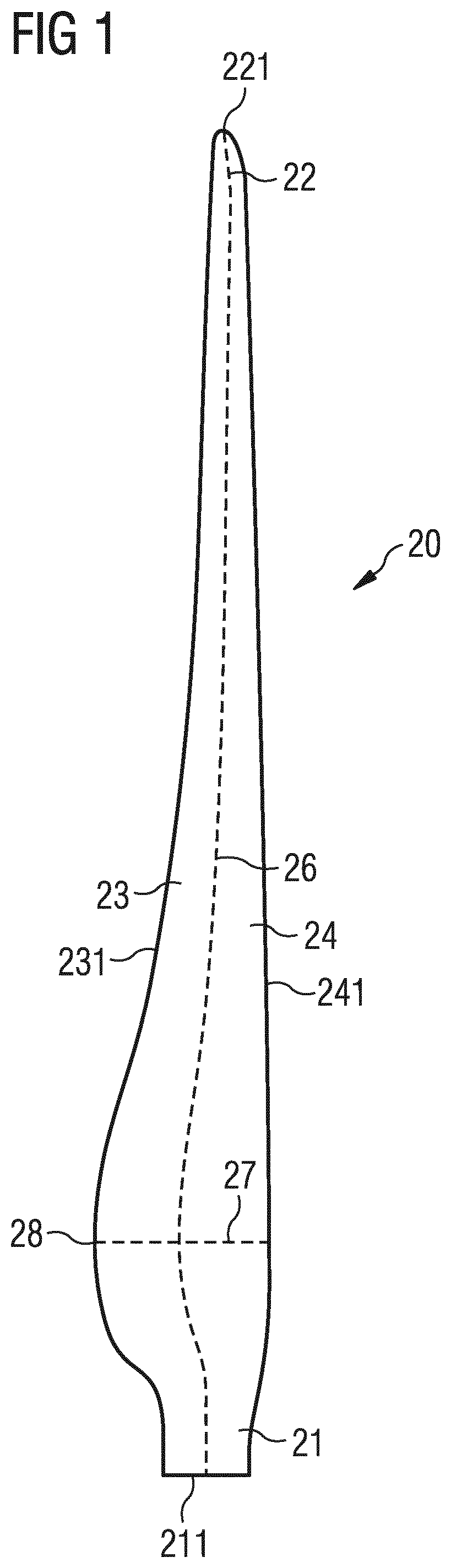
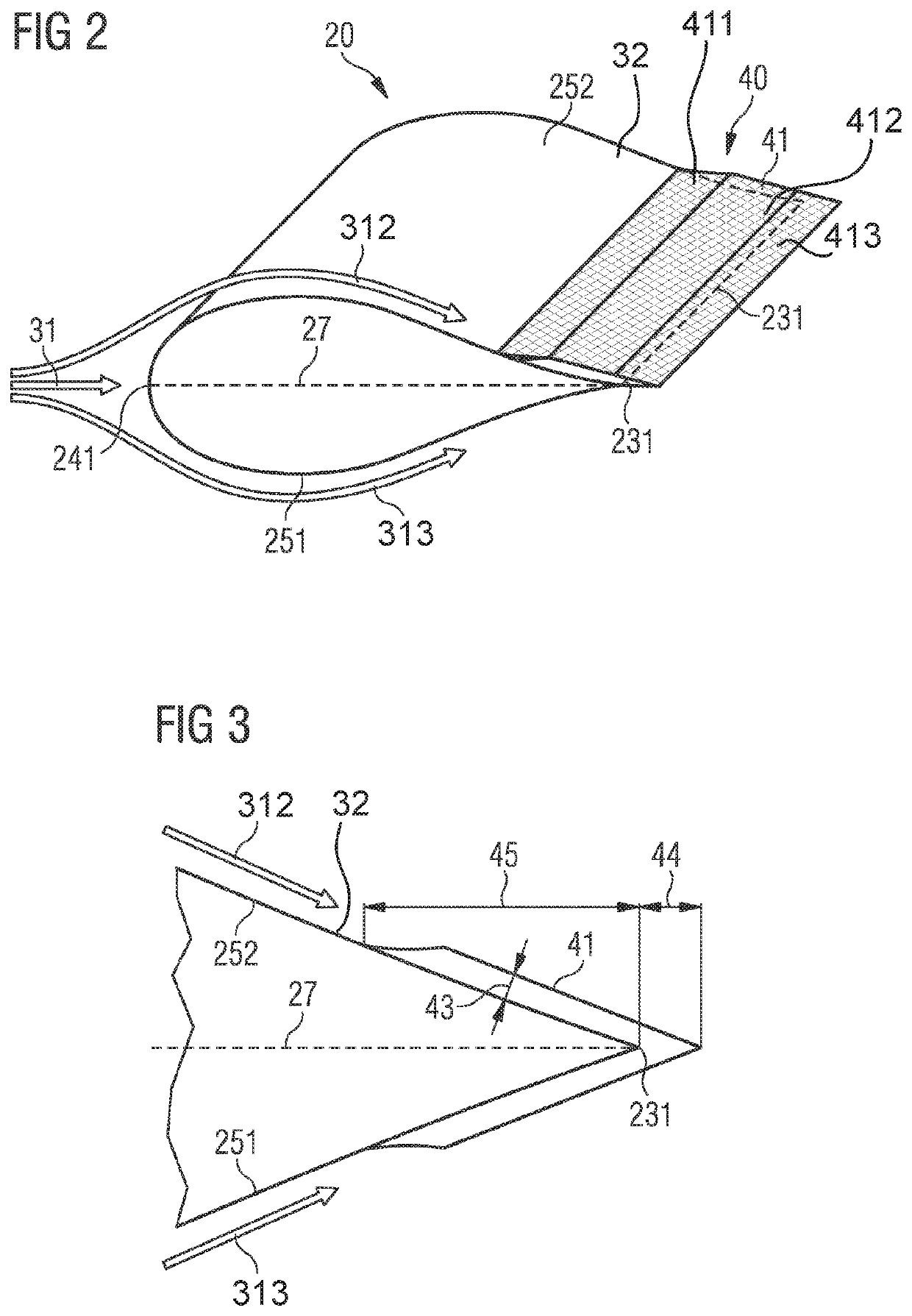
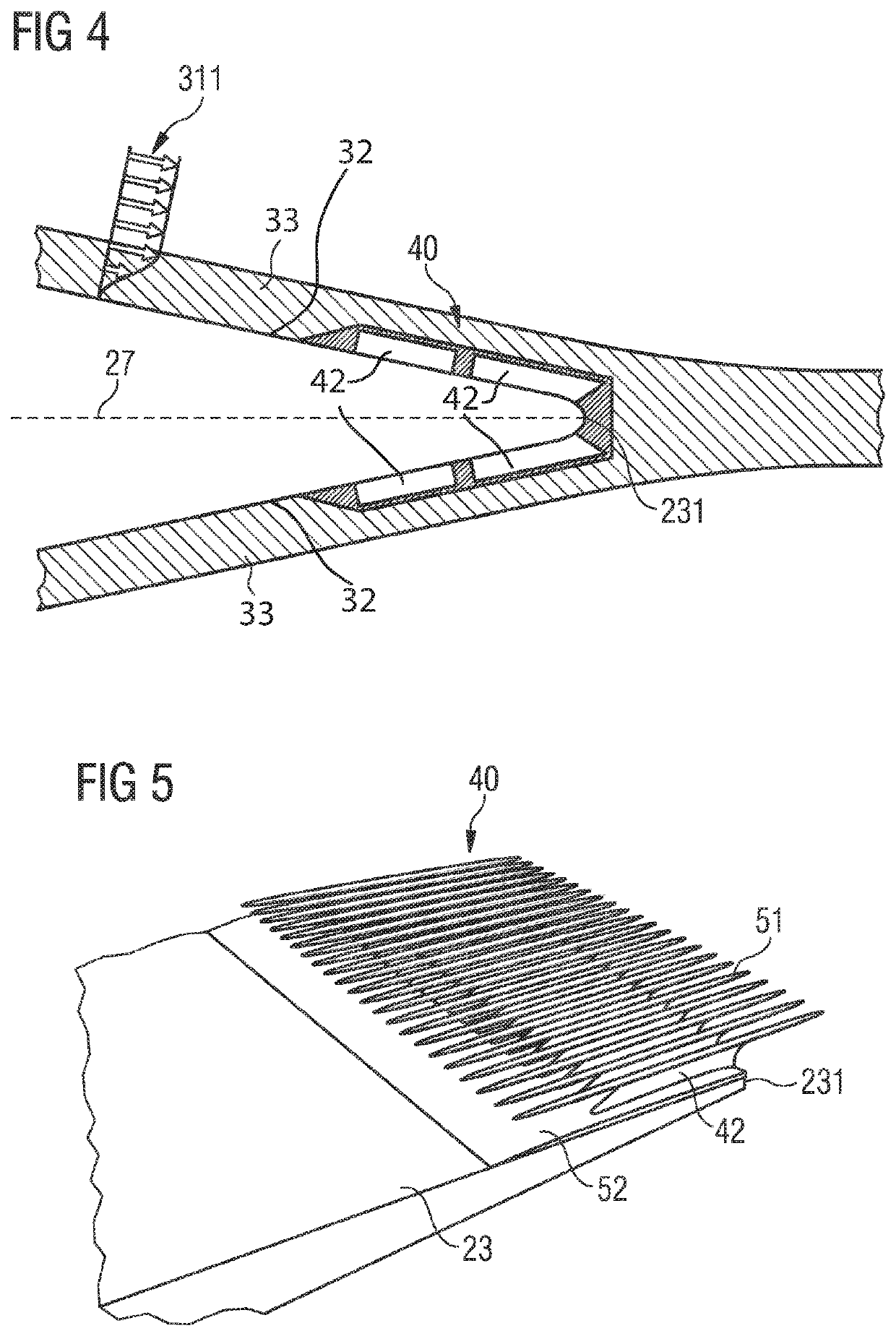
- A rotor blade design incorporating a porous canopy-shaped noise reduction device within the boundary layer, inspired by owl wing aeroacoustics, which modifies the airflow boundary layer to reduce noise by separating turbulent structures from the surface, thereby minimizing surface pressures and far-field noise.

Environmental Noise Regulations for Wind Energy
Environmental noise regulations for wind energy have evolved significantly as the industry has expanded globally, with vertical wind turbines facing unique regulatory challenges due to their distinct acoustic characteristics. Unlike horizontal axis turbines, vertical wind turbines operate closer to ground level and in urban environments, making them subject to more stringent noise control requirements established by local and national authorities.
The regulatory framework varies considerably across jurisdictions, with the European Union implementing some of the most comprehensive standards. The EU's Environmental Noise Directive 2002/49/EC establishes fundamental principles for noise assessment and management, while individual member states have developed specific limits for wind energy installations. Germany's TA Lärm guidelines set nighttime noise limits at 35 dB(A) for residential areas, while Denmark enforces a maximum of 44 dB(A) at the nearest neighbor's residence.
In the United States, the Environmental Protection Agency provides general noise guidance, but regulation primarily occurs at state and local levels. States like Massachusetts and New York have established specific setback requirements and noise limits ranging from 40-55 dB(A) depending on zoning classifications. California's approach emphasizes cumulative noise impact assessments, particularly relevant for vertical wind turbine installations in urban settings.
International standards organizations have developed technical frameworks to support regulatory compliance. The International Electrotechnical Commission's IEC 61400-11 standard provides measurement procedures for wind turbine noise, though originally designed for horizontal axis turbines. The International Organization for Standardization's ISO 9613 series offers acoustic propagation models essential for predicting noise levels during environmental impact assessments.
Emerging regulatory trends focus on frequency-specific limits and low-frequency noise considerations, particularly relevant for vertical wind turbines which often generate different spectral characteristics compared to conventional designs. Several jurisdictions are implementing amplitude modulation limits and requiring detailed acoustic modeling during the permitting process.
Compliance strategies for vertical wind turbine developers increasingly involve comprehensive pre-installation acoustic assessments, real-time noise monitoring systems, and adaptive operational controls. The regulatory landscape continues evolving toward performance-based standards that account for technological innovations in noise reduction while maintaining environmental protection objectives.
The regulatory framework varies considerably across jurisdictions, with the European Union implementing some of the most comprehensive standards. The EU's Environmental Noise Directive 2002/49/EC establishes fundamental principles for noise assessment and management, while individual member states have developed specific limits for wind energy installations. Germany's TA Lärm guidelines set nighttime noise limits at 35 dB(A) for residential areas, while Denmark enforces a maximum of 44 dB(A) at the nearest neighbor's residence.
In the United States, the Environmental Protection Agency provides general noise guidance, but regulation primarily occurs at state and local levels. States like Massachusetts and New York have established specific setback requirements and noise limits ranging from 40-55 dB(A) depending on zoning classifications. California's approach emphasizes cumulative noise impact assessments, particularly relevant for vertical wind turbine installations in urban settings.
International standards organizations have developed technical frameworks to support regulatory compliance. The International Electrotechnical Commission's IEC 61400-11 standard provides measurement procedures for wind turbine noise, though originally designed for horizontal axis turbines. The International Organization for Standardization's ISO 9613 series offers acoustic propagation models essential for predicting noise levels during environmental impact assessments.
Emerging regulatory trends focus on frequency-specific limits and low-frequency noise considerations, particularly relevant for vertical wind turbines which often generate different spectral characteristics compared to conventional designs. Several jurisdictions are implementing amplitude modulation limits and requiring detailed acoustic modeling during the permitting process.
Compliance strategies for vertical wind turbine developers increasingly involve comprehensive pre-installation acoustic assessments, real-time noise monitoring systems, and adaptive operational controls. The regulatory landscape continues evolving toward performance-based standards that account for technological innovations in noise reduction while maintaining environmental protection objectives.
Urban Integration Strategies for Quiet VAWT Systems
The successful integration of quiet Vertical Axis Wind Turbines (VAWTs) into urban environments requires comprehensive strategies that address both technical and social considerations. Urban deployment of these systems presents unique challenges that differ significantly from traditional rural wind installations, necessitating specialized approaches to maximize acceptance and operational efficiency.
Zoning and placement strategies form the foundation of successful urban VAWT integration. Optimal locations include industrial districts, commercial zones, and mixed-use areas where ambient noise levels are naturally higher. Strategic positioning near transportation corridors, manufacturing facilities, or busy commercial streets can effectively mask residual turbine noise within existing urban soundscapes. Height restrictions and setback requirements must be carefully evaluated to ensure compliance with local building codes while maintaining adequate wind exposure.
Community engagement and stakeholder consultation represent critical components of urban integration planning. Early involvement of residents, local authorities, and urban planners helps identify potential concerns and develop mitigation strategies before implementation. Public education campaigns highlighting the environmental benefits and noise reduction technologies can significantly improve community acceptance rates. Demonstration projects in high-visibility locations serve as effective tools for showcasing quiet operation capabilities.
Architectural integration approaches enable VAWTs to blend seamlessly with urban infrastructure. Design modifications that incorporate aesthetic elements matching local architectural styles help reduce visual impact concerns. Integration with building facades, rooftop installations, and incorporation into public art projects transform functional wind turbines into accepted urban features. Collaborative design processes involving architects and urban designers ensure harmonious integration with existing cityscapes.
Regulatory compliance frameworks must address specific urban deployment requirements. Noise ordinance adherence becomes paramount in densely populated areas, requiring detailed acoustic assessments and ongoing monitoring protocols. Environmental impact studies should evaluate cumulative effects of multiple installations and potential interactions with urban wildlife corridors. Permitting processes need streamlining to accommodate the unique characteristics of quiet VAWT systems while maintaining appropriate oversight.
Smart grid integration capabilities enhance the value proposition of urban VAWT deployments. Distributed generation networks incorporating multiple quiet turbines can provide localized power generation with reduced transmission losses. Energy storage integration and demand response capabilities enable optimal utilization of variable wind resources within urban microgrids. Real-time monitoring systems provide operational data supporting both performance optimization and community transparency regarding noise levels and energy production.
Zoning and placement strategies form the foundation of successful urban VAWT integration. Optimal locations include industrial districts, commercial zones, and mixed-use areas where ambient noise levels are naturally higher. Strategic positioning near transportation corridors, manufacturing facilities, or busy commercial streets can effectively mask residual turbine noise within existing urban soundscapes. Height restrictions and setback requirements must be carefully evaluated to ensure compliance with local building codes while maintaining adequate wind exposure.
Community engagement and stakeholder consultation represent critical components of urban integration planning. Early involvement of residents, local authorities, and urban planners helps identify potential concerns and develop mitigation strategies before implementation. Public education campaigns highlighting the environmental benefits and noise reduction technologies can significantly improve community acceptance rates. Demonstration projects in high-visibility locations serve as effective tools for showcasing quiet operation capabilities.
Architectural integration approaches enable VAWTs to blend seamlessly with urban infrastructure. Design modifications that incorporate aesthetic elements matching local architectural styles help reduce visual impact concerns. Integration with building facades, rooftop installations, and incorporation into public art projects transform functional wind turbines into accepted urban features. Collaborative design processes involving architects and urban designers ensure harmonious integration with existing cityscapes.
Regulatory compliance frameworks must address specific urban deployment requirements. Noise ordinance adherence becomes paramount in densely populated areas, requiring detailed acoustic assessments and ongoing monitoring protocols. Environmental impact studies should evaluate cumulative effects of multiple installations and potential interactions with urban wildlife corridors. Permitting processes need streamlining to accommodate the unique characteristics of quiet VAWT systems while maintaining appropriate oversight.
Smart grid integration capabilities enhance the value proposition of urban VAWT deployments. Distributed generation networks incorporating multiple quiet turbines can provide localized power generation with reduced transmission losses. Energy storage integration and demand response capabilities enable optimal utilization of variable wind resources within urban microgrids. Real-time monitoring systems provide operational data supporting both performance optimization and community transparency regarding noise levels and energy production.
Unlock deeper insights with PatSnap Eureka Quick Research — get a full tech report to explore trends and direct your research. Try now!
Generate Your Research Report Instantly with AI Agent
Supercharge your innovation with PatSnap Eureka AI Agent Platform!