

Vertical Wind Turbines vs Horizontal: Maintenance Needs
MAR 30, 20269 MIN READ
Generate Your Research Report Instantly with AI Agent
PatSnap Eureka helps you evaluate technical feasibility & market potential.
Vertical vs Horizontal Wind Turbine Technology Background
Wind turbine technology has evolved significantly since its inception in the late 19th century, with two primary architectural approaches emerging as dominant solutions: horizontal axis wind turbines (HAWTs) and vertical axis wind turbines (VAWTs). The fundamental distinction between these configurations lies in their rotational axis orientation relative to the ground, which profoundly impacts their design complexity, operational characteristics, and maintenance requirements.
Horizontal axis wind turbines represent the conventional approach, featuring a rotor shaft positioned parallel to the ground with blades rotating in a vertical plane perpendicular to the wind direction. This configuration has dominated commercial wind energy installations since the 1980s, driven by superior aerodynamic efficiency and proven scalability. Modern HAWTs typically incorporate three-blade designs optimized for maximum energy capture, requiring sophisticated yaw systems to track wind direction and complex pitch control mechanisms for load management.
Vertical axis wind turbines, conversely, position their main rotor shaft perpendicular to the ground, with blades rotating in a horizontal plane. The two primary VAWT designs include the Darrieus turbine, characterized by curved or straight blades connected at top and bottom, and the Savonius turbine, featuring helical or S-shaped blades wrapped around the central axis. VAWTs offer inherent omnidirectional wind capture capabilities, eliminating the need for wind tracking systems.
The technological evolution of both configurations has been shaped by distinct engineering challenges and operational objectives. HAWTs have benefited from extensive research and development investments, resulting in highly optimized blade profiles, advanced materials, and sophisticated control systems. The technology has achieved remarkable scale increases, with modern offshore turbines exceeding 15 MW capacity and rotor diameters surpassing 200 meters.
VAWT development has followed a more fragmented path, experiencing periods of intense interest followed by commercial setbacks. Despite theoretical advantages including reduced noise, lower visual impact, and simplified maintenance access due to ground-level gearbox and generator placement, VAWTs have struggled with structural fatigue issues, lower power coefficients, and manufacturing cost challenges. Recent technological advances in materials science, computational fluid dynamics, and magnetic bearing systems have renewed interest in VAWT applications, particularly for urban and distributed generation scenarios.
The maintenance implications of these architectural differences represent a critical factor in technology selection and lifecycle cost optimization, influencing everything from component accessibility to failure mode patterns and repair complexity.
Horizontal axis wind turbines represent the conventional approach, featuring a rotor shaft positioned parallel to the ground with blades rotating in a vertical plane perpendicular to the wind direction. This configuration has dominated commercial wind energy installations since the 1980s, driven by superior aerodynamic efficiency and proven scalability. Modern HAWTs typically incorporate three-blade designs optimized for maximum energy capture, requiring sophisticated yaw systems to track wind direction and complex pitch control mechanisms for load management.
Vertical axis wind turbines, conversely, position their main rotor shaft perpendicular to the ground, with blades rotating in a horizontal plane. The two primary VAWT designs include the Darrieus turbine, characterized by curved or straight blades connected at top and bottom, and the Savonius turbine, featuring helical or S-shaped blades wrapped around the central axis. VAWTs offer inherent omnidirectional wind capture capabilities, eliminating the need for wind tracking systems.
The technological evolution of both configurations has been shaped by distinct engineering challenges and operational objectives. HAWTs have benefited from extensive research and development investments, resulting in highly optimized blade profiles, advanced materials, and sophisticated control systems. The technology has achieved remarkable scale increases, with modern offshore turbines exceeding 15 MW capacity and rotor diameters surpassing 200 meters.
VAWT development has followed a more fragmented path, experiencing periods of intense interest followed by commercial setbacks. Despite theoretical advantages including reduced noise, lower visual impact, and simplified maintenance access due to ground-level gearbox and generator placement, VAWTs have struggled with structural fatigue issues, lower power coefficients, and manufacturing cost challenges. Recent technological advances in materials science, computational fluid dynamics, and magnetic bearing systems have renewed interest in VAWT applications, particularly for urban and distributed generation scenarios.
The maintenance implications of these architectural differences represent a critical factor in technology selection and lifecycle cost optimization, influencing everything from component accessibility to failure mode patterns and repair complexity.
Market Demand for Low-Maintenance Wind Energy Solutions
The global wind energy market is experiencing unprecedented growth, driven by increasing environmental consciousness and the urgent need for sustainable energy solutions. Within this expanding sector, there is a pronounced shift in demand patterns toward wind turbine technologies that offer reduced maintenance requirements and enhanced operational reliability. This trend reflects the industry's maturation and the growing emphasis on total cost of ownership rather than initial capital expenditure alone.
Utility-scale wind farm operators are increasingly prioritizing maintenance efficiency as a critical factor in technology selection. The operational challenges associated with traditional horizontal axis wind turbines, particularly in offshore and remote locations, have created substantial market opportunities for alternative solutions. These challenges include complex gearbox maintenance, frequent blade inspections, and the need for specialized heavy-lifting equipment for component replacement.
The distributed energy sector represents another significant demand driver for low-maintenance wind solutions. Small-scale commercial and residential applications require wind turbines that can operate with minimal human intervention over extended periods. This market segment values simplicity, durability, and reduced service requirements over maximum power output, creating distinct opportunities for vertical axis wind turbine technologies.
Emerging markets in developing regions show particularly strong demand for maintenance-friendly wind energy solutions. Limited technical infrastructure and skilled maintenance personnel in these areas make low-maintenance designs especially attractive. The ability to service wind turbines with standard tools and without specialized equipment becomes a decisive competitive advantage in these markets.
The offshore wind sector is driving demand for innovative maintenance approaches due to the harsh operating environment and high costs associated with marine-based maintenance operations. Weather windows for maintenance activities are limited, making reliability and extended service intervals critical factors. This has intensified interest in wind turbine designs that minimize maintenance frequency and complexity.
Industrial and commercial end-users are increasingly seeking wind energy solutions that integrate seamlessly with existing facility operations without requiring dedicated maintenance teams. This demand pattern favors wind turbine technologies with predictable maintenance schedules, standardized components, and simplified service procedures that can be performed by general maintenance personnel rather than specialized wind technicians.
Utility-scale wind farm operators are increasingly prioritizing maintenance efficiency as a critical factor in technology selection. The operational challenges associated with traditional horizontal axis wind turbines, particularly in offshore and remote locations, have created substantial market opportunities for alternative solutions. These challenges include complex gearbox maintenance, frequent blade inspections, and the need for specialized heavy-lifting equipment for component replacement.
The distributed energy sector represents another significant demand driver for low-maintenance wind solutions. Small-scale commercial and residential applications require wind turbines that can operate with minimal human intervention over extended periods. This market segment values simplicity, durability, and reduced service requirements over maximum power output, creating distinct opportunities for vertical axis wind turbine technologies.
Emerging markets in developing regions show particularly strong demand for maintenance-friendly wind energy solutions. Limited technical infrastructure and skilled maintenance personnel in these areas make low-maintenance designs especially attractive. The ability to service wind turbines with standard tools and without specialized equipment becomes a decisive competitive advantage in these markets.
The offshore wind sector is driving demand for innovative maintenance approaches due to the harsh operating environment and high costs associated with marine-based maintenance operations. Weather windows for maintenance activities are limited, making reliability and extended service intervals critical factors. This has intensified interest in wind turbine designs that minimize maintenance frequency and complexity.
Industrial and commercial end-users are increasingly seeking wind energy solutions that integrate seamlessly with existing facility operations without requiring dedicated maintenance teams. This demand pattern favors wind turbine technologies with predictable maintenance schedules, standardized components, and simplified service procedures that can be performed by general maintenance personnel rather than specialized wind technicians.
Current Maintenance Challenges in Wind Turbine Technologies
Wind turbine maintenance presents significant operational challenges that directly impact energy production efficiency and lifecycle costs. Both vertical axis wind turbines (VAWTs) and horizontal axis wind turbines (HAWTs) face distinct maintenance requirements, with current industry practices revealing critical gaps in predictive maintenance capabilities and accessibility solutions.
Horizontal axis wind turbines, which dominate the commercial market, encounter substantial maintenance difficulties primarily due to their elevated nacelle positioning. Technicians must access components located 80-150 meters above ground, requiring specialized equipment such as cranes or climbing systems. This height-related challenge becomes particularly acute during adverse weather conditions, often forcing maintenance postponements that can extend equipment downtime significantly.
Gearbox failures represent one of the most costly maintenance issues in HAWTs, with replacement procedures requiring complete nacelle disassembly. The complex drivetrain configuration, including high-speed shafts and multiple bearing systems, demands frequent lubrication and component monitoring. Blade maintenance poses additional challenges, as detecting micro-cracks or leading-edge erosion requires detailed inspections that are both time-intensive and weather-dependent.
Vertical axis wind turbines present a contrasting maintenance profile, with most critical components positioned at ground level or within easily accessible lower sections. However, VAWTs face unique challenges related to their structural design, particularly concerning dynamic blade fatigue and support bearing systems. The continuous flexing motion of VAWT blades creates stress concentration points that require specialized monitoring techniques not commonly employed in HAWT maintenance protocols.
Current maintenance strategies across both turbine types rely heavily on scheduled preventive maintenance rather than condition-based approaches. This reactive methodology often results in unnecessary component replacements or unexpected failures between maintenance intervals. The industry lacks standardized diagnostic protocols for early fault detection, particularly for electrical systems and power electronics that are common failure points in both configurations.
Remote monitoring capabilities remain inconsistent across different turbine manufacturers and models. While newer installations incorporate advanced sensor networks for real-time performance tracking, legacy systems often operate with minimal diagnostic feedback. This technological gap creates maintenance planning difficulties and increases the risk of catastrophic component failures that could have been prevented through early intervention.
Environmental factors compound maintenance challenges for both turbine types. Offshore installations face accelerated corrosion rates and salt spray exposure, while onshore turbines must contend with dust accumulation, ice formation, and lightning strike damage. These environmental stressors require specialized maintenance procedures and materials that significantly increase operational costs compared to conventional power generation systems.
Horizontal axis wind turbines, which dominate the commercial market, encounter substantial maintenance difficulties primarily due to their elevated nacelle positioning. Technicians must access components located 80-150 meters above ground, requiring specialized equipment such as cranes or climbing systems. This height-related challenge becomes particularly acute during adverse weather conditions, often forcing maintenance postponements that can extend equipment downtime significantly.
Gearbox failures represent one of the most costly maintenance issues in HAWTs, with replacement procedures requiring complete nacelle disassembly. The complex drivetrain configuration, including high-speed shafts and multiple bearing systems, demands frequent lubrication and component monitoring. Blade maintenance poses additional challenges, as detecting micro-cracks or leading-edge erosion requires detailed inspections that are both time-intensive and weather-dependent.
Vertical axis wind turbines present a contrasting maintenance profile, with most critical components positioned at ground level or within easily accessible lower sections. However, VAWTs face unique challenges related to their structural design, particularly concerning dynamic blade fatigue and support bearing systems. The continuous flexing motion of VAWT blades creates stress concentration points that require specialized monitoring techniques not commonly employed in HAWT maintenance protocols.
Current maintenance strategies across both turbine types rely heavily on scheduled preventive maintenance rather than condition-based approaches. This reactive methodology often results in unnecessary component replacements or unexpected failures between maintenance intervals. The industry lacks standardized diagnostic protocols for early fault detection, particularly for electrical systems and power electronics that are common failure points in both configurations.
Remote monitoring capabilities remain inconsistent across different turbine manufacturers and models. While newer installations incorporate advanced sensor networks for real-time performance tracking, legacy systems often operate with minimal diagnostic feedback. This technological gap creates maintenance planning difficulties and increases the risk of catastrophic component failures that could have been prevented through early intervention.
Environmental factors compound maintenance challenges for both turbine types. Offshore installations face accelerated corrosion rates and salt spray exposure, while onshore turbines must contend with dust accumulation, ice formation, and lightning strike damage. These environmental stressors require specialized maintenance procedures and materials that significantly increase operational costs compared to conventional power generation systems.
Existing Maintenance Solutions for Different Turbine Types
01 Condition monitoring and predictive maintenance systems
Advanced monitoring systems are employed to continuously assess the operational status of wind turbines through sensors and data analytics. These systems collect real-time data on various parameters such as vibration, temperature, and performance metrics to predict potential failures before they occur. By implementing predictive maintenance strategies, operators can schedule maintenance activities proactively, reducing downtime and extending the lifespan of turbine components. Machine learning algorithms and artificial intelligence are often integrated to enhance the accuracy of failure predictions and optimize maintenance schedules.- Condition monitoring and predictive maintenance systems: Advanced monitoring systems are employed to continuously assess the operational status of wind turbines through sensors and data analytics. These systems collect real-time data on various parameters such as vibration, temperature, and performance metrics to predict potential failures before they occur. By implementing predictive maintenance strategies, operators can schedule maintenance activities proactively, reducing downtime and extending the lifespan of turbine components. Machine learning algorithms and artificial intelligence are often integrated to enhance the accuracy of failure predictions and optimize maintenance schedules.
- Automated inspection and diagnostic tools: Automated inspection technologies including drones, robotic systems, and remote sensing devices are utilized to perform routine inspections of wind turbine structures and components. These tools enable efficient examination of hard-to-reach areas such as blade surfaces and tower exteriors without requiring manual climbing or turbine shutdown. Advanced diagnostic capabilities allow for the detection of cracks, erosion, and other structural defects through imaging and non-destructive testing methods. The automation of inspection processes significantly reduces labor costs and safety risks while improving the frequency and thoroughness of maintenance checks.
- Blade maintenance and repair techniques: Specialized maintenance procedures are developed for wind turbine blades to address common issues such as leading edge erosion, surface damage, and structural fatigue. Repair techniques include the application of protective coatings, composite material patching, and surface restoration to maintain aerodynamic efficiency and structural integrity. Regular blade inspections identify areas requiring attention, and maintenance can be performed either on-site or by lowering blades for ground-level repairs. Preventive measures such as erosion-resistant coatings and lightning protection systems are also implemented to minimize future damage and extend blade service life.
- Lubrication and mechanical component servicing: Regular lubrication and servicing of mechanical components such as gearboxes, bearings, and yaw systems are essential maintenance activities for wind turbines. Proper lubrication reduces friction and wear, preventing premature component failure and ensuring smooth operation. Maintenance schedules are established based on manufacturer recommendations and operational conditions, with automatic lubrication systems increasingly being deployed to ensure consistent application. Component inspections during servicing identify signs of wear or degradation, allowing for timely replacement or refurbishment before catastrophic failures occur.
- Access and safety systems for maintenance personnel: Specialized access systems and safety equipment are designed to facilitate safe and efficient maintenance operations on wind turbines. These include internal and external climbing systems, work platforms, and fall protection devices that enable technicians to reach various turbine components safely. Innovations in access technology such as elevator systems and automated platforms reduce the physical demands on maintenance personnel and minimize the time required for accessing work areas. Safety protocols and equipment are continuously updated to comply with industry standards and protect workers from the unique hazards associated with working at height in variable weather conditions.
02 Automated inspection and robotic maintenance solutions
Robotic systems and automated inspection technologies are utilized to perform maintenance tasks on wind turbines, particularly for hard-to-reach areas such as blades and tower structures. These solutions include drones equipped with cameras and sensors for visual inspection, as well as climbing robots that can perform repairs and cleaning operations. Automated systems reduce the need for human intervention in dangerous environments, improve inspection accuracy, and decrease maintenance costs. The integration of autonomous vehicles and remote-controlled equipment enables efficient and safe maintenance operations.Expand Specific Solutions03 Blade maintenance and repair techniques
Specialized methods and materials are developed for maintaining and repairing wind turbine blades, which are subject to wear from environmental factors and operational stress. Maintenance techniques include surface treatment, crack detection, erosion protection, and structural reinforcement. Advanced composite materials and coating technologies are applied to extend blade life and maintain aerodynamic efficiency. Regular inspection protocols are established to identify damage early, and repair procedures are designed to restore blade integrity without requiring complete replacement.Expand Specific Solutions04 Lubrication and gearbox maintenance systems
Proper lubrication management is critical for wind turbine gearboxes and bearing systems to prevent premature wear and failure. Maintenance strategies include regular oil analysis, automated lubrication systems, and condition-based oil replacement schedules. Advanced filtration systems and oil quality monitoring technologies help maintain optimal lubrication conditions. Gearbox maintenance also involves vibration analysis, thermal monitoring, and endoscopic inspection to detect early signs of degradation and ensure reliable operation throughout the turbine's service life.Expand Specific Solutions05 Access and safety systems for maintenance operations
Specialized access equipment and safety systems are designed to facilitate safe and efficient maintenance work on wind turbines. These include internal and external climbing systems, work platforms, fall protection devices, and emergency evacuation equipment. Innovations in access technology focus on reducing the time and physical effort required to reach maintenance locations while ensuring worker safety. Modular platform systems and improved ladder designs enable maintenance personnel to perform tasks more effectively, particularly in offshore and high-altitude installations.Expand Specific Solutions
Key Players in Vertical and Horizontal Wind Turbine Markets
The wind turbine maintenance sector represents a mature yet evolving market, with the industry transitioning from early adoption to widespread deployment phases. The global wind energy market, valued at approximately $100 billion annually, continues expanding as renewable energy adoption accelerates. Technology maturity varies significantly between horizontal and vertical axis systems, with horizontal turbines dominating commercial deployment through established players like Vestas Wind Systems A/S, Equinor Energy AS, and Doosan Enerbility Co., Ltd. Vertical turbine technology remains in earlier development stages, with companies like Agile Wind Power AG and Nenuphar SA pioneering innovative maintenance-friendly designs. Specialized maintenance providers such as Aerones, Inc. are emerging to address growing service demands, while research institutions including Shanghai University, Harbin Institute of Technology, and North China Electric Power University drive technological advancement in both turbine configurations and maintenance methodologies.
Vestas Wind Systems A/S
Technical Solution: Vestas primarily focuses on horizontal axis wind turbines (HAWTs) with advanced maintenance strategies including predictive maintenance systems and remote monitoring capabilities. Their maintenance approach involves scheduled inspections every 6 months for major components, with gearbox maintenance typically required every 5-7 years. The company has developed specialized maintenance vessels and crane systems for offshore installations, reducing maintenance downtime by up to 30% compared to traditional methods. Their turbines feature modular designs that allow for component replacement without complete nacelle removal, significantly reducing maintenance complexity and costs.
Strengths: Extensive global service network, proven reliability with over 25 years of operational data, advanced predictive maintenance systems. Weaknesses: High maintenance costs for offshore installations, dependency on specialized equipment and weather conditions for major repairs.
Agile Wind Power AG
Technical Solution: Agile Wind Power specializes in vertical axis wind turbines (VAWTs) with innovative maintenance solutions designed to address traditional VAWT challenges. Their turbines feature ground-level maintenance access for most components, eliminating the need for specialized lifting equipment. The company has developed a modular blade design that allows individual blade replacement without stopping the entire turbine. Their maintenance protocol includes quarterly inspections focusing on bearing systems and power transmission components, with major overhauls required every 10-15 years due to reduced mechanical stress compared to HAWTs.
Strengths: Ground-level maintenance access, reduced need for specialized equipment, lower maintenance frequency for major components. Weaknesses: Limited operational track record, potential challenges with bearing maintenance due to vertical shaft configuration.
Core Maintenance Innovations in Wind Turbine Design
Wind turbine siting and maintenance prediction
PatentActiveUS8495911B2
Innovation
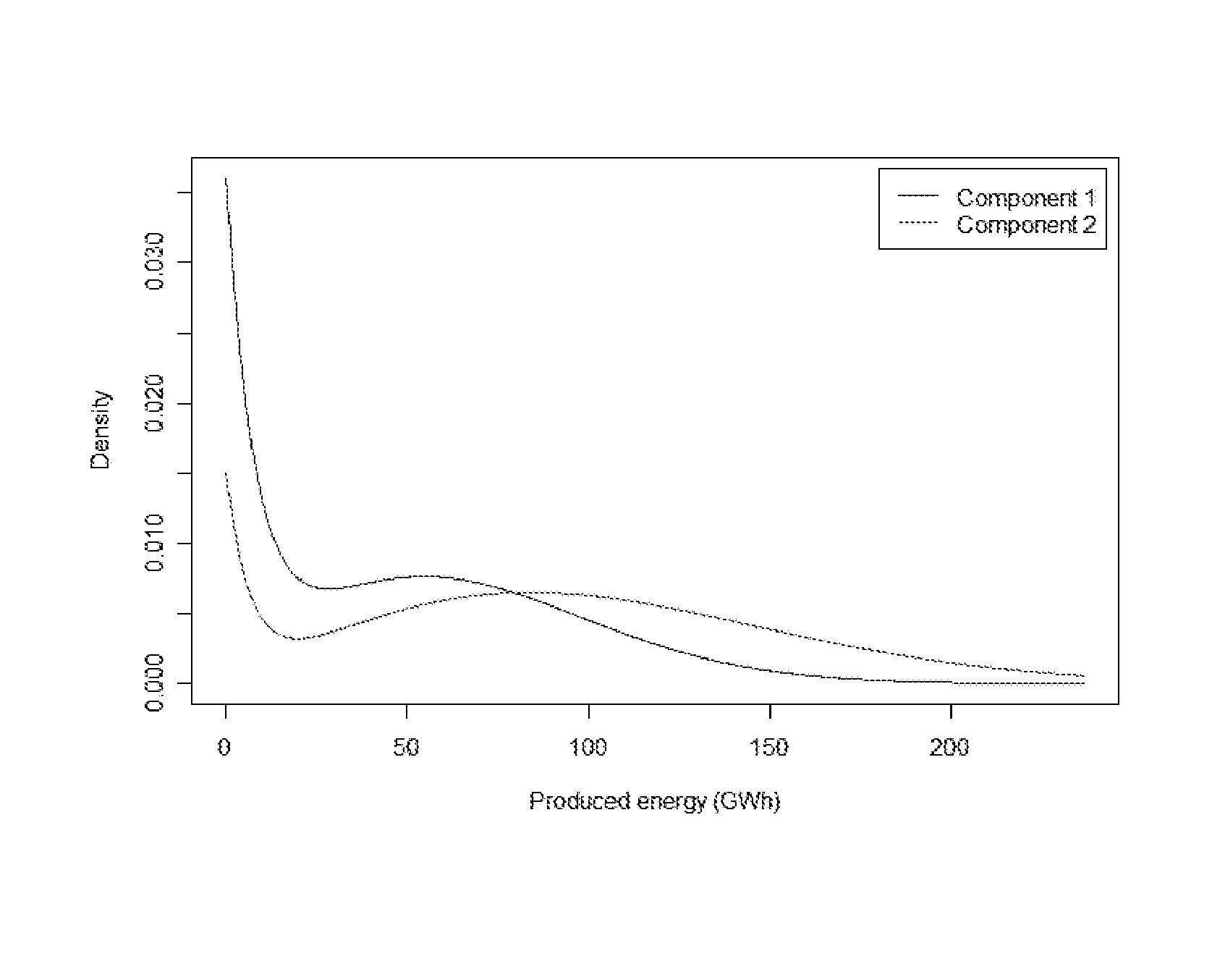
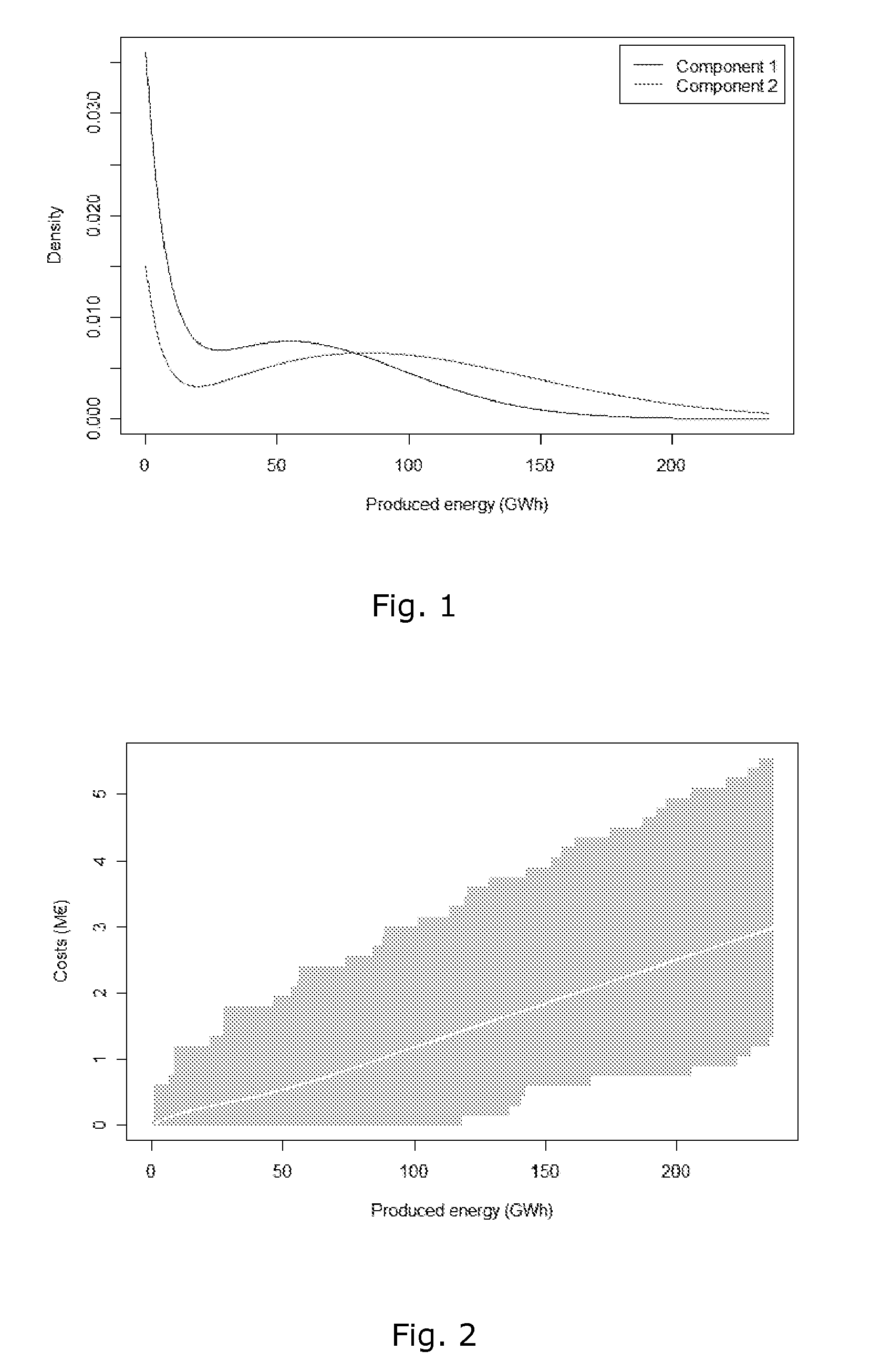
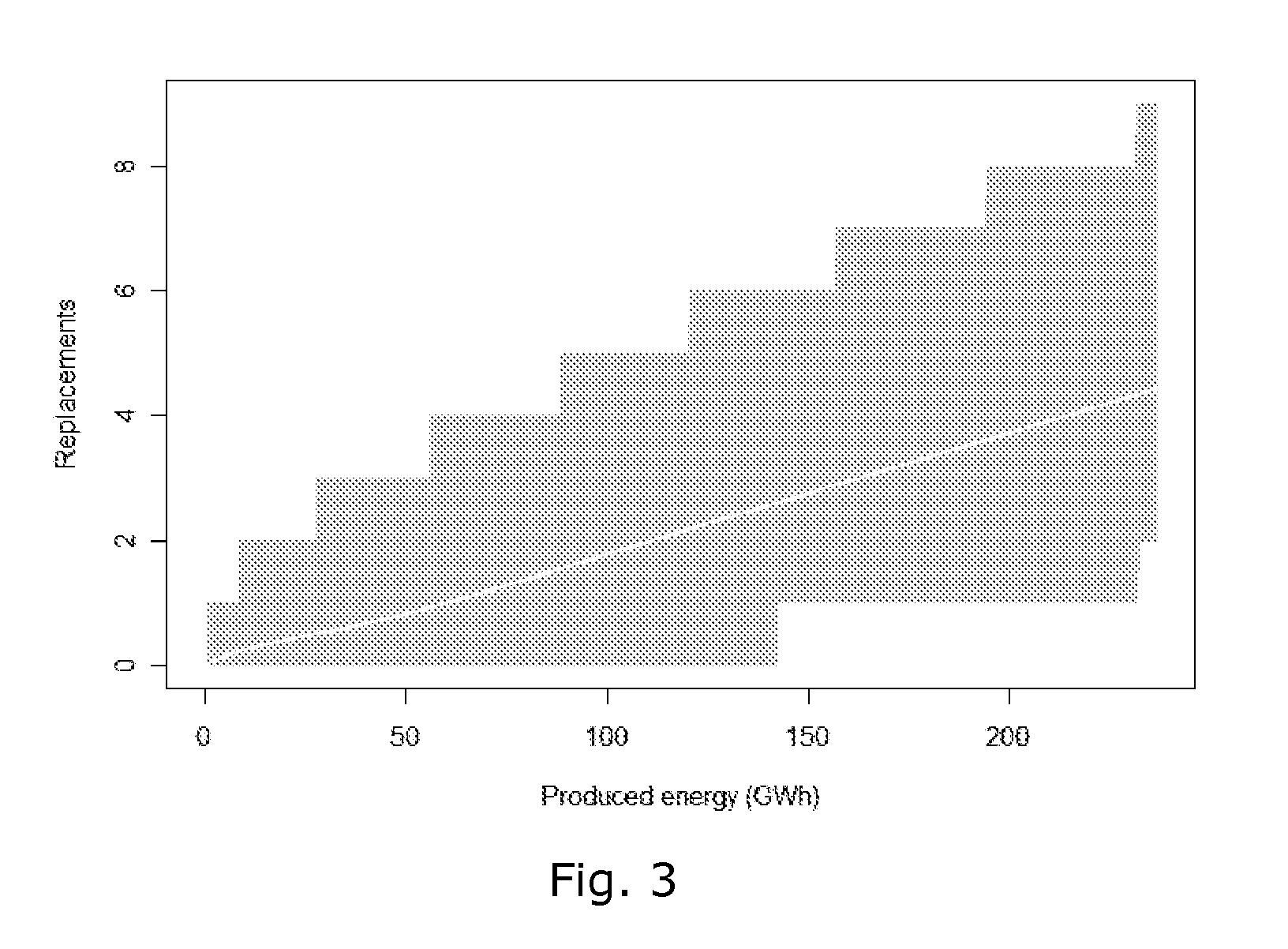
- A computer-implemented method and system that determines the optimal geographical position for wind turbines by considering wind flow characteristics like velocity and turbulence intensity to minimize maintenance costs, while also providing a three-dimensional visualization tool for aesthetic and technical comprehension of wind turbine placement.

Wind Turbine
PatentInactiveUS20120306215A1
Innovation
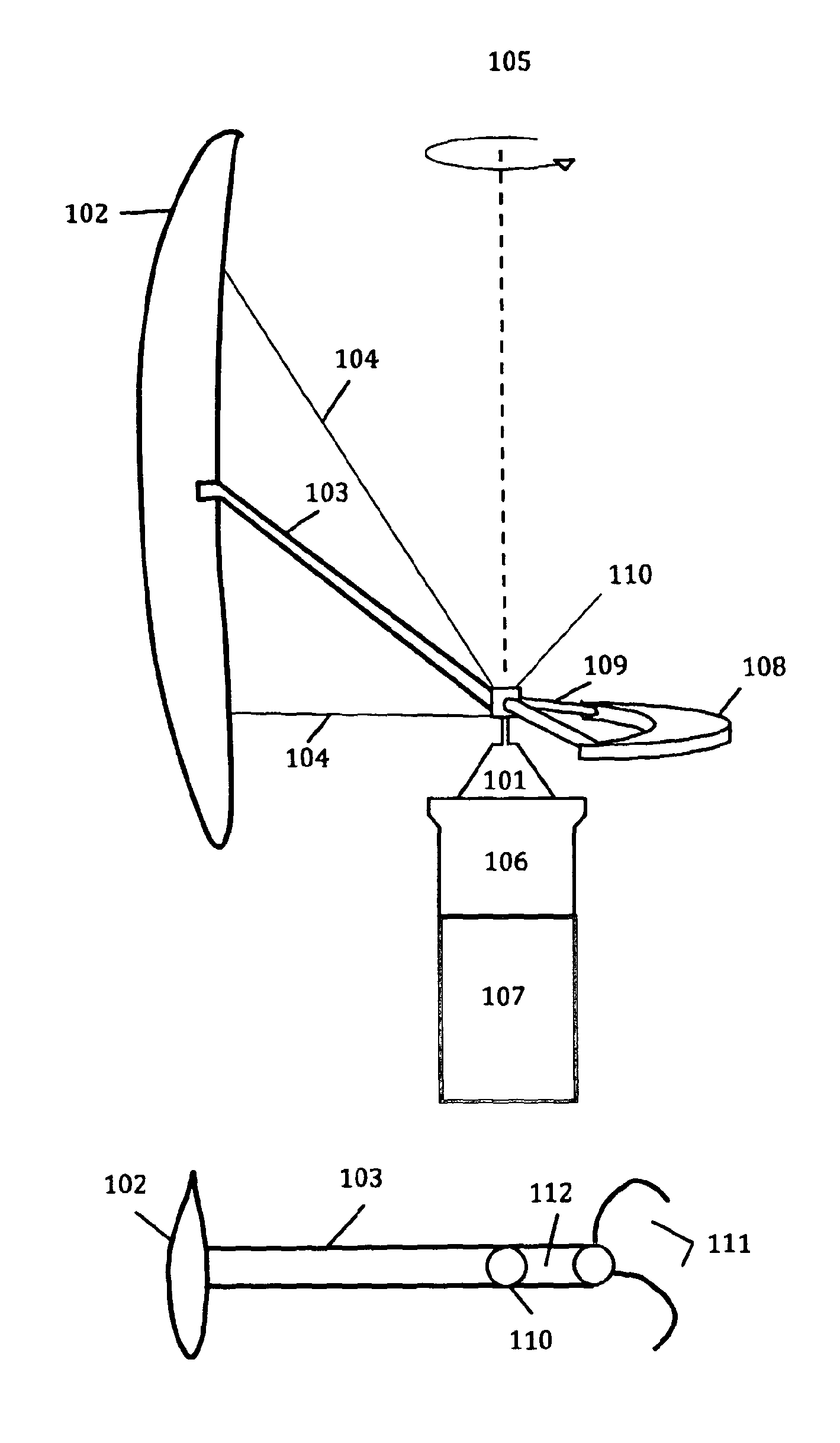
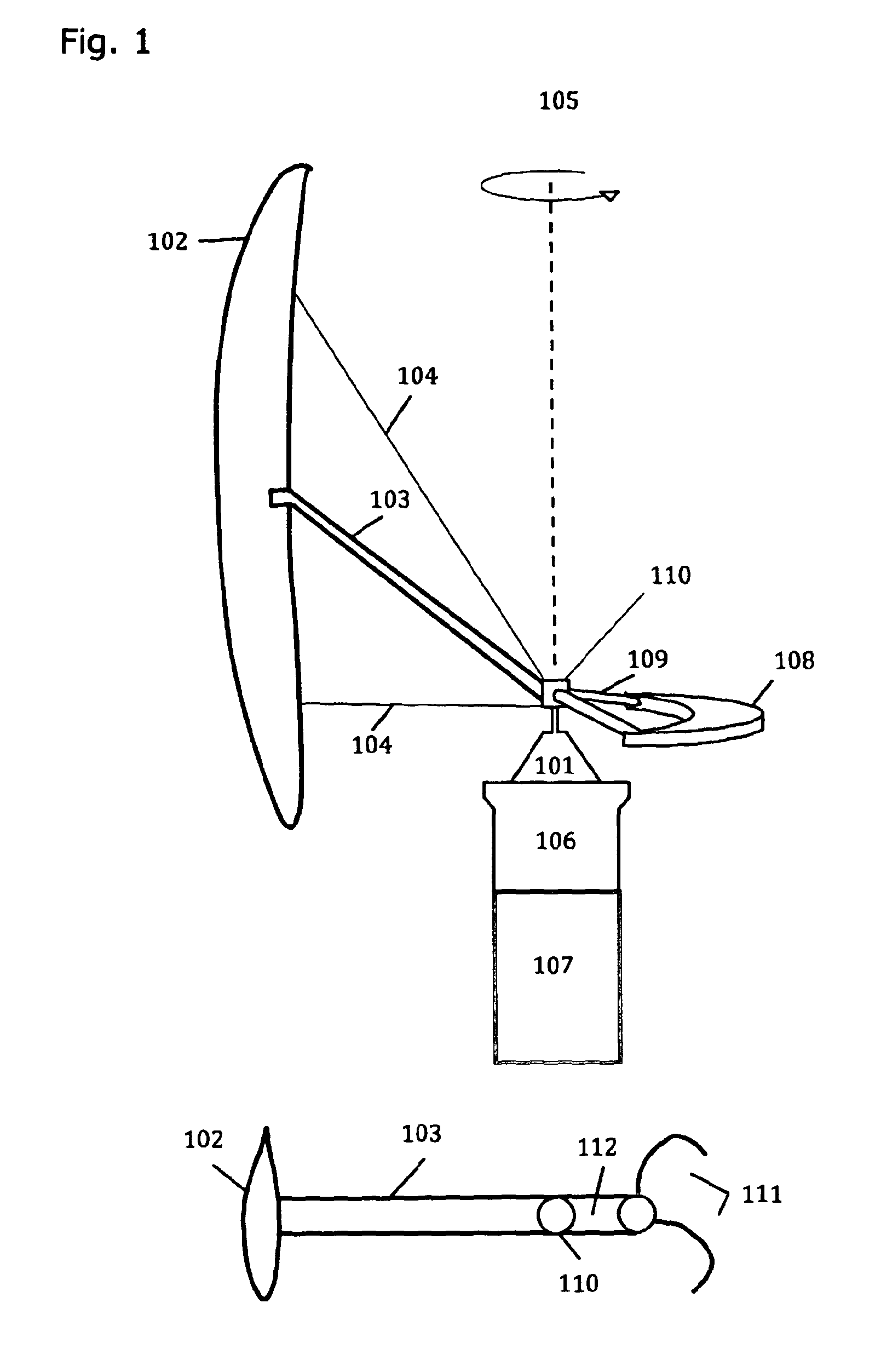
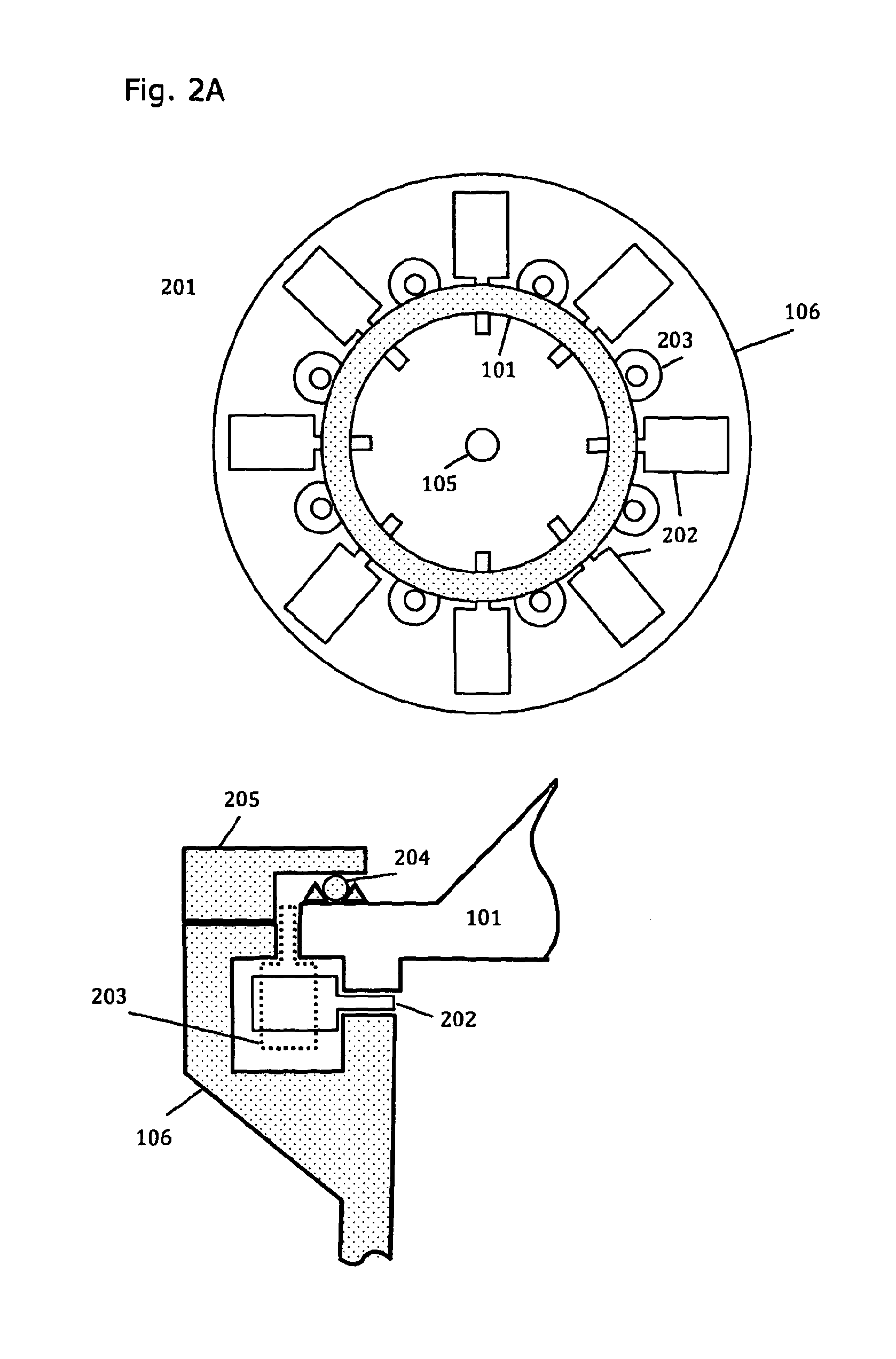
- A system and method for fluid power conversion using a large diameter central hub coupled with roller bearings or direct drive gears, driving multiple power generation components like electric generators and hydraulic gearpumps, controlled by a central system with self-learning algorithms and fuzzy logic, to optimize power output across varying wind speeds and reduce torque loads on components.

Environmental Impact Assessment of Wind Turbine Maintenance
Wind turbine maintenance activities generate distinct environmental impacts that vary significantly between vertical axis wind turbines (VAWTs) and horizontal axis wind turbines (HAWTs). The environmental footprint of maintenance operations encompasses multiple dimensions including carbon emissions, waste generation, ecosystem disruption, and resource consumption patterns.
HAWT maintenance typically requires heavy-duty crane operations and specialized lifting equipment, resulting in substantial carbon emissions from diesel-powered machinery. The transportation of large replacement components such as blades, nacelles, and gearboxes contributes significantly to the overall carbon footprint. Studies indicate that HAWT maintenance operations can generate 15-25% higher greenhouse gas emissions compared to VAWT maintenance due to equipment intensity and logistical complexity.
VAWT maintenance demonstrates superior environmental performance in several key areas. Ground-level accessibility eliminates the need for heavy lifting equipment, reducing fuel consumption by approximately 40-60% per maintenance cycle. The modular design of VAWT components enables more efficient transportation logistics, with smaller vehicles capable of delivering replacement parts, thereby minimizing transportation-related emissions.
Waste generation patterns differ substantially between the two technologies. HAWT blade replacement creates significant composite material waste that poses long-term disposal challenges due to limited recycling options. The average HAWT blade weighs 6-12 tons and contains non-biodegradable fiberglass composites. In contrast, VAWT components are typically smaller and more recyclable, with metal-dominant construction facilitating material recovery and reuse.
Ecosystem disruption during maintenance varies considerably. HAWT maintenance requires establishing temporary access roads and crane pads, potentially disturbing soil structure and local vegetation. The noise pollution from heavy machinery can affect wildlife behavior patterns within a 2-3 kilometer radius. VAWT maintenance operations generate minimal ground disturbance and significantly lower noise levels, reducing impact on local fauna and flora.
Lubricant and hydraulic fluid consumption represents another environmental consideration. HAWTs require larger volumes of specialized lubricants for gearbox and pitch systems, with higher risk of environmental contamination during maintenance procedures. VAWTs typically utilize simpler mechanical systems with reduced fluid requirements, minimizing potential soil and groundwater contamination risks.
The frequency and duration of maintenance interventions also influence cumulative environmental impact. While HAWTs may require less frequent major maintenance, each intervention involves substantial environmental disruption. VAWTs enable more frequent but less invasive maintenance activities, distributing environmental impact over time and reducing peak disruption levels.
HAWT maintenance typically requires heavy-duty crane operations and specialized lifting equipment, resulting in substantial carbon emissions from diesel-powered machinery. The transportation of large replacement components such as blades, nacelles, and gearboxes contributes significantly to the overall carbon footprint. Studies indicate that HAWT maintenance operations can generate 15-25% higher greenhouse gas emissions compared to VAWT maintenance due to equipment intensity and logistical complexity.
VAWT maintenance demonstrates superior environmental performance in several key areas. Ground-level accessibility eliminates the need for heavy lifting equipment, reducing fuel consumption by approximately 40-60% per maintenance cycle. The modular design of VAWT components enables more efficient transportation logistics, with smaller vehicles capable of delivering replacement parts, thereby minimizing transportation-related emissions.
Waste generation patterns differ substantially between the two technologies. HAWT blade replacement creates significant composite material waste that poses long-term disposal challenges due to limited recycling options. The average HAWT blade weighs 6-12 tons and contains non-biodegradable fiberglass composites. In contrast, VAWT components are typically smaller and more recyclable, with metal-dominant construction facilitating material recovery and reuse.
Ecosystem disruption during maintenance varies considerably. HAWT maintenance requires establishing temporary access roads and crane pads, potentially disturbing soil structure and local vegetation. The noise pollution from heavy machinery can affect wildlife behavior patterns within a 2-3 kilometer radius. VAWT maintenance operations generate minimal ground disturbance and significantly lower noise levels, reducing impact on local fauna and flora.
Lubricant and hydraulic fluid consumption represents another environmental consideration. HAWTs require larger volumes of specialized lubricants for gearbox and pitch systems, with higher risk of environmental contamination during maintenance procedures. VAWTs typically utilize simpler mechanical systems with reduced fluid requirements, minimizing potential soil and groundwater contamination risks.
The frequency and duration of maintenance interventions also influence cumulative environmental impact. While HAWTs may require less frequent major maintenance, each intervention involves substantial environmental disruption. VAWTs enable more frequent but less invasive maintenance activities, distributing environmental impact over time and reducing peak disruption levels.
Cost-Benefit Analysis of Turbine Maintenance Strategies
The economic evaluation of maintenance strategies for vertical and horizontal wind turbines reveals significant differences in cost structures and operational benefits. Vertical axis wind turbines (VAWTs) demonstrate superior cost-effectiveness in maintenance operations due to their ground-level accessibility. The elimination of tower climbing requirements reduces labor costs by approximately 40-60% compared to horizontal axis wind turbines (HAWTs), while simultaneously minimizing safety-related expenses and insurance premiums.
Preventive maintenance strategies for VAWTs yield higher return on investment ratios, with typical payback periods ranging from 2.5 to 3.5 years. The simplified gearbox systems and reduced component complexity translate to lower spare parts inventory costs and shorter maintenance windows. Scheduled maintenance can be completed 70% faster than equivalent HAWT operations, resulting in reduced downtime costs and improved capacity factors.
HAWTs present a different cost-benefit profile characterized by higher upfront maintenance infrastructure investments but potentially greater long-term energy yield benefits. The requirement for specialized lifting equipment, certified technicians, and weather-dependent maintenance windows increases operational costs by 25-35%. However, the mature supply chain and standardized maintenance protocols provide cost predictability and economies of scale advantages.
Condition-based maintenance strategies show varying effectiveness between turbine types. VAWTs benefit from real-time monitoring systems that are more accessible and cost-effective to implement, enabling predictive maintenance approaches that reduce unexpected failure costs by up to 45%. The lower maintenance complexity allows for in-house capability development, reducing dependency on external service providers.
Risk-adjusted cost analysis indicates that VAWTs offer superior maintenance cost stability over 20-year operational lifecycles. The reduced exposure to extreme weather conditions during maintenance activities minimizes weather-related delays and associated costs. Total maintenance expenditure for VAWTs typically represents 15-20% of lifecycle costs compared to 25-30% for HAWTs, primarily due to accessibility advantages and simplified maintenance procedures.
Preventive maintenance strategies for VAWTs yield higher return on investment ratios, with typical payback periods ranging from 2.5 to 3.5 years. The simplified gearbox systems and reduced component complexity translate to lower spare parts inventory costs and shorter maintenance windows. Scheduled maintenance can be completed 70% faster than equivalent HAWT operations, resulting in reduced downtime costs and improved capacity factors.
HAWTs present a different cost-benefit profile characterized by higher upfront maintenance infrastructure investments but potentially greater long-term energy yield benefits. The requirement for specialized lifting equipment, certified technicians, and weather-dependent maintenance windows increases operational costs by 25-35%. However, the mature supply chain and standardized maintenance protocols provide cost predictability and economies of scale advantages.
Condition-based maintenance strategies show varying effectiveness between turbine types. VAWTs benefit from real-time monitoring systems that are more accessible and cost-effective to implement, enabling predictive maintenance approaches that reduce unexpected failure costs by up to 45%. The lower maintenance complexity allows for in-house capability development, reducing dependency on external service providers.
Risk-adjusted cost analysis indicates that VAWTs offer superior maintenance cost stability over 20-year operational lifecycles. The reduced exposure to extreme weather conditions during maintenance activities minimizes weather-related delays and associated costs. Total maintenance expenditure for VAWTs typically represents 15-20% of lifecycle costs compared to 25-30% for HAWTs, primarily due to accessibility advantages and simplified maintenance procedures.
Unlock deeper insights with PatSnap Eureka Quick Research — get a full tech report to explore trends and direct your research. Try now!
Generate Your Research Report Instantly with AI Agent
Supercharge your innovation with PatSnap Eureka AI Agent Platform!