

VRLA Battery Longevity vs Charge Cycles: Analysis
MAR 20, 20269 MIN READ
Generate Your Research Report Instantly with AI Agent
PatSnap Eureka helps you evaluate technical feasibility & market potential.
VRLA Battery Technology Background and Longevity Goals
Valve Regulated Lead Acid (VRLA) batteries emerged in the 1970s as an evolution of traditional flooded lead-acid battery technology, addressing critical limitations in maintenance requirements and operational flexibility. The fundamental innovation lies in the oxygen recombination cycle, where oxygen generated at the positive electrode during charging is absorbed by the negative electrode, eliminating water loss and enabling sealed operation. This breakthrough eliminated the need for regular electrolyte maintenance while providing enhanced safety through pressure relief valve systems.
The technology development trajectory has been driven by increasing demands for reliable backup power systems across telecommunications, data centers, uninterruptible power supplies, and renewable energy storage applications. Early VRLA implementations focused primarily on Absorbed Glass Mat (AGM) and Gel electrolyte configurations, each offering distinct advantages in specific operating environments. AGM technology utilizes fiberglass separators to immobilize sulfuric acid electrolyte, while Gel variants employ silica additives to create a semi-solid electrolyte matrix.
Contemporary VRLA battery longevity objectives center on achieving extended operational lifespans while maintaining consistent performance across thousands of charge-discharge cycles. Industry standards typically target 10-15 years of float service life under controlled temperature conditions, with deep cycle applications aiming for 1,200-1,500 cycles at 50% depth of discharge. However, real-world performance often falls short of these theoretical benchmarks due to various degradation mechanisms including positive active material softening, grid corrosion, and electrolyte stratification.
The relationship between charge cycles and battery longevity represents a critical optimization challenge, as frequent cycling accelerates multiple aging processes. Positive plate degradation occurs through repeated lead dioxide expansion and contraction, while negative plate sulfation increases with incomplete charging cycles. Temperature effects compound these issues, with every 10°C increase in operating temperature potentially halving battery life expectancy.
Current research initiatives focus on advanced lead alloy compositions, enhanced separator materials, and optimized charging algorithms to extend cycle life. Carbon additives in negative electrodes show promise for improving charge acceptance and reducing sulfation effects. Additionally, intelligent battery management systems incorporating predictive analytics aim to optimize charging profiles based on usage patterns and environmental conditions, potentially extending operational life by 20-30% compared to conventional charging methods.
The technology development trajectory has been driven by increasing demands for reliable backup power systems across telecommunications, data centers, uninterruptible power supplies, and renewable energy storage applications. Early VRLA implementations focused primarily on Absorbed Glass Mat (AGM) and Gel electrolyte configurations, each offering distinct advantages in specific operating environments. AGM technology utilizes fiberglass separators to immobilize sulfuric acid electrolyte, while Gel variants employ silica additives to create a semi-solid electrolyte matrix.
Contemporary VRLA battery longevity objectives center on achieving extended operational lifespans while maintaining consistent performance across thousands of charge-discharge cycles. Industry standards typically target 10-15 years of float service life under controlled temperature conditions, with deep cycle applications aiming for 1,200-1,500 cycles at 50% depth of discharge. However, real-world performance often falls short of these theoretical benchmarks due to various degradation mechanisms including positive active material softening, grid corrosion, and electrolyte stratification.
The relationship between charge cycles and battery longevity represents a critical optimization challenge, as frequent cycling accelerates multiple aging processes. Positive plate degradation occurs through repeated lead dioxide expansion and contraction, while negative plate sulfation increases with incomplete charging cycles. Temperature effects compound these issues, with every 10°C increase in operating temperature potentially halving battery life expectancy.
Current research initiatives focus on advanced lead alloy compositions, enhanced separator materials, and optimized charging algorithms to extend cycle life. Carbon additives in negative electrodes show promise for improving charge acceptance and reducing sulfation effects. Additionally, intelligent battery management systems incorporating predictive analytics aim to optimize charging profiles based on usage patterns and environmental conditions, potentially extending operational life by 20-30% compared to conventional charging methods.
Market Demand for Extended VRLA Battery Lifecycle
The global market for VRLA batteries is experiencing unprecedented growth driven by the critical need for extended battery lifecycles across multiple industrial sectors. Telecommunications infrastructure operators face mounting pressure to reduce operational expenditures while maintaining network reliability, creating substantial demand for batteries that can withstand increased charge cycles without significant capacity degradation. Data centers, which consume enormous amounts of backup power, are actively seeking VRLA solutions that can deliver consistent performance over extended operational periods to minimize replacement costs and system downtime.
The renewable energy sector represents another significant demand driver, particularly in solar and wind installations where energy storage systems must endure frequent charge-discharge cycles. Grid-scale energy storage applications require batteries capable of maintaining performance integrity across thousands of cycles, making longevity a paramount concern for project economics and operational viability.
Automotive applications, especially in hybrid and electric vehicle markets, are pushing the boundaries of VRLA battery performance requirements. Fleet operators and automotive manufacturers are demanding batteries that can maintain capacity retention rates above industry standards while supporting increased cycling demands. The emergence of vehicle-to-grid technologies further amplifies the need for batteries that can handle bidirectional power flows without compromising lifespan.
Industrial backup power systems in manufacturing facilities, hospitals, and critical infrastructure installations are experiencing heightened reliability requirements. These applications demand VRLA batteries that can provide consistent performance during frequent testing cycles and emergency activations while maintaining extended service life. The cost implications of premature battery replacement in these environments drive significant market demand for enhanced longevity solutions.
Market research indicates growing customer willingness to invest in premium VRLA technologies that demonstrate superior cycle life performance. End users are increasingly evaluating total cost of ownership rather than initial purchase price, creating opportunities for advanced battery technologies that can deliver extended operational lifecycles. This shift in purchasing behavior is particularly pronounced in mission-critical applications where system reliability directly impacts business operations and revenue generation.
The convergence of environmental regulations and sustainability initiatives is further amplifying demand for longer-lasting VRLA batteries. Organizations are seeking to reduce their environmental footprint by minimizing battery replacement frequency and associated waste generation, creating additional market pull for enhanced longevity solutions.
The renewable energy sector represents another significant demand driver, particularly in solar and wind installations where energy storage systems must endure frequent charge-discharge cycles. Grid-scale energy storage applications require batteries capable of maintaining performance integrity across thousands of cycles, making longevity a paramount concern for project economics and operational viability.
Automotive applications, especially in hybrid and electric vehicle markets, are pushing the boundaries of VRLA battery performance requirements. Fleet operators and automotive manufacturers are demanding batteries that can maintain capacity retention rates above industry standards while supporting increased cycling demands. The emergence of vehicle-to-grid technologies further amplifies the need for batteries that can handle bidirectional power flows without compromising lifespan.
Industrial backup power systems in manufacturing facilities, hospitals, and critical infrastructure installations are experiencing heightened reliability requirements. These applications demand VRLA batteries that can provide consistent performance during frequent testing cycles and emergency activations while maintaining extended service life. The cost implications of premature battery replacement in these environments drive significant market demand for enhanced longevity solutions.
Market research indicates growing customer willingness to invest in premium VRLA technologies that demonstrate superior cycle life performance. End users are increasingly evaluating total cost of ownership rather than initial purchase price, creating opportunities for advanced battery technologies that can deliver extended operational lifecycles. This shift in purchasing behavior is particularly pronounced in mission-critical applications where system reliability directly impacts business operations and revenue generation.
The convergence of environmental regulations and sustainability initiatives is further amplifying demand for longer-lasting VRLA batteries. Organizations are seeking to reduce their environmental footprint by minimizing battery replacement frequency and associated waste generation, creating additional market pull for enhanced longevity solutions.
Current VRLA Battery Performance and Cycle Limitations
VRLA batteries currently demonstrate significant performance variations across different operational parameters, with cycle life representing one of the most critical limiting factors in practical applications. Standard VRLA batteries typically achieve between 200 to 500 deep discharge cycles at 100% depth of discharge, while partial cycling at 50% depth of discharge can extend this range to 800-1200 cycles under optimal conditions.
Temperature sensitivity remains a fundamental constraint affecting both performance and longevity. Operating temperatures above 25°C accelerate electrolyte stratification and grid corrosion, reducing expected cycle life by approximately 50% for every 10°C increase. Conversely, low-temperature operations below 0°C significantly diminish capacity availability, often limiting usable capacity to 60-70% of rated specifications.
Charge acceptance characteristics present another critical limitation in current VRLA technology. The recombination efficiency typically ranges between 95-99%, with the remaining 1-5% contributing to water loss and eventual dry-out failure. This phenomenon becomes more pronounced during rapid charging scenarios, where oxygen evolution rates exceed recombination capacity, leading to accelerated degradation.
Sulfation represents the primary failure mechanism limiting cycle performance in contemporary VRLA batteries. Partial state of charge operations, common in renewable energy applications, promote lead sulfate crystal growth that becomes increasingly difficult to reverse during subsequent charging cycles. This irreversible capacity loss typically manifests after 300-400 partial cycles, depending on the depth and duration of discharge states.
Current manufacturing technologies struggle to balance the competing requirements of low internal resistance and extended cycle life. High-performance designs optimized for power applications often sacrifice longevity, achieving only 200-300 cycles, while energy-optimized variants may reach 500-600 cycles but with reduced power density and slower charge acceptance rates.
Monitoring and control system limitations further constrain practical performance. Most existing battery management systems lack the sophistication to implement optimal charging algorithms that could extend cycle life, instead relying on simplified constant voltage approaches that contribute to premature aging through overcharging or undercharging scenarios.
Temperature sensitivity remains a fundamental constraint affecting both performance and longevity. Operating temperatures above 25°C accelerate electrolyte stratification and grid corrosion, reducing expected cycle life by approximately 50% for every 10°C increase. Conversely, low-temperature operations below 0°C significantly diminish capacity availability, often limiting usable capacity to 60-70% of rated specifications.
Charge acceptance characteristics present another critical limitation in current VRLA technology. The recombination efficiency typically ranges between 95-99%, with the remaining 1-5% contributing to water loss and eventual dry-out failure. This phenomenon becomes more pronounced during rapid charging scenarios, where oxygen evolution rates exceed recombination capacity, leading to accelerated degradation.
Sulfation represents the primary failure mechanism limiting cycle performance in contemporary VRLA batteries. Partial state of charge operations, common in renewable energy applications, promote lead sulfate crystal growth that becomes increasingly difficult to reverse during subsequent charging cycles. This irreversible capacity loss typically manifests after 300-400 partial cycles, depending on the depth and duration of discharge states.
Current manufacturing technologies struggle to balance the competing requirements of low internal resistance and extended cycle life. High-performance designs optimized for power applications often sacrifice longevity, achieving only 200-300 cycles, while energy-optimized variants may reach 500-600 cycles but with reduced power density and slower charge acceptance rates.
Monitoring and control system limitations further constrain practical performance. Most existing battery management systems lack the sophistication to implement optimal charging algorithms that could extend cycle life, instead relying on simplified constant voltage approaches that contribute to premature aging through overcharging or undercharging scenarios.
Existing Solutions for VRLA Battery Cycle Optimization
01 Advanced electrode materials and compositions
Improvements in VRLA battery longevity can be achieved through the development of advanced electrode materials and optimized compositions. This includes the use of specific lead alloys, additives, and surface treatments that enhance the electrochemical performance and reduce corrosion. Modified grid structures and active material formulations help to minimize sulfation and improve charge acceptance, thereby extending the operational life of the battery.- Advanced electrode materials and compositions: Improvements in VRLA battery longevity can be achieved through the development of advanced electrode materials and optimized compositions. This includes the use of specific lead alloys, additives, and modified active materials that enhance the electrochemical performance and reduce degradation. The incorporation of carbon materials, conductive additives, and specialized compounds in the electrode structure can improve charge acceptance, reduce sulfation, and extend the operational life of the battery.
- Electrolyte optimization and additives: The longevity of VRLA batteries can be significantly enhanced through electrolyte optimization, including the use of specific additives and stabilizers. These modifications help maintain proper electrolyte concentration, reduce water loss, and prevent stratification. Advanced electrolyte formulations can also minimize corrosion of internal components and improve the battery's ability to withstand deep discharge cycles and high-temperature operations.
- Separator technology improvements: Enhanced separator designs and materials play a crucial role in extending VRLA battery life. Advanced separator technologies provide better electrolyte retention, improved ionic conductivity, and enhanced mechanical strength. These improvements help prevent short circuits, reduce internal resistance, and maintain consistent performance throughout the battery's lifecycle. The use of specialized fiber materials and optimized pore structures contributes to better oxygen recombination and reduced water loss.
- Thermal management and ventilation systems: Effective thermal management is essential for VRLA battery longevity. This includes the implementation of advanced cooling systems, optimized ventilation designs, and temperature monitoring mechanisms. Proper heat dissipation prevents thermal runaway, reduces accelerated aging, and maintains optimal operating temperatures. Innovative housing designs and thermal regulation systems help distribute heat evenly and protect the battery from temperature-related degradation.
- Charging control and management systems: Advanced charging algorithms and battery management systems significantly contribute to extended VRLA battery life. These systems optimize charging parameters, prevent overcharging, and implement intelligent float voltage control. Smart charging technologies can adapt to battery conditions, monitor state of health, and adjust charging profiles to minimize stress on the battery. Integration of monitoring sensors and control circuits helps maintain optimal charging conditions and prevents premature failure.
02 Electrolyte optimization and additives
The longevity of VRLA batteries can be significantly enhanced by optimizing the electrolyte composition and incorporating specific additives. These modifications help to reduce water loss, prevent stratification, and minimize grid corrosion. Advanced electrolyte formulations can improve ionic conductivity and maintain stable performance over extended cycling periods, contributing to longer battery life.Expand Specific Solutions03 Thermal management and cooling systems
Effective thermal management is crucial for extending VRLA battery longevity. Implementing cooling systems and heat dissipation structures helps to maintain optimal operating temperatures and prevent thermal runaway. Proper temperature control reduces the rate of grid corrosion, minimizes water loss, and prevents premature capacity fade, thereby significantly improving battery lifespan.Expand Specific Solutions04 Separator technology improvements
Advanced separator technologies play a vital role in enhancing VRLA battery longevity. Improved separator materials with better absorption properties, higher porosity, and enhanced mechanical strength help to maintain electrolyte distribution and prevent short circuits. These separators also reduce internal resistance and improve charge-discharge efficiency, contributing to extended battery life.Expand Specific Solutions05 Charging control and management systems
Implementing sophisticated charging control and battery management systems is essential for maximizing VRLA battery longevity. These systems monitor and regulate charging parameters such as voltage, current, and temperature to prevent overcharging and deep discharge. Advanced algorithms optimize charging profiles based on battery condition and usage patterns, reducing stress on the battery and extending its operational life.Expand Specific Solutions
Key Players in VRLA Battery Manufacturing Industry
The VRLA battery longevity and charge cycle analysis market represents a mature industrial sector experiencing steady growth driven by increasing demand for reliable backup power systems and energy storage applications. The market demonstrates significant scale with established players across multiple regions, particularly concentrated in Asia-Pacific markets. Technology maturity varies considerably among key participants, with companies like Zhejiang Narada Power Source and Hangzhou Narada Battery leading advanced VRLA development through integrated lithium-ion and lead-acid solutions. Traditional manufacturers such as Fengfan and HBL Engineering maintain strong positions in conventional applications, while technology innovators like Hangzhou Gold Electronic Equipment focus on sophisticated battery management systems. Daramic LLC contributes critical separator technology, and research institutions like Commonwealth Scientific & Industrial Research Organisation drive fundamental longevity research. The competitive landscape shows consolidation around companies offering comprehensive energy storage ecosystems rather than standalone battery products, indicating market evolution toward integrated solutions.
Zhejiang Narada Power Source Co., Ltd.
Technical Solution: Narada has developed advanced VRLA battery technology with enhanced electrolyte formulation and optimized grid design to extend cycle life. Their batteries incorporate proprietary additives in the electrolyte that reduce sulfation and improve charge acceptance, achieving over 1200 cycles at 50% depth of discharge. The company utilizes advanced manufacturing processes including automated grid casting and precise acid filling systems to ensure consistent performance. Their VRLA batteries feature improved separator materials and enhanced positive active material composition that maintains capacity retention above 80% after 800 deep discharge cycles. The technology also includes intelligent battery management systems that optimize charging profiles to maximize longevity.
Strengths: Leading market position in China with extensive R&D capabilities and proven track record in VRLA technology. Weaknesses: Limited global presence compared to international competitors and dependency on domestic market conditions.
Huawei Technologies Co., Ltd.
Technical Solution: Huawei has developed intelligent VRLA battery management solutions that integrate AI-powered algorithms to optimize charge cycles and extend battery longevity. Their technology includes predictive analytics that monitor battery health parameters such as internal resistance, temperature, and voltage patterns to determine optimal charging strategies. The system can extend VRLA battery life by up to 30% through dynamic charge profile adjustment and early detection of degradation patterns. Huawei's solution incorporates cloud-based monitoring platforms that analyze historical performance data across thousands of battery installations to continuously improve charging algorithms. The technology also features automated equalization charging and temperature compensation mechanisms that prevent overcharging and reduce grid corrosion.
Strengths: Advanced AI and IoT integration capabilities with strong software development expertise and global deployment experience. Weaknesses: Limited direct battery manufacturing experience and potential market access restrictions in certain regions.
Core Innovations in VRLA Battery Longevity Enhancement
Battery float management
PatentActiveUS20070080668A1
Innovation
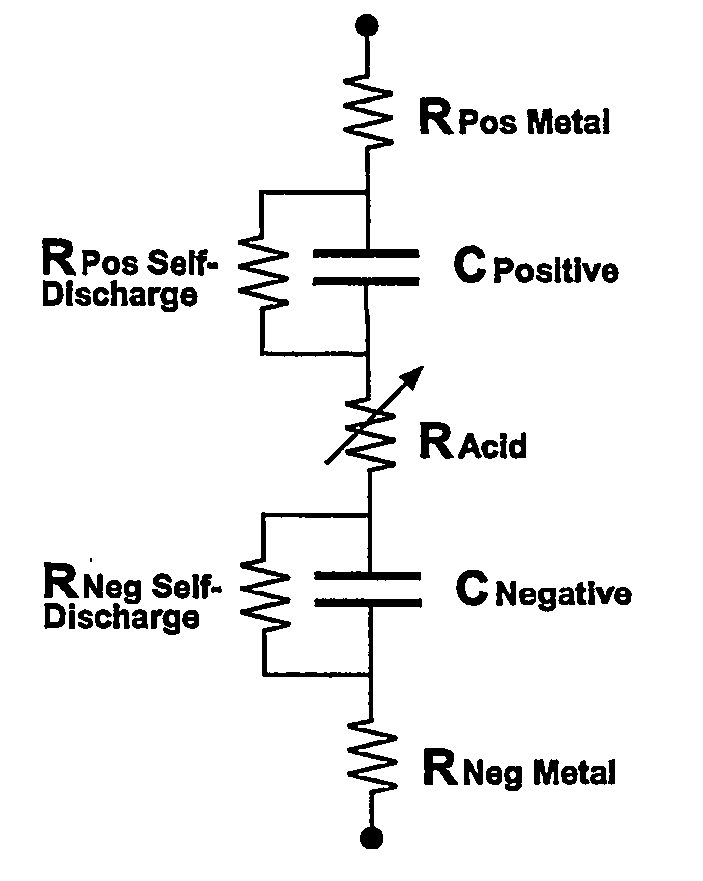
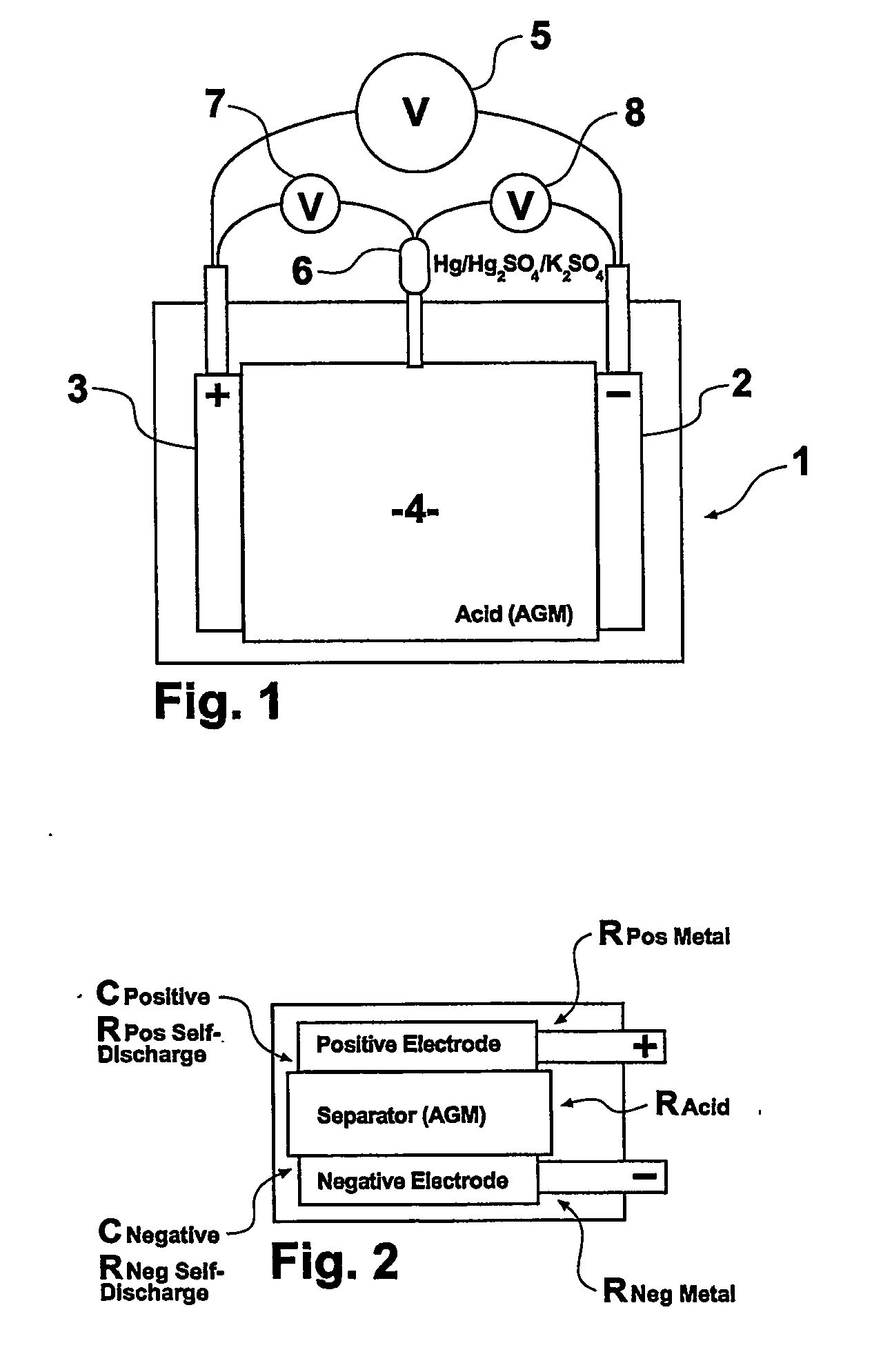
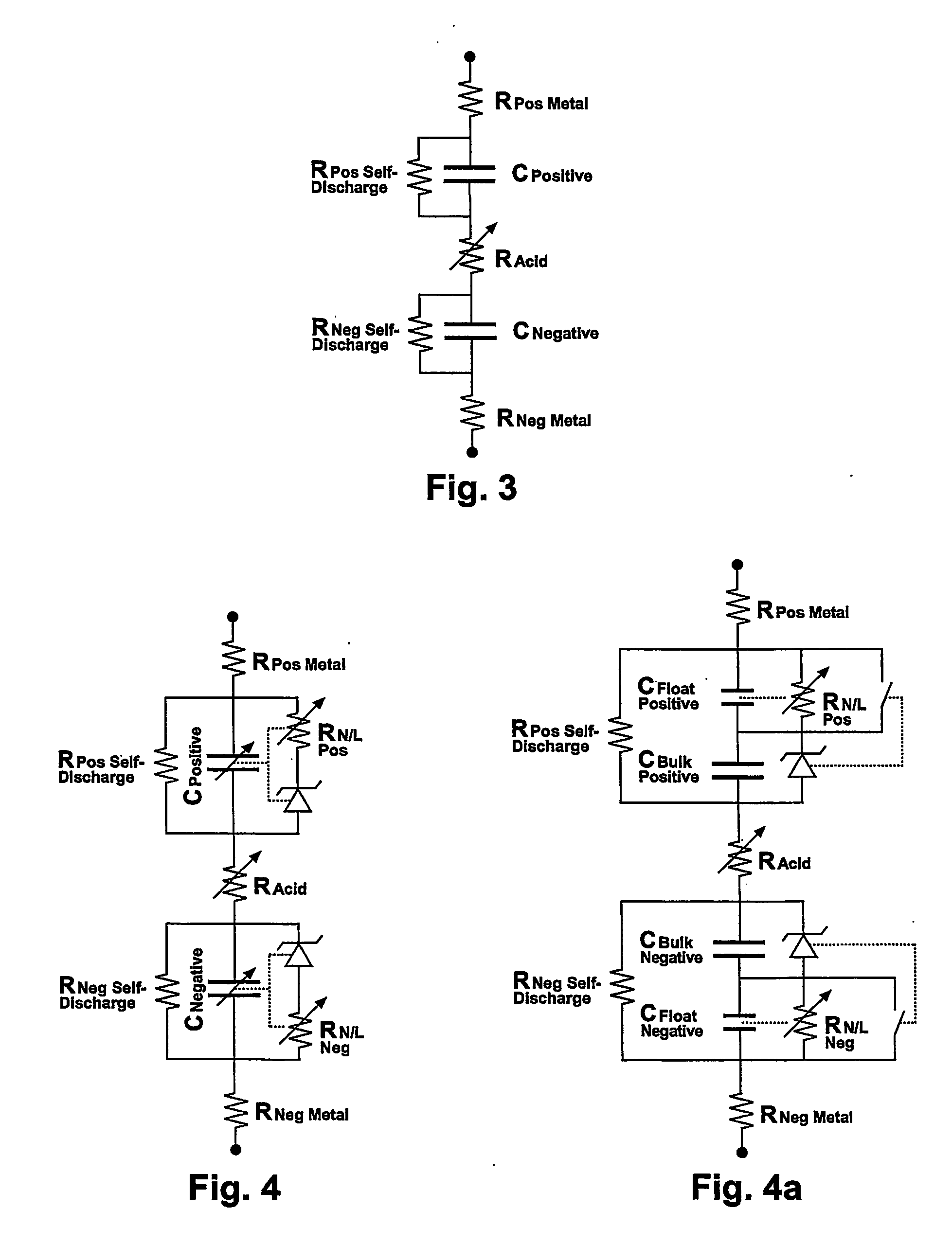
- A method to determine and manage electrode polarization in VRLA batteries by monitoring voltage changes during discharge, allowing for tailored float charge application and modeling of dual-value capacitances to simulate both bulk charge and float regions, enabling balanced charge distribution without the need for additional hardware or reference electrodes.

Battery charging control method, device and system
PatentActiveCN102136612A
Innovation
- The power monitoring module counts the cumulative power outage time of the power grid or the cumulative discharge time of the battery, dynamically adjusts the charging current value and float charging time, and adopts adaptive charging methods, including equalizing charging, floating charging and dormant charging, to ensure that the battery is sufficient under different grid environments. electricity.


Environmental Regulations for Lead-Acid Battery Disposal
The environmental regulatory landscape for lead-acid battery disposal has become increasingly stringent worldwide, driven by growing concerns about lead contamination and its impact on human health and ecosystems. Lead-acid batteries, including VRLA types, contain significant amounts of lead, sulfuric acid, and other hazardous materials that require careful handling throughout their lifecycle. The regulatory framework varies significantly across different jurisdictions, with developed nations typically implementing more comprehensive and strict disposal requirements.
In the United States, the Resource Conservation and Recovery Act (RCRA) classifies spent lead-acid batteries as universal waste, requiring specialized collection, transportation, and recycling procedures. The Environmental Protection Agency mandates that batteries must be managed by certified handlers and transported to approved recycling facilities. Similar regulations exist under the European Union's Battery Directive, which establishes collection targets and prohibits landfill disposal of automotive and industrial batteries.
The regulatory emphasis on proper disposal has intensified due to the toxic nature of lead compounds, which can leach into groundwater and soil when batteries are improperly discarded. Studies have shown that even small amounts of lead exposure can cause neurological damage, particularly in children. Consequently, regulations typically require battery retailers and manufacturers to accept used batteries for recycling, creating closed-loop systems that minimize environmental exposure.
Compliance requirements extend beyond simple collection mandates to include detailed record-keeping, transportation documentation, and facility certification standards. Battery recyclers must demonstrate proper lead recovery rates, typically exceeding 95%, and ensure that acid neutralization meets environmental discharge standards. These regulations also specify worker safety protocols, air emission controls, and soil contamination prevention measures at recycling facilities.
The regulatory trend is moving toward extended producer responsibility models, where battery manufacturers bear greater accountability for end-of-life management costs and environmental impacts. This approach incentivizes design improvements that enhance recyclability and reduce hazardous material content. Additionally, emerging regulations are beginning to address the carbon footprint of battery production and recycling processes, reflecting broader climate change mitigation goals.
International harmonization efforts are underway to standardize disposal requirements across borders, particularly important given the global nature of battery supply chains. These initiatives aim to prevent the export of hazardous waste to countries with less stringent environmental protections while ensuring consistent recycling quality standards worldwide.
In the United States, the Resource Conservation and Recovery Act (RCRA) classifies spent lead-acid batteries as universal waste, requiring specialized collection, transportation, and recycling procedures. The Environmental Protection Agency mandates that batteries must be managed by certified handlers and transported to approved recycling facilities. Similar regulations exist under the European Union's Battery Directive, which establishes collection targets and prohibits landfill disposal of automotive and industrial batteries.
The regulatory emphasis on proper disposal has intensified due to the toxic nature of lead compounds, which can leach into groundwater and soil when batteries are improperly discarded. Studies have shown that even small amounts of lead exposure can cause neurological damage, particularly in children. Consequently, regulations typically require battery retailers and manufacturers to accept used batteries for recycling, creating closed-loop systems that minimize environmental exposure.
Compliance requirements extend beyond simple collection mandates to include detailed record-keeping, transportation documentation, and facility certification standards. Battery recyclers must demonstrate proper lead recovery rates, typically exceeding 95%, and ensure that acid neutralization meets environmental discharge standards. These regulations also specify worker safety protocols, air emission controls, and soil contamination prevention measures at recycling facilities.
The regulatory trend is moving toward extended producer responsibility models, where battery manufacturers bear greater accountability for end-of-life management costs and environmental impacts. This approach incentivizes design improvements that enhance recyclability and reduce hazardous material content. Additionally, emerging regulations are beginning to address the carbon footprint of battery production and recycling processes, reflecting broader climate change mitigation goals.
International harmonization efforts are underway to standardize disposal requirements across borders, particularly important given the global nature of battery supply chains. These initiatives aim to prevent the export of hazardous waste to countries with less stringent environmental protections while ensuring consistent recycling quality standards worldwide.
Sustainability Considerations in VRLA Battery Design
Sustainability considerations in VRLA battery design have become increasingly critical as environmental regulations tighten and corporate responsibility initiatives expand globally. The relationship between battery longevity and charge cycles directly impacts the environmental footprint of these energy storage systems, making sustainable design principles essential for long-term viability.
Material selection represents a fundamental aspect of sustainable VRLA battery design. Advanced lead alloys with reduced antimony content not only extend cycle life but also minimize toxic material usage. Calcium-tin alloy grids demonstrate superior corrosion resistance, reducing the frequency of battery replacements and consequently decreasing overall material consumption throughout the product lifecycle.
Manufacturing processes increasingly incorporate closed-loop systems to minimize waste generation and resource consumption. Modern production facilities implement lead recycling rates exceeding 95%, with advanced smelting technologies reducing energy consumption by up to 30% compared to traditional methods. These improvements directly correlate with enhanced battery performance, as refined manufacturing processes produce more consistent internal structures that support extended charge-discharge cycling.
End-of-life management strategies significantly influence the sustainability profile of VRLA batteries. Design modifications that facilitate component separation during recycling processes improve material recovery rates and reduce processing energy requirements. Standardized terminal configurations and modular designs enable more efficient disassembly procedures, supporting circular economy principles while maintaining optimal electrical performance characteristics.
Energy density optimization through advanced separator technologies and electrolyte formulations reduces the physical footprint of battery installations. Higher energy density translates to fewer required units for equivalent storage capacity, reducing transportation emissions and installation materials. These design improvements simultaneously enhance cycle life performance by minimizing internal resistance and improving charge acceptance rates.
Carbon footprint reduction initiatives focus on optimizing the charge-discharge efficiency relationship. Advanced valve regulation systems and pressure relief mechanisms prevent premature capacity degradation while minimizing hydrogen emissions during operation. These technological improvements extend operational lifespans while reducing the environmental impact associated with frequent battery replacements in critical applications.
Material selection represents a fundamental aspect of sustainable VRLA battery design. Advanced lead alloys with reduced antimony content not only extend cycle life but also minimize toxic material usage. Calcium-tin alloy grids demonstrate superior corrosion resistance, reducing the frequency of battery replacements and consequently decreasing overall material consumption throughout the product lifecycle.
Manufacturing processes increasingly incorporate closed-loop systems to minimize waste generation and resource consumption. Modern production facilities implement lead recycling rates exceeding 95%, with advanced smelting technologies reducing energy consumption by up to 30% compared to traditional methods. These improvements directly correlate with enhanced battery performance, as refined manufacturing processes produce more consistent internal structures that support extended charge-discharge cycling.
End-of-life management strategies significantly influence the sustainability profile of VRLA batteries. Design modifications that facilitate component separation during recycling processes improve material recovery rates and reduce processing energy requirements. Standardized terminal configurations and modular designs enable more efficient disassembly procedures, supporting circular economy principles while maintaining optimal electrical performance characteristics.
Energy density optimization through advanced separator technologies and electrolyte formulations reduces the physical footprint of battery installations. Higher energy density translates to fewer required units for equivalent storage capacity, reducing transportation emissions and installation materials. These design improvements simultaneously enhance cycle life performance by minimizing internal resistance and improving charge acceptance rates.
Carbon footprint reduction initiatives focus on optimizing the charge-discharge efficiency relationship. Advanced valve regulation systems and pressure relief mechanisms prevent premature capacity degradation while minimizing hydrogen emissions during operation. These technological improvements extend operational lifespans while reducing the environmental impact associated with frequent battery replacements in critical applications.
Unlock deeper insights with PatSnap Eureka Quick Research — get a full tech report to explore trends and direct your research. Try now!
Generate Your Research Report Instantly with AI Agent
Supercharge your innovation with PatSnap Eureka AI Agent Platform!