Wheatstone Bridge vs Varistor: Circuit Protection Analysis
MAR 24, 20269 MIN READ
Generate Your Research Report Instantly with AI Agent
PatSnap Eureka helps you evaluate technical feasibility & market potential.
Circuit Protection Technology Background and Objectives
Circuit protection technology has evolved significantly since the early days of electrical engineering, driven by the increasing complexity and sensitivity of modern electronic systems. The fundamental need to safeguard circuits from overcurrent, overvoltage, and transient events has led to the development of diverse protection methodologies, each with distinct operational principles and application domains.
The Wheatstone bridge, originally conceived by Samuel Hunter Christie in 1833 and later popularized by Sir Charles Wheatstone, represents a precision measurement approach that has found extensive applications in circuit protection through its inherent balance detection capabilities. This configuration enables highly sensitive monitoring of resistance changes, making it invaluable for detecting fault conditions in electrical systems where minute variations can indicate potential failures.
Varistors, or voltage-dependent resistors, emerged in the mid-20th century as a revolutionary approach to surge protection. These semiconductor devices exhibit nonlinear resistance characteristics, providing low resistance under normal operating conditions and dramatically reducing resistance when subjected to overvoltage events. This behavior makes them particularly effective for transient suppression applications.
The technological objectives driving current circuit protection research center on achieving enhanced sensitivity, faster response times, and improved reliability across diverse operating environments. Modern protection systems must accommodate increasingly stringent requirements for electromagnetic compatibility, thermal stability, and long-term durability while maintaining cost-effectiveness for mass production applications.
Contemporary circuit protection strategies aim to integrate multiple protection mechanisms within compact form factors, enabling comprehensive safeguarding against various fault scenarios. The convergence of analog and digital protection techniques has opened new possibilities for intelligent protection systems capable of adaptive response based on real-time circuit conditions and historical performance data.
The primary technical challenge lies in optimizing the trade-offs between protection sensitivity and false triggering, particularly in applications involving high-frequency switching, variable load conditions, and harsh environmental factors. Advanced protection architectures must balance rapid fault detection with robust immunity to normal operational transients, ensuring reliable system operation without compromising protection effectiveness.
The Wheatstone bridge, originally conceived by Samuel Hunter Christie in 1833 and later popularized by Sir Charles Wheatstone, represents a precision measurement approach that has found extensive applications in circuit protection through its inherent balance detection capabilities. This configuration enables highly sensitive monitoring of resistance changes, making it invaluable for detecting fault conditions in electrical systems where minute variations can indicate potential failures.
Varistors, or voltage-dependent resistors, emerged in the mid-20th century as a revolutionary approach to surge protection. These semiconductor devices exhibit nonlinear resistance characteristics, providing low resistance under normal operating conditions and dramatically reducing resistance when subjected to overvoltage events. This behavior makes them particularly effective for transient suppression applications.
The technological objectives driving current circuit protection research center on achieving enhanced sensitivity, faster response times, and improved reliability across diverse operating environments. Modern protection systems must accommodate increasingly stringent requirements for electromagnetic compatibility, thermal stability, and long-term durability while maintaining cost-effectiveness for mass production applications.
Contemporary circuit protection strategies aim to integrate multiple protection mechanisms within compact form factors, enabling comprehensive safeguarding against various fault scenarios. The convergence of analog and digital protection techniques has opened new possibilities for intelligent protection systems capable of adaptive response based on real-time circuit conditions and historical performance data.
The primary technical challenge lies in optimizing the trade-offs between protection sensitivity and false triggering, particularly in applications involving high-frequency switching, variable load conditions, and harsh environmental factors. Advanced protection architectures must balance rapid fault detection with robust immunity to normal operational transients, ensuring reliable system operation without compromising protection effectiveness.
Market Demand for Advanced Circuit Protection Solutions
The global circuit protection market is experiencing unprecedented growth driven by the increasing complexity of electronic systems and the critical need for reliable protection mechanisms. Modern electronic devices operate at higher frequencies, lower voltages, and greater integration densities, creating new challenges for traditional protection methods. This evolution has intensified demand for sophisticated circuit protection solutions that can respond rapidly to fault conditions while maintaining system integrity.
Industrial automation and smart manufacturing sectors represent significant growth drivers for advanced circuit protection technologies. Manufacturing facilities increasingly rely on sensitive electronic control systems that require precise protection against voltage transients, overcurrent conditions, and electromagnetic interference. The integration of Internet of Things devices and Industry 4.0 technologies has created complex interconnected systems where a single protection failure can cascade into costly production shutdowns.
The automotive electronics market has emerged as a particularly demanding application area for circuit protection solutions. Electric vehicles and advanced driver assistance systems incorporate numerous high-voltage and low-voltage circuits operating in harsh environmental conditions. These applications require protection devices that can handle rapid switching, temperature variations, and electromagnetic compatibility requirements while maintaining long-term reliability.
Consumer electronics continue to drive volume demand for miniaturized protection solutions. Smartphones, tablets, and wearable devices require protection circuits that occupy minimal board space while providing comprehensive protection against electrostatic discharge, power surges, and thermal events. The trend toward wireless charging and fast-charging technologies has created additional requirements for protection devices capable of handling higher power densities.
Renewable energy systems and power grid modernization initiatives are creating substantial opportunities for advanced circuit protection technologies. Solar inverters, wind turbine controllers, and smart grid infrastructure require protection solutions that can operate reliably over decades while handling variable power conditions and grid disturbances. These applications often demand custom protection strategies that combine multiple protection principles.
The telecommunications and data center markets are driving demand for high-speed, low-capacitance protection solutions. As data transmission rates increase and signal integrity requirements become more stringent, traditional protection methods may introduce unacceptable signal degradation. This has created opportunities for innovative protection approaches that minimize parasitic effects while maintaining robust protection capabilities.
Regulatory requirements and safety standards are increasingly influencing market demand for advanced protection solutions. International standards for functional safety, electromagnetic compatibility, and environmental compliance are driving adoption of more sophisticated protection strategies that can demonstrate predictable performance under defined fault conditions.
Industrial automation and smart manufacturing sectors represent significant growth drivers for advanced circuit protection technologies. Manufacturing facilities increasingly rely on sensitive electronic control systems that require precise protection against voltage transients, overcurrent conditions, and electromagnetic interference. The integration of Internet of Things devices and Industry 4.0 technologies has created complex interconnected systems where a single protection failure can cascade into costly production shutdowns.
The automotive electronics market has emerged as a particularly demanding application area for circuit protection solutions. Electric vehicles and advanced driver assistance systems incorporate numerous high-voltage and low-voltage circuits operating in harsh environmental conditions. These applications require protection devices that can handle rapid switching, temperature variations, and electromagnetic compatibility requirements while maintaining long-term reliability.
Consumer electronics continue to drive volume demand for miniaturized protection solutions. Smartphones, tablets, and wearable devices require protection circuits that occupy minimal board space while providing comprehensive protection against electrostatic discharge, power surges, and thermal events. The trend toward wireless charging and fast-charging technologies has created additional requirements for protection devices capable of handling higher power densities.
Renewable energy systems and power grid modernization initiatives are creating substantial opportunities for advanced circuit protection technologies. Solar inverters, wind turbine controllers, and smart grid infrastructure require protection solutions that can operate reliably over decades while handling variable power conditions and grid disturbances. These applications often demand custom protection strategies that combine multiple protection principles.
The telecommunications and data center markets are driving demand for high-speed, low-capacitance protection solutions. As data transmission rates increase and signal integrity requirements become more stringent, traditional protection methods may introduce unacceptable signal degradation. This has created opportunities for innovative protection approaches that minimize parasitic effects while maintaining robust protection capabilities.
Regulatory requirements and safety standards are increasingly influencing market demand for advanced protection solutions. International standards for functional safety, electromagnetic compatibility, and environmental compliance are driving adoption of more sophisticated protection strategies that can demonstrate predictable performance under defined fault conditions.
Current State of Wheatstone Bridge and Varistor Technologies
Wheatstone bridge technology has reached a mature state in precision measurement applications, with modern implementations achieving measurement accuracies in the parts-per-million range. Contemporary bridge circuits utilize high-precision operational amplifiers and digital signal processing to enhance sensitivity and reduce noise interference. Advanced semiconductor strain gauges and temperature-compensated resistive elements have significantly improved the stability and reliability of bridge-based sensing systems.
The integration of microcontroller-based auto-balancing mechanisms has revolutionized traditional bridge applications, enabling real-time compensation for environmental variations and component aging. Current implementations feature programmable gain amplifiers and multi-channel multiplexing capabilities, allowing single bridge circuits to monitor multiple parameters simultaneously. Digital calibration techniques have largely replaced manual trimming procedures, reducing manufacturing costs and improving consistency.
Varistor technology has evolved substantially with the development of metal oxide varistor (MOV) materials offering superior energy absorption capabilities. Modern zinc oxide varistors demonstrate highly nonlinear voltage-current characteristics with clamping voltages ranging from a few volts to several kilovolts. Silicon carbide varistors continue to serve specialized high-temperature applications, while polymer-based varistors are emerging for low-voltage electronic protection scenarios.
Manufacturing processes for varistors have advanced through improved sintering techniques and dopant control, resulting in more predictable and uniform electrical characteristics. Current varistor designs incorporate multi-layered structures and optimized grain boundary engineering to enhance surge handling capacity while minimizing leakage current. Temperature coefficient optimization has addressed historical stability concerns in extreme operating environments.
Both technologies face distinct challenges in modern circuit protection applications. Wheatstone bridges struggle with electromagnetic interference susceptibility and require careful shielding in high-noise environments. Power consumption considerations limit their use in battery-powered applications, despite recent low-power design improvements.
Varistors encounter degradation issues under repeated surge conditions, with gradual increases in leakage current affecting long-term reliability. Response time limitations in the nanosecond range present challenges for protecting sensitive high-speed digital circuits. Additionally, coordination with other protective devices requires precise voltage rating selection to ensure proper operation sequencing.
Current research focuses on hybrid protection schemes combining both technologies to leverage their complementary characteristics. Smart protection systems incorporating real-time monitoring and adaptive response mechanisms represent the cutting edge of circuit protection technology development.
The integration of microcontroller-based auto-balancing mechanisms has revolutionized traditional bridge applications, enabling real-time compensation for environmental variations and component aging. Current implementations feature programmable gain amplifiers and multi-channel multiplexing capabilities, allowing single bridge circuits to monitor multiple parameters simultaneously. Digital calibration techniques have largely replaced manual trimming procedures, reducing manufacturing costs and improving consistency.
Varistor technology has evolved substantially with the development of metal oxide varistor (MOV) materials offering superior energy absorption capabilities. Modern zinc oxide varistors demonstrate highly nonlinear voltage-current characteristics with clamping voltages ranging from a few volts to several kilovolts. Silicon carbide varistors continue to serve specialized high-temperature applications, while polymer-based varistors are emerging for low-voltage electronic protection scenarios.
Manufacturing processes for varistors have advanced through improved sintering techniques and dopant control, resulting in more predictable and uniform electrical characteristics. Current varistor designs incorporate multi-layered structures and optimized grain boundary engineering to enhance surge handling capacity while minimizing leakage current. Temperature coefficient optimization has addressed historical stability concerns in extreme operating environments.
Both technologies face distinct challenges in modern circuit protection applications. Wheatstone bridges struggle with electromagnetic interference susceptibility and require careful shielding in high-noise environments. Power consumption considerations limit their use in battery-powered applications, despite recent low-power design improvements.
Varistors encounter degradation issues under repeated surge conditions, with gradual increases in leakage current affecting long-term reliability. Response time limitations in the nanosecond range present challenges for protecting sensitive high-speed digital circuits. Additionally, coordination with other protective devices requires precise voltage rating selection to ensure proper operation sequencing.
Current research focuses on hybrid protection schemes combining both technologies to leverage their complementary characteristics. Smart protection systems incorporating real-time monitoring and adaptive response mechanisms represent the cutting edge of circuit protection technology development.
Existing Wheatstone Bridge vs Varistor Protection Solutions
01 Varistor-based overvoltage protection in bridge circuits
Varistors are incorporated into Wheatstone bridge configurations to provide overvoltage protection by clamping excessive voltage spikes. The varistor's voltage-dependent resistance characteristics allow it to conduct when voltage exceeds a threshold, thereby protecting sensitive bridge components from damage. This approach is particularly effective in measurement and sensor applications where bridge circuits are susceptible to transient overvoltages.- Varistor-based overvoltage protection in bridge circuits: Varistors are incorporated into Wheatstone bridge configurations to provide overvoltage protection by clamping excessive voltage spikes. The varistor's voltage-dependent resistance characteristics allow it to conduct when voltage exceeds a threshold, thereby protecting sensitive bridge components from damage. This approach is particularly effective in measurement and sensing applications where bridge circuits are susceptible to transient overvoltages.
- Balanced protection using symmetrical varistor placement: Multiple varistors are strategically positioned in symmetrical arrangements around the bridge circuit to maintain balance and ensure uniform protection across all bridge arms. This configuration prevents asymmetrical voltage distribution that could affect measurement accuracy while providing comprehensive surge protection. The symmetrical placement ensures that protection characteristics are identical for each branch of the bridge.
- Integration of varistors with bridge compensation networks: Varistor protection elements are combined with temperature compensation and calibration networks in bridge circuits to maintain both protection and measurement precision. The integration considers the parasitic capacitance and leakage characteristics of varistors to minimize their impact on bridge sensitivity and linearity. This approach enables high-accuracy measurements while ensuring robust protection against electrical transients.
- Multi-stage protection combining varistors with other protective devices: A cascaded protection scheme incorporates varistors as primary protection elements alongside secondary devices such as gas discharge tubes, TVS diodes, or fuses in bridge circuit applications. This multi-stage approach provides coordinated protection against various threat levels, from minor surges to severe overvoltage events. The coordination between protection stages ensures optimal clamping voltage while managing energy dissipation effectively.
- Varistor selection and sizing for bridge circuit specifications: Specific varistor parameters including clamping voltage, energy rating, and response time are selected based on bridge circuit operating voltage, current levels, and sensitivity requirements. The sizing methodology accounts for the bridge's power supply characteristics, expected transient environments, and the need to maintain measurement integrity. Proper selection ensures adequate protection without introducing excessive parasitic effects that could degrade bridge performance.
02 Balanced protection using symmetrical varistor placement
Multiple varistors are strategically positioned in symmetrical arrangements around the Wheatstone bridge to maintain circuit balance while providing comprehensive protection. This configuration ensures that protection elements do not introduce measurement errors or offset voltages in the bridge circuit. The symmetrical placement allows for equal protection across all bridge arms while preserving the precision characteristics of the measurement system.Expand Specific Solutions03 Combined varistor and fuse protection schemes
Integration of varistors with fuses or other current-limiting devices provides multi-stage protection for Wheatstone bridge circuits. The varistor handles transient overvoltages while the fuse protects against sustained overcurrent conditions. This combination offers comprehensive protection against various fault scenarios including short circuits, overloads, and voltage surges, ensuring both immediate transient suppression and long-term circuit integrity.Expand Specific Solutions04 Temperature-compensated varistor protection
Advanced protection circuits incorporate temperature compensation mechanisms to maintain consistent varistor performance across varying environmental conditions. This is critical in bridge circuits used for precision measurements where temperature variations can affect both the bridge balance and varistor characteristics. The compensation techniques ensure reliable protection thresholds and prevent false triggering due to temperature-induced parameter shifts.Expand Specific Solutions05 Diagnostic and monitoring capabilities for protection circuits
Modern Wheatstone bridge protection systems include diagnostic features that monitor varistor health and protection circuit status. These systems can detect varistor degradation, verify protection functionality, and provide alerts when protection components require replacement. Integration of monitoring capabilities allows for predictive maintenance and ensures continuous protection reliability in critical measurement and control applications.Expand Specific Solutions
Key Players in Circuit Protection Component Industry
The circuit protection technology landscape comparing Wheatstone Bridge and Varistor solutions is in a mature development stage, driven by increasing demand for robust electronic protection across automotive, industrial, and consumer electronics sectors. The market demonstrates significant scale with established players like Infineon Technologies AG, Robert Bosch GmbH, and STMicroelectronics leading semiconductor-based protection solutions, while companies such as TDK Corp., Murata Manufacturing, and Eaton Corp. dominate discrete component markets. Technology maturity varies significantly between approaches, with traditional varistor technology being well-established through manufacturers like Danfoss A/S and Continental Automotive Systems, while advanced Wheatstone Bridge-based protection circuits represent emerging solutions being developed by research institutions like MIT and Institute of Microelectronics of Chinese Academy of Sciences, alongside innovative companies including Sensitec GmbH and trinamiX GmbH focusing on precision sensing applications.
Eaton Corp.
Technical Solution: Eaton develops comprehensive circuit protection solutions utilizing both Wheatstone bridge sensing and varistor protection technologies. Their approach integrates Wheatstone bridge configurations for precise current and voltage monitoring in power distribution systems, enabling early fault detection with high sensitivity. The company combines this with metal oxide varistor (MOV) technology for surge protection, creating hybrid protection schemes that offer both monitoring and reactive protection capabilities. Their solutions are widely deployed in industrial power systems, data centers, and renewable energy applications, where they provide multi-layered protection against overcurrent, overvoltage, and transient events.
Strengths: Comprehensive protection combining monitoring and surge suppression, proven reliability in industrial applications, extensive product portfolio. Weaknesses: Higher complexity and cost compared to single-technology solutions, requires sophisticated control systems.
NXP USA, Inc.
Technical Solution: NXP integrates circuit protection and monitoring capabilities in their semiconductor solutions, incorporating both bridge sensing and protection elements within their microcontroller and power management ICs. Their approach includes on-chip Wheatstone bridge configurations for parameter sensing combined with integrated protection circuits that provide varistor-like functionality. The company's solutions are particularly strong in automotive and IoT applications, where they provide comprehensive protection against electrical faults while enabling precise monitoring and control. Their technology emphasizes low power consumption, high integration, and compliance with automotive safety standards, making them suitable for next-generation connected and autonomous vehicle applications.
Strengths: High integration level reducing system complexity, automotive-qualified solutions, low power consumption suitable for battery-powered applications. Weaknesses: Limited to semiconductor integration levels, may require external components for high-power protection applications.
Core Innovations in Bridge and Varistor Protection Methods
Varistor failure detector and method
PatentWO2016054719A1
Innovation
- A varistor failure detector system that senses surges, counts the cumulative number of surges shunted by the varistor, and provides an indicator of potential future failure, allowing for timely replacement and preventing catastrophic failures.


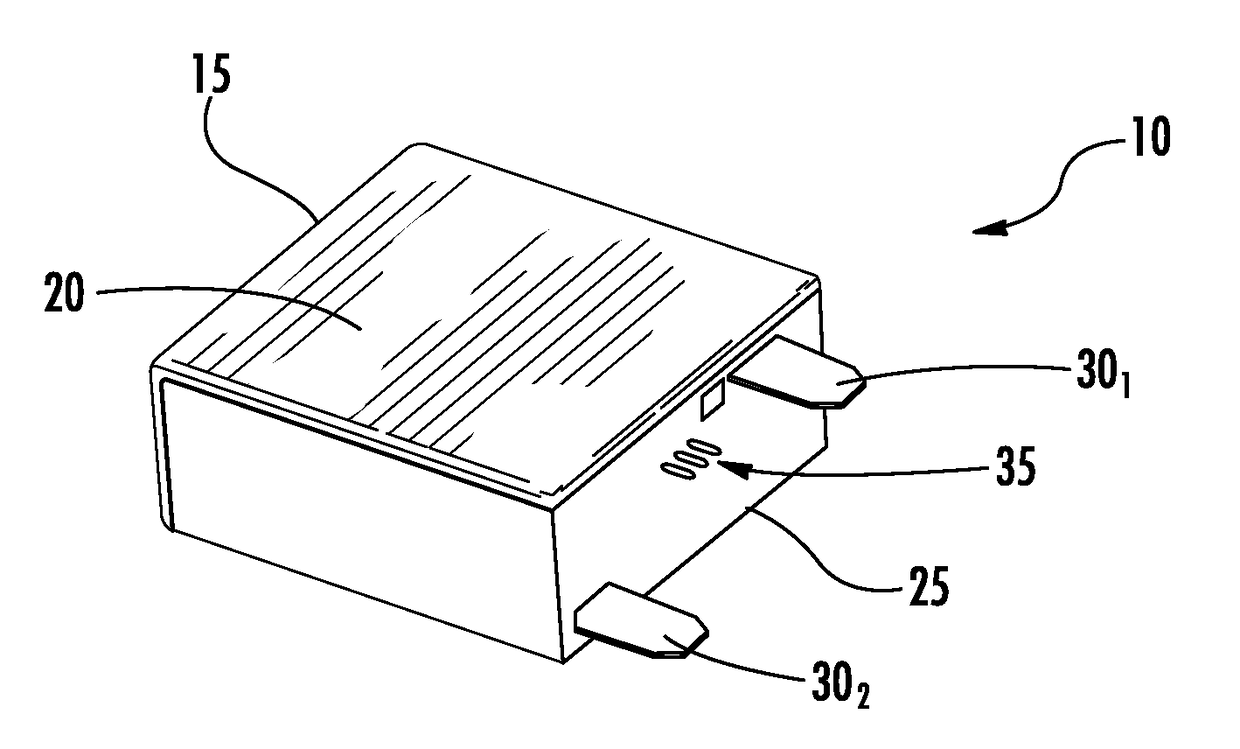
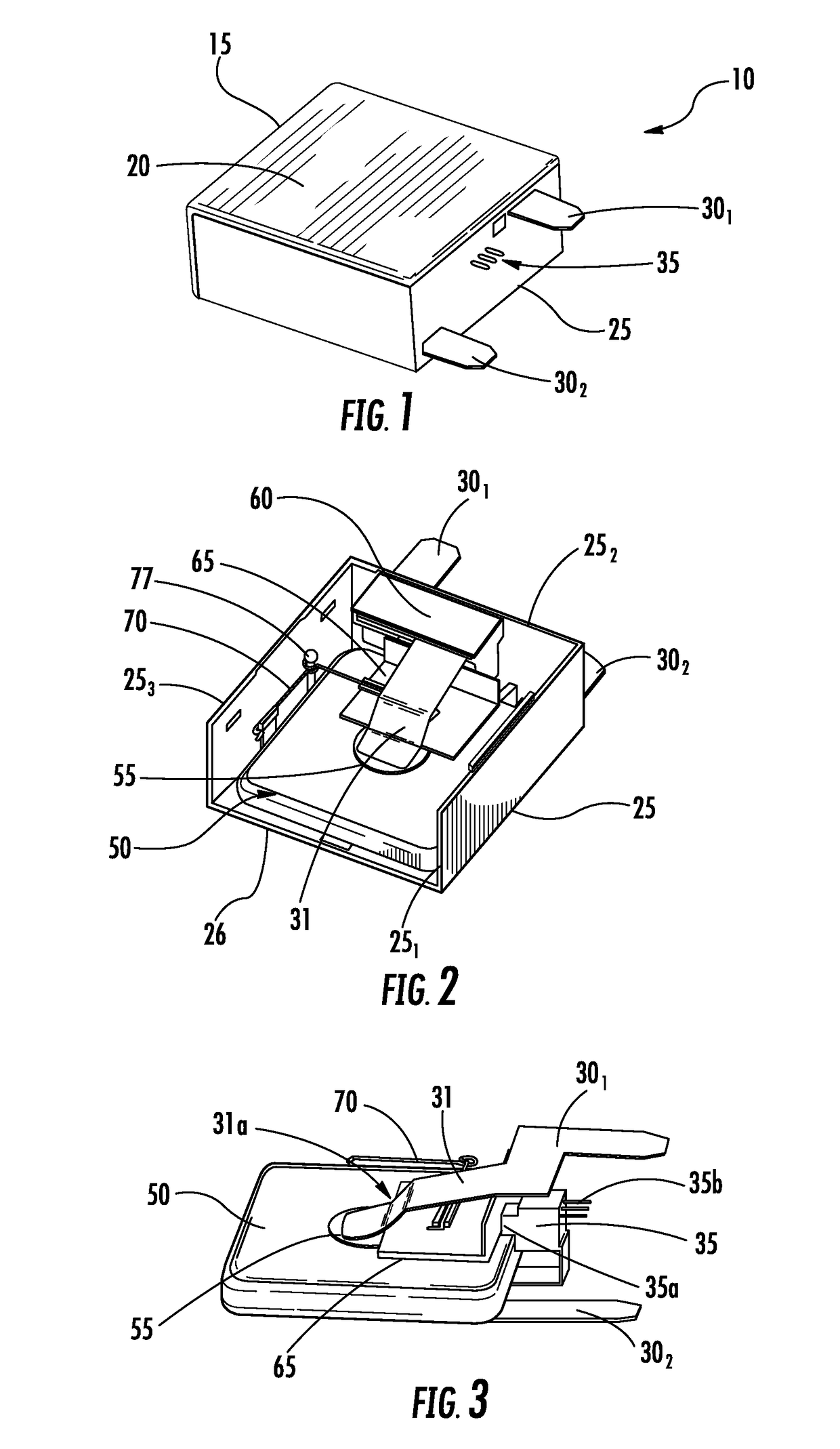
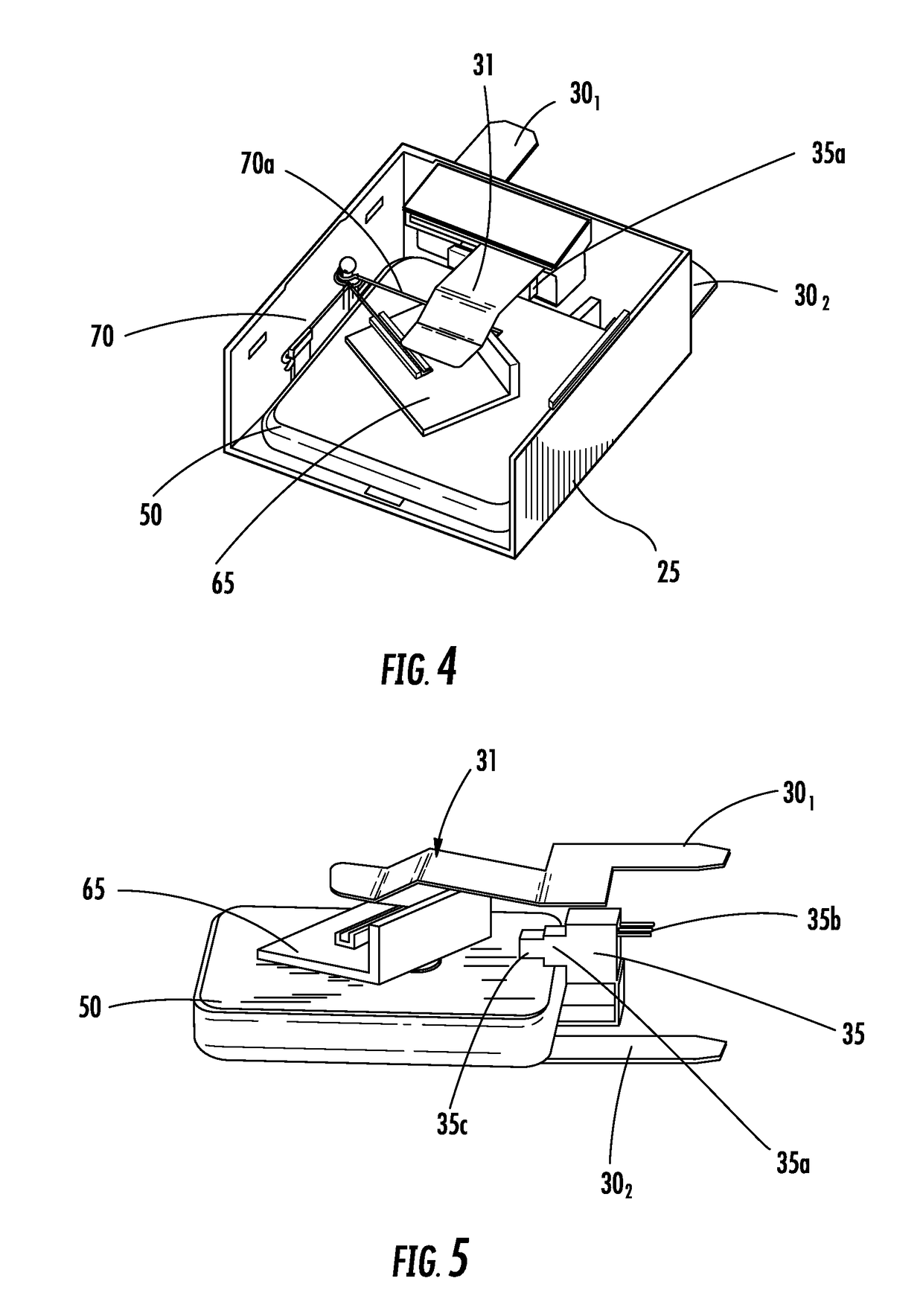
Thermal metal oxide varistor circuit protection device
PatentInactiveUS20170110279A1
Innovation
- A circuit protection device with a housing containing a metal oxide varistor, a terminal attached via low-temperature solder, and a spring-biased arc shield that separates from a micro switch upon heat generation, creating an open circuit during voltage surges, enhancing heat transfer and response speed.

Safety Standards and Compliance for Circuit Protection
Circuit protection devices incorporating Wheatstone bridges and varistors must comply with stringent international safety standards to ensure reliable operation and user protection. The International Electrotechnical Commission (IEC) provides fundamental guidelines through IEC 61000 series for electromagnetic compatibility and IEC 60664 for insulation coordination in low-voltage systems. These standards establish critical parameters for overvoltage protection devices, including maximum continuous operating voltage, energy absorption capacity, and response time requirements.
Varistor-based protection circuits must adhere to IEC 61051 standards, which specify performance criteria for voltage-dependent resistors in surge protection applications. This standard mandates rigorous testing protocols including surge current capability tests, thermal stability assessments, and long-term degradation evaluations. Additionally, UL 1449 certification is essential for North American markets, establishing specific requirements for surge protective devices including maximum let-through voltage limits and temporary overvoltage withstand capabilities.
Wheatstone bridge configurations in protection circuits face unique compliance challenges due to their precision measurement requirements. IEEE 519 standards govern harmonic distortion limits, while IEC 61010 addresses safety requirements for electrical equipment used for measurement, control, and laboratory applications. These standards mandate specific isolation requirements, fault protection mechanisms, and environmental operating conditions that directly impact bridge circuit design parameters.
Regulatory compliance extends beyond device-level standards to encompass system-level safety requirements. The Restriction of Hazardous Substances (RoHS) directive limits the use of specific materials in electronic components, affecting both varistor ceramic compositions and bridge circuit metallization processes. Similarly, REACH regulations impose additional constraints on chemical substances used in manufacturing processes.
Testing and certification procedures require comprehensive documentation of protection device performance under various fault conditions. This includes verification of coordination between primary and backup protection elements, assessment of arc fault detection capabilities, and validation of fail-safe operation modes. Compliance documentation must demonstrate adherence to applicable standards while providing clear evidence of protection system effectiveness across specified operating ranges and environmental conditions.
Varistor-based protection circuits must adhere to IEC 61051 standards, which specify performance criteria for voltage-dependent resistors in surge protection applications. This standard mandates rigorous testing protocols including surge current capability tests, thermal stability assessments, and long-term degradation evaluations. Additionally, UL 1449 certification is essential for North American markets, establishing specific requirements for surge protective devices including maximum let-through voltage limits and temporary overvoltage withstand capabilities.
Wheatstone bridge configurations in protection circuits face unique compliance challenges due to their precision measurement requirements. IEEE 519 standards govern harmonic distortion limits, while IEC 61010 addresses safety requirements for electrical equipment used for measurement, control, and laboratory applications. These standards mandate specific isolation requirements, fault protection mechanisms, and environmental operating conditions that directly impact bridge circuit design parameters.
Regulatory compliance extends beyond device-level standards to encompass system-level safety requirements. The Restriction of Hazardous Substances (RoHS) directive limits the use of specific materials in electronic components, affecting both varistor ceramic compositions and bridge circuit metallization processes. Similarly, REACH regulations impose additional constraints on chemical substances used in manufacturing processes.
Testing and certification procedures require comprehensive documentation of protection device performance under various fault conditions. This includes verification of coordination between primary and backup protection elements, assessment of arc fault detection capabilities, and validation of fail-safe operation modes. Compliance documentation must demonstrate adherence to applicable standards while providing clear evidence of protection system effectiveness across specified operating ranges and environmental conditions.
Cost-Performance Trade-offs in Protection Device Selection
The selection of circuit protection devices involves critical cost-performance considerations that directly impact system reliability, maintenance requirements, and overall project economics. When comparing Wheatstone bridge configurations with varistor-based protection schemes, engineers must evaluate multiple financial and technical parameters to optimize their protection strategy.
Initial capital expenditure represents the most visible cost factor in protection device selection. Varistors typically offer lower upfront costs due to their simple two-terminal construction and mass production economies. Standard metal oxide varistors for common voltage ratings can be procured at significantly lower unit costs compared to precision Wheatstone bridge implementations, which require matched resistive elements and sophisticated monitoring circuitry.
However, the total cost of ownership extends far beyond initial purchase price. Wheatstone bridge protection systems demonstrate superior long-term value through enhanced diagnostic capabilities and predictive maintenance features. The bridge configuration enables continuous monitoring of protection device health, allowing for scheduled replacements before failure occurs. This proactive approach reduces unplanned downtime costs and extends equipment life cycles.
Performance characteristics directly influence economic outcomes through reliability metrics and response times. Varistors excel in surge suppression applications with nanosecond response times, making them cost-effective for transient protection scenarios. Their clamping voltage characteristics provide predictable protection levels at competitive price points for standard industrial applications.
Conversely, Wheatstone bridge configurations offer superior precision and stability over extended operating periods. The differential measurement capability inherent in bridge circuits provides enhanced noise immunity and temperature compensation, resulting in fewer false alarms and reduced maintenance interventions. This translates to lower operational costs in critical applications where system availability is paramount.
Scalability considerations significantly impact cost-performance ratios across different application scales. Varistor solutions demonstrate excellent cost scaling for high-volume deployments, with minimal additional infrastructure requirements. Bridge-based systems require more complex signal conditioning and processing capabilities, but offer better performance consistency across varying environmental conditions.
The decision matrix must also incorporate failure mode economics. Varistor degradation typically results in gradual performance reduction, allowing for planned replacement cycles. Bridge circuit failures often provide early warning through imbalance detection, enabling proactive maintenance strategies that minimize total lifecycle costs while maintaining optimal protection performance.
Initial capital expenditure represents the most visible cost factor in protection device selection. Varistors typically offer lower upfront costs due to their simple two-terminal construction and mass production economies. Standard metal oxide varistors for common voltage ratings can be procured at significantly lower unit costs compared to precision Wheatstone bridge implementations, which require matched resistive elements and sophisticated monitoring circuitry.
However, the total cost of ownership extends far beyond initial purchase price. Wheatstone bridge protection systems demonstrate superior long-term value through enhanced diagnostic capabilities and predictive maintenance features. The bridge configuration enables continuous monitoring of protection device health, allowing for scheduled replacements before failure occurs. This proactive approach reduces unplanned downtime costs and extends equipment life cycles.
Performance characteristics directly influence economic outcomes through reliability metrics and response times. Varistors excel in surge suppression applications with nanosecond response times, making them cost-effective for transient protection scenarios. Their clamping voltage characteristics provide predictable protection levels at competitive price points for standard industrial applications.
Conversely, Wheatstone bridge configurations offer superior precision and stability over extended operating periods. The differential measurement capability inherent in bridge circuits provides enhanced noise immunity and temperature compensation, resulting in fewer false alarms and reduced maintenance interventions. This translates to lower operational costs in critical applications where system availability is paramount.
Scalability considerations significantly impact cost-performance ratios across different application scales. Varistor solutions demonstrate excellent cost scaling for high-volume deployments, with minimal additional infrastructure requirements. Bridge-based systems require more complex signal conditioning and processing capabilities, but offer better performance consistency across varying environmental conditions.
The decision matrix must also incorporate failure mode economics. Varistor degradation typically results in gradual performance reduction, allowing for planned replacement cycles. Bridge circuit failures often provide early warning through imbalance detection, enabling proactive maintenance strategies that minimize total lifecycle costs while maintaining optimal protection performance.
Unlock deeper insights with PatSnap Eureka Quick Research — get a full tech report to explore trends and direct your research. Try now!
Generate Your Research Report Instantly with AI Agent
Supercharge your innovation with PatSnap Eureka AI Agent Platform!