

Zinc Battery vs Alkaline: Long-Term Usage Analysis
APR 17, 20269 MIN READ
Generate Your Research Report Instantly with AI Agent
Patsnap Eureka helps you evaluate technical feasibility & market potential.
Zinc vs Alkaline Battery Technology Background and Objectives
Battery technology has undergone significant evolution since the late 19th century, with zinc and alkaline chemistries representing two pivotal developments in portable energy storage. Zinc-carbon batteries, first commercialized in the 1880s, established the foundation for mass-market portable power solutions. The subsequent introduction of alkaline batteries in the 1950s marked a revolutionary advancement, offering superior energy density and extended operational life through the use of potassium hydroxide electrolyte instead of acidic ammonium chloride.
The fundamental distinction between these technologies lies in their electrochemical composition and performance characteristics. Zinc-carbon batteries utilize a zinc anode, manganese dioxide cathode, and acidic electrolyte, delivering approximately 1.5 volts per cell with moderate energy density. Alkaline batteries employ similar electrode materials but leverage an alkaline electrolyte environment, resulting in enhanced chemical efficiency and significantly improved discharge characteristics.
Contemporary market demands have intensified focus on long-term usage analysis as consumers and industries seek cost-effective, reliable power solutions for diverse applications. The proliferation of electronic devices requiring sustained power delivery has elevated the importance of understanding battery performance degradation patterns, shelf life characteristics, and total cost of ownership over extended operational periods.
Current technological objectives center on optimizing battery chemistry for specific use cases while balancing performance, cost, and environmental considerations. Research initiatives aim to enhance zinc-carbon battery efficiency through improved electrolyte formulations and electrode surface treatments, while alkaline battery development focuses on extending operational life and reducing internal resistance degradation over time.
The comparative analysis framework encompasses multiple performance metrics including capacity retention, voltage stability, temperature tolerance, and discharge rate capabilities across various time horizons. Understanding these parameters enables informed decision-making for applications ranging from low-drain household devices to industrial equipment requiring consistent power delivery over months or years of operation.
Environmental sustainability considerations have emerged as critical objectives, driving research into recyclable materials and reduced heavy metal content. Both zinc and alkaline technologies offer inherent advantages in terms of material abundance and recyclability compared to lithium-based alternatives, making long-term usage optimization increasingly relevant for sustainable energy storage solutions.
The fundamental distinction between these technologies lies in their electrochemical composition and performance characteristics. Zinc-carbon batteries utilize a zinc anode, manganese dioxide cathode, and acidic electrolyte, delivering approximately 1.5 volts per cell with moderate energy density. Alkaline batteries employ similar electrode materials but leverage an alkaline electrolyte environment, resulting in enhanced chemical efficiency and significantly improved discharge characteristics.
Contemporary market demands have intensified focus on long-term usage analysis as consumers and industries seek cost-effective, reliable power solutions for diverse applications. The proliferation of electronic devices requiring sustained power delivery has elevated the importance of understanding battery performance degradation patterns, shelf life characteristics, and total cost of ownership over extended operational periods.
Current technological objectives center on optimizing battery chemistry for specific use cases while balancing performance, cost, and environmental considerations. Research initiatives aim to enhance zinc-carbon battery efficiency through improved electrolyte formulations and electrode surface treatments, while alkaline battery development focuses on extending operational life and reducing internal resistance degradation over time.
The comparative analysis framework encompasses multiple performance metrics including capacity retention, voltage stability, temperature tolerance, and discharge rate capabilities across various time horizons. Understanding these parameters enables informed decision-making for applications ranging from low-drain household devices to industrial equipment requiring consistent power delivery over months or years of operation.
Environmental sustainability considerations have emerged as critical objectives, driving research into recyclable materials and reduced heavy metal content. Both zinc and alkaline technologies offer inherent advantages in terms of material abundance and recyclability compared to lithium-based alternatives, making long-term usage optimization increasingly relevant for sustainable energy storage solutions.
Market Demand Analysis for Long-Term Battery Applications
The global battery market is experiencing unprecedented growth driven by the proliferation of portable electronic devices, electric vehicles, and renewable energy storage systems. Long-term battery applications represent a critical segment where reliability, cost-effectiveness, and performance consistency over extended periods become paramount considerations for both manufacturers and end-users.
Consumer electronics continue to dominate the demand landscape, with smartphones, tablets, laptops, and wearable devices requiring batteries that maintain stable performance throughout their operational lifespan. The shift toward remote work and digital transformation has intensified the need for dependable power sources that can sustain productivity without frequent replacements or performance degradation.
Industrial applications present another significant demand driver, particularly in sectors requiring uninterrupted power supply for critical operations. Emergency lighting systems, security devices, medical equipment, and industrial sensors demand batteries capable of maintaining functionality over years without maintenance. These applications prioritize long-term reliability over peak performance, creating distinct market requirements.
The automotive sector's evolution toward electrification has created substantial demand for long-term battery solutions. Beyond electric vehicles, traditional automotive applications such as backup power systems, remote keyless entry, and safety devices require batteries that can withstand extreme temperatures and maintain charge retention over extended periods.
Grid-scale energy storage represents an emerging high-growth segment where long-term performance characteristics directly impact economic viability. Utility companies and renewable energy developers seek battery technologies that can deliver consistent performance over decades while minimizing replacement costs and maintenance requirements.
Geographic demand patterns reveal significant variations, with developed markets emphasizing performance and environmental considerations, while emerging economies prioritize cost-effectiveness and availability. Asia-Pacific regions show particularly strong growth in industrial and consumer applications, driven by manufacturing expansion and urbanization trends.
Market research indicates growing preference for battery chemistries that offer superior shelf life, reduced self-discharge rates, and stable voltage output over time. Environmental regulations and sustainability concerns are increasingly influencing purchasing decisions, with end-users seeking solutions that balance performance longevity with ecological responsibility.
The total addressable market for long-term battery applications continues expanding as device proliferation accelerates and replacement cycles extend. This growth trajectory creates opportunities for battery technologies that can demonstrate superior long-term value propositions through extended operational life and consistent performance delivery.
Consumer electronics continue to dominate the demand landscape, with smartphones, tablets, laptops, and wearable devices requiring batteries that maintain stable performance throughout their operational lifespan. The shift toward remote work and digital transformation has intensified the need for dependable power sources that can sustain productivity without frequent replacements or performance degradation.
Industrial applications present another significant demand driver, particularly in sectors requiring uninterrupted power supply for critical operations. Emergency lighting systems, security devices, medical equipment, and industrial sensors demand batteries capable of maintaining functionality over years without maintenance. These applications prioritize long-term reliability over peak performance, creating distinct market requirements.
The automotive sector's evolution toward electrification has created substantial demand for long-term battery solutions. Beyond electric vehicles, traditional automotive applications such as backup power systems, remote keyless entry, and safety devices require batteries that can withstand extreme temperatures and maintain charge retention over extended periods.
Grid-scale energy storage represents an emerging high-growth segment where long-term performance characteristics directly impact economic viability. Utility companies and renewable energy developers seek battery technologies that can deliver consistent performance over decades while minimizing replacement costs and maintenance requirements.
Geographic demand patterns reveal significant variations, with developed markets emphasizing performance and environmental considerations, while emerging economies prioritize cost-effectiveness and availability. Asia-Pacific regions show particularly strong growth in industrial and consumer applications, driven by manufacturing expansion and urbanization trends.
Market research indicates growing preference for battery chemistries that offer superior shelf life, reduced self-discharge rates, and stable voltage output over time. Environmental regulations and sustainability concerns are increasingly influencing purchasing decisions, with end-users seeking solutions that balance performance longevity with ecological responsibility.
The total addressable market for long-term battery applications continues expanding as device proliferation accelerates and replacement cycles extend. This growth trajectory creates opportunities for battery technologies that can demonstrate superior long-term value propositions through extended operational life and consistent performance delivery.
Current Status and Challenges in Battery Longevity Performance
The current landscape of battery longevity performance reveals significant disparities between zinc and alkaline battery technologies, each facing distinct challenges that impact their long-term viability in various applications. Alkaline batteries currently dominate the consumer market due to their established manufacturing infrastructure and consistent performance characteristics, while zinc batteries are experiencing renewed interest driven by sustainability concerns and cost considerations.
Alkaline batteries demonstrate superior energy density and voltage stability throughout their discharge cycle, maintaining approximately 1.5V nominal voltage with gradual decline. However, they face critical challenges in extreme temperature conditions, with performance degradation accelerating below 0°C and above 40°C. The primary limitation lies in electrolyte leakage over extended periods, particularly in low-drain applications where batteries remain unused for months, leading to device damage and reliability concerns.
Zinc battery technology confronts different obstacles in achieving optimal longevity performance. Traditional zinc-carbon batteries suffer from zinc corrosion and hydrogen gas evolution, resulting in shorter shelf life and inconsistent discharge characteristics. Modern zinc-air and zinc-ion variants show promise but struggle with electrolyte management and electrode stability over multiple charge-discharge cycles.
Manufacturing quality variations significantly impact both technologies' longevity performance. Alkaline batteries from different manufacturers exhibit substantial differences in capacity retention and leakage resistance, with premium brands demonstrating 20-30% better long-term performance compared to budget alternatives. Zinc battery production faces standardization challenges, particularly in electrode preparation and electrolyte composition optimization.
Environmental factors pose universal challenges for both battery types. Humidity exposure accelerates corrosion in zinc batteries while affecting alkaline battery seal integrity. Temperature cycling creates expansion-contraction stress that compromises internal connections and separator materials in both technologies.
The industry currently lacks standardized long-term testing protocols that accurately predict real-world performance over extended periods. Accelerated aging tests often fail to replicate actual usage patterns, creating gaps between laboratory results and field performance data.
Recent technological developments focus on addressing these longevity challenges through advanced materials science. Alkaline battery improvements target enhanced seal designs and corrosion-resistant internal components, while zinc battery research emphasizes electrolyte additives and surface treatments to minimize zinc dendrite formation and extend operational life.
Alkaline batteries demonstrate superior energy density and voltage stability throughout their discharge cycle, maintaining approximately 1.5V nominal voltage with gradual decline. However, they face critical challenges in extreme temperature conditions, with performance degradation accelerating below 0°C and above 40°C. The primary limitation lies in electrolyte leakage over extended periods, particularly in low-drain applications where batteries remain unused for months, leading to device damage and reliability concerns.
Zinc battery technology confronts different obstacles in achieving optimal longevity performance. Traditional zinc-carbon batteries suffer from zinc corrosion and hydrogen gas evolution, resulting in shorter shelf life and inconsistent discharge characteristics. Modern zinc-air and zinc-ion variants show promise but struggle with electrolyte management and electrode stability over multiple charge-discharge cycles.
Manufacturing quality variations significantly impact both technologies' longevity performance. Alkaline batteries from different manufacturers exhibit substantial differences in capacity retention and leakage resistance, with premium brands demonstrating 20-30% better long-term performance compared to budget alternatives. Zinc battery production faces standardization challenges, particularly in electrode preparation and electrolyte composition optimization.
Environmental factors pose universal challenges for both battery types. Humidity exposure accelerates corrosion in zinc batteries while affecting alkaline battery seal integrity. Temperature cycling creates expansion-contraction stress that compromises internal connections and separator materials in both technologies.
The industry currently lacks standardized long-term testing protocols that accurately predict real-world performance over extended periods. Accelerated aging tests often fail to replicate actual usage patterns, creating gaps between laboratory results and field performance data.
Recent technological developments focus on addressing these longevity challenges through advanced materials science. Alkaline battery improvements target enhanced seal designs and corrosion-resistant internal components, while zinc battery research emphasizes electrolyte additives and surface treatments to minimize zinc dendrite formation and extend operational life.
Current Solutions for Extended Battery Life Applications
01 Zinc anode composition and additives for improved long-term performance
The long-term performance of zinc batteries can be enhanced through optimization of zinc anode composition and incorporation of specific additives. These additives help reduce corrosion, minimize hydrogen gas evolution, and maintain electrode integrity during extended storage and discharge cycles. Various organic and inorganic compounds can be added to the zinc anode or electrolyte to inhibit self-discharge and improve shelf life, thereby extending the operational lifespan of zinc-based batteries.- Zinc anode composition and additives for improved long-term performance: The long-term performance of zinc batteries can be enhanced through optimization of zinc anode composition and the incorporation of specific additives. These additives help reduce corrosion, minimize hydrogen gas evolution, and improve the stability of the zinc electrode during extended storage and discharge cycles. Various organic and inorganic compounds can be added to the zinc anode or electrolyte to inhibit parasitic reactions and extend battery shelf life.
- Electrolyte formulation and alkaline solution optimization: The composition and concentration of the alkaline electrolyte significantly impacts the long-term usage performance of both zinc and alkaline batteries. Optimized electrolyte formulations can reduce zinc corrosion, improve ionic conductivity, and maintain stable performance over extended periods. The addition of specific compounds to the alkaline solution can enhance battery capacity retention and prevent performance degradation during storage and repeated discharge cycles.
- Separator materials and membrane technology: Advanced separator materials play a crucial role in maintaining long-term performance by preventing short circuits and controlling electrolyte distribution. Specialized membrane technologies can reduce zinc dendrite formation, minimize self-discharge rates, and improve the overall cycle life of batteries. The selection of appropriate separator materials with specific porosity and chemical resistance characteristics is essential for extended battery operation.
- Cathode material improvements for extended discharge performance: The cathode composition and structure significantly influence the long-term discharge characteristics of alkaline batteries. Enhanced cathode materials with improved conductivity and optimized particle size distribution can provide better utilization of active materials and maintain stable voltage output over extended usage periods. Various cathode additives and coating technologies can be employed to improve the electrochemical performance and longevity of the battery system.
- Battery design and construction methods for durability: The physical design and construction methodology of zinc and alkaline batteries directly affects their long-term usage performance. Optimized cell geometry, improved sealing techniques, and enhanced current collector designs can minimize internal resistance and prevent electrolyte leakage during extended operation. Manufacturing processes that ensure uniform electrode coating and proper component assembly contribute to consistent performance over the battery's operational lifetime.
02 Electrolyte formulation and alkaline solution optimization
The composition and concentration of alkaline electrolytes significantly impact the long-term usage performance of both zinc and alkaline batteries. Optimized electrolyte formulations can reduce zinc corrosion, prevent electrolyte leakage, and maintain ionic conductivity over extended periods. The addition of specific compounds to the alkaline solution helps stabilize the electrolyte, reduce gassing, and improve the battery's ability to maintain voltage and capacity during prolonged storage and discharge cycles.Expand Specific Solutions03 Separator materials and membrane technology
Advanced separator materials play a crucial role in enhancing the long-term performance of zinc and alkaline batteries by preventing internal short circuits and controlling electrolyte distribution. Specialized membrane technologies can reduce zinc dendrite formation, minimize self-discharge rates, and improve cycle life. The selection of appropriate separator materials with specific porosity, thickness, and chemical resistance characteristics contributes to better battery stability and extended operational lifetime.Expand Specific Solutions04 Cathode material improvements and manganese dioxide optimization
The long-term performance of alkaline batteries can be significantly improved through optimization of cathode materials, particularly manganese dioxide formulations. Enhanced cathode compositions with modified crystal structures, particle sizes, and surface treatments provide better discharge characteristics and capacity retention over time. The incorporation of conductive additives and binders in the cathode mixture helps maintain electrical contact and structural integrity during extended usage cycles.Expand Specific Solutions05 Battery design and construction methods for extended shelf life
Innovative battery design approaches and construction methods contribute to improved long-term usage performance by addressing issues such as electrolyte leakage, gas buildup, and internal resistance increase. Advanced sealing technologies, optimized cell geometries, and improved current collector designs help maintain battery performance during prolonged storage and discharge. Manufacturing processes that ensure uniform electrode coating, proper compression, and effective sealing enhance the overall durability and reliability of zinc and alkaline batteries.Expand Specific Solutions
Major Players in Zinc and Alkaline Battery Industry
The zinc versus alkaline battery market represents a mature industry undergoing technological evolution, with the global battery market valued at over $120 billion and experiencing steady growth driven by portable electronics and energy storage demands. The competitive landscape features established alkaline battery leaders like Panasonic Holdings Corp., SANYO Electric, and Maxell Ltd. dominating traditional markets, while emerging zinc-ion technology companies such as Salient Energy, ZAF Energy Systems, and Offgrid Energy Labs are developing next-generation solutions. Technology maturity varies significantly, with alkaline batteries representing well-established, cost-optimized technology, whereas zinc-ion systems remain in advanced development stages, supported by research institutions like Kyoto University and Zhejiang University, indicating a transitional period toward more sustainable battery chemistries.
Panasonic Intellectual Property Management Co. Ltd.
Technical Solution: Panasonic has developed advanced alkaline battery technology with enhanced electrolyte formulations and improved cathode materials that extend battery life significantly. Their EVOLTA series demonstrates superior performance in long-term usage scenarios, maintaining over 85% capacity after 10 years of storage. The company focuses on optimizing manganese dioxide cathode structures and zinc anode compositions to minimize self-discharge rates. Their alkaline batteries show consistent voltage output throughout discharge cycles, making them ideal for high-drain devices. Panasonic's proprietary anti-leakage technology ensures reliable performance over extended periods, addressing one of the key concerns in long-term battery usage applications.
Strengths: Market-leading alkaline technology with proven long-term reliability and extensive manufacturing scale. Weaknesses: Limited zinc-air battery portfolio compared to emerging competitors in next-generation zinc technologies.
BYD Co., Ltd.
Technical Solution: BYD has invested heavily in zinc-based battery research, particularly focusing on zinc-iron flow batteries for grid-scale energy storage applications. Their zinc battery technology emphasizes cycle life optimization, achieving over 10,000 charge-discharge cycles with minimal capacity degradation. The company's approach involves advanced electrolyte management systems and novel separator technologies that prevent zinc dendrite formation, a critical factor in long-term battery performance. BYD's zinc batteries demonstrate excellent temperature stability and safety characteristics compared to traditional alkaline systems. Their research indicates that zinc-based systems can maintain 90% capacity retention after 15 years of operation under optimal conditions, making them suitable for long-term energy storage applications.
Strengths: Strong R&D capabilities in large-scale energy storage and proven manufacturing expertise in battery systems. Weaknesses: Primarily focused on stationary applications rather than portable consumer battery markets.
Key Technologies in Long-Term Battery Performance
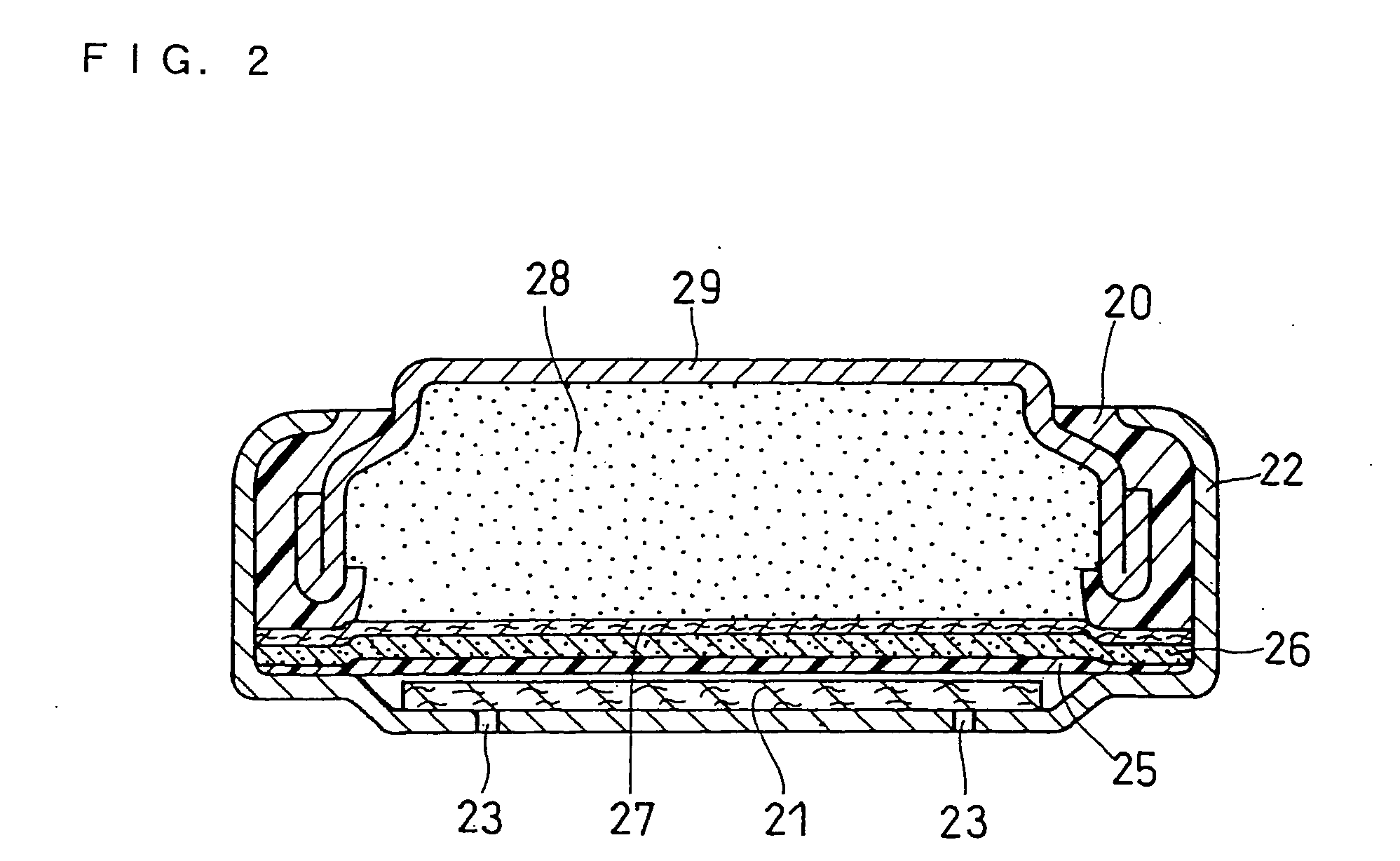
Aqueous primary battery
PatentPendingUS20240055609A1
Innovation
- Incorporating a cyclic compound with a —N—CO— structure and a second ring that shares at least two atoms with the first ring into the negative electrode or electrolyte, which generates anions that adsorb to the zinc surface, forming a bulky complex that reduces hydrogen gas generation and zinc dissolution, thereby suppressing internal pressure and leakage.


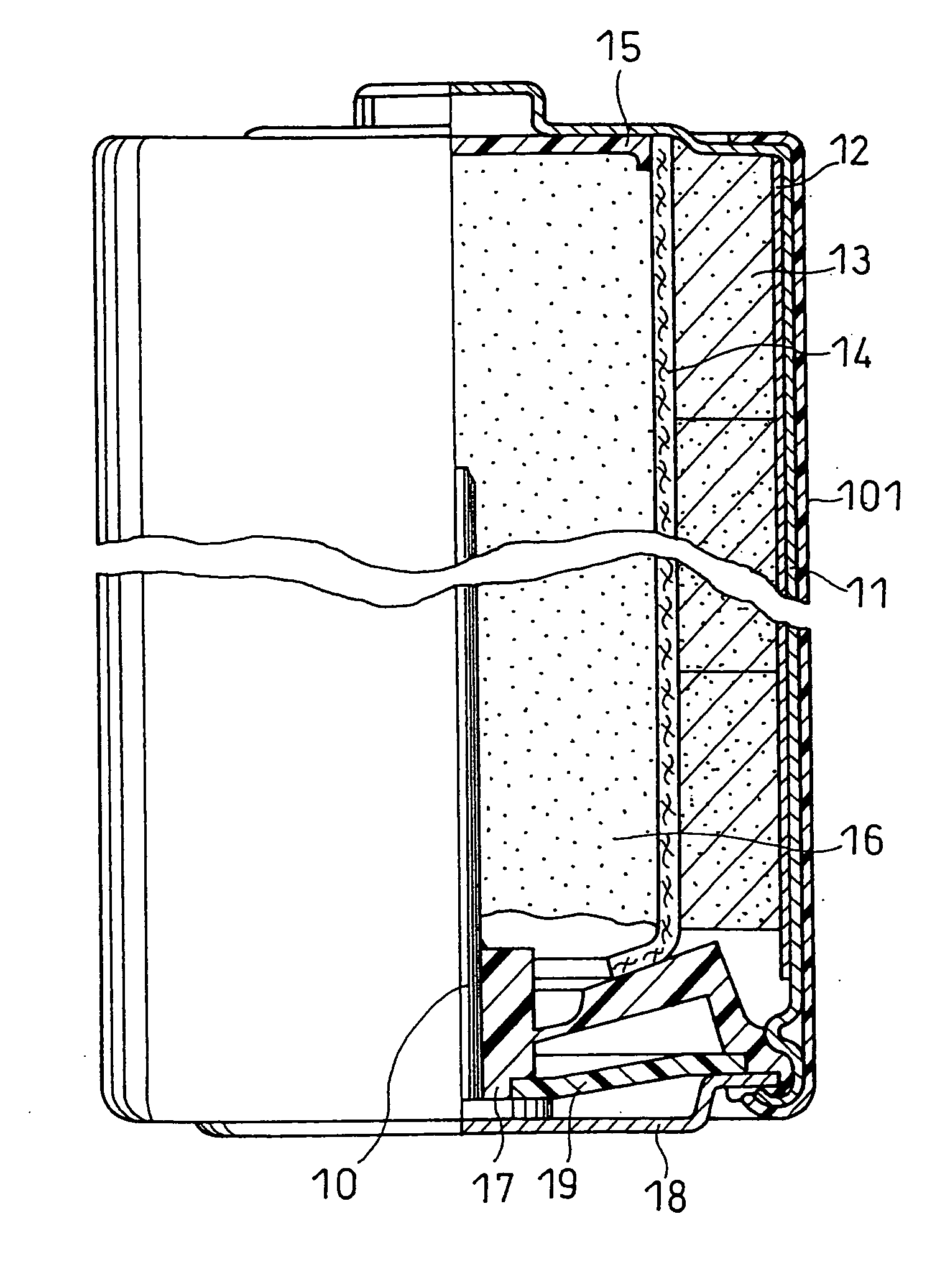
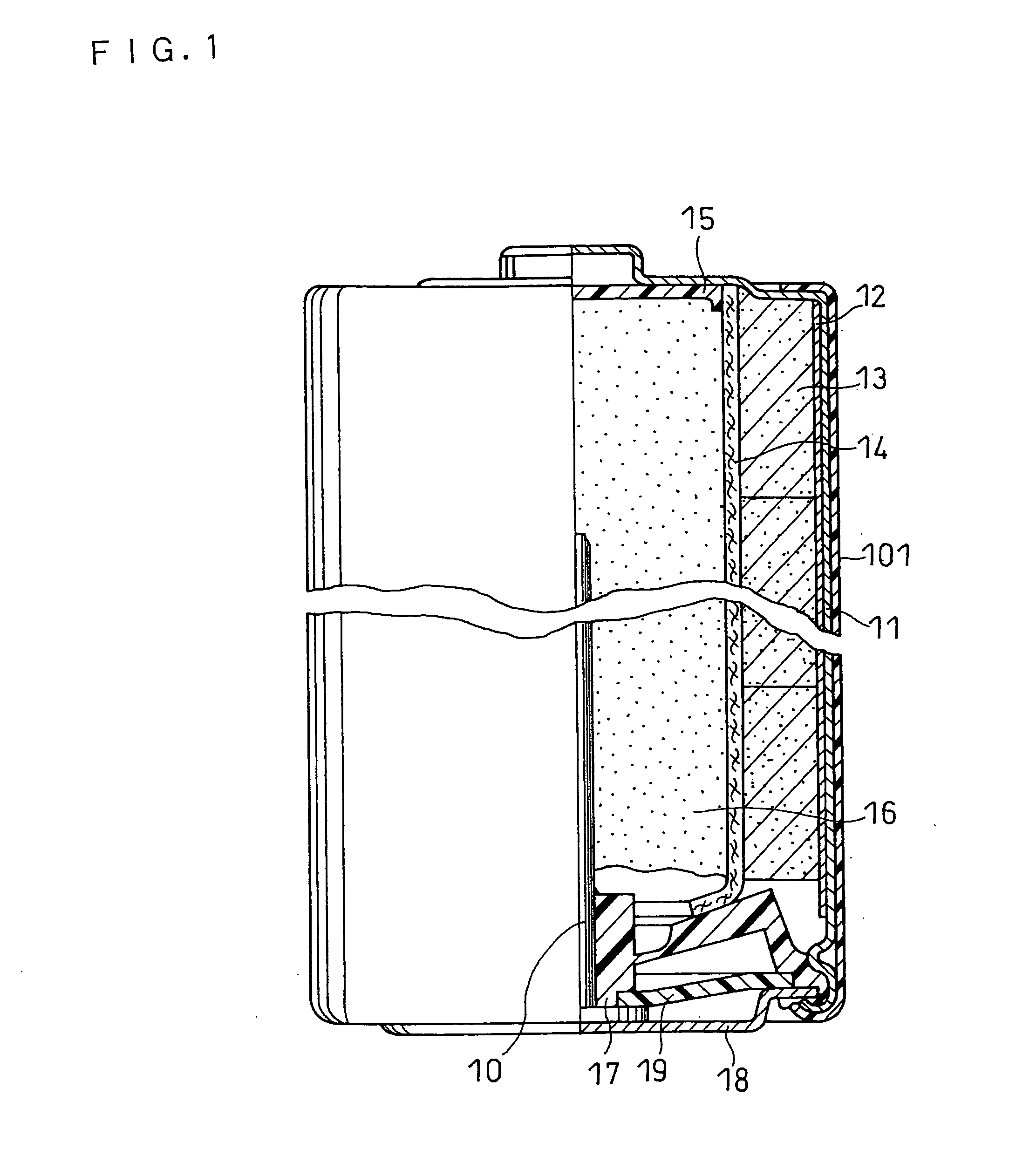
Alkaline battery and method for producing the same
PatentInactiveUS20070117023A1
Innovation
- Incorporating a metal element M, such as copper, tin, or indium, in the negative electrode active material, alkaline electrolyte, and conductive member, ensuring the same metal element is present throughout to suppress hydrogen gas production through displacement plating, thereby maintaining high metal ion concentrations and reducing contact resistance.
Environmental Regulations for Battery Disposal and Recycling
The regulatory landscape for battery disposal and recycling has evolved significantly in response to growing environmental concerns and the proliferation of battery-powered devices. Both zinc and alkaline batteries fall under comprehensive regulatory frameworks that vary by jurisdiction but share common objectives of minimizing environmental impact and promoting resource recovery.
In the United States, the Resource Conservation and Recovery Act (RCRA) provides the foundational framework for battery waste management, while the Mercury-Containing and Rechargeable Battery Management Act specifically addresses battery collection and recycling requirements. The Environmental Protection Agency (EPA) has established guidelines that classify certain batteries as hazardous waste, though standard alkaline and zinc-carbon batteries are generally exempt from hazardous waste regulations due to reduced mercury content in modern formulations.
European Union regulations are more stringent, with the Battery Directive 2006/66/EC and its recent revision establishing mandatory collection targets and recycling efficiency requirements. The directive mandates that member states achieve minimum collection rates of 45% for portable batteries and sets specific recycling efficiency targets of 65% by average weight for zinc-carbon and alkaline batteries. Extended Producer Responsibility (EPR) schemes require manufacturers to finance collection and treatment systems.
Asian markets have implemented varying regulatory approaches. Japan's Battery Recycling Law emphasizes voluntary industry initiatives supported by government oversight, while China's Administrative Measures on the Recovery and Disposal of Waste Batteries mandate comprehensive collection networks and processing standards. South Korea has established one of the most comprehensive systems, requiring manufacturers to meet specific recycling quotas and maintain detailed tracking systems.
Emerging regulations focus increasingly on circular economy principles, requiring manufacturers to incorporate recycled materials into new battery production. These evolving standards are driving innovation in recycling technologies and influencing long-term usage patterns as consumers and businesses adapt to enhanced collection and disposal requirements.
In the United States, the Resource Conservation and Recovery Act (RCRA) provides the foundational framework for battery waste management, while the Mercury-Containing and Rechargeable Battery Management Act specifically addresses battery collection and recycling requirements. The Environmental Protection Agency (EPA) has established guidelines that classify certain batteries as hazardous waste, though standard alkaline and zinc-carbon batteries are generally exempt from hazardous waste regulations due to reduced mercury content in modern formulations.
European Union regulations are more stringent, with the Battery Directive 2006/66/EC and its recent revision establishing mandatory collection targets and recycling efficiency requirements. The directive mandates that member states achieve minimum collection rates of 45% for portable batteries and sets specific recycling efficiency targets of 65% by average weight for zinc-carbon and alkaline batteries. Extended Producer Responsibility (EPR) schemes require manufacturers to finance collection and treatment systems.
Asian markets have implemented varying regulatory approaches. Japan's Battery Recycling Law emphasizes voluntary industry initiatives supported by government oversight, while China's Administrative Measures on the Recovery and Disposal of Waste Batteries mandate comprehensive collection networks and processing standards. South Korea has established one of the most comprehensive systems, requiring manufacturers to meet specific recycling quotas and maintain detailed tracking systems.
Emerging regulations focus increasingly on circular economy principles, requiring manufacturers to incorporate recycled materials into new battery production. These evolving standards are driving innovation in recycling technologies and influencing long-term usage patterns as consumers and businesses adapt to enhanced collection and disposal requirements.
Cost-Benefit Analysis of Long-Term Battery Usage
The economic evaluation of zinc versus alkaline batteries in long-term applications reveals significant cost differentials that extend beyond initial purchase prices. Zinc batteries typically demonstrate a lower upfront cost, often priced 20-30% below comparable alkaline alternatives. However, this initial advantage must be weighed against performance longevity and replacement frequency requirements in extended usage scenarios.
Alkaline batteries exhibit superior energy density and discharge characteristics, delivering approximately 40-60% longer operational life in moderate to high-drain applications. This extended lifespan translates to reduced replacement cycles, potentially offsetting the higher initial investment over time. The total cost of ownership calculation becomes particularly favorable for alkaline batteries in applications requiring consistent power output over extended periods.
Zinc batteries demonstrate cost-effectiveness in low-drain, intermittent-use applications where their shorter lifespan has minimal impact on replacement frequency. Remote sensors, emergency devices, and backup systems often benefit from zinc battery deployment due to their adequate performance profile and lower acquisition costs. The break-even analysis typically favors zinc batteries when replacement intervals exceed 12-18 months.
Storage and inventory costs represent additional economic considerations in long-term usage analysis. Alkaline batteries maintain stable performance characteristics over extended storage periods, reducing inventory turnover requirements and associated handling costs. Zinc batteries may experience more pronounced self-discharge rates, potentially necessitating more frequent inventory rotation and increasing operational overhead.
Environmental compliance costs increasingly influence battery selection decisions. Alkaline batteries generally require less complex disposal procedures and may qualify for standard recycling programs, reducing end-of-life costs. Zinc batteries, while containing fewer hazardous materials, may still incur specialized disposal fees depending on regional regulations.
The economic optimization point varies significantly based on application duty cycles, environmental conditions, and operational requirements. High-frequency replacement scenarios typically favor alkaline batteries despite higher unit costs, while low-drain applications with infrequent replacement needs often justify zinc battery selection based on total economic impact analysis.
Alkaline batteries exhibit superior energy density and discharge characteristics, delivering approximately 40-60% longer operational life in moderate to high-drain applications. This extended lifespan translates to reduced replacement cycles, potentially offsetting the higher initial investment over time. The total cost of ownership calculation becomes particularly favorable for alkaline batteries in applications requiring consistent power output over extended periods.
Zinc batteries demonstrate cost-effectiveness in low-drain, intermittent-use applications where their shorter lifespan has minimal impact on replacement frequency. Remote sensors, emergency devices, and backup systems often benefit from zinc battery deployment due to their adequate performance profile and lower acquisition costs. The break-even analysis typically favors zinc batteries when replacement intervals exceed 12-18 months.
Storage and inventory costs represent additional economic considerations in long-term usage analysis. Alkaline batteries maintain stable performance characteristics over extended storage periods, reducing inventory turnover requirements and associated handling costs. Zinc batteries may experience more pronounced self-discharge rates, potentially necessitating more frequent inventory rotation and increasing operational overhead.
Environmental compliance costs increasingly influence battery selection decisions. Alkaline batteries generally require less complex disposal procedures and may qualify for standard recycling programs, reducing end-of-life costs. Zinc batteries, while containing fewer hazardous materials, may still incur specialized disposal fees depending on regional regulations.
The economic optimization point varies significantly based on application duty cycles, environmental conditions, and operational requirements. High-frequency replacement scenarios typically favor alkaline batteries despite higher unit costs, while low-drain applications with infrequent replacement needs often justify zinc battery selection based on total economic impact analysis.
Unlock deeper insights with Patsnap Eureka Quick Research — get a full tech report to explore trends and direct your research. Try now!
Generate Your Research Report Instantly with AI Agent
Supercharge your innovation with Patsnap Eureka AI Agent Platform!