
Passive Spent Fuel Cooling Storage Unit
A technology for storage devices and spent fuel, applied in cooling devices, reactor fuel elements, nuclear power generation, etc., can solve problems such as unsuitable for storage, and achieve the effects of simple structure, low operating cost, and simple equipment
Patent Information
- Authority / Receiving Office
- CN · China
- Patent Type
- Patents(China)
- Current Assignee / Owner
- Publication Date
- 2019-05-24
Smart Images
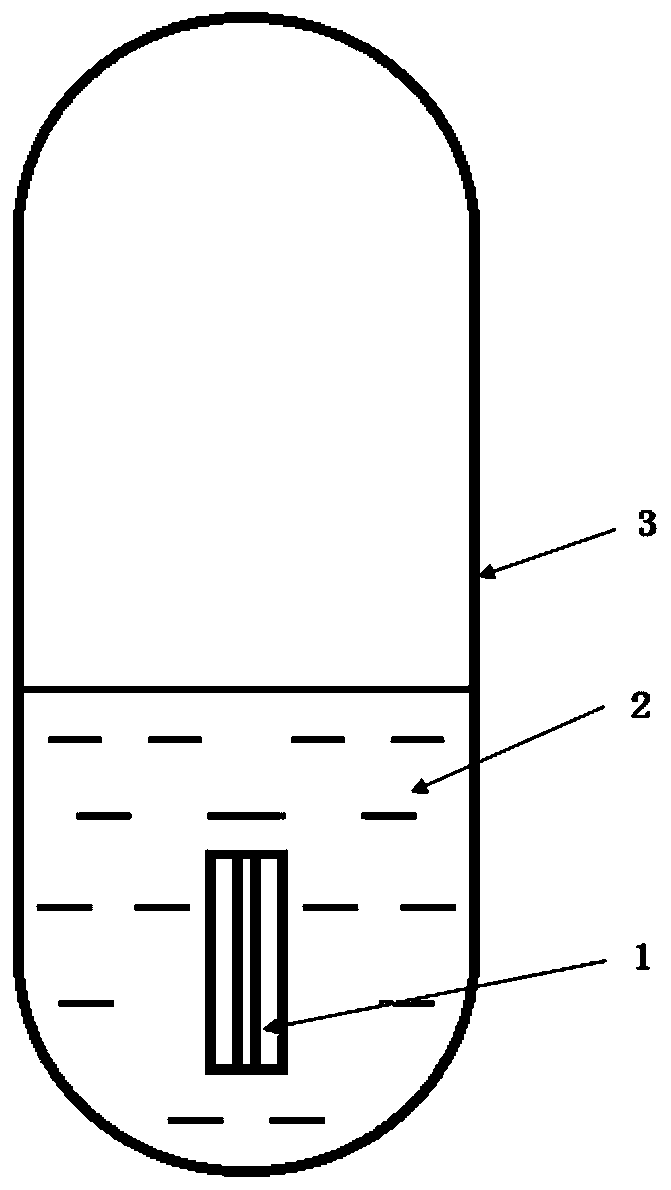
Figure 1 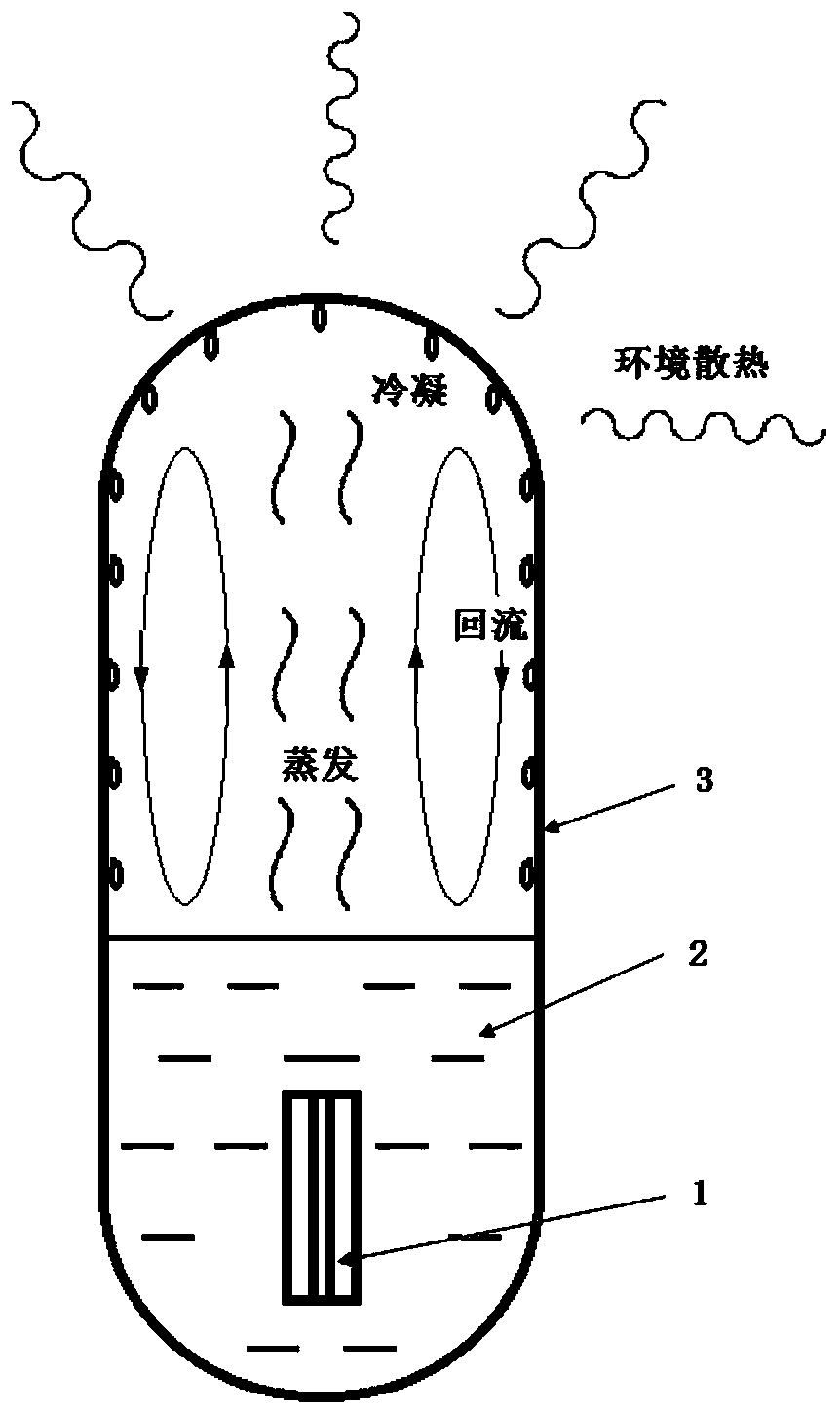
Figure 2
Abstract
Description
technical field
[0001] The invention relates to a spent fuel storage device, in particular to a passive spent fuel cooling storage device. Background technique
[0002] Nuclear fuel is the source of nuclear reactor energy. With the continuous output of nuclear reactor energy, nuclear fuel will be gradually consumed. When the burnup of nuclear fuel reaches a certain level, it becomes spent fuel. At this time, it needs to be removed from the nuclear reactor and stored in a suitable environment.
[0003] Because spent fuel is not only highly radioactive, but also releases a large amount of decay heat, very high requirements are placed on the performance of storage equipment.
[0004] At present, there are two main types of spent fuel storage, one is wet storage (also known as pool storage), and the other is dry storage.
[0005] Wet storage is to store the spent fuel in the spent fuel pool, and the cooling water in the pool is circulated by power to take away the decay heat r...
Examples
Embodiment 1
[0026] Using the passive spent fuel cooling storage device of the present invention to store spent fuel discharged from a nuclear reactor, the steps are as follows:
[0027] (1) Place the pressure-tight shell 3 that has been welded on the lower head in the hot chamber, and inject coolant 2 that accounts for about 20% of its volume into the pressure-tight shell 3;
[0028] (2) placing the spent fuel 1 to be stored on the spent fuel support in the coolant 2, and the coolant 2 is water;
[0029] (3) Weld the upper head of the pressure-tight shell 3, and store it after leak detection.
[0030] The temperature of the outer wall of the passive spent fuel cooling storage device stored in Example 1 was monitored, and the monitoring data showed that the temperature continued to rise within 3 days. After 3 days, the temperature of the outer wall of the pressure-sealed vessel no longer increased, indicating that the passive spent fuel cooling storage device reached the balance of heat g...