
A Text Summarization Model Generation Algorithm Fusing Information Selection and Semantic Association
A semantic association and information selection technology, applied in semantic analysis, semantic tool creation, digital data information retrieval, etc., to achieve the effect of improving the quality of abstracts
Patent Information
- Authority / Receiving Office
- CN · China
- Patent Type
- Patents(China)
- Current Assignee / Owner
- Publication Date
- 2021-11-30
Smart Images
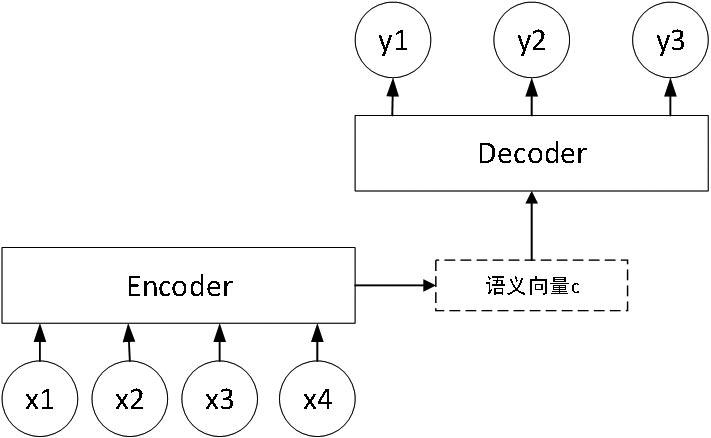
Figure 1 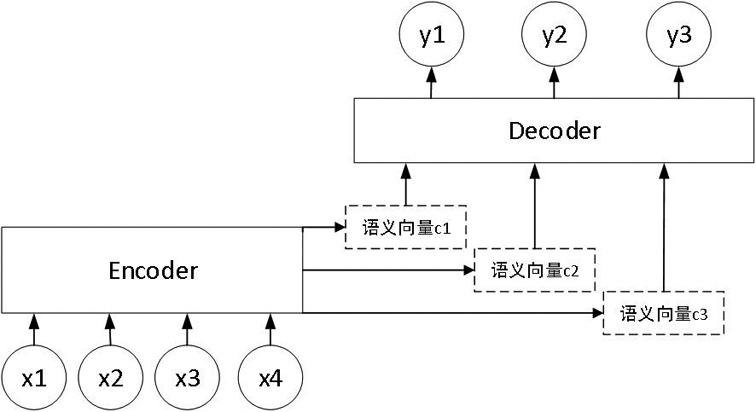
Figure 2 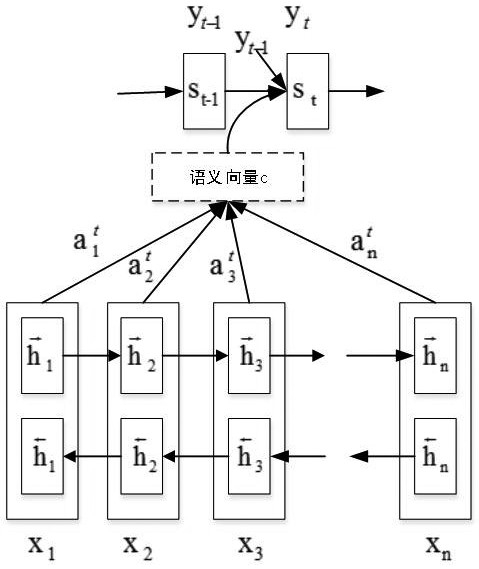
Figure 3
Abstract
Description
technical field
[0001] The invention relates to the field of information selection and semantic association, in particular to a text summarization model generation algorithm that integrates information selection and semantic association. Background technique
[0002] The Seq2Seq model based on the encoder-decoder framework was proposed and popularized by Sutskever et al. in the field of machine translation in 2014. Its significance lies in learning features from the data based entirely on the data itself, and compared to other abstract summarization methods Can get better results. In the paper published in 2015, Rush et al. combined the neural language model and the context-based input encoder to propose a sentence summarization model based on the encoder-decoder framework, which generates summaries one by one given the input sentence. of each word. Lopyrev et al. used LSTM as the model of the encoder-decoder framework, and used the attention model to generate the headline...
Examples
Embodiment Construction
[0080] The present invention will be further described below in conjunction with the accompanying drawings and embodiments.
[0081] It should be pointed out that the following detailed description is exemplary and intended to provide further explanation to the present application. Unless defined otherwise, all technical and scientific terms used herein have the same meaning as commonly understood by one of ordinary skill in the art to which this application belongs.
[0082] It should be noted that the terminology used here is only for describing specific implementations, and is not intended to limit the exemplary implementations according to the present application. As used herein, unless the context clearly dictates otherwise, the singular is intended to include the plural, and it should also be understood that when the terms "comprising" and / or "comprising" are used in this specification, they mean There are features, steps, operations, means, components and / or combinatio...