
Body drawing visible method based on fractal
A volume rendering and fractal technology, applied in image data processing, instrumentation, computing, etc., can solve problems such as unintegrated data
Patent Information
- Authority / Receiving Office
- CN · China
- Current Assignee / Owner
- Publication Date
- 2007-03-21
- Estimated Expiration
- Not applicable · inactive patent
Smart Images
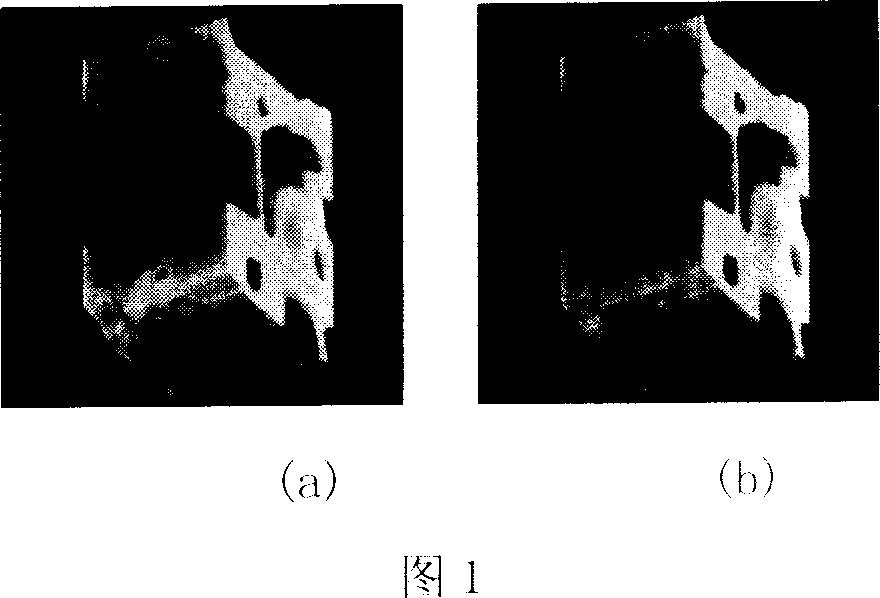
Figure 1 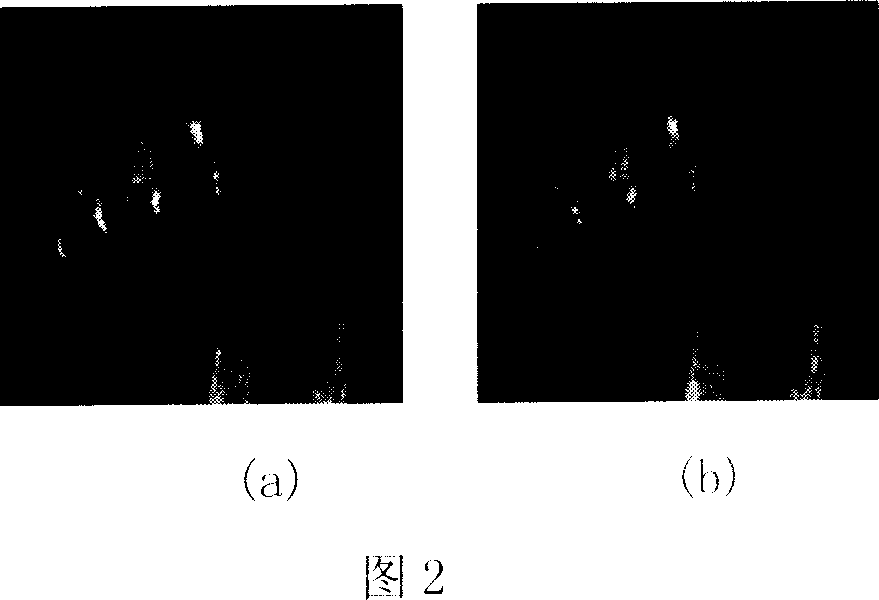
Figure 2 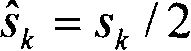
Figure 3
Abstract
Description
technical field
[0001] The invention relates to a method in the field of computer application technology, in particular to a volume rendering visualization method based on fractal theory. Background technique
[0002] Since the 1980s, with the rapid development of imaging technology, especially the gradual maturity of medical imaging technology, a large amount of volume data has emerged. How to effectively use these data is a major problem for researchers. Most of the data today can only be processed through visual means. The scientific visualization method is used to reconstruct a three-dimensional shape from a two-dimensional image sequence, which can make up for the lack of imaging equipment, provide users with realistic three-dimensional graphics, and facilitate users to observe and analyze from multiple angles and levels. It has great practical value in clinical diagnosis, operation planning and medical teaching. In recent years, volume rendering methods, as a scienti...