
Lock device
a technology of locking device and lock body, which is applied in the direction of non-mechanical control, building locks, construction, etc., can solve the problems of inefficiency of long-term systems, and achieve the effect of saving space and more spa
Patent Information
- Authority / Receiving Office
- US · United States
- Patent Type
- Applications(United States)
- Current Assignee / Owner
- Publication Date
- 2020-02-13
Smart Images
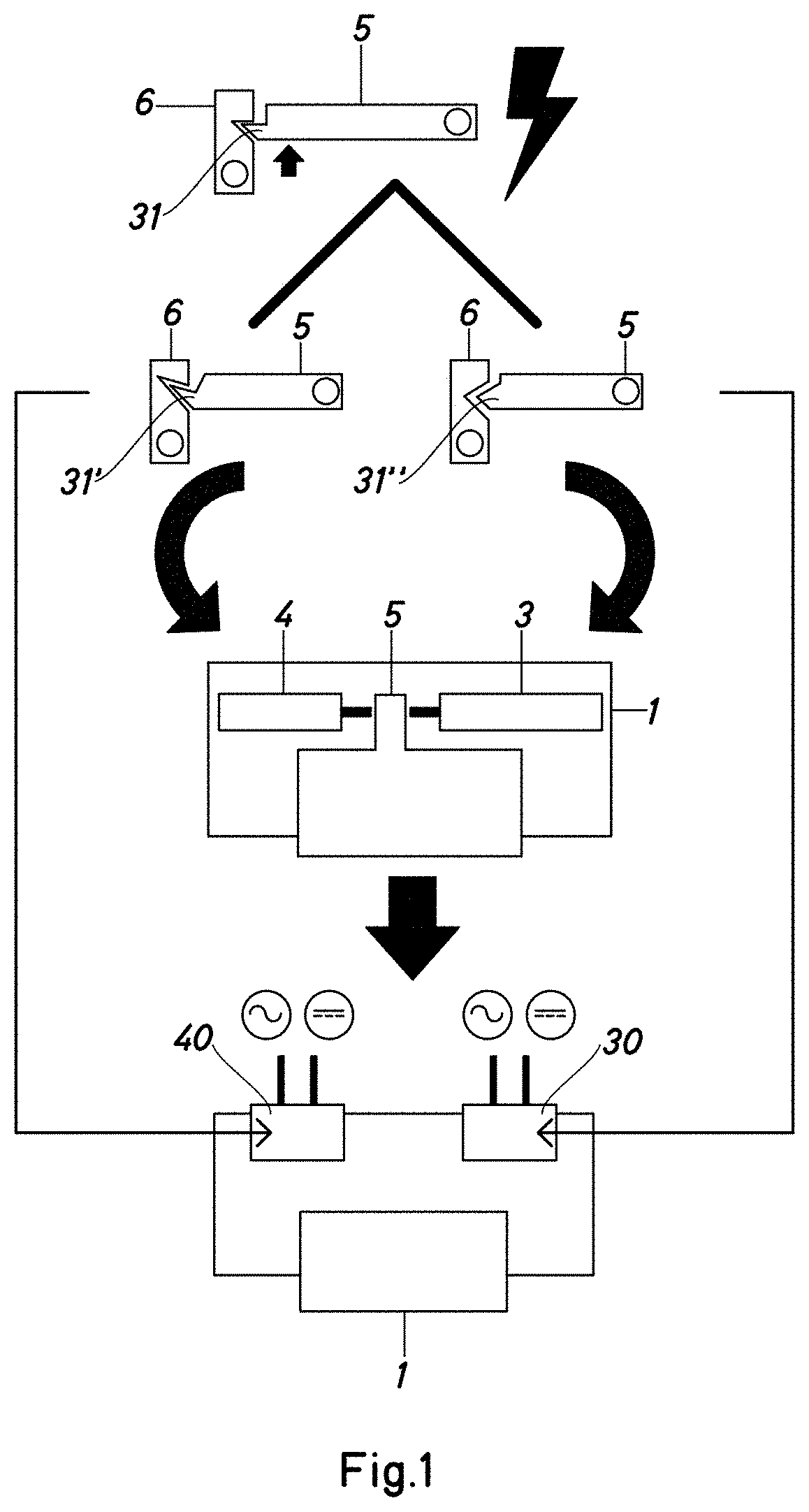
Figure 1 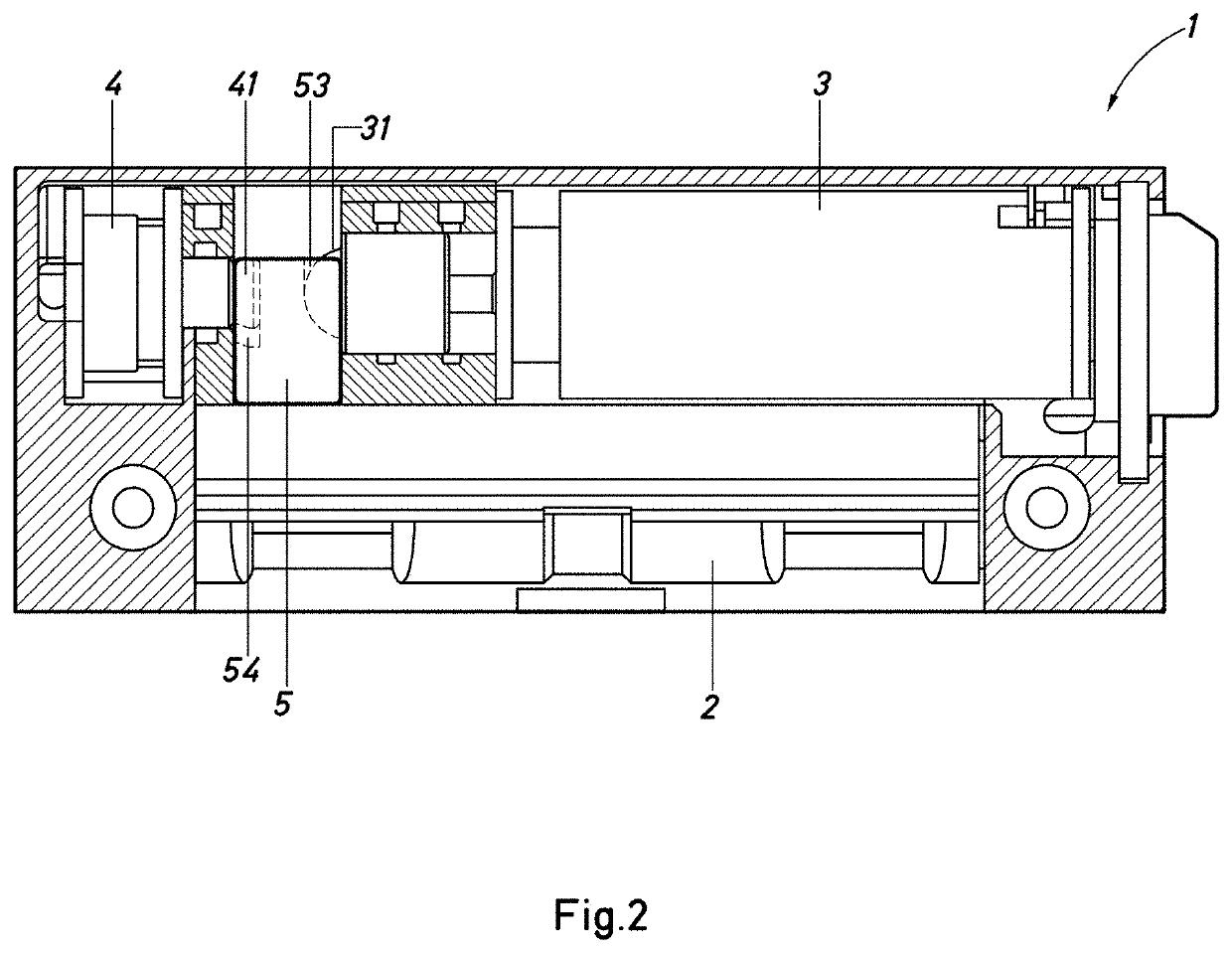
Figure 2 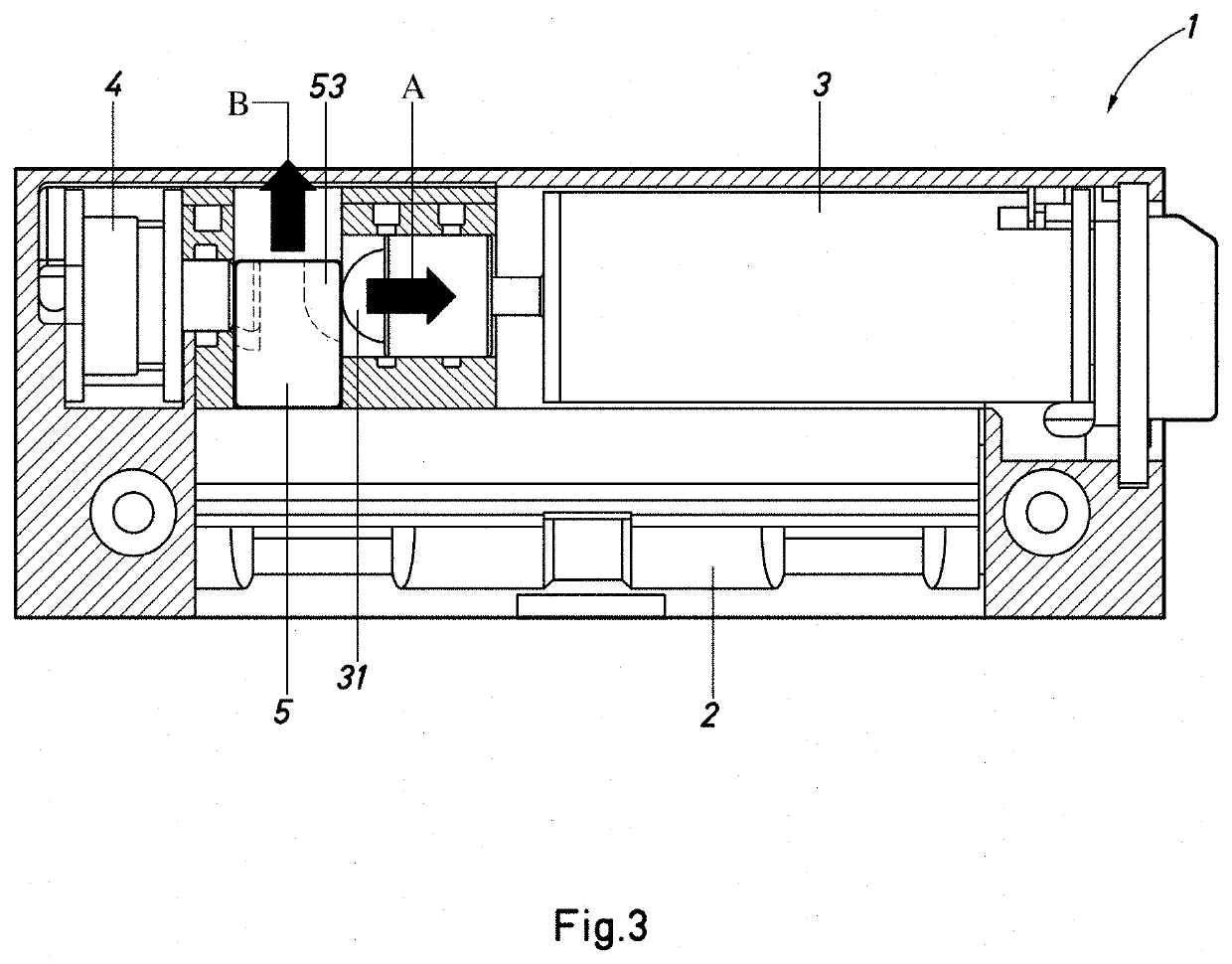
Figure 3
Abstract
Description
CROSS-REFERENCE TO RELATED APPLICATION
[0001] This application claims priority to European Patent Application No. 18382608.0 filed on Aug. 13, 2018, the disclosure of which including the specification, the drawings, and the claims is hereby incorporated by reference in its entirety.FIELD OF THE INVENTION
[0002] The present invention relates to a lock device. More particularly, the present invention relates to a novel arrangement which has numerous advantages, including improving the operation of security locks or anti-panic locks, preferably in a small-size format, with regard to load situations, although this is only one of many advantages.
[0003] The present invention may be applied to a wide range of lock devices, for example electric door openers, security doors, evacuation route doors and anti-panic doors, although the invention is not necessarily limited to said applications.BACKGROUND OF THE INVENTION
[0004] Conventionally, door-opening devices have a single actuator (usually a coil)...
Examples
Embodiment Construction
[0077]The upper portion of FIG. 1 shows a known type of central bar or part -5-, the retention force of which must be overcome by a bolt for opening to be possible. To prevent the device from opening, the position of the central part -5- is locked by means of an actuator -6-. In some embodiments of the opening device, the actuator -6- is known as a locking lever or short bar. Locking is achieved by means of a projection, end or part -31- of the actuator which is inserted in a corresponding housing receptacle in the central part -6-, being thus interlocked. Typically, this type of device has a single actuator, the function of which, when it receives an opening order, is to unmesh the central part -5- by retracting the bar of the actuator -6-.
[0078]Depending on the shape of the part -31- and of the corresponding housing receptacle, it may be easier or more difficult to force unlocking by an action transmitted through the central part itself (for example, an unauthorised opening attemp...