
Adaptive Optics vs Conventional Systems: Which Improves Clarity?
Adaptive Optics Evolution and Clarity Enhancement Goals
Adaptive optics technology emerged from the fundamental challenge of atmospheric turbulence affecting optical systems, particularly in astronomical observations. The concept was first theorized in the 1950s by astronomer Horace Babcock, who recognized that real-time correction of wavefront distortions could dramatically improve image quality. However, the technological limitations of that era prevented practical implementation, leaving the idea dormant for decades.
The evolution of adaptive optics gained momentum during the Cold War era, driven by military applications requiring precise optical systems for surveillance and laser communications. The United States Department of Defense invested heavily in developing technologies capable of compensating for atmospheric disturbances, leading to significant breakthroughs in wavefront sensing and correction mechanisms during the 1970s and 1980s.
The transition from military to civilian applications marked a pivotal moment in adaptive optics development. Ground-based telescopes became the primary beneficiaries, with systems like the one installed at the Mount Wilson Observatory in the early 1990s demonstrating unprecedented image clarity. These early implementations proved that adaptive optics could achieve near-diffraction-limited performance, surpassing conventional optical systems by orders of magnitude in specific conditions.
Modern adaptive optics systems have expanded beyond astronomy into diverse fields including ophthalmology, microscopy, and laser communications. The technology now encompasses multiple correction techniques, from traditional deformable mirrors to liquid crystal spatial light modulators, each targeting specific types of optical aberrations and distortions.
The primary goal of contemporary adaptive optics evolution centers on achieving maximum optical clarity through real-time wavefront correction. Unlike conventional systems that rely on static optical elements, adaptive systems continuously monitor and compensate for dynamic disturbances, whether atmospheric turbulence, thermal variations, or mechanical vibrations. This fundamental difference enables adaptive systems to maintain optimal performance across varying environmental conditions.
Current development trajectories focus on increasing correction bandwidth, expanding the field of view, and reducing system complexity while maintaining superior clarity enhancement capabilities. The integration of artificial intelligence and machine learning algorithms represents the latest frontier, promising predictive correction capabilities that could further distinguish adaptive optics from conventional approaches in clarity improvement applications.
Market Demand for High-Resolution Optical Systems
The global market for high-resolution optical systems is experiencing unprecedented growth driven by diverse technological applications requiring superior image clarity and precision. Astronomical observatories, defense surveillance systems, biomedical imaging equipment, and advanced manufacturing inspection tools represent the primary demand drivers for enhanced optical performance. The increasing complexity of space exploration missions and the proliferation of ground-based telescopes seeking to compete with space-based observations have intensified the need for adaptive optics solutions that can overcome atmospheric disturbances.
Medical imaging applications constitute another significant market segment, where high-resolution optical systems enable non-invasive diagnostics and surgical procedures. Ophthalmology, dermatology, and microscopic cellular analysis require exceptional image quality that conventional optical systems often struggle to deliver consistently. The aging global population and rising healthcare standards are amplifying demand for advanced optical diagnostic equipment capable of detecting minute biological structures and abnormalities.
Industrial manufacturing sectors increasingly rely on high-precision optical inspection systems for quality control and defect detection. Semiconductor fabrication, automotive component manufacturing, and aerospace engineering demand optical systems capable of identifying microscopic flaws and ensuring product reliability. The miniaturization trend in electronics manufacturing has created particularly stringent requirements for optical resolution and measurement accuracy.
Defense and security applications represent a substantial market segment where optical clarity directly impacts operational effectiveness. Military surveillance, border monitoring, and reconnaissance systems require consistent high-resolution imaging across varying environmental conditions. The geopolitical landscape and increasing security concerns globally have sustained investment in advanced optical technologies for national defense applications.
Research institutions and universities drive demand for cutting-edge optical systems supporting scientific discovery. Physics laboratories, materials science research, and environmental monitoring programs require optical instruments capable of capturing precise measurements and detailed imagery. The competitive nature of scientific research encourages institutions to invest in the most advanced optical technologies available.
The market demonstrates clear preference for systems offering superior performance reliability, reduced maintenance requirements, and operational flexibility across diverse environmental conditions. Cost-effectiveness remains a critical consideration, particularly for commercial applications where return on investment must be demonstrated through improved operational outcomes and reduced system downtime.
Current State and Limitations of Conventional Optical Systems
Conventional optical systems have dominated the field of precision imaging for decades, establishing themselves as the foundation for telescopes, microscopes, cameras, and various scientific instruments. These systems rely on fixed optical elements including mirrors, lenses, and prisms that are precisely manufactured and aligned during the assembly process. The fundamental principle involves controlling light paths through static optical components designed to minimize aberrations and maximize image quality under ideal conditions.
Current conventional systems demonstrate remarkable capabilities in controlled environments where atmospheric disturbances and environmental factors remain minimal. Ground-based telescopes equipped with high-quality mirrors and sophisticated lens systems can achieve theoretical diffraction-limited performance when atmospheric conditions are stable. Similarly, laboratory-based microscopy systems and industrial imaging equipment deliver exceptional resolution and clarity when operating within their designed parameters.
However, conventional optical systems face significant limitations when confronting dynamic environmental challenges. Atmospheric turbulence represents the most prominent constraint for astronomical observations, causing stellar images to blur and limiting the effective resolution of even the largest telescopes to approximately one arcsecond. This phenomenon, known as seeing, prevents ground-based conventional systems from achieving their theoretical performance limits, regardless of aperture size or optical quality.
Temperature fluctuations introduce additional complications through thermal expansion and contraction of optical components, leading to focus shifts and alignment errors. Mechanical vibrations from environmental sources or internal mechanisms further degrade image stability and sharpness. These factors combine to create a performance ceiling that conventional systems struggle to overcome through traditional design approaches alone.
Manufacturing tolerances and surface imperfections in optical elements contribute to systematic aberrations that remain fixed throughout the system's operational lifetime. While advanced polishing techniques and precision manufacturing have reduced these issues, they cannot be eliminated entirely, and correction requires complete component replacement rather than real-time adjustment.
The static nature of conventional optical systems also limits their adaptability to varying observation conditions or target requirements. Once assembled and aligned, these systems cannot dynamically compensate for changing atmospheric conditions, thermal variations, or mechanical disturbances, resulting in inconsistent performance across different operational scenarios.
Existing Solutions for Wavefront Correction and Clarity
01 Wavefront sensing and correction systems
Advanced wavefront sensing technologies are employed to detect and measure optical aberrations in real-time. These systems utilize various sensing mechanisms to identify distortions in the optical path and provide feedback for correction. The correction is achieved through deformable mirrors or other adaptive elements that can dynamically adjust their shape to compensate for the detected aberrations, resulting in improved optical clarity.- Wavefront sensing and correction systems: Advanced systems that detect and measure optical wavefront distortions in real-time, then apply corrective measures to compensate for these aberrations. These systems utilize sophisticated sensors and algorithms to continuously monitor optical quality and make dynamic adjustments to maintain clarity. The technology enables precise measurement of optical imperfections and implements corresponding corrections to achieve optimal image quality.
- Deformable mirror technology: Specialized mirror systems with controllable surface deformation capabilities that can be dynamically adjusted to correct optical aberrations. These mirrors feature multiple actuators that can change the mirror's shape in real-time to counteract distortions and improve optical clarity. The technology allows for precise surface modifications to compensate for various types of optical imperfections and atmospheric disturbances.
- Atmospheric turbulence compensation: Methods and systems designed to counteract the effects of atmospheric disturbances on optical clarity. These approaches focus on identifying and correcting distortions caused by air turbulence, temperature variations, and other environmental factors that degrade image quality. The technology employs predictive algorithms and rapid response mechanisms to maintain stable optical performance despite changing atmospheric conditions.
- Control algorithms and feedback systems: Sophisticated computational methods that process optical measurements and generate appropriate correction signals for adaptive optics components. These systems implement closed-loop control strategies that continuously monitor optical performance and adjust system parameters to maintain optimal clarity. The algorithms incorporate machine learning and predictive modeling to enhance correction accuracy and response speed.
- Multi-conjugate and wide-field correction: Advanced adaptive optics architectures that provide correction over extended fields of view and multiple optical planes simultaneously. These systems address the limitations of traditional single-conjugate approaches by implementing multiple correction layers and sophisticated beam management techniques. The technology enables uniform optical clarity across larger areas and improved performance for complex optical systems requiring wide-field coverage.
02 Deformable mirror technologies
Specialized mirror systems with controllable surface deformation capabilities are fundamental components for achieving adaptive optical clarity. These mirrors can be actuated using various mechanisms including piezoelectric, electromagnetic, or electrostatic forces to create precise surface modifications. The ability to rapidly and accurately change mirror surface topology enables real-time correction of optical aberrations and enhancement of image quality.Expand Specific Solutions03 Control algorithms and feedback systems
Sophisticated control algorithms process wavefront sensor data to determine optimal correction parameters for adaptive optical elements. These systems implement closed-loop feedback mechanisms that continuously monitor optical performance and adjust correction parameters accordingly. Advanced computational methods enable rapid processing of complex wavefront data to maintain optimal optical clarity under varying conditions.Expand Specific Solutions04 Atmospheric turbulence compensation
Specialized techniques are developed to counteract the effects of atmospheric disturbances on optical systems. These methods focus on characterizing and predicting atmospheric turbulence patterns to enable proactive correction strategies. The compensation systems are designed to handle rapid fluctuations in atmospheric conditions while maintaining stable optical performance for applications such as astronomy and long-range imaging.Expand Specific Solutions05 Multi-conjugate and tomographic adaptive optics
Advanced adaptive optics architectures employ multiple correction layers and three-dimensional wavefront reconstruction techniques to achieve superior optical clarity over extended fields of view. These systems utilize multiple guide stars or reference sources to sample atmospheric turbulence at different altitudes and positions. Tomographic reconstruction algorithms combine information from multiple sources to create comprehensive correction strategies that address complex three-dimensional aberration patterns.Expand Specific Solutions
Key Players in Adaptive Optics and Conventional Systems Industry
The adaptive optics market is experiencing rapid growth as the technology transitions from a mature research phase to widespread commercial adoption across multiple sectors. The industry has evolved beyond traditional astronomical applications to encompass consumer electronics, automotive systems, and medical devices, with the global market expanding significantly due to increasing demand for high-precision optical systems. Technology maturity varies considerably among market players, with established optical giants like Nikon Corp., Canon Inc., and Carl Zeiss Meditec AG leading in precision manufacturing and medical applications, while companies such as FUJIFILM Corp. and Seiko Epson Corp. drive innovation in imaging solutions. Research institutions including California Institute of Technology, Beijing Institute of Technology, and Zhejiang University continue advancing fundamental adaptive optics technologies, while emerging players like XGimi Technology Co. and Meta Platforms Technologies LLC are integrating these systems into next-generation consumer products and AR/VR applications.
Nikon Corp.
Canon, Inc.
Core Innovations in Real-time Optical Aberration Correction
- The system replaces wavefront sensors and correctors with numerical processing for wavefront measurement and compensation using digital holography, allowing for high-resolution imaging without the complexity and cost of mechanical feedback loops.
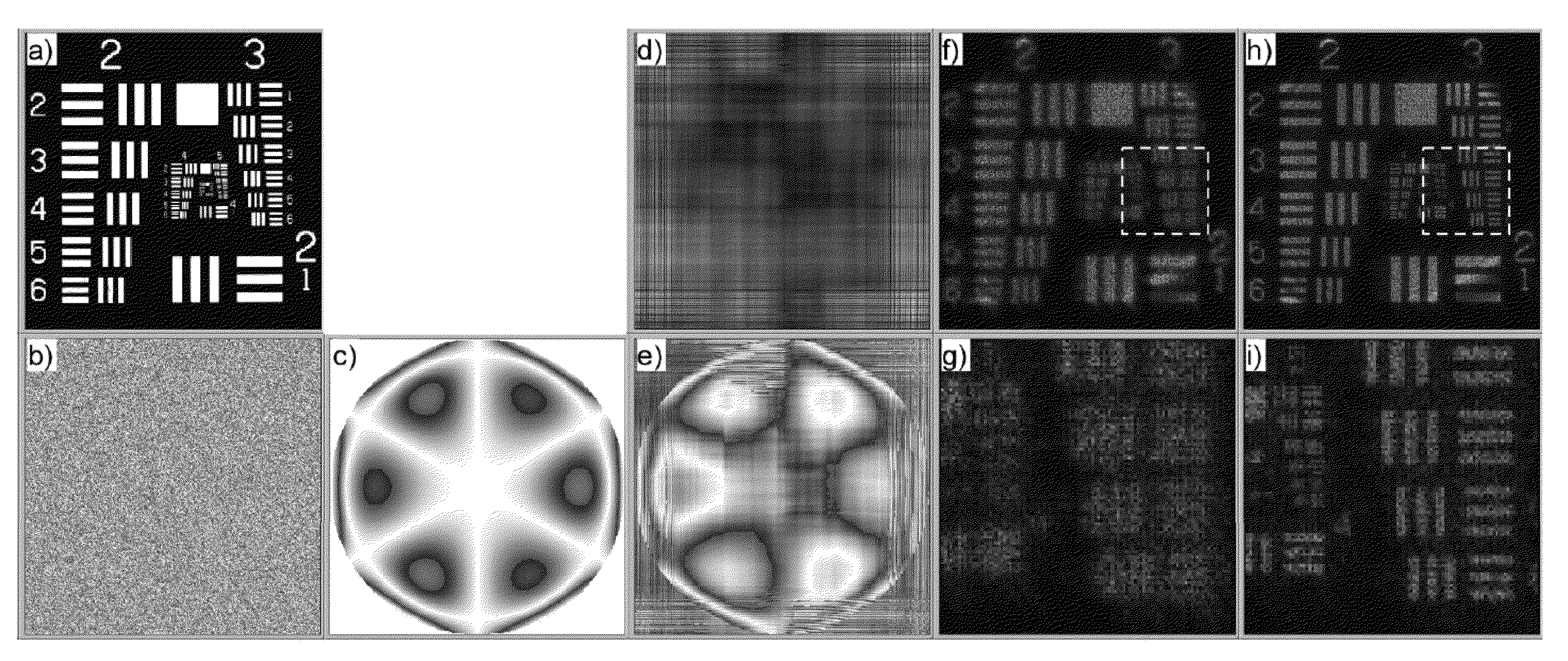
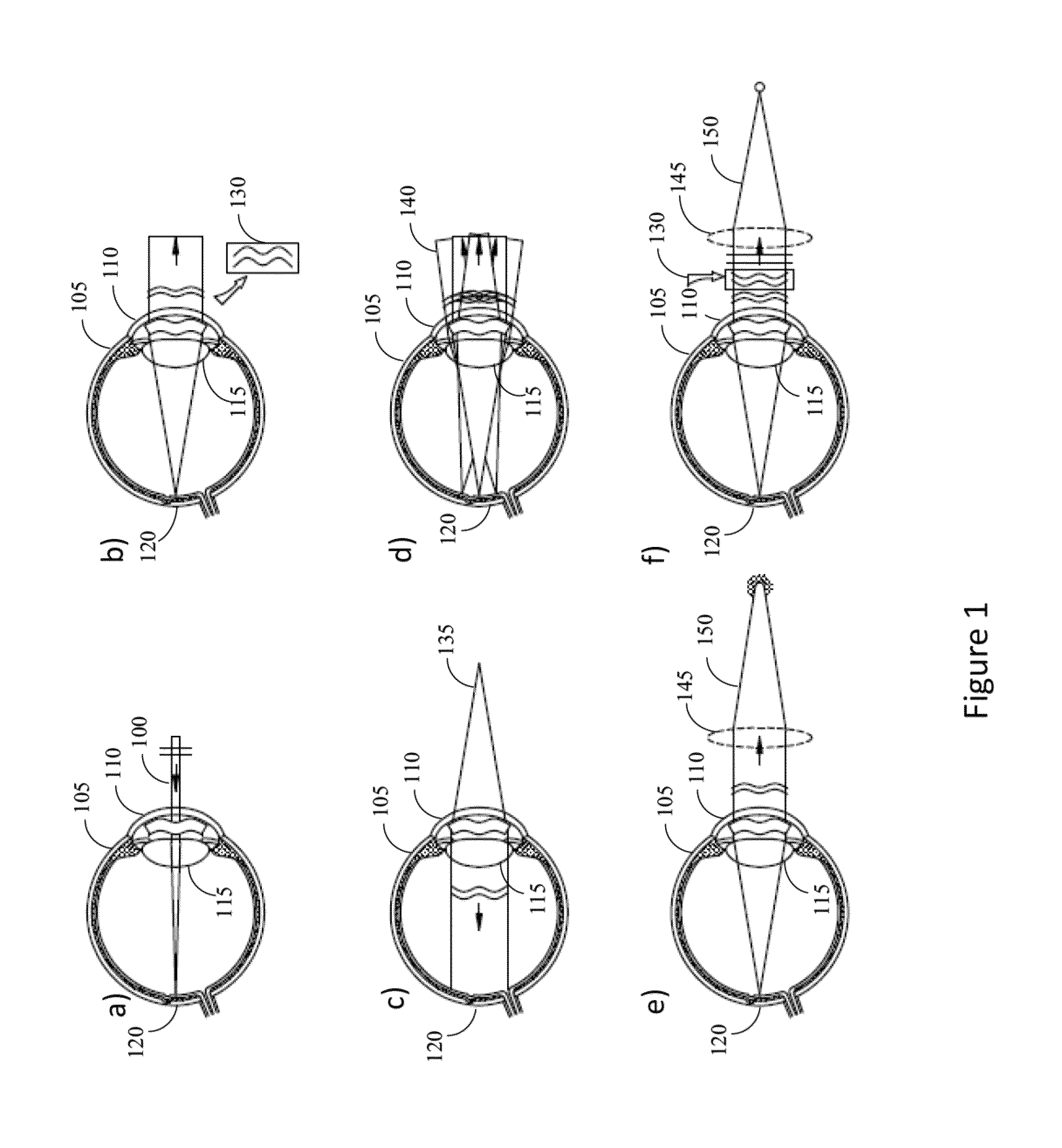
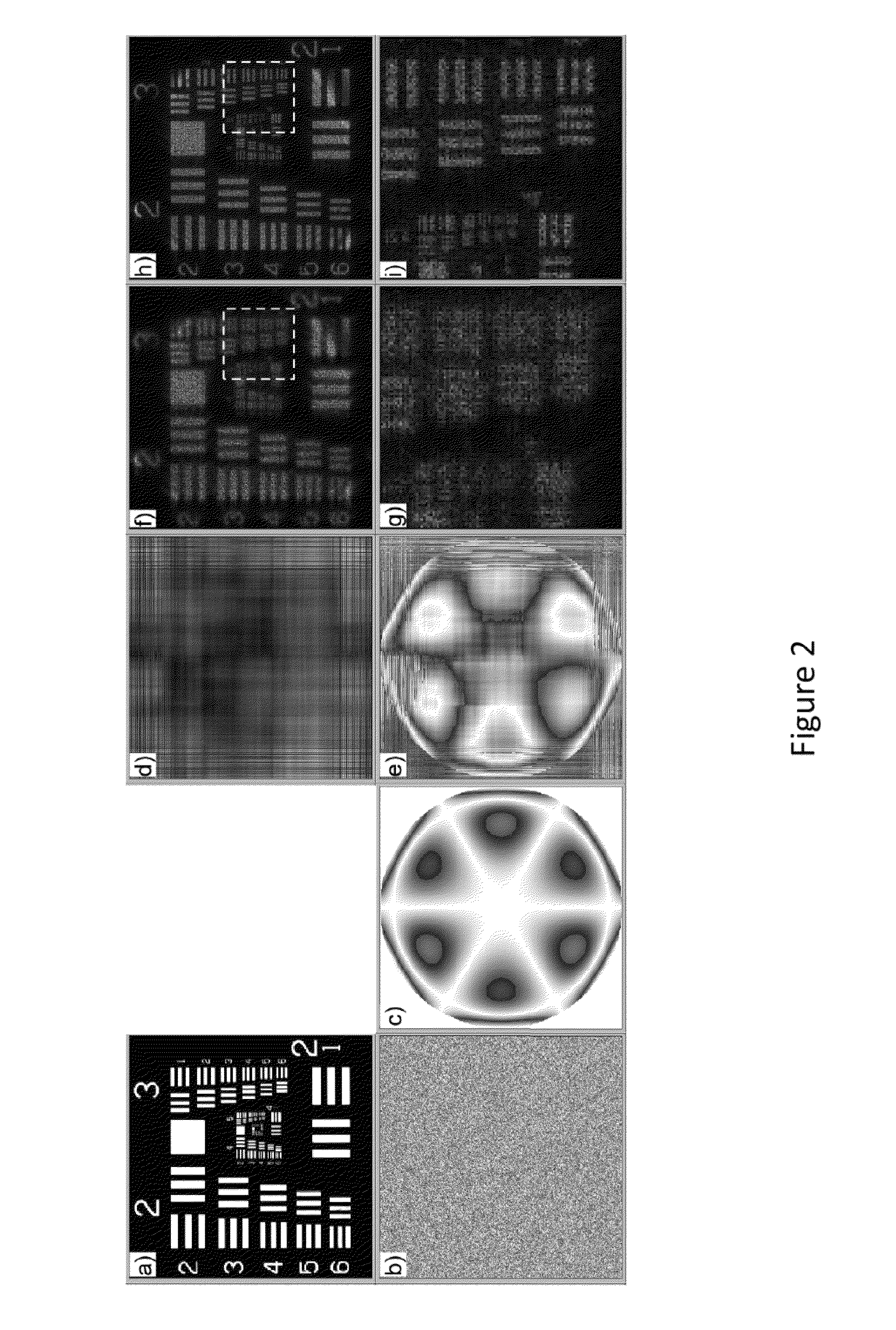

- An adaptive optical system with a wavefront phase modulator and an imaging conjugate position adjustment mechanism, using a combination of lenses and folding optical systems to adjust the optical distance and align the fluctuation correction surface with the fluctuation layer, along with a wavefront sensor for feedback control, allowing for precise aberration correction regardless of the target's size or distance.


Cost-Benefit Analysis of Adaptive vs Conventional Systems
The economic evaluation of adaptive optics systems versus conventional optical systems reveals significant disparities in both initial investment requirements and long-term operational benefits. Adaptive optics systems typically demand capital expenditures ranging from 150% to 300% higher than conventional alternatives, primarily due to sophisticated wavefront sensors, deformable mirrors, and real-time control processors. However, this substantial upfront investment must be weighed against the enhanced performance capabilities and reduced operational inefficiencies over the system lifecycle.
From a total cost of ownership perspective, adaptive optics demonstrates compelling advantages in applications requiring high precision and reliability. The improved image clarity and reduced atmospheric distortion translate directly into measurable productivity gains, particularly in astronomical observations, laser communications, and high-resolution imaging applications. Studies indicate that adaptive systems can achieve up to 40% improvement in data quality, reducing the need for repeated measurements and post-processing corrections that burden conventional systems.
Operational cost analysis reveals that adaptive optics systems often require specialized maintenance expertise and periodic calibration procedures, increasing annual service costs by approximately 25-35% compared to conventional systems. However, these additional expenses are frequently offset by reduced downtime and enhanced system reliability. The self-correcting nature of adaptive optics minimizes performance degradation over time, extending effective operational lifespan and maintaining consistent output quality.
The return on investment calculation becomes particularly favorable in mission-critical applications where image clarity directly impacts operational success rates. In ground-based telescopes, for instance, adaptive optics can eliminate the need for space-based alternatives in certain applications, representing potential savings of millions of dollars. Similarly, in industrial applications such as precision manufacturing and quality control, the enhanced clarity provided by adaptive systems reduces defect rates and improves yield, generating quantifiable economic benefits that typically justify the initial investment within 3-5 years of deployment.
Performance Metrics and Clarity Assessment Standards
The evaluation of adaptive optics versus conventional optical systems requires standardized performance metrics that accurately quantify clarity improvements across different operational conditions. Primary assessment parameters include Strehl ratio, which measures the ratio of peak intensity in the actual point spread function to that of a perfect diffraction-limited system. Values approaching unity indicate superior optical performance, with adaptive optics systems typically achieving Strehl ratios above 0.8 under moderate atmospheric turbulence conditions.
Wavefront error measurements serve as fundamental clarity indicators, typically expressed in root mean square (RMS) values across the optical aperture. Conventional systems often exhibit wavefront errors exceeding 500 nanometers under atmospheric disturbance, while adaptive optics implementations can reduce these errors to below 100 nanometers through real-time correction mechanisms.
Modulation Transfer Function (MTF) analysis provides comprehensive spatial frequency response characterization, enabling direct comparison of image sharpness between system architectures. Adaptive optics demonstrates superior MTF preservation across mid-to-high spatial frequencies, particularly in the 0.3 to 0.8 normalized frequency range where conventional systems experience significant degradation.
Encircled energy measurements quantify the concentration of optical power within specified angular diameters, directly correlating with image clarity perception. Adaptive optics systems consistently achieve higher encircled energy percentages within smaller angular radii, indicating improved light concentration and enhanced resolution capabilities.
Atmospheric coherence length (Fried parameter) establishes baseline turbulence conditions for comparative assessments. Standard evaluation protocols require testing across coherence lengths ranging from 5 to 50 centimeters, encompassing typical operational environments from severe to mild atmospheric disturbance scenarios.
Temporal stability metrics assess correction bandwidth and response characteristics, with adaptive optics systems requiring evaluation of correction frequencies up to several kilohertz. Performance degradation analysis under varying turbulence velocities provides critical operational boundary definitions for practical deployment scenarios.